
Turtle Canyon Oahu: How Green Turtles Use Back Flippers
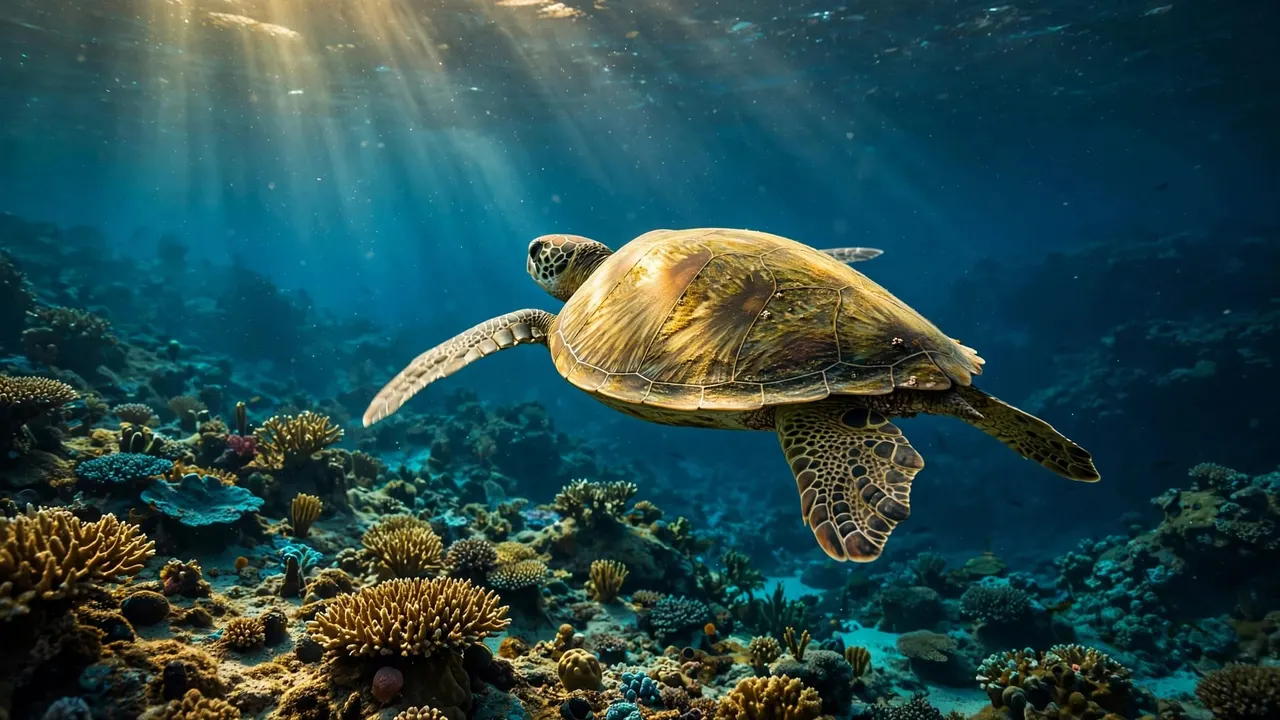
A Hawaiian green sea turtle can look almost weightless as it crosses a reef, yet every turn depends on precise movement. At Turtle Canyon Oahu, watching a honu use its rear flippers gives you a closer look at how a wild turtle stays balanced in moving water.
Living Ocean Tours brings snorkelers from Kewalo Basin Boat Harbor to Waikiki’s offshore reef habitat. As Oahu’s top-rated and most-reviewed turtle snorkeling company, it is also the only tour company with professional snorkel guides in the water with you.
When you give turtles space, you can watch their natural swimming patterns without becoming part of the scene.
Key Takeaways
- A Hawaiian green sea turtle, or honu, has large front flippers and smaller rear flippers that work with its shell and body in the water.
- At Turtle Canyon Oahu, rear flippers may shift as a turtle glides, turns, slows, or holds its position above the reef.
- Green turtles are protected wildlife, so you should stay at least 10 feet, or 3 meters, away.
- Turtle Canyons is a natural cleaning-station reef. Sightings depend on water conditions and each turtle’s behavior.
- A guided snorkel trip gives you equipment help, flotation support, and professional in-water guidance while you observe responsibly.
Why Turtle Canyon Oahu Attracts Green Turtles
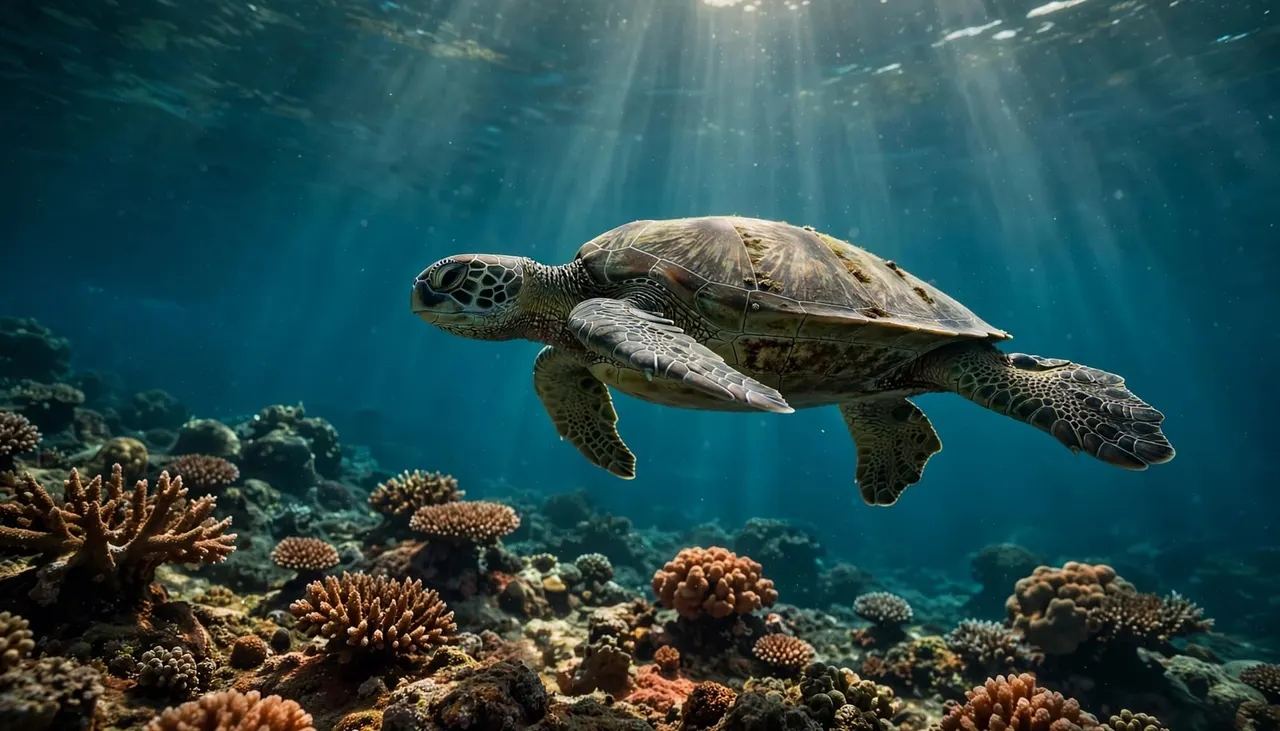
Just offshore from Waikiki, Turtle Canyons is known for reef habitat where Hawaiian green sea turtles often visit natural cleaning stations. Small reef fish may pick algae and other material from a turtle’s shell and skin while the turtle rests or moves slowly nearby.
You are not entering an aquarium. The turtles choose when to arrive, where to pause, and when to head toward open water.
A reef stop in a larger life
Hawaiian green sea turtles are green turtles, Chelonia mydas, and they are known locally as honu. NOAA Fisheries identifies the species as the largest hard-shelled sea turtle.
An adult can be an impressive sight above the reef. Hawaii Department of Land and Natural Resources guidance notes that adults may reach 3 to 4 feet long, weigh more than 350 pounds, and live for 70 years or longer.
That size can make a turtle seem slow. In reality, its body is built for efficient travel through water.
Cleaning stations are active wildlife habitat
A cleaning station can look peaceful from the surface, but it is still a working reef. Fish, currents, coral ledges, and turtles all shape what you see.
Some days bring clear water and several sightings. On other days, swell, visibility, currents, and turtle behavior change the experience. Living Ocean Tours reports a 95% turtle-sighting success rate at Turtle Canyons, but no wildlife encounter can be promised.
The best turtle sighting is one where the animal can rest, turn, surface, and leave without changing its route for swimmers.
How a Green Turtle’s Flippers Work Together
A honu has four flippers, but they do not all look alike. The front pair are long and powerful, while the rear pair are shorter and sit close to the tail.
Those rear flippers can be easy to miss until a turtle turns away from you or glides just above a reef ledge.
Front flippers provide the visible drive
When a green turtle moves forward, its front flippers make the broad, graceful strokes you notice first. Each front flipper normally has one small, curved claw near its outer edge.
That claw is not a swimming tool. It is much smaller than the flipper itself, and it does not propel the turtle through the water.
If you see a turtle pass from the side, look for the smooth sweep of its front flippers rather than swimming closer to inspect the claw.
Rear flippers support movement and control
At Turtle Canyon Oahu, a turtle’s rear flippers may angle outward, draw closer together, or shift slightly as its body changes direction. The movements can look subtle because the turtle’s shell, front flippers, head, and rear flippers all work as one swimming form.
Living Ocean Tours frames this flipper behavior around steering. It is useful to view the rear flippers as part of the turtle’s control system, helping it adjust its position as it glides over uneven reef terrain.
NOAA describes sea turtles as agile swimmers with streamlined shells and paddle-shaped flippers in its sea turtle facts guide. You do not need to label every flipper movement to appreciate the skill involved.
What You Can Notice While a Turtle Swims
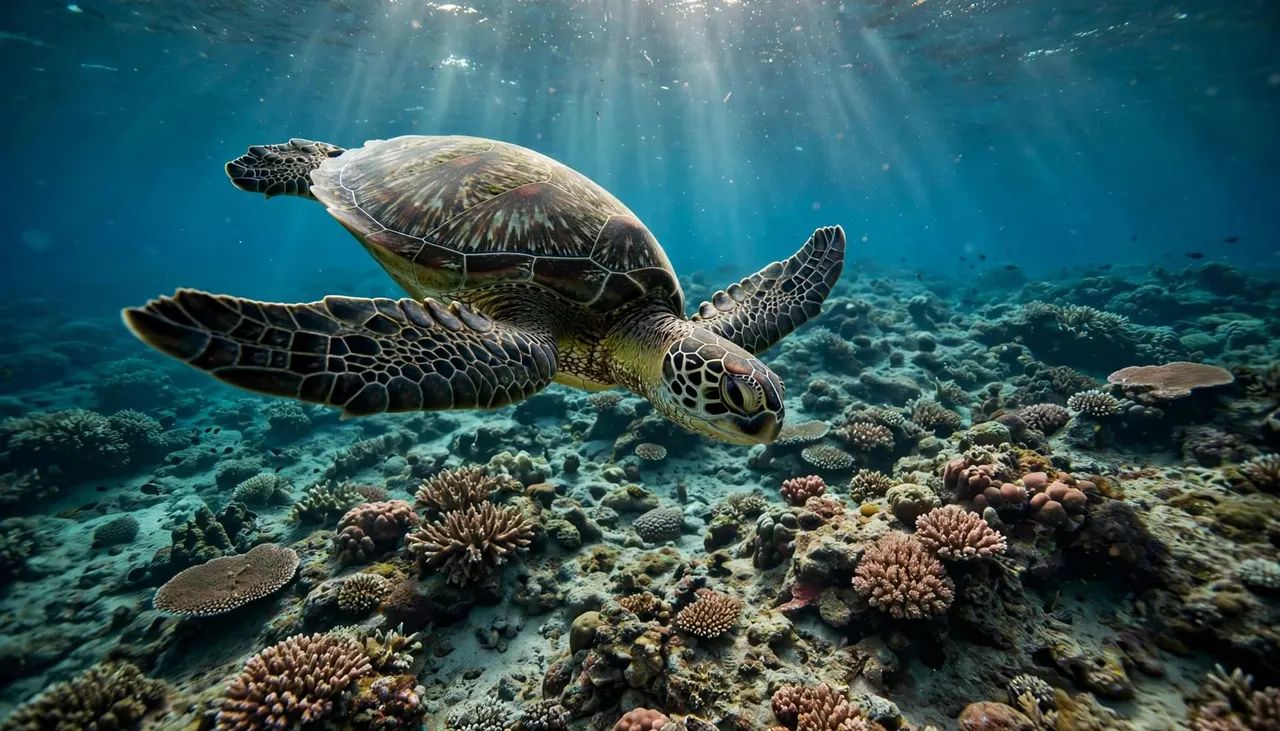
Turtle movement looks calm because a honu does not waste energy. Instead of constant strokes, you may see a few strong front-flipper motions followed by a long, steady glide.
A patient view gives you more detail than following the turtle across the reef.
Watch for small changes in direction
A turtle may tilt slightly as it crosses a reef slope. Its rear flippers may shift as it changes course or keeps its body level in the current.
Meanwhile, the front flippers can tuck closer to the body during a glide. These small adjustments let the turtle move through a complex reef without bumping into coral or wasting motion.
Keep your own fins still when you are nearby. Kicking hard to follow a turtle can damage coral and force the animal to change direction.
Surface trips are part of the routine
Green turtles are reptiles, so they must reach the surface to breathe air. A turtle lifting its head above the water may only be taking a calm breath before returning to the reef.
Never position yourself between a turtle and the surface. Give it an open path, even if that means letting a photo opportunity pass.
A respectful photo from a safe distance is more valuable than a close shot that alters the turtle’s behavior.
Snorkeling Turtle Canyon Oahu With Respect
The reef is more enjoyable when you know your role. You are a visitor in a turtle’s feeding, resting, and travel area.
That starts with distance. Stay at least 10 feet away, or about 3 meters, whether the turtle is underwater, at the surface, or resting near shore.
Keep the turtle’s route open
Never touch, feed, chase, surround, block, ride, or hold onto a sea turtle. A turtle swimming toward you does not mean it wants company.
Instead, float calmly and let it pass. Your guide may ask the group to shift position so a turtle can surface or move along the reef without swimmers in its path.
This approach also improves your view. When a honu feels free to follow its own route, you are more likely to see natural gliding, turning, and cleaning-station behavior.
Report trouble without intervening
Fishing line, visible wounds, trouble swimming, or restricted flipper movement can signal a problem. However, handling a turtle can add stress and make a response harder.
Stay back and tell your guide, a lifeguard, or the appropriate wildlife authority. For injured or dead turtles in Hawaii, NOAA’s Marine Wildlife Hotline is (888) 256-9840.
Do not remove line, treat a wound, move the turtle, or push it into the water. Trained responders can assess the situation safely.
Snorkel With Living Ocean Tours
Living Ocean Tours departs from Kewalo Basin Boat Harbor, minutes from Waikiki. Its Coast Guard-inspected double-decker boats include shaded seating, onboard restrooms, dry storage, and sturdy ladders for water entry.
The crew provides gear, instruction, and flotation support. Because Living Ocean Tours is the only tour company with professional snorkel guides, you receive direct in-water help if you are new to snorkeling or want extra support around the reef.
A wildlife-first Turtle Canyons outing
The Turtle Canyons Snorkel Excursion visits Waikiki’s well-known turtle cleaning-station habitat. Couples can enjoy an easy ocean adventure together, while families can move at a comfortable pace with guidance close by.
Before you enter the water, tell the crew about your swimming comfort and any concerns about masks, fins, or floating. A little help before the first entry can make the reef feel far more inviting.
If Turtle Canyon Oahu is on your Waikiki list, you can CHECK AVAILABILITY for a guided turtle snorkeling trip.
Comfort helps you focus on the reef
A stable, organized boat experience gives you more attention for the water instead of your equipment. The crew can help you fit your mask, review the entry plan, and choose flotation support that suits your confidence level.
Once you are floating calmly, watch the reef before searching for turtles. Bright tropical fish, rays, eels, and coral formations often make the wait worthwhile.
For more options on the water, browse guided sea turtle snorkeling in Oahu.
Prepare for a Better Turtle Encounter
Plan for comfort before you leave the harbor. Eat lightly if boat rides affect you, wear a secure swimsuit, and bring a towel and reusable water bottle.
Reef-safe sun protection helps reduce the need to touch your face or adjust gear constantly in the water.
Start slowly if you are new to snorkeling
First-time snorkelers often focus on breathing through the snorkel. That is normal. Take time to practice floating face-down, clearing your mask, and relaxing your legs before you swim farther from the boat.
Stay close enough to hear the guide’s instructions. Ask for a flotation vest if it helps you conserve energy and avoid accidental contact with coral.
You do not need to be the fastest swimmer to enjoy Turtle Canyon Oahu. Calm breathing and good body position matter more.
Let the reef set the pace
Avoid standing on coral, even if the water appears shallow. Coral is living habitat, and a single fin strike can cause damage.
Move slowly, look around before changing direction, and keep your camera secondary to safety. When you stop trying to close every gap between you and a turtle, you notice far more of the reef around it.
FAQ About Turtle Canyon Oahu
Do green turtles use their back flippers to swim?
Rear flippers move as part of a turtle’s overall body control in the water. You may see them shift as the turtle glides or changes direction, while the broad front flippers make the more visible swimming strokes.
Is Turtle Canyon good for beginner snorkelers?
It can be a comfortable option when you choose a guided outing with equipment help, flotation support, and clear in-water instruction. Be honest about your comfort level and stay near the group.
What should you do if a turtle looks injured?
Keep at least 10 feet away and alert your guide, a lifeguard, or wildlife authorities. Do not touch the turtle, remove fishing line, move it, or attempt treatment.
A Better View Starts With Space
Turtle Canyon Oahu gives you a rare look at honu moving through an active reef on their own terms. Their front and rear flippers, streamlined shells, and steady glides are part of a life that does not need human help to be remarkable.
Give each turtle room to breathe, turn, rest, and leave. Respectful distance protects the reef experience you came to enjoy.


