
Turtle Canyon Snorkel: A Complete Waikiki Guide
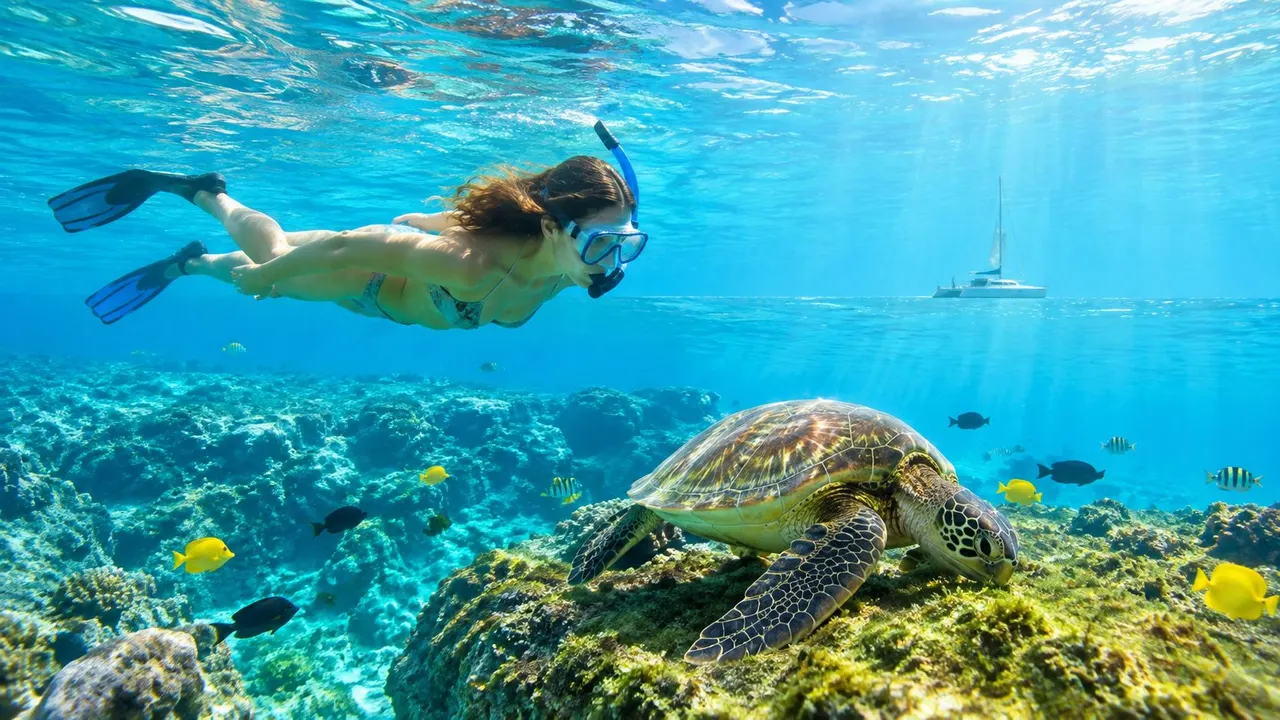
You've got one free morning in Waikiki, a family that ranges from confident swimmers to nervous first-timers, and a simple goal: see a honu without turning the day into a battle with surf, parking, or guesswork. Book a Turtle Canyon snorkel if you want the captain to handle the access, conditions, equipment, and turtle spotting. Turtle Canyon is offshore, so you can't swim there from Waikiki Beach, and that boat-only setup is exactly why it works so well for beginners and families.
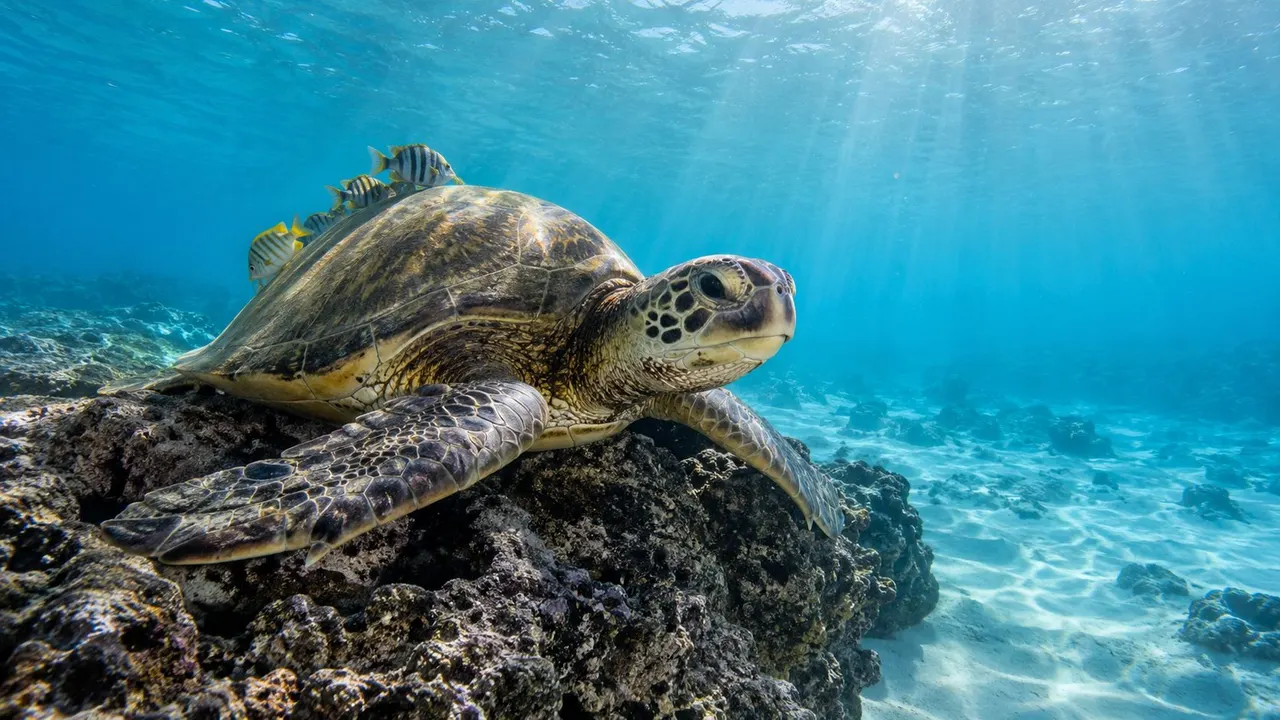
The reef system sits roughly 15 boat minutes from Kewalo Basin and about 1.5 to 2.5 miles from Waikiki Beach, according to Oahu Boat Tours' overview of Turtle Canyon. The site's appeal isn't just its proximity. Hawaiian green sea turtles gather there at a natural cleaning station, where reef fish remove algae from their shells. Choose the right departure, listen to the crew, and give the honu room to behave naturally.
What Makes Turtle Canyon Special
A first-time guest slips off the boat platform into warm water and immediately looks for the reef. Within moments, the bottom comes into view, fish move across the lava formations, and a green sea turtle glides along the reef wall. The guest's first instinct is usually to swim closer. A good guide stops that impulse before it becomes a problem, pointing out that the best encounter happens when the turtle doesn't feel pressured.
Turtle Canyon is a shallow offshore reef system, not a beach-entry snorkel spot. The natural lava structure creates feeding and resting habitat, while resident reef fish service turtles at the cleaning station. That behavior gives boat crews a reliable place to look, instead of sending guests into open water hoping a turtle happens to pass.
Why the boat matters
The reef's offshore location keeps the experience focused. A captain can position the boat over active reef habitat, while guides help guests enter, spread out, and identify turtles without crowding them. That controlled access is the main reason I recommend Turtle Canyon over an improvised shore search for families and cautious swimmers.
You may also see tropical reef fish and other marine life. Deeper water around Oahu can occasionally attract reef sharks, eagle rays, or Hawaiian monk seals, but those sightings are never the reason to book. The honu and the cleaning-station behavior are the main event.
Hawaiian green sea turtles also carry important conservation context. The U.S. Fish and Wildlife Service reports 83 nests on Oahu in 2024, compared with 9 in 2019. Hawaii's Department of Land and Natural Resources says nesting populations have increased by about 5% per year over the last two decades, reaching nearly 500 nesting females annually, compared with 67 nesting turtles in 1973, as detailed by the same federal resource. Those figures make respectful viewing more than good manners. They show why a growing wildlife encounter needs disciplined guests.
For a closer look at the site, see this Turtle Canyon Oahu snorkeling guide.
Logistics, Timing, and What the Trip Looks Like
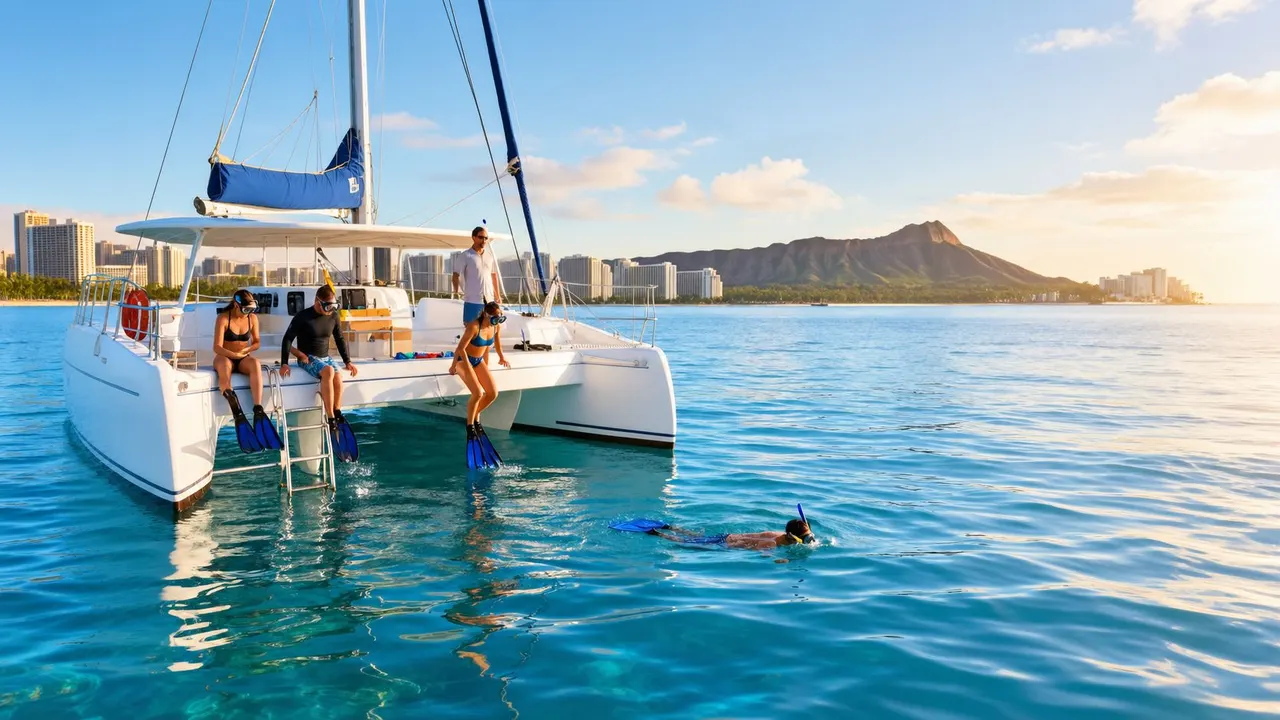
Most Waikiki turtle boats depart from Kewalo Basin Harbor, often from slip 308. Plan to arrive 20 to 30 minutes early, not at the scheduled departure time. Parking, walking to the dock, and finding the check-in point take longer when your group includes children, older travelers, or anyone who needs help with gear.
The sequence is straightforward:
- Check in at the harbor. Meet the crew on the dock and confirm your reservation.
- Fit the equipment. The crew should help you choose a mask, snorkel, fins, and flotation support.
- Listen to the safety briefing. Expect about five minutes covering boat movement, entry, flotation, and turtle behavior.
- Ride to the reef. The trip to Turtle Canyon generally takes about 15 boat minutes, based on the Turtle Canyon site overview.
- Snorkel in rotations. Crews commonly run one or two water sessions, depending on conditions and group comfort.
- Return to Kewalo Basin. Dry off, collect your belongings, and leave extra time before your next reservation.
Morning or afternoon
Morning trips are my first choice for photographers and guests who want the smoothest possible start. Afternoon departures can offer calmer winds and comfortable conditions on some days, but the ocean decides the schedule, not the brochure. If your group includes nervous swimmers, book the departure that gives you the least pressure around the rest of the day.
Tour duration varies by operator, so check the actual itinerary before booking. A well-run outing should explain the meeting point, check-in process, included gear, flotation options, age requirements, and weather policy clearly. Age minimums commonly begin around 4 years old, but operators set their own rules.
If the sea becomes too rough, a responsible captain won't force the trip. The operator may alter the route, reschedule, or offer a refund according to its published policy. That flexibility matters more than a promise of a perfect itinerary.
See the Turtle Canyon snorkeling trip details before you reserve, especially if your party includes children or cautious swimmers.
What to Pack and Wear for the Snorkel
Pack for sun, saltwater, and a wet return trip. Reputable Waikiki operators provide the core equipment, including masks, snorkels, fins, and flotation noodles or belts, so you shouldn't bring a full dive bag unless you have personal gear you trust.
Wear your swimsuit under lightweight clothes. A rash guard or long-sleeve swim shirt protects your shoulders and reduces the amount of sunscreen you need. Bring mineral sunscreen based on zinc oxide, and avoid oxybenzone. Hawaii has restricted oxybenzone-containing sunscreen because of reef-protection concerns, so read the label instead of relying on a vague “reef safe” claim.
Bring these items
- Swimsuit: Wear it under your clothes for easy boarding.
- Rash guard: Choose a long-sleeve swim shirt for more sun coverage.
- Mineral sunscreen: Use a zinc oxide formula and apply it before boarding.
- Hat and sunglasses: A chin strap and sunglasses retainer keep both items aboard.
- Dry bag: Protect your phone, keys, and other small valuables.
- Towel and dry clothes: You'll want both after the water session.
- Water and a light snack: Bring personal hydration and something easy to eat afterward.
Leave jewelry at the hotel. Cotton clothing stays cold and heavy when wet. I also recommend skipping full-face snorkel masks, which many local operators don't allow, and dark-soled footwear that can mark or scuff the boat deck.
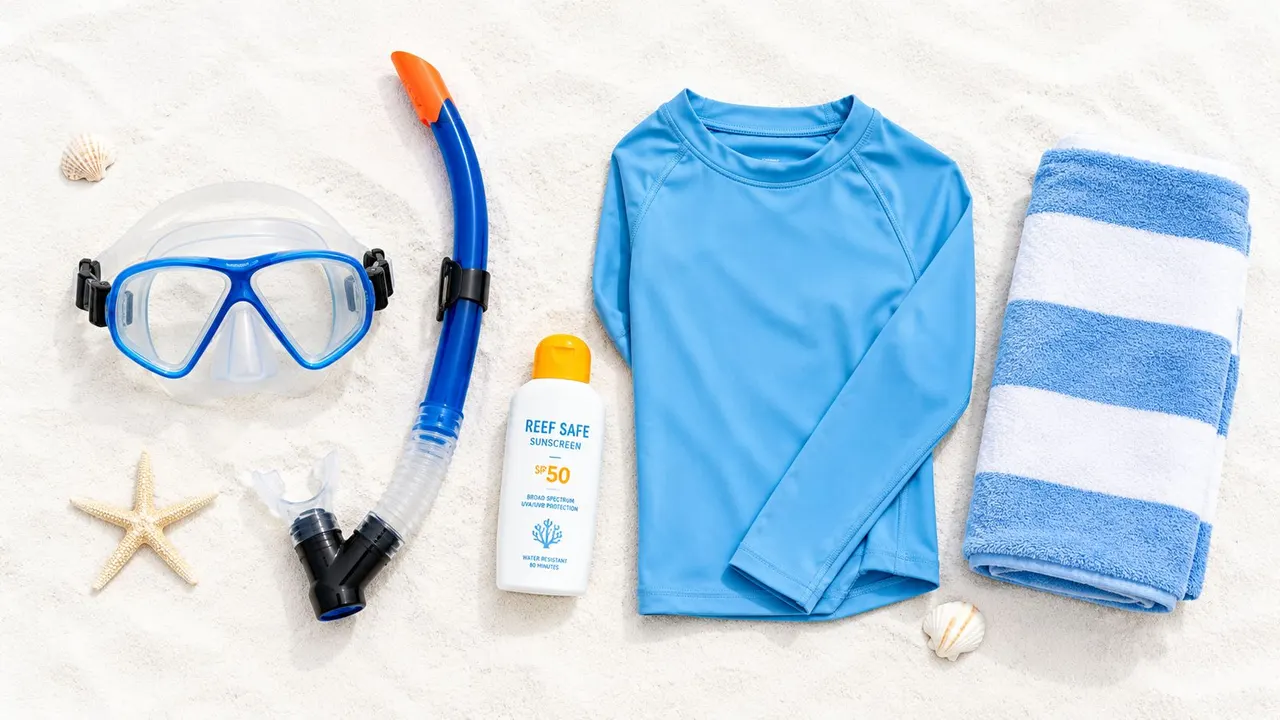
Captain's packing rule: Bring one small dry bag, one towel, one sun shirt, and nothing you'd be upset to lose overboard.
Screenshot this checklist before leaving your hotel: swimsuit, rash guard, zinc oxide sunscreen, strapped hat, retained sunglasses, dry bag, towel, dry clothes, water, snack, and any personal medication.
For more practical preparation advice, see this Oahu turtle snorkeling guide.
Turtle Etiquette and the 10-Foot Rule
The 10-foot rule is essential. NOAA recommends viewing Hawaiian sea turtles from at least 10 feet, or 3 meters, away, both in the water and on land, as stated in its marine-life viewing guidelines. Hawaii marine safety guidance gives the same distance in its snorkeling safety recommendations.
Don't touch, feed, chase, ride, block, or corner a honu. Those actions disrupt feeding and resting, interfere with the turtle's route to the surface, and can injure the animal or the swimmer. A turtle swimming close to you hasn't invited contact. Hold your position, keep your hands to yourself, and let it choose where to go.
How to behave in the water
Approach from the side only if the turtle is already moving toward your area. Use slow, neutral movements and avoid diving directly over a resting turtle. Keep your fins away from its shell and leave a clear path to the surface, because turtles must breathe air.
The same care applies to the reef itself:
- Stay horizontal: Don't stand on coral or brace yourself against the reef.
- Control your fins: Short, relaxed kicks prevent accidental contact.
- Leave animals alone: Don't chase fish, grab shells, or turn over rocks.
- Follow the guide: The crew can move the group before crowding develops.
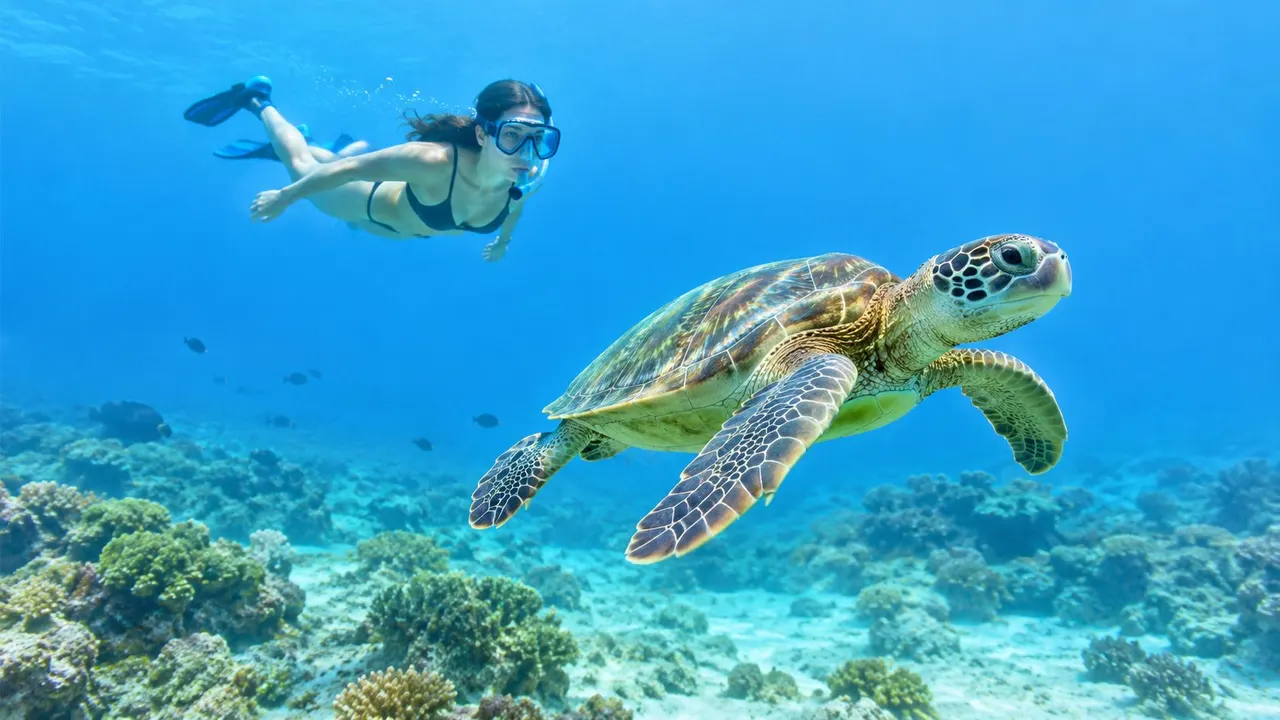
The best test is simple: if the turtle changes direction because of you, you're too close.
A disciplined group gives turtles space to continue normal behavior. That produces a calmer encounter, longer observation, and better photographs without turning the animal into a captive attraction. Read more about the Hawaiian honu and responsible viewing before you get on the boat.
Turtle Canyon vs Shore Snorkeling on Oahu
A boat trip isn't automatically right for everyone. If you're a confident open-water swimmer with flexible plans and a tight budget, a shore location may suit you. If you're traveling with children, first-time snorkelers, or anyone who wants the captain to manage the conditions, Turtle Canyon is the clearer choice.
| Spot | Access | Crowd Level | Skill Required | Turtle Odds | Best For |
|---|---|---|---|---|---|
| Turtle Canyon | Boat only from Waikiki-area harbor | Controlled by operator, though boats can share the site | Basic swimming comfort with flotation support | Reliable turtle habitat at a cleaning station | Families, beginners, cautious swimmers |
| Hanauma Bay | Shore entry with advance planning | Structured and often busy | Comfortable shore-entry swimmer | Possible, but not the site's central guarantee | Independent snorkelers who want a broad reef |
| Laniakea | Roadside shore access | Often busy at the viewing area | Stronger swimmers for water access | Turtles may be viewed from shore | Wildlife viewing without a boat |
| Electric Beach | Shore entry with current and channel conditions | Variable | Confident open-water swimmers | Variable | Experienced swimmers seeking independent snorkeling |
The honest trade-off
Hanauma Bay gives you shore access, but reservations and entry procedures add planning. Laniakea works well for shoreline turtle viewing, yet federal distance rules prevent the close water encounter many visitors imagine. Electric Beach can be rewarding, but currents make it a poor recommendation for nervous swimmers or families who aren't comfortable in moving water.
Winter changes the calculation. North Shore shore-snorkel locations can become dangerous from October through April, while guided offshore turtle trips remain a more practical alternative when conditions at the famous beaches turn rough. The seasonal Oahu turtle-snorkeling guidance highlights this difference.
My decision rule: Choose shore snorkeling if you're skilled and flexible. Choose Turtle Canyon if the turtle encounter matters more than saving the boat fare.
Choosing the Right Tour Operator
For most visitors, a guided boat is the right call because it combines access with judgment. The crew handles the boat, fits the mask, provides fins and flotation, explains wildlife rules, and watches the group in the water. A DIY shore trip leaves you responsible for every one of those decisions, including whether the beach is suitable that morning.
Living Ocean Tours is described as the top-rated and most-reviewed snorkel company on Oahu, and its Turtle Canyons Snorkel Excursion departs from Kewalo Basin for guided reef snorkeling. The company offers gear, instruction, and guide support, making it a relevant option for families and first-time snorkelers. Review the Honolulu snorkel company details and compare the exact itinerary before reserving.
What separates a serious operator
Look for a licensed captain, clear safety procedures, quality equipment, and flotation support that fits non-swimmers and children. Group size matters too. A smaller group makes it easier for guides to monitor guests and prevent people from drifting toward turtles.
Use this checklist when comparing operators:
- Small-group operation: A group under 25 guests usually allows more direct crew support.
- Wildlife briefing: The operator should state the 10-foot distance before entry.
- In-water guidance: Guides should identify turtles and manage spacing, not drop guests at the reef.
- Included equipment: Confirm that masks, snorkels, fins, and flotation are included.
- Weather policy: Read the rescheduling and refund terms before payment.
Hawaii Turtle Snorkel Tours is a reasonable alternative for travelers who prefer a different small-boat feel or departure schedule. You can compare its offering at Hawaii Turtle Snorkel Tours.
Don't book from a headline alone. Check the departure harbor, water time, age minimum, cancellation window, included equipment, and what the crew does in the water.
Sunset Cruises, Waterslide Cruises, and Whale Watching Add-Ons
A Turtle Canyon morning pairs well with a relaxed afternoon or evening on the water. Don't stack another physically demanding activity immediately afterward if your group includes young children or older travelers. The better itinerary leaves time to eat, dry out, and enjoy the coastline without rushing.
Sunset cruise
A Waikiki sunset cruise is the easiest companion activity because it changes the pace completely. You're seated, watching the coastline and changing light rather than managing fins and masks. Living Ocean Tours offers a Waikiki sunset cruise, while Sunset Cruise Waikiki is a strong alternative for travelers comparing operators.
Waterslide snorkel
Families with older children may prefer a deluxe snorkel that adds a waterslide and floating play features to the wildlife outing. It's a better fit when the group wants more activity than a straightforward turtle observation, but it can distract from the reef if the main goal is quiet wildlife viewing. For a broader Waikiki option, see the Waikiki snorkel and waterslide cruise.
Whale watching
Whale watching is seasonal, not a year-round substitute for Turtle Canyon. Humpback encounters around Hawaii are associated with the winter season, so confirm the current operating dates before building your itinerary. Travelers planning that seasonal add-on can review the Waikiki whale watch tour.
My preferred day is simple: Turtle Canyon in the morning, a flexible beach or lunch break afterward, then a sunset cruise. Skip the add-on that forces your group to hurry from one dockside check-in to the next.
Frequently Asked Questions
How much does a Turtle Canyon snorkel cost
Prices vary by operator, date, boat, and inclusions. Compare the total package rather than a headline fare, especially whether gear, flotation, snacks, instruction, and cancellation protection are included. A cheaper shore plan may still cost you more in parking, equipment rental, time, and a failed outing.
What time do boats leave
Most operators offer a morning departure and a later slot. Morning is my default recommendation for families and photographers because the group starts fresh and the ocean often feels less demanding early in the day.
Do I need to know how to swim
You need basic comfort in the water, a mask, and fins. Flotation support helps cautious swimmers stay on the surface, but it doesn't replace the ability to follow crew instructions or remain calm in the water.
Can children come
Many operators accept children, but minimum ages vary. Confirm the rule before booking and ask whether child-sized life jackets, flotation aids, and masks are available.
What is the cancellation policy
Read the operator's written policy. Weather cancellations should provide a reschedule or refund option, but the exact terms differ. Don't assume a “bad weather” decision means the same thing to every company.
How rough is the water
Conditions change by day and location. Mornings often feel calmer, while wind can build later. If anyone in your group gets motion sick or anxious in chop, choose the earliest suitable trip and ask the crew about preparation.
Will I actually see a turtle
Turtle Canyon is established turtle habitat and a natural cleaning station, so it offers a more reliable search area than random shore snorkeling. Wild animals remain wild, and no ethical operator should promise a guaranteed sighting.
Is the tour worth the price
For families, beginners, short-stay visitors, and cautious swimmers, yes. You're paying for boat access, equipment, flotation, instruction, crew judgment, and a structured wildlife encounter. Confident swimmers with flexible schedules may prefer a shore option, but they accept more uncertainty and more responsibility.
Book the morning boat, keep 10 feet between you and every honu, and let the captain and guides do the work. That's how you get a safer, calmer Turtle Canyon snorkel without turning the reef into a chase scene.
Living Ocean Tours offers a guided Turtle Canyons Snorkel Excursion from Kewalo Basin with equipment, instruction, flotation support, and crew-led wildlife viewing. Visit Living Ocean Tours to compare the Turtle Canyon trip with its other Waikiki ocean experiences and choose your departure.


