
Turtle Snorkeling Oahu: Sun Protection That Stays Put
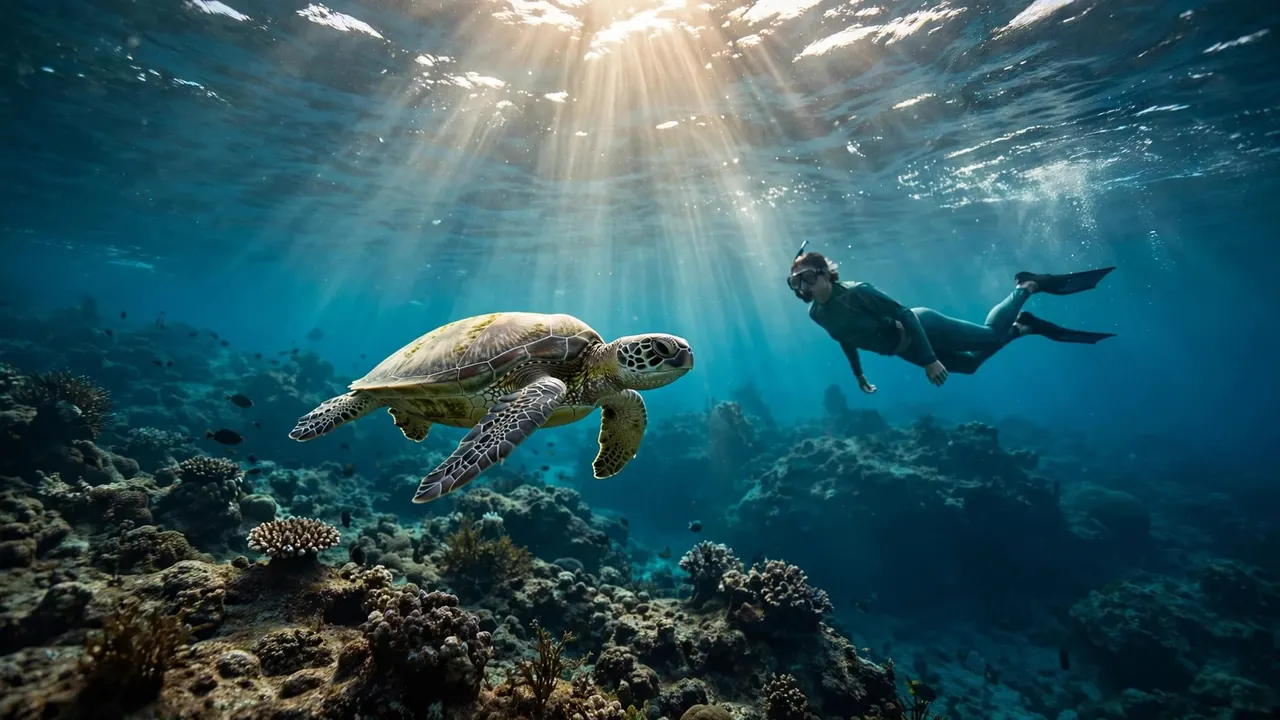
A turtle can hold your attention for minutes while the sun hits the back of your shoulders. If you’re planning to snorkel with turtles on Oahu, coverage that stays in place matters as much as what you put in your beach bag.
No sunscreen is waterproof, and a boat ride adds sun exposure before and after your swim. The most dependable plan pairs swim clothing with carefully chosen, water-resistant sunscreen on skin you can’t cover. Start with what you’ll wear into the water.
Turtle snorkeling Oahu starts with coverage, not a thicker coat
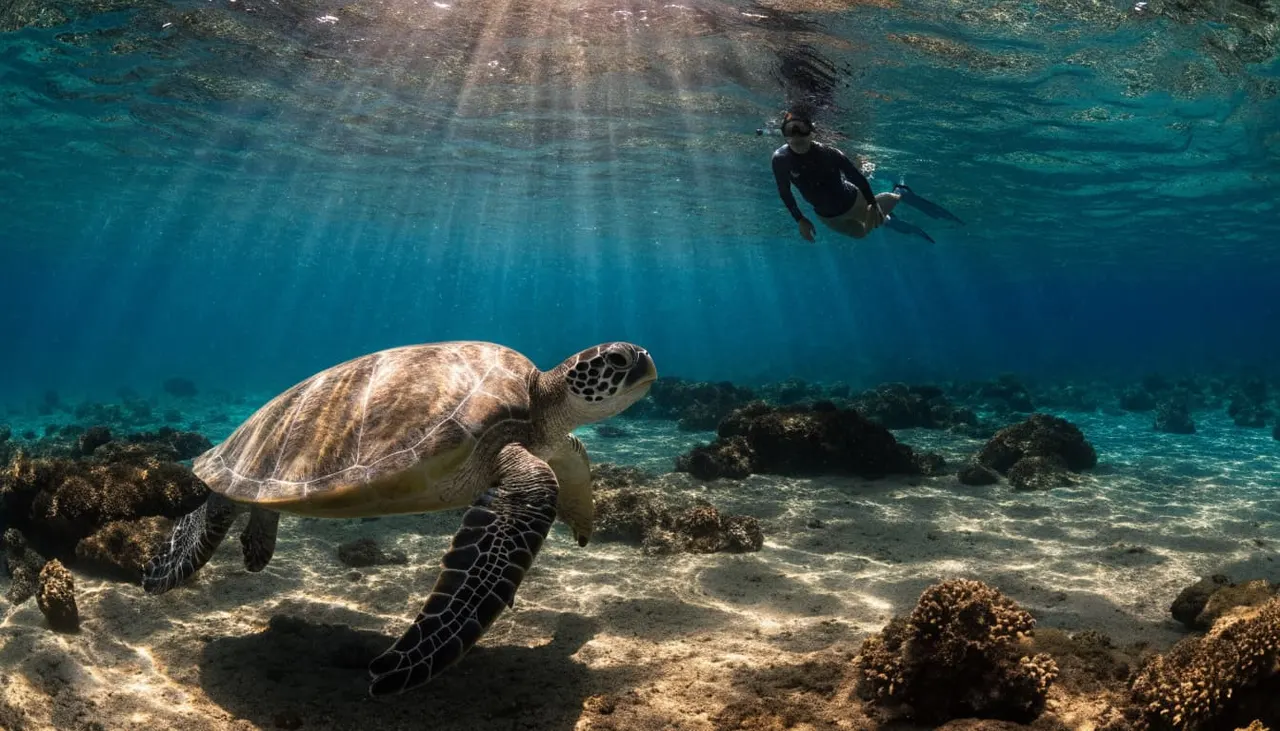
When you float face-down, your upper back, shoulders, and calves face the sun for long stretches. You may feel cool in the water, so it’s easy to miss how much exposure you’re getting. Then you climb aboard and spend more time in the open air.
A long-sleeve rash guard covers much of the skin that’s hardest to monitor while snorkeling. Swim leggings can do the same for your legs. Unlike sunscreen, fabric doesn’t need reapplication after every swim, although its protection depends on its weave, fit, and condition.
Look for swimwear with a stated UPF rating if sun coverage is your priority. Make sure it stays secure when wet and lets you breathe and move comfortably under a flotation vest. You still need sunscreen for exposed skin, including your ears, neck, and feet.
Build a sun-protection kit you’ll use
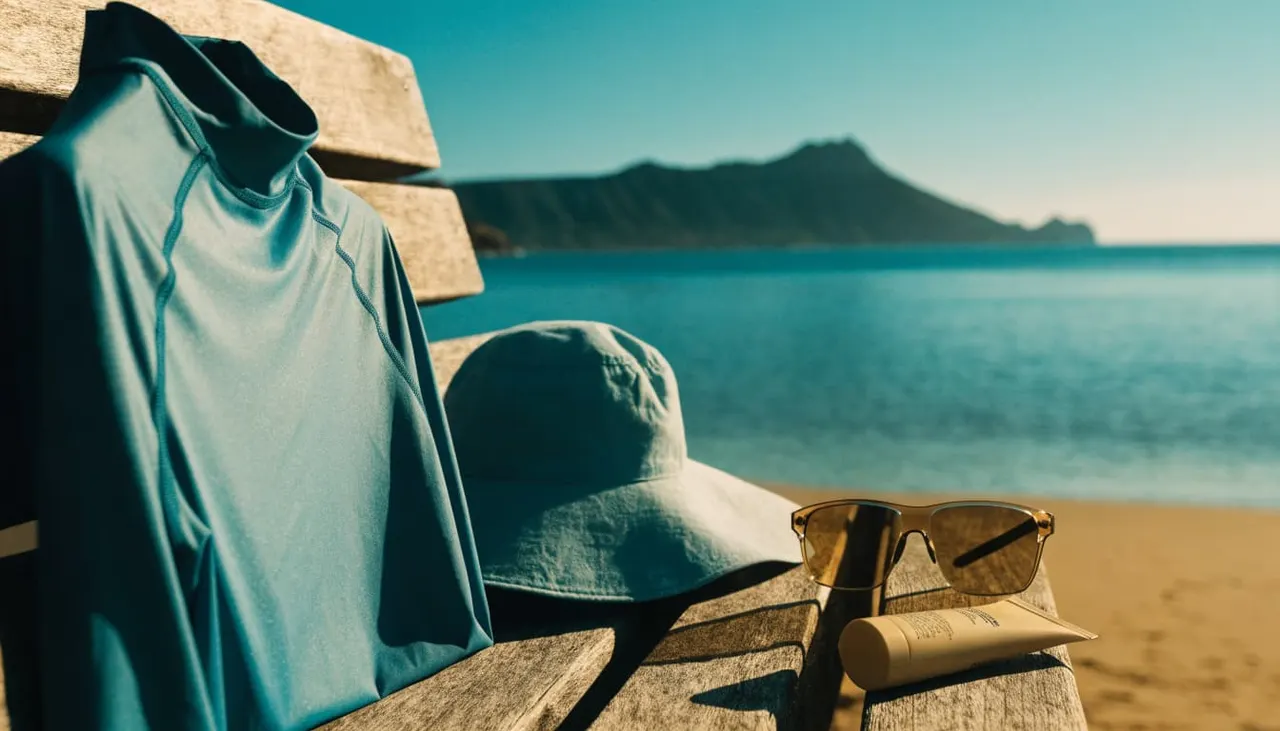
A useful kit fits your swim and your time on deck. Pack it where you can reach it before boarding, rather than underneath your towel and dry clothes.
Choose swim layers that work with your gear
Try on your rash guard with the swimsuit you’ll wear. Raise your arms, turn your shoulders, and take a few deep breaths. If it rides up, bunches beneath a vest, or rubs your neck, choose another fit.
For children, check sleeves and waistbands after they get wet. Loose fabric can drift over a mask strap or become a constant distraction. A secure layer helps everyone spend less time adjusting clothing and more time watching the reef.
Cover up again when you leave the water
Bring a brimmed hat and sunglasses for the boat, plus a dry cover-up for the ride back. A wet rash guard can feel chilly when the breeze picks up, even on a sunny day.
Keep your hat and sunglasses aboard rather than taking loose items snorkeling. Shade is useful when it’s available, but a shaded seat won’t cover you during every part of the trip. Reapply sunscreen to exposed areas according to its label, especially after you’ve dried off.
Read the sunscreen label before you pack it
The words on the front of a bottle can sound more reassuring than they are. For turtle snorkeling Oahu trips, the useful details are the active ingredients, the water-resistance claim, and the directions for reapplication.
Water-resistant has a time limit
The U.S. Food and Drug Administration allows sunscreens to claim water resistance for 40 or 80 minutes based on testing. It doesn’t allow a “waterproof” claim. An 80-minute label doesn’t mean you can skip the directions once you’re back on the boat.
Choose a broad-spectrum sunscreen with SPF 30 or higher for the skin your clothing leaves exposed. Then follow its instructions for application. Reapply after swimming or sweating, immediately after towel drying, and at least every two hours. If your swim continues beyond the product’s stated water-resistance period, get out and reapply as directed.
“Water-resistant” tells you how long a sunscreen met a test standard in water. It doesn’t promise an entire snorkel trip without reapplication.
Check ingredients, not just the front label
Many visitors choose a mineral sunscreen with zinc oxide or titanium dioxide. Check the active ingredients panel rather than relying on “reef-safe” printed on the front. That phrase alone doesn’t tell you how a product was tested or how it behaves in the ocean.
The reef-conscious sunscreen guide from Sustainable Travel International offers more context on sunscreen ingredients and coral. Whatever product you bring, covering more skin with fabric reduces how much you need to apply before entering the water.
Know what Hawaiʻi’s sunscreen rule covers
Hawaiʻi’s sunscreen restrictions are worth checking before you pack a bottle from home. They concern certain ingredients and sales, so the details matter more than a broad claim that a product is “banned.”
Oxybenzone and octinoxate face sales restrictions
Since January 1, 2021, Hawaiʻi has restricted the sale, offer for sale, and distribution for sale of sunscreens containing oxybenzone or octinoxate without a prescription. That is not a blanket ban on personal use. A NOAA-hosted study on sunscreen contamination also discusses the state’s 2021 restriction.
If you’re shopping before your flight, read the ingredient list. Buying after you arrive doesn’t remove the need to check the rest of the label for water resistance and application directions.
“Reef-safe” isn’t a free pass
A bottle marketed as reef-safe may still come off your skin as you swim or rinse away under a shower. You can’t judge its environmental impact from two words on the packaging.
Physical coverage is a practical way to use less product without leaving your back and shoulders exposed. Apply the sunscreen you do use as directed, and keep it out of the water until you’re ready to swim. The Hawaiʻi sunscreen shopping guide gives you another way to check labels before your trip.
Time your application around the boat and swim
Don’t wait until you’re standing at the ladder to open a new bottle. Apply sunscreen before the water-entry briefing, following the timing on its label. That gives you room to cover easy-to-miss spots without rushing or getting product on your mask.
If you wear a rash guard, pay attention to the edges: the back of your neck, ears, hands, and any gap at your waist. Cover the tops of exposed feet, too. Keep sunscreen away from the area where your mask needs to seal; slippery skin can make a leaking mask frustrating to fix.
After you snorkel, towel off and follow the label’s reapplication directions before settling back on deck. This matters on a turtle snorkeling Oahu outing because the return ride is still part of your sun exposure. A dry layer, shade, and drinking water make that ride more comfortable.
Give turtles space while you enjoy the reef
Sun protection lets you settle into the swim. Once you’re in the water, your choices also affect the animals you’ve come to see.
Let honu choose their own route
NOAA Fisheries and Hawaiʻi’s Department of Land and Natural Resources advise staying at least 10 feet (3 meters) from sea turtles. Keep that space whether a honu is swimming offshore or resting on a beach.
Never touch, chase, feed, or surround a turtle. It needs room to reach the surface to breathe. If one swims toward you, stay calm and let it pass instead of moving in for a closer photo.
Float above coral without touching it
A relaxed, horizontal position helps keep your fins clear of the reef. Use flotation support if it helps you stay steady, and ask a guide for help rather than standing on coral to adjust your mask.
Turtle snorkeling Oahu waters can be exciting even when wildlife takes its time. Watch the fish and coral while you wait. You’ll be better placed to notice a turtle moving naturally than if you swim after every shadow.
Make your Turtle Canyons outing comfortable
Living Ocean Tours is a family-owned operator departing from Kewalo Basin Boat Harbor near Waikiki. Its boat-based snorkeling trips give you an organized entry, gear, instruction, and crew support, which can help if you’re new to open-water snorkeling. The company says it’s the only Oahu tour operator with professional snorkel guides in the water with you.
Choose the turtle-focused excursion
The Turtle Canyons Snorkel Excursion visits an offshore cleaning-station area where Hawaiian green sea turtles may gather. Living Ocean Tours reports a 95% turtle-sighting rate, but wild animals are never guaranteed. The listed trip lasts two hours, welcomes guests ages 3 and up, and starts at $79; check current pricing before booking.
Tell the crew if you need help with a mask, flotation, or water entry. You can stay near the boat while you find a comfortable breathing rhythm. For a departure that fits your plans, CHECK AVAILABILITY.
Prepare for the full time aboard
Arrive in a secure swimsuit with your rash guard ready. Bring a towel, water, and sun protection you know your skin tolerates. Shaded seating, restrooms, dry storage, and sturdy ladders on the company’s vessels make it easier to take a break between the swim and the ride home.
You can also review Living Ocean Tours’ Oahu trips if you’re coordinating activities for a group. Pick the outing that matches everyone’s comfort in the water, and let the crew know about concerns before departure.
Key Takeaways
- Wear a secure, long-sleeve swim layer for coverage that doesn’t depend on reapplying sunscreen in the water.
- Use broad-spectrum sunscreen on exposed skin, and choose a 40- or 80-minute water-resistant product.
- Follow the label after swimming, sweating, and towel drying. No sunscreen is waterproof.
- Check active ingredients instead of trusting “reef-safe” wording alone.
- Stay at least 10 feet from turtles and keep your fins off coral.
Frequently Asked Questions
Will an 80-minute sunscreen last through the whole tour?
The 80-minute claim refers to water-resistance testing, not the length of your boat trip. Follow the product’s directions after swimming and towel drying, and reapply at least every two hours. Clothing covers large areas without adding another sunscreen application.
Do you need sunscreen under a rash guard?
A properly worn, rated rash guard provides coverage for the skin it covers. Apply sunscreen to exposed areas and check for gaps when you move or put on a flotation vest. If the fabric rides up, adjust it before you enter.
Can you still snorkel if you’re new to it?
You should be comfortable with basic swimming before entering open water. Tell your guide you’re new, ask about flotation, and practice breathing near the boat. You can return to the ladder whenever you need a break.
Leave the water as comfortable as you entered it
The easiest way to protect your shoulders while watching a turtle is to cover them before you swim. Pair well-fitting layers with label-directed sunscreen for the skin that remains exposed.
For turtle snorkeling Oahu memories you’ll enjoy afterward, give the wildlife room and give your skin the same attention you give the reef. A comfortable return ride is part of a good ocean day.


