
Turtle Canyon Snorkel Guide to Oahu’s Best Reef
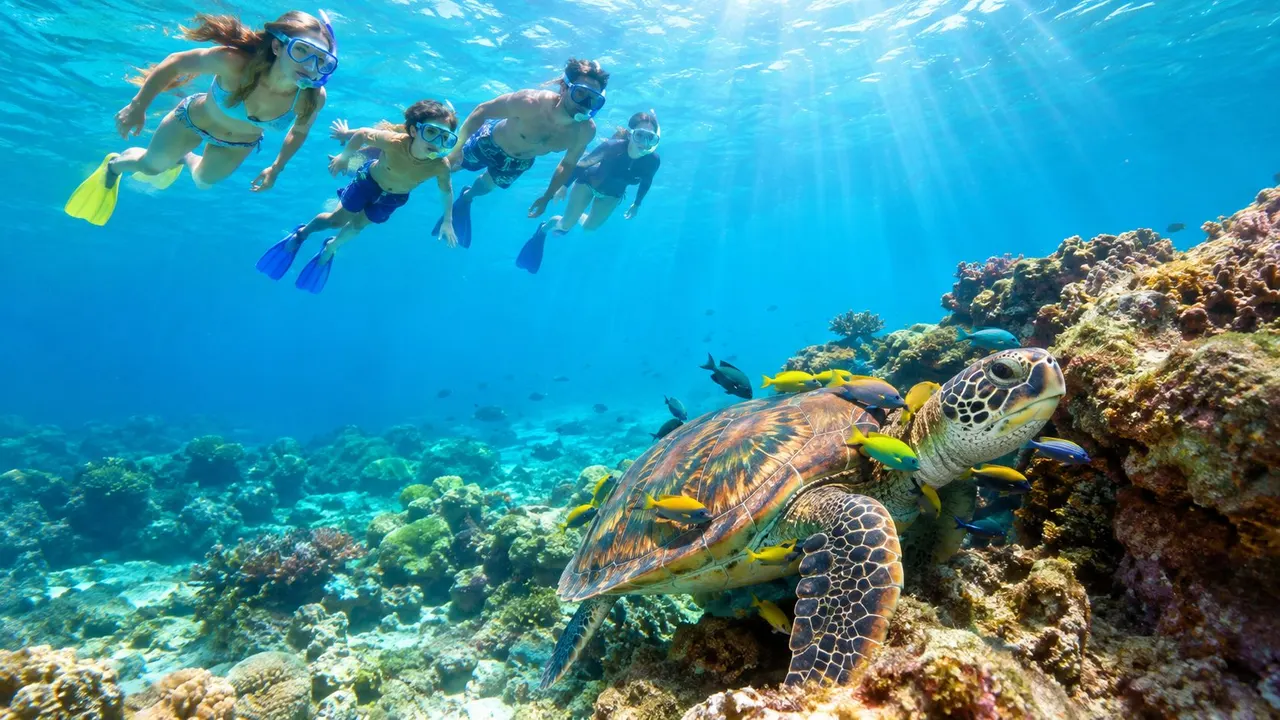
You're probably doing what most Waikiki visitors do the night before this trip. You've seen the photos, you've heard “swim with turtles,” and now you're trying to figure out what a Turtle Canyon snorkel feels like if you're not a strong swimmer, not a diver, or you're bringing kids or grandparents along.
That's a smart question.
Turtle Canyon isn't a random patch of ocean where a turtle might pass by if you get lucky. It's an offshore reef just off Waikiki where turtles regularly come in and hover while reef fish clean them. That one detail changes the whole experience. It's why people can often spend real time watching turtles below them instead of hoping for a quick fly-by.
Introduction to Your Turtle Canyon Snorkel Adventure
The first surprise for many first-timers is how calm the moment can feel once you're in the water. You slide off the boat, adjust your mask, put your face in, and there below you is a turtle hanging in place while small reef fish work around its shell and skin. Nobody needs to race after it. In fact, the less you chase, the better the viewing usually gets.
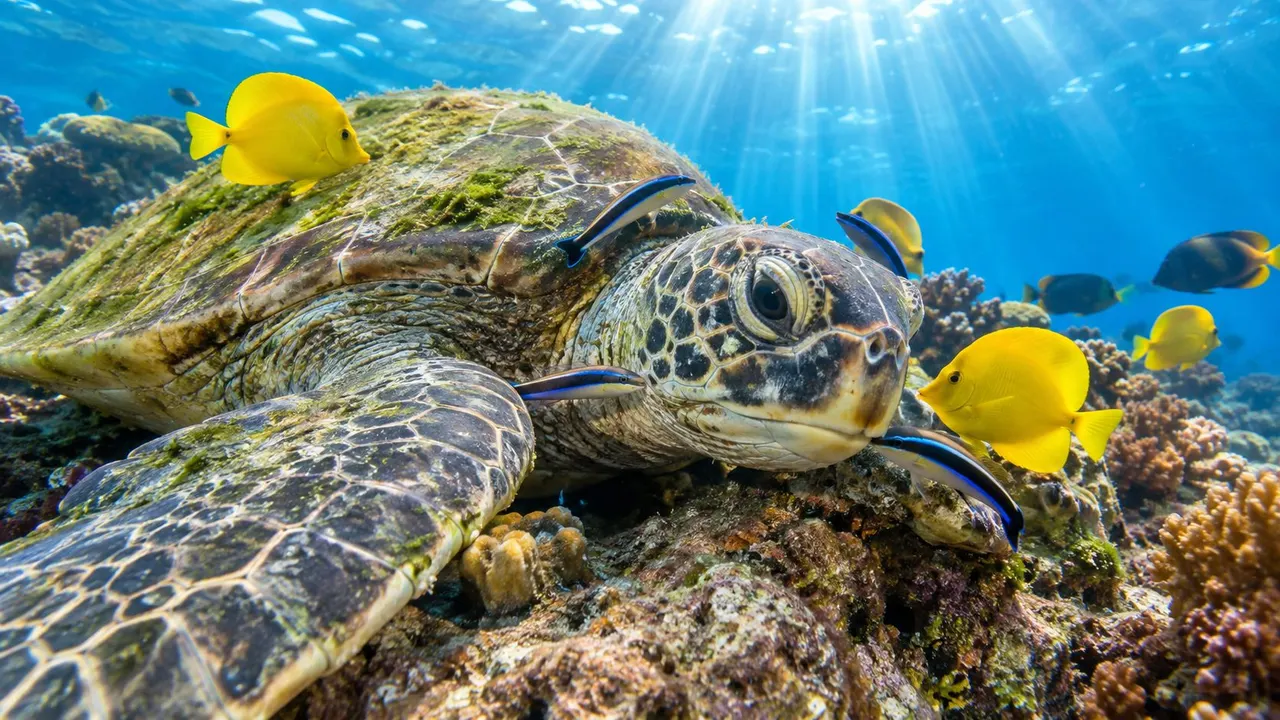
That's the heart of Turtle Canyon. It's famous because the site works as a natural cleaning station where reef fish remove algae, dead skin, and parasites from Hawaiian green sea turtles, and that repeat behavior helps explain why turtles come back to the same reef rather than just passing through at random, as described in this overview of Turtle Canyon on Oahu and why turtles gather there.
Why first-timers ask the right questions
They aren't worried about whether turtles exist here. They're wondering things like:
- Can I still enjoy it if I stay at the surface
- Will I see turtles clearly in deeper water
- Is this good for kids, casual swimmers, or nervous snorkelers
- What happens if there are other boats around
Those are the questions that matter in real life.
Captain's note: If you can float, breathe steadily, and listen to your guide, you can enjoy this kind of snorkel even if you've never done anything like it before.
A guided boat trip matters here because Turtle Canyon is an offshore reef, not a walk-in beach spot. Good guides help with gear, entry, flotation, and the biggest thing of all: keeping everyone relaxed enough to look down and notice what's happening.
What makes this guide useful
You don't need another article that says “see turtles in Hawaii” and leaves it there. You need a plain-English picture of the reef, the water, the depth, the rules, and the kind of tour that fits your group.
That's what you'll get below. We'll keep it practical and honest, the same way I'd explain it to guests before they step off the swim platform.
What Makes Turtle Canyon a Turtle Cleaning Station
If you remember one thing about Turtle Canyon, make it this. It works like a reef car wash.
Turtles don't show up there because it's just scenic. They return because reef fish remove algae, dead skin, and parasites from them, creating a mutual relationship that makes the site function as a natural cleaning station, which is why turtles repeatedly use the same area according to this Turtle Canyon explanation.
Why turtles pause here instead of cruising through
At many reefs, a turtle sighting is brief. You spot one, it glides by, and that's that.
At Turtle Canyon, turtles often slow down or hover because the cleaning is the point. That behavior makes the encounter feel different from random reef snorkeling. You're often watching an animal engaged in a routine, not hurrying from one place to another.
That's also why patience beats effort. People who splash hard and try to close distance usually miss the best part. People who settle in, float, and watch the reef below often get the more memorable view.
The reef structure matters
The underwater layout helps make all this possible. One guide describes Turtle Canyon as a patch reef with ledges, overhangs, and sheltered microhabitats, with depths of roughly 10 to 45 feet, and links that structure to repeated turtle use and active reef fish behavior in this guide to how the Turtle Canyon reef is set up for guided snorkeling.
Here's the practical version of that:
| Reef feature | What it means for you |
|---|---|
| Ledges | Turtles have spots to settle near while fish gather around them |
| Overhangs | Marine life gets a bit of shelter, which supports repeat activity |
| Patch reef layout | Wildlife stays concentrated instead of spread out over a huge area |
| Shallow-to-moderate depth range | Surface snorkelers can still watch the action below |
The best viewing strategy is usually the least aggressive one. Float, breathe slowly, and let the reef come into focus.
What beginners often get backwards
New snorkelers sometimes think a better experience means swimming harder, diving down, or covering more ground. At a cleaning station, the opposite is often true.
Try this simple approach:
- Get comfortable first. Spend a minute breathing through the snorkel and feeling your flotation.
- Keep your body level. A relaxed, horizontal float helps you see more and kick less.
- Look for stillness below. A hovering turtle can be easier to spot than a fast-moving one.
- Let the fish tell the story. Busy clusters of reef fish often point your eyes to where the cleaning action is happening.
That's the rhythm of a Turtle Canyon snorkel. Slow down, and the reef starts making sense.
Where Turtle Canyon Is and How the Excursion Works
Turtle Canyon sits just off Waikiki on Oahu's south shore as an offshore reef and turtle cleaning station. Boats anchor in the shallow reef zone so guests can float above the area while Hawaiian green sea turtles and reef fish move naturally below, as noted in the Turtle Canyon location and boat-access FAQ.
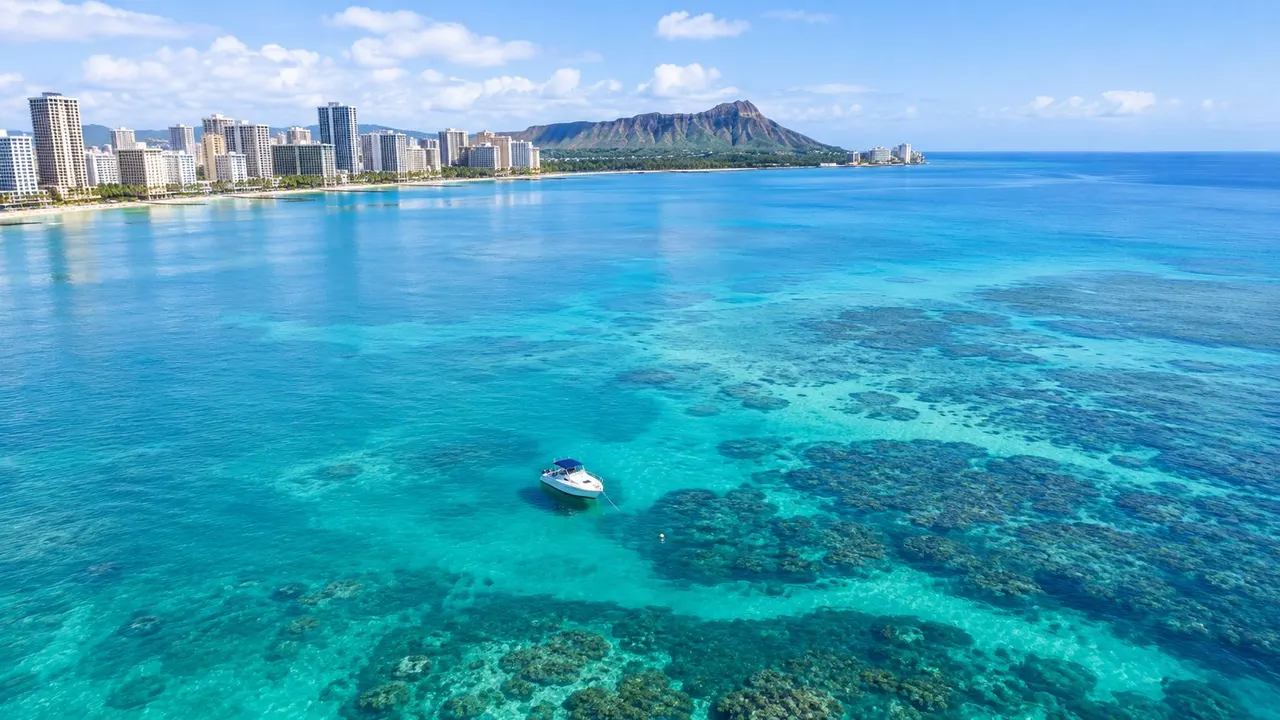
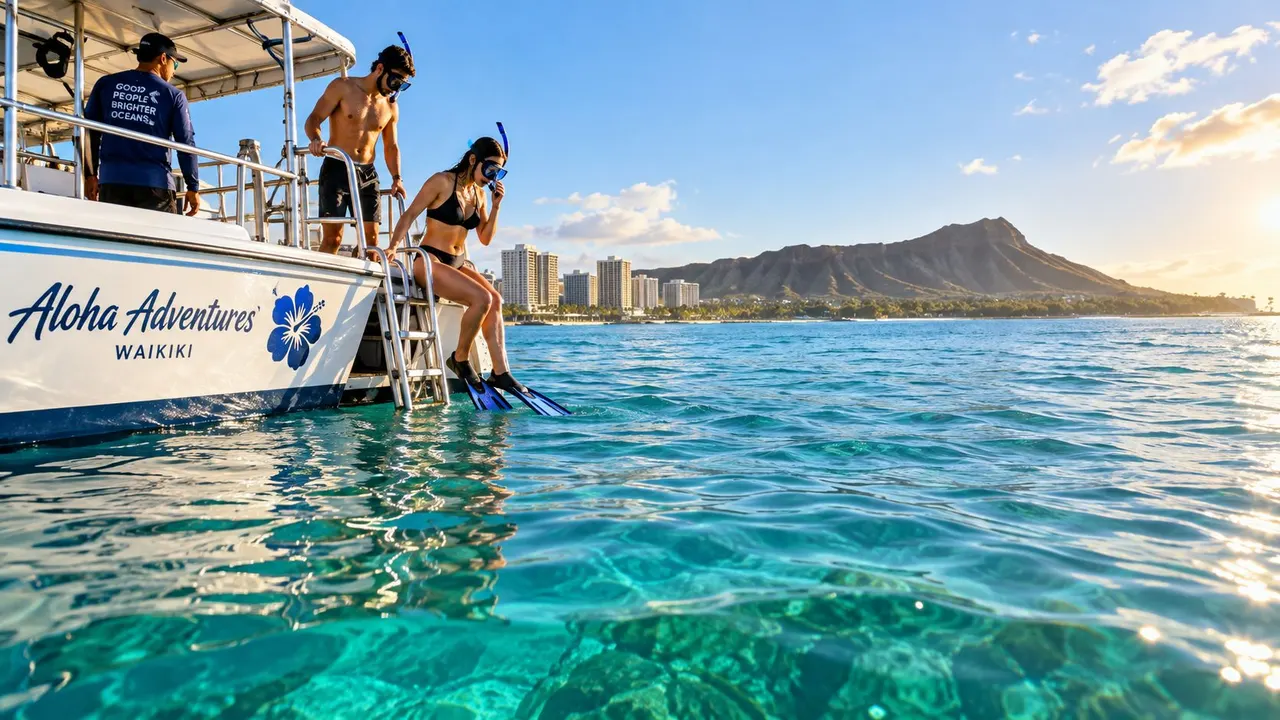
That “offshore” part matters. This isn't the kind of place where you stroll down the sand, wade in, and kick out a little farther. A Turtle Canyon snorkel is usually a boat trip, and that's a good thing because it gives you a controlled entry, gear help, flotation, and a guide who knows how to place people in the water without turning the whole thing into chaos.
What the trip usually feels like
For most guests, the day moves in a very easy sequence.
You check in, hear the safety talk, get fitted for mask, snorkel, and fins, and board the boat. The ride out from Kewalo Basin feels short, especially once Waikiki starts shrinking behind you and everyone begins scanning the water.
A lot of first-timers relax once they realize they don't have to figure it all out alone. A crew member helps with fit, another explains how to clear a snorkel if water gets in, and somebody is watching who looks confident and unhurried. That mood spreads fast.
If you want a visual sense of the run out and the on-water setup, this page on the boat ride to Turtle Canyon gives a useful preview.
Boat snorkel versus shore snorkel
People often lump all snorkeling together, but these are different experiences.
- Shore snorkeling can be convenient, but entry and exit can be the hardest part if there's surf, rocks, or uneven footing.
- Boat snorkeling removes that beach-entry stress and puts you right over the target area.
- Guided offshore snorkeling adds one more layer of comfort because someone is actively helping you manage the water, not just dropping you in.
A good boat snorkel feels organized before you ever put your mask on. That matters even more when kids, older adults, or nervous swimmers are in the group.
What happens once you're in
Most guests enter, gather near the guide, and start by floating at the surface. You're not trying to cover miles of reef. You're settling into one productive area and watching below.
That's the key difference. The trip isn't built around speed or distance. It's built around access to a specific reef behavior that's hard to appreciate from shore.
What You Will Actually See and Experience in the Water
Let's make this part plain, because people either feel prepared or disappointed.
On a Turtle Canyon snorkel, you'll usually be watching from the surface, not diving down and swimming side by side with turtles. Independent guides note that turtles often gather at 25+ feet, so the experience is largely about surface viewing, buoyancy, and staying calm enough to enjoy what you're seeing below in this explanation of what Turtle Canyon feels like for first-time snorkelers.
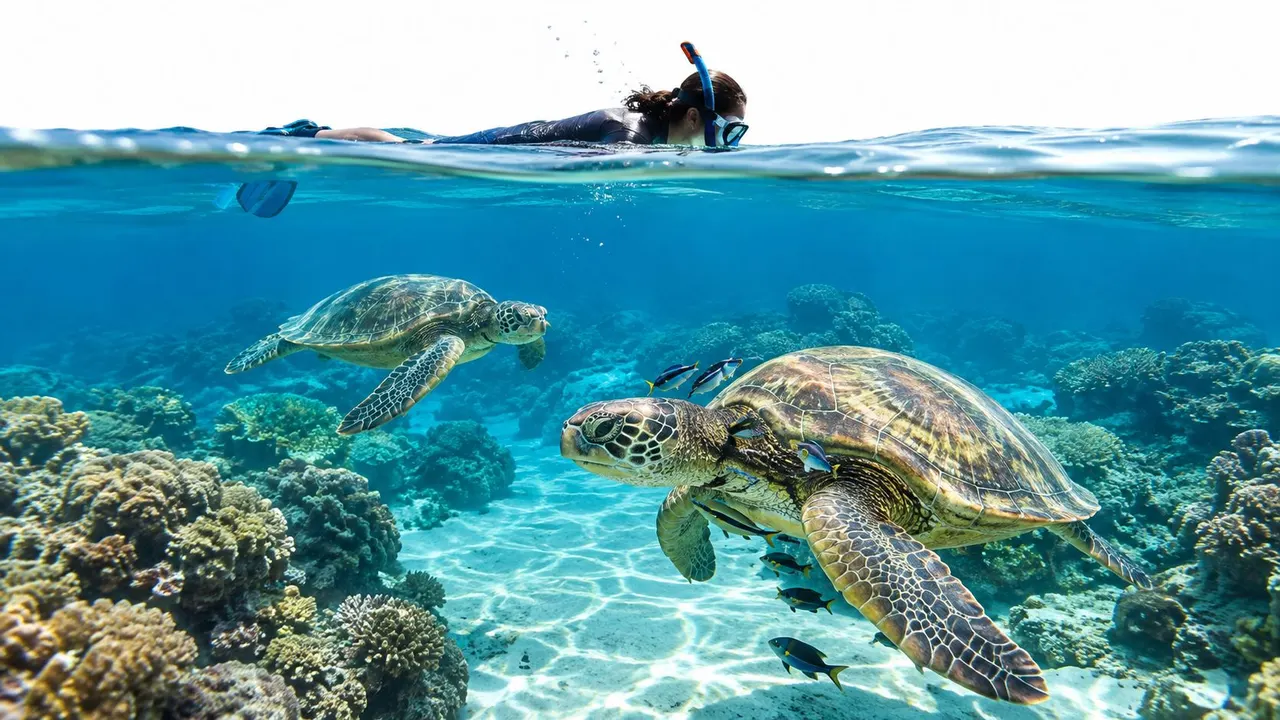
What the turtles usually look like from above
From the surface, a turtle may appear as a calm shape moving over the reef, or as a more stationary figure hovering while fish work around it. On bright days, the shell outline can stand out clearly. On cloudier or choppier days, the view may come and go with the surface texture.
That's normal.
The mistake some people make is expecting an aquarium window. Ocean viewing is dynamic. Sun angle, surface chop, glare, and your own mask comfort all affect what you notice.
What first-timers feel in the first few minutes
The first minute in deeper water can feel strange even for good swimmers. You look down, don't see a bottom close beneath you, and your body wants to tense up. Once you breathe slowly and let the flotation support you, that feeling usually eases.
Here's what often helps most:
- A snorkel vest or flotation aid gives you something to trust right away.
- Keeping your face in the water longer helps your eyes adjust to depth and movement.
- Staying near the guide cuts down the “am I doing this right?” feeling.
- Short, easy kicks work better than fast bicycle-style kicking.
What calm looks like: You're floating, your breathing has slowed down, and you're looking down instead of around. That's when people start seeing more.
What else you'll notice besides turtles
Even when everyone is focused on turtles, the reef fish add a lot to the experience. Cleaning stations draw activity. You'll often notice fish moving in tighter, busier patterns around parts of the reef where a turtle has paused.
For kids especially, this helps. They don't need every second to be a turtle moment for the snorkel to feel exciting. Fish movement, changing colors, and the simple act of floating offshore can carry the experience while everyone waits for the next clear turtle pass.
Who this experience suits best
A Turtle Canyon snorkel tends to work well for:
| Traveler type | Why it fits |
|---|---|
| First-time snorkelers | Surface viewing can still be rewarding without free diving |
| Families | The trip is memorable even when ability levels vary |
| Casual swimmers | Flotation and guide support matter more than speed |
| Wildlife-focused travelers | The cleaning-station behavior gives the sighting more meaning |
It can be less comfortable for people who dislike open water, panic when they can't stand up, or expect a shallow, beach-style snorkel with wildlife right beside them the whole time.
That doesn't mean they can't enjoy it. It means honest expectations make the day better.
How to Prepare and What to Pack for a Family Friendly Snorkel
The smoothest Turtle Canyon mornings start the night before. Set everything out, charge your phone or camera, drink water, and decide what you're wearing before you're half awake and trying to find one missing swimsuit.
Packing well isn't about bringing a lot. It's about bringing the few things that keep everyone comfortable, dry afterward, and ready for sun and boat time.
What to wear and bring
This is the simple list I'd give any family heading out in the morning:
- Swimwear under your clothes. Show up ready so you're not juggling a tiny boat bathroom or changing at the last minute.
- A towel and dry clothes. The ride back feels better when kids and grandparents have something dry waiting.
- Sun protection. A hat, cover-up, and reef-safe sun care make more sense than relying on one rushed application.
- Water bottle. Start hydrated. Boat sun sneaks up on people fast.
- Motion-sickness remedy if you use one. If anyone in your group gets queasy on boats, don't wait to see how they feel offshore.
- Secure camera or waterproof phone setup. If you bring one, make sure you can hold onto it without fumbling with your mask.
For a more complete pre-trip checklist, this Oahu snorkeling packing list is a handy reference.
What many tours already provide
Most guided Turtle Canyon trips provide the gear you need in the water, including mask, snorkel, fins, flotation support, and basic instruction. That means you can focus less on shopping and more on comfort.
If someone in your group is nervous, ask for the flotation option early instead of waiting until they're already tense. Families do better when the most anxious person feels looked after from the start.
Good prep for kids and mixed-age groups
A family-friendly snorkel usually goes best when you set expectations.
Tell kids they may need to float and look down patiently instead of chasing animals. Tell older relatives they don't need to swim hard for this to be enjoyable. Tell the strong swimmer in the group that the job isn't to race off ahead.
Bring less pressure than gear. The calmer your group is at the start, the better the water usually feels.
A few practical habits help a lot:
- Eat lightly, not heavily. Nobody enjoys open water on a giant breakfast.
- Arrive with time to spare. Rushed families carry that stress right onto the boat.
- Use what helps you relax. Rash guard, float vest, anti-fog, familiar mask if you have one.
- Leave reef shoes behind unless specifically needed. At this kind of boat-access reef, they often don't add much and can create extra clutter.
The real goal of packing
You're not packing for a survival exercise. You're packing to make the experience feel easy.
When people struggle on snorkel trips, it's usually not because they forgot some fancy item. It's because they were sunburned, dehydrated, seasick, cold afterward, or mentally rushed before the boat even left the harbor.
Safety Guidelines and Responsible Wildlife Viewing at Turtle Canyon
You will enjoy Turtle Canyon more if you treat it like a wildlife stop, not a petting-zoo moment.
The basic rule is simple. Stay at least 10 feet, or about 3 meters, from sea turtles in the water and on land. If a turtle comes your way, calmly back off and give it room, as explained in these Turtle Canyon sea turtle safety guidelines. It also helps to review the Hawaii turtle snorkeling rules before you go, so the spacing rule makes sense before you ever hit the water.
At Turtle Canyon, that distance protects more than your photo. It protects the behavior that makes this site special. Turtles come here to hover over the reef and let small fish clean their shells and skin. If snorkelers crowd in, kick over the top of them, or cut off their path, the turtle often leaves the station early. That is a little like walking into a barbershop chair and having ten strangers lean in with cameras. The service stops.
What to do in the water
Good turtle viewing usually looks quiet from the surface.
- Float first, then look. A calm body at the surface is easier on you and less stressful for the turtle.
- Let the turtle set the route. Hold your place instead of swimming toward it.
- Kick slowly and gently. Fast fins churn water and make it harder for everyone to see clearly.
- Keep your face down and your head still. New snorkelers often lift up too much, lose their rhythm, and start splashing.
- Follow guide instructions right away. A guide is often creating space before the group even notices a turtle changing direction.
That last point matters more than first-timers expect. From above, the scene can look random. Underneath, turtles are choosing lanes through fins, float belts, and clusters of people.
What to do if it feels crowded
Crowding is part of the Turtle Canyon experience on some days. Independent commentary has flagged overcrowding as a real issue and notes that responsible snorkelers should yield to turtles because group-size limits and surface clustering can increase stress on the animals, as discussed in this piece on crowding and turtle stress at Waikiki turtle snorkeling sites.
If the water starts feeling busy, use this simple approach:
| Situation | Best response |
|---|---|
| A turtle is below a tight group of snorkelers | Stay outside the cluster and watch from the cleaner edge |
| A turtle starts swimming through people | Stop kicking, stay horizontal, and give it a clear lane |
| You drift directly above the animal | Move off to the side with your guide instead of hovering over it |
| The surface gets noisy and visibility drops | Reset your breathing and wait for a calmer opening |
Patience pays off here.
A relaxed turtle often keeps circling through the cleaning area, which gives you longer looks from the surface. A pressured turtle usually slips out fast, and then everyone is left staring at bubbles and fins. That is why safety and respectful wildlife viewing are really the same habit at Turtle Canyon.
Best Time to Go and How to Choose and Book Your Tour
Turtle Canyon is an offshore south shore snorkel, so conditions matter. In general, many visitors prefer morning trips because the ocean often feels calmer and visibility can be more comfortable for surface viewing, while crowding can affect both the guest experience and wildlife pressure.
The right tour isn't just “who goes there.” It's who helps your group feel steady, informed, and respectful once you arrive.
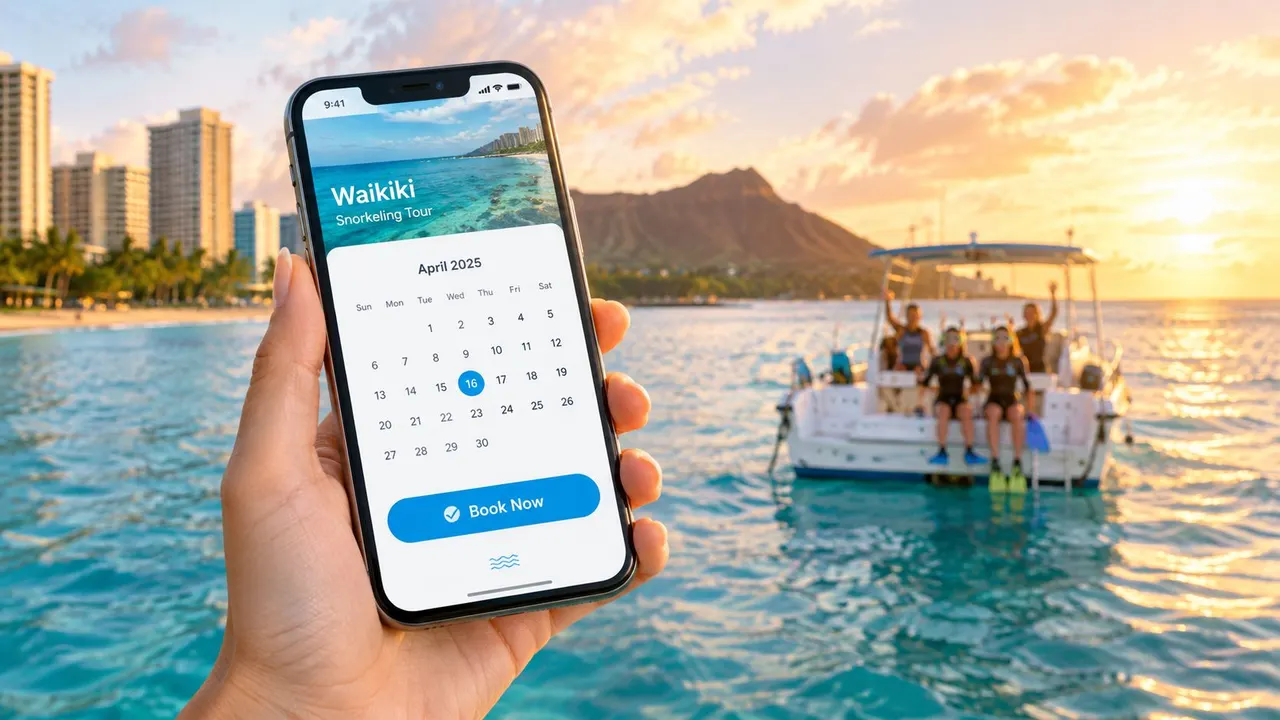
How to compare tour options
When families ask me how to choose, I'd compare tours by these factors first:
- Guide support in the water. This matters more than flashy marketing if you've got first-timers.
- Group feel. A trip feels very different when guests can hear the briefing and stay oriented.
- Wildlife etiquette. You want a crew that manages spacing, not one that turns turtle sightings into a scrum.
- Amenities that match your group. Some people want a focused turtle trip. Others want a broader family snorkel day.
Here's a simple side-by-side way to consider it.
| If you want this | Look for this kind of trip |
|---|---|
| A reef-focused turtle outing | A dedicated Turtle Canyons Snorkel Excursion |
| More family play features with snorkeling | A Deluxe Waikiki Snorkeling and Wildlife Cruise |
| Another turtle-tour option to compare | A great alternative is Snorkel Turtle Canyon |
Living Ocean Tours is the top rated & most reviewed snorkel company on Oahu, and for travelers comparing operators it's one option to consider for guided turtle snorkeling from Waikiki.
When to book and which trip fits best
Some groups should book the dedicated turtle trip. Others will be happier on a broader snorkel cruise.
Choose the dedicated Turtle Canyon trip if your group is saying, “We came to see turtles, stay focused, and learn what we're looking at.”
Choose the broader snorkel cruise if your group includes kids who want extra fun in the water, or family members who'll enjoy a more varied outing even if wildlife sightings ebb and flow.
Book the trip that matches your group's energy, not the trip that sounds most intense.
A good Turtle Canyon snorkel is not about getting as close as possible to a turtle. It's about choosing the right conditions, the right crew, and the right expectations so you can float above a living reef system and enjoy what's happening below.
Living Ocean Tours runs guided Waikiki boat trips that make Turtle Canyon easier for first-timers, families, and casual swimmers to enjoy, with snorkeling gear, flotation support, and local crew guidance built around responsible wildlife viewing. If you're ready to pick the trip that fits your group, visit Living Ocean Tours and take a look at their Turtle Canyon and Waikiki snorkel options.


