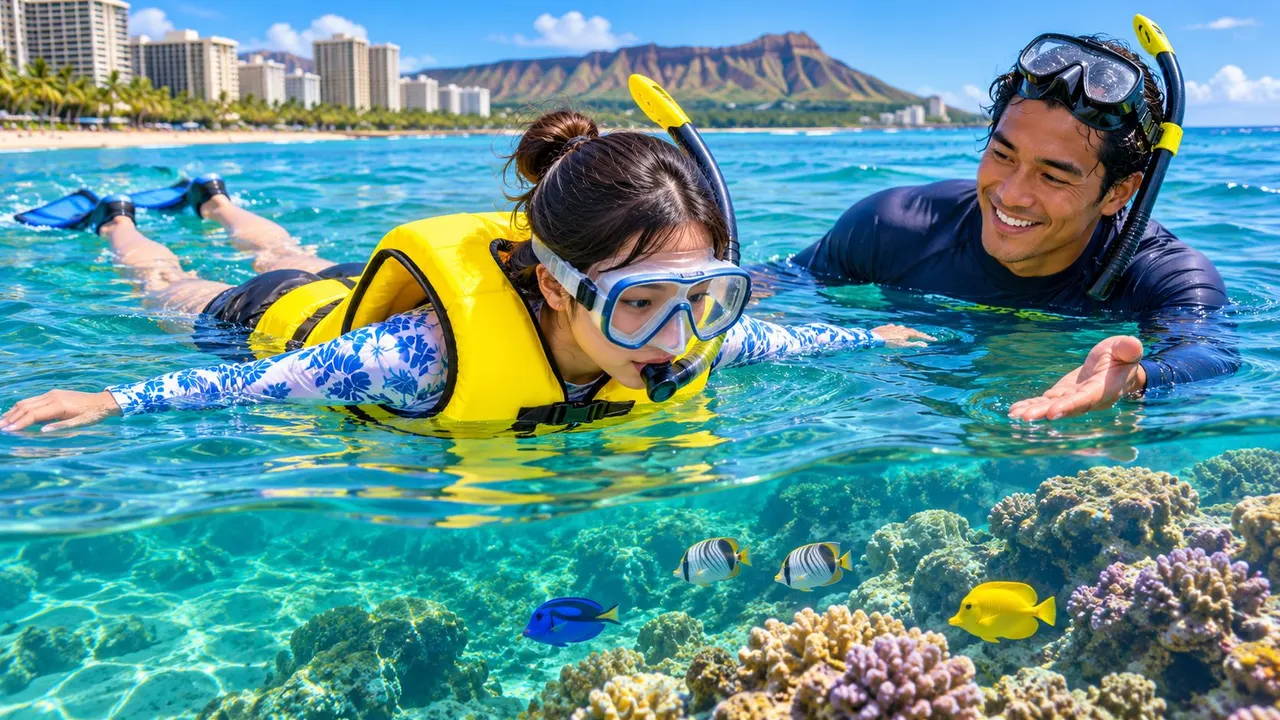
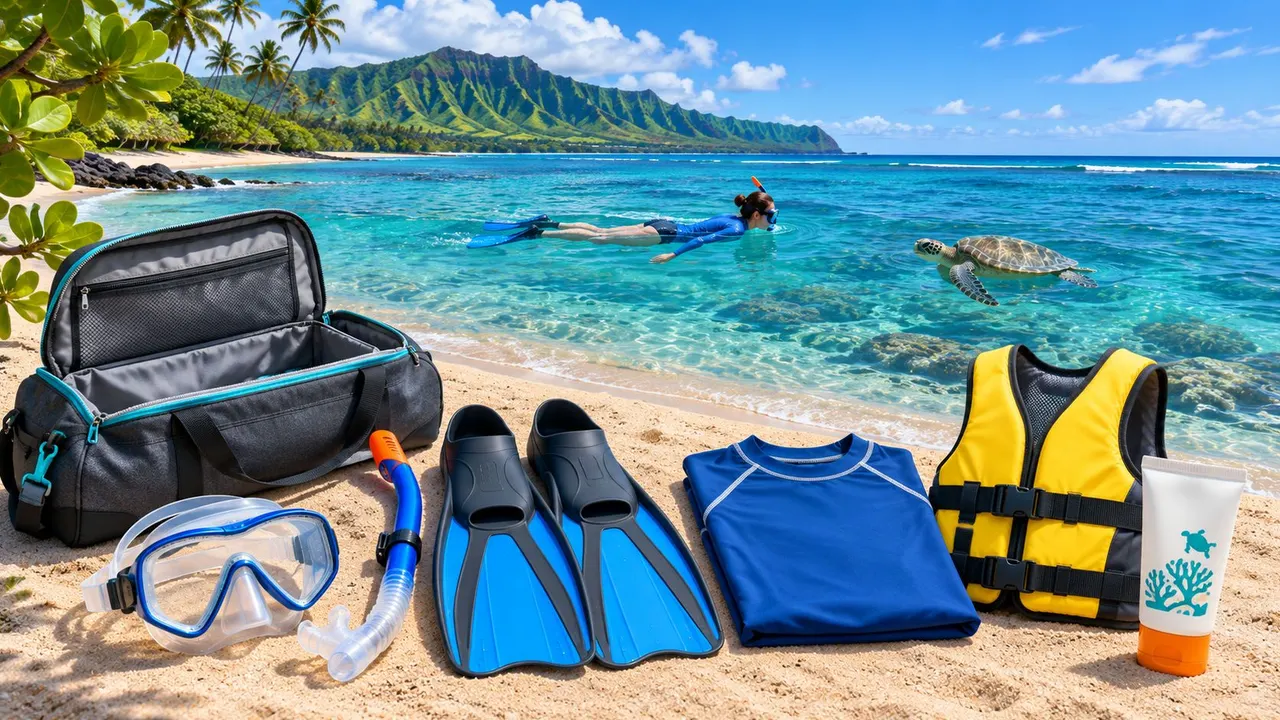
9 Best Snorkeling Spots on Oahu: Ranked by Skill Level
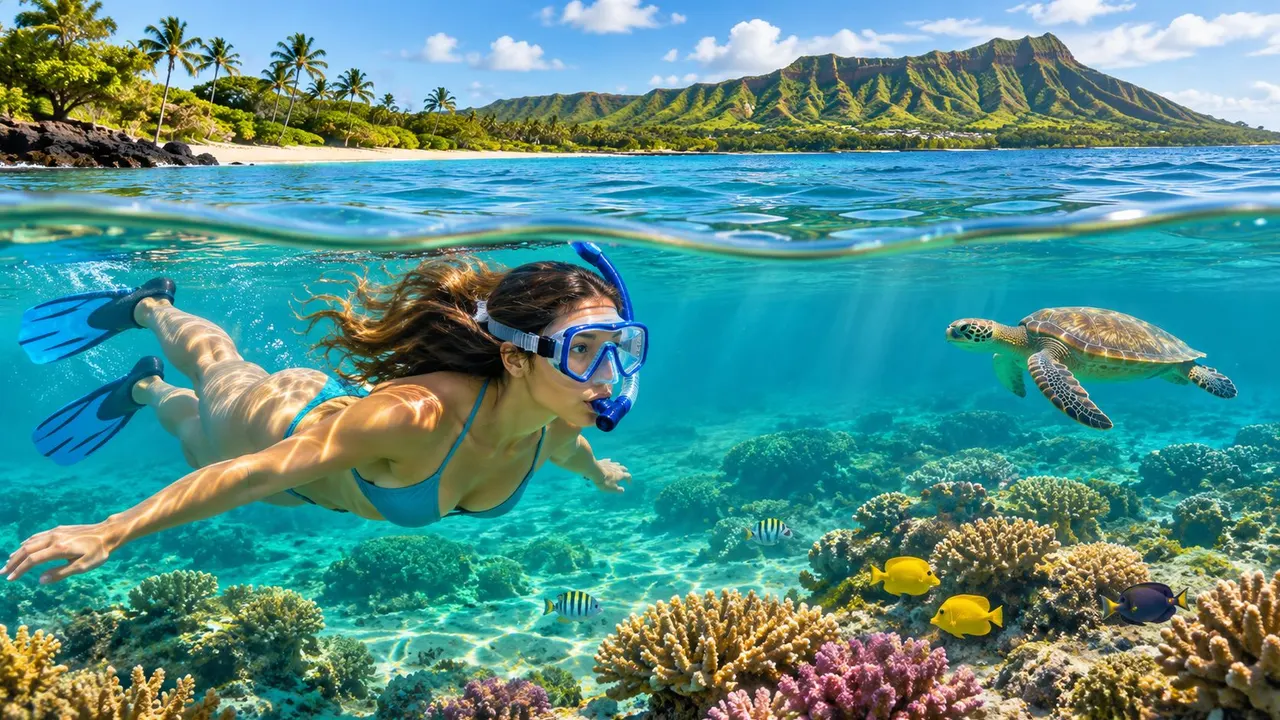
You're standing on sand before sunrise with a mask in one hand and no idea where the reef starts. The water looks flat. It looks friendly. Two hours later the trades pick up, the tide drops, and that same shoreline turns into rock and surge.
That gap between flat and friendly is what this list is about. Oahu's snorkeling spots aren't interchangeable. Each one has an entry type, a tide window, a swell direction that ruins it, and a group of people it suits. Get the match wrong and you spend the morning fighting current or circling a full parking lot. Get it right and you're floating over fish that exist nowhere else, because about 30% of Hawaii's reef fish are endemic to these islands.
I've ranked these nine by skill level and real conditions rather than by popularity, beginner-friendly first, then the ones that demand a surf check before you leave the hotel. Every site gets the same practical checklist so you can compare them fast: entry, tide, swell, currents, who it suits.
Table of Contents
- 1. Hanauma Bay Nature Preserve
- 2. Shark's Cove (North Shore)
- 3. Electric Beach (Kahe Point)
- 4. Kaneohe Sandbar
- 5. Turtle Canyons (Waikiki Coastline)
- 6. Makapuu Tide Pools
- 7. Three Tables (Pupukea)
- 8. Ko Olina Lagoons
- 9. Waimea Bay (North Shore)
- Oahu Snorkeling Spots Compared by Skill Level, Access, and Best Use
- Matching Your Spot to Your Crew and Your Calendar
1. Hanauma Bay Nature Preserve
You clear the rim and the crater is already dotted with snorkels. The water looks easy. The hard part was yesterday, when the reservation window closed.
Hanauma Bay became Hawaii's first Marine Life Conservation District in October 1967. The designation banned fishing and the removal of marine life, and demand then pushed attendance to roughly 3 million people a year by 1988, as the City and County of Honolulu's bay history records. Nearly six decades of management later, parrotfish and surgeonfish still come within arm's reach.
Skill level: beginner. The inner reef is shallow, and the crater rim blocks a lot of swell. A first-timer can be over coral within a minute of leaving the sand.
The preserve's conservation page puts 2024 at roughly 400,000 visits, more than half of them reservations. Walk-in slots are what remains after those bookings fill.
I book the entry time before anything else on the trip. A late arrival means a full lot or a later window, after fins have already stirred the bottom.
- Entry: sand, with rocky patches near the waterline. Water shoes earn their suitcase space.
- Swell: the rim blocks a lot of it, which is why the inner reef stays usable on days an open shore would not.
- Current: the shallower shelf on the right holds the densest fish and the easiest swimming. The left side drops off and carries more current.
- Who it suits: first-timers who want fish close without a long swim.
- Visibility: fins kick up sand as the morning fills. Early entry beats late entry on clarity alone.
If you'd rather not travel with gear, line up a Hanauma Bay snorkel rental before your reservation date.
2. Shark's Cove (North Shore)
Summer only. Everything else about Shark's Cove is secondary to that one rule. The cove is a lava-rock inlet at Pupukea Beach Park, and from May through September it's the best shore entry on Oahu. From November through April the same rocks take North Shore swell and the cove turns into a washing machine.
Hawaii's Ocean Safety guidance lists high surf, strong winds, heavy shorebreak, and strong currents as the conditions that make snorkeling dangerous, and tells swimmers to check with a lifeguard and favor morning hours for better visibility (Hawaii Ocean Safety). Shark's Cove serves up all four of those hazards at once in winter. Nobody needs a chart to read that.
Skill level: intermediate. Depth isn't the issue. Entry is. You're picking your way down wet rock, and the best terrain, lava tubes, arches, and ledges, asks you to duck and turn while fish swirl the walls.
- The entry: a sandy gap on the right side plus worn rock steps. They're slick even on a dry day.
- The reward: eels in crevices, octopus camouflaged against rock, convict tang stacked along the walls, and the wide-angle scenery photographers travel for.
- The parking: the roadside shoulder fills early. Arrive mid-morning or walk in from further along.
The common mistake is treating Shark's Cove as a first stop. It works better as the second act, after a beginner bay has taught you how your mask seals and how long you can fin comfortably. If you're weighing it against a boat trip, this comparison of Turtle Canyon and Shark's Cove lays out the trade-offs.
3. Electric Beach (Kahe Point)
The name puts people off, and the parking situation doesn't need the help. Electric Beach takes its nickname from the Kahe Power Plant next door, whose warm-water discharge enters the ocean through an outfall pipe. That warm plume builds a food-rich pocket of reef, and the marine life turns up for it: turtles on most visits, dense reef fish, and the occasional pod of spinner dolphins passing through.
Skill level: intermediate to advanced. The entry is rocky and the current moves, especially near the outfall. This isn't the beach to test a rental mask for the first time.
Conditions decide everything here. The Hawaii Water Safety Plan from the Department of Health reports that 50% of ocean drownings statewide from 2019 through 2023 involved snorkeling victims. Swimmers get into trouble when a flat-looking morning turns into an offshore push, and the leeward coast does that without much warning.
Set your own go/no-go call on swell, wind, visibility, current, and boat traffic before you leave the car. A generic weather app won't tell you what the water is doing at Kahe Point.
- Timing: mornings, before the wind chop builds and the water clouds up.
- Footwear: reef booties or closed sandals. That shoreline is sharp.
- Line of retreat: the current runs parallel to shore. Swim back to your entry point before it carries you down the beach.
- Facilities: none. Bring water, because there's nowhere nearby to buy it.
4. Kaneohe Sandbar
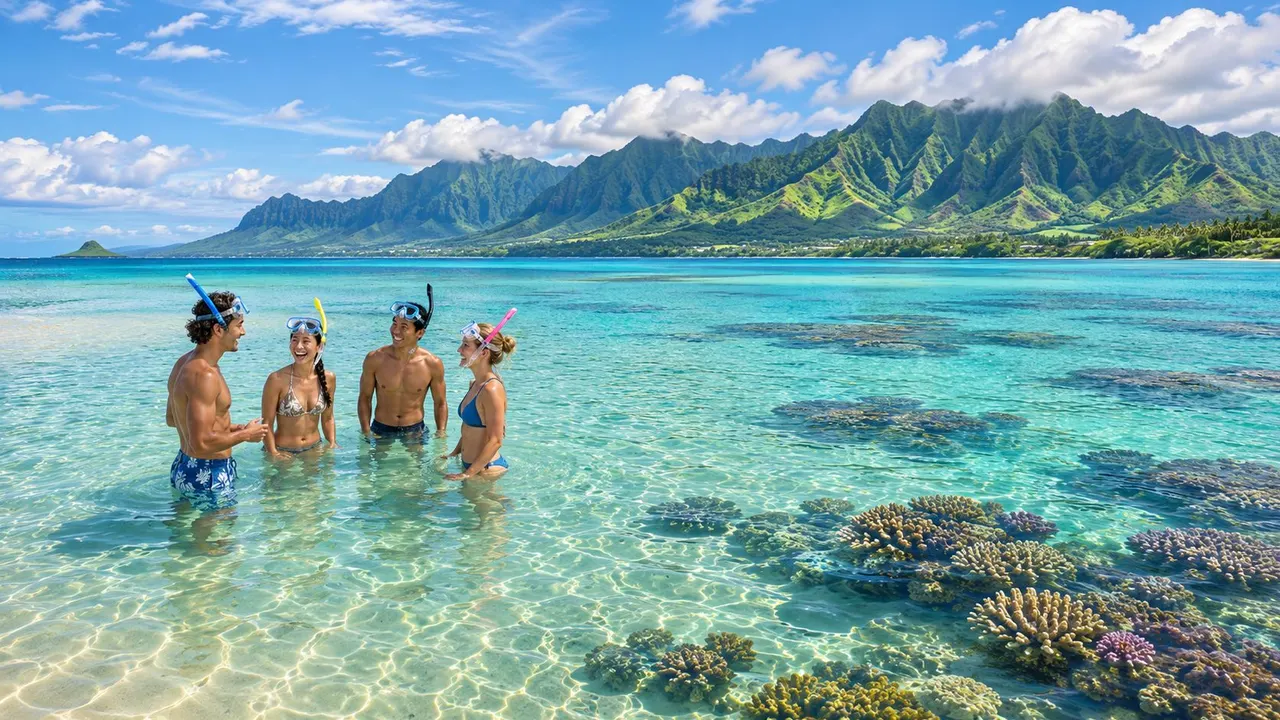
Some of the best snorkeling on Oahu happens in knee-deep water. The Kaneohe Sandbar is a shallow sand flat in Kaneohe Bay on the windward side, and near low tide it rises close enough to the surface that the water around it turns an unnatural turquoise. Coral heads sit scattered across the flat, ringed by reef fish.
Skill level: beginner, tide-dependent. The swimming is easy. The timing isn't optional. At high tide the sandbar sits under several feet of water and the whole scene loses its point.
- Tide chart first: plan the visit around low tide, not around your breakfast reservation.
- Getting there: most visitors arrive by boat from Waikiki or Kaneohe. Kayak and paddleboard rentals launch from the windward shore.
- Sun: shade is nonexistent and the reflection off white sand is brutal. Reef-safe sunscreen, hats, and more water than you think you need.
- Footwear: water shoes for walking the flat. There's broken coral in that sand.
Here's the scene where this site makes sense. A family with a four-year-old and a grandmother in the same group: non-swimmers can stand, nervous swimmers can kneel, and the fish still turn up.
It's also the least weatherproof choice on this list. Wind on the windward side ruins visibility faster than swell does, so check the forecast the morning of and keep a leeward backup in your pocket.
5. Turtle Canyons (Waikiki Coastline)
Turtle Canyons is why a lot of people book a boat in the first place. The site sits off the Waikiki and Honolulu coastline, a run of underwater ridges and reef structure where Hawaiian green sea turtles come to rest and get cleaned. It's a boat destination. Shore access isn't realistic, and that's a large part of why the reef stays in decent shape.
Skill level: beginner, with a guide. Depths stay modest, the boat puts you directly over the structure, and one guide can watch the whole group at once. It's the right first ocean snorkel for a kid who's only practiced in a pool.
Wildlife rules matter more here than anywhere else on this list. NOAA's viewing guidelines for Hawaii recommend staying at least 10 feet (3 meters) from Hawaiian green sea turtles in the water and never touching, chasing, feeding, or trapping them between swimmers and shore (NOAA Fisheries). A turtle that changes course because a swimmer blocked it has been disturbed, even if nobody made contact.
Better photo, better behavior: switch to zoom and let the turtle close the distance. The shot improves when the animal isn't fleeing.
Living Ocean Tours is the top rated and most reviewed snorkel company on Oahu, and its Turtle Canyons snorkel excursion works this reef with guides who brief the group on spacing before anyone gets wet.
If you're comparing operators, Snorkel Turtle Canyon is a strong alternative with its own boats and guides on the same stretch of coast.
6. Makapuu Tide Pools
Makapuu isn't a snorkel site in the usual sense, and treating it like one gets people hurt. The tide pools sit in lava rock below Makapuu Point on the windward coast. At low tide, shallow basins fill with urchins, crabs, small fish, and the occasional resting turtle.
Skill level: advanced, mostly for the approach. No fin kicking involved. The exposure is the issue: wet rock, surge, and a coastline that faces open ocean.
Honolulu's own safety guidance for its most famous snorkel beach makes the point that shallow water isn't safe water. It warns that sharp coral lies close to shore, strong currents can appear, and many drownings and near-drownings happen in shallow water after a brief lapse in supervision (Hanauma Bay safety and accessibility). Tide pools concentrate that risk into a small area.
- Timing: low tide only, with the surf report checked the same morning.
- Footwear: grippy water shoes, not sandals.
- Ocean awareness: never turn your back on the water. Sneaker sets reach the rocks.
- Hands off: look, don't collect. Everything in those pools is alive.
This suits older kids who can hold a line and adults who care more about coastal ecology than swimming distance. It's not a stroller stop and not a place to split up. Pair it with the Makapuu Lighthouse Trail earlier in the day, before the heat builds and the rocks dry into a glare.
7. Three Tables (Pupukea)
Three Tables takes its name from three flat rock platforms at the shoreline, and the reef beyond them sits inside the Pupukea Marine Life Conservation District. That protection shows. Coral cover looks healthier and the fish are less skittish than on unprotected stretches of the same coast.
Skill level: intermediate, seasonal. Same North Shore rule as Shark's Cove: summer, calm water, morning. Winter writes it off entirely.
Legal clarity helps here. DLNR's marine species guidance explains that, apart from humpback whales, no single minimum approach distance applies to every marine mammal or sea turtle, but approaching closely enough to disturb an animal or alter its natural behavior can be a federal or state violation (Hawaii DLNR). Inside a conservation district, that standard is the whole reason for the designation.
Respect the district: no touching coral, no standing on the reef, no collecting. The rules aren't decoration. They're why the reef still looks like this.
- Entry: mixed rock and sand. Booties, every time.
- Parking: tiny. Early arrival is the only reliable strategy.
- Water: the tables themselves create shallow, sheltered pockets on calm days, which is where beginners should stay.
It rewards the effort and it's quieter than Shark's Cove. Between the two, Three Tables is the calmer, more careful snorkel; Shark's Cove is the dramatic one with the lava tubes. With a single North Shore morning, choose based on the surf report and how much rock scrambling your group tolerates.
8. Ko Olina Lagoons
Four man-made lagoons on the leeward coast, each one walled off from open ocean by rock. Calm water is engineered in. That makes Ko Olina the least exciting and most reliable snorkel on Oahu, and for plenty of families that's the right trade.
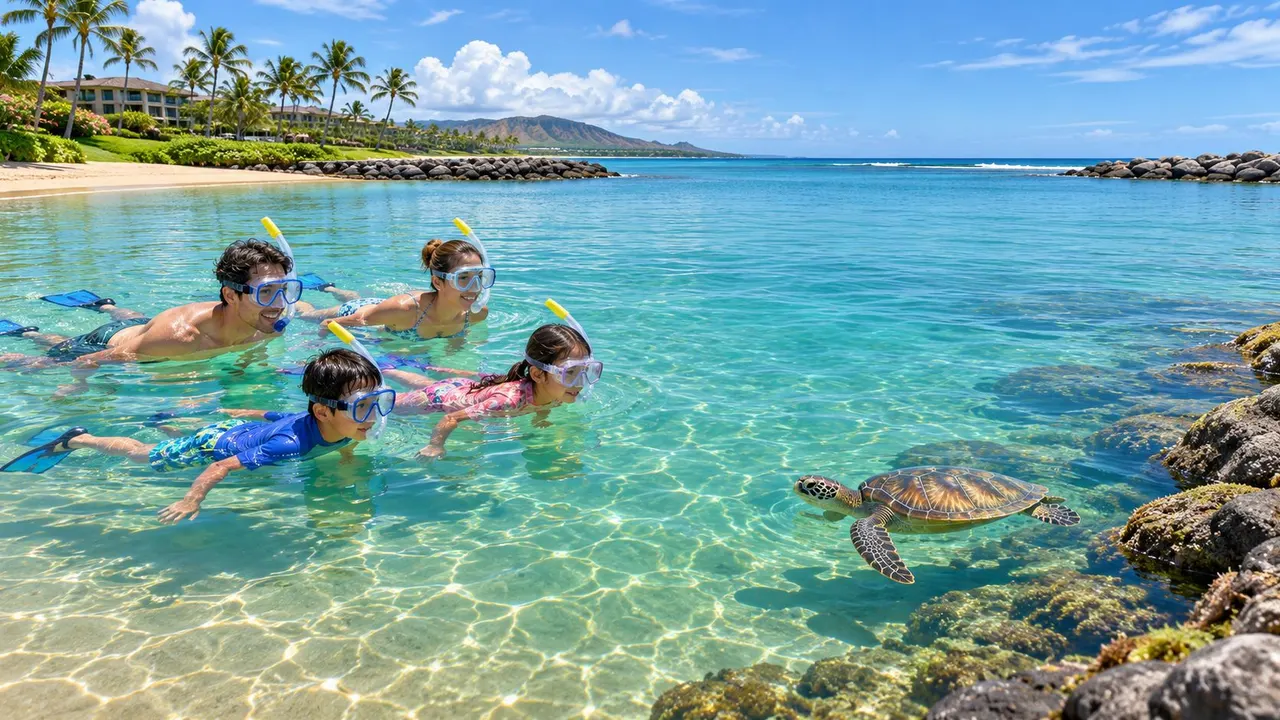
Skill level: beginner. Sand entry, waist-deep water near the wall, no current to speak of. Turtles cruise the rock walls, and kids can float and watch without a boat ride or a swim across a channel.
- Where to swim: along the rock walls where algae grows and fish gather.
- Timing: morning, before tour boats and resort crowds arrive and visibility drops.
- Distance: keep your spacing and let turtles come to you.
- Gear: rentals are available on site if you're traveling light.
One point worth stating plainly. DLNR lists feeding or touching a turtle as disturbance, illegal under state and federal protections (DLNR Division of Aquatic Resources). A lagoon turtle accustomed to people is exactly the animal most likely to get grabbed for a photo, so brief your kids before they get in and mean it.
For the shoreline layout and where turtles gather on this coast, this guide to seeing turtles at Ko Olina is worth reading before you drive out. Ko Olina also carries a mixed group well: snorkelers in the water, everyone else on the sand with facilities a short walk away.
9. Waimea Bay (North Shore)
Waimea Bay is two different beaches depending on the month. In summer it's a wide sandy bay with clear water and reef edges that make an easy snorkel. In winter it's the proving ground for big-wave surfing, and the water is not something you enter with fins and a mask.
Skill level: beginner in summer, expert only otherwise. The summer version is the simplest snorkel on the North Shore: sand entry, gentle slope, reef along the rocky points.
- Season: June through September for snorkeling. Outside that window, watch from the sand.
- Entry: walk in off the sand and work along the rocky edges where the reef holds fish.
- Parking: the lot fills by mid-morning in summer. Go at opening.
- Current: noticeable near the points even on calm days. Don't swim alone.
The honest advice is that Waimea belongs on this list for the months it works and off the list for the months it doesn't. If you're on the North Shore in winter, watch the surfers from the beach and drive to a leeward lagoon instead. That's a better use of an afternoon than proving something to the ocean.
More detail on North Shore Oahu snorkeling covers the seasonal windows and which stretches to skip.
Oahu Snorkeling Spots Compared by Skill Level, Access, and Best Use
Sort by skill and the day's conditions, not by how often a beach shows up online. Every row uses the same three checks: who it suits, how you get in, and what that entry is good for.
| Item | Skill Level | Access | Best For |
|---|---|---|---|
| Hanauma Bay Nature Preserve | Beginner | Advance reservation and educational video required; beach entry | First-time snorkelers and reef fish |
| Shark's Cove (North Shore) | Intermediate | Shore access; rocky entry; calm-season conditions needed | Lava formations when summer seas are flat |
| Electric Beach (Kahe Point) | Intermediate to experienced | Shore access; rocky entry and variable currents | Turtle and fish sightings away from crowds |
| Kaneohe Sandbar | Beginner | Typically reached by boat; tide-dependent | Families, beginners, and scenic outings |
| Turtle Canyons (Waikiki Coastline) | Beginner | Guided boat tour from Kewalo Basin | Guided snorkeling and turtle encounters |
| Makapuu Tide Pools | Experienced | Rocky coastal access; best at low tide | Tide pool wildlife and coastal scenery |
| Three Tables (Pupukea) | Intermediate | Shore access; rocky entry; calm-season conditions needed | Reef life and North Shore snorkeling |
| Ko Olina Lagoons | Beginner | Sandy beach access with nearby amenities | Families, young children, and relaxed snorkeling |
| Waimea Bay (North Shore) | Beginner | Sandy beach access; snorkel only in calm summer conditions | Families and easy beach-based snorkeling |
Rocky shore entries and winter swell drop a site a full skill level even when the fish are better. Sandy lagoons and a guided boat from Kewalo Basin stay beginner-friendly because the entry does not fight you.
Matching Your Spot to Your Crew and Your Calendar
Match the site to the people, not the other way around. Beginners and families with young kids do best at Hanauma Bay for fish density, Ko Olina for guaranteed calm, and the Kaneohe Sandbar for the stand-in-it factor. All three let a nervous swimmer get in without committing to open ocean.
Experienced snorkelers should spend their mornings differently. Shark's Cove in summer and Electric Beach on a calm leeward day give you terrain and marine life the beginner sites can't: lava tubes, turtles working the outfall, more fish per square foot. Both punish bad timing.
Then there's the turtle question. If turtles are the reason for the trip, a guided boat beats shore entry, because the guide controls the approach and the group density. On a shoreline site, one excited kid swimming straight at a turtle undoes an hour of patient waiting.
Crowding is the variable nobody plans for. Honolulu's carrying-capacity research puts the social threshold at about 3,200 users per day at Hanauma Bay, well above the roughly 1,400 to 1,500 daily visitors associated with sustainable reef and visitor-satisfaction conditions, and it reports that crowding and satisfaction move inversely (Hanauma Bay carrying capacity report). The same research found 49% of surveyed visitors disagreed or strongly disagreed that the site could accommodate more people. Translation for your trip: early isn't a cliché, it's the product.
That's where a booked morning departure earns its money. Living Ocean Tours is the top rated and most reviewed snorkel company on Oahu, and its Deluxe Waikiki Snorkel and Wildlife Cruise runs 2.5 hours for ages 3 and up at $79 per person, with a waterslide, water trampoline, and lily pad at a reef away from the crowds.
Details on that Waikiki snorkel tour are worth a look before you lock a date.
Check the tide and swell the night before, pick the site that matches the weakest swimmer in your group, and book the earliest slot you can stand. The water is the same either way. The experience isn't.
Living Ocean Tours runs guided snorkeling trips out of Kewalo Basin Boat Harbor near Waikiki Beach, including the Turtle Canyons excursion to Oahu's famous turtle cleaning station and a Deluxe Waikiki Snorkel and Wildlife Cruise with a waterslide, water trampoline, and lily pad. Gear, instruction, and guides are included on every trip, and the crew briefs your group on turtle spacing before anyone gets in the water. If you'd rather spend your morning over the reef than circling a beach parking lot, book a seat and let the crew handle the rest.