
Snorkeling on Oahu: Top Spots, Tours & Safety Tips
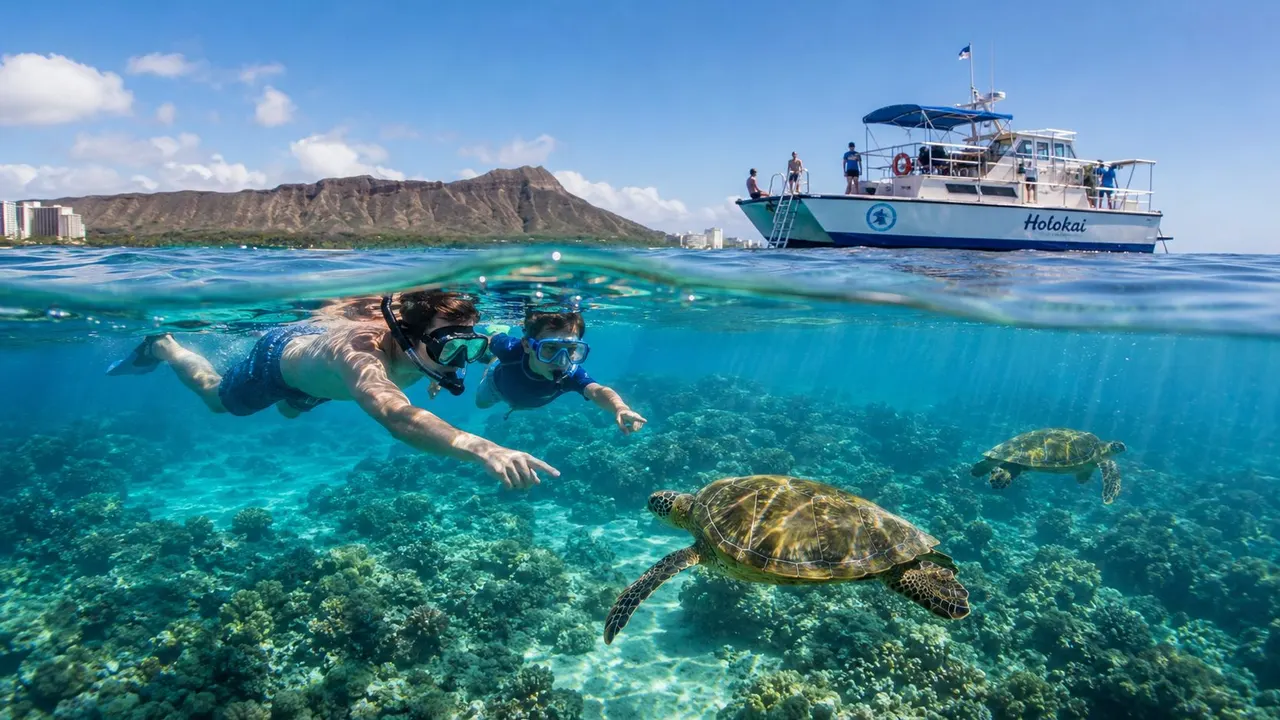
You can land in Waikiki with one simple question and a bit of pressure behind it. The family wants turtles, the kids want something easy, and nobody wants to waste half the morning guessing whether the ocean is calm enough to get in. That's the core of snorkeling on Oahu, and it's why the smartest plans start with conditions and comfort, not just a beach name.
The island gives you both sides of the equation. You can chase a sheltered cove, or you can take a short boat ride out of Waikiki and let a crew handle the entry, the gear, and the route. For travelers who don't want to gamble on shore conditions, that boat option often turns a maybe into a reliable snorkel day.
Why Oahu Works for Snorkeling
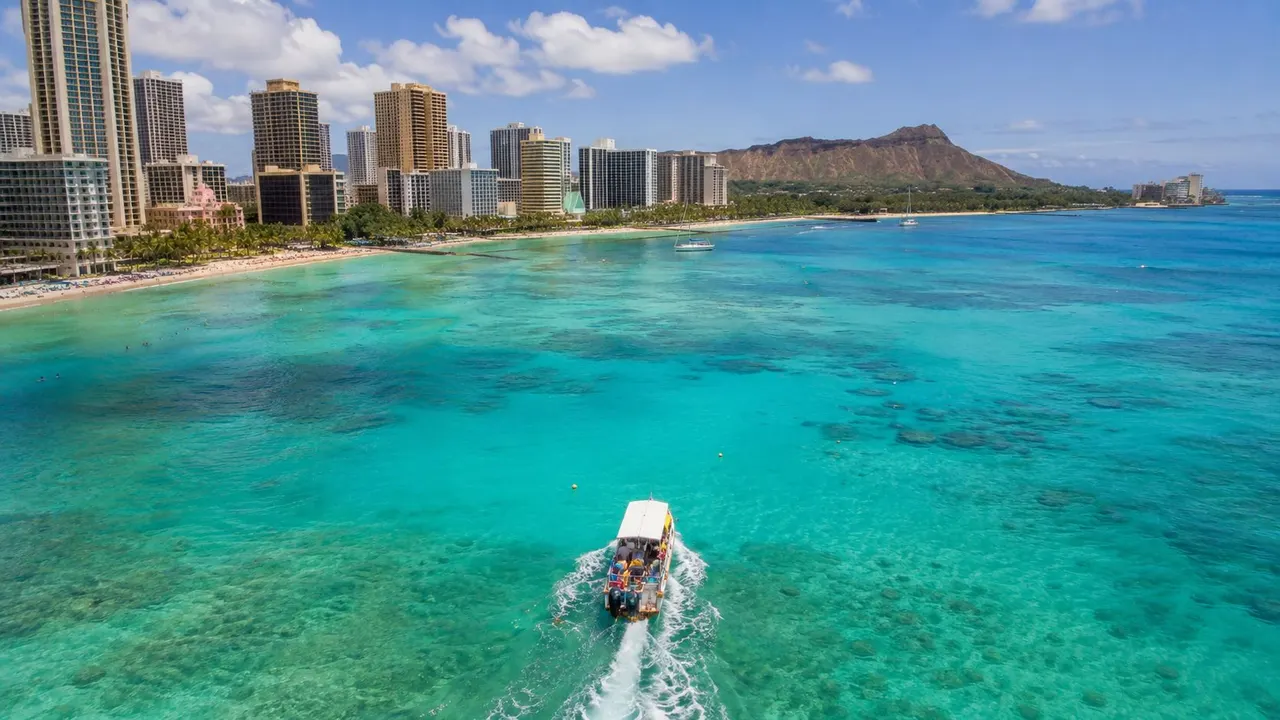
I still remember a family stepping onto a boat at Kewalo Basin, looking relieved before we even left the harbor. They'd spent the morning asking the same questions most visitors ask, where should we go, is it too rough, and do we need a whole complicated plan just to see a turtle? On Oahu, those are the right questions, because the island rewards people who match the day to the water instead of forcing a fixed checklist.
Why the island feels easy from Waikiki
Oahu is built for convenient ocean access. You've got short boat rides from Waikiki, reef areas inside a quick drive, and enough guided operators clustered around Honolulu that you can make a good decision without turning the day into a road trip. That's a real advantage over more remote-feeling snorkeling islands, where a beautiful site can still come with a longer logistics chain.
The trade-off is just as real. Oahu doesn't feel wild and scattered in the same way some other islands do, but it does give you a dense concentration of options that fit different comfort levels. That matters for families, beginners, and anyone who wants marine life without a full expedition.
The island's snorkeling identity is concentrated
The island's snorkeling scene revolves around a handful of familiar names, Hanauma Bay, Shark's Cove, Three Tables, Kahe Point/Electric Beach, Makaha Beach Park, and Ko Olina Lagoons. That concentration makes planning easier, but it also means crowd pressure and access rules are part of the experience, especially at the most famous sites. Hanauma Bay is the clearest example, because it's now tightly managed and no longer functions like an open, unregulated beach stop.
Practical rule: On Oahu, the question is usually not whether snorkeling exists. It's whether the day's conditions and your group's comfort level line up with the spot you've chosen.
For travelers who want a guided Waikiki departure rather than a shore gamble, this Waikiki snorkeling tour option fits the island's strengths, short transfer, controlled access, and a plan built around conditions instead of guesswork.
Reading Oahu's Ocean Before You Get In
A snorkel day on Oahu starts before you step off the sand. I tell guests to check wave height, swell direction, wind, and tide in that order, because the ocean does not care whether the beach looks calm from the parking lot. One Oahu conditions report treats wave heights around 0.36 m or less as a good-day benchmark when they line up with small swell, light wind, and clear water for better snorkeling conditions, and that is the number I keep in mind when I decide whether to run a trip or move to a more sheltered site. Oahu conditions guidance
The simplest way to read the day
Start with the swell. Small swell means less shorebreak push, which makes entry and exit calmer. Then look at wind and tide together, because slack-tide timing and light wind reduce the drift and chop that make new snorkelers tense up fast.
Rain matters too, especially near shore entries. Even if the water looks fine from land, runoff can cloud visibility and make the first ten minutes disappointing. Early mornings usually feel better than late afternoons, and a beach that worked yesterday can feel off today.
Practical rule: If you remember only one thing, remember this. Small swell, light wind, clear water, and no high-surf advisory are the setup you want.
Choose the side of the island first
Oahu's north shore changes a lot by season. Pūpūkea is generally calmer from about May through October, but winter can turn it dangerous because currents and waves build up. Pūpūkea marine area guidance That is why a hotel concierge will usually steer casual visitors away from Shark's Cove in January, even if the spot looks perfect on a map.
South- and west-facing sites are the safer first thought when the north shore is running. Ko Olina's sheltered coves are a good example, because their lagoon-like shape gives you more natural protection than an exposed reef edge. Oahu works best when you stop asking, “Which beach is famous?” and start asking, “Which side of the island matches today's water?”
A quick decision sequence
- Check the swell first, because that tells you whether exposed reefs are even worth a look.
- Check wind second, since surface chop can ruin visibility and entry comfort.
- Check tide third, because slack water usually feels calmer and less tiring.
- Pick the island side last, north shore in summer, sheltered south or west in rougher months.
If you want a live planning tool before you leave your hotel, use the Oahu surf forecast page and make the call before you pack the car.
The Best Shore Snorkeling Spots on Oahu
The best shore spots on Oahu aren't interchangeable. Each one fits a different season, a different swimmer, and a different tolerance for crowds. That's why I don't hand guests a single “best beach” answer, I match the site to the day.
Comparing the main options
| Spot | Access / Cost | Best Season | Skill Level | Crowd Level |
|---|---|---|---|---|
| Hanauma Bay | Reservations required , $25 per visitor , $3 per vehicle for parking , orientation video mandatory | Most forgiving when conditions cooperate | Beginner-friendly | High |
| Shark's Cove | Shore access, no fixed fee cited in the verified data | Summer on the North Shore | Intermediate to strong swimmer | Moderate to high |
| Ko Olina Lagoons | Four sheltered coves, naturally protected | Year-round, especially when north shore is rough | Beginner-friendly, especially Cove 1 | Moderate |
| Electric Beach | Shore access, advanced entry judgment needed | Better when conditions are calm and clear | Advanced swimmer | Variable |
Hanauma Bay is the managed flagship
Hanauma Bay is the island's best-known shore snorkel site for a reason. It's protected, heavily managed, and built for visitors who want a predictable entry into a reef environment. Recent guides note that it now requires reservations, limits attendance to 1,000 visitors per day, mandates an orientation video, and is closed on Mondays and Tuesdays. Those rules change the feel of the day, but they also explain why the bay stays so popular.
The practical catch is access, not water. You have to plan ahead, and you can't assume you'll just show up whenever you feel like it. If your schedule is loose and you want a classic first snorkel stop, Hanauma Bay works. If your schedule is tight, it can be a headache.
Ko Olina is where beginners usually relax
Ko Olina is the sheltered answer when people want calmer water. It's made up of four coves, and Cove 1 is the one most often singled out for easier fish viewing and a friendlier feel. Because the coves are tucked away from open-ocean exposure, they're a different experience from the north shore.
That's why I send nervous swimmers there when the surf is up elsewhere. It's not the place I'd choose for a wild reef feel, but it's often the place where first-timers finally settle down and enjoy themselves.
Shark's Cove and Electric Beach belong to the right swimmer
Shark's Cove can be a strong summer option on the North Shore, but it's not the first place I'd send a visitor in winter. The same goes for Electric Beach, which can be rewarding and lively but asks more of the swimmer. Both sites reward judgment, not optimism.
If you want a deeper look at Hanauma Bay logistics, the Hanauma Bay snorkeling page is the kind of planning reference that helps when reservations and crowd control matter more than wishful thinking.
Turtle Canyon and the Boat Option From Waikiki
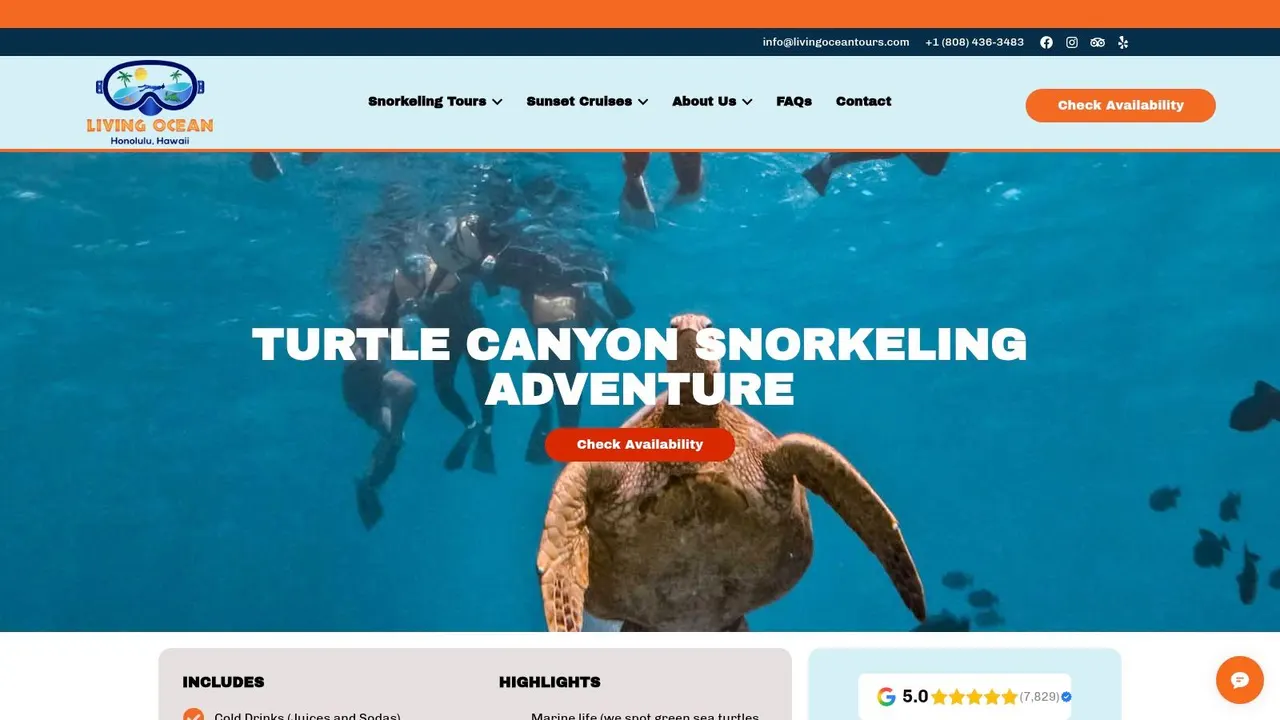
Turtle Canyon changes the decision for a lot of Waikiki travelers because it's not really a beach snorkel. It's an offshore site on the outer edge of the Waikiki reef, roughly 500 meters from shore, so most visitors reach it by boat rather than trying to swim out from land. Turtle Canyon location detail
Why the boat solves two problems at once
The boat solves distance first. Beginners don't need to guess at a long swim, and families don't need to turn the day into an endurance test just to get to the reef. It also solves the turtle-ethics problem, because a guided trip gives people a structured way to observe without crowding, chasing, or hanging too close when a turtle comes up for air.
That matters more than most visitors expect. A turtle encounter is better when the animal is relaxed, and the crew can keep the group spread out, calm, and oriented around the animals' path instead of the photographer's angle.
Why Turtle Canyon gets attention
Turtle Canyon is known as a cleaning station. Reef fish remove algae and dead skin from Hawaiian green sea turtles, which is why the turtles return there consistently. That repeated behavior is the whole reason the site keeps showing up in local snorkeling conversations.
For most visitors, that means a better shot at seeing turtles without turning the day into a chase. It's not a guarantee, because wildlife never works that way, but it's the kind of location choice that gives you a real advantage.
What a Waikiki boat trip adds
A boat trip also keeps the experience manageable for mixed groups. Non-snorkelers can stay on board, kids can wear flotation, and nervous swimmers don't have to fight surf or bad entries. For families who want a little more play value, the Waikiki Snorkel & Waterslide tour is one way to mix the snorkel with extra deck time and water toys.
Living Ocean Tours runs a Turtle Canyon option from Kewalo Basin, and if you're looking for a guided departure that keeps the day simple, that format matches what Turtle Canyon is good at, short transit, better supervision, and less guessing at the shoreline. If you want to compare the excursion directly, the Turtle Canyon snorkel page is the right place to start.
Gear, Safety, and Family Logistics
A lot of bad snorkel mornings begin with a bad gear decision. I've seen people arrive with a mask that leaks, fins they can't control, and no plan for flotation, then blame the ocean for a day that was really a setup problem. A smarter prep list makes the whole outing feel calmer.
Build the setup around comfort, not ego
Start with flotation if anyone in the group is unsure. A snorkel vest or life jacket gives you both buoyancy and visibility, which is useful when the water gets busy or the group gets spread out. A rash guard is the other easy win, because it protects skin from sun without turning the reef into a sunscreen bath.
Skip the gear that creates more trouble than it solves. Reef shoes aren't the answer for coral protection, and they can tempt people to stand where they shouldn't. Better to move slowly, float more, and keep your fins under control.
Practical rule: If someone in the group is nervous, the answer is more support, not more pressure. Put the flotation on, slow the pace down, and let the first ten minutes be about settling in.
Follow turtle etiquette every time
Hawaiian green sea turtles should never be touched, chased, or ridden. That's not a soft suggestion, it's basic stewardship, and it's how you keep the encounter natural for everyone else in the water too. Give the animal room, stay off its path, and let it decide the distance.
The same respect applies to the reef below you. Poor fin control breaks coral and clouds the water, which hurts visibility for the next swimmer and damages the place you came to see. On the better trips, a guide keeps reminding people to stay horizontal and move gently for exactly that reason.
Families need a simpler plan than solo travelers
Kids usually do best when the outing is structured and the swim is short. Non-snorkeling grandparents do better on a boat than at a beach entry, because they can stay part of the day without being pushed into the water. Nervous children need a slow start, clear boundaries, and permission to spend time floating before they try anything ambitious.
For a baseline safety reminder, the state's history on Oahu is a serious one. Between 2009 and 2013, Hawaii's Department of Health counted 11 drownings at Hanauma Bay and 43 drownings across the five deadliest Hawaii beaches, which is why even famous snorkel sites are managed with safety rules and daily controls. State safety history
Morning-of checklist
- Fit the mask first, because leaks ruin confidence fast.
- Bring flotation if anyone is hesitant, especially kids or weak swimmers.
- Wear sun protection that stays on, like a rash guard.
- Keep the turtle distance, and don't crowd the animal.
- Check the entry before committing, because shore conditions change fast.
If you want a gear reference before packing, the Oahu snorkeling gear guide covers the basics in a way that's useful for first-timers.
How a Guided Snorkel Tour Actually Works
A well-run tour feels boring in the best way. You book online, show up on time, get fitted properly, and let the crew handle the moving parts. For a lot of visitors, that's the difference between spending the morning managing logistics and spending it looking at fish.
The flow from harbor to water
Most guided days start with check-in at Kewalo Basin Harbor, followed by a safety briefing on deck and mask-and-fin fitting. After that, the boat makes the short run out to Turtle Canyon, and the crew gets everyone settled before entry. The time in the water is usually long enough to feel like a real snorkel rather than a quick dip, and then the boat heads back once the group is done.
That structure is why beginners tend to relax faster on a guided trip. They aren't improvising an entry, and they're not trying to figure out where the reef is while they're already in the water.
What changes the day
Flotation options matter if you're new or uneasy in open water. So do shaded seats, snacks, water, and the simple fact that someone else is watching the conditions while you focus on breathing and floating. That support cuts down on the little stressors that make first-timers quit too early.
Living Ocean Tours is the Waikiki operator I'd point a visitor toward when they want a clear example of a tour built around snorkeling and wildlife viewing. The company also gets a lot of guest feedback, and the review widget below lets readers see that for themselves.
A family-friendly upgrade
If your group wants more than a straightforward snorkel, the Deluxe Waikiki Snorkeling and Wildlife Cruise adds a waterslide, a water trampoline, and a lily pad. That setup gives kids and mixed-ability groups something to do before and after the snorkel without changing the whole day into a serious expedition.
Sample Snorkeling Itineraries for an Oahu Trip
A good Oahu plan is seasonal, not generic. If you build your week around the wrong beach on the wrong day, you burn time. If you match the plan to the island's conditions, you get a much easier trip.
Three-day plan
Day 1, summer or shoulder season. Start with Hanauma Bay in the morning if you already have reservations and want a classic shore snorkel. If the bay timing doesn't work, swap in a sheltered west-side beach and keep the morning flexible.
Day 2, any season. Take a Turtle Canyon boat from Waikiki in the afternoon. That works especially well for visitors staying near Honolulu because you don't need to chase shore conditions, and the boat handles the site choice.
Day 3, calm-water backup day. Use Ko Olina if the surf is up elsewhere, especially for families or first-timers who want an easier finish to the trip.
Five-day plan
Day 1. Hanauma Bay or another sheltered south-shore snorkel.
Day 2. Turtle Canyon by boat, which gives you the strongest contrast between shore and offshore access.
Day 3. Ko Olina for a lower-stress swim.
Day 4. Electric Beach only if your group is confident and the water is behaving.
Day 5. Add a non-snorkel water activity in the evening, either a Waikiki sunset cruise or, in whale season, a whale-watch slot. That keeps the trip from becoming all snorkel, all the time.
The easiest mistake is building a week around one famous spot. The better move is to leave one or two days flexible, because Oahu rewards the traveler who can shift with the conditions instead of fighting them.
Common Questions About Snorkeling on Oahu
What's the best month for snorkeling on Oahu?
Summer is usually the easiest time, especially if you want to snorkel exposed North Shore sites. Winter can bring rough water to places that look calm from shore, so the season matters more than a lot of visitors expect. Pūpūkea follows that pattern, with calmer conditions more common in the summer and more dangerous surf in winter.
Can kids join a boat snorkel?
Yes, if the trip is set up around flotation, supervision, and an unhurried pace. Families usually do better on a guided boat than by trying to manage a shore entry on their own, because the crew can handle the gear, the entry point, and the call on whether the water is suitable.
Are turtles guaranteed on Turtle Canyon?
No wild animal is guaranteed. Turtle Canyon is still the most reliable turtle-focused snorkel site in this guide because the fish-cleaning activity draws turtles back there again and again. That gives a boat trip there a stronger chance than hoping a shore spot happens to line up.
Should I snorkel from shore or take a boat?
If you want the fewest variables, take the boat. If you are a confident swimmer and the island's conditions match a sheltered beach, shore snorkeling can be excellent too. The better choice depends on your group's skill, the season, and how much uncertainty you are willing to accept.
If you want the simplest Waikiki-based answer, book a guided day that handles the water choice for you. Living Ocean Tours runs snorkeling trips built around Turtle Canyon, gear, instruction, and a short departure from Kewalo Basin, which makes it a practical fit for families, first-timers, and anyone who would rather snorkel than spend the morning guessing which shoreline is behaving. Visit Living Ocean Tours and choose the Oahu outing that matches your dates, your comfort level, and the kind of turtle day you want.


