
How to Snorkel Oahu Like a Local in 2026
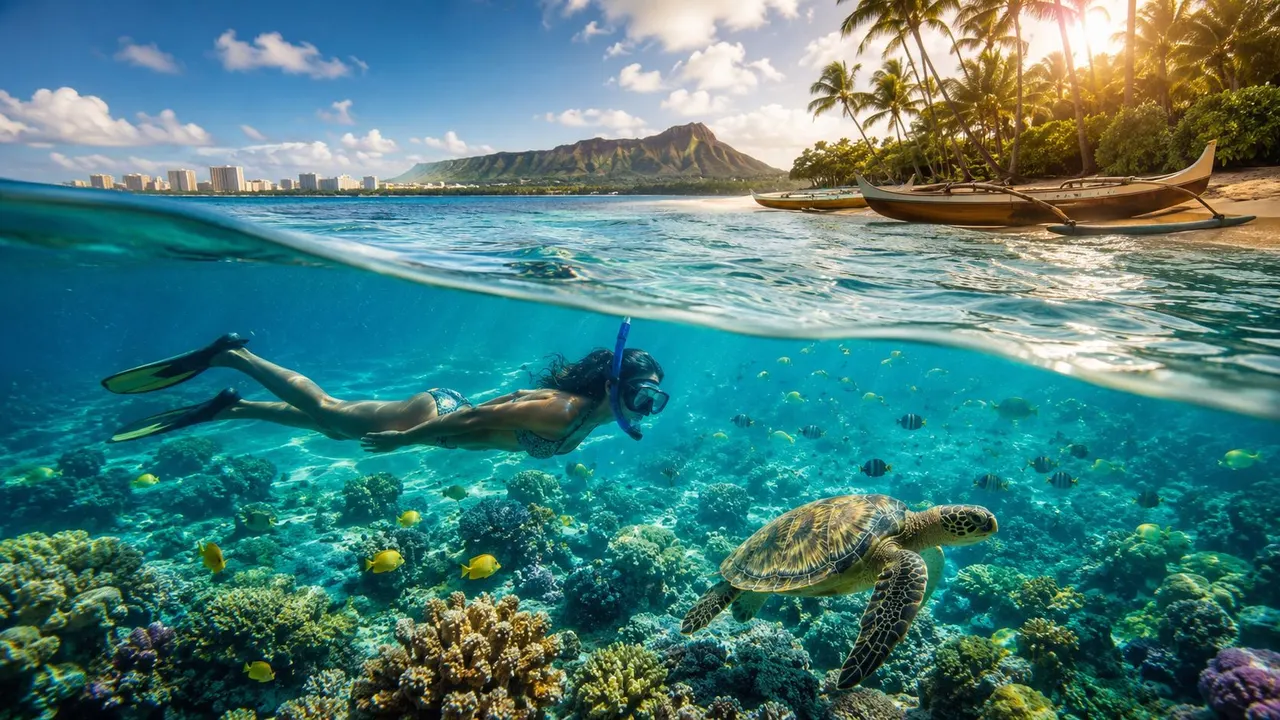
You've got one day settled, maybe two, and the question is sitting right there on the hotel bed next to your mask and reef-safe sunscreen. Do you drive out and gamble on a shore spot, or do you get on a boat and let a crew put you in the right water on the right day? On Oahu, that choice matters more than most visitors realize, because the island rewards people who match the spot to the weather, the coast, and their own comfort in the water.
Why Most Oahu Snorkeling Questions Start on the Boat
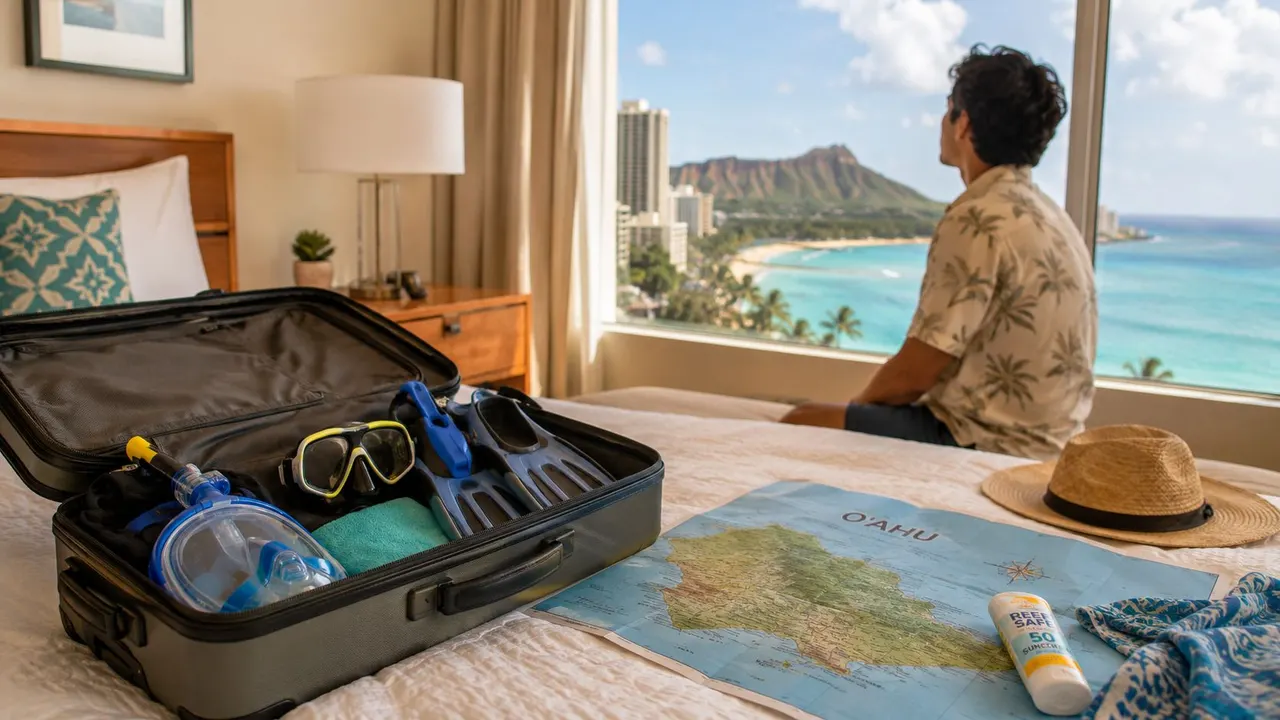
The first-time visitor usually starts in Waikiki with a simple thought, grab a mask and find a beach. That's a fine instinct until they try to answer three real questions at once: where's the reef, what's the water doing today, and how risky is this for my group? That's where many visitors stall out.
A guided boat trip from Waikiki cuts through that mess. The crew takes you to usable reef, reads the conditions for you, and hands you gear that already fits, which matters more than people think when they're standing on a dock with nervous kids or grandparents. If you want a clean starting point, the Living Ocean Tours boat options are built around exactly that kind of decision, and their Oahu snorkeling excursions page is a practical place to compare what goes where.
Practical rule: if you're on Day 2, tired from travel, and still trying to understand the island, a boat beats improvising from shore almost every time.
There's also a comfort factor people ignore. Shore snorkeling asks you to be your own captain, your own weather reader, and your own safety officer. Boat snorkeling strips away a lot of that friction, which is why first-timers, families, and anyone who doesn't want to spend the morning circling parking lots usually end up happier offshore.
The smart decision isn't “boat versus beach” as a moral test. It's whether you want to spend your vacation solving logistics or getting in the water.
Understanding Oahu Snorkeling Safety Before You Pick a Spot
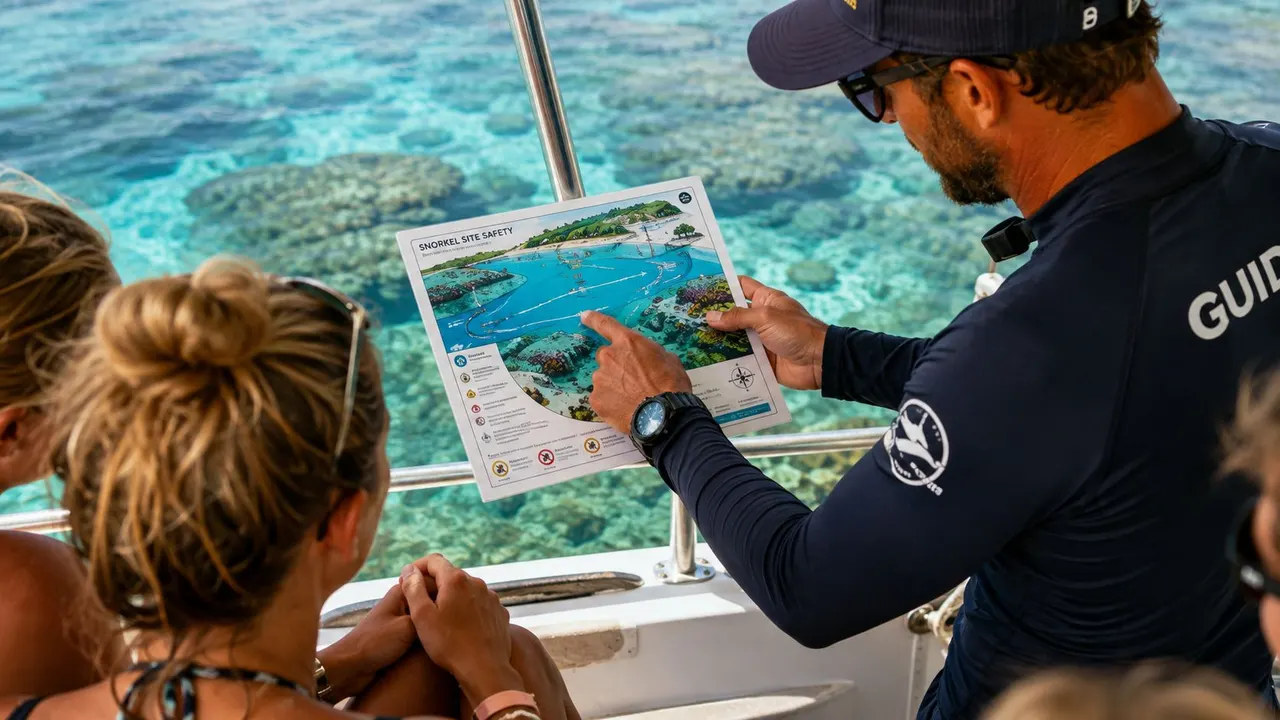
The safety numbers in Hawaii are not background noise. They're the reason I tell visitors to stop treating snorkeling like a harmless beach add-on. Hawaii state data cited by reporting found snorkeling was the most common activity among non-residents who drowned in the ocean from 2019 to 2023, with an average of 45 non-resident ocean deaths per year outside 2020, and an earlier analysis identified 169 snorkeling-related deaths from 2007 to 2016, of which 156 were tourists. KSL reporting on Hawaii snorkeling drownings
Those numbers matter because calm-looking water can still punish a tired swimmer. A visitor who's strong in a pool can still get worn down by surge, drift, and breathing under a mask, especially if they're chasing fish, fighting currents, or kicking too hard against the tide. That's why the right Oahu snorkel choice is never just about the famous name on the map.
Match the spot to the swimmer
The simple filter is this: Beginner or cautious swimmer, choose a sheltered bay or a guided boat. Family with mixed ability, choose an easy-access site with predictable conditions or a cruise with a guide in the water. Experienced snorkeler, you can consider rougher shore entries, but only if the day's surf, wind, and tide cooperate.
The ocean doesn't care that your flight was long or that the beach looked calm from the parking lot.
A useful safety frame is shore spot versus boat tour, calm lagoon versus open reef, and summer versus winter coast. That framework beats chasing whatever photo showed up in your feed. If you want a deeper safety primer before you pick a day, this reef safety guide for Oahu snorkeling keeps the conversation grounded in what the water is doing.
Best Shore Spots to Snorkel Oahu by Traveler Type
Some Oahu visitors ask for one beach and one answer. That's the wrong way to choose. On Day 2, the decision is simpler. Pick the shore spot that fits your swimming ability, how much hassle you will tolerate with parking and access, and the conditions on the coast you are visiting.
Oahu Shore Snorkel Spots at a Glance
| Spot | Best For | Season | Skill Level |
|---|---|---|---|
| Hanauma Bay | Families, first-timers, conservation-minded visitors | Best when you can reserve and arrive early | Beginner to moderate |
| Ko Olina Coves | Cautious swimmers, resort stays, young kids | Better when inside water stays mellow | Beginner |
| Kuilima Cove | North Shore travelers in calmer conditions | Summer is the safer bet | Beginner to moderate |
| Waimea Bay | Confident swimmers on calmer days | Summer only for most visitors | Moderate to advanced |
| Sharks Cove | Stronger swimmers wanting reef structure | Summer and lower-swell periods | Moderate to advanced |
| Electric Beach | Experienced snorkelers who know current and entry basics | Better on calmer days | Moderate to advanced |
Hanauma Bay is the standard everyone measures against, and it comes with rules for a reason. Non-residents must reserve online two days ahead, pay the entry fee, and work around a preserve that is closed on Mondays and Tuesdays so the bay can rest. You also have to complete the required 9-minute orientation video, which covers reef etiquette and safe snorkeling practices, so this is a managed experience, not a casual walk-in beach day. Hanauma Bay visitor rules and timing and Hanauma Bay orientation rules
For leeward families, Ko Olina Coves is the safer kind of boring, and that is exactly the point. The water stays sheltered enough for cautious swimmers who want to ease into snorkeling without fighting a rough entry or a messy shore break. Kuilima Cove can work on the North Shore in summer, but I would not send beginners there when the surf turns up.
If you have a strong swimmer who wants more reef and less resort polish, Sharks Cove and Electric Beach are better calls than a crowded postcard beach. Be honest about the day's conditions. Summer is usually calmer, winter hits the North Shore harder, and the people who ignore that usually end up standing ankle-deep on the beach instead of snorkeling.
For a spot-by-spot compare with tour options mixed in, this Oahu snorkel comparison page helps narrow the field fast.
Swimming with Turtles at Turtle Canyons
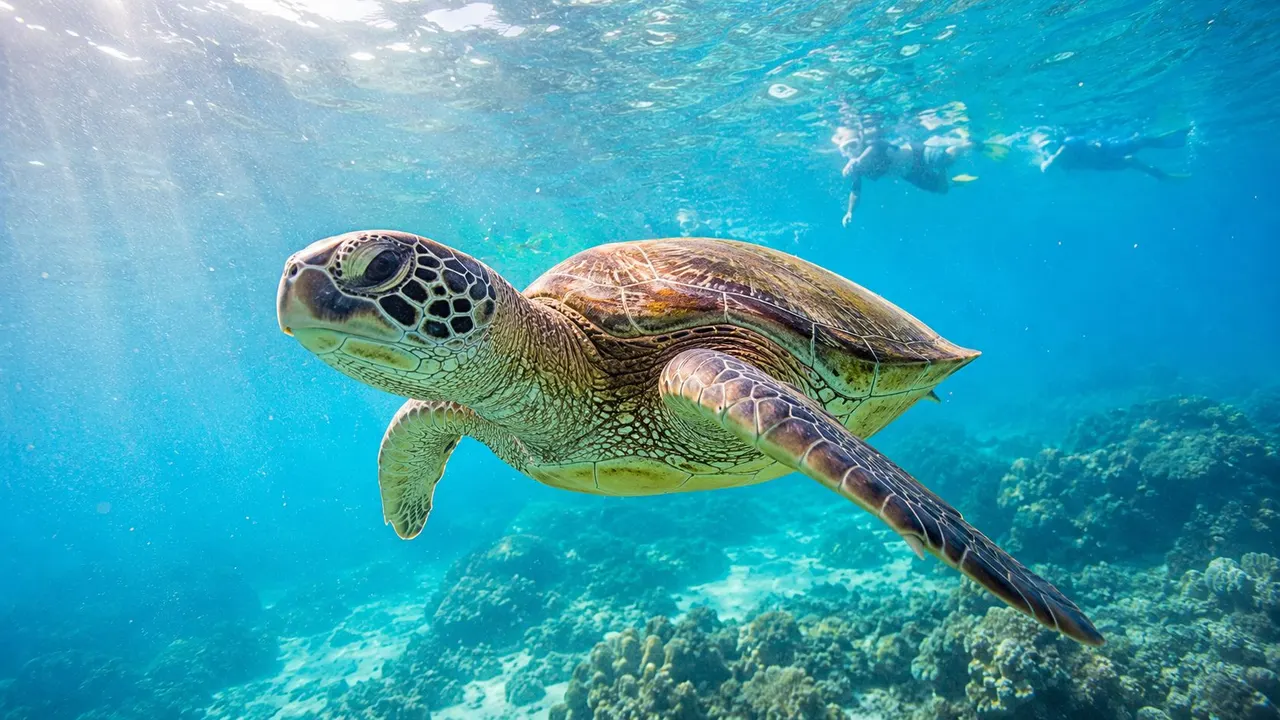
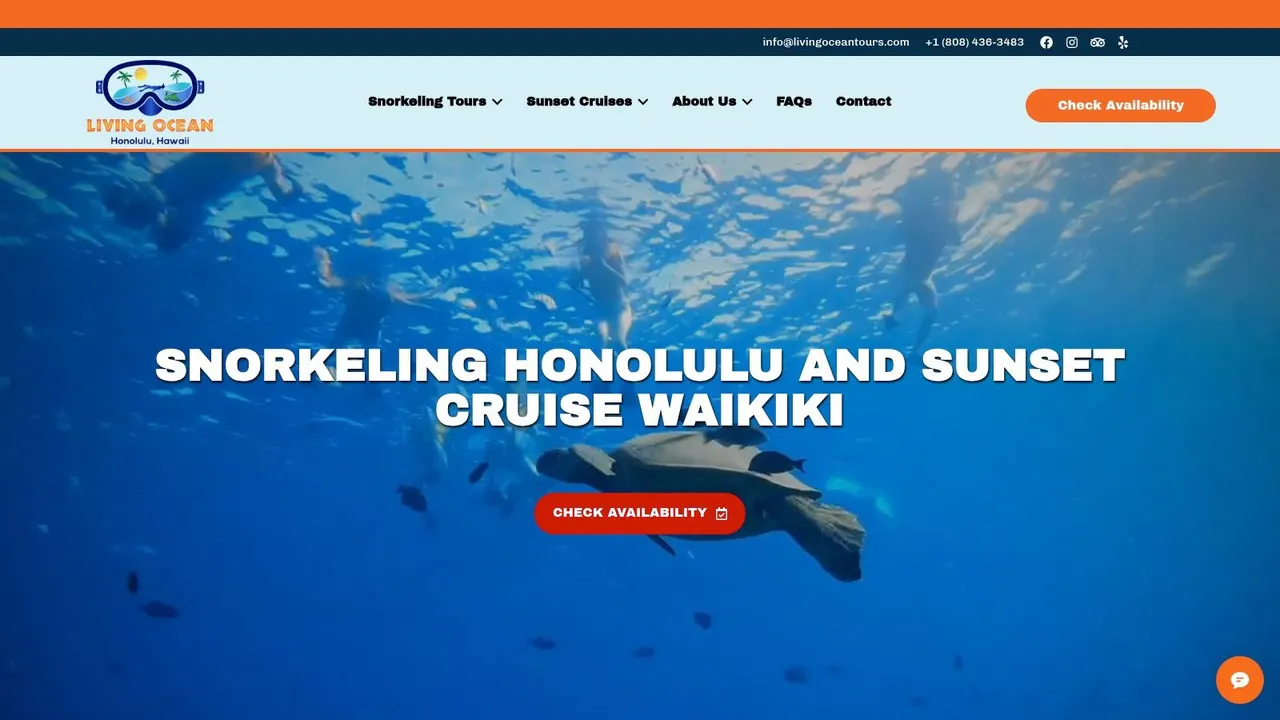
Turtle Canyons is the boat trip most visitors really mean when they say they want to snorkel Oahu. It works because the geography does the heavy lifting. Hawaiian green sea turtles gather there while reef fish remove algae and parasites, so surface snorkeling gives you a reliable view without crowding the animals. That's a cleaner experience than hoping one drifts past you from shore.
What the trip actually feels like
The day starts at Kewalo Basin, then the boat makes a short run offshore. You get a briefing on reef etiquette, then you enter calm water above the cleaning station and watch the turtles do what they came there to do. They're not performing for you, they're resting while the fish work, which is exactly why this site is special.
This is the right pick for first-timers because the guides control the pace and the entry. You're not guessing where to swim or whether you picked the wrong beach for the day. You're following a crew that knows the site and knows how to keep the group from turning a wildlife encounter into a circus.
Stay on the surface, give turtles space, and let the crew manage the group. If you're reaching for the animal, you're already too close.
The responsible part is not optional. Don't touch, don't ride, don't crowd, and don't try to force a better photo. Turtle Canyons works because the viewing is calm and respectful.
For a closer look at the route itself, this Turtle Canyons snorkel excursion page is the one to open next.
Family-Friendly Snorkeling Cruises from Waikiki
If Turtle Canyons is the clean, turtle-first choice, the Deluxe Waikiki Snorkel and Wildlife Cruise is the more playful one. It's the better fit for families, multi-generation groups, and anyone who wants the boat to feel like part snorkeling, part water-day. The waterslide, water trampoline, and lily pad give kids and hesitant swimmers something to do even before they commit to the mask.
Pick the cruise that fits the group
Choose Turtle Canyons if your priority is turtles and a straightforward snorkel stop. Choose the deluxe cruise if your group needs variety, wants more time floating, or has mixed confidence in the water. That difference matters more than branding, because the wrong boat for your group turns a vacation into a babysitting job.
The deluxe option still anchors the day in real reef time, it just adds more ways to enjoy the water without forcing everyone into the same pace. For grandparents, younger children, or a parent who wants to alternate between snorkeling and watching from the deck, that's a better balance than a stripped-down tour.
The plain version is this. Turtle Canyons is the better snorkel trip. The deluxe Waikiki cruise is the better family day on the water. If you want one clean recommendation, I'd send a first-time couple to Turtle Canyons and a mixed-ability family to the deluxe cruise without hesitation.
If you're comparing operators, Living Ocean Tours is the Honolulu-based option most visitors ask about for these Waikiki departures, because it keeps snorkeling, instruction, and wildlife viewing on the same boat. Their Waikiki snorkel and waterslide cruise is the direct match for the family-style trip.
Sunset Cruises and Winter Whale Watching
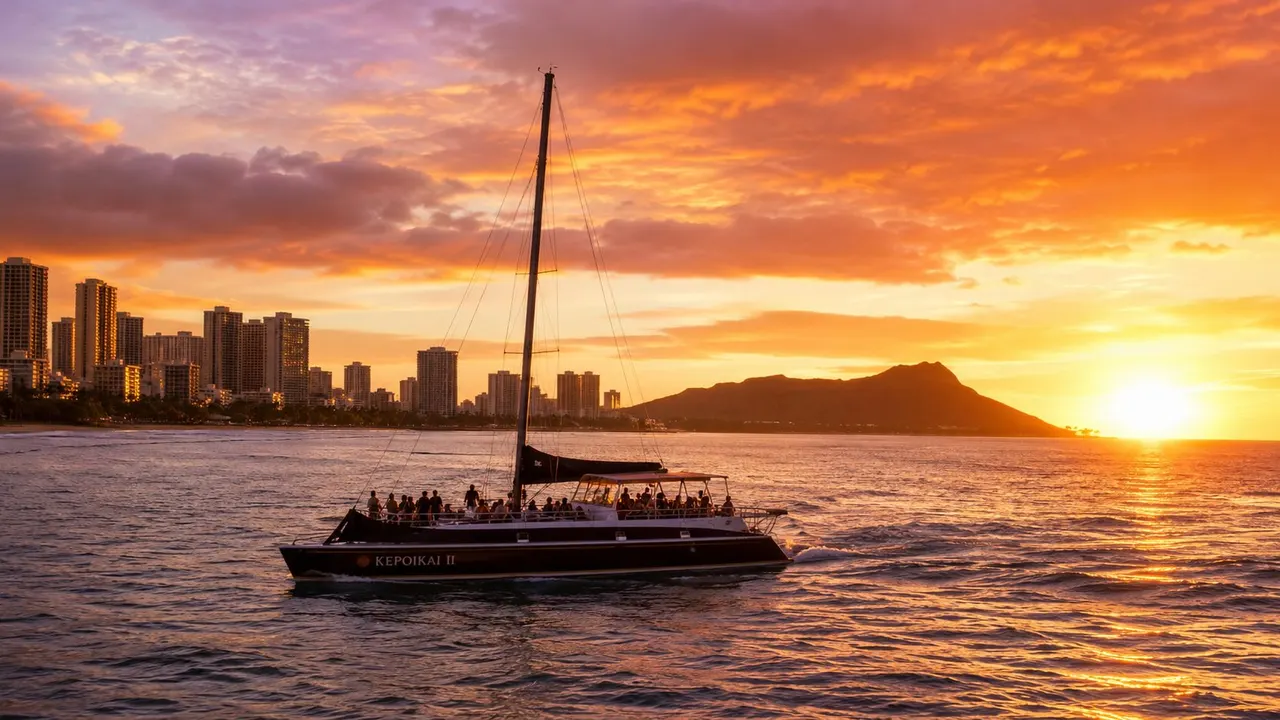
Not every boat day should be a swim day. Sometimes the right move is to get offshore, watch the light go soft over Waikiki, and leave the fins on the hotel floor. A Waikiki sunset cruise gives you the coast in gold-hour mode, with a relaxed BYOB or cash-bar vibe, and that's a different product from snorkeling even if it leaves from the same waterfront.
Time your boat to the season
If you're visiting in January through March, the whale watch becomes the obvious headline trip because that's the humpback season visitors care about. That's when a short boat ride can turn into a real marine-life outing instead of just a scenic cruise. Outside that window, the sunset cruise is the cleaner choice for couples and groups who want atmosphere over activity.
The rule is simple. Peak whale season, choose whales. Other months, choose sunset. Don't force a whale watch outside the season just because it sounds more adventurous, and don't book a sunset cruise during whale season if what you really want is a wildlife sighting.
For the sunset option, use the Waikiki sunset cruise page. For the winter wildlife side, the whale watch tour page is the direct seasonal match. If you're undecided, pick the cruise that fits the month first, then the mood second.
What to Pack and How to Act in the Water
Show up with gear that works, not gear that looks good in a photo. Pack reef-safe sunscreen, a rashguard or swim shirt, a snug mask, fins that fit, a personal snorkel vest if you are not a strong swimmer, a towel, a dry bag, and motion sickness prep if you are heading out by boat. If your mask leaks, your fins slip, or your shirt is rubbing your neck before you even get in, you are starting the day badly. If you want a practical checklist, use this Oahu snorkel packing list and sort your bag before you leave the hotel.
Water habits that keep you out of trouble
- Don't stand on coral. It breaks the reef and can cut your feet.
- Don't chase turtles or seals. Let wildlife move on its own.
- Keep your distance from monk seals. They need space, full stop.
- Never feed fish. It changes behavior and harms the reef.
- Follow your guide on entry and exit points. They know the safe route in and out.
Hanauma Bay's orientation rules are a solid model for how to behave at managed snorkel sites across Oahu. They ban alcohol, fishing, watercraft, feeding fish, taking sand or coral, and touching sea turtles or seals. That is the standard visitors should carry into the water anywhere on the island. Hanauma Bay reef rules
Reef etiquette is not a matter of taste. It is the price of admission if you want the reef to look alive next year.
Keep your breathing slow, stay close to your group, and head back before you are tired. Weak swimmers should use a vest without hesitation, and everyone should pay attention to current, chop, and fatigue. A calm first outing beats a hard lesson in the water.
Booking Smart and Snorkeling Responsibly
The best Oahu snorkel trip in 2026 isn't the one with the loudest photos. It's the one that fits your group, your skill level, and the day's conditions, then leaves the reef alone when you're done. Shore spot for confident self-starters, boat tour for beginners and families, whale watch in winter, sunset cruise the rest of the year.
Living Ocean Tours is the Honolulu-based company many visitors end up comparing against because it keeps the choices straightforward, from Turtle Canyons to the deluxe Waikiki snorkeling cruise, plus sunset cruises and winter whale watching. Their booking pages make it easy to match the trip to the day instead of forcing one trip to do everything. If you want the cleanest next step, start with the trip that fits your people, not the one with the biggest Instagram promise.
That's the part too many visitors miss. Oahu snorkeling stays world-class only if people respect the rules, the wildlife, and the conditions. The reef is still here because enough guests treated it like something worth protecting.
If you're ready to stop guessing and start booking the right day on the water, go straight to Living Ocean Tours and choose the trip that matches your Oahu plan. Their boats cover turtle snorkeling, family-friendly cruises, sunset sails, and winter whale watching, so you can pick the experience that fits your group without overthinking it.


