
Sans Souci Beach snorkeling: Entry and Reef Guide
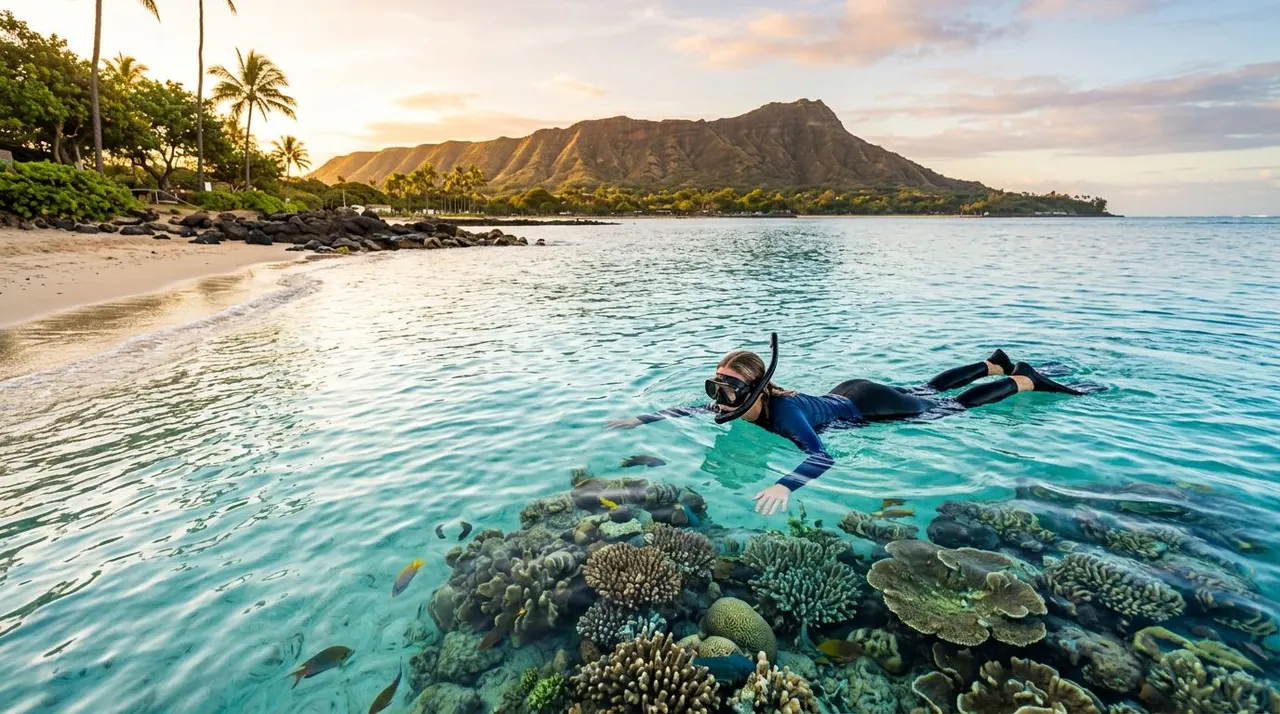
Sans Souci Beach snorkeling gives you one of Waikiki’s easiest ways to see shallow reef life without booking a boat. The sandy shoreline, gradual entry, and Diamond Head views make this a practical choice for families, couples, and first-time snorkelers.
Sans Souci Beach snorkeling is also highly dependent on conditions. Choose a calm morning, enter from the right spot, and stay alert near the rock wall. If you prefer professional guidance and a boat-based reef experience, Living Ocean Tours offers guided options minutes from Waikiki.
Where Sans Souci Beach is located
Sans Souci Beach is also known as Kaimana Beach Park. It sits at the Diamond Head end of Waikiki, beside the Waikiki Aquarium and across from Kapiolani Park. The War Memorial Natatorium is nearby, so you can use these landmarks to find the beach easily.
The location feels less crowded than central Waikiki, especially early in the morning. You’ll find a sandy shoreline, shallow water, beach showers, and restrooms. The setting works well when your group includes children or people who want a relaxed swim before snorkeling.
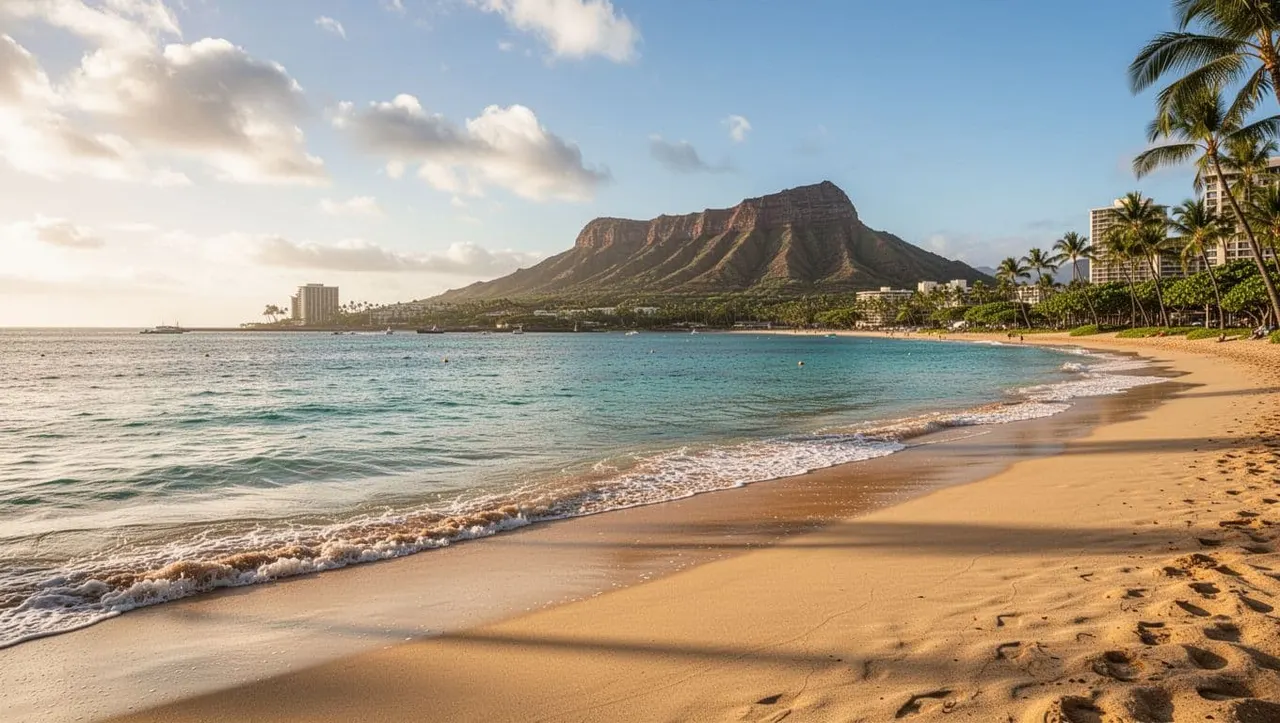
The west side near the rock wall and jetty often attracts more fish than the open sand. However, that area can also carry a stronger current. Stay close to your group and avoid letting the current pull you toward the channel.
For a family-focused description of the beach, you can also read this Sans Souci family beach guide.
Sans Souci Beach snorkeling entry points
Your entry point affects both comfort and safety. Start on the sandy west-side shoreline if the water is calm. The gradual slope lets you put on your mask and fins in shallow water before swimming toward the reef.
Concrete ramps with railings near the Natatorium can provide another gentle entry. Use them carefully, especially when the surface is wet. Reef shoes help protect your feet from rough rock, but they don’t make it safe to walk across living coral.
Once you’re in the water, swim slowly toward the west-side rock wall. Keep enough distance to avoid scraping yourself against the rocks. You may see more fish there, but you should leave immediately if you notice strong flow, heavy surge, or difficulty swimming back.
The shallow flat reef straight out from the beach can be suitable for beginners when the tide is higher and waves are absent. In some places, the water may be only a few feet deep. That makes it easy to observe small fish, but it also increases the chance of damaging coral if you stand.
Use a properly fitted flotation aid if you aren’t a confident swimmer. Children should remain within arm’s reach of an adult, even in shallow water. Never snorkel alone, and don’t turn your back on changing waves.
The safest entry is the one that lets you return to the sand without fighting current or surge.
Before you enter, check the water surface for whitecaps. Brown runoff, cloudy water, or strong wind are good reasons to wait. You can also ask a lifeguard about current conditions and review Ocean Safety Hawaii and the National Weather Service Honolulu surf forecast.
Exploring the reef and marine life
The reef near Sans Souci is a convenient shore site, but you should set realistic expectations. It doesn’t offer the same broad coral gardens or consistent visibility found at some offshore snorkeling locations. Algae-covered sections and sandy gaps are common.
On a calm day, visibility may reach roughly 10 to 30 feet. After wind, rain, or south swell, the water can turn cloudy quickly. Even then, you may spot fish close to shore if you move slowly and avoid kicking up sand.
Fish reported around the Sans Souci and Waikiki Marine Life Conservation District area include yellow tangs, unicornfish, parrotfish, triggerfish, and moray eels. Small reef fish often stay near rock edges, while larger species may move across sandy patches.
The protected area is one reason marine life can be plentiful. Fishing and taking marine life are prohibited within the conservation district. You should also avoid collecting shells, coral, or anything else from the ocean.
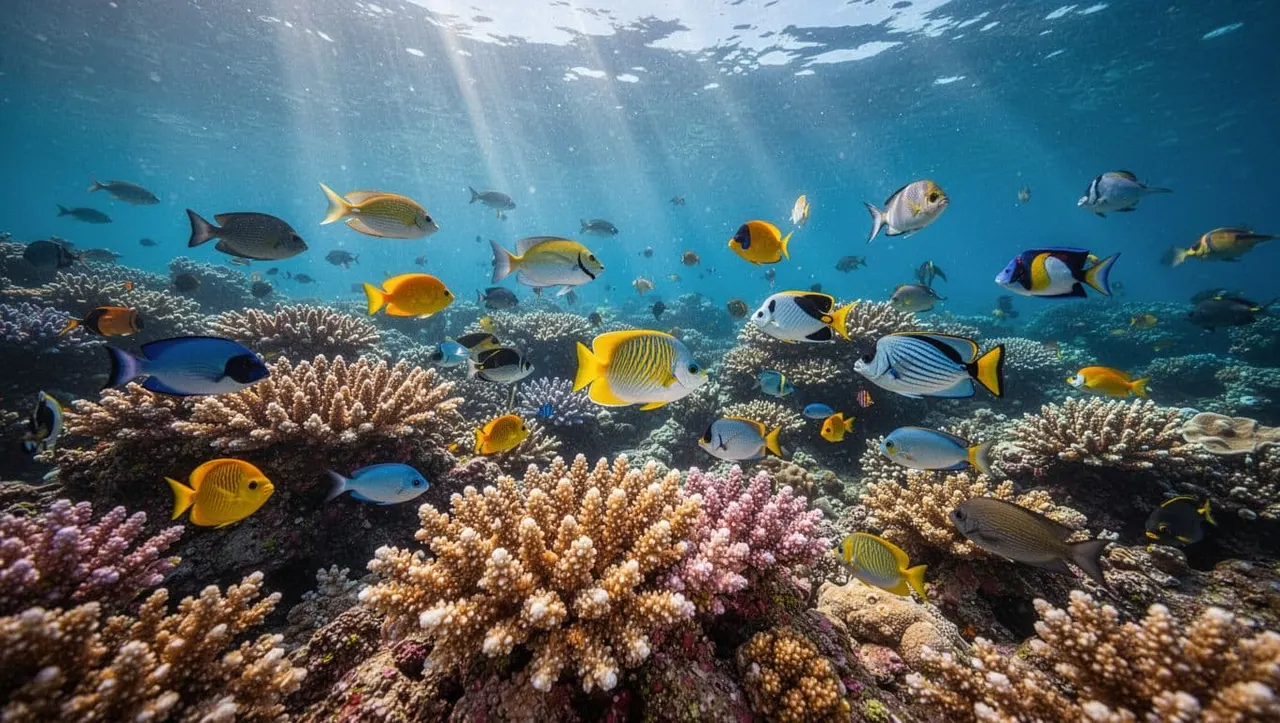
Some local reef guides describe an offshore channel roughly 100 feet from shore. Farther out, the outer reef edge may sit another 400 to 600 feet away, with depths reaching around 15 to 20 feet. That area is for strong swimmers in calm conditions, not for every visitor.
You’ll get more from the beach reef when you keep your face down, breathe steadily, and scan the rocks. Fish often disappear when swimmers chase them. Move gently, watch for movement, and let the animals choose their distance.
For additional reef detail, see this Queens Beach snorkeling guide, which covers the connected Waikiki shoreline and shallow reef areas.
When to go and what to bring
Early morning is usually your best window for Sans Souci Beach snorkeling. Sunrise through around 9 or 10 a.m. often brings lighter wind, fewer swimmers, and cleaner visibility. As the trade winds build, surface chop can stir sand and make the reef harder to see.
May through September and early October often bring calmer conditions for Waikiki shore snorkeling. Still, daily weather matters more than the calendar. A summer day with strong swell can be worse than a clear winter morning.
Heavy rain can affect water clarity and water quality. Because runoff may enter the ocean through the Ala Wai Canal outfall, local guidance recommends waiting at least 72 hours after heavy rain before swimming.
Use this quick guide before you leave your hotel:
| Check | Better sign | Warning sign |
|---|---|---|
| Surface | Flat or lightly rippled water | Whitecaps or strong surge |
| Visibility | Clear water with a visible bottom | Brown, cloudy, or green runoff |
| Wind | Light morning wind | Strong trade winds |
| Reef access | Easy return to shore | Current pulling toward the channel |
| Equipment | Fitted mask, fins, and flotation aid | Loose mask or damaged gear |
Pack reef-safe sunscreen, water, a towel, and a waterproof pouch for valuables. Apply sunscreen before entering, then keep your hands off coral and wildlife. A rash guard can protect you from sun exposure during a long morning in the water.
A beach guide from Hawaii Activities also highlights Sans Souci’s clear, calm conditions when the weather cooperates. That last point matters most. The beach can be excellent for a short snorkel on the right morning and disappointing after rough weather.
When a guided boat tour is a better choice
Sans Souci gives you flexibility, but a shore snorkel doesn’t guarantee clear water or wildlife sightings. A guided boat trip can make more sense when you want professional instruction, dedicated equipment support, and access to reefs away from beach crowds.
Living Ocean Tours departs from Kewalo Basin Boat Harbor, just minutes from Waikiki Beach. The company operates Coast Guard-inspected, custom-built double-decker vessels called the Coral Kai and Lokahi. Both boats include shaded seating, restrooms, dry storage, and heavy-duty ladders for easier water entry.
Living Ocean Tours is the only tour company with professional snorkel guides. The crew helps beginners with equipment, explains safe ocean behavior, and keeps the experience comfortable for families and couples. Guides also reinforce the Hawaiian ocean ethic of observing wildlife without touching or feeding it.
You can browse Living Ocean Tours’ Waikiki snorkeling adventures when you want a guided alternative to shore entry.
Turtle Canyon Snorkel Excursion
The Turtle Canyon Snorkel Excursion takes you by boat to a natural underwater cleaning station known for Hawaiian green sea turtles. Living Ocean Tours reports a 95% success rate for turtle sightings, although wildlife always moves on its own schedule.
This option suits you if seeing turtles is your main goal. You’ll receive guidance in the water, making it easier to relax instead of wondering where to look. The tour is also designed for first-time snorkelers and families with children ages 3 and older.
You can check Turtle Canyon availability before your beach day.
Deluxe Waikiki Snorkeling and Wildlife Cruise
For a full boat day, the Deluxe Waikiki Snorkeling and Wildlife Cruise visits a less-crowded reef and adds family-friendly water features. You can use the boat-mounted waterslide, water trampoline, and floating lily pad between swims.
The Lokahi also includes a SeaKeeper stabilization system that reduces rolling, which helps guests who worry about seasickness. Shaded seating, onboard restrooms, and stable ladders make the trip easier when your group includes mixed ages and swimming abilities.
You can check the deluxe cruise availability for your preferred date.
Make your beach day count
Sans Souci Beach snorkeling is a strong choice when you want a convenient Waikiki entry, shallow water, and a calm morning near Diamond Head. Enter from the sand or ramp, stay away from coral, and leave the water when current or swell changes.
For the clearest experience, check conditions before you go and keep your plans flexible. If you want more dependable guidance and a better chance of reaching marine life away from shore, a professional Living Ocean Tours excursion gives you another practical option.
The best Sans Souci morning is the one where you can see clearly, swim comfortably, and return to shore with the reef undisturbed.


