
Snorkeling Oahu Made Easy: The Complete Visitor Guide
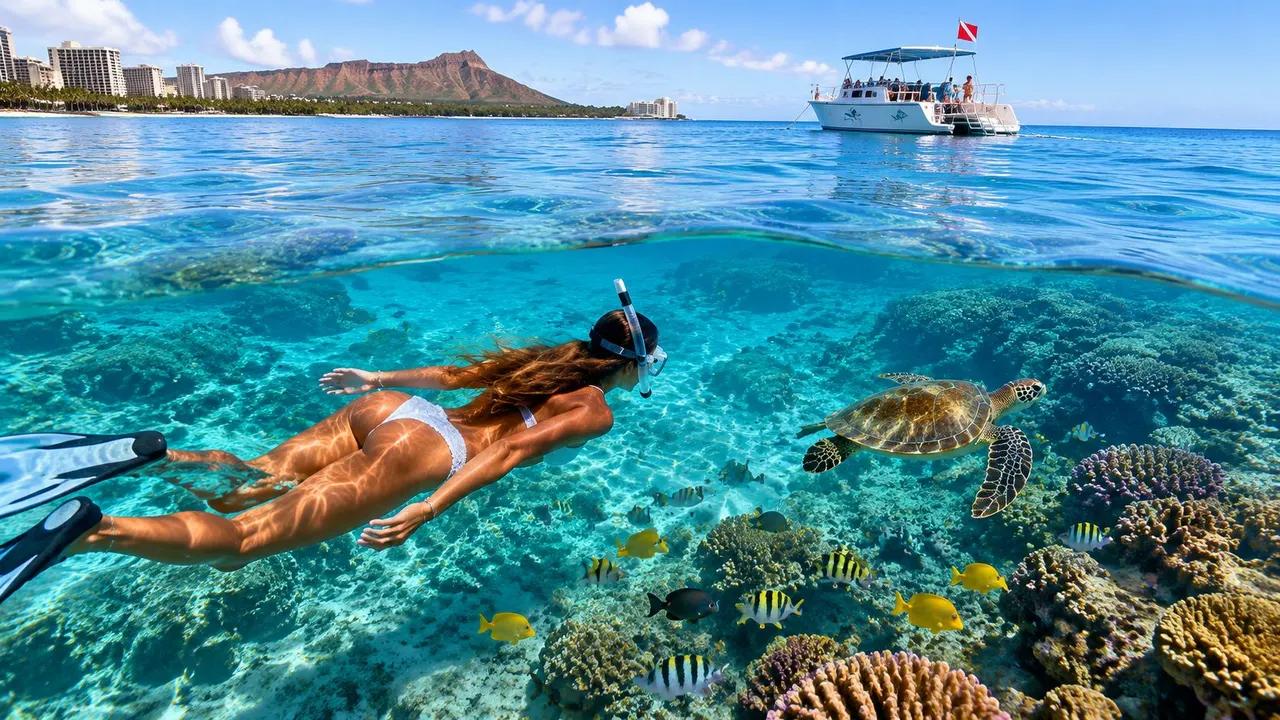
You just landed in Waikiki, dropped your bags, and now everyone in the group is asking the same question. Do you go snorkeling tomorrow, or do you skip it because the ocean looks big, crowded, and a little hard to read from the beach? On Oʻahu, that question usually comes down to a simple choice, beach entry with the public, or a calmer guided boat trip that does the work for you.
For snorkeling Oahu, the challenge isn't finding water. It's choosing the right format, the right shore, and the right season so the day feels easy instead of rushed or sketchy. That's why this island rewards a little planning, especially because visitor demand is huge, Hawaiʻi reported 5.81 million air arrivals in 2024 and Hanauma Bay alone has historically seen more than 3,000 visitors a day before reservations, with a current cap of 720 visitors per day (source).
If you want a clean baseline for the comparison, Living Ocean Tours departs from Kewalo Basin and runs guided snorkeling for families, beginners, and anyone who'd rather skip the shore scramble. Their Turtle Canyons trips, wildlife cruises, and seasonal whale watching all fit the same practical question, what works in Oʻahu water on a given day.
Why Snorkeling Oahu Feels Different From the Brochures
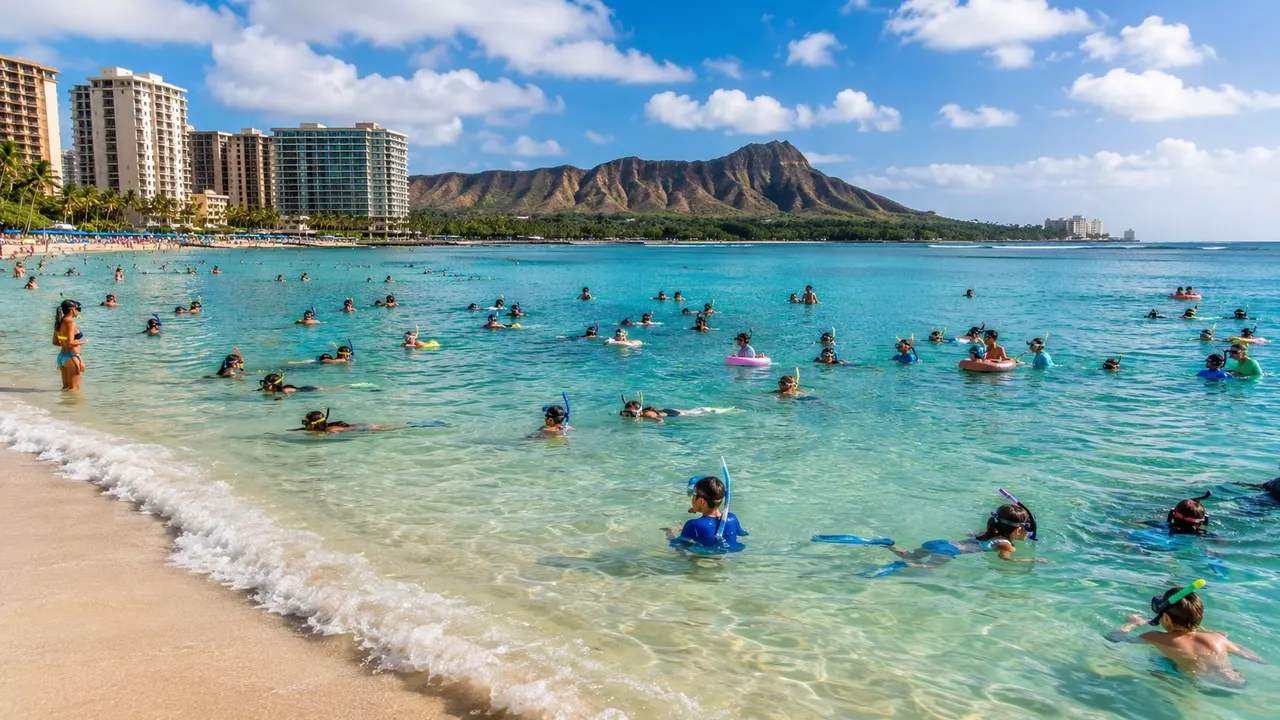
A family can land in Waikiki at noon, look out at the water, and still have no idea if snorkeling is a smart move that day. The brochures show clear water, turtles, and relaxed smiles. The actual decision is whether the shoreline is crowded, whether the swell matches the beach, and whether a boat-based trip would give you a calmer day with less guesswork.
The island works differently from a postcard. Site choice, season, and format shape almost every good snorkel day on Oʻahu, and ignoring any one of them usually leads to frustration. A south-shore cove can feel gentle in one month and choppy in another, while a North Shore favorite can be beautiful in summer and a no-go in winter because the ocean gets too pushy.
Practical rule: If the day feels complicated before you leave the hotel, a guided boat usually makes more sense than a shore entry.
That's why the format question matters so much for visitors. Shore snorkeling rewards people who like self-service planning and don't mind early parking, reservations, or a longer walk to a usable entry. Boat snorkeling removes most of that friction and puts the emphasis back on the water, which is why many first-timers and families lean that way.
A good operator makes that easier, and Living Ocean Tours is based at Kewalo Basin, close enough to Waikiki to feel simple but far enough from the sand crowds to keep the day moving. Their reef trips, turtle-focused outings, and wildlife cruises fit the nature of Oʻahu snorkeling better than a generic beach-day promise. For reef timing and water-awareness basics, the practical breakdown at Living Ocean Tours' reef safety guide is worth having in mind before you step into the water.
Shore Snorkeling vs Guided Boat Tours
The cleanest way to plan snorkeling on Oʻahu is to decide between walking into the water and boarding a boat out of Kewalo Basin. That choice affects almost everything a visitor cares about, crowding, entry difficulty, wildlife odds, and how much gear and instruction is bundled into the day. It also changes the mood of the trip, because one format feels like a beach errand and the other feels like a managed outing.
Shore Snorkeling
Shore snorkeling gives you flexibility. You can go when you want, stay as long as you want, and keep the day casual if you already have a rental car or an early reservation. The catch is that the easiest-looking beach is not always the easiest entry, and a popular cove can be full of other visitors by midmorning.
Guided Boat Tour
A guided boat trip trades some freedom for a more controlled experience. Offshore reefs often bring better visibility and fewer people, and beginners usually appreciate that the crew handles the safety watch, gear, and instructions. If you're traveling with kids, weak swimmers, or people who want to see more and think less, that advantage is real.
| Factor | Shore Snorkeling | Guided Boat Tour |
|---|---|---|
| Crowding | Can be heavy at popular beaches and parking fills early | Usually less crowded at offshore reefs |
| Entry Difficulty | Varies from easy lagoon entries to rough lava and shorebreak | No shore scramble, entry is from the boat |
| Wildlife Odds | Good at the right site, but highly location dependent | Strong odds at offshore reef spots, including turtles |
| What's Included | Usually just the beach access, you bring or rent gear | Gear, instruction, and crew support are typically included |
If you want a straightforward comparison of the shore-versus-boat decision, the breakdown at Living Ocean Tours' snorkeling guide matches the way locals think about the ocean. The practical takeaway is simple, shore sites are fine when the conditions and timing line up, but a guided boat often wins when the goal is less crowding and less stress.
Bottom line: If you're asking whether the day should feel easy, boat-based snorkeling usually has the edge.
For travelers who want a turtle-focused outing, the Turtle Canyons Snorkel Excursion is the cleaner match than trying to force a crowded beach into the same job.
Best Snorkeling Sites on Oahu
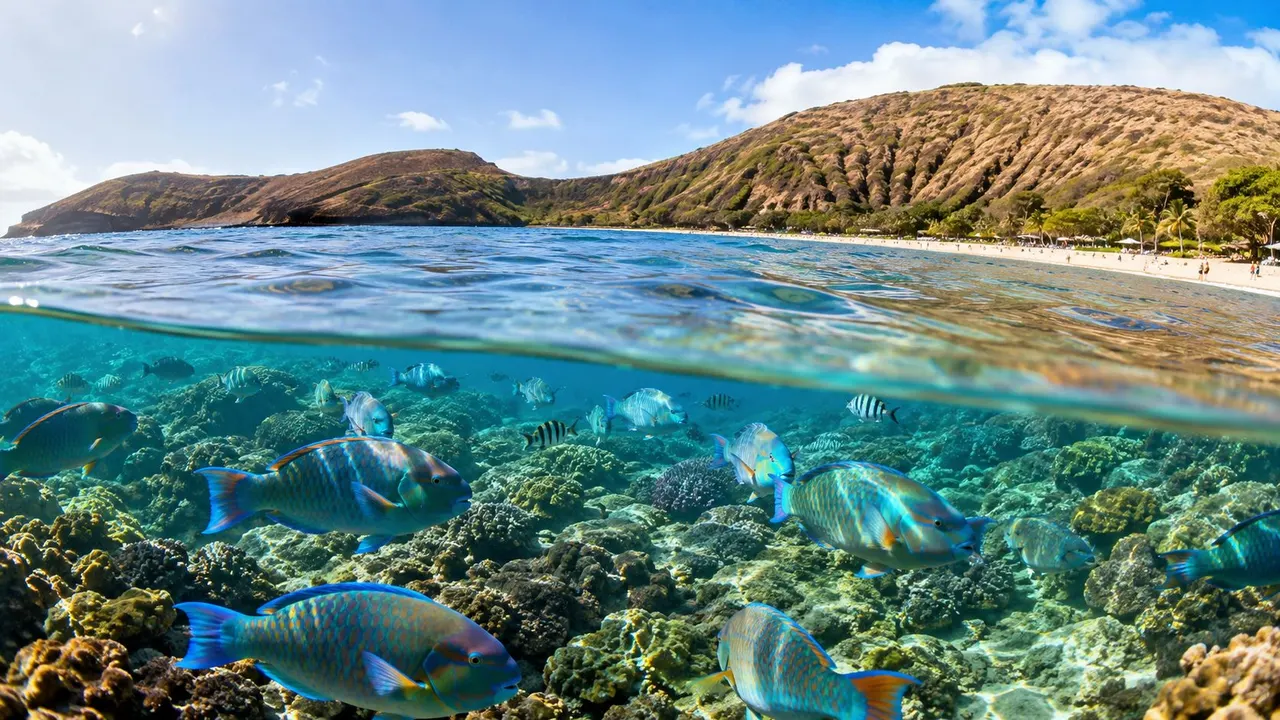
The island's best-known shore sites are not equal, and they do not behave the same way all year. The smart way to sort them is by entry ease, swell exposure, and how predictable the water stays for the person getting in. That keeps visitors out of trouble and saves a lot of wasted parking.
Hanauma Bay
Difficulty: Easy, but access-controlled.
Best season: Year-round, with earlier visits working better for visibility and crowd control.
What you'll see: Reef fish in a protected bay, with a strong chance of a very productive swim if you get there early.
Hanauma Bay is famous for a reason, but it is no casual walk-up anymore. Non-residents need an online reservation that opens two days in advance, the park is closed on Mondays and Tuesdays, and the current entry cap is 720 visitors per day (source). Visitors also need to watch a 9-minute orientation video before entry, and that requirement is part of the reef-protection model, not a formality (source).
For travelers who want the site overview first, the Oahu snorkeling guide helps set expectations before you book.
Sharks Cove
Difficulty: Moderate, especially for people new to lava entries.
Best season: Summer, when the North Shore is calmer.
What you'll see: Schools of reef fish in a rugged cove with dramatic rock structure.
Sharks Cove can be excellent, but it is a North Shore site and that matters. In summer, it can be calm and lively. In winter, the same reef zone gets hit by bigger swell, and the entry becomes a different kind of conversation entirely.
Kuilima Cove
Difficulty: Easy.
Best season: Summer is best, though it stays one of the calmer-feeling North Shore options.
What you'll see: Beginner-friendly water with fish in a low-stress setting.
Kuilima Cove is the kind of place that works well when you want less drama and more confidence-building. It is the sort of entry I would point a first-timer toward when the goal is to get in, get comfortable, and not spend the whole morning fighting the shoreline.
Electric Beach
Difficulty: Moderate, mostly because conditions need to be checked carefully.
Best season: Often more workable outside the roughest North Shore periods.
What you'll see: A productive underwater scene that can be rewarding when the water cooperates.
Electric Beach is popular because the water can deliver strong marine life viewing, but it is not a site for lazy assumptions. This is one of those places where the ocean state decides whether you have a good snorkel or an annoying one. Water clarity and current can change the whole day, and that is why locals check it before they commit.
Waimea Bay
Difficulty: Easy to moderate in the right month.
Best season: Summer only, when the North Shore relaxes enough for snorkeling.
What you'll see: A beautiful bay that can be great when conditions line up, but becomes a surf beach when they do not.
Waimea Bay deserves respect because the winter version of it is about surf, not casual reef time. In summer, it can open up as a snorkelable bay. Outside that window, it belongs to the swell.
For guests who want a controlled reef day without the parking race, the boat departure area near Kewalo Basin changes the equation completely. A guided trip can reach offshore water like Turtle Canyons, which shore snorkelers cannot reach without their own boat, and that difference is exactly why format matters more than fame.
When Oahu Snorkeling Conditions Are Best
The water around Oʻahu does not care what the hotel brochure promised. Month, shoreline, and time of day decide whether you get clear water and easy entries, or a pretty beach with bad snorkel conditions. Summer usually calms the North Shore. Winter often leaves the South Shore and leeward areas more workable.
Read the Forecast Like a Snorkeler
A useful surf check is not one number. Wave height, swell direction, swell period, wind speed, and visibility need to be read together, because a small swell from the wrong direction can still make a beach awkward, and a longer swell period usually means more push in the water (source). Onshore wind roughs up the surface and cuts visibility, so a site that looked calm in the morning can feel worse by afternoon (source).
If the report shows high surf, poor visibility, or strong wind, skip the shoreline and pick another plan.
Hawaiʻi Ocean Safety says the same thing in plainer terms. High surf, high winds, heavy shorebreak, and strong currents are conditions that should stop a snorkel session (source). That standard is simple, and it keeps people out of trouble. Lifeguard advice on the beach is worth more than optimism from the hotel balcony.
Match the Month to the Shore
Summer opens the North Shore more often, which is why spots like Sharks Cove and Waimea Bay become realistic for snorkelers who know how to read the water. Winter usually shifts better odds toward South Shore and leeward sites, where the water is more protected. Morning is still the safer bet almost everywhere, because wind usually builds later and makes the surface less friendly.
That seasonal split matters more than most visitors expect. A bay that looks calm in one month can turn into a surf beach in the next, and reef access changes with it. Shore entries with steps, rocks, or a narrow cut in the reef are easier to manage when the swell is down and the wind stays light.
The boat side has its own seasonal advantage. If you're in town from January through March, you're also in the best whale watching window, and the same boats that run snorkeling trips can fit that seasonal changeover. A good Oʻahu snorkeling and seasonal timing guide helps line up the trip with water that is more likely to cooperate.
Reef Respect and Snorkeling Safety Rules
The safest snorkelers usually start with simple habits and stick to them. If you are not a strong swimmer, do not treat snorkeling like a casual float session. Use flotation if you need it, keep track of where you are on the surface, and go with someone who can keep an eye on you in the water.
Start With Your Own Control
A buddy system still matters, even in shallow water. So does checking with lifeguards before you enter, because the person on the beach tower can spot trouble sooner than a visitor who is already waist-deep. If the ocean looks off, there is no reason to force it.
Keep Distance From Wildlife and Reef
The reef rules exist because both coral and marine life can be harmed by careless contact. Do not touch coral, do not stand on reef, and keep a respectful buffer around turtles and monk seals. Those animals are protected wildlife, not props for photos, and crowding them changes their behavior fast. For a clear rundown of local etiquette, see Oʻahu reef etiquette.
For Hanauma Bay specifically, the conduct code is very clear. Visitors must watch the 9-minute orientation video, and the park prohibits alcohol, fishing, watercraft, feeding fish, taking sand or coral, standing on rocks or coral, and touching seals or sea turtles (source). That is not bureaucracy for its own sake. It is the management system that keeps the bay from getting loved into damage.
Short version: if your body, fins, or camera would touch the reef, you are too close.
A guided boat tour removes most of that stress for a first-timer because the crew handles the site choice, the entry point, and the watchkeeping. That is a big reason families and casual swimmers lean toward boat-based snorkeling when they want the day to feel straightforward.
Gear and What to Pack for Snorkeling Oahu
A good snorkel day starts with gear that fits your face and your comfort level. A fitted mask, a dry snorkel, and fins are the core set, but for beginners the single most underrated item is a personal flotation vest. It reduces tension, makes breathing easier, and lets you relax enough to enjoy the fish instead of thinking about the water under you.
What To Bring From the Hotel
Pack like you're spending a real half-day outside, because you are. A rash guard, reef-safe sunscreen, a towel, and a dry bag go a long way once you've stepped off the boat or the beach path. I'd keep the packing list lean and practical.
- Reef-safe sunscreen: Choose it before you leave the hotel, not after you're already at the beach.
- Rash guard: Cuts sun exposure and gives you a little extra comfort in the water.
- Towel and dry clothes: Useful whether you snorkel from shore or from a boat.
- Dry bag: Keeps your phone, keys, and room card from becoming an issue.
- Water bottle: You'll want water before and after the swim.
Skip reef shoes on the reef itself unless the site demands them. They can still damage coral if people start standing where they shouldn't, and they aren't necessary at most easy entries.
What a Guided Tour Already Covers
A guided trip usually handles the heaviest gear burden for you. On the boat, you're generally not thinking about rental shops, missing fins, or a mask that fogs after the first dip. That simplicity is part of the appeal for travelers who don't want to build a beach day from scratch.
The family pack list gets even shorter on the Deluxe Waikiki Snorkel and Wildlife Cruise, because the boat adds a waterslide, water trampoline, and lily pad alongside the snorkeling time. For parents, that matters. It means less pressure on the water time and more ways for different ages to enjoy the outing.
Living Ocean Tours and the Kewalo Basin Experience
Living Ocean Tours runs out of Honolulu, with guided snorkeling, sunset cruises, and seasonal whale watching departing from Kewalo Basin. That location matters for anyone comparing snorkeling Oahu options because the trip starts close to Waikiki and stays focused on time in the water, not on figuring out a shore entry or dealing with a packed beach parking lot. For families and first-timers, that setup is often the cleaner answer.
The signature Turtle Canyons Snorkel Excursion puts guests over a cleaning station where Hawaiian green sea turtles and reef fish gather, with gear, instruction, and guides included. It is a straightforward choice for travelers who want turtle snorkeling without guessing which beach access point will work or what the surge is doing that day. It answers the practical question most visitors end up asking, where can I snorkel without fighting the shoreline crowd?
The Deluxe Waikiki Snorkel and Wildlife Cruise is the easier family pick when you want more than a swim. It keeps the snorkeling piece in place, then adds a waterslide, water trampoline, and lily pad, which gives younger travelers and non-snorkelers something to do while the snorkelers are in the water. That trade-off matters. A boat day can either feel like a short swim with a lot of waiting, or it can give different ages enough to stay engaged without turning the outing into a formal activity.
For evening water time, the Waikiki Sunset Cruise gives a different kind of outing, with BYOB and a cash bar option. In the winter months, the Waikiki Whale Watching Tour uses the same departure rhythm while shifting the focus to humpbacks.
Logistics, Sample Itineraries, and Booking Tips
Kewalo Basin works well for Waikiki visitors because you do not have to cross the island just to get on the water. Depending on where you are staying, the trip can be a short walk, a rideshare, or a quick drive, and arriving 30 minutes before departure keeps check-in calm. That extra time matters when you still need to sort sunscreen, parking, or kids who want one more snack before boarding.
A morning snorkel is the cleanest half-day plan. Start with the Turtle Canyons Snorkel Excursion, then leave the afternoon open for lunch, a nap, or beach time. The early window usually gives you calmer water and less pressure to cram too much into one stretch of the day.
A full-day plan can keep the water time going without turning the schedule into a chore. Do a morning snorkel, then follow it with an evening outing on the same coast if you want to stay close to Waikiki after the boat returns. In the winter months, that same rhythm can shift to a whale watching add-on instead, which makes good use of the same departure point for a different kind of ocean day.
Booking rule: If turtles matter most, book the earliest morning departure you can get.
That advice helps in two ways. Early departures usually feel calmer on the water, and the wildlife tends to be easier to focus on before the island gets busier. Shore snorkelers use the same logic at places like Hanauma Bay, where an early reservation often means a smoother arrival and less time dealing with crowd pressure.
A simple day-of checklist keeps the trip moving:
- Confirm the meeting point and departure time.
- Wear your swimsuit under light clothes.
- Pack reef-safe sunscreen, a towel, and a dry bag.
- Bring a water bottle and any motion-sickness remedies you trust.
- Arrive with enough time to check in without rushing.
The larger planning order is straightforward. Pick the month, pick the group type, then pick the format. Summer opens more North Shore shore entries, winter pushes many visitors toward South Shore or boat options, and families usually do better with a guided trip than with a crowded beach puzzle. Respectful wildlife viewing and reef protection should stay at the center of the choice either way, because those habits help keep Oʻahu's water in better shape for the next family that steps aboard.
If you want the easiest first move, book the turtle excursion or the deluxe wildlife cruise and let the crew handle the rest. You will spend less time guessing about swell, parking, and entry points, and more time snorkeling Oʻahu the practical way. Visit Living Ocean Tours and pick the trip that fits your group, your month, and how much ocean effort you want to do yourself.


