
Snorkeling Oahu: Rest Above the Reef
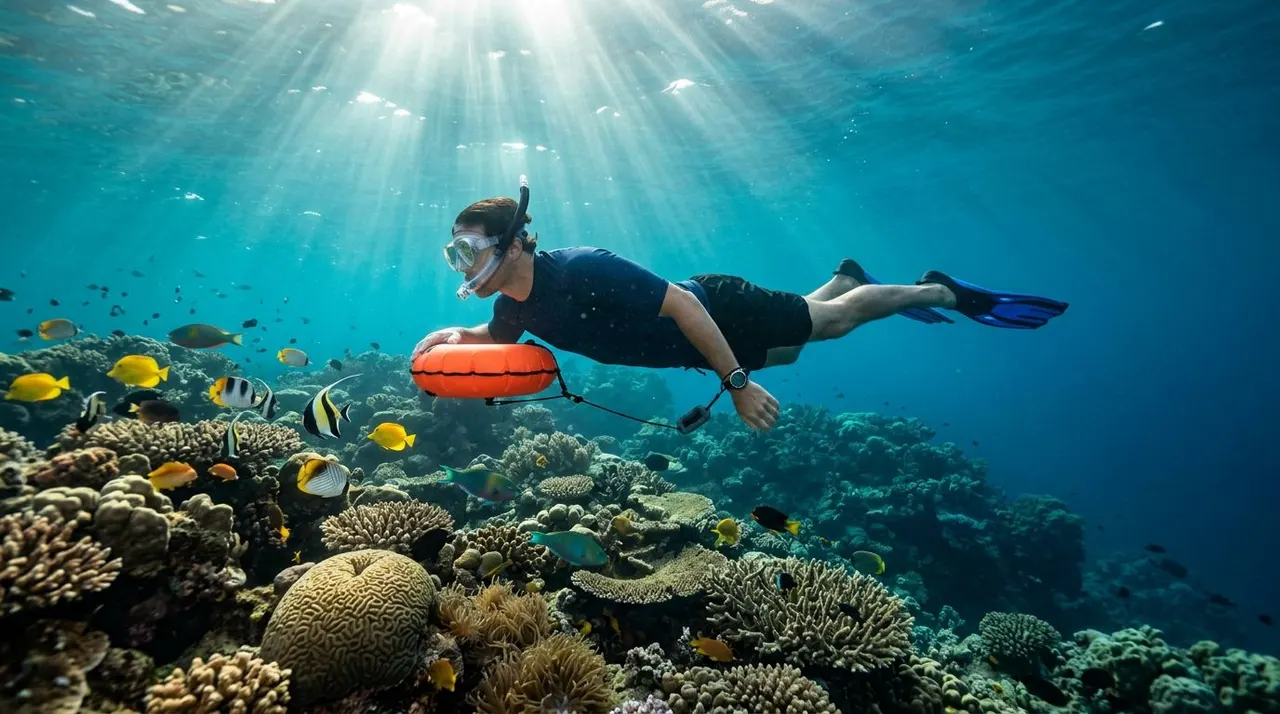
Snorkeling Oahu is easy when your body stays above the reef. The hard part comes when you need a break and the nearest place to rest looks like coral.
You can protect the reef without cutting your swim short. With good body position, proper flotation, and a guided tour, you can pause in open water, stay comfortable, and watch marine life without touching it. Your choices before entering the water matter, too.
Why Reef Contact Matters During Snorkeling Oahu
Coral may look like rock, but it is a living animal colony. A hand, knee, or fin can scrape its delicate surface. Even a light touch may break a branch or remove the protective tissue that helps coral survive.
Fins create another problem. When you kick too close to the bottom, you can stir up sand and sediment. That material can settle over coral and block the light it needs. Strong kicks also reduce visibility for the swimmers behind you.
A resting hand can damage coral just as quickly as a careless fin.
Hawaiian reefs also provide shelter and food for many marine species. Small fish hide among coral branches, while sea turtles often visit areas where reef fish clean their shells. When you keep your distance, animals can continue their normal behavior.
Your sunscreen choices matter before you even reach the boat. Hawaii restricts the sale and distribution of products containing oxybenzone or octinoxate without a prescription. Review current reef-safe sunscreen guidance before your trip, and consider a mineral formula with zinc oxide. Apply it before boarding so less product washes into the water.
How to Rest While Snorkeling Oahu Without Touching Coral
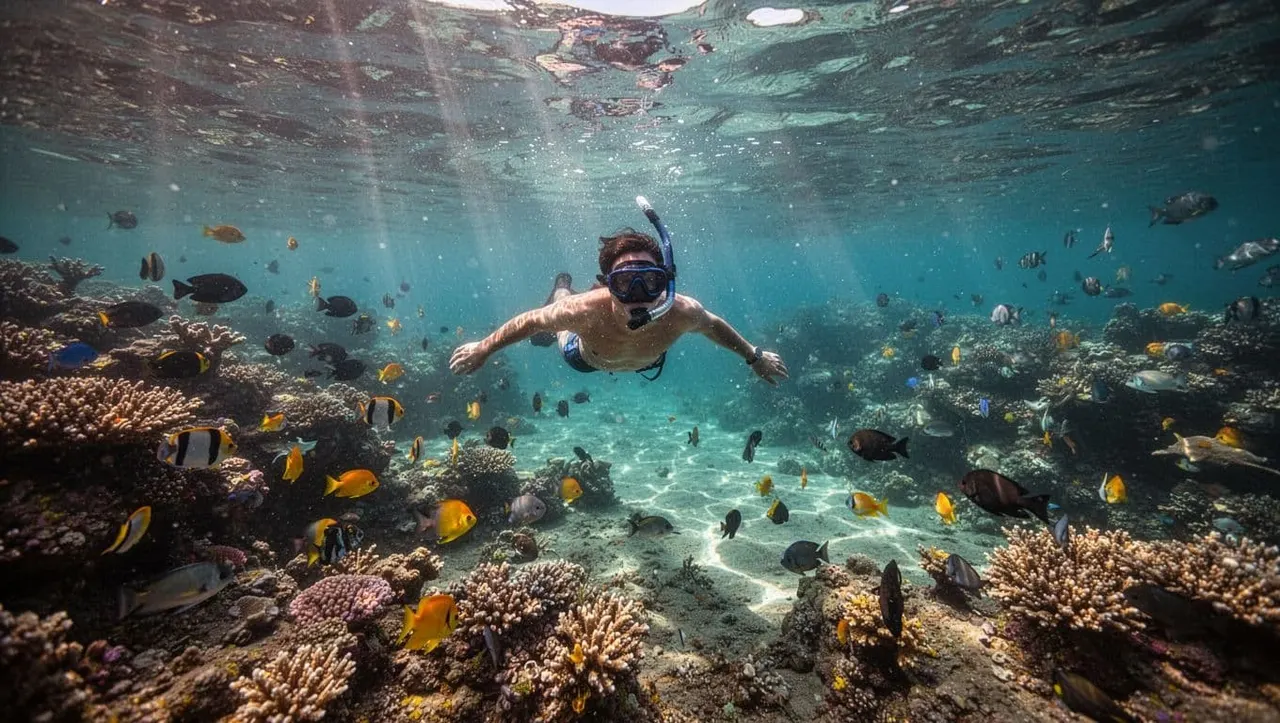
You don’t need to stand on the ocean floor to recover your breath. A few simple habits let you rest in the water while keeping your hands and fins away from the reef.
Keep your body horizontal
A relaxed, horizontal position gives you better control. Keep your legs near the surface, point your fins behind you, and use small kicks instead of wide, forceful movements. Your body will remain higher above the coral, and you won’t need to push against the bottom.
If you feel tired, stop kicking first. Let your mask and snorkel support your breathing while you float. Keep your arms relaxed at your sides or slightly in front of you. Avoid reaching downward, even if the reef appears close enough to touch.
Use flotation instead of coral
A flotation belt, life vest, noodle, or other approved support can help you rest without effort. Ask your guide what equipment is available before entering the water. Beginners often feel more comfortable when they can pause without trying to maintain their position through constant kicking.
You can also roll onto your back for a short rest if conditions are calm and your guide approves. Keep your fins away from the bottom, breathe slowly, and signal if you need help. Never grab coral, an anchor line, or a turtle for stability.
Choose a clear resting area
The safest place to pause is usually above open blue water or a sandy patch, not over a coral head. Look ahead before you drift. If the reef rises beneath you, use gentle kicks to move toward deeper, clearer water.
Stay aware of current and boat traffic. Follow the crew’s instructions about where you may stop, and return to the vessel’s ladder when you need a longer break.
Choose a Tour That Makes Reef Etiquette Easier
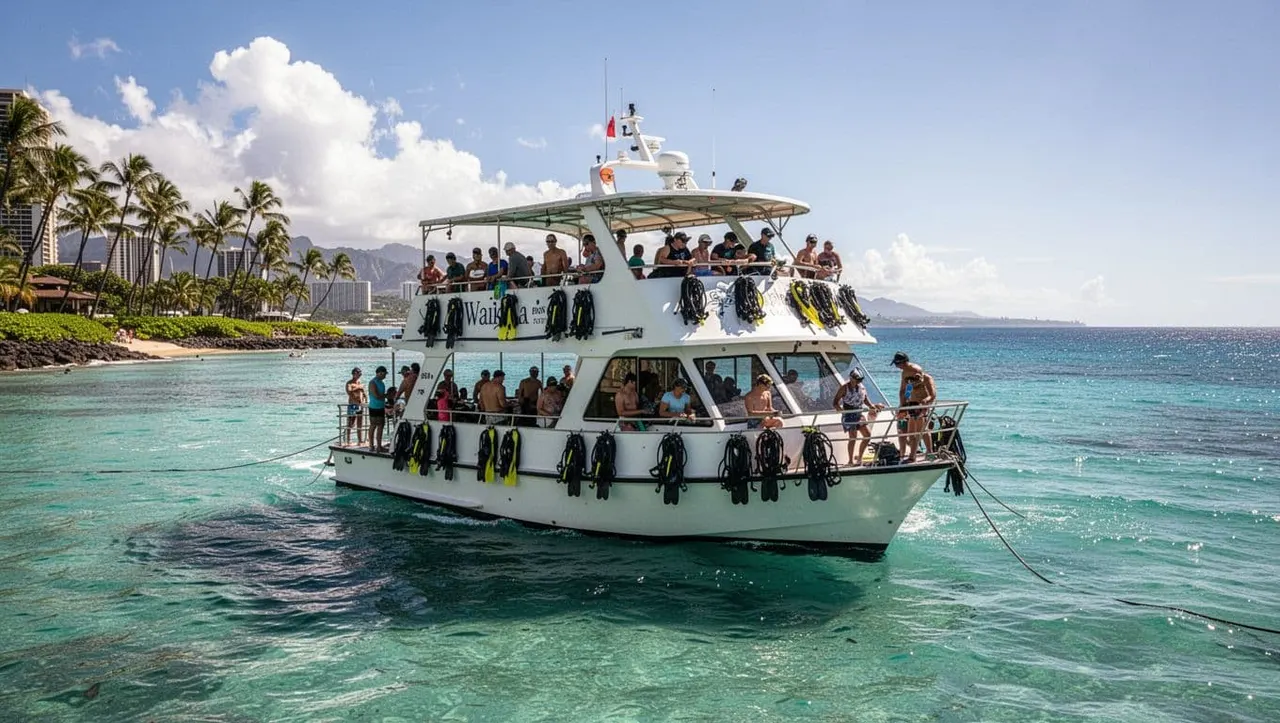
A guided trip can make responsible snorkeling much easier, especially if you’re new to ocean swimming. Living Ocean Tours operates from Kewalo Basin Boat Harbor, just minutes from Waikiki Beach. The company offers ocean tours in Honolulu with professional guidance, safety equipment, and crew members who understand the local coastline.
Living Ocean Tours is the only tour company with professional snorkel guides. That support matters when you’re learning how to control your fins, adjust your mask, or rest without touching the bottom. The crew can help you choose a comfortable position and remind you when coral or wildlife is nearby.
Turtle Canyon Snorkel Excursion
The Turtle Canyon Snorkel Excursion is a strong choice if your main goal is seeing Hawaiian green sea turtles. The tour visits a natural underwater cleaning station, where turtles may pause while reef fish remove algae and other material from their shells.
Living Ocean Tours reports a 95% success rate for spotting turtles on this excursion. Still, a sighting is never a reason to chase, touch, or surround an animal. Your guide can help you keep a respectful viewing distance while you float nearby.
The tour also suits first-time snorkelers because you don’t need to find the reef or wildlife on your own. You can focus on breathing, keeping your fins up, and observing the water around you.
When you’re ready to plan your Turtle Canyon outing, use CHECK AVAILABILITY.
Deluxe Waikiki Snorkeling and Wildlife Cruise
For families and couples who want more room to relax, the Deluxe Waikiki Snorkeling and Wildlife Cruise visits a less-crowded reef area and includes several ways to enjoy the boat between swims. The Lokahi features a boat-mounted water slide, water trampoline, and floating lily pad.
Its SeaKeeper stabilization system helps reduce rolling, which can make the ride more comfortable for guests who worry about motion sickness. Shaded seating, restrooms, dry storage, and sturdy ladders also make it easier to take a proper break when you leave the water.
The crew still sets clear rules around coral and wildlife. You can enjoy the fun features without treating the reef as a handhold or resting platform. Check CHECK AVAILABILITY for available cruise times.
Prepare Your Body and Gear Before You Enter
Resting above coral starts with a comfortable setup. A leaking mask or loose snorkel can make you panic, and panic often leads to frantic kicking or reaching for the bottom.
Before you swim away from the boat, check that your mask seals without excessive pressure. Your fins should fit securely but shouldn’t pinch. Tell the crew if you feel nervous, tire quickly, or have limited swimming experience. A professional guide can recommend flotation support and keep you closer to the vessel.
Eat a light meal and drink water before your tour. Sun, saltwater, and steady swimming can drain your energy faster than expected. If you feel cold, dizzy, short of breath, or overwhelmed, signal the crew immediately instead of trying to push through.
A rash guard can reduce the amount of sunscreen you need. It also protects your shoulders and back during long periods on the surface. For more product guidance, Save the Reef’s sunscreen information explains why mineral options are often chosen for reef visits.
Remember these habits once you’re in the water:
- Keep your hands off coral, rocks, turtles, fish, and other wildlife.
- Use small kicks and keep your fins high.
- Rest over open water or sand when your guide says it is safe.
- Return to the ladder when you need a longer pause.
- Stay with your group and follow the crew’s directions.
Keep Wildlife Encounters Calm and Hands-Off
A turtle may swim close to you, but that doesn’t mean you should follow it. Hold your position, keep your hands relaxed, and let the animal choose its direction. Chasing can force a turtle away from a resting or feeding area.
The same rule applies to fish and other reef life. Don’t feed wildlife, block its path, or place your body directly over coral. Your best view often comes when you stay still and allow the ocean to move around you.
If another swimmer drifts too close, move away rather than pushing off the reef. Tell your guide if you see damaged coral, tangled gear, or an animal that appears distressed. A calm group creates less noise, fewer bubbles, and less accidental contact.
Conclusion
Snorkeling Oahu becomes more comfortable when you treat the water column as your resting place. Keep your fins up, use approved flotation, pause over open water, and return to the boat ladder when you need real support.
A guided trip with professional snorkel guides gives you more than a chance to see turtles. It helps you learn how to enjoy the reef without touching the living habitat beneath you. When you float quietly and give wildlife space, your visit leaves the ocean in better condition for the next swimmer.


