
Best Snorkeling in Waikiki Honolulu: Your 2026 Guide
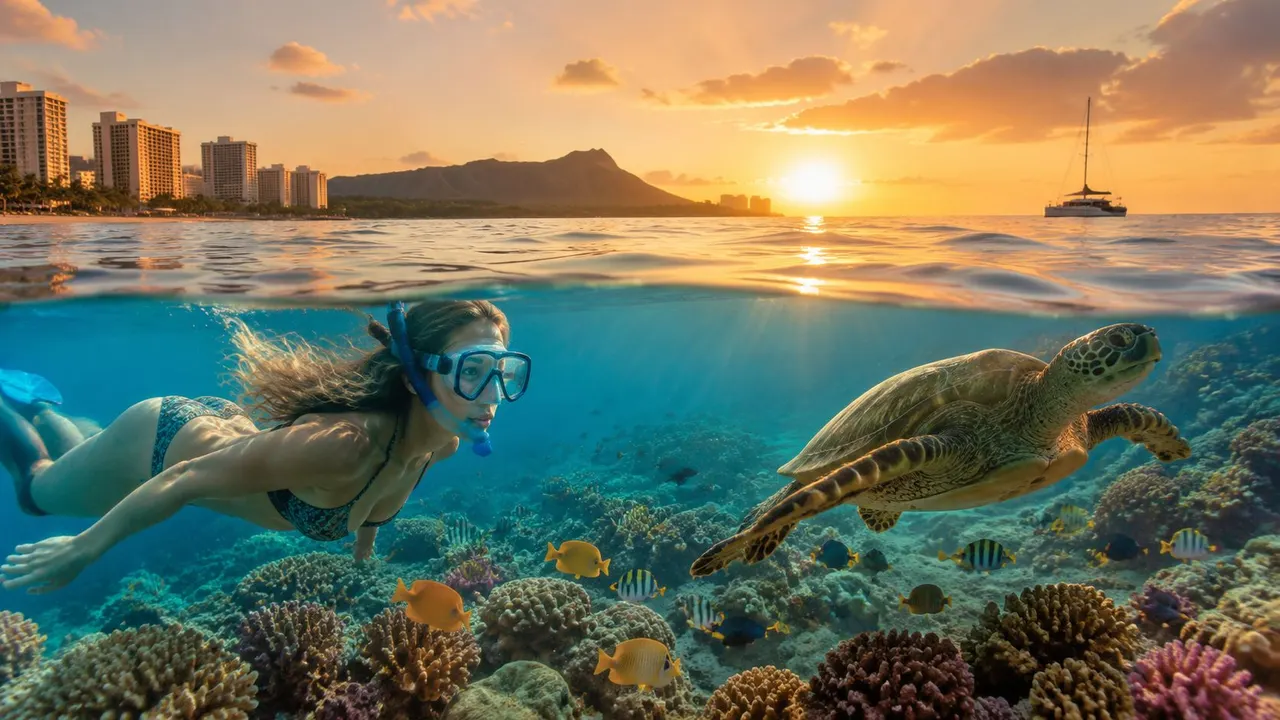
You step out onto a Waikiki balcony before breakfast and the scene looks almost too easy. The water is right there, Diamond Head is glowing in the distance, and the first question is simple, do you grab a mask and head straight for the shore, or do you book a boat and let a guide take you offshore? For snorkeling in Waikiki Honolulu, that choice matters more than most travel pages admit, because convenience, water clarity, and wildlife encounters don't always line up in the same place.
If you're traveling with kids, snorkeling for the first time, or trying to fit the ocean into a short Honolulu stay, the trick is not finding a place to snorkel. It's choosing the right setup for your group. Waikiki gives you both ends of the spectrum, easy shore access for casual sessions and guided boat outings for better odds of seeing turtles and reef life, and the difference becomes obvious once you know what each option does well.
For a broader look at activities around the area, this guide to top tourist activities in Honolulu helps frame snorkel time within a full trip.
Introduction to Waikiki Honolulu Snorkeling
The first thing many visitors notice is that Waikiki doesn't feel like a remote snorkel destination. It feels like a beach city with ocean access built into the trip, which is exactly why snorkeling in Waikiki Honolulu works so well for short stays and mixed-age groups. You can walk from a hotel, rinse off after, and still have time for lunch, but that convenience also means the experience changes a lot depending on where you enter the water.
The two-track reality of Waikiki snorkeling
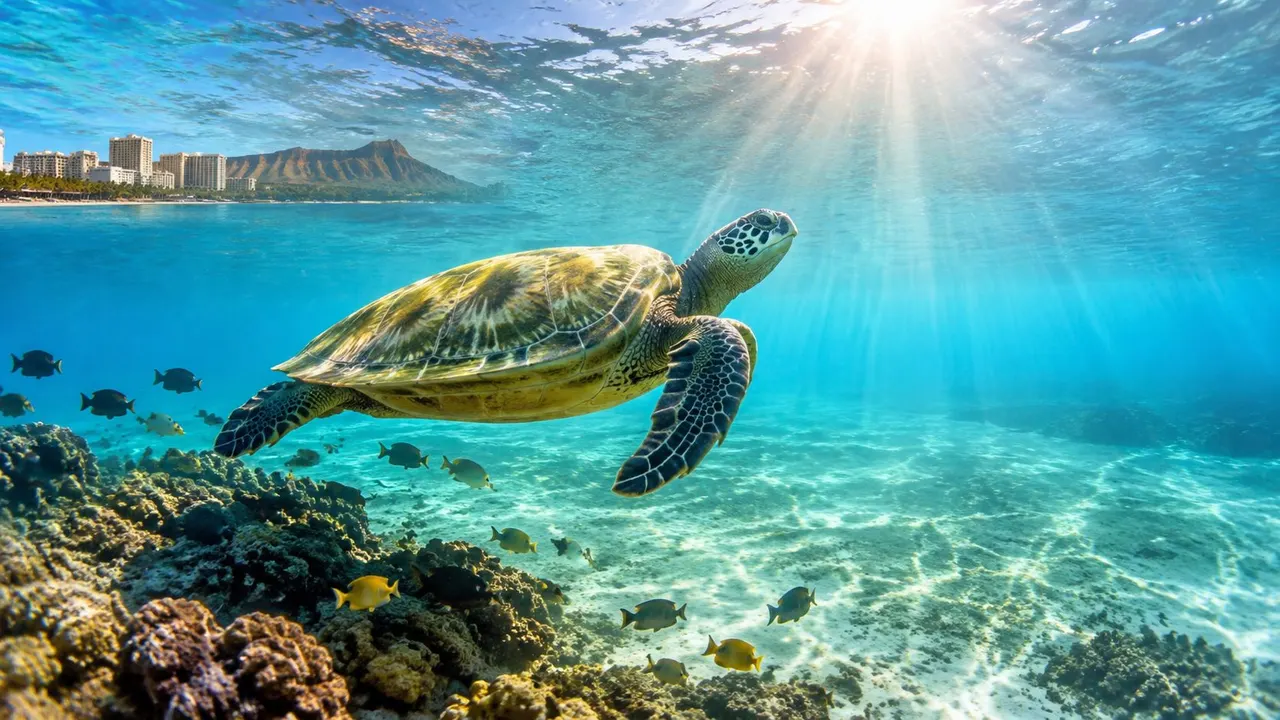
Waikiki has a split personality in the water. Shore snorkeling can be simple and beginner-friendly, while boat trips reach cleaner offshore water and more dependable wildlife viewing. That's why the local scene feels less like one snorkel spot and more like two different experiences with different payoffs.
Turtle Canyon is the best-known offshore example because it works as a turtle cleaning station, where Hawaiian green sea turtles gather for reef-fish cleaning behavior rather than random surface sightings. By contrast, shore snorkeling around Waikiki is usually the easier starting point for beginners, families, and casual swimmers who want a low-friction introduction to the ocean.
Practical rule: if your group wants maximum convenience, start near shore. If your group wants a stronger chance of steady marine-life viewing, the boat option usually makes more sense.
The timing also matters. Morning departures around 8:00 AM to 11:30 AM are often favored because calmer water tends to bring clearer visibility and more active sea life, and that's one reason Waikiki snorkeling feels best early in the day. The early-morning window is especially useful for visitors who want less chop and fewer people around.
A look at Waikiki snorkeling on beach and offshore reefs gives useful context for how those choices play out along the coast. If you've ever wondered why one family comes back saying the water looked amazing while another says it felt cloudy, this split is usually the reason.
Shore Versus Boat Snorkeling Options
Shore and boat snorkeling in Waikiki solve different problems, and the difference matters once you are standing on the beach with a mask in hand. Shore access gives you ease, flexibility, and very little planning. A boat trip takes you past the noisy edge of the coastline and into water that usually gives you a better shot at seeing turtles, fish, and a more polished outing.
Shore snorkeling suits convenience
On the shore side, the appeal is easy to understand. You can bring your own gear, slip in when conditions look calm, and keep the outing short if kids get restless. That makes shore snorkeling the more forgiving choice for families who want to test the water before committing to a full tour schedule.
The tradeoff is that shore conditions can change fast. Water that looks inviting from the sand can still feel only average once you are floating with a mask on, because clarity depends on calm weather, light wind, and the right time of day. Many first-time visitors leave Waikiki shore snorkeling with a mixed impression for that reason. The beach looked fine, but the underwater view did not always match the view from land.
Boat snorkeling improves the wildlife odds
Boat snorkeling takes a little more planning, but it usually gives you a more consistent payoff offshore. Turtle Canyon is the clearest example because the site is tied to turtle cleaning behavior, not random chance encounters, which gives it a stronger identity than a generic reef stop. The ride itself is also short by tour standards, with Living Ocean Tours describing the Turtle Canyon boat ride as 10 to 15 minutes each way, 45 to 75 minutes of snorkeling, and about 30 minutes for check-in and briefing, for a typical 2 to 2.5 hour total tour window.
That difference is easy to picture in practical terms. Shore snorkeling works like a quick neighborhood swim, simple and flexible. Boat snorkeling works like a short guided trip to a known viewing area, where the operator handles the route and you spend more of your time in water that has a better track record for marine life.
| Aspect | Shore | Boat |
|---|---|---|
| Convenience | Walk-up access, easy to fit around other plans | Requires check-in and departure timing |
| Wildlife reliability | More variable, depends heavily on conditions | More predictable offshore viewing |
| Water clarity | Can shift fast with surf and wind | Usually clearer away from shore |
| Best for | Beginners, short stays, casual dips | Families wanting stronger wildlife odds |
| Effort | Lower | Higher, but more structured |
For travelers comparing hassle against payoff, the answer is usually simple. Shore wins on convenience, boat wins on reliability. A close look at Waikiki snorkeling on beach and offshore reefs helps show how those two choices play out along the coast.
Best Times and Seasons for Wildlife Viewing
Timing changes the whole experience. Waikiki snorkeling isn't just about where you enter the water, it's about when you go, because morning conditions often make the difference between a pleasant float and a frustrating swim. The Hawaii Ocean Safety guidance says mornings usually offer better ocean conditions, higher visibility, and more active marine life, while dawn, dusk, and murky water raise risk. (Hawaii Ocean Safety snorkeling guidance)
Daily timing that makes sense
The clearest water in Waikiki often arrives in the early morning, roughly 7 to 10 a.m., especially when trade winds stay light and summer swells are calm. That's the window where the ocean usually looks more settled, your energy is fresher, and fish are more active near the reef. If you're traveling with kids, that early slot also tends to beat the midday crowd.
Morning water is not just prettier, it's easier to manage. A calmer surface helps you see better and use less energy while swimming.
You can also use the season as a planning filter. Waikiki's clearest water often comes from May to early October, while January to March is the better stretch for humpback whale viewing offshore. (Waikiki visibility and whale season guide) That doesn't mean you can't snorkel outside those periods, but it does mean the ocean is more likely to cooperate during those windows.
Reading conditions before you leave
A good snorkel day in Waikiki starts with a quick check of surf height, swell direction, and lifeguard flags. That matters because a beach can look calm from the street and still have enough movement to make snorkeling less comfortable than you expected. Visitors often focus on the calendar and forget that the actual ocean conditions matter more than the date.
For a time-window approach to planning, turtle snorkeling on Oahu is a useful way to think about the day. I tell first-timers to treat the morning like a window of opportunity, not just a time slot. If the water looks clean and the flags look reasonable, go early. If the ocean looks busy or off-color, save your energy for another morning.
Safety Guidelines and Marine Life Etiquette
Snorkeling looks gentle from the beach, but the risk profile deserves respect. Civil Beat reported that snorkelers accounted for a quarter of all ocean drownings in Hawaiʻi between 2015 and 2024, and about 42 tourists drown in Hawaiian oceans each year on average, many while snorkeling. (Civil Beat report on snorkeling safety) That's a serious reminder that calm-looking water is not the same thing as low-risk water.
Why calm seas can still be dangerous
A Honolulu snorkeling safety overview noted that snorkeling was the leading cause of tourist drownings in Hawaiʻi, with 204 recorded deaths from 2012 to 2021, and a 2019 study found 71% of near-drowning incidents occurred in calm seas. (Living Ocean Tours Honolulu snorkeling safety overview) That's the part many first-timers miss. Calm water can hide fatigue, poor breathing rhythm, and a false sense of confidence.
The most reliable safety habits are also the least glamorous. Use the buddy system, keep flotation on early if you're uncertain, and stop before you feel worn out. A snorkeler who is tired, distracted, or overconfident gets into trouble faster than someone who is cautious from the start.
Good habits for families and beginners
Marine-life etiquette is part of safety too. Turtles need space, fish need room to move, and reef contact damages both the environment and your stability in the water. If you can't hold a relaxed position, you're probably too close to the bottom or moving into a spot that's not right for your skill level.
Here's the practical order I'd give to a new snorkeler:
- Check the beach first: Look at surf, flags, and how other snorkelers are moving before you enter.
- Enter slowly: Start shallow and make sure your breathing feels calm before heading farther out.
- Stay with a partner: Buddying up makes it easier to notice fatigue, cramping, or drifting.
- Give animals space: Let turtles and fish choose the distance, not your camera.
- Leave when form slips: If your kicks turn sloppy or you're gulping air, end the session.
For etiquette that lines up with local expectations, reef etiquette on Oahu is worth reading before any family outing. The ocean feels friendlier when everyone in the group knows the basic rules before stepping off the sand.
Gear Essentials and Packing Tips
Good gear doesn't need to be fancy, it needs to fit and work without distracting you. A leaky mask, an uncomfortable snorkel, or fins that rub at the heel can turn a simple beach day into a frustrating one. For snorkeling in Waikiki Honolulu, the best kit is the one that lets you forget about your equipment and focus on breathing, floating, and watching the reef.
Start with the three basics
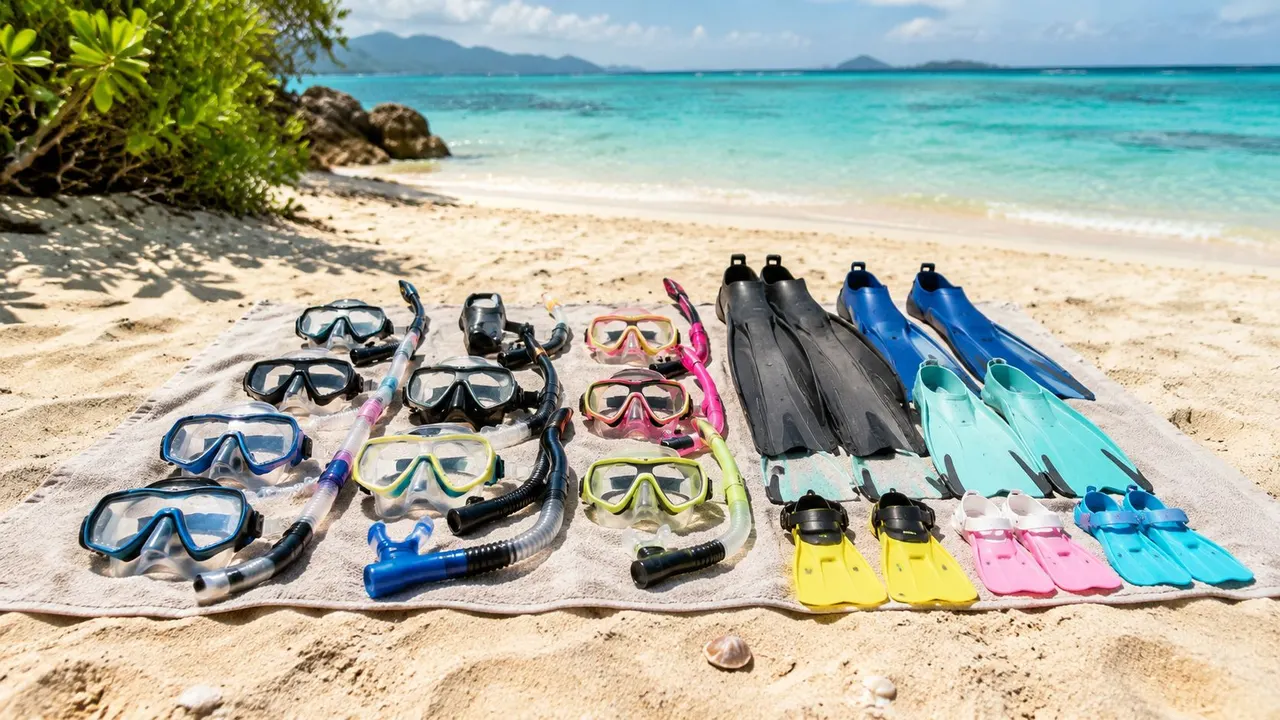
A mask should seal comfortably around your face without pinching. If it fogs or leaks constantly, you'll spend more time adjusting than swimming. A snorkel should feel simple to breathe through, and fins should match your energy level, because stronger fins can help with distance while lighter ones can feel easier for kids or casual swimmers.
Rash guards are one of the smartest add-ons for Hawaii. They cut down on sun exposure and help reduce the need to reapply sunscreen while you're in the water. Reef-safe sunscreen still matters for exposed skin, but a long-sleeve top gives you another layer of protection and comfort.
What to pack for a shore day or boat day
For a quick shore snorkel, keep it light. For a longer boat trip, organize a little more carefully so nothing gets wet or lost before you even get in the water. The difference is mostly about control, not volume.
- Mask case or pouch: Protects the lens and keeps sand out of the skirt.
- Dry bag: Useful for phone, wallet, and a change of shirt.
- Water shoes: Helpful if you're walking over rough entry points.
- Spare mask strap: Small item, big relief if something breaks.
- Extra towel: Better than trying to dry off with a damp one from the morning.
- Water bottle: Snorkeling is easier when you're hydrated before and after.
For a deeper gear checklist, this snorkel gear guide for Oahu breaks down what's worth carrying and what isn't. If you're packing for kids, I'd also add one simple rule. Bring one item that makes the day easier, like a second mask or a dry shirt, because comfort usually decides whether the group wants to stay out longer.
Family and Beginner Tour Recommendations and Booking Tips
Families usually want two things from a snorkel outing, a smooth process and a good story to tell later. Guided trips fit that need well in Waikiki, especially for young swimmers, first-time snorkelers, or grandparents who want the ocean without having to figure out the entry point on their own. Living Ocean Tours runs daily departures from Honolulu's harbor area, which keeps the logistics simple for Waikiki visitors.
Two tours that fit different family styles
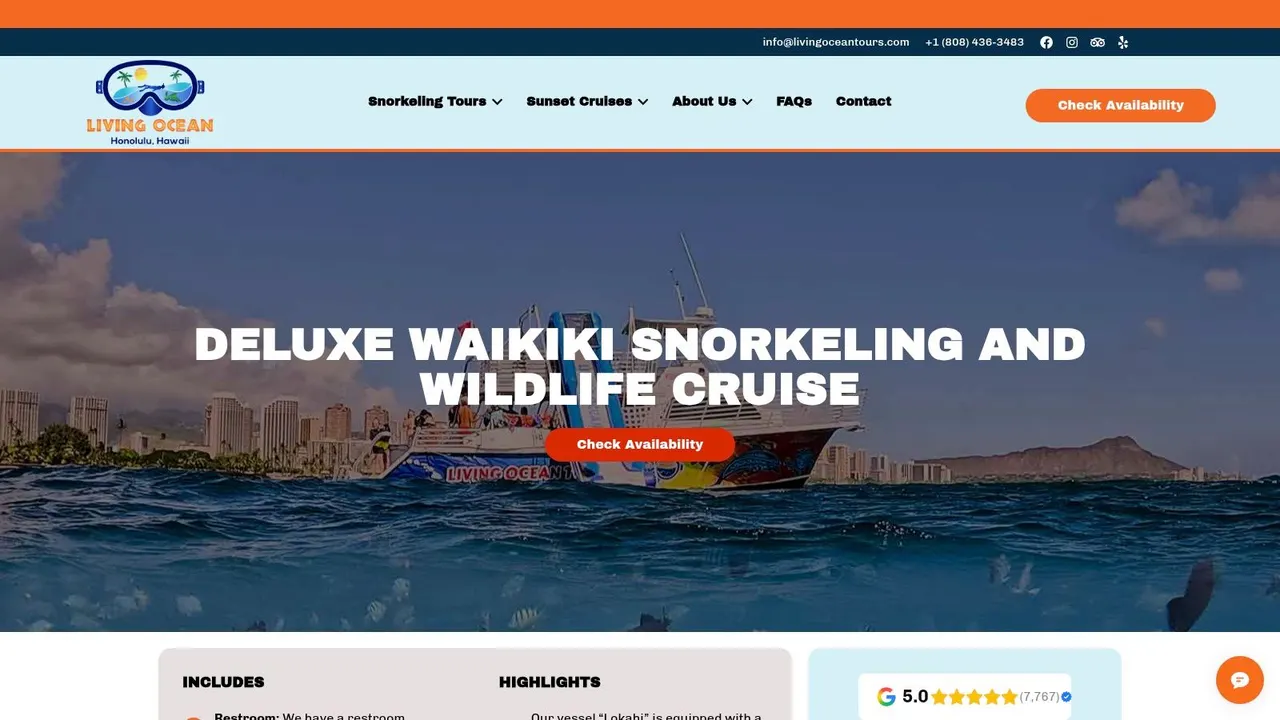
The Deluxe Waikiki Snorkel & Wildlife Cruise suits families that want more play value built into the outing. The waterslide, water trampoline, and lily pad give younger kids and active groups something to enjoy even if they spend only part of the trip in the water. That is helpful for families, because a boat day can work like a playground at sea, while the snorkeling portion still gives everyone a chance to see the water from a different angle.
The Turtle Canyons Snorkel Excursion is the better match when wildlife matters more than extra features. It takes guests offshore to the cleaning station where Hawaiian green sea turtles are commonly sought, which gives the trip a clearer focus for people who want the strongest chance of seeing marine life without guessing whether a shore entry will pay off. The tour page is the place to compare that setup before you lock in dates.
Booking timing that avoids disappointment
Living Ocean Tours recommends booking 2 to 6 weeks ahead for peak periods like holidays, summer, spring break, and weekend mornings, while 7 to 14 days is usually enough on slower weekdays. (Booking timing guidance) That advice matters because snorkel departures can look easy to book until the calendar fills up, especially when several families all want the same calm morning window.
The company lists its Honolulu office at 1125 Ala Moana Blvd Slip B-01, Honolulu, HI 96814, and says it's open 7 days a week. That gives families a concrete meeting base near the harbor when they are comparing plans around Waikiki. The Turtle Canyon boat ride itself is a compact outing, so it works well for travelers who want a half-day ocean plan and still want room for the rest of the vacation.
A sensible choice is straightforward. Book the wildlife cruise if your group wants the clearest tradeoff between effort and payoff. Book the waterslide cruise if the day needs more play value and less pressure to stay underwater for long. Check the morning availability early, because the calmest water tends to go first.
Responsible and Sustainable Snorkeling Practices
Good snorkeling leaves the reef looking untouched and the animals acting normal. That's the true standard, not whether you got a great photo. If every visitor treats the ocean like a shared space instead of a backdrop, Waikiki stays better for the next family and the next season of marine life.
Small choices that add up
Reef-safe products matter because what goes on your skin eventually goes into the water. You can also cut down on waste by packing a reusable bottle, keeping snacks in simple containers, and avoiding loose plastic that can blow across the beach. These choices sound minor, but they line up with the same mindset that keeps you from stepping on coral or crowding a turtle.
Respecting protected zones is just as important as choosing the right sunscreen. If a sign, flag, or guide says a spot isn't suitable, don't treat that as a suggestion. The ocean doesn't reward stubbornness, and the reef won't forgive a shortcut.
Make stewardship part of the outing
Families do best when they turn conservation into behavior, not a lecture. Kids understand simple rules quickly if adults model them consistently. Keep your fins up when shallow, stay off the reef, and let wildlife move through open water without chasing or touching.
Leave the site cleaner than you found it, even if that just means picking up one piece of trash before you go.
That's the right attitude for Waikiki because the area sits inside a busy tourist corridor, not a private preserve. The more people normalize calm, careful behavior in the water, the easier it becomes for local operators and beachgoers to keep the experience safe.
If you want a guided option that already builds instruction and timing into the trip, Living Ocean Tours offers an easy way to plan around the harbor departure and the offshore turtle site. For a Waikiki vacation, that's often the cleanest way to turn a first snorkel into a comfortable, repeatable ocean habit.
Ready to plan your Waikiki snorkel day with less guesswork and better timing? Book early, pick the experience that matches your group, and keep the morning window open for the clearest water. If you want a guided outing that handles the boat, gear, and reef-aware pacing for you, visit Living Ocean Tours and reserve a spot that fits your dates.


