
Honolulu Snorkeling 2026: Best Spots & Safety Guide
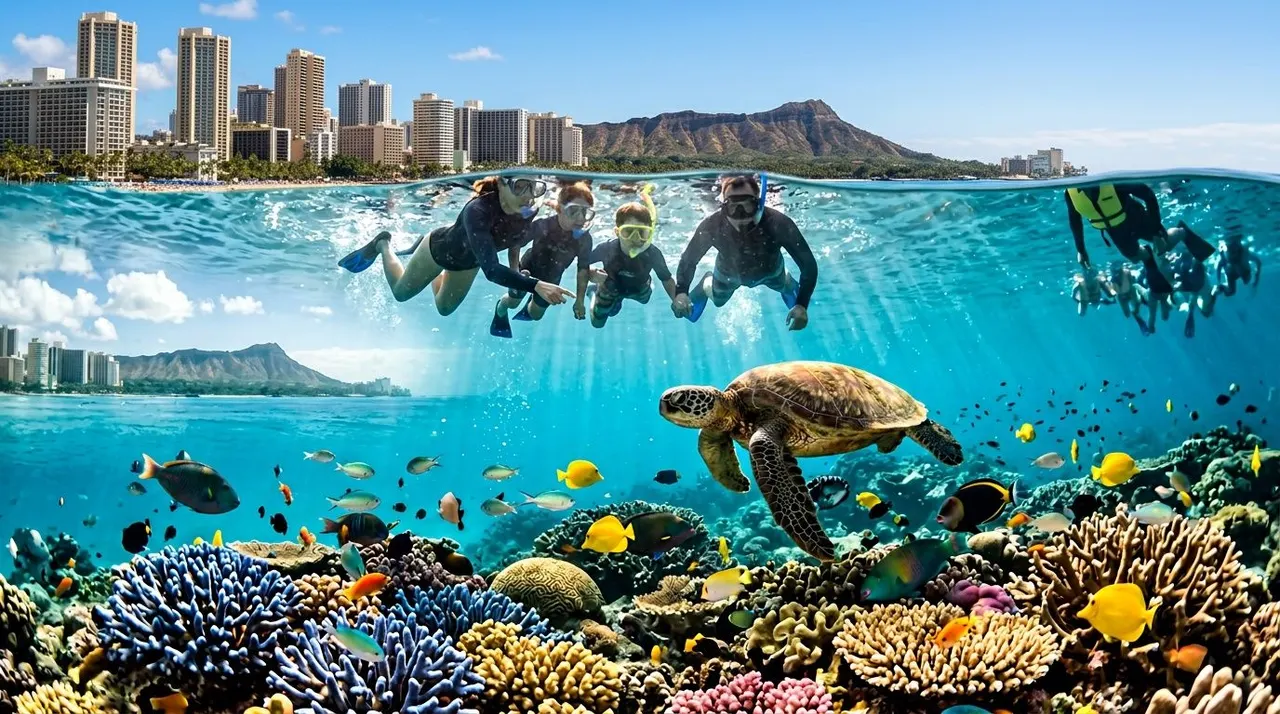
Waikiki makes honolulu snorkeling look easy. You stand on the beach, see that bright blue water, spot a few people coming in with masks and fins, and it feels like the kind of vacation activity you can decide on in five minutes.
Sometimes it is. Sometimes it isn't.
The disparity between the postcard version and the actual conditions is where people get in trouble. The water can look calm and still demand respect. A shore spot can be beautiful and still be frustrating for kids, grandparents, or first-time snorkelers. A guided trip can cost more than renting gear, yet save you from the two things that ruin a snorkel day fastest: bad conditions and bad decisions.
If you're trying to plan a trip that feels fun, safe, and worth the effort, this guide will help you make the call. We'll look at where to go, what works for families, when a boat trip makes more sense than a beach entry, and how to enjoy Honolulu's reefs without loving them to death.
The Ultimate Guide to Honolulu Snorkeling
You can usually tell who is planning their first honolulu snorkeling day. They're looking at the water from Waikiki, already picturing sea turtles and schools of reef fish, but they're also wondering the practical stuff. Where do we go? Is it safe for kids? Do we need a tour? Can beginners enjoy this?
Those are the right questions.
Honolulu gives you a rare mix of convenience and marine life. You can stay in Waikiki, grab breakfast, and be in the water the same morning. South shore conditions are often friendlier than many visitors expect, especially in calmer periods, and the marine life payoff is real. Turtles, reef fish, and clear blue water are not wishful thinking here.
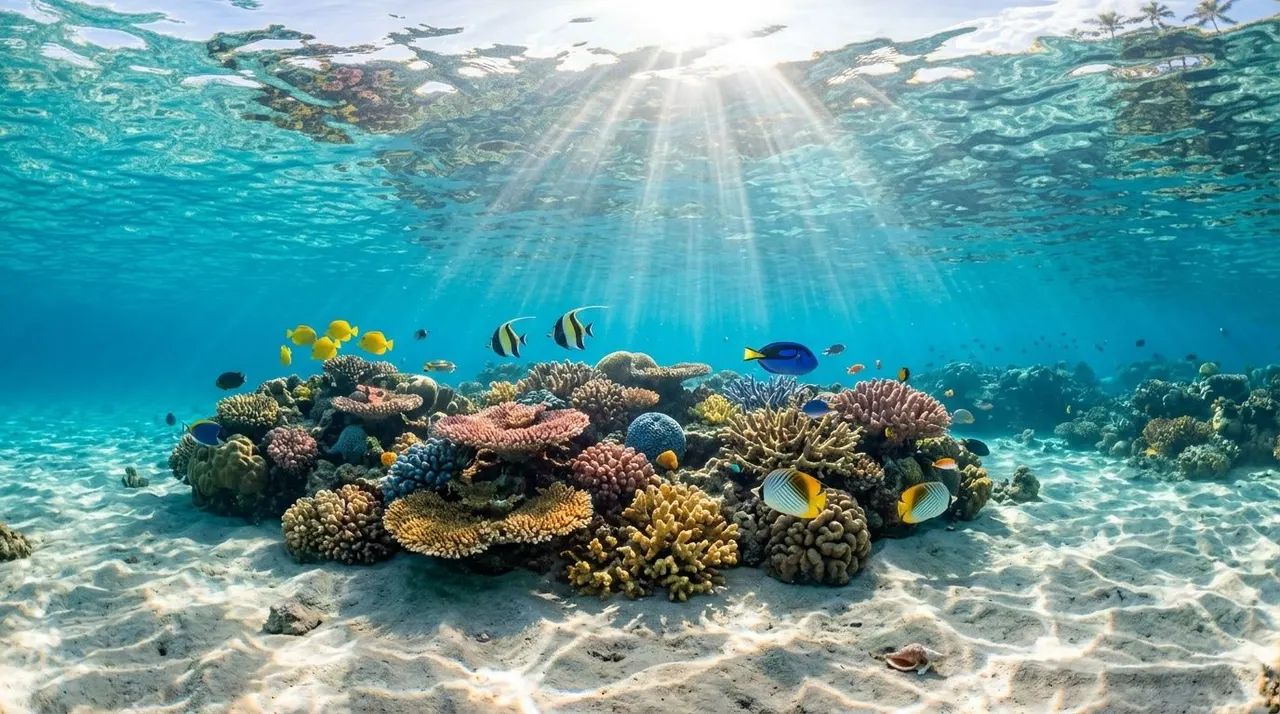
What changes the experience isn't just the location. It's how you approach it.
What most visitors get wrong
A lot of people choose a spot based only on photos. They don't think about entry conditions, crowds, parking, gear quality, or whether the least confident person in the group will feel comfortable. That's how a dream activity turns into a short swim, a tired child, and a family debate in the parking lot.
Practical rule: Choose your snorkel plan for the weakest swimmer in your group, not the strongest one.
What actually makes a great day
The best honolulu snorkeling days are simple. You start early. You use gear that fits. You go where conditions match your ability. You give yourself margin for weather, rest, and hungry kids. And if you're new to snorkeling, you put a premium on instruction and oversight.
That matters even more for multi-generational groups. Grandparents may want easy access and less surf. Children need calm water and close supervision. Strong swimmers may want to go farther, but they still do better when the plan doesn't rely on everyone moving at the same pace.
Honolulu has good options for all of that. The key is knowing which option fits your trip.
Shore Snorkeling vs Guided Boat Tours
This is the main fork in the road. You can keep it simple and snorkel from shore, or you can book a boat and let a crew handle the logistics, gear, and site choice.
Neither option is automatically right. The right choice depends on your group, your comfort level, and how much friction you want in the day.
Honolulu snorkeling at a glance
| Factor | Shore Snorkeling (DIY) | Guided Boat Tour |
|---|---|---|
| Access | Easy to start if you're already near a beach | Requires check-in and departure time |
| Gear | You bring or rent everything yourself | Gear is typically provided and fitted onboard |
| Conditions | You have to judge entry, surf, and currents yourself | Crew evaluates conditions and gives instruction |
| Crowds | Can be busy, especially at famous spots | Often accesses less crowded offshore areas |
| Marine life | Good at the right beach on the right day | Often more consistent because boats reach dedicated snorkel sites |
| Family ease | Can be tough if kids, bags, and reef entry are involved | Easier for many families once onboard |
| Flexibility | High if you like spontaneous plans | Better if you want structure and support |
When shore snorkeling works well
If you're comfortable in the ocean, traveling light, and fine with changing plans based on conditions, shore snorkeling can be a good fit. It's also a reasonable option for visitors who want a shorter session instead of building half a day around a boat departure.
The downside is that shore entry is where many beginners burn energy before they even start enjoying themselves. Walking gear across hot sand, managing children, finding a clean place to put belongings, and timing your way through small shorebreak can make a simple beach visit feel much less simple.
Queen's Beach and similar areas can be pleasant on the right day, but they ask more of you than a brochure suggests.
When a guided boat tour makes more sense
Boat tours make the most sense for first-timers, families, casual swimmers, and anyone who values a smoother experience over total flexibility. You step onto the boat, get a briefing, use the provided equipment, and enter the water away from the awkward surf zone that causes many shore-entry problems.
That trade-off is often worth it.
You also get access to sites that are difficult to replicate from the beach. Offshore locations tend to feel less congested, and the crew can usually tell you how to enter, where to look, and when to pause if you're overworking.
For a practical breakdown of these trade-offs, this comparison of Waikiki snorkeling from shore vs boat is useful.
Going solo can be cheaper on paper. It isn't always easier in practice.
Exploring Honolulu's Famous Snorkel Spots
If you want to snorkel from land, a few places come up again and again. Some are iconic for good reason. Some are convenient. A few are better in theory than in practice, depending on your group.
The trick is to go in with realistic expectations.
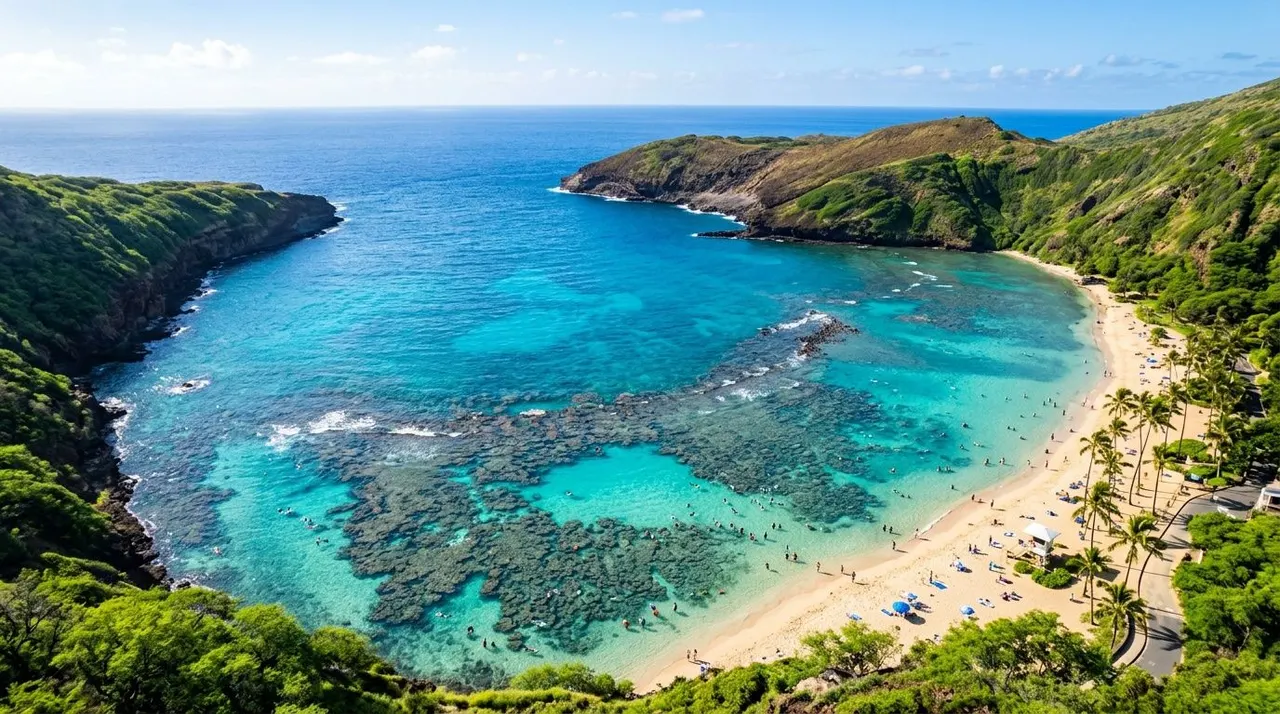
Hanauma Bay
Hanauma Bay is the benchmark. It's Honolulu's best-known snorkel spot, and that reputation isn't hype. It has been a Marine Life Conservation District for over 50 years, hosts over 400 documented fish species, and draws about 200,000 to 500,000 visitors annually according to Civil Beat's reporting on Hanauma Bay and snorkeling safety.
That tells you two things at once. The marine life is excellent. The crowds are real.
For beginners, Hanauma can be rewarding because you get beach access, visible fish close to shore, and a setting designed around conservation and visitor education. For families, the hard part is everything around the water. Reservations, timing, parking, hauling gear, and navigating a very popular destination can drain the fun before anyone even puts on a mask.
If your family likes structure and doesn't mind planning ahead, it can still be a memorable day. If your crew gets stressed by lines and logistics, it may not feel relaxed.
Queen's Beach
Queen's Beach wins on convenience. If you're staying in Waikiki and want to test the water without a full excursion, it's one of the more natural places to start. The big advantage is location. You don't have to build your whole day around transportation.
The trade-off is that convenience attracts people. You may deal with beach traffic, mixed experience levels around you, and conditions that change enough to matter for children or nervous swimmers. It works better for confident adults than for a big multi-generational outing.
Sans Souci Beach
Sans Souci usually feels a little more mellow than the busiest Waikiki stretches. That's appealing if you want calmer energy and less of the packed beach scene. It's often a better fit for people who want an easier pace, especially in the morning.
Still, it remains shore snorkeling. You need to watch the ocean, manage your own entry, and be ready to call it off if the water isn't right for your group.
A smarter way to choose
Don't choose only by fame. Choose by friction.
- For first-time snorkelers: Start with the easiest entry and the least complicated day.
- For families with kids: Avoid plans that require lots of carrying, waiting, and self-managing in the surf zone.
- For marine life priority: Be willing to skip the most famous beach if a less crowded option gives you a better in-water experience.
If you want to compare more sites before deciding, this guide to Oahu snorkeling locations near Honolulu and Waikiki helps sort out what each area is like.
Why a Guided Tour Is The Smartest Choice
For most visitors, especially beginners and families, a guided boat tour is the cleanest solution to the biggest Honolulu snorkeling problems. It removes guesswork. It reduces the chance that your day gets derailed by a rough entry, bad gear, or the kind of confusion that happens when one person in the group is comfortable and the others are not.
That doesn't mean every group needs a boat. It means many groups enjoy the ocean more once somebody experienced is handling the moving parts.
Better access changes everything
The biggest practical advantage is access. A boat can take you to offshore spots that don't carry the same shore-entry hassle as a crowded beach. You aren't timing your swim around the wash at the shoreline. You aren't dragging fins, towels, snacks, and kids across sand and reef.
You get in, get briefed, and enter the water where the experience is meant to happen.
That matters a lot at Turtle Canyons, where reef tops at 15 to 25 feet create a natural cleaning station for Hawaiian green sea turtles. That topography supports a 90%+ turtle sighting success rate, according to this description of Turtle Canyons and its reef structure. For visitors who came to Honolulu hoping to see turtles, that's a meaningful difference compared with guessing from shore and hoping the timing works out.
Guidance helps beginners settle in faster
Most first-time snorkelers don't need a harder adventure. They need a clearer one.
A good crew shows you how the mask should sit, how to breathe without panicking, how to float before kicking, and how to conserve energy. That small amount of instruction can completely change the first ten minutes in the water, which is where many people decide whether they'll love snorkeling or hate it.
For families, guided tours also solve an underrated problem. They keep the day from turning into a parent-managed equipment operation. Instead of one adult trying to fit masks, track everyone, and judge conditions at the same time, you have trained people helping.
The environment is usually calmer for the group
A shore spot can be physically shallow and still feel chaotic. People come and go. Boards drift through. Swimmers cluster in one area. Kids get distracted. Someone always needs to adjust a mask.
A guided offshore stop often feels more focused. Everyone is there for the same reason. The entry is organized. The boundaries are clearer. That alone helps nervous swimmers relax.
The best snorkel trip for a beginner isn't the most adventurous one. It's the one where they feel comfortable enough to keep their face in the water.
One practical option near Waikiki
If you're staying in town and want a boat-based snorkel trip, Living Ocean Tours operates guided departures from Kewalo Basin Boat Harbor and offers both a Turtle Canyons Snorkel Excursion and a Waikiki Snorkel Waterslide tour. Gear and instruction are included, which is the main reason these trips fit beginners and mixed-ability groups better than a fully DIY beach plan.
What works and what doesn't
What works:
- Choosing morning departures: The water is often cleaner-looking and the group is fresher.
- Using the provided flotation: Even strong swimmers waste energy when they insist on proving they don't need it.
- Following the guide's positioning advice: Staying where visibility and current feel manageable makes the whole session easier.
What doesn't:
- Treating snorkeling like pool swimming: Ocean movement changes effort quickly.
- Skipping the briefing: Small mistakes with masks and breathing become big frustrations in the water.
- Forcing hesitant kids too fast: Slow entries usually create better experiences than pep talks from the ladder.
Essential Safety for a Worry-Free Adventure
This is the part too many visitors treat as background information. It shouldn't be background information.
Snorkeling is the leading cause of tourist drownings in Hawaii, with 204 recorded deaths between 2012 and 2021, and a 2019 study found that 71% of near-drowning incidents happened in calm seas, according to this Honolulu snorkeling safety overview discussing ROPE. Calm-looking water doesn't guarantee a low-risk snorkel.
Why people get surprised
Visitors often assume the danger comes from big surf or obviously rough conditions. Sometimes it does. But many incidents happen when the ocean looks manageable.
That mismatch is why experience on its own isn't enough. The same study noted that many people involved in incidents believed they had enough swimming ability and experience. The ocean doesn't care whether a person felt prepared.
One hidden risk is Rapid Onset Pulmonary Edema, often shortened to ROPE. In simple terms, fluid can build up in the lungs without the person inhaling seawater. It can come on quickly and feel confusing because it doesn't match what people expect a snorkel emergency to feel like.
Safety habits that matter most
A few habits reduce problems fast.
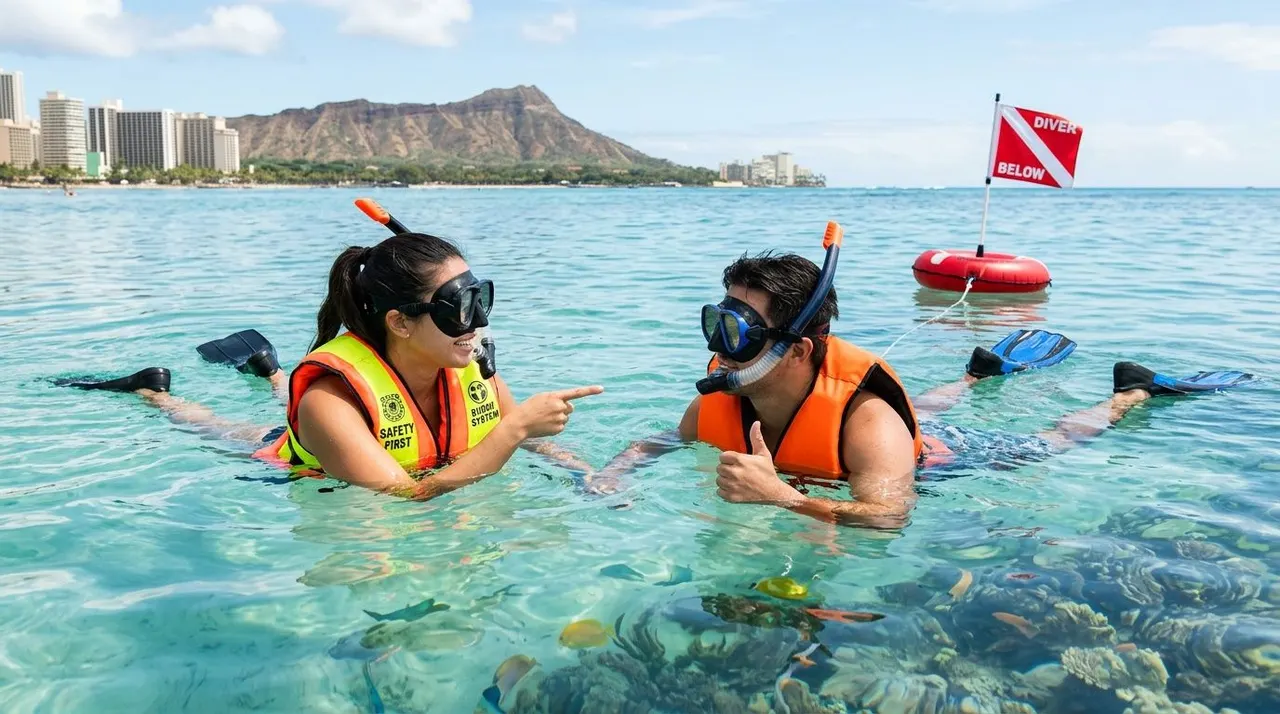
- Stay with someone: Don't snorkel alone. If one person gets tired or distressed, the buddy system matters immediately.
- Use flotation early: A vest isn't a last resort. It's an energy-saving tool.
- Check the entry before you commit: If the shoreline looks awkward for your ability, don't talk yourself into it.
- Pause at the first sign of fatigue: Tired legs, fast breathing, and repeated mask clearing are signs to slow down, not push farther.
Guide habit: We watch how people breathe and move in the first few minutes. Struggle usually shows up there before it becomes obvious to the person feeling it.
Signs to take seriously
Get out of the water and ask for help if you or someone in your group develops unusual shortness of breath, chest tightness, sudden weakness, panic that doesn't settle, or a feeling that breathing is getting harder instead of easier.
Those symptoms are not something to tough out.
Children deserve extra caution here because they rarely explain discomfort clearly in the moment. If a child goes quiet, stops enjoying the swim, or clings unusually hard, bring the session to a close and reset.
Why guided trips help
Safety is where guided tours justify themselves fastest. Good operators provide the briefing, the flotation, the entry support, and the watchful eyes that many visitors don't realize they need until something feels off.
For a broader primer on local conditions and reef awareness, this Oahu reef safety guide is worth reading before your trip.
Respect the Reef and its Inhabitants
A good snorkel day isn't just about what you see. It's also about how little impact you leave behind.
Honolulu's reefs are beautiful because they are alive, and living reef systems don't handle careless tourism well. Touching coral, crowding turtles, and slathering on the wrong sunscreen all add up.
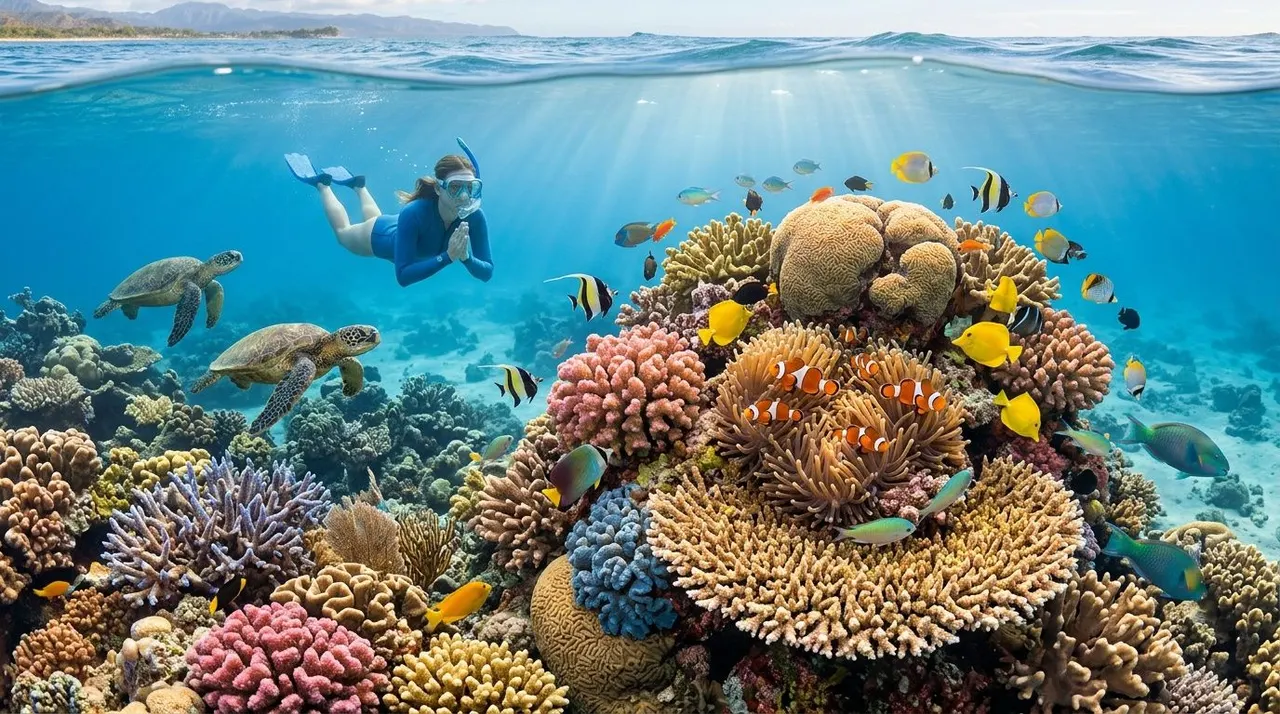
Give turtles room
Hawaii law requires people to stay at least 10 feet away from sea turtles, according to this roundup of Oahu snorkel spots and marine-life rules. That's the minimum. In practice, more space is better.
Turtles often look relaxed around snorkelers, and that's where people make mistakes. They drift closer for a photo, try to swim alongside one, or block its path to the surface. Responsible viewing means letting the animal control the interaction, not the other way around.
If a turtle changes direction because of you, you were too close.
Wear the right sunscreen
That same source notes that chemicals in common sunscreens can accelerate coral death by 14%, and Waikiki reefs have shown 25% bleaching from recent heat. That doesn't mean one careless beach day destroys a reef. It does mean product choice matters.
Use reef-safe, mineral-based sunscreen. Better yet, combine it with shade, rash guards, and timing your snorkel earlier in the day so you rely less on lotion overall.
Easy reef etiquette people remember
- Keep your fins up: Many beginners kick down when they get excited. That's how coral gets scraped.
- Float instead of standing: Standing on reef or rocky bottom damages habitat and can injure you.
- Don't chase fish or turtles: The best wildlife moments come when you hold still and let the reef settle around you.
- Secure loose gear: Dangling straps and dropped items create problems fast.
Respect in the water is simple. Leave space, move slowly, and don't touch what you came to admire.
Why this matters for families
Kids usually want to do the right thing. They just need clear rules. Before anyone gets in, give them three short ones: don't touch, don't chase, and stay close. That's easier to remember than a long lecture, and it keeps the day positive.
Eco-conscious travelers often assume responsible behavior starts and ends with sunscreen. It doesn't. The bigger difference comes from how you move through the water and how willing you are to back off when wildlife is present.
Planning Your Perfect Honolulu Snorkeling Day
A great honolulu snorkeling day usually starts before you leave the hotel. Good timing solves more problems than expensive gear ever will.
Morning is usually the safest bet for visibility, comfort, and group energy. Families do better before everyone gets hungry and sun-tired. Beginners do better before wind and chop build. If you're staying in Waikiki, departures from Kewalo Basin also make the logistics simple because you don't have to commit to a long cross-island day.
What to pack
Don't overpack. Bring the pieces that improve the experience.
- Sun protection you can wear: Rash guard, hat for the boat, and mineral sunscreen.
- Simple after-swim gear: Towel, dry shirt, and a bag for wet items.
- Water and light snacks: Especially important with kids or older relatives.
- Waterproof phone pouch or camera: Only if it won't distract you from the water itself.
- Any must-have personal items: Medications, child-specific gear, and motion comfort items if needed.
A detailed Waikiki snorkeling packing list can help if you want to double-check the basics.
Two easy ways to structure the day
Family fun day
Choose a morning boat snorkel with built-in extras, especially if younger kids need more than fish to stay engaged. A tour with a waterslide or float toys can keep the experience upbeat even if one child only wants a short snorkel session. Afterward, keep the rest of the day light. Lunch, shower, nap, beach walk. Don't overschedule.
Marine life focused day
Pick the earliest practical departure and treat snorkeling as the main event, not an add-on. Eat lightly beforehand, arrive early, listen to the briefing, and keep the rest of the schedule open. People who rush from one booking to another tend to spend half the snorkel thinking about the next thing.
A final planning call
If your group is mixed in age, confidence, or swimming ability, simplify the day. The best plan is the one everyone can enjoy, not the one that sounds most ambitious on paper.
Frequently Asked Questions About Honolulu Snorkeling
Is honolulu snorkeling good for beginners
Yes, if you choose the right setup. Beginners usually do best with calm conditions, good instruction, and flotation. That's why many first-timers enjoy guided boat trips more than self-managed shore entries.
Can non-swimmers still go snorkeling
Often, yes, but only if they're honest about their comfort level and choose a supportive environment. Some people are happy floating with a vest and staying close to the guide or ladder area. Others are better off enjoying the boat while family members snorkel.
Is shore snorkeling cheaper than a tour
Usually, yes at face value. But DIY costs can add up once you factor in rentals, transportation, parking, time, and the risk of choosing a spot that doesn't work well that day. For some families, the more efficient option ends up feeling like the better value.
Can kids snorkel in Honolulu
Yes, many do. The question isn't just age. It's confidence, fit of the gear, and patience level. Kids who are comfortable in the water and not rushed tend to have the best time. If your child is unsure, start small and keep expectations light.
What if the weather looks bad on tour day
Ocean operators monitor conditions closely. If the water isn't suitable, they'll usually adjust the plan or communicate the next steps. Always read the operator's policy before booking so you know how weather calls are handled.
Will we see turtles from Waikiki
Sometimes, yes. But if turtles are the main goal, don't rely on chance from the beach. A dedicated snorkel site gives you a much more focused opportunity to see them responsibly.
Should older adults book a guided trip
In many cases, yes. A guided trip removes a lot of the hassle that makes shore snorkeling tiring. Easy access, flotation, and crew support can make the day much more enjoyable for older family members.
If you want a simpler way to experience Honolulu's reefs without managing all the details yourself, Living Ocean Tours offers guided snorkel trips from Kewalo Basin near Waikiki with gear, instruction, and family-friendly options that fit first-timers as well as experienced visitors.


