
Snorkeling in Waikiki: Spots, Tours, and Safety Tips
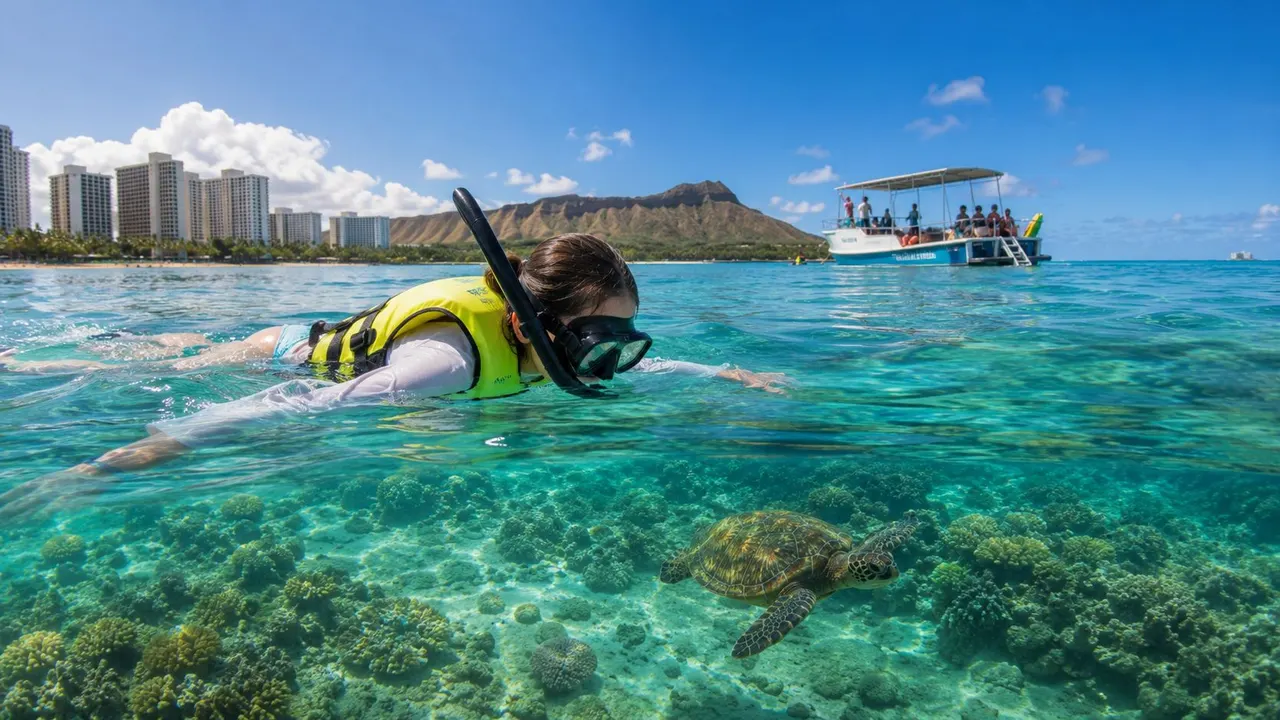
You can land in Waikiki with a mask in your bag, a kid asking if the turtles are “right there,” and a simple question in your head, where do we get in? The answer matters more than most visitors expect. Snorkeling in Waikiki splits into two different experiences, one you can try from shore on a calm morning, and one that works best from a boat once you want clearer water, more space, and a better shot at reef life.
What Snorkeling in Waikiki Actually Looks Like
A first-time visitor steps off Kalākaua Avenue, crosses the busy sand, and usually freezes for a second. The beach is right there, but where's the reef, where's the fish, and where do you put your face in? That hesitation is normal, because Waikiki doesn't present itself like a hidden lagoon.
Two very different snorkeling days
On one side, there's the protected shore pocket near Queen's Beach and Sans Souci, where a calm morning can still feel rewarding if you know where to enter and what to expect. On the other side, there's the offshore trip, where the ride takes you away from the surf zone and toward a protected reef like Turtle Canyon, which is reached by boat and is the signature wildlife stop for many visitors. The first option works for people who want a gentle start. The second rewards anyone who wants clearer water and a more dependable marine-life encounter.
That split matters because Waikiki snorkeling isn't one thing. It's shorthand for a beginner-friendly shore session and a boat-based reef run, and they're not interchangeable. If you're staying near the beach and just want to test your comfort, the shore pocket can make sense. If you want the experience most visitors remember, the boat trip usually does the heavier lifting, especially at the offshore cleaning station environment described in this Turtle Canyon overview.
Practical rule: if the ocean looks flat but you still can't clearly see structure from the surface, don't assume the snorkel will be great. In Waikiki, the water often decides your plan faster than the beach map does.
What most people get wrong
Many guests expect to walk in from the towel line and immediately drop into a coral garden. That's not how this coastline works. Waikiki's shoreline is busy, shallow in places, shaped by a thin reef, and interrupted by channels and foot traffic, so the most rewarding water is often a little farther out or a short ride offshore.
That's why a lot of families and first-timers end up choosing between a self-guided morning and a guided boat trip instead of trying to make the same beach spot serve every need. If you know that before you lace up your fins, the day gets easier.
Why Waikiki Snorkels Differ From Other Hawaiian Shores
Waikiki looks calm from shore, but the underwater setup is more complicated than the view suggests. The shoreline sits on a thin fringing reef, which means the reef habitat is narrow, the sandy channels matter, and where you enter the water changes what you'll see. That's one reason some days feel decent and others feel murky even when the weather looks fine.
The shoreline itself shapes the experience
The protected nearshore pocket in Waikiki is not a broad coral field. It's a limited reef area with sand breaks around it, and those breaks affect both fish behavior and visibility. On calmer mornings, the water can be usable for beginners, but midday wind and traffic stir the surface and make the same area feel far less inviting. That's also why the stronger shore-snorkeling zone sits in front of the aquarium seawall rather than along the most crowded stretch of beach.
The practical reading is simple. If you want shore snorkeling, go where the reef is sheltered and where the entry lines keep you near habitat instead of open wash. If you want water that usually looks cleaner, move offshore. Waikiki shore snorkeling commonly reaches about 10–30 feet of visibility on calm days, while clearer offshore locations such as Turtle Canyon can reach roughly 30–50 feet (Waikiki snorkeling guide).
The ocean doesn't care that you're on vacation. Calm water, light wind, and an early start matter more here than most visitors expect.
Why boats change the equation
Kewalo Basin is the launch point for a lot of Honolulu snorkeling traffic because it puts boats close to Waikiki without sending them through the rougher nearshore mess. That matters when you're trying to reach a more productive reef with less time wasted fighting the shoreline. A boat doesn't just add convenience, it changes the water you end up in.
For visitors trying to choose between beach and boat, the shortest answer is this. Shore snorkeling gives you access and ease. Offshore snorkeling gives you better odds of seeing clear water and active reef life. If you want a deeper dive into the beach versus offshore trade-off, this Waikiki reef guide lays out the same split from a local operating perspective.
Best Snorkeling Spots in and Around Waikiki
The right snorkel spot in Waikiki depends on what you want out of the water and how much variability you're willing to accept. A quick shore session can be fine if the reef is sheltered and the entry is calm. If you want cleaner water and a better chance of seeing active marine life, the boat usually does the heavier lifting.
Waikiki proper, the best shore pocket
The Marine Life Conservation District in front of Queen's Beach and Sans Souci Beach is the strongest shore-snorkeling zone in Waikiki proper, with the cleanest entry usually found on the left, south side in front of the Waikiki Aquarium seawall (Queen's Beach snorkeling entry tips). That is the stretch I would send a cautious beginner to on a calm morning. Parking is easier to think about by area, north of the aquarium for Queen's Beach and south near the Natatorium for Sans Souci.
These two beaches work for people who want to snorkel without booking a boat. The protected designation helps, but the water is still nearshore Waikiki water, so the conditions can shift fast. I tell visitors to treat it as a good local option, not a guaranteed aquarium.
The trade-off is simple. You get access and convenience, but you give up some water quality and consistency. That matters on a windy day or after a swell, when the shoreline can look inviting and still feel choppy once you're in it.
Comparing the main choices
| Spot | Access | Best For | Typical Visibility |
|---|---|---|---|
| Queen's Beach | Shore entry near the aquarium seawall | Confident beginners and calm-morning snorkels | About 10–30 feet on calm days |
| Sans Souci | Shore entry near the south Waikiki side | Nervous swimmers, families, easy pacing | About 10–30 feet on calm days |
| Turtle Canyon | Boat only | Turtles, reef fish, clearer water | About 30–50 feet |
| Diamond Head side | Shore or mixed access depending on conditions | Experienced snorkelers who can read surf and channels | Variable |
| Ala Moana sandbar edges | Shore access with wide open water nearby | People already comfortable reading ocean conditions | Variable |
The spots that reward patience
The Diamond Head side can pay off, but only when the day is right and you know where to enter. Ala Moana's sandbar edges can work too, although the openness there makes the ocean feel less forgiving than many first-timers expect. Neither spot is a casual plug-and-play reef. Both require you to read the water before you commit.
If your real goal is turtles rather than just getting wet, this sea-turtle location guide is the better reference. That points you toward offshore water where the boat becomes part of the experience, not just a ride out and back.
What a Guided Snorkeling Tour Includes
A guided snorkel day starts on land, before the boat leaves Kewalo Basin Boat Harbor. Guests check in, get sized for masks, fins, and flotation gear, and hear the safety briefing before anyone heads offshore. That order keeps the day organized and gives the crew a chance to spot fit issues before they turn into problems in the water.
What happens on the boat
On deck, the crew checks whether the mask seals cleanly, whether the fins fit the feet, and whether the flotation gear sits the way it should. Then they explain the plan for the snorkel, including where the entry point will be, how to stay with the group, and what to watch for once you are in the water. Families often like that structure because it removes guesswork, and it keeps new snorkelers from guessing at the wrong moment.
The better crews also set expectations plainly. They talk through fish behavior, reef position, and turtle etiquette before the session begins, so the instruction is fresh when you finally drop in. If you want a closer look at the setup, Living Ocean Tours has a snorkeling tour page that shows the style of trip this kind of outing follows.
Why guided support matters
The safety side of snorkeling in Hawaii is not theoretical. Since 2005, more than 128 visitors have drowned while snorkeling in Hawaii's waters, and more than half of visitor drownings in the prior 10 years happened while snorkeling, with most of those deaths in less than 3 feet of water (Civil Beat review of Hawaii Department of Health data). That is why I put so much weight on the briefing, the buddy system, and staying alert to reef and current changes. Shallow water can still turn serious fast.
For mixed-age groups, the small comforts matter too. Flotation vests, kid-sized gear, shaded deck space, water slides, and lily pads can make a day on the water workable for nervous swimmers and younger kids. Living Ocean Tours' Waikiki snorkel and waterslide tour is built around that kind of trip, with the boat doing more than just carrying people out and back.
Preparation and In-Water Safety Essentials
Good snorkel prep is boring in the best way. If the gear fits, the water is calm, and you know your stop point, the experience gets easier fast. If any of those things are off, the day goes sideways sooner than people think.
Do the checks before you touch the water
Use an anti-fog product and make sure the mask seals cleanly. A leaky mask turns a relaxed swim into a constant reset. Check the fins before you step in, too. They should feel snug, not loose enough to twist when you kick.
The snorkel itself needs a quick inspection for water or obstructions. That sounds basic, but it's the kind of detail that gets skipped when everyone's excited to jump in. If the tube is clear and the fit is right, you've removed two of the easiest ways a session goes bad.
Safety rule: if you feel dizzy, disoriented, or get a headache, take the gear off and exit the water immediately. Those can be signs of carbon-dioxide buildup in the snorkel gear, and you don't debate that feeling.
Read the ocean, not just the forecast
Hawaii Ocean Safety says snorkelers should avoid high surf, high winds, heavy shorebreak, and strong currents, and should check with lifeguards before entering the water (Hawaii Ocean Safety snorkeling guidance). That advice is direct for a reason. A beach can look usable from the road and still be a bad choice once you're standing at the waterline.
A flotation vest helps beginners stay relaxed, which means better breathing and less panic when a wave rolls through. It doesn't replace judgment, though. The right move is still to start in the calmest window, stay near your guide or buddy, and quit early if the surface gets messy. If you want more detail on how buddy systems and support work together, this safety note is worth reading before you go.
Seasonal Conditions and What You Are Likely to See
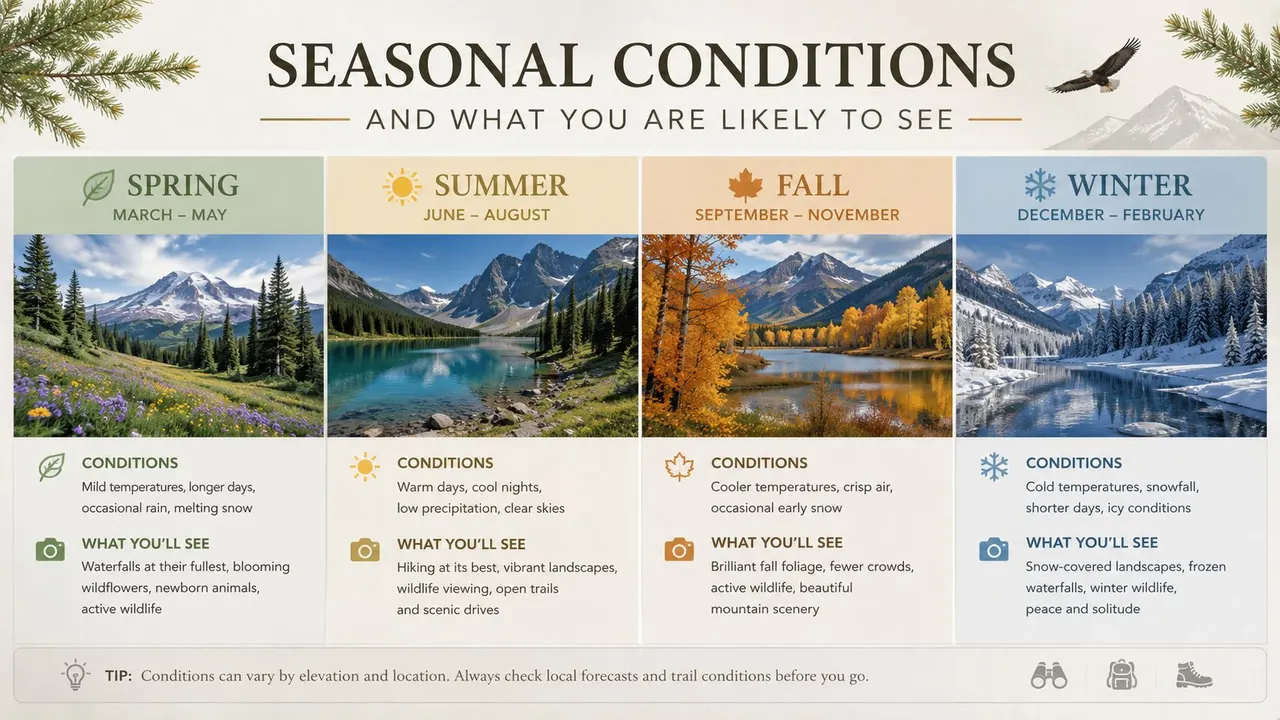
The calendar changes Waikiki snorkeling more than some visitors realize. Water clarity, turtle activity, whale season, and even how crowded the entry feels all shift through the year. If you match your trip to the season, the odds improve without changing anything else.
Best water windows
Independent Waikiki guides say the clearest water usually shows up from May through early October, and the most productive window is roughly sunrise to 10 a.m. when winds, crowds, and suspended sand are lower (Waikiki timing guide). That is the window I'd pick first for shore snorkeling. It's also the window when a boat trip feels smoother and the water tends to look cleaner from the surface.
For Turtle Canyon specifically, the sweet spot for conditions runs June through September (Living Ocean Tours Waikiki guide). That timing fits the clearer-water part of the year, which is why summer is such a dependable stretch for offshore turtle runs.
What people usually come to see
Most snorkelers want Hawaiian green sea turtles, reef fish, and enough visibility to enjoy both without fighting the water. That's a reasonable target in the right season. If your trip overlaps with the January through March humpback season, snorkeling on the south shore can still fit alongside whale watching, but that's a separate ocean day, not something to expect while face-down on the reef.
If the family wants both experiences, pair a snorkel morning with a dedicated whale outing instead of trying to cram everything into one plan. The whale watch tour handles the winter marine-life side of the calendar, while the Turtle Canyons Snorkel Excursion handles the turtle side when reef conditions line up.
Responsible Wildlife Viewing on the Reef
Sea turtles make the day feel special, but good snorkeling means leaving them room. The goal is to watch behavior, not to manage it, and that difference matters more than most visitors realize.
Keep the reef and the animals in charge
Use reef-aware sunscreen before you go in, then let the turtles come and go on their own. Don't touch, chase, or crowd them. A guide who knows the site will set that tone quickly, especially around offshore cleaning stations where turtles may rise, pause, and leave again on their own schedule.
Turtle Canyon is a protected offshore reef area reached by boat, and the signature snorkel experience happens there rather than directly off the beach (Living Ocean Tours guide). That's part of why boat trips matter so much in Waikiki. They put you at the reef without asking a fragile nearshore zone to do a job it wasn't built for.
Boats should not idle over a cleaning station. That noise and position change the animal's routine, and a competent crew keeps the boat off the turtles' space.
Book the kind of trip that matches the reef
If you want to see the offshore side of Waikiki done with a light touch, the Turtle Canyons Snorkel Excursion is the direct fit for this style of outing. For families who want more deck space and a looser cruise feel, the deluxe Waikiki snorkel and wildlife cruise gives you that mixed-use day on the water without pretending the shoreline alone can do the job.
Sample Itineraries and Common First-Timer Questions
For a first-timer, I'd keep the plan simple. Do a calm-morning shore snorkel at Queen's Beach if you want a low-pressure start, or book the boat if you mainly care about turtles and clearer water. Families with kids usually do better on the boat because the support is built in and nobody has to guess whether the beach is cooperating.
Two easy ways to plan the day
A relaxed couple or solo traveler can try the shore pocket first, then decide whether to upgrade to offshore later. A family can skip the uncertainty and go straight to a guided trip with flotation and shade. That's usually the better call when you've got nervous swimmers or mixed ages in one group.
Common questions come down to three things. Do I need to be a strong swimmer? Not always, if you choose the right support and stay within your comfort level. Will the boat be rough for kids? It depends on the day, which is why the early calm window matters. What should I bring? Swimwear, reef-safe sunscreen, a towel, and a realistic attitude about conditions.
If you're unsure how the pieces fit together, think of Waikiki snorkeling as a guided, skill-scaled day rather than a free-for-all dip. That mindset keeps people safer and usually makes the experience better, too.
Living Ocean Tours runs daily ocean trips from Kewalo Basin, including guided snorkeling to Turtle Canyon and family-friendly wildlife cruises with gear and instruction included. If you want to turn this into a real Waikiki water day, visit Living Ocean Tours and choose the trip that matches your comfort level and the kind of reef time you want.


