
Snorkeling Oahu: What to Do If You Lose Your Buddy
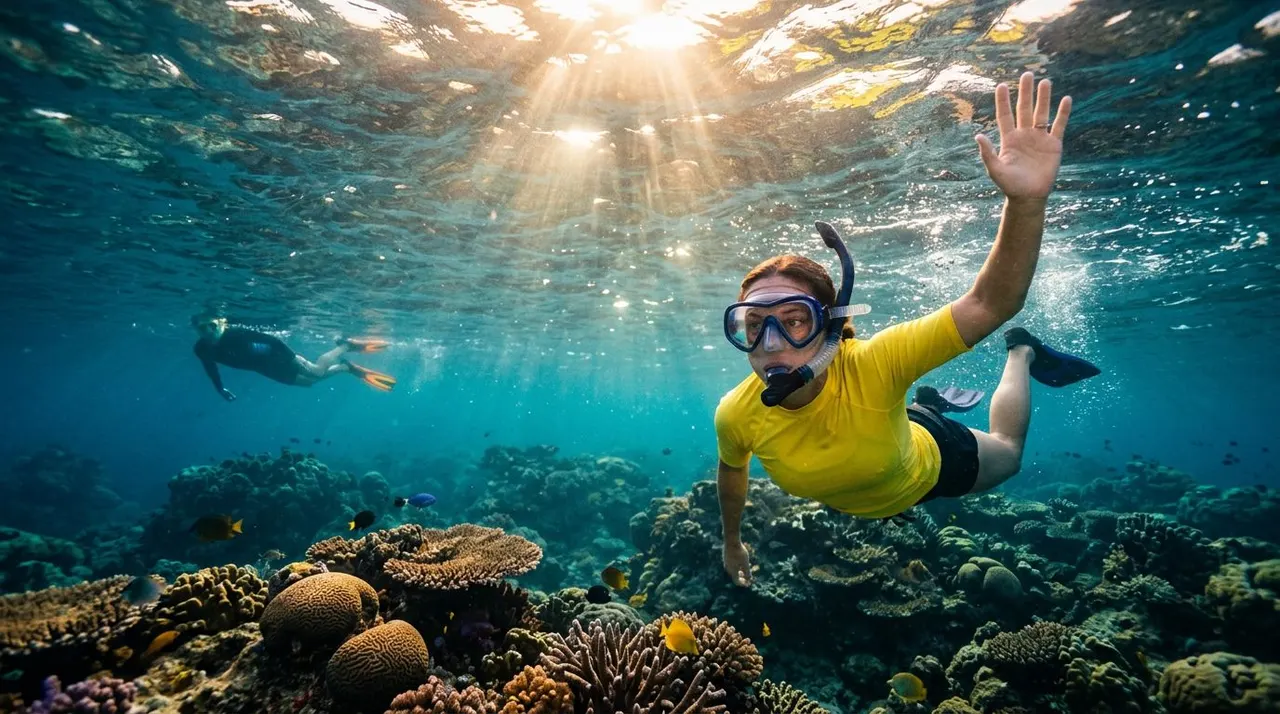
Losing sight of your buddy can turn a beautiful moment of snorkeling Oahu into a stressful one within seconds. The safest response is to stop, stay calm, signal clearly, and alert your guide or lifeguard instead of swimming off alone.
A buddy system only works when both swimmers agree on a plan before entering the water. You should know where to regroup, how to signal, and what to do if waves, glare, or current separates you. These steps help you respond quickly without creating a second emergency.
What to Do First When You Lose Sight of Your Buddy
The first rule is simple: stop moving. Swimming farther may increase the distance between you and your buddy, especially near reefs, boat channels, or areas affected by current.
Take a slow breath and look around from the surface. Check in front of you, behind you, and toward the shoreline or boat. A snorkel mask limits your peripheral vision, so turn your head instead of relying on a quick glance.
If you still don’t see your buddy, raise one arm and wave. Use your agreed signal, whistle, or voice if conditions allow. Keep your other hand free so you can maintain a comfortable floating position.
Follow this order:
- Stop and float calmly.
- Look around for a short period without swimming away.
- Signal with your arm, whistle, or voice.
- Tell your guide, boat crew, or lifeguard immediately.
- Follow their directions and stay with the group.
Don’t dive underwater to search. Your buddy may be above you, behind you, or already moving toward the boat. Diving can also make you harder for the crew to locate.
If you feel tired, cold, panicked, or pushed by current, signal for help right away. Hold onto a flotation device, ladder, or board when one is available. Never remove your life jacket or swim far from the group to look for someone.
When you lose visual contact, your job is to become easy to find, not to cover more distance.
A guide can organize a proper search much faster than a separated swimmer. Tell the crew the last place you saw your buddy, what they were wearing, and which direction they were facing. Details such as a bright mask, rash guard, or colored fins can help.
Snorkeling Oahu Safely Starts With a Buddy Plan
Before you enter the water, agree on a few simple points. Decide who will lead, how close you’ll stay, and where you’ll reunite if you get separated. A clear plan removes confusion when visibility drops.
Stay close enough to see your buddy without turning fully around. In calm water, that may mean swimming side by side. In waves or current, stay even closer and check your buddy often.
You should also agree on hand signals before putting on your masks. Useful signals include:
- A flat, raised hand for “stop.”
- A hand pointing upward for “go to the surface.”
- A hand across the throat for “return to the boat.”
- A thumb pointing down for “I need help.”
- A circular motion for “Are you okay?”
Keep your buddy on the same side throughout the swim. For example, if your buddy remains on your right, you can check that side without searching randomly. This habit works well when several swimmers are in the water.
Sun glare can make separation happen quickly around Waikiki. Floating devices, fins, and other swimmers may also block your view. Check your buddy before and after you adjust a mask, clear a snorkel, or pause to watch a turtle.
Before snorkeling Oahu from shore, study the entry and exit points. A swimmer who drifts along the reef may end up farther down the beach than expected. Choose a visible landmark for your meeting spot, but don’t use a distant landmark as a reason to swim alone.
Why a Guided Oahu Snorkel Tour Helps
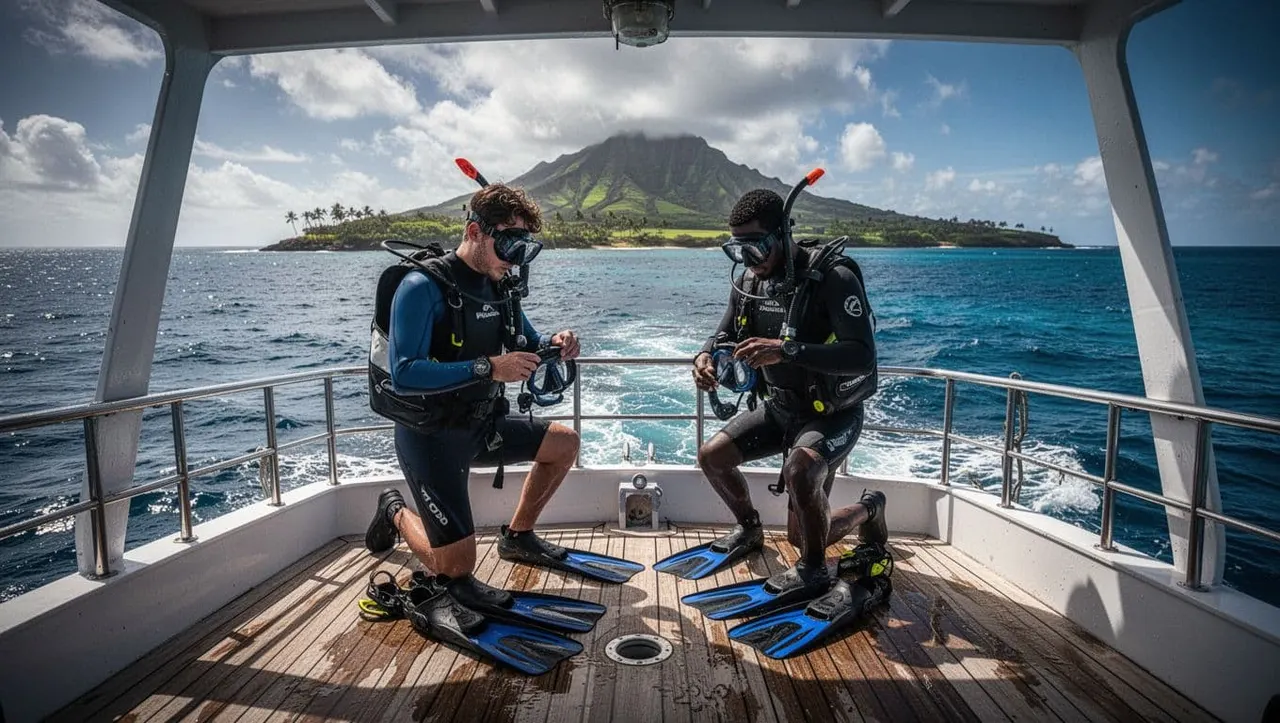
A guided excursion gives you more support than a casual swim with a friend. Your guide can explain the route, check conditions, review signals, and monitor the group while you focus on your buddy.
Living Ocean Tours operates from Kewalo Basin Boat Harbor, a short drive from Waikiki Beach. The company offers guided ocean experiences along the Waikiki coastline, including its Turtle Canyons Snorkel Excursion.
The Turtle Canyons trip lasts about two hours, with approximately one hour in the water. The site is known for Hawaiian green sea turtles and reef life, including tropical fish. Living Ocean Tours reports a 95% success rate for turtle sightings at the natural cleaning station, although wildlife sightings can never be guaranteed.
The crew supplies snorkeling equipment and helps guests of different experience levels prepare for the water. The company is also the only tour company with professional snorkel guides, giving you direct support before and during your swim.
You can review the Turtle Canyons snorkeling trip to see the current tour details. The vessels include Coast Guard-inspected double-decker boats with shaded seating, restrooms, dry storage, and heavy-duty ladders for water entry.
The Lokahi also includes a SeaKeeper stabilization system, which helps reduce boat movement. That feature can make the ride more comfortable when you’re preparing your gear or waiting for your group to return aboard.
A guided boat tour also creates a clear home base. If you lose sight of your buddy, you can return to a known vessel rather than trying to find an unfamiliar beach exit. Tell the crew immediately, then follow the established instructions.
Living Ocean Tours asks guests to observe marine life without touching it. That rule protects sea turtles, coral, and other animals while keeping your attention on safe, respectful wildlife viewing.
If you want a guided option with professional snorkel support, you can CHECK AVAILABILITY for the Turtle Canyons excursion.
Know When Conditions Make Separation More Likely
Your buddy plan matters most when visibility or water movement changes. Strong wind, high surf, shorebreak, and currents can make it harder to remain together. Check the forecast before you leave and listen to local guidance at the access point.
Hawaii’s official snorkeling safety guidance recommends checking ocean conditions before entering the water. It also identifies high surf, high winds, heavy shorebreak, and strong currents as poor conditions for snorkeling.
If conditions worsen while you’re swimming, don’t wait until someone disappears. Signal your buddy and begin returning together. Keep your face toward the area you need to reach, but avoid fighting a strong current with hard, exhausting strokes. Signal the guide or lifeguard if you can’t make steady progress.
Boat-based snorkeling adds another concern: the distance between you and the vessel. Stay inside the guide’s boundaries and never cross into a boat channel. Pay attention to the boat’s position, the entry ladder, and the crew’s instructions before entering the water.
Visibility can also change after rain, during cloudy weather, or when sand moves through the water. You may need to shorten the distance between buddies. If you can’t see your buddy clearly, move closer or return to the boat.
Swimming ability doesn’t remove these risks. Strong swimmers can become separated when they focus on wildlife, adjust equipment, or underestimate current. Use your buddy plan every time, even when the ocean appears calm.
What to Do After You Find Your Buddy
Once you reunite, pause before continuing. Ask whether your buddy feels okay, has enough energy, and still has secure equipment. A loose mask strap or leaking snorkel can cause another separation within minutes.
If either of you feels shaken, return to the boat or shore. You don’t need to finish the planned swim after a stressful incident. Rest, drink water, and tell the crew what happened.
Review the cause without assigning blame. Maybe glare blocked your view, the current pushed one swimmer away, or one person stopped to watch a turtle. Identifying the cause helps you change the plan for the rest of the outing.
Use a closer formation after reuniting. Swim side by side, shorten your viewing pauses, and make frequent eye contact. If your buddy needs help with a mask or fins, ask the guide to assist rather than stopping in an exposed area.
You should also tell the crew if you lost sight of someone, even after finding them. The guide may adjust the group’s boundaries or provide a reminder to other swimmers. Sharing the information helps protect everyone on the tour.
Respect for the ocean includes respecting your own limits. Marine life deserves your attention, but your buddy and personal safety come first. You can always watch a turtle again after both swimmers are accounted for and comfortable.
Conclusion
When you lose your buddy while snorkeling Oahu, stop, float, signal, and alert a guide or lifeguard. Searching alone can increase the distance and make you harder to locate.
A short plan before entering the water makes the response easier. Stay within sight, watch the conditions, and return to the boat when either swimmer feels unsafe. With a professional guide and a clear buddy system, you can enjoy Oahu’s reefs while giving yourself the support needed for a safer ocean experience.


