
Best Snorkeling in Oahu: Top Spots & Tips
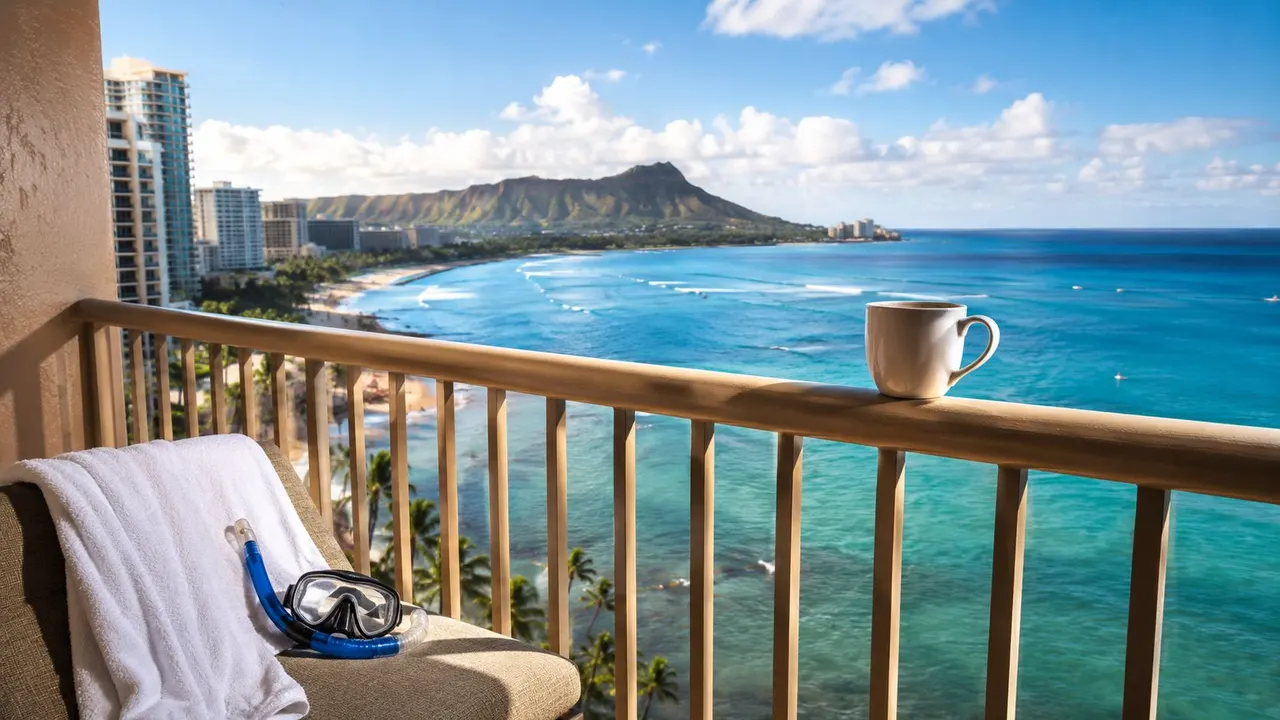
You're on a Waikiki lanai with a free morning, a mask on the table, and three questions that matter more than the rest. Do you drive to Hanauma Bay, catch a boat from Kewalo Basin, or gamble on a beach entry and hope the ocean is kind? On Oahu, that choice decides whether your snorkel day feels easy, crowded, and clear, or whether it turns into a long parking hunt, choppy water, and a short swim.
The right answer usually isn't the most famous beach. It's the shore, the season, and the entry point that fit your group. For first-timers and families, a guided boat from Kewalo Basin often beats the classic shore sites because it removes the parking stress, puts you in better water, and gets you away from the heaviest crowds.
Why Oahu Is One of the Best Places to Snorkel in the World
A lot of visitors ask the wrong first question. They ask which beach is “best,” when the key question is which water you're going to get on the day you go. On Oahu, that matters because a calm leeward cove, a regulated bay, and a windward shore can feel like three different islands.
The island rewards simple, realistic plans
Oahu works for snorkeling because the island gives you options. South and west-facing shores are often more sheltered, and summer usually delivers the friendliest overall conditions for a first snorkel. That's why families, casual swimmers, and anyone nervous about open water tend to do better when they plan around the shore and not just the weather on land.
The other reason Oahu stands out is accessibility. You can stay in Waikiki, make a morning of it, and still be back for lunch if you choose the right site. You can also skip the beach-entry scramble entirely and head out on a boat, which is often the smarter move when your group includes beginners or people who don't want to wrestle with parking, reservations, and surf checks.
The ocean doesn't care that your hotel has a nice view. It only cares about swell, wind, and entry point.
Hanauma Bay is the clearest example of both Oahu's appeal and its limits. It was designated a Marine Life Conservation District in 1967, and before reservation limits began in 2021 it saw over 3,000 visitors per day and more than 1 million visitors annually. The cap dropped access to 720 visitors per day (source). That tells you everything about the island's snorkel problem and its strength. The site is iconic, but the island's best-known shoreline spots are also the ones everyone else wants.
What makes the learning curve shorter here
For first-timers, Oahu is forgiving when you choose the right place at the right time. Sheltered reef systems let you float, look, and breathe without having to fight current or surf at the shoreline. That's why the island is so good for travelers who want to learn as they go instead of treating the first snorkel like a training session.
The central tension stays the same across the island. Famous shore sites bring easy access and big-name appeal, but they also bring crowding, rules, and a real sensitivity to conditions. Guided boat trips solve a lot of that in one move, especially if you're staying in Waikiki and want a clean, low-drama outing.
Reading Oahu's Water Conditions Before You Go
The difference between a great snorkel and a frustrating one usually comes down to three things, swell, wind, and surge. If you watch those instead of the sky from your hotel window, you'll make better decisions on Oahu. “Sunny” doesn't mean “snorkelable,” and a breezy morning can be fine on one shore while miserable on another.
Read the shore, not just the forecast
A live conditions report for Hanauma Bay showed 6.0/10, fair visibility, 15–20 mph easterly winds, and 2–4 ft surge break, while Ko Olina Coves scored 7.5/10 with 15 mph easterly winds and only 1–2 ft light ripple (source). Same island, same day, very different water. That's the point. Leeward geometry and reef structure can make one shoreline calm enough to enjoy while another feels rough and cloudy.
If you want a simple rule, use this one. South and west-facing shores are usually more sheltered from deep-ocean swell, while the North Shore is the safer bet in summer and a poor choice when winter surf rolls in. Independent forecast guidance also weights wave height below 0.36 m and wind below 5.4 m/s as the better range for snorkeling conditions, because once waves and wind rise above those thresholds, surface chop and reduced slack-water windows become much more of a factor (source).
Practical rule: if the forecast looks borderline, choose the sheltered shore or skip the beach entry and book a boat.
The timing trick that changes everything
Early morning usually wins. Tradewinds tend to strengthen later in the day, and that means more chop, more stirred-up water, and a harder first entry. For families and first-time snorkelers, morning on a leeward shore is the highest-probability setup because you're getting the water before it has had a full day to build energy.
If you want a more local way to check before you leave the hotel, use this Oahu surf forecast tool and compare the shore you want with the time you plan to enter. That's how good snorkel days are built, not by guessing from the balcony.
The Best Shore Snorkel Sites on Oahu
A good snorkel day on Oahu starts with the right shoreline for the conditions, the crowd, and the weakest swimmer in your group. Some beaches look great on paper and fall apart once the wind fills in. Others are easy enough, but they bring a parking headache or a packed entry line. The main task is matching the site to the day, not chasing a photo.
Where each shore site fits best
Hanauma Bay is the classic choice for a reason. The reef is protected, the rules are strict, and the whole visit is managed from the start. The bay requires a 9-minute orientation video, is open Wednesday through Sunday, with hours listed as 6:45 a.m. to 4:00 p.m., and there is no entry after 1:30 p.m.. It is closed on Mondays and Tuesdays so the reef can recover (source). That setup works well for beginners who can handle a reservation system and do not mind a tightly controlled experience.
Shark's Cove is a summer favorite on the North Shore. It sits inside a Marine Life Conservation District, but winter surf can turn it rough fast, so it fits confident swimmers who understand that a sheltered-looking cove is not always a calm one. Parking is limited, and early arrival matters more than casual planning. In summer, it can feel like the North Shore's easiest reef day, but it is not a year-round casual option. For another sheltered North Shore-style entry, the Kuilima Cove snorkeling guide is worth a look when you are comparing mellow shore spots.
Ko Olina is the easiest family-style shore pick. The lagoon setup keeps the water gentler and lowers the stress level, and it is the place I would send visitors who want a simple entry without much technical effort. The trade-off is crowding, because plenty of other people come to the same conclusion.
Electric Beach is the advanced pick. It can produce strong fish life, but the entry is less forgiving and the walk in is real. That makes it better for swimmers who are comfortable with a more exposed shoreline and do not need much help getting settled in the water. It is not the place I would choose for a nervous beginner.
| Oahu shore snorkel sites at a glance | Skill level | Best season | Key constraint |
|---|---|---|---|
| Hanauma Bay | Beginner to casual swimmer | Year-round, strongest in calmer months | Reservation rules and entry cutoff |
| Shark’s Cove | Confident swimmer | Summer | Winter surf exposure |
| Ko Olina | Families and first-timers | Year-round | Can feel busy |
| Electric Beach | Experienced snorkeler | Best in calmer conditions | More demanding entry |
The honest way to choose
If your group wants the easiest day, Ko Olina is the simpler shore option. If you want a managed reef day and can live with the reservation burden, Hanauma Bay fits that role. If your group wants a more adventurous shoreline, Shark's Cove or Electric Beach can deliver, but only when the conditions cooperate and everyone in the group knows what they are doing.
That is why I do not push people toward a clean “best beach” list. I push them toward the site that fits the swell, the wind, the parking reality, and the weakest swimmer in the group. For first-timers and families, a guided boat trip from Kewalo Basin often beats the famous shore sites because the captain chooses the day's water, the entry is simpler, and the crowd pressure on land drops away.
Snorkel Gear and What Beginners Should Actually Wear
Bad gear ruins more first snorkels than bad swimmers do. A mask that leaks, fins that feel awkward, or a shirt that burns in the sun can turn a calm morning into a frustrating one fast. For beginners, the goal isn't to look like a diver, it's to stay relaxed long enough to enjoy the reef.
Start with the mask, then everything else
Mask fit matters more than almost any other piece of gear. The simplest test is to press the mask gently to your face without using the strap and inhale slightly through your nose. If it holds in place and feels comfortable, you're on the right track. If it slips or pinches, keep trying.
Short fins are usually easier for less confident swimmers because they're lighter and less awkward in shallow water. Long, stiff fins can help in open water, but they're not the first thing I'd hand to a family with kids or a traveler who's still getting used to breathing through a snorkel. A calm float is better than a strong kick.
Use gear that supports comfort, not ego
Snorkeling vests and lifejackets are the simplest safety upgrade for families. They make floating easier, reduce fatigue, and let beginners focus on breathing and looking around instead of constantly managing body position. Rashguards or UV shirts are also a smarter choice than loading up on sunscreen-heavy beachwear, especially when you plan to stay out for a while.
I don't recommend reef shoes as a default. Coral is fragile, and boots make some people more willing to stand where they shouldn't. Better to keep your feet off the reef entirely and use a gentle entry where possible.
A comfortable snorkeler pays attention to the ocean. A fidgety one spends the whole time fixing gear.
If you want a tighter packing list before you head out, use this Oahu snorkeling gear guide and keep the kit simple. The right setup should feel boring on land and invisible in the water.
Snorkel Safety and Ocean Etiquette on Oahu
The safety picture in Hawaiʻi is serious, and Oahu sits right in the middle of it. State reporting and later coverage pointed to a high number of snorkeling-related deaths over several years, with tourists making up most of those cases, and later reports also showed that non-resident drownings continued to be a problem during the summer months. Earlier state reporting identified Hanauma Bay and Waikiki Beach among the five deadliest beaches in Hawaiʻi (source).
The real risks are usually quiet
Most snorkel incidents don't start with drama. They begin with fatigue, poor breathing control, bad positioning, or a swimmer who does not notice current building under them. A face-down float looks harmless until someone stops kicking, gets tired, or drifts into rougher water.
Hawaiʻi's ocean-safety guidance is straightforward. Snorkelers should avoid entering the water in high surf, high winds, heavy shorebreak, and strong currents, and they should check with lifeguards before going in (source). If you use a full-face mask, the state also advises breathing only through the nose with slow, calm breaths, which matters more than many beginners realize.
Etiquette is part of safety
Hanauma Bay shows how reef protection and visitor safety overlap. Every visitor watches the required video, and the rules prohibit alcohol, fishing, watercraft, feeding fish, taking sand or coral, and touching sea turtles or seals (source). Those rules are not there to make the day harder. They keep people from making small mistakes that harm both wildlife and snorkelers.
The same standard applies elsewhere. Don't touch turtles. Don't stand on coral. Don't snorkel alone if you can avoid it. And don't assume a famous beach is automatically safe just because other people are already in the water.
Check with the lifeguard, not the guy in the parking lot who “did it yesterday.”
For a plain-language reef code before you go, read this Oahu reef etiquette guide and keep it simple on the water.
If you keep one principle in mind, make it this. The ocean rewards restraint. The people who move slowly, stay close to the entry, and read the water carefully usually have the better day.
Why a Guided Snorkel Tour Beats the Crowds
For a lot of Waikiki visitors, the smartest snorkel choice isn't a shore site at all. It's a boat. That may sound less “independent,” but on Oahu it often gives you the cleaner water, lower crowding, and easier logistics that shore sites can't promise every day.
Boats solve the parts guests complain about most
A good guided trip takes care of the friction before it turns into a problem. The operator handles parking, reservations, gear, safety briefing, and the entry plan. You don't spend the morning circling lots or guessing whether the surf has changed since breakfast. You show up, get fitted, listen once, and get in the water.
That matters because offshore reefs usually outperform beach entries on visibility and crowding. You're not fighting the same shoreline turbulence, and you're not sharing one narrow entry with half the island. For families and nervous swimmers, that alone changes the whole mood of the day.
Living Ocean Tours runs daily from Kewalo Basin Boat Harbor near Waikiki, and its Turtle Canyons Snorkel Excursion goes to a known Hawaiian green sea turtle cleaning station. The company also offers the Deluxe Waikiki Snorkel & Wildlife Cruise, which adds a waterslide, water trampoline, and lily pad for families who want more than a swim. If you want the actual tour page for that option, it's here: Waikiki Snorkel and Waterslide Tour.
Why the boat often wins for Waikiki-based travelers
This is the part shore-site articles usually gloss over. If you're staying in Waikiki, your time is valuable and your group may not all snorkel at the same level. A boat out of Kewalo Basin solves the location problem, the crowding problem, and the “who has to carry all the gear?” problem in one move.
Practical rule: if one person in the group is hesitant, book the boat instead of forcing a shore compromise.
If you want a ready-to-book option, the Deluxe Waikiki Snorkeling and Wildlife Cruise gives the group more room to relax and less reason to argue about the plan.
Sample Itineraries From Waikiki and Kewalo Basin
The cleanest way to turn all of this into a real day is to pick one plan and stick with it. Shore days work when the weather is calm, the timing is right, and your group is happy to move at the pace the island sets. A boat day from Kewalo Basin works better when you want less hassle, better odds in the water, and a trip that does not depend on parking, reservations, or shorebreak.
Plan A, DIY shore morning
Start with an early Hanauma Bay reservation and keep the snorkel part of the day focused. As noted earlier, the bay has limited access rules, so the earliest slot gives you the best chance to enjoy it before the crowds build and your energy starts to drop. After the swim, head to Hawaii Kai for lunch and leave the rest of the day open instead of trying to squeeze in one more stop.
If the water looks edgy, choose Ko Olina rather than trying to salvage a rough Hanauma Bay day. Ko Olina gives you a more sheltered shoreline and a better chance of a comfortable swim when the wind or surf makes the south shore less forgiving. The smart move is to make that call before you leave Waikiki, not after you have already spent time in traffic and parked the group at the wrong beach.
Plan B, Kewalo Basin boat day
Take a ride-share or walk to Kewalo Basin Boat Harbor and book a morning Turtle Canyons snorkel excursion. Boats usually leave between 7 and 8 a.m., which gets you on the water before the tradewinds pick up and before the day crowd starts to crowd the shoreline. Gear, instruction, and the basics are handled on board, so nobody has to sort rentals at the last minute or hunt for a mask that fits.
If you are planning the day around Waikiki, use this Oahu snorkeling itinerary guide to map the logistics before you go. That keeps the day orderly, especially when you are coordinating a mixed group with different comfort levels in the water.
Non-snorkelers still have good options after the morning trip. The waterslide cruise works for families who want something playful after the snorkel, and a sunset cruise fits groups that want to stay on the water without getting back in for a second swim.
Booking Tips and Your Final Checklist
Pick the shore based on conditions and skill, not just the name recognition. Put safety ahead of savings, especially if the forecast looks borderline or someone in your group is nervous. And if you want the least stressful option, a guided boat trip is the right call whenever crowding, parking, or surf exposure starts to complicate the day.
Before you book, check the marine forecast the night before, book Turtle Canyons early in peak season, and confirm the operator's sustainability practices. If your group wants the simplest all-in-one option from Waikiki, book the Waikiki snorkel and waterslide tour from Kewalo Basin.
Living Ocean Tours runs daily snorkel trips from Kewalo Basin near Waikiki, including Turtle Canyons and family-friendly cruises that make the logistics easy. If you want a straightforward Oahu snorkel day with gear, instruction, and a calmer on-water experience, visit Living Ocean Tours and pick the trip that fits your group.


