
Snorkeling in Honolulu, Hawaii: Best Spots & Tours 2026
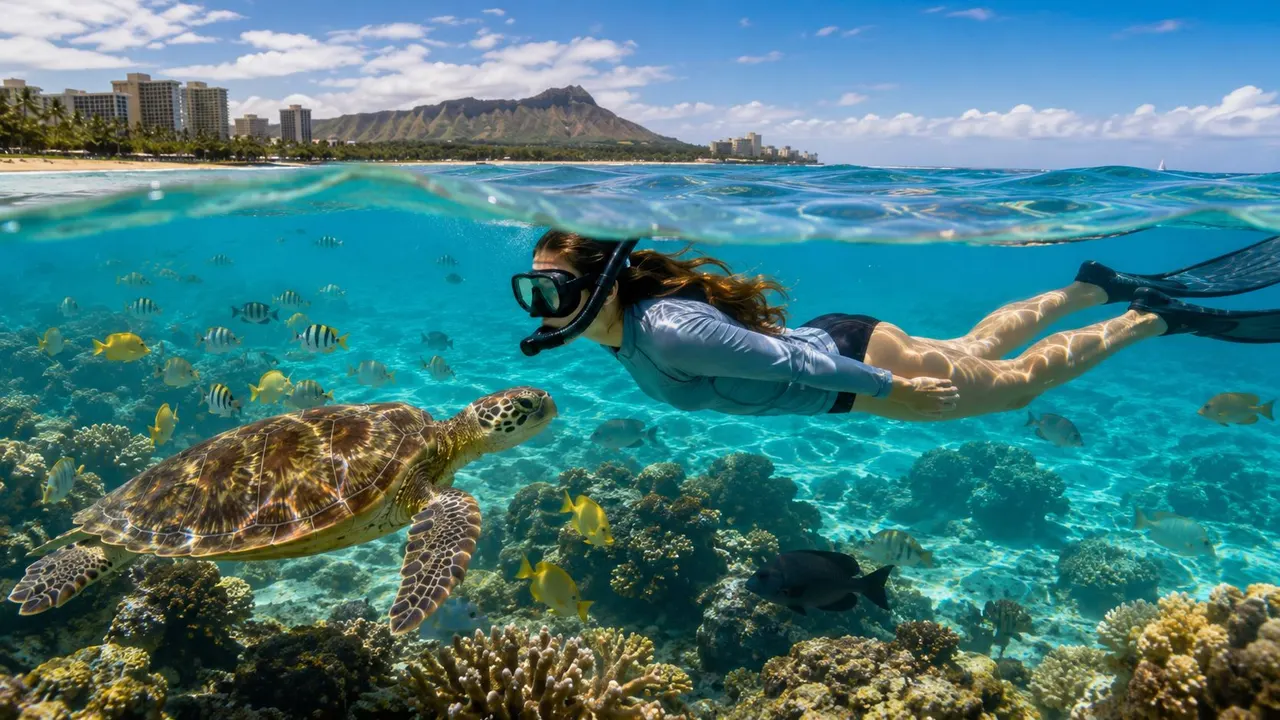
You've just landed in Honolulu, or you're staring at a beach bag in your hotel room and wondering whether to head out at sunrise or book a boat instead. That's the right question to ask. Snorkeling in Honolulu, Hawaii can be as easy or as rewarding as you make it, but the best day usually comes from matching the spot, the timing, and your comfort level instead of chasing the prettiest photo online.
Honolulu works because it gives beginners, families, and confident swimmers a real choice. You can step in from shore at the right place, or you can let a guided trip handle the moving parts and get you straight to better water. The difference matters, especially when you care about clarity, crowds, and safety more than just checking a box.
Why Honolulu is a Snorkeler's Paradise
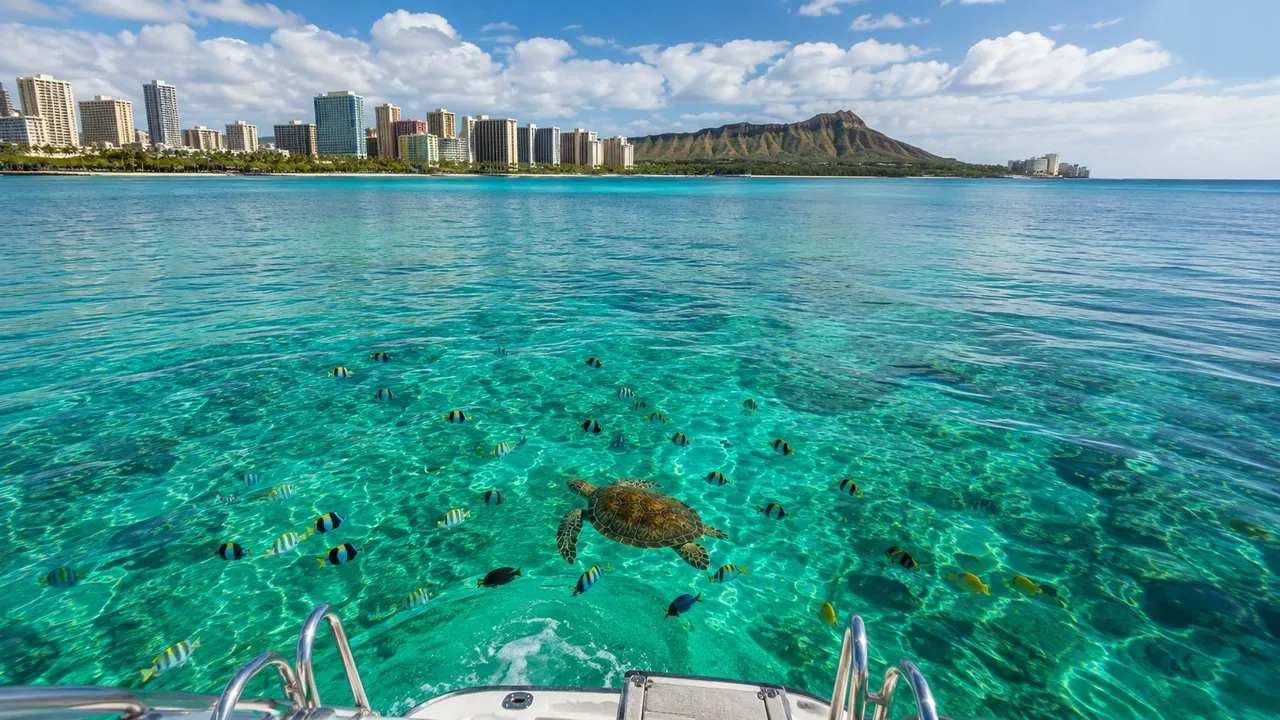
A city beach where the ocean does the heavy lifting
You can step out onto Waikiki Beach, already have your sunscreen on, and look at water that seems calm enough for a nervous first-timer to try. That is Honolulu's practical advantage. The city gives you a famous shoreline, easy access, and a marine setting that feels friendly without turning the day into a full expedition.
Snorkeling is a major part of Hawaii's marine tourism, and one independent guide estimates about 3 million people explore Hawaiian waters each year. See the Honolulu snorkeling overview. That same guide also points to Hanauma Bay as a major draw and notes the prime snorkeling window is May through September, when calmer summer conditions usually help visibility and make casual swims easier. For anyone comparing species before getting in the water, our Oahu reef fish snorkeling guide gives a useful look at the fish you are likely to notice once you are floating over the reef.
Why first-timers and families keep choosing Honolulu
Honolulu's appeal is not just the tropical look of the water. It is the range of entry points, from protected coves to guided departures, so different swimmers can choose the setup that matches their comfort level. That matters for families, because a strong swimmer and a cautious parent may want completely different mornings in the ocean.
You also have a real chance to see honu, the Hawaiian green sea turtle, in the right place and at the right distance. The important part is matching the spot to the swimmer. A sheltered bay, a shallow reef, and an offshore trip all ask different things from your legs, lungs, and patience.
Practical rule: Honolulu gives the best results to people who match the water to the way they enter it. Calm water helps, but the entry point still shapes the whole experience.
The city also makes it easy to build an ocean day around your hotel, lunch plans, and energy level instead of committing to a long drive. That is one reason snorkeling in Honolulu works so well for short trips and multi-generational travel. You stay close to the action, but the ocean still feels like the center of the day.
The Best Shore Snorkeling Spots Near Honolulu
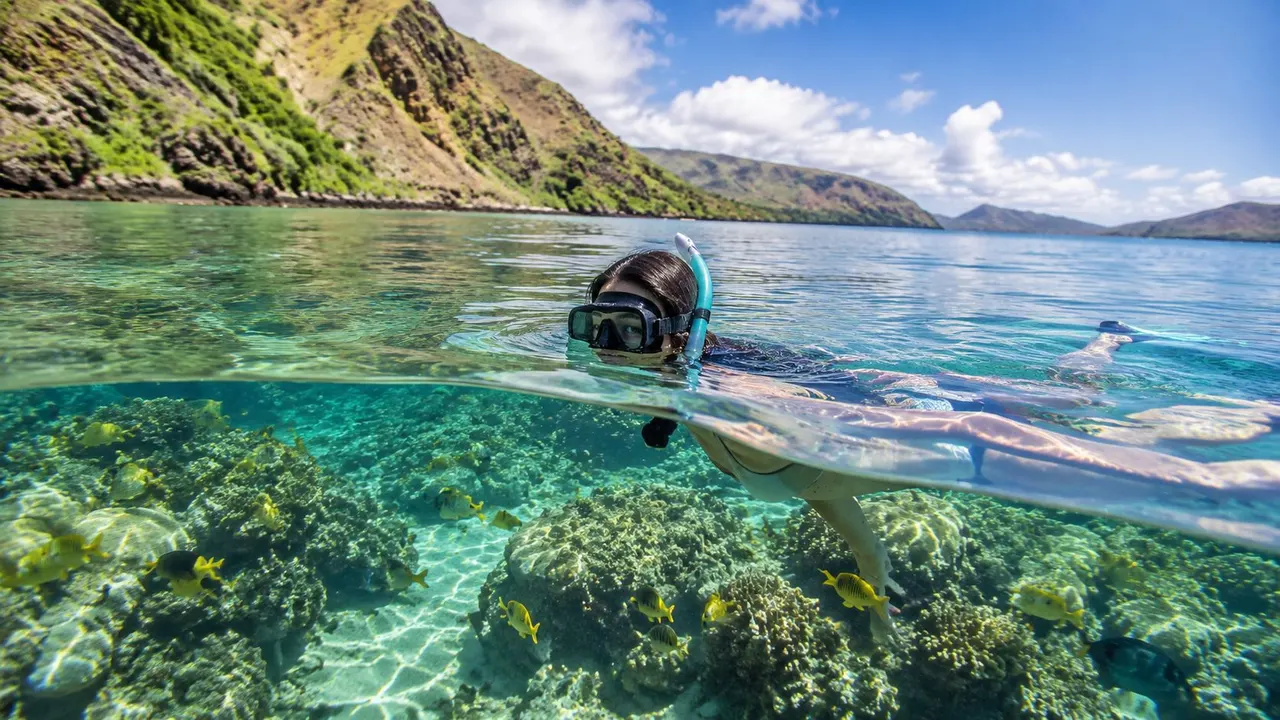
Hanauma Bay when you want structure and protection
If you want the most controlled shore-entry option near Honolulu, Hanauma Bay is the place to look first. The bay is managed carefully, and that structure matters when you are choosing between an easy beach entry and a more self-directed snorkel morning. Its operating schedule is simple, 6:45 a.m. to 4:00 p.m., entry is allowed only until 1:30 p.m., and it's closed on Mondays and Tuesdays so the reef and marine life get a break from visitors. For current Hanauma Bay access details for structured snorkeling, plan ahead before you go. Hanauma Bay access details
That structure helps beginners because the bay's protected status usually creates a more controlled experience than an open shoreline. The trade-off is planning. You cannot treat Hanauma Bay like a spontaneous beach stop, and that is the point. It rewards an early start, a little patience, and swimmers who want a shore site where the setup is already working in their favor.
Waikiki and nearby reef pockets for convenience
Waikiki can work for casual snorkeling when the ocean lines up, but I usually treat it as a convenience-first option rather than a place that guarantees a strong reef experience. The upside is obvious. You are already in the center of the city, close to hotels, food, restrooms, and easy logistics.
The downside is just as real. You share the water with swimmers, paddlers, beach traffic, and conditions that can change from one hour to the next. For some travelers, that is fine because they want a relaxed ocean hour with very little planning. For others, the crowd level and mixed use make Waikiki a better place to swim than to commit to a serious snorkel session.
Shark's Cove for summer-only confidence
North Shore shore-snorkeling needs a seasonal filter, and Shark's Cove is the clearest example. People talk about it because the reef can be interesting, but the surf makes the decision for you more often than not. Summer is the season to consider, because winter surf on the North Shore can be far beyond what casual snorkelers should try.
That caution is not optional. Hawaii's official safety guidance makes clear that high surf, strong winds, and heavy shorebreak make snorkeling poor or unsafe, and that applies whether the water looks inviting from the parking area or not. A pretty cove can turn into a poor choice quickly when the ocean has energy in it.
Hanauma Bay suits planners. Waikiki suits convenience seekers. Shark's Cove suits experienced snorkelers who understand seasonal limits and know when to skip a session.
If you want a shore-entry morning without overcomplicating the day, Hanauma Bay usually gives the cleanest balance of access and protection. If you are comparing spots for yourself, match the site to your skill level before you compare the photos.
Shore Entry vs Guided Boat Tour: A Key Decision
What shore entry gives you and what it takes away
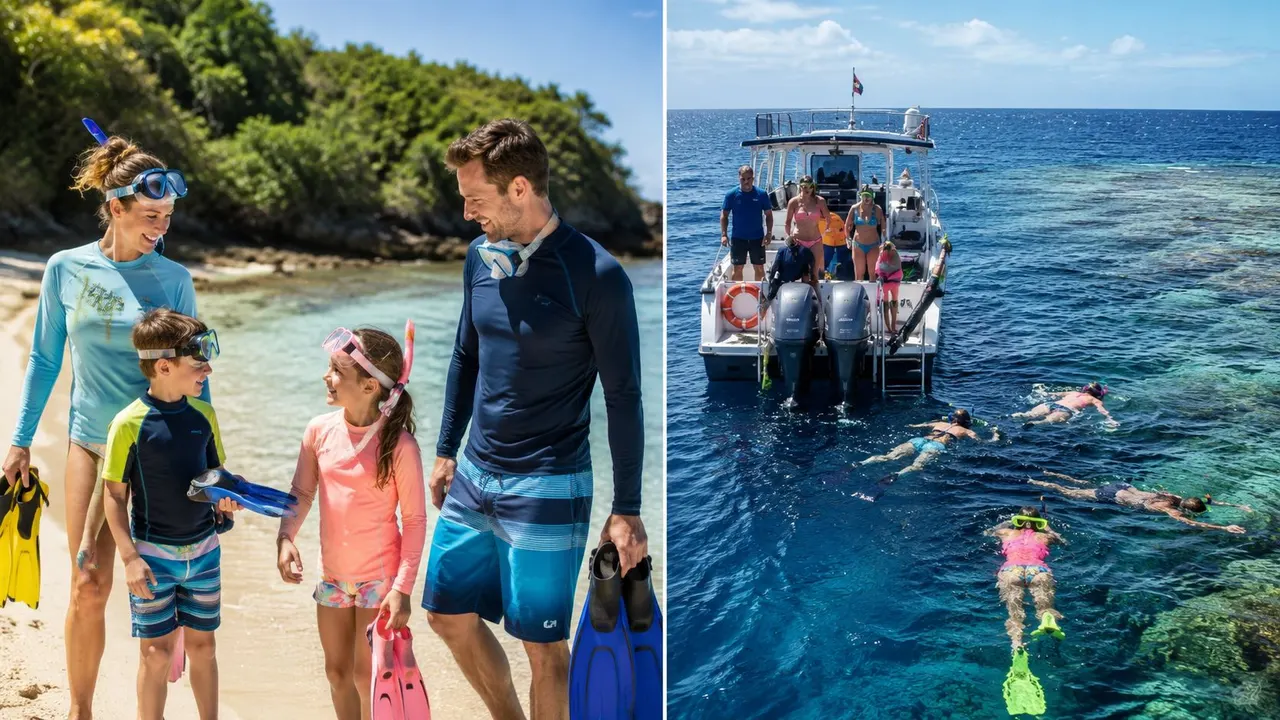
A shore snorkel feels straightforward. You bring your mask, walk in from the beach, and start looking for fish. That works well for travelers who want flexibility, do not mind a changing entry, and are comfortable judging the ocean on their own.
The trade-off is real. Shore sites can be crowded, and the water can shift quickly with wind, swell, and shorebreak. You are also handling your own route, your own gear fit, and your own call on whether the conditions still make sense. For confident swimmers, that independence is part of the appeal. For beginners, it can become the part that adds stress.
If you want a sense of how Waikiki compares with more offshore water, our guide to Waikiki beach snorkeling and offshore reefs breaks down the practical differences.
What a guided boat trip changes immediately
A guided boat trip removes several of those unknowns at once. You are not guessing where to enter, trying to manage gear on the sand, or wondering whether the reef will be worth the effort that morning. The crew handles the setup and keeps an eye on conditions, so the morning starts with less friction.
That matters most if you care about less crowd pressure, better logistics, and professional supervision. It also suits travelers who want a more polished water day without turning the morning into a test of beach strategy. The ocean can still change, but a guided launch gives you support that shore entry does not provide.
A quick way to choose
If you want freedom and you are comfortable improvising, shore entry makes sense. If you want less uncertainty and a more curated water day, the boat usually wins.
- Choose shore entry if you are confident in open-water judgment, do not mind crowds, and want to control your own schedule.
- Choose a guided boat if you want cleaner logistics, fewer decisions, and better support for beginners or mixed-skill groups.
- Choose the earliest start either way if you want the calmest feel and the least hassle before the ocean gets busier.
The choice is not shore versus boat in the abstract. It is whether you want to manage the variables yourself or hand them to a crew and focus on the swim. For a lot of visitors, that is the point where a guided option feels less like a splurge and more like the smarter way to spend the morning.
The Ultimate Guided Snorkel Experience with Living Ocean Tours
Why a guided trip solves the usual Honolulu problems
A lot of snorkel days in Honolulu start with the same choices. Which beach has usable entry, how crowded is the access point, and whether the water will look good once you get there. A guided boat trip takes several of those variables off your plate before you leave the dock.
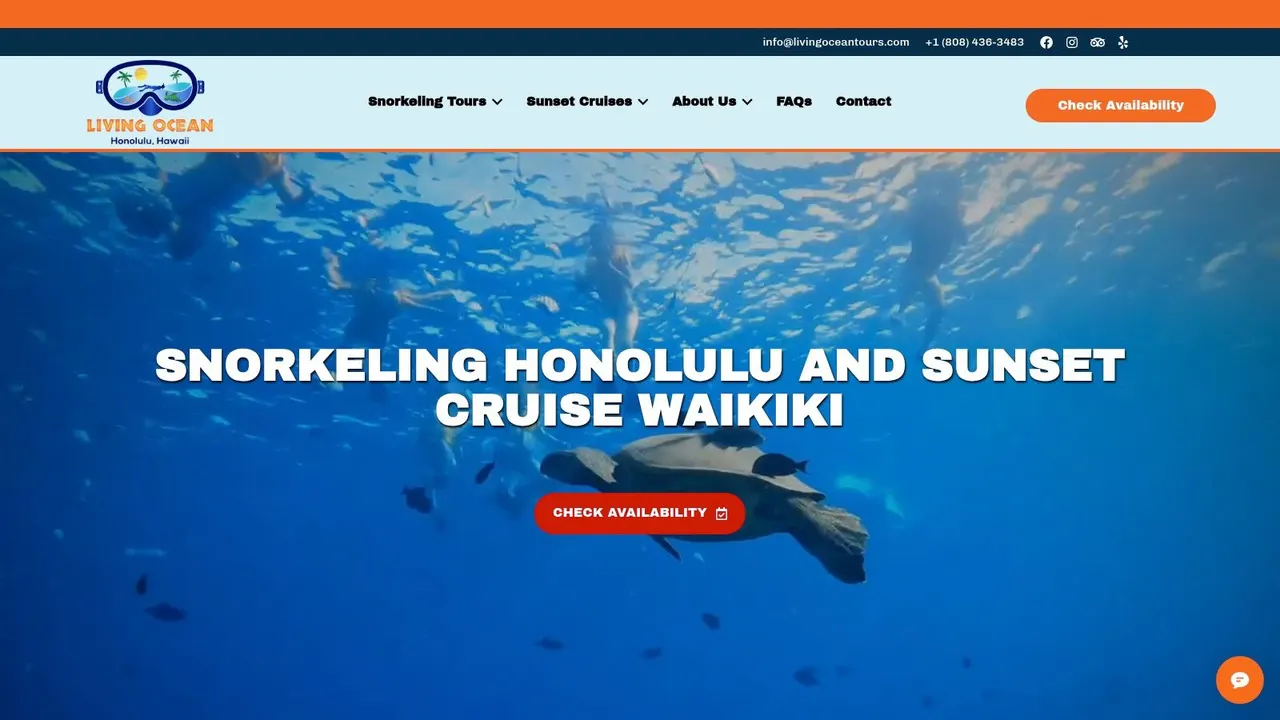
Living Ocean Tours operates from Honolulu and offers a guided snorkel option on Oahu with gear and in-water support included, which helps a lot for first-timers and for anyone who does not want to sort out the details on their own. Their Deluxe Waikiki Snorkel & Waterslide is set up for families and casual swimmers who want a little extra fun on the water, while the Turtle Canyons Snorkel Excursion centers on a well-known turtle area with guide support. For a quick look at the company's snorkel options, see the Living Ocean Tours snorkel details, the Waikiki snorkel tour page, and the Turtle Canyons snorkel excursion.
What families and beginners actually get
For families, the practical benefit is simple. A boat trip cuts down on beach setup, and the crew can help with instruction, equipment, and confidence once people are in the water. That matters when one person is eager to snorkel and another is worried about getting tired, swallowing water, or losing rhythm with the snorkel.
The day also feels more deliberate. Shore spots around Honolulu can look great and still be frustrating if parking is tight, surf is up, or the entrance is crowded. A guided trip gives you a clearer plan and fewer moving parts, so you spend more energy swimming and less energy guessing.
Reviews, booking, and the two tour styles
The review widget is worth checking before you decide, because snorkeling is one of those activities where recent guest experience tells you a lot about how the day really runs. If you are comparing options, the two tours below cover the main use cases well, a playful family outing and a more wildlife-focused snorkel.
If you want one more way to compare the company's overall snorkel offering, this internal guide is useful too: Living Ocean Tours snorkel company overview. The appeal is straightforward. You get structure, gear, and a chance to spend your attention on the water instead of on the logistics around it.
Timing Your Snorkel Adventure When to Go
Season matters more than most travelers expect
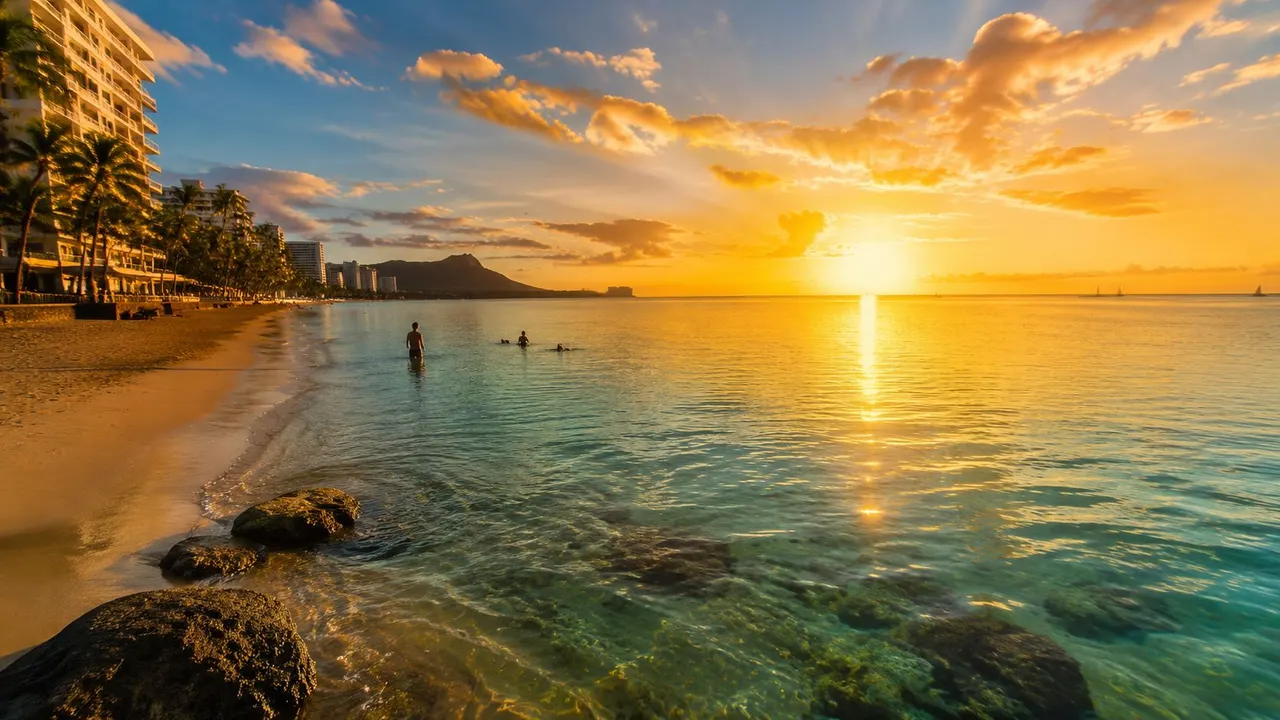
Honolulu snorkeling is easiest when the ocean is calmer, and the broad seasonal pattern points to May through September as the best window in one guide, with another narrowing the most consistently enjoyable stretch to June through September. Those months tend to bring better visibility, lighter surface chop, and a more forgiving entry for casual swimmers. Best snorkeling season in Honolulu
That doesn't mean the rest of the year is off limits. It means beginners, families, and anyone who wants less stress should plan around the calmer season if they can, especially if they are choosing between a shore entry and a guided trip. Shore snorkeling can still work outside that window, but the trade-off is more wave action, more crowd pressure at popular access points, and a higher chance that the day feels harder than expected.
Water temperature also plays into how long people stay comfortable. If you are deciding whether to snorkel from shore or join a boat, our Oahu water temperature guide helps set expectations before you pack a suit, a rash guard, or a thicker layer for cooler days.
Early morning is where the day usually starts best
In Honolulu and Waikiki, the most reliable snorkeling window is typically the first 2 to 3 hours after sunrise, and local guidance recommends entering the water between 7:00 a.m. and 10:00 a.m. Early morning snorkel timing Overnight wind relaxation reduces surface chop and suspended sediment, then afternoon trade winds usually build wave energy and make visibility worse.
That local pattern matters for more than comfort. A shore snorkeler who arrives late may face busier parking, more people at the entry point, and less time in clean water before conditions start to change. A guided boat tour can still benefit from the same early timing, but it removes some of the uncertainty because the captain and crew can choose the site that fits the morning conditions best.
If you are someone who likes sleeping late, you can still snorkel, but you are giving up the clearest and calmest part of the day. The water does not improve because you waited. In many cases, it gets busier and less forgiving.
Use timing as part of your decision, not an afterthought
Snorkeling conditions are often won or lost before breakfast.
That is why the choice between shore snorkeling and a guided boat tour should include the clock, not just the map. Shore entry rewards early risers who are comfortable checking conditions and moving quickly while the water is calm. A guided departure does that planning for you and usually aims for the safest, smoothest part of the day.
If you want the simplest rule, use this one. Morning beats afternoon, and the calmer season beats the windier one. Once you build your plan around those two facts, it becomes much easier to decide whether to start from the beach or let a crew handle the timing for you.
Essential Safety Gear and Reef Etiquette
Honolulu's snorkeling appeal comes with a serious safety message, and it's not there to scare people off. Since 2005, more than 128 visitors have drowned while snorkeling in Hawaii waters, and a state-linked report covering 2019 to 2023 found snorkeling was the most common activity among 202 non-residents who died from ocean drowning as either the underlying or contributing cause. A separate Hawaii news report said that from 2013 to 2022, there were nearly 800 fatal ocean drownings in total, with 54% involving visitors and about 30% of those fatalities tied to snorkeling. Civil Beat's reporting on snorkeling deaths
Gear that helps, and gear that can trip people up
The first rule is simple, use equipment that fits well and that you know how to use before you enter the water. A loose mask, a badly adjusted strap, or a gear setup you only tested on the beach can turn a relaxed swim into a frustrating one. Hawaii Ocean Safety also warns that snorkel gear can create carbon dioxide buildup severe enough to cause unconsciousness if you feel dizzy or disoriented, so that's not a symptom to push through. Hawaii Ocean Safety snorkeling guidance
Flotation helps many travelers more than they expect. For nervous swimmers, older adults, or parents watching kids, a flotation vest can make breathing and resting in the water feel much easier. Full-face masks deserve extra caution, too. If you're not sure your gear is comfortable, a guided trip can remove a lot of that uncertainty because the crew can help with fit and supervision.
Reef etiquette that protects both you and the ocean
Keep your body and fins off the reef.
That rule matters because coral is living structure, not scenery. The same goes for turtles. Keep a minimum 10-foot (3-meter) distance from Hawaiian green sea turtles, and don't try to follow, touch, or crowd them. Physical contact can damage the animals' protective surfaces and the reef itself. Snorkeling and wildlife distance guidance
The rest is common sense with real consequences. Don't snorkel if the surf is high, the wind is strong, or the shorebreak looks rough. Don't assume a calm-looking beach is safe just because the water is blue. And use reef-safe sunscreen so you're not adding avoidable stress to the ecosystem you came to see.
Safety and stewardship go together here. The safest snorkelers are usually the ones who slow down, check conditions, and treat the reef like something worth protecting.
Your Unforgettable Honolulu Adventure Awaits
Honolulu gives you a rare kind of flexibility. You can build a shore-snorkeling morning around a protected bay, or you can choose a guided boat trip and let the crew handle the parts that usually cause stress. Either way, the best experience comes from matching the water to your skill level, getting out early, and respecting the reef once you're in it.
If you want the simplest path to a better day, a guided trip is hard to beat. It takes pressure off beginners, keeps the logistics clean, and lets you focus on the part everyone came for: the swim, the fish, and the chance to see turtles the right way. For many families, that's the difference between a decent outing and the highlight of the trip.
Living Ocean Tours also offers other Waikiki ocean experiences, including a Waikiki Sunset Cruise and seasonal whale watching when the winter months bring humpback encounters. If you're planning your Honolulu time now, it's smart to look at more than one ocean outing before you lock in the day.
If you want help choosing between shore snorkeling and a guided boat trip, we'd love to get you on the water with the right setup for your group. Visit Living Ocean Tours to check options, compare departures, and book an ocean day that fits your pace, your comfort level, and your Honolulu plans.


