

You're standing on the dock at Kewalo Basin before the city has really woken up, coffee in hand, watching a crew load masks, fins, and flotation while the ocean still looks tame from land. That's the trap with snorkeling in Honolulu, calm-looking water doesn't always mean easy water, and the day you have can be won or lost before you ever step off the boat. If you know how to read the morning, choose the right launch point, and respect the reef, the whole experience gets simpler and safer.
Table of Contents
- Why Honolulu Snorkeling Starts Before You Reach the Water
- The Best Snorkeling Spots in and Around Honolulu
- Reading the Ocean Before You Get In
- Guided Tour Options From Kewalo Basin
- Safety Rules and Wildlife Etiquette That Actually Matter
- What to Pack and What Your Operator Provides
- Best Times, Seasons, and Whale Season Notes
- Choosing Between a Guided Tour and Going on Your Own
Why Honolulu Snorkeling Starts Before You Reach the Water
At 7 a.m. on the Kewalo Basin dock, the decision is already underway. Some guests are headed for a shore entry, hoping the beach looks calm enough to trust. Others are boarding a boat because they'd rather trade guesswork for a guide who can choose a cleaner site, brief the group, and keep an eye on the water state before anyone commits to it. The difference isn't just convenience, it's how much risk you're willing to carry before the first splash.
Honolulu snorkeling is shaped by conditions that change fast. Hawaii Ocean Safety says high surf, high winds, heavy shorebreak, and strong currents are poor snorkeling conditions, and it specifically recommends checking with lifeguards before entry because visibility and swimmer safety drop as wind and swell build Hawaii Ocean Safety snorkeling guidance. That's why a calm-looking shoreline can still be a bad entry, and why a guided departure from Kewalo Basin often beats a crowded beach for first-timers.
Practical rule: if the water looks merely “pretty,” that's not enough. It needs to be readable, manageable, and within your swimming comfort.
The other reason the morning matters is visibility. Honolulu-focused guides consistently point to the early window, when the water is usually cleaner before trade winds strengthen and stir up the nearshore reef Waikiki clear-water timing guide. A boat operator doesn't create calm weather, but it does remove a lot of uncertainty, site selection, gear fitting, flotation, and in-water supervision all happen before you have to make a judgment call on your own.
For visitors who want a simple planning filter, that's the choice: shore reef versus boat reef, self-guided versus guided, early versus late. If you're still trying to decide how to read the water, start with a local forecast tool like Oahu surf forecasts, then choose the least complicated route to the reef that still matches your skill level.
The Best Snorkeling Spots in and Around Honolulu
Honolulu doesn't reward the same spot for every traveler. A strong swimmer with a full morning and a rental car can make one kind of day work, while a family with kids or a nervous first-timer needs a different playbook. The right question isn't “Where's the prettiest water,” it's “Which site matches the day I have.”
Shore access versus boat access
Hanauma Bay is the classic shore option, but it's tightly managed. Local reporting says it requires advance reservations, caps visitation at 1,000 people per day, and closes on Mondays and Tuesdays Hanauma Bay management details. That structure protects the reef and keeps crowds in check, but it also makes the bay a planning exercise rather than a spontaneous stop. On the other hand, lifeguards consistently identify only the stretch between Waikiki and Ala Moana Park as suitable for solo beach snorkeling, which tells you how narrow the beginner-friendly shoreline window really is solo-friendly shoreline guidance.
Boat sites solve a different problem. Turtle Canyons, for example, is a high-probability turtle-viewing area reached by boat, and it removes the uncertainty of finding a good entry point off the beach Turtle viewing in Oahu. That matters for families and non-swimmers because the operator controls the launch, the timing, and the supervision. A boat won't make rough water safe, but it can put you over a productive reef without asking you to manage surf and shorebreak first.
Good fit usually beats famous name. A less famous site with the right entry style often delivers a better day than a marquee beach with bad conditions.
Honolulu snorkeling spots at a glance
| Spot | Access | Best For | Watch Out For |
|---|---|---|---|
| Hanauma Bay | Shore, reservation-based | Protected reef time, organized beach snorkeling | Reservations, fixed hours, crowd pressure |
| Waikiki to Ala Moana | Shore | Solo beach snorkeling for capable swimmers | Limited beginner-safe zone, nearshore conditions |
| Turtle Canyons | Boat | Turtle encounters, guided groups, families | Requires a boat departure and weather check |
| North Shore summer reefs | Shore | Seasonal, clearer summer conditions | Not a year-round beginner default, surf exposure |
For many Honolulu visitors, the smarter decision is to match the site to the trip style. If the group wants a controlled reef with guidance, go boat-based. If the goal is a protected shore day and you can handle the reservation process, Hanauma Bay still earns its reputation. If you want the most reliable beginner-friendly experience without a rental car or a lot of guesswork, a guided departure from Waikiki or Kewalo Basin is usually the cleaner solution.
Reading the Ocean Before You Get In
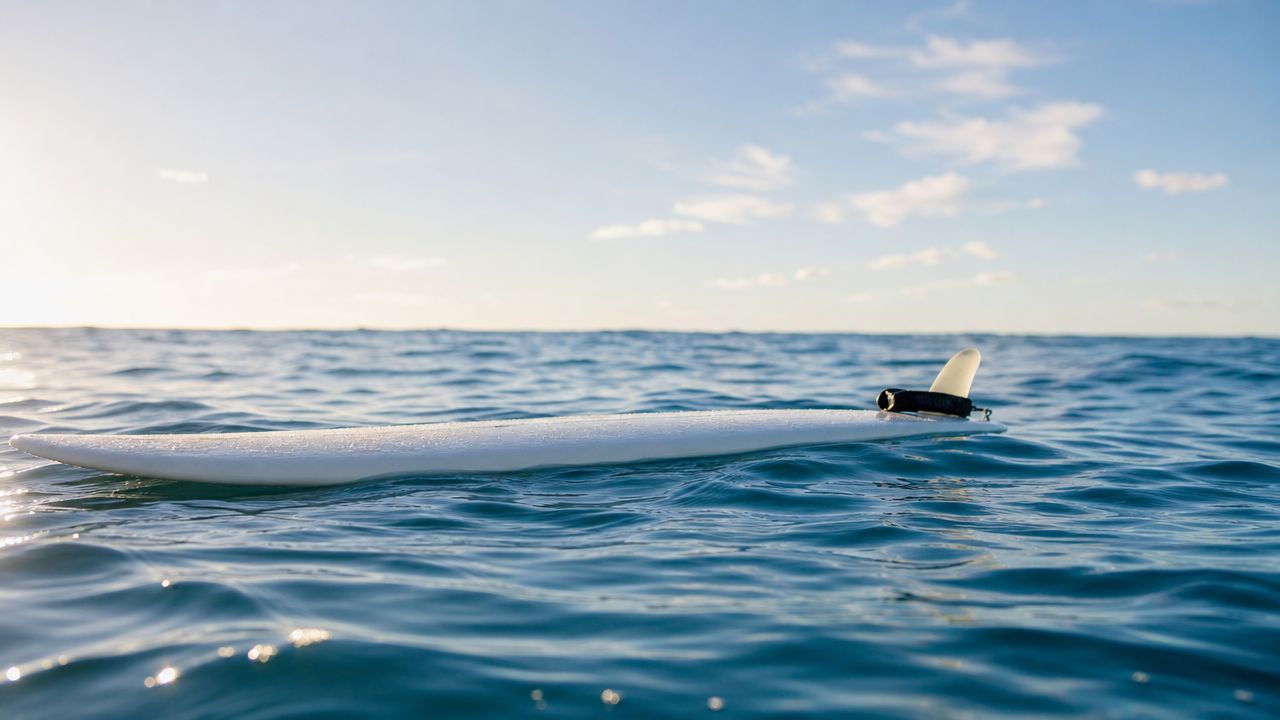
The ocean gives you four useful signals before you decide to snorkel: surf, wind, tide, and swell direction. Miss those, and you're guessing. Read them correctly, and you stop treating every beach morning like the same gamble.
The four variables that matter most
Surf is the first filter. If the forecast shows building surf, especially with heavy shorebreak, that's a warning sign for beginners because getting in and out becomes the hard part, not the snorkeling itself. Wind changes visibility fast, and Hawaii Ocean Safety specifically notes that high winds are bad conditions for snorkeling Hawaii Ocean Safety snorkeling guidance.
Tide matters because shallow reef entries get fussier when water is low, and swell direction tells you whether the beach is taking the energy head-on or slipping under it. A beginner doesn't need to become a forecaster, just learn to notice when multiple signs point the wrong way. If two or more variables look bad, I'd switch to a boat trip or push the swim to another day.
The timing window that usually works
The cleanest nearshore window is often early, roughly 7 to 10 a.m., before trade winds build and stir up the water Honolulu morning visibility timing. A separate Honolulu guide says Waikiki's clearest water typically appears when trade winds are light and summer swells flatten nearshore reef conditions, usually from May through early October, with the best visibility often within about two hours after sunrise seasonal visibility window.
That doesn't mean every summer morning is perfect, and it doesn't mean every afternoon is bad. It does mean the best reef days in Honolulu are narrow, and you should treat the morning like a real appointment, not a loose suggestion.
Guided Tour Options From Kewalo Basin
A guided snorkel trip is doing several jobs at once. It's choosing the site, fitting the gear, keeping the group together, and enforcing the rules that keep people from turning a fun morning into a rescue call. That value shows up most clearly for beginners, families, and anyone who doesn't want to spend half the day decoding beach conditions on their own.
Which tour style fits which traveler
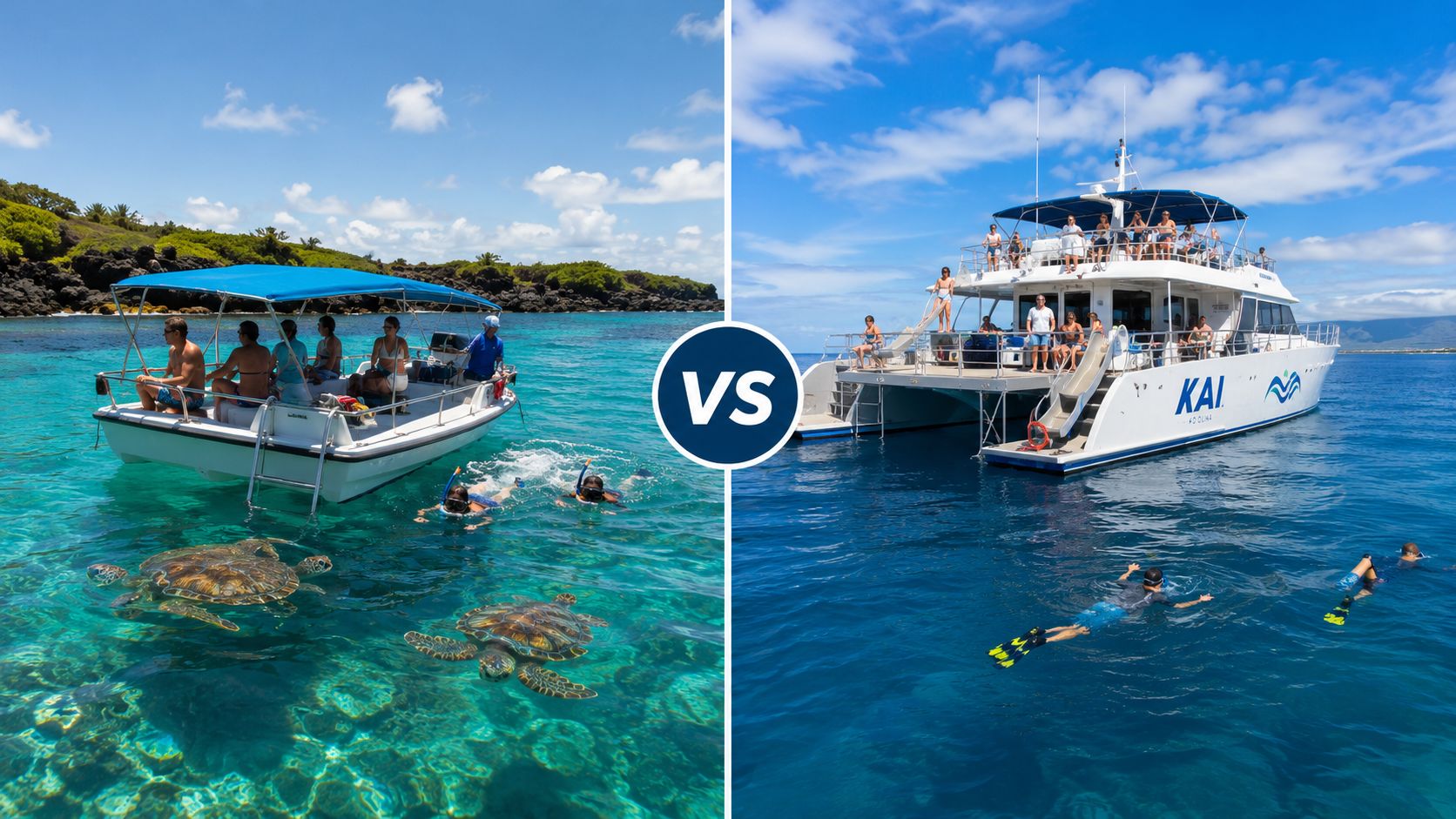
The Turtle Canyons Snorkel Excursion works best for travelers who want turtle-focused snorkeling with guidance and gear already handled. The site itself is valuable because it's a known turtle area, and the boat format lets the crew steer the group toward conditions that are manageable for a mixed experience level Turtle Canyons excursion. It's the cleanest fit for first-timers who still want a real reef swim rather than just a sightseeing ride.
The Deluxe Waikiki Snorkel and Wildlife Cruise is a better match for families who want more than a pure snorkel stop. The waterslide, water trampoline, and lily pad matter because they give kids and non-snorkelers something to do while the group rests away from the crowd. For mixed-age groups, that flexibility often matters more than chasing the longest swim.
The Waikiki Sunset Cruise is the simplest option when the day is about the view, not the reef. It suits couples, small celebrations, and anyone who wants an easier evening on the water after a full beach day. The seasonal whale watch changes the whole experience in winter, because the goal becomes watching the season unfold rather than snorkeling a reef.
A guided crew doesn't just row you out and point at fish. It handles flotation, pacing, etiquette, and the judgment call on whether the ocean is worth entering that day.
If you're comparing Honolulu operators, Living Ocean Tours is widely recognized in local review culture, and its departures from Kewalo Basin make the logistics straightforward. The practical question isn't whether you can find water on your own, it's whether you want a crew to reduce the moving parts before the day starts. For booking context and company details, this Honolulu snorkel company overview is the right place to start.
Safety Rules and Wildlife Etiquette That Actually Matter
Snorkeling safety in Honolulu isn't about being cautious in the abstract. It's about following a few rules that directly prevent the most common mistakes, going out alone, chasing wildlife, fighting current, and underestimating how fast conditions can shift.
Personal safety comes first
If you're new to snorkeling, don't go alone. Hawaii's snorkeling safety guidance says novice snorkelers should not snorkel solo, and lifeguards consistently identify only the Waikiki to Ala Moana Park stretch as suitable for solo beach snorkeling solo-snorkeling guidance. That's not a license to push your luck elsewhere, it's a narrow exception for a very specific shoreline.
If a current picks up, float, signal, and stop fighting it. Use a flotation device such as a vest or belt, because Hawaii's state guidance specifically recommends flotation to reduce fatigue and overexertion Hawaii Ocean Safety snorkeling guidance. The ocean punishes hard swimming when the water is already moving against you.
Wildlife distance rules are not optional
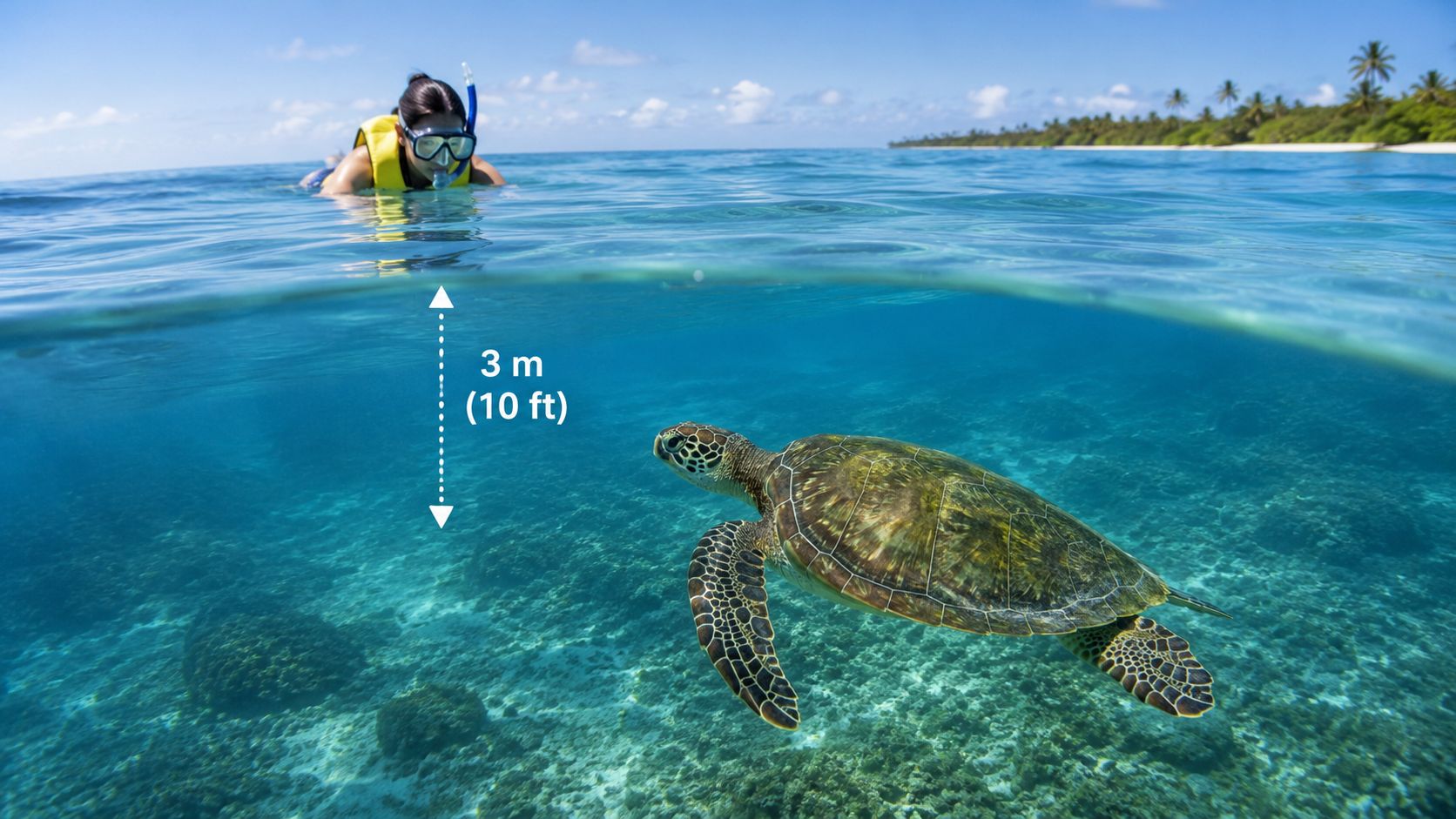
For turtles, the practical rule is to keep at least 10 feet, or 3 meters away, and that distance is about respecting feeding, breathing, and cleaning behavior turtle distance guidance. NOAA guidance cited by a Honolulu snorkeling guide says to stay 50 yards from dolphins, sea turtles, and seals, and 100 yards from whales NOAA marine-life distance rules. Whatever distance rule you're using, the behavior stays the same, no chasing, no blocking, no touching.
Reef etiquette protects the place you came to see
Don't stand on coral, don't stir the bottom, and don't feed fish. A guided crew usually reinforces those habits in real time, which is one reason beginners often come away with a better understanding of the reef than they would from a self-guided entry. Reef-safe sunscreen and a controlled kick keep your swim cleaner, quieter, and less disruptive.
What to Pack and What Your Operator Provides
A good Honolulu snorkel day starts with less gear than one might assume. If you're on a guided trip, the operator usually covers the core in-water equipment and the briefing. Your job is to bring the comfort and backup items that keep the day from getting annoying.
What to bring
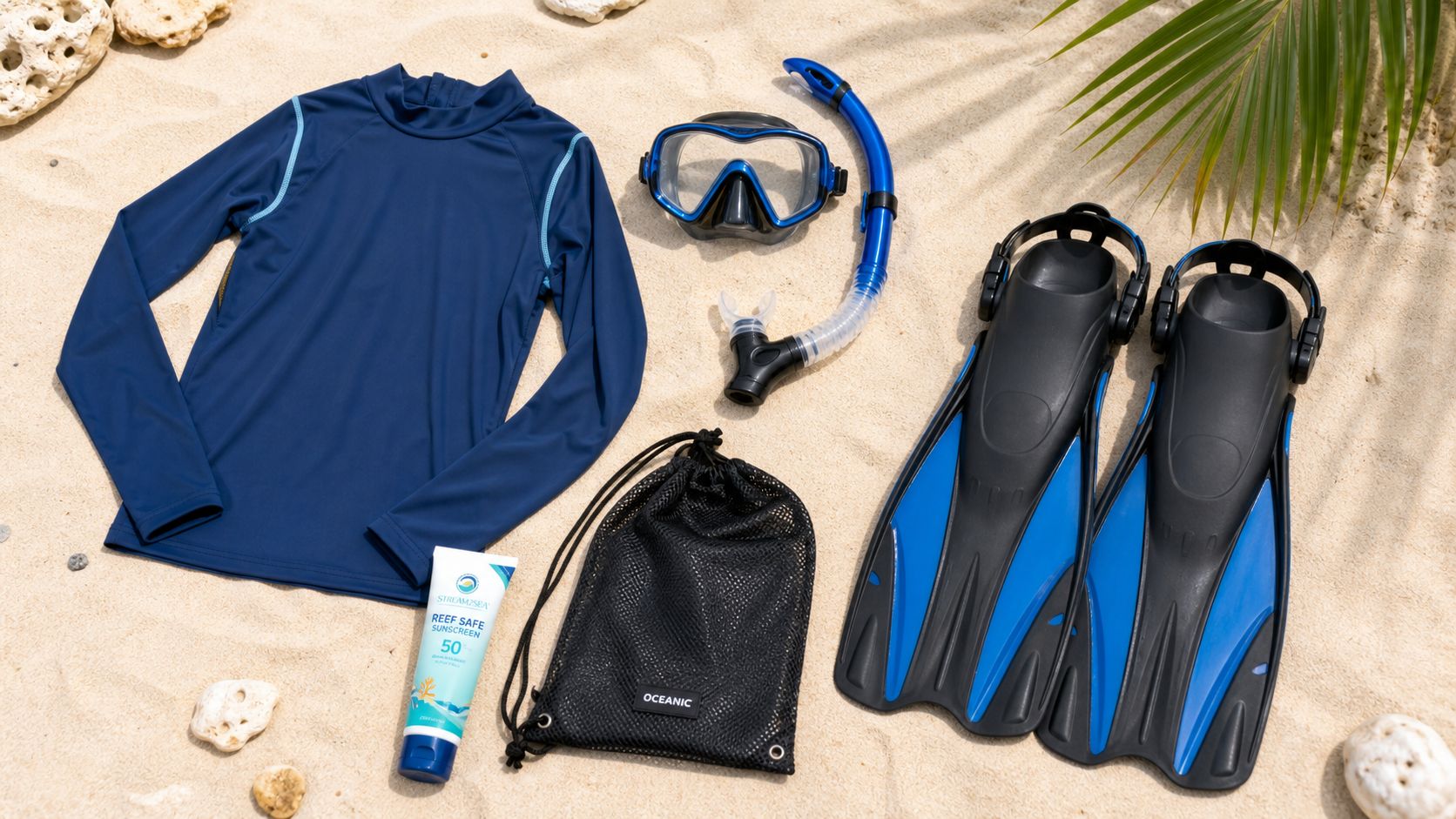
- Reef-safe sunscreen. Use it before you board, not after you're already hot and exposed.
- Rashguard or UV shirt. This saves you from reapplying sunscreen every hour and cuts down on sun burn.
- Towel and dry clothes. Bring a dry layer for the ride back, especially if you're doing an early morning trip.
- Motion sickness medication. If you know you're prone, take care of it before departure.
- Dry bag. Keep your phone, keys, and booking confirmation dry.
- Cash. Harbor parking and tips are easiest when you're not scrambling for payment.
- Reef shoes if you're shoreline snorkeling. They help on sharp or uneven entries, but they're not a substitute for good judgment.
What many operators provide
Most guided snorkel trips supply the essential water gear, mask, snorkel, fins, flotation, and instruction. That's a bigger deal than it sounds, because fit problems are one of the fastest ways to ruin a first snorkel. A crew that helps you adjust the mask and test the snorkel before launch saves time and frustration once you're in the water.
Living Ocean Tours also publishes a useful Oahu snorkel packing list, which is the right kind of prep for families who want to divide responsibility the night before.
Best Times, Seasons, and Whale Season Notes
Timing in Honolulu is really three decisions layered together, the hour of the day, the time of year, and whether your trip overlaps with whale season. If you only have one window, those decisions matter more than almost anything else.
Daily timing comes first
The best nearshore snorkel conditions are usually early, and Honolulu-focused guides point to the morning window, roughly 7 to 10 a.m., before trade winds build morning window guidance. If your morning is limited, use it for the water, not breakfast that runs long. Afternoon entries are more likely to deal with churned-up visibility and less forgiving wind.
Seasonal timing changes the whole feel
From May through early October, nearshore reef conditions are often calmer and clearer, which makes that stretch a strong target for family snorkeling and first-timer trips seasonal visibility window. That doesn't guarantee perfect conditions, but it does stack the deck in your favor. If you're planning a shore entry and can be flexible, that's the window I'd trust first.
Winter changes the product
From January through March, whale season shifts the value of a boat day. NOAA's whale guidance, as cited in Honolulu snorkeling material, uses a 100-yard approach rule for whales, and every responsible operator builds that into the experience NOAA marine-life distance rules. At that point, the outing is no longer about snorkeling alone, it's about whether you want a reef swim, a sunset sail, or a whale watch as the season dictates.
For visitors with one open morning, here's the simplest split. Calm summer morning, pick snorkeling. Winter and you want marine life at a distance, pick whale watch. Short vacation and you want an easy evening, a sunset cruise is the cleaner choice. Hanauma Bay reservations also need attention well ahead of time because the bay uses a reservation system and caps daily visits Hanauma Bay rules.
Choosing Between a Guided Tour and Going on Your Own
Self-guided snorkeling in Honolulu can absolutely make sense. If you're an experienced snorkeler, have a rental car, understand local conditions, and already secured a Hanauma Bay reservation, the DIY route can work well. Budget travelers also have good reasons to prefer shore entries, especially if they're comfortable reading surf and staying inside the narrow beginner-safe zones.
But guided snorkeling wins more often than visitors expect. Families with young kids, non-swimmers, visitors without a car, and anyone with only one good morning to spare usually get more value from a boat-based trip than from trying to decode a beach on the fly. The crew is not just there for scenery, it handles flotation, gear fit, site choice, and wildlife etiquette while the ocean is still changing under you.
A good booking decision is simple.
- Confirm the departure point. Kewalo Basin should be clear on the reservation.
- Confirm gear and flotation. Don't assume they're included, verify it.
- Confirm the wildlife briefing. You want a crew that talks distance rules before the swim.
- Confirm the cancellation policy. High surf should be a reason to reschedule, not a reason to gamble.
For most first-time visitors, a guided Honolulu snorkel trip is the smarter buy because it bundles the hard parts, water reading, access, supervision, and etiquette, into one decision. If you're ready to turn that into a real plan, book a morning that matches your skill level and let the ocean conditions decide the rest.
A CTA for Living Ocean Tours.


