
Snorkeling in Honolulu: The Ultimate Guide for Travelers
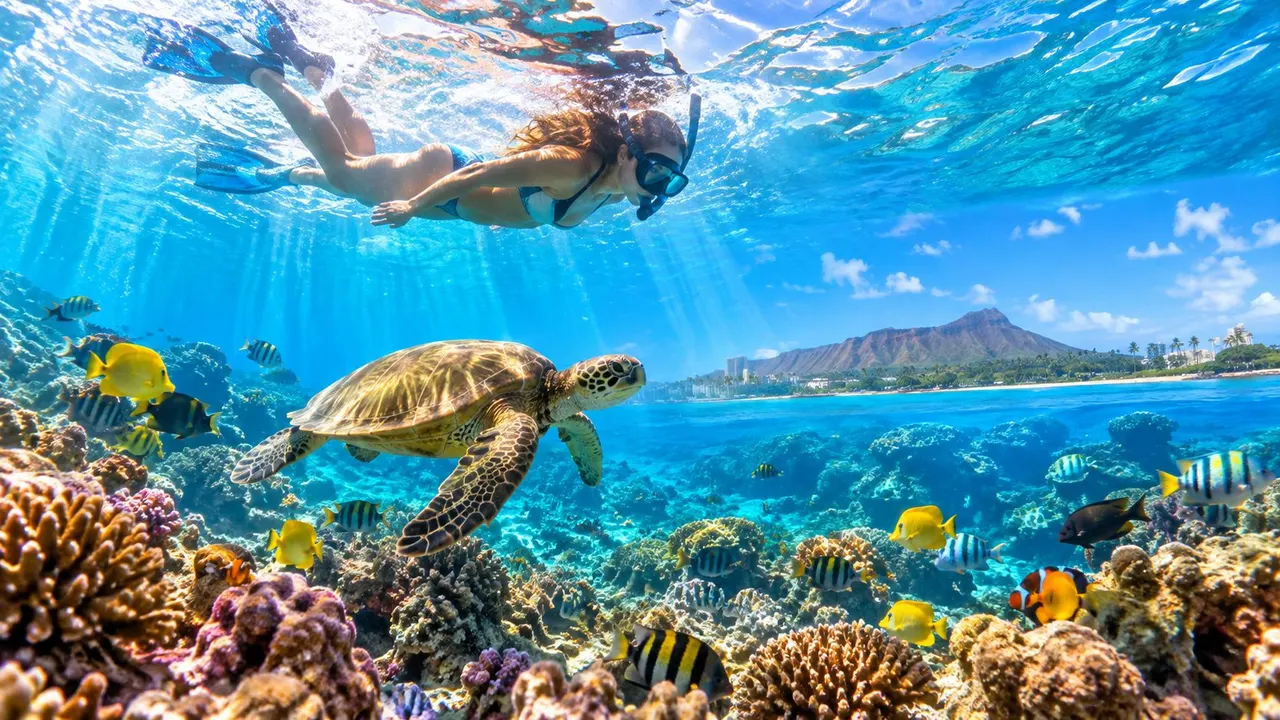
The best way to experience snorkeling in Honolulu is with a guided crew, because you get safety instruction, local reef knowledge, and a far better chance of seeing turtles without handling boat logistics or unfamiliar currents. At Honolulu's Turtle Canyons, guided operators take you toward known turtle habitat, but no ethical crew can guarantee that a wild animal will perform on schedule.
You've probably got the same decision in front of you that many Waikiki visitors face. You can rent a mask, walk to a beach, and hope the water stays calm, or you can leave from the harbor with a captain who knows how the wind, swell, reef, and traffic are changing that morning. Both options can work. For families, first-time snorkelers, and travelers who want a relaxed wildlife encounter, the guided choice usually removes the problems that spoil an otherwise beautiful day.
Diving into the Hawaiian Blue
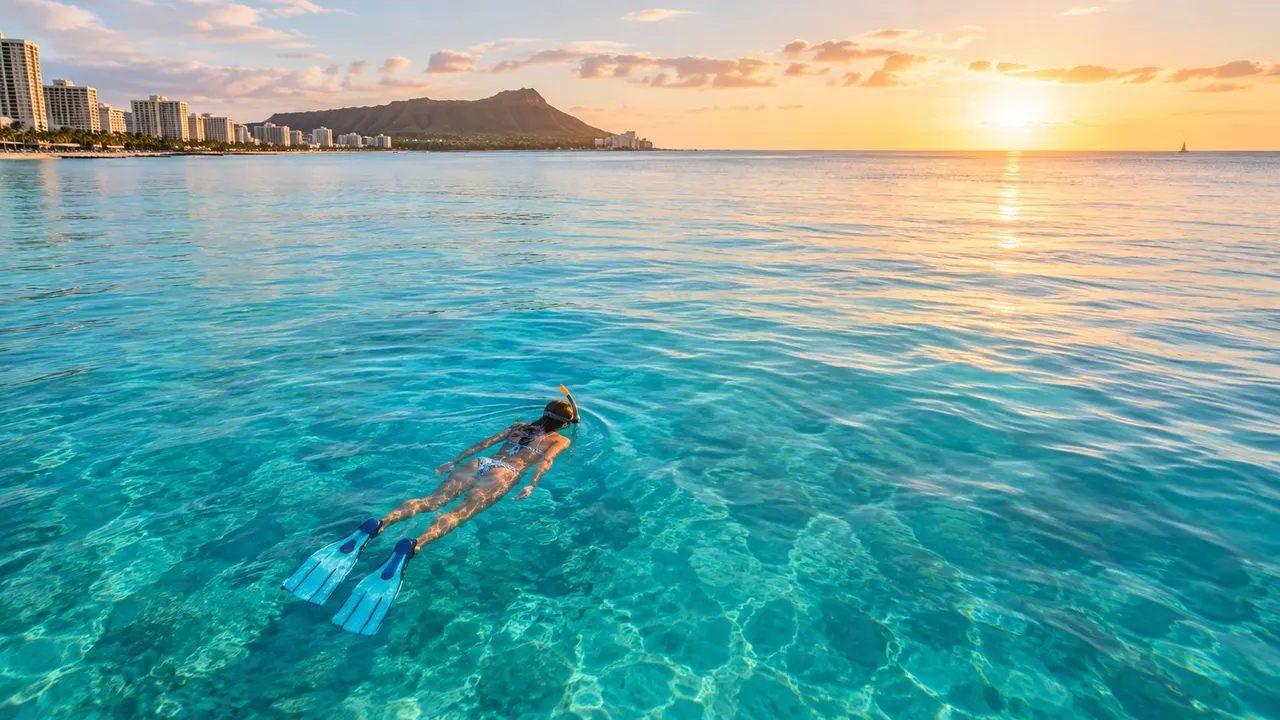
A Waikiki morning starts warmly. The pavement radiates heat, hotel pools are already busy, and Diamond Head catches the first strong light. Then you step aboard, feel the breeze come off the water, and watch the city become a shoreline instead of a schedule.
Under the surface, snorkeling is more than just floating with your face down. It's a quiet way to read the reef. Fish gather around structure, turtles choose routes and resting places, and visibility changes with wind, rain, boat traffic, and people stirring the bottom. The best experience comes from slowing down enough to notice those details.
The decision at the dock
A couple with confident swimming skills might enjoy exploring a beach independently. A multigenerational family faces a different calculation. One person may be comfortable in open water, another may need flotation, and a child may tire before the adults do. Add parking, gear fitting, entry and exit points, and same-day ocean conditions, and a supposedly simple beach outing can become a tiring project.
A professional crew can choose a site that suits the conditions, explain how to clear a mask, identify fish and turtles, and keep the group together. That support matters most before anyone enters the water, when a calm briefing can prevent panic, reef contact, and poor decisions.
For a broader look at the animals and habitats around the island, explore this guide to Oʻahu marine life. The more you understand what you're seeing, the less likely you are to chase it.
Captain's rule: A good snorkel day isn't measured by how far you swim. It's measured by how comfortably you return to the boat or beach.
DIY Snorkeling Versus Guided Tours
DIY snorkeling gives you control. You choose the beach, the pace, and how long you stay. It can be a good fit for confident swimmers who have reliable equipment and understand that a famous location doesn't guarantee safe conditions.
The drawback is that the ocean makes the final decision. Hawaiʻi Ocean Safety advises checking conditions before entering and avoiding high surf, strong winds, heavy shorebreak, and strong currents. A shoreline can look inviting while the water just beyond the entry has enough movement to challenge a tired swimmer.
A guided trip costs more than walking into the water with rented equipment, but it bundles the decisions that visitors often underestimate. The crew handles the boat route, provides instruction and flotation support, and watches the group while guests focus on breathing, buoyancy, and marine life. A guide also knows when to shorten an encounter or move the group rather than treating a turtle sighting as a promise.
| Factor | DIY Shore Snorkeling | Guided Tour |
|---|---|---|
| Planning | You arrange transport, parking, gear, and timing. | The operator manages departure logistics and the route. |
| Conditions | You must judge wind, surf, visibility, and currents yourself. | The captain and crew assess conditions and select an appropriate plan. |
| Wildlife knowledge | You identify animals on your own. | Guides explain behavior and help guests observe without crowding. |
| Support | Help may be limited to lifeguards or companions. | Instruction, flotation, group supervision, and crew assistance are available. |
| Flexibility | You can leave whenever you want. | The excursion follows a planned schedule and shared group experience. |
| Best fit | Strong swimmers who are comfortable making ocean decisions. | Families, beginners, casual swimmers, and visitors wanting fewer logistics. |
What works for first-timers
A guided tour is especially useful when nobody in the group has snorkeled before. The crew can demonstrate how to breathe through the snorkel, how to use fins without striking the reef, and how to signal when someone needs help. Those details sound small on land, but they make a major difference once a mask fogs or a swimmer feels unsettled.
A useful Honolulu snorkeling company guide can help you compare departure points, equipment, supervision, and the type of water experience each operator offers. Look beyond photographs. Ask what happens if conditions change, what flotation is available, and whether the trip suits young children or less confident swimmers.
What You Must Pack for the Reef
Good preparation starts with the mask. If the skirt doesn't seal against your face, you'll spend the entire swim clearing water instead of watching fish. Beginners should bring a properly fitted personal mask whenever possible, or test rental equipment well before departure. Comfort and hygiene matter, but fit matters most.
A snorkel should sit comfortably in your mouth without forcing your jaw forward. Fins should feel secure without pinching. Full-face masks can create breathing and communication problems, so a traditional mask-and-snorkel setup is the more practical choice for a first trip.
The small kit that prevents big problems
Pack for the day you want, not just the hour you expect to spend in the water.
- A well-fitting mask and snorkel: Test the seal before leaving shore or the harbor.
- Fins that fit: Loose fins can fall off, while tight fins create painful distractions.
- Rash guard or swim shirt: It adds sun protection and warmth without the bulk of a heavy wetsuit.
- Reef-conscious sunscreen: Apply it before entering the water and choose a formula appropriate for Hawaiʻi's marine environment.
- Reusable water bottle: Sun, salt, and exertion can leave swimmers dehydrated.
- Towel and dry change of clothes: A warm layer makes the ride back more comfortable.
- Water shoes for rocky entries: They're useful at uneven lava-rock shorelines, but don't wear them as a reason to walk across living coral.
- Prescription mask if needed: Clear vision helps beginners stay relaxed and maintain orientation.
Use this practical Oʻahu snorkeling packing list when preparing the night before. Put valuables in a secure place, and leave unnecessary jewelry and loose items behind.
Protect the reef while protecting yourself
Never stand on coral, even when the bottom appears dull or damaged. Keep your body horizontal, kick slowly, and use flotation rather than your hands to steady yourself. A swimmer who grabs coral for balance can injure both the reef and their own hands.
Stay with a buddy and keep the shoreline, boat, or guide in view. Hawaiʻi State Parks also advises watching for boats, floating devices, swimmers, and other snorkelers, especially near launch areas and channels. If you're tired, exit early. Pride is a poor substitute for energy in moving water.
Top Spots for Snorkeling Around Oahu
Oʻahu doesn't have one universal snorkeling beach. Each coastline responds differently to swell, wind, runoff, and traffic, so the right location depends on the day and the swimmer.
Hanauma Bay
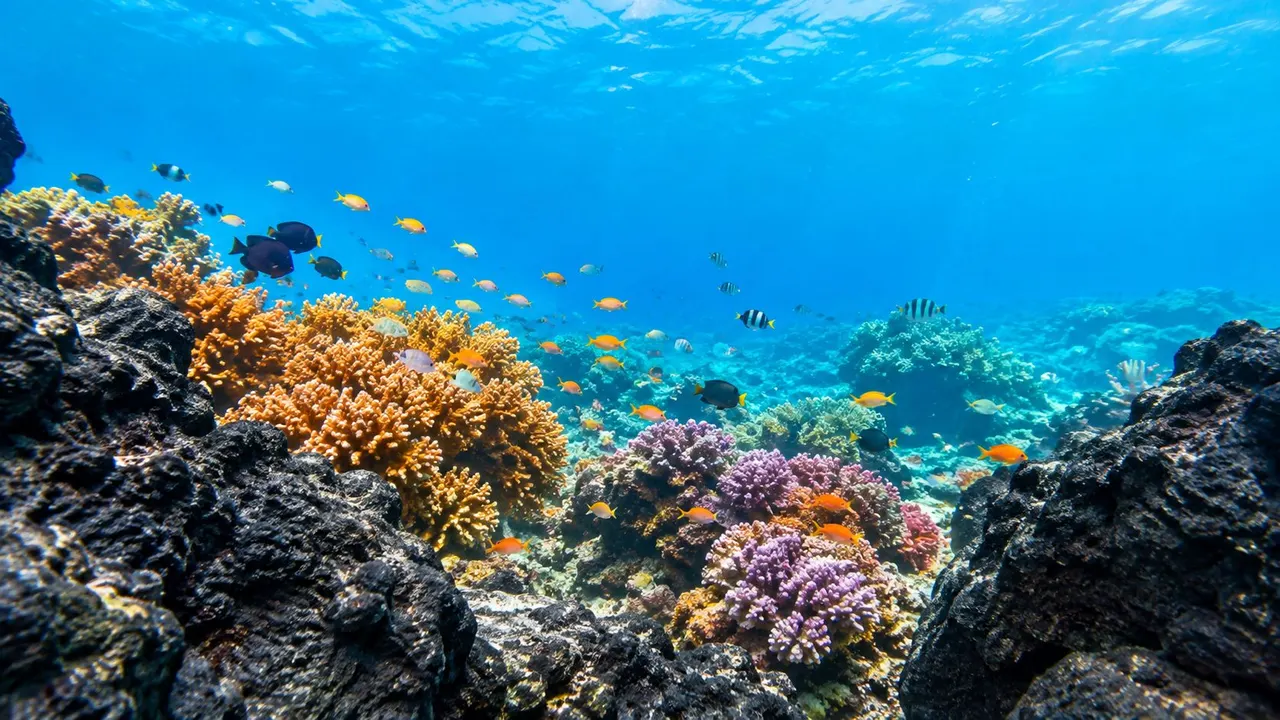
Hanauma Bay is the historic benchmark. In October 1967, Hawaiʻi designated the 100-acre bay as the state's first Marine Life Conservation District, prohibiting fishing and the collection of marine life. Attendance later peaked at approximately 3 million visits, which led to additional management measures, including a 1988 ban on private and commercial boats entering the bay. After conservation reforms, the bay recorded approximately 400,000 visits in 2023, according to the Hanauma Bay history from Honolulu's Department of Parks and Recreation.
That history explains both the appeal and the responsibility. A Honolulu visitor survey found that 88% of respondents identified snorkeling as the main activity attracting them to the bay, while 87% were non-local visitors and 68% were visiting for the first time, as reported in the same Honolulu source. Hanauma is a heavily visited conservation destination, not an unrestricted swimming pool.
Its protected shape can offer a more approachable experience than exposed coastline, but visitors still need to check conditions and follow staff guidance. Reservations, arrival logistics, crowds, and reef etiquette all affect the day.
Shark's Cove
Shark's Cove on the North Shore can be rewarding when conditions are calm, with rocky structure that attracts reef fish. It's a poor choice when north swell pushes water over the outer rocks. A shallow-looking cove can still become hazardous during rough conditions, and the uneven lava entry demands careful footing.
The practical seasonal distinction is simple: don't choose the North Shore by reputation alone. Check the same-day surf and ask local ocean-safety staff before entering.
Waikiki and nearby reefs
Waikiki offers convenience, especially for visitors without a car. The trade-off is that beach conditions, swimmer traffic, and visibility vary. A boat-based departure can move beyond the busiest shoreline areas and give beginners instruction before they begin exploring.
For a closer look at locations and conditions, use this guide to the best Oʻahu snorkeling areas. Whichever site you choose, treat the forecast and lifeguard advice as more important than a saved social-media photo.
The Magic of Guided Turtle Snorkeling
A green sea turtle may glide beside your group, pause over a reef, or surface near the boat. That calm behavior can make it seem approachable, but a Hawaiian green sea turtle, or honu, remains wild, protected, and free to leave whenever it chooses. Responsible snorkeling gives the animal that choice.
The population's recovery reflects decades of conservation work. Commercial harvest was prohibited in Hawaiʻi in 1974, and green turtles received protection under the U.S. Endangered Species Act in 1978. Since those protections began, nearly 500 females now nest annually compared with only 67 in 1973, according to NOAA's account of Hawaiʻi honu conservation. NOAA reports that the statewide nesting population is increasing by approximately 3% to 5% per year, based on the same source.
Close enough to see, far enough to respect
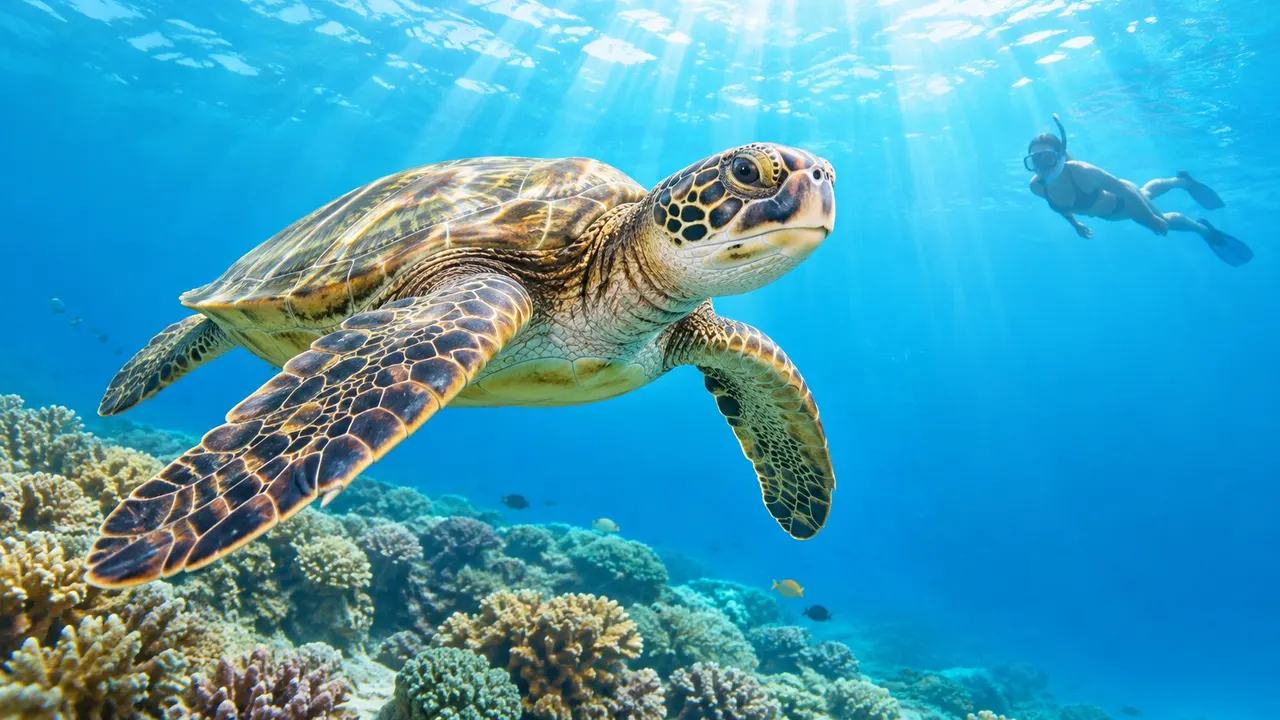
Hawaiʻi agencies recommend staying at least 10 feet, or 3 meters, from a green sea turtle in the water and on land, even when the turtle approaches first. The wildlife protocols from Hawaiʻi's Department of Land and Natural Resources prohibit touching, chasing, feeding, restraining, riding, or otherwise disturbing turtles.
Passive observation is the safest approach. Stop swimming as the turtle comes closer, keep your fins behind you, and let it set the distance and direction. Avoid positioning your group directly above or behind it. Camera zoom is a better choice than swimming closer.
Cleaning stations call for extra patience. A turtle may appear motionless while reef fish clean it. Swimmers who hover overhead or form a tight circle can block its route and interrupt normal behavior.
Wildlife rule: The best turtle photograph is the one that doesn't require the turtle to change direction.
A guide earns its place by managing people, not by encouraging a pursuit. Before entering the water, the crew can explain spacing and signals, then help the group disengage when visibility becomes crowded or the turtle accelerates, changes direction, surfaces repeatedly, or tries to leave. NOAA's marine wildlife viewing guidance for Hawaiʻi also recommends limiting observation to a few minutes.
Why a boat can be the easier choice
A guided boat trip removes some of the uncertainty around shoreline entry and gives the captain options as conditions change. Families also have a defined home base, with crew available to help swimmers return, adjust flotation, or take a break. For first-timers, that support can matter more than finding the most photogenic entry point.
Living Ocean Tours is a Honolulu operator departing from Kewalo Basin Boat Harbor. Its guided snorkeling service includes equipment, instruction, flotation support, and a Turtle Canyons Snorkel Excursion. Turtle sightings remain wild encounters, so no operator can control where an animal goes or how long it stays. Learn more about respectful encounters in this guide to swimming with turtles in Oahu.
You can review the Turtle Canyons Snorkel Excursion. Compare operators by safety briefings, crew behavior, flotation options, and respect for the animals, not by promises of a close encounter.
How to Book Your Oahu Adventure
Start with the swimmers, not the boat. Decide who needs flotation, who is comfortable in open water, and who may prefer a shorter time in the water. A child who can swim in a pool may still feel overwhelmed by swell, saltwater, and a mask, while an older traveler may value easy boarding and a warm place to rest.
A practical booking sequence
- Choose the experience. Select a dedicated turtle snorkel for wildlife-focused time in the water, or a broader wildlife cruise if your group wants snorkeling plus room to relax.
- Check the departure point. Kewalo Basin is near Waikiki, but confirm transport needs and arrival instructions before paying.
- Read the inclusions. Look for mask, snorkel, fins, flotation, instruction, guide supervision, and the operator's policy for changing conditions.
- Ask the hard questions. Confirm whether beginners are welcome, how children are supported, and what happens if the captain decides the planned site isn't suitable.
- Match the schedule to the group. Avoid booking the tightest possible connection after a morning on the water. Leave time for changing, eating, and settling down.
- Reserve early when your dates are fixed. Popular departures can fill, especially when families are traveling together and need several seats.
A responsible operator won't promise risk-free ocean conditions or guaranteed behavior from a wild turtle. Instead, you should hear clear language about safety, weather decisions, wildlife spacing, and alternatives.
The boat-versus-beach test
Choose DIY snorkeling when your group has confident swimmers, flexible timing, reliable gear, and a willingness to postpone if conditions deteriorate. Choose a guided departure when parking, equipment, supervision, or ocean judgment would create stress.
For a family that wants extra activities after snorkeling, the Deluxe Waikiki Snorkel and Waterslide Cruise combines a reef visit with flotation and onboard play features. That kind of format can work well when not everyone wants to spend the entire outing focused on underwater wildlife.
Frequently Asked Questions
Is snorkeling in Honolulu safe for children?
It can be appropriate for children who are comfortable in water, but age alone doesn't determine readiness. The child should listen to instructions, tolerate a mask, stay close to an adult, and stop before fatigue takes over. Flotation support and calm conditions help, but neither replaces direct supervision.
DIY beach snorkeling gives parents full responsibility for conditions and spacing. A guided trip adds crew instruction and group oversight, which can be useful for a first experience.
Will I definitely see a turtle?
No ethical operator can guarantee a wild animal encounter. Turtles use nearshore habitat, but they choose when to surface, rest, travel, or leave. A good guide improves your understanding of the habitat and helps the group avoid harmful behavior, but the turtle remains in control.
If no turtle appears, the reef can still offer fish, coral structure, and a lesson in observing without chasing. That's a successful wildlife experience, even if it produces fewer photographs.
What should I do if a turtle swims toward me?
Stop moving, keep your fins away, and hold your position while the turtle chooses its route. Maintain the recommended 10-foot, or 3-meter, distance, and never touch, feed, chase, or block the animal. If it changes direction or tries to leave, increase separation immediately.
When should I postpone snorkeling?
Postpone when Hawaiʻi Ocean Safety or lifeguards warn about high surf, strong winds, heavy shorebreak, or strong currents. Also reconsider after heavy rain, when runoff can reduce visibility and affect nearshore water quality. A guided operator may offer a different site or a non-snorkeling alternative, but no location is risk-free.
Is a guided tour better than Hanauma Bay?
They serve different travelers. Hanauma Bay offers a protected, shore-based conservation experience with significant historical importance, while a guided boat tour provides crew support, equipment, route selection, and a structured wildlife encounter. Your group's swimming ability, tolerance for logistics, and need for supervision should decide the choice.
Living Ocean Tours offers guided Honolulu snorkeling from Kewalo Basin, including equipment, instruction, flotation support, and access to turtle-focused and family-friendly wildlife experiences. Visit Living Ocean Tours to compare the available excursions and choose a water day that fits your group's ability, comfort, and conservation values.


