
Snorkeling Honolulu: Spots, Tours, and What to Expect
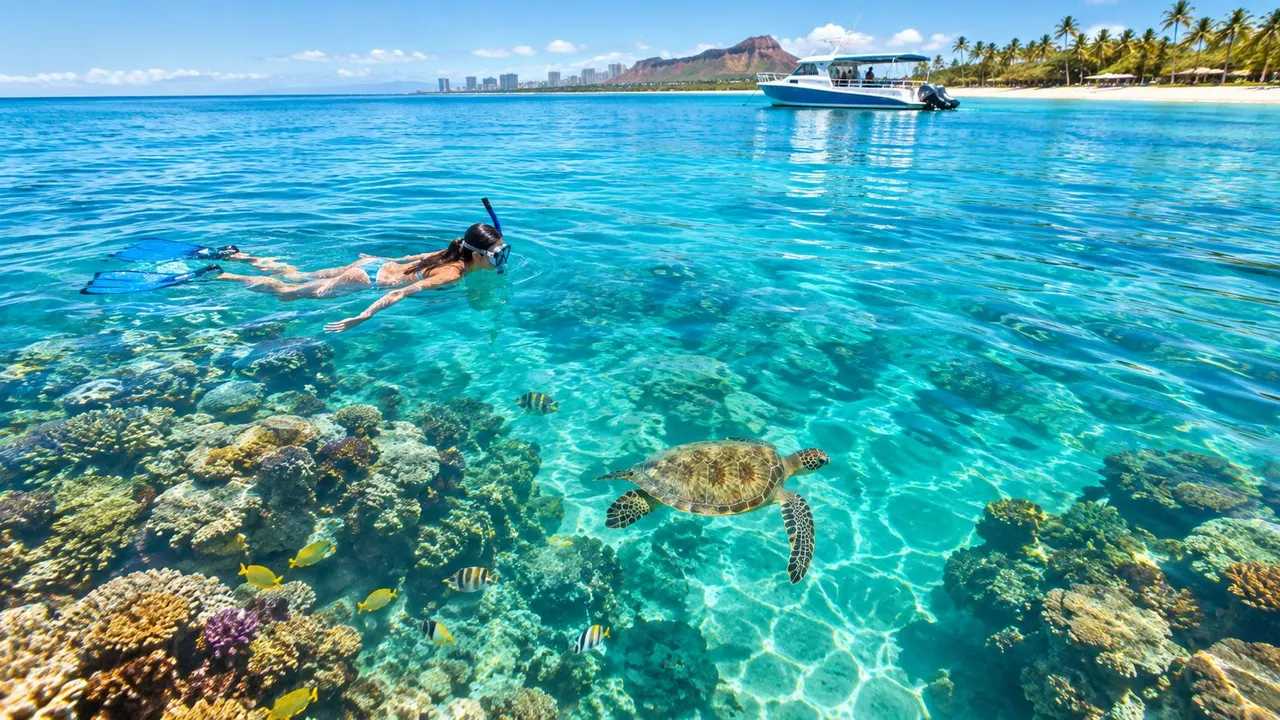
You've got a Waikiki hotel, a free morning, and a phone full of conflicting advice. One page says to reserve Hanauma Bay, another tells you to drive to the North Shore, and a third promises that turtles are waiting just offshore. For many first-time visitors, the simplest choice is a guided boat from Kewalo Basin, where the crew handles the ocean briefing, gear, and site selection before you ever enter the water.
Honolulu snorkeling rewards realistic planning. Calm conditions, comfortable equipment, and respectful wildlife viewing matter more than chasing the most famous beach or getting as close as possible to a turtle. The right outing can feel easy and memorable, while the wrong combination of surf, crowds, parking, and uncertain swimming ability can turn a tropical morning into hard work.
Why Honolulu Is a Standout Snorkeling Destination
At Kewalo Basin, a typical Waikiki snorkeling morning starts with guests arriving in beach clothes, checking the wind, and watching crews prepare boats beside the harbor. Diamond Head rises beyond the coastline, Waikiki's hotels sit within easy reach, and the first decision is practical: is the water suitable for the planned route, and does the group feel comfortable swimming in it?
That short harbor departure is a major advantage. South-shore reefs can be reached without asking families to organize a rental car, find parking, carry equipment across a beach, or manage an unfamiliar entry point. Boat access also lets the crew adjust the route when wind, visibility, current, or vessel traffic makes one location less suitable than another.
What the South Shore offers
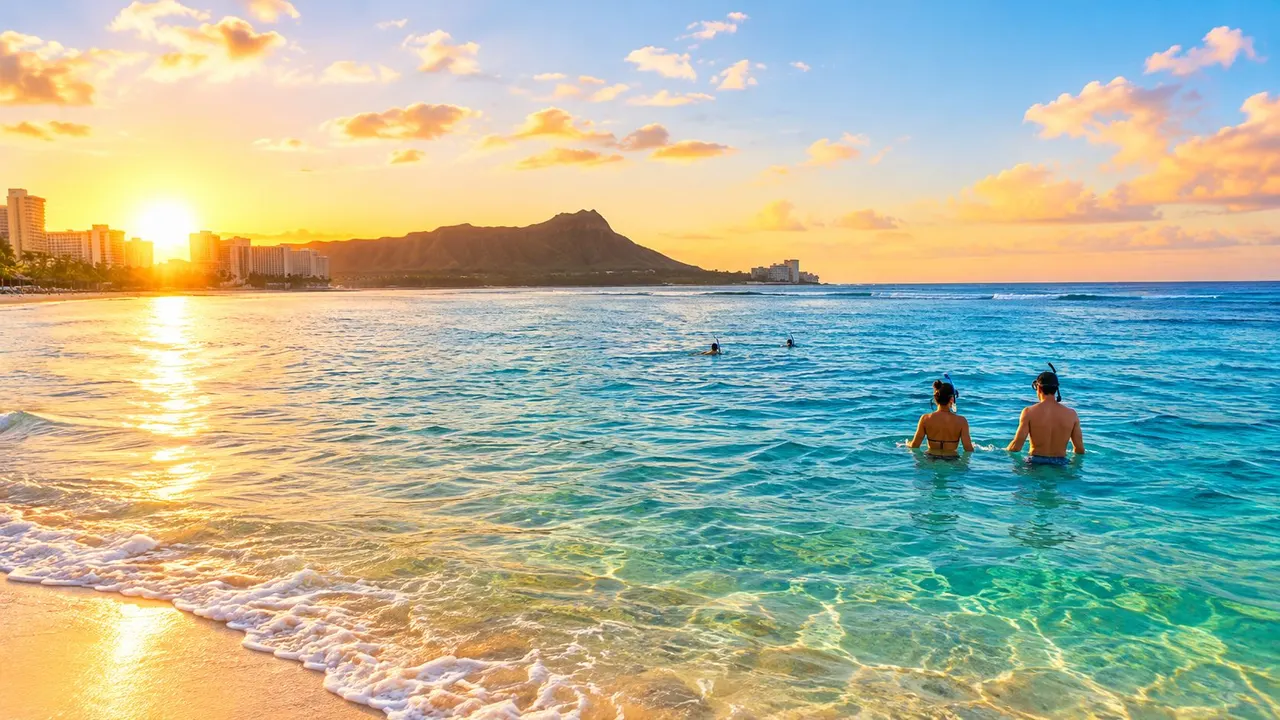
The coastline around Waikiki combines accessible beaches, offshore reef areas, and marine habitats where visitors may see tropical fish and Hawaiian green sea turtles. Visibility is never guaranteed, because ocean conditions change, but a well-planned morning commonly offers clearer water and less surface chop than a windy afternoon.
Hanauma Bay remains one of Oahu's historically important snorkeling destinations, but its history also explains why access is managed. Visitor numbers reached an estimated 3 million annually by 1988, while management later reduced visitation to approximately 840,000 to 845,000 visitors in 2017 and 2019. In 2024, 400,776 people visited, with 228,848 entering through reservations and 170,928 as walk-ins, according to the Honolulu Department of Parks and Recreation's Hanauma Bay conservation information.
Those figures represent more than an administrative detail. They show why modern snorkeling in Honolulu increasingly involves reservations, capacity controls, visitor education, and reef protection. A boat trip from Kewalo Basin doesn't remove the need to respect the ocean, but it can reduce the logistical friction that makes shore-based snorkeling stressful for beginners.
Practical rule: Choose the format that leaves you calm enough to observe the reef. Relaxed swimmers make better decisions than rushed swimmers carrying too much gear through a crowded entry.
Top Honolulu Snorkeling Spots Worth Knowing
Honolulu's snorkeling locations fall into three useful categories: managed shore entries, offshore boat sites, and weather-dependent areas for confident swimmers. Each offers a different balance of access, wildlife, comfort, and responsibility.
| Spot | Access | Best For | Conditions | Turtle Likelihood |
|---|---|---|---|---|
| Hanauma Bay | Shore entry with managed access | Families and visitors who want a protected bay | Often calmer, but still weather-dependent | Possible |
| Kuilima Cove | Shore entry near the North Shore | Beginners staying near the cove | Generally sheltered, with changing conditions | Possible |
| Waikiki south-shore beaches | Shore entry | Flexible, low-commitment swims | Varies with surf, wind, and visibility | Possible |
| Turtle Canyons | Guided boat access | Visitors specifically interested in honu | Offshore conditions require a pre-trip assessment | Strong possibility |
| Sharks Cove | Shore entry | Confident swimmers and experienced snorkelers | Seasonal and sensitive to swell | Possible |
| Electric Beach | Shore entry | Strong swimmers comfortable with open-water conditions | Current, boat traffic, and visibility require caution | Possible |
Hanauma Bay suits travelers who value a protected setting and are willing to plan around controlled access. Its reservation system and visitor education make the experience more predictable from a conservation standpoint, but the trip still involves transportation, timing, entry procedures, and crowds.
Kuilima Cove offers a compact shore-entry alternative, especially for visitors already exploring the North Shore. It can be friendlier for beginners than exposed coastal areas, but it isn't a substitute for checking conditions or supervising children closely.
Waikiki's calmer beach areas can work for a spontaneous swim. The trade-off is that marine life may be less consistent than at a known offshore site, and beach entry can become uncomfortable when waves, current, or poor visibility develop. Before choosing a shore location, compare the access and conditions described in this Oahu snorkeling guide.
When a boat makes more sense
Turtle Canyons is a boat-access experience associated with offshore turtle-viewing areas and reef fish. The value isn't only the possibility of seeing a honu. It's the combination of crew support, equipment, route judgment, and the ability to enter the water without solving the parking and beach-entry problems yourself.
Sharks Cove and Electric Beach are better suited to confident swimmers who understand that attractive water doesn't always mean easy water. Fall and winter can bring higher swells, stronger winds, and stronger rip currents around Oahu, so a location that works on a calm day may be a poor choice later.
The practical distinction is clear. DIY shore snorkeling costs less in logistics but asks more from you, while a guided boat adds structure and support in exchange for a booking commitment. Families with mixed swimming ability often find that the second option produces a smoother day.
Guided Tours and Self-Guided Snorkeling Compared
A self-guided outing can suit a group of confident swimmers who have checked the ocean, understand the beach entry, and can manage their own equipment. You set the pace, stop when children tire, and avoid committing to a departure time. That flexibility is useful for a short swim or a day built around several activities.
The work shifts to your group. Someone must check conditions, arrange transportation, handle parking, fit each mask, supervise weaker swimmers, and decide when current or visibility has worsened enough to leave. Shore reefs also require careful entry and exit choices. Scrambling over unstable rock or standing on coral can injure swimmers and damage the reef.
A guided boat trip moves those responsibilities to the crew. Depending on the excursion, the package may include instruction, fitted gear, flotation support, a captain's safety briefing, and an in-water guide. Boats departing Kewalo Basin include snorkeling-focused trips, family-oriented cruises with water activities, and sunset outings where scenery matters more than extended reef time. For visitors trying to avoid reservations, parking searches, and crowded shore entries, the harbor departure can make boat snorkeling a lower-stress alternative.
Which format fits your group
Choose DIY shore snorkeling if:
- Your swimmers are self-sufficient: Everyone can float, clear a mask, and return to shore calmly.
- You want flexibility: A brief swim suits you better than a scheduled marine excursion.
- You know the site: You have checked entry, exit, current, visibility, and likely crowd conditions.
- You can supervise: One adult can watch children instead of snorkeling independently.
Choose a guided boat if:
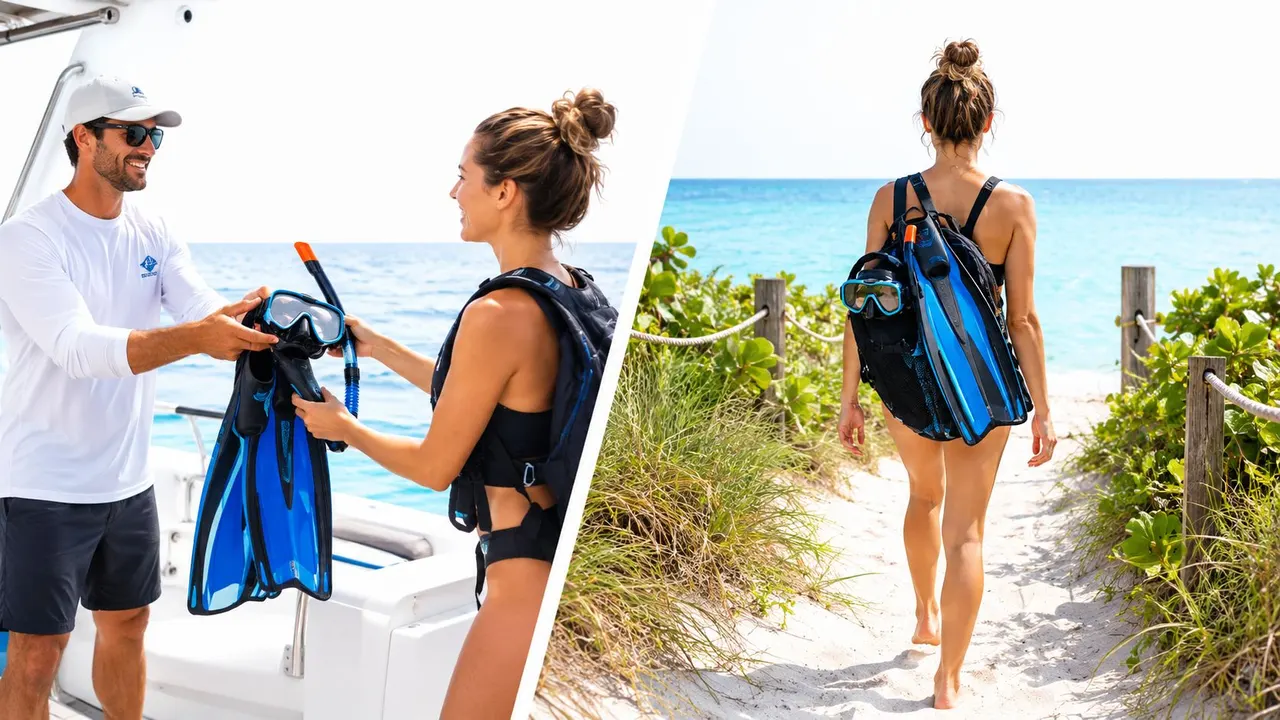
- Your group includes beginners: Crew members can explain breathing, mask fit, flotation, and hand signals before entry.
- Swimming ability varies: A guide can keep hesitant swimmers near support and help the group stay together.
- Wildlife is the priority: Crew members can position guests without chasing turtles or other animals.
- You want fewer errands: Kewalo Basin departures remove much of the parking and beach logistics associated with popular shore reefs.
Wildlife behavior remains your responsibility on a DIY outing. Follow NOAA and DLNR guidance around honu by keeping a respectful distance, never touching or feeding them, and allowing the animal a clear path. Guides can reinforce those boundaries and help guests observe without crowding wildlife.
Each format trades something. A guided boat gives up privacy and schedule freedom, while DIY snorkeling leaves you responsible for safety, conditions, and wildlife behavior. Living Ocean Tours runs Waikiki departures from Kewalo Basin, representing the guided boat approach with crew support and reef interpretation included. Compare equipment, locations, and trip formats in this guide to snorkeling on Oahu.
What to Expect on a Honolulu Snorkel Tour
A Honolulu snorkel tour follows a clear rhythm. Arrive at Kewalo Basin, check in, and give the crew time to confirm your equipment and answer questions before boarding. For first-timers, that organized start removes much of the uncertainty associated with finding a shore-entry reef, locating parking, and judging conditions from the beach.
From harbor to water
Mask fitting comes first. A comfortable seal matters more than an expensive model because repeated leaks can quickly shake a beginner's confidence. Crew members generally explain how to breathe through the snorkel, clear water from it, use fins without striking coral, and signal for assistance.
The captain's briefing covers boat movement, entry procedures, group boundaries, and the response if conditions change. The ride to the snorkeling area gives guests time to settle down while the guide describes the reef, likely marine life, and respectful ways to observe animals without following or crowding them.
At the site, guests enter in an orderly sequence. Guides keep beginners near support, watch group spacing, identify reef fish, and notice when someone is breathing too quickly or losing confidence. That hands-on supervision can make a boat trip less stressful than arriving at a busy beach and solving every part of the outing independently.
Turtle Canyons and family-friendly options
The Turtle Canyons Snorkel Excursion focuses on offshore reef snorkeling and the possibility of seeing Hawaiian green sea turtles near a cleaning station. Turtles may rest, feed, or move through the area on their own schedule. Treat a sighting as an opportunity to observe, not as a promise of a close photograph.
Living Ocean Tours reports roughly a 95% success rate finding Hawaiian green sea turtles on its Waikiki snorkeling trips, as stated on the Turtle Canyons Snorkel Excursion page. The figure is self-reported, and it does not change the need to keep a respectful distance or accept that wildlife behavior varies.
Families may prefer the Deluxe Waikiki Snorkel and Wildlife Cruise, which combines reef snorkeling with a waterslide, water trampoline, and lily pad. Those activities give children variety. Guests focused on marine observation may prefer the turtle excursion instead.
After snorkeling, the boat returns to Kewalo Basin. Use the ride back to warm up, drink water, and secure cameras. The strongest outings usually leave everyone comfortable, attentive to the crew, and respectful of the animals.
Snorkeling Safety and Gear Tips for Beginners
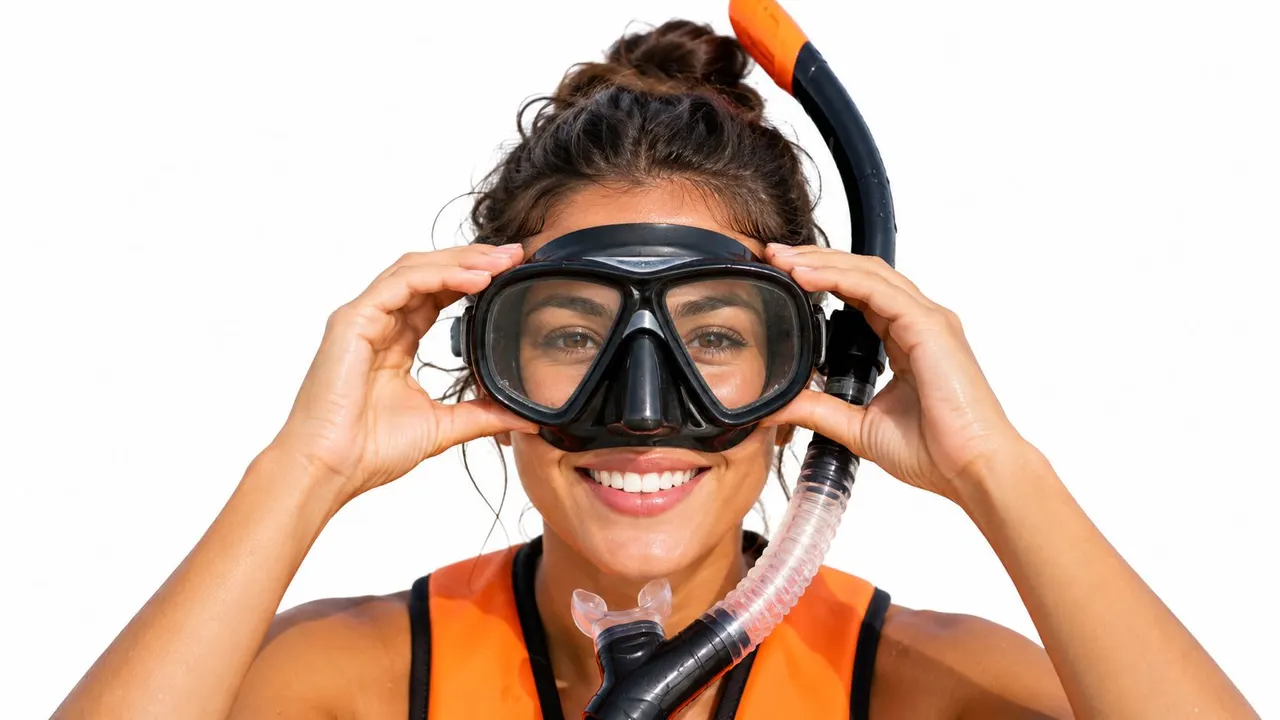
Good snorkeling gear should disappear from your attention once you're in the water. Start with the mask. Press it gently to your face without using the strap, inhale lightly through your nose, and check whether it holds a seal. If water enters immediately, try another size or ask the crew to adjust the fit.
The snorkel should sit comfortably in your mouth without forcing your jaw forward. Fins help you move efficiently, but they aren't a substitute for swimming ability. Beginners often feel calmer with a properly fitted flotation vest, especially when they're learning to relax rather than stand or paddle continuously.
A simple water routine
Before entering, check surf, wind, visibility, and current. Hawaii Ocean Safety advises consulting lifeguards and favoring morning snorkeling rather than dawn, dusk, or murky water, while official snorkeling safety guidance emphasizes knowing local conditions and watching for boats, flotation devices, and other swimmers.
Once you're in:
- Breathe slowly: Use your mouth and snorkel, and pause if your breathing becomes hurried.
- Stay horizontal: Look down and let your fins provide gentle propulsion rather than walking on the reef.
- Keep visual contact: Snorkel with a buddy and remain close enough to your guide or support vessel to respond quickly.
- Signal early: Raise a hand if your mask leaks, you feel breathless, or you need to exit.
- Touch nothing: Coral, turtles, fish, and other marine life need space.
DLNR specifically recommends snorkeling with a friend, maintaining close visual contact, learning local conditions, and watching for boats, flotation devices, and other swimmers. That guidance translates directly into the buddy-and-stay-close-to-guide procedures used on responsible Honolulu snorkel boats.
If your mask floods, lift your face from the water, breathe normally, and ask for help. Don't remove all your equipment while panicking or swim away from the group. After the outing, operators should clean and maintain shared equipment, a practice explained in this snorkel gear cleaning guide.
Skip reef shoes in areas where they encourage walking across living reef. They can also make swimmers feel comfortable standing where they should be floating. The safer habit is to choose an appropriate entry, keep your fins clear of coral, and follow lifeguard or crew instructions.
Best Times of Year and Conditions in Honolulu
For most first-time visitors, the best snorkeling window is a calm morning. Wind often builds later, creating surface chop that makes mask leaks, conversations, and relaxed breathing harder. Early departures also give guides more flexibility to choose a protected route before conditions become less comfortable.
Summer generally offers the easiest south-shore planning window, while fall and winter require more caution. Oahu's fall and winter months typically bring higher swells, stronger winds, and stronger rip currents at beaches, according to MCBH ocean-safety guidance. Those conditions don't cancel every snorkeling trip, but they make a pre-departure assessment especially important.
How crews adapt
A responsible boat crew checks wind direction, swell, visibility, current strength, vessel traffic, and the swimming ability of the guests. The planned site is not sacred. If conditions make one location unsuitable, changing the route or shortening the in-water portion is better than forcing an itinerary.
Families should be candid about cold tolerance, anxiety, and swimming experience during check-in. A child who can swim in a pool may still need flotation and close guide support in open water, particularly when the surface is moving.
Whale season adds another planning layer. Humpback whales are commonly associated with the period from late December through March, but a whale-watch outing and a snorkeling trip serve different purposes. A whale watch prioritizes surface wildlife observation, while snorkeling focuses on reef access and underwater life. Combining both can work well on a longer visit, but packing too many ocean activities into one day can leave families tired before the activity they cared about most.
The most useful rule is simple: choose the date, departure time, and trip type that leave room for changing conditions. A guided morning trip reduces the need to interpret every variable yourself, but it doesn't eliminate the ocean's unpredictability.
For another look at seasonal planning and ocean activities, see this Oahu snorkeling resource.
Responsible Wildlife Viewing Around Sea Turtles
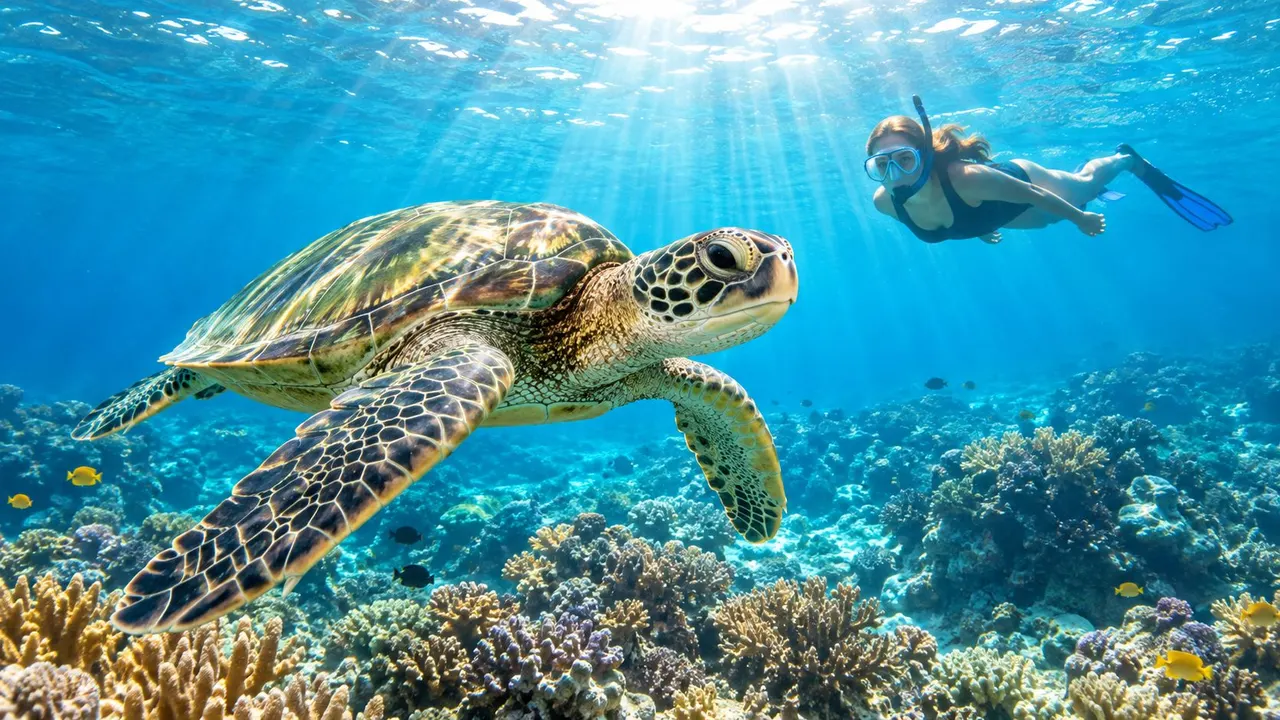
A honu may surface beside your group during a snorkeling trip, especially near a reef or resting area. Give the animal room immediately. If it changes direction, speeds away, dives repeatedly, or becomes surrounded, swimmers have moved too close or blocked its route.
NOAA recommends viewing Hawaiian green sea turtles from at least 10 feet, or 3 meters, away, in the water and on land. Its NOAA wildlife-viewing guidance also prohibits touching, chasing, feeding, encircling, or trapping turtles between a vessel and shore. DLNR guidance reinforces that harassment or disturbance can violate state and federal protections.
How to position your group
Stay to the side of a turtle's path rather than swimming ahead of it. Float still, keep your fins from stirring sediment, and let the animal pass without changing course. Treat 3 meters as the minimum boundary, not a distance to approach. Add more space when visibility or water movement makes control difficult.
If a turtle swims toward you, hold position and keep your hands off it. Move aside when necessary, and avoid forming a human wall around the animal. Photographers should use camera zoom instead of closing the distance for one frame.
End the encounter when the turtle leaves, shows signs of disturbance, or your group cannot maintain spacing. Never follow it toward shore, a boat, a cleaning station, or a shallow resting area. On a guided boat trip from Kewalo Basin, tell the crew if other swimmers are crowding an animal so the group can reposition safely.
Why the rule matters
Hawaiian green sea turtles were heavily harvested in the past. State protection began in 1974, followed by federal protection under the U.S. Endangered Species Act in 1978. Long-term monitoring recorded nesting females increasing from 67 turtles in 1973 to almost 500 females nesting annually, with nesting growth of roughly 3% to 5% per year in recent decades, according to NOAA's green sea turtle species information.
Honu remain federally threatened despite that recovery. Human disturbance, habitat loss, fishing-line entanglement, light pollution, and climate change continue to create risks. If you see an injured or entangled turtle, do not handle it or remove fishing line. Move clear, notify the crew or lifeguard, and report the animal through the appropriate local wildlife channel.
For a concise reminder of ethical behavior, review this Hawaii turtle-viewing guide. Judge the encounter by one measure: whether the turtle continued its normal behavior throughout.
Booking Tips and Sample Honolulu Snorkeling Itineraries
A smooth Honolulu snorkeling day starts before you reach the water. Confirm the departure harbor, trip length, included equipment, group format, age limits, swimming expectations, and cancellation policy. Ask about flotation support and whether the route can change with ocean conditions. Those details matter more than polished photos when your group includes young children, older travelers, or first-time swimmers.
Once your dates are set, reserve the departure that fits your schedule. Morning trips often leave more time for other plans, while a shore-entry outing may require reservations, parking, and patience with crowds. Leave recovery time between ocean activities because sun, wind, saltwater, and travel fatigue can make a second outing less enjoyable.
Three practical plans
Short layover: Choose a morning guided snorkeling trip from Kewalo Basin, then keep the afternoon open for Waikiki or airport logistics. A boat departure avoids spending limited time searching for parking or managing a crowded shore entry.
Three-day family visit: Reserve a guided snorkeling morning on the first full day, use the next day for beach time or a managed shore location, and keep the final day flexible. A family cruise with a waterslide, trampoline, and lily pad can suit children who want activity beyond reef observation.
Couples' itinerary: Plan a morning reef or turtle excursion, leave the afternoon unstructured, and book a separate sunset cruise for the evening. Separating the activities lets you enjoy underwater wildlife without expecting one trip to provide both snorkeling and a relaxed golden-hour experience.
Keep the 10-foot viewing distance from honu as a firm itinerary rule. Do not close the gap for a photo or follow a turtle toward shore, a boat, or a resting area. Follow NOAA's Hawaii marine-wildlife guidance, and tell the crew if other swimmers crowd an animal so the group can reposition.
Living Ocean Tours offers guided Waikiki snorkeling from Kewalo Basin, including turtle-focused trips, family cruises with water activities, gear, instruction, and crew support. Visit Living Ocean Tours to match a Honolulu snorkeling experience to your group, swimming ability, and preferred pace.


