
Snorkeling Honolulu: The Complete 2026 Guide
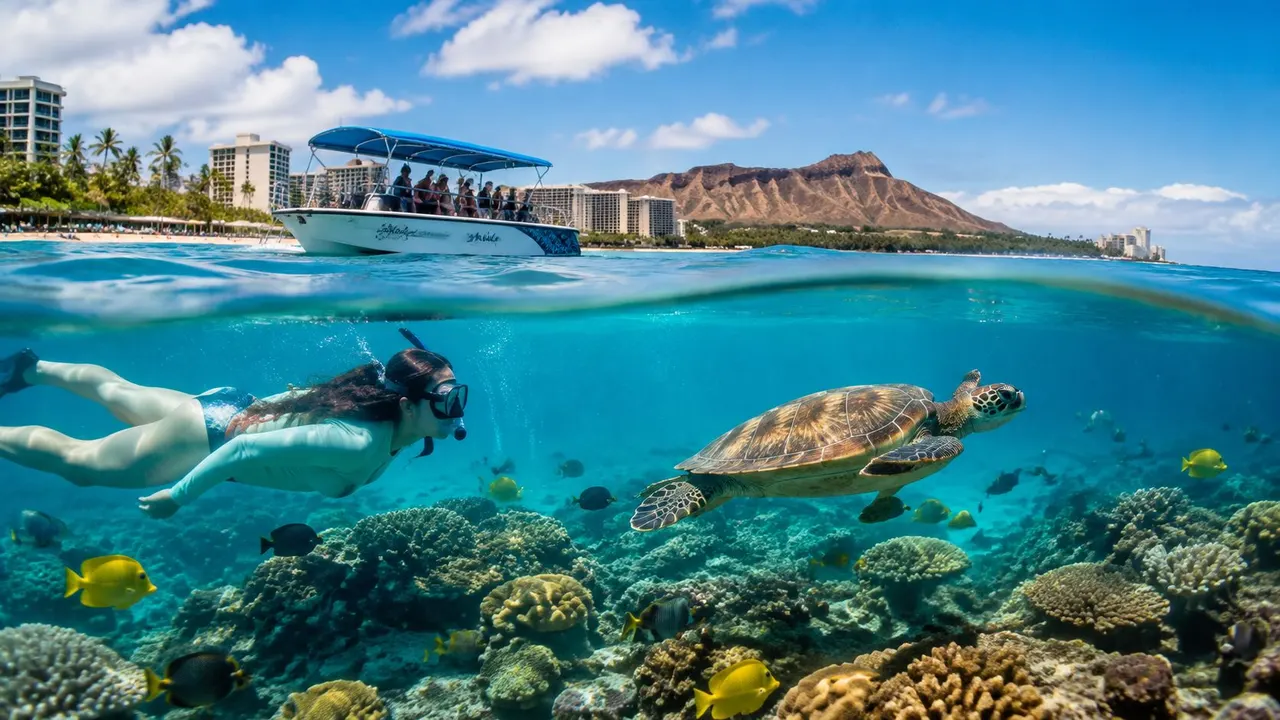
You've just arrived in Waikiki, the forecast looks calm, and someone in your group has already asked the question: where should we snorkel? The answer isn't just the beach with the clearest photos online. Honolulu's reefs, currents, rainfall, marine rules, crowds, and boat access can change the right choice for your group.
Snorkeling is one of Oahu's defining visitor activities. Hawaii's 2024 DBEDT Visitor Satisfaction and Activity Study recorded participation ranging from 22.2% to 51.1% across reporting segments, confirming that snorkeling appeals to families, casual swimmers, and experienced visitors alike. The practical question is how to enter the water with enough support to enjoy what's below the surface.
Why Snorkeling in Honolulu Is a Different Decision Than It Looks
A first-time visitor steps onto a boat at Kewalo Basin, adjusts a new mask, and looks toward the Honolulu skyline. The water appears inviting. The reef is offshore, the city is close behind, and the temptation is to treat the outing like a simple swim from any beach.
That assumption causes many disappointing snorkel days. Honolulu snorkeling is a decision about access, conditions, supervision, and timing, not just a search for a reef. Before choosing a location, decide whether your group is better suited to a self-guided shore entry, a guided boat trip, or a beach day without snorkeling.
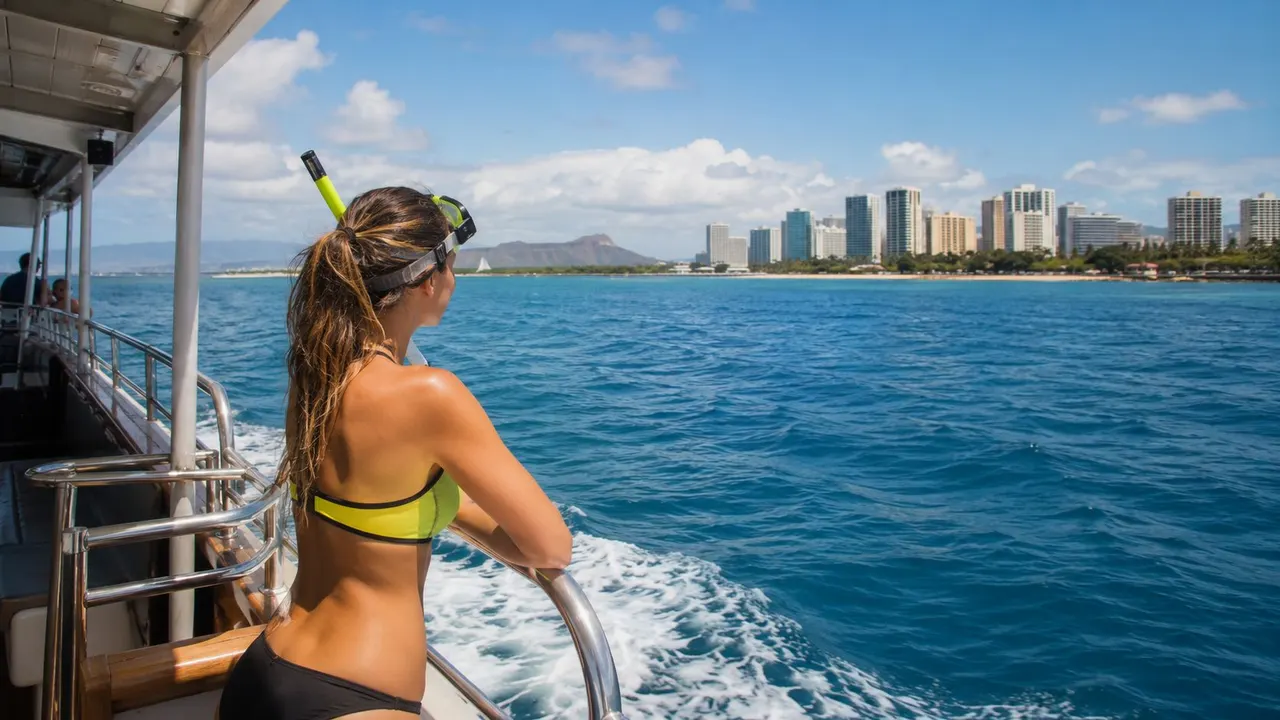
Popularity changes the experience
High demand brings useful infrastructure, including guides, equipment providers, lifeguards, and protected marine areas. It also brings crowding. At a busy beach, swimmers can stir sand into the water, make entry and exit less orderly, and create pressure to stand on shallow reef because the group is tired.
A boat trip solves some problems while introducing others. You'll need to manage a boat ride, follow crew instructions, and accept that offshore conditions can feel different from the beach. In return, the crew can select a site, provide flotation, explain the route, and put you directly over productive reef rather than asking you to handle surf or a long surface swim.
The first choice is about your group
A confident swimmer traveling with adults may enjoy independent snorkeling at a calm cove. A family with young children may value shallow water and easy beach access more than offshore wildlife. A nervous first-timer often has the best experience with a guide who can help with the mask, flotation, breathing, and entry.
For a broader overview of departure areas and trip formats, review these Oahu snorkeling excursions. The right Honolulu plan starts with an honest assessment of comfort in moving water, not an assumption that the most famous location fits everyone.
The Safest Ways to Get Into the Water for the First Time
The safest entry point is the one that reduces the number of decisions a beginner must make in real time. That usually means starting with supervision, flotation, and a controlled entry before attempting a more exposed beach or reef.
Hawaii public-health reporting documented 169 snorkeling-related deaths among 650 ocean drownings from 2007 through 2016, including 156 tourists. The figures are summarized in Hawaii snorkeling safety guidance, and they explain why “easy to reach” doesn't always mean low risk.
Start with support
A guided boat trip is often the most forgiving first experience. The crew can brief you before you enter, fit a mask and fins, provide a flotation vest, and remain nearby while you settle into the water. You also avoid the most awkward part of many shore sessions, climbing over slippery rocks or timing your exit against a breaking wave.
Ask for help early. A leaking mask becomes harder to fix once you're already anxious in the water, while a small adjustment on deck can make breathing and sighting much easier. This mask-fitting guide for Oahu snorkeling covers the basic fit issues that affect comfort.
Choose sheltered shore water carefully
A protected cove can be a sensible second tier for families and independent beginners. Kuilima Cove and the lagoon side of Waikiki can offer a less exposed introduction when conditions are calm and everyone stays within their ability.
The trade-off is that shore snorkeling puts more responsibility on you. You must judge water movement, visibility, entry footing, fatigue, and the safest exit. A calm-looking surface can still hide a current or an awkward reef channel.
Treat exposed spots as advanced choices
Hanauma Bay and Electric Beach can offer rewarding marine life, but neither should be chosen solely because they're famous. Hanauma Bay's reef channels can develop strong currents where surf passes through breaks, and Electric Beach demands better judgment around entry, surge, and water movement.
Practical rule: If someone in the group is still learning to breathe through a snorkel, choose the option with the most flotation and in-water guidance.
Never enter because another swimmer makes the conditions look manageable. Stay close to your support, conserve energy, and leave the water while the group still feels comfortable.
Honolulu Snorkeling Options Compared Side by Side
Every Honolulu snorkeling format gives you something and takes something away. A beach session offers independence, a protected cove can simplify the first attempt, and a boat trip usually offers the strongest combination of direct reef access and instruction.
| Option | Crowding | Visibility | Instruction | Family Fit |
|---|---|---|---|---|
| Self-guided beach snorkeling | Can be high at popular beaches, especially during busy daytime periods | Changes quickly with swimmers, runoff, and wave movement | You manage equipment, route, and safety | Best for confident swimmers who can judge conditions |
| Shore-entry reef snorkeling | Varies by site and entry access | Often good when the water is calm, but surf can stir sand | Basic or no in-water support | Suitable for families at genuinely sheltered coves |
| Guided Waikiki snorkeling boat trip | Groups share an offshore site, but the crew controls the entry flow | Often avoids the sand stirred by a crowded beach | Briefing, equipment support, flotation, and guide supervision | Strong choice for beginners, families, and mixed-ability groups |
What the comparison means on the water
Self-guided beach snorkeling works when your group can handle the full process. That includes choosing the site, checking the water, fitting equipment, entering without rushing, monitoring fatigue, and exiting safely. It isn't automatically cheaper in time, because parking, walking, equipment arrangements, and a failed entry can consume much of the morning.
A sheltered cove makes more sense for very young children who need to move at their own pace. The trade-off is that a cove may not provide the same offshore reef access or turtle-focused wildlife experience as a boat trip.
A guided trip from Kewalo Basin can be the more efficient choice when the goal is marine life rather than beach time. The crew takes you to the snorkeling area, explains what you're seeing, and helps the group stay together. For more details on the operating style and destinations, see these Waikiki snorkeling excursions.
Match the format to the day
The Deluxe Waikiki Snorkel and Wildlife Cruise suits families who want more than a short swim. It combines guided snorkeling with a waterslide, water trampoline, and lily pad, so children and non-snorkelers have other ways to enjoy the boat.
Choose the beach when flexibility matters most. Choose the boat when reliability, guidance, and offshore access matter more. Neither is universally superior, and the weakest swimmer should influence the decision.
Turtle Canyons and Honolulu's Famous Cleaning Stations
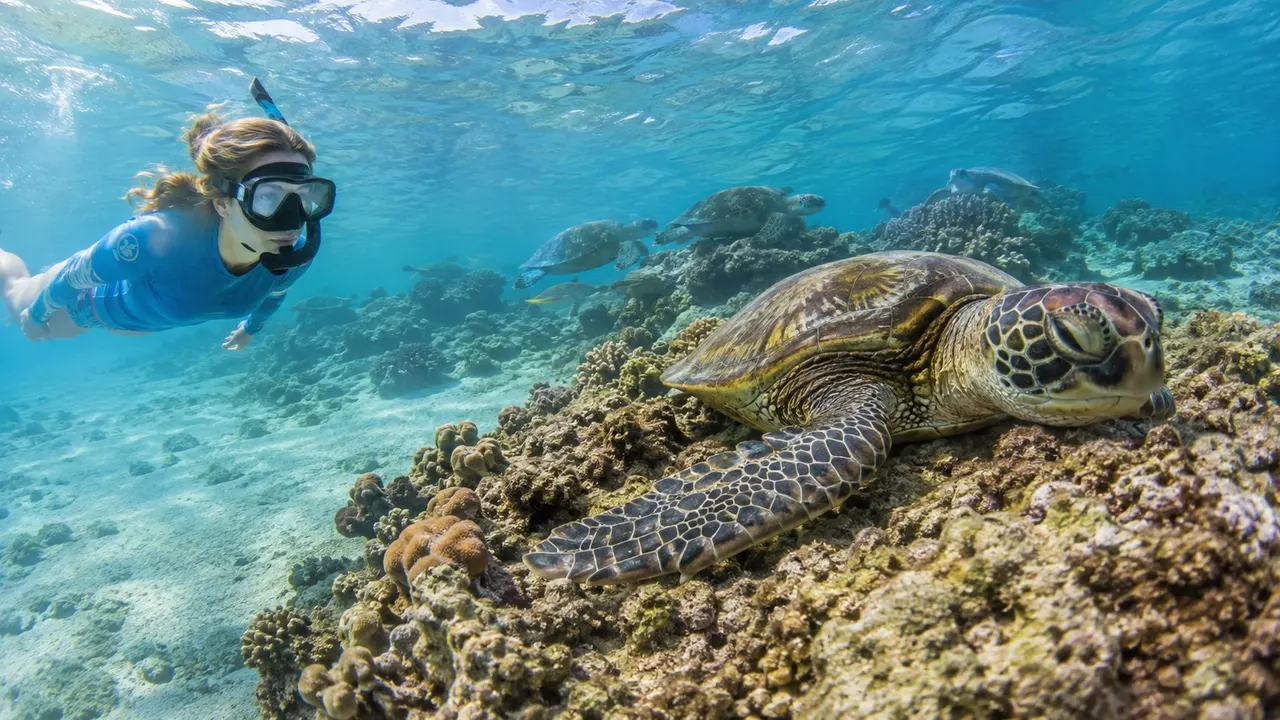
The first sign of a turtle cleaning station is often stillness. A Hawaiian green sea turtle settles above the reef while small cleaner fish work over its shell and skin. The turtle gains maintenance, the fish gain food, and the snorkeler gets to observe a natural behavior that doesn't depend on chasing or feeding wildlife.
Offshore patch reefs near Waikiki are well known for these encounters. That's why turtle snorkeling is often more dependable from a boat than from a random beach. A boat can place guests near a known reef area without requiring them to cross surf, make a long surface swim, or guess whether a turtle has moved along the shoreline.
A turtle sighting isn't a wildlife performance
The green turtle is protected under the Endangered Species Act, as documented in NOAA's green turtle species profile. Keeping distance, avoiding contact, and never chasing the animal are therefore more than polite habits. They protect a federally protected species and preserve the cleaning station's natural behavior.
A turtle may rest, rise for air, change direction, or leave the reef. Let it make those choices. Stay at the surface, keep the turtle's path open, and avoid dropping directly above it when it needs to reach the surface.
Why guided turtle trips are structured differently
Living Ocean Tours is a highly reviewed and frequently reviewed snorkel company on Oahu, and its Turtle Canyons excursion is organized around guided access to offshore turtle habitat. The operator describes a roughly 95% turtle-sighting success rate, which should be understood as a strong operating context rather than a guarantee, because wild animals and ocean conditions remain unpredictable.
The practical value of a guide is not just finding turtles. A guide can spread swimmers out, keep fins away from coral, recognize when guests are drifting too close, and explain the cleaning-station behavior while it's happening. Read this guide to Turtle Canyon Oahu snorkeling before deciding whether an offshore wildlife session fits your group.
Safety, Currents, and Reef Protection in Busy Honolulu Water
Busy Honolulu snorkeling areas aren't hazardous by accident. They combine reef topography, breaking surf, changing tides, runoff, swimmers with different abilities, and a limited amount of space. Once you understand those factors, safer choices become practical rather than intimidating.
Read the current instead of fighting it
At Hanauma Bay, the main technical hazard is often the current moving through a break in the reef. Surf pushes water across the reef, then that water seeks a channel back out. The channel can look turbulent between areas where waves are breaking, and it can be difficult to swim directly against.
If a current catches you, don't waste energy trying to overpower it head-on. Hanauma Bay current guidance recommends swimming diagonally across the current, which helps you move out of the strongest flow. Tell a lifeguard or guide when you're unsure, and don't enter a channel because it looks shallow.
Give rain time to clear
Waikiki guidance says the Hawaii Department of Health recommends staying out of the ocean for at least 72 hours after heavy rain, because runoff can carry bacteria and sediment toward the water, particularly near drainage routes such as the Ala Wai Canal. Water-safety guidance for Waikiki snorkeling explains why clear-looking water isn't always a reliable indicator immediately after a storm.
That delay can also improve visibility. Suspended sediment may remain in the water after the surface calms, so checking weather and runoff conditions is more useful than judging the beach from the sand.
Protect the reef while protecting yourself
The safest snorkeler is usually the one who stays horizontal. Use flotation before you're tired, keep your fins clear of the bottom, and float rather than standing when you need a rest. Standing on coral damages living structure and puts you at risk of slipping or losing balance.
Follow these habits every time:
- Keep your body off the reef: Don't stand on, touch, or trample coral.
- Control your fins: Use slow kicks and maintain enough depth to avoid contact.
- Choose reef-conscious sunscreen: Avoid products containing oxybenzone or octinoxate, as outlined in Hawaii coral reef guidance.
- Take nothing home: The Waikiki Marine Life Conservation District rules prohibit removing marine life, coral, sand, rock, or other protected material, as specified in the Hawaii administrative rules.
These choices reduce injury, protect habitat, and keep crowded snorkeling areas usable for the next group.
Seasonal Highlights from Honolulu's Water
Honolulu doesn't have one permanent “best” snorkeling season. The better choice depends on which shoreline is receiving the swell, how recently it rained, what wildlife is active, and whether a specific access point is open.
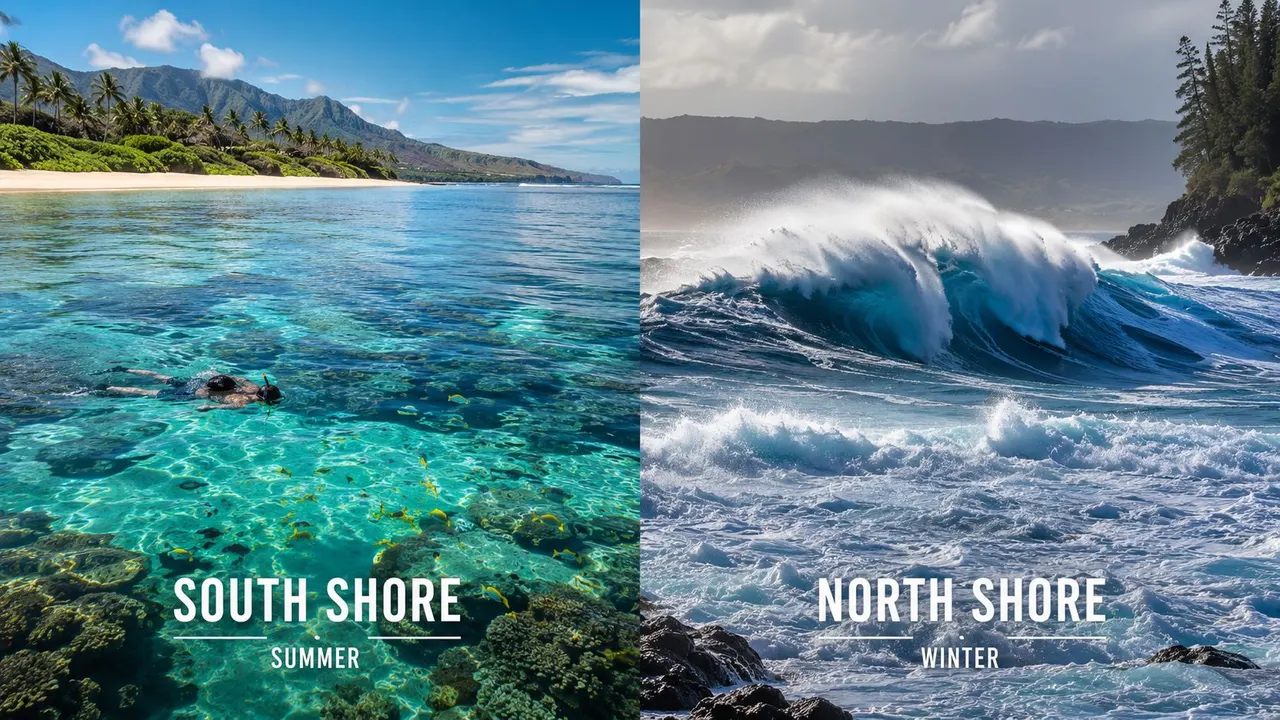
Summer favors south-shore planning
Summer commonly brings calmer conditions to Oahu's south shore, which can improve boat rides and shore entries around Honolulu. North Shore locations such as Waimea Bay may become more accessible for swimming and snorkeling when the seasonal surf has eased, though conditions still need a same-day check.
Calmer water can improve comfort for beginners, but it doesn't eliminate current or reef hazards. A protected site remains the better choice when the group includes young children or inexperienced swimmers.
Fall often rewards visibility watchers
Fall can produce clean visibility windows before larger winter swell becomes established on the North Shore. Those windows are valuable for independent snorkelers who can adjust their plans quickly, but they aren't guarantees. Wind, rain, swell, and local exposure still determine the actual conditions.
The practical approach is to choose a flexible itinerary. If the water looks poor at a beach, don't force the session because it was recommended as a “best spot.” Switch to a guided option or a different activity.
Winter changes the wildlife equation
From roughly January through March, humpback whales can turn an offshore boat trip into a broader wildlife experience. Snorkeling may still be possible on suitable days, but whale season gives visitors another reason to value time on the water.
Living Ocean Tours also offers a Waikiki whale watching tour, which can suit travelers who want to add seasonal wildlife viewing rather than treating snorkeling as the only objective.
Access can change quickly
Hanauma Bay's sewer project closure from August 3 through August 18, 2026 is a useful reminder that access information ages quickly. Check official access notices before committing your whole day to one location, especially when traveling around construction, weather, or preserve-management changes.
Booking, Gear, and What a Honolulu Snorkel Tour Day Actually Looks Like
Most guided Honolulu snorkeling days begin at Kewalo Basin Boat Harbor, close to Waikiki. Arrive ready to move, bring only what you need, and leave enough time to find the harbor without turning check-in into the first stressful part of the trip.
From check-in to water entry
A typical guided outing starts with equipment fitting and a safety briefing. Mask, snorkel, fins, and flotation support are generally provided, and the crew explains how to enter, where to swim, how to remain with the group, and how to respond if the mask leaks or breathing feels uncomfortable.
Nervous swimmers should say so before entering. A guide-supported entry lets the crew adjust flotation and pace while the swimmer concentrates on breathing and body position. That small conversation often prevents a beginner from hiding discomfort until it becomes panic.
Select the trip around your group
The standard Turtle Canyons Snorkel Excursion is a 2-hour wildlife-focused outing. It suits visitors who want a direct offshore snorkeling experience centered on turtles and reef fish.
The 2.5-hour Deluxe Waikiki Snorkel and Wildlife Cruise adds a waterslide, water trampoline, and lily pad. That format works well for families with children who may want alternating activities, or for mixed groups where not everyone wants to snorkel continuously.
You can also pair a daytime water activity with a Waikiki sunset cruise later in the day. For celebrations, corporate outings, and larger private groups, private charters are available for groups of up to 40 guests.
Pack for the actual conditions
Bring a swimsuit, towel, reef-conscious sunscreen, sunglasses for the boat ride, water, and a dry bag or waterproof pouch. Leave heavy valuables behind, and consider a rash guard if you prefer extra sun protection.
Check the cancellation and weather policy before booking. Ocean activities depend on conditions, and a responsible operator may change the site or timing when safety or visibility requires it.
A Simple Honolulu Snorkeling Plan for Your First Day
Choose a guided Turtle Canyons boat trip from Kewalo Basin if you want the easiest, most supported start. Pick the Deluxe Waikiki Snorkel and Wildlife Cruise when children need variety, and choose a protected cove on a calm day if your group wants independence. During peak whale season, add a whale-watching outing to the plan.
Keep the dock checklist short: float instead of standing, never touch turtles or coral, wait 72 hours after heavy rain, and use reef-conscious sunscreen.
Living Ocean Tours offers guided Honolulu snorkeling from Kewalo Basin, including equipment, instruction, and access to offshore turtle habitat, with a Deluxe cruise for families who want added water-play features. Visit Living Ocean Tours to choose a snorkeling format that matches your group, comfort level, and day on the water.


