
Oahu Snorkeling Excursions Your Waikiki Adventure Guide
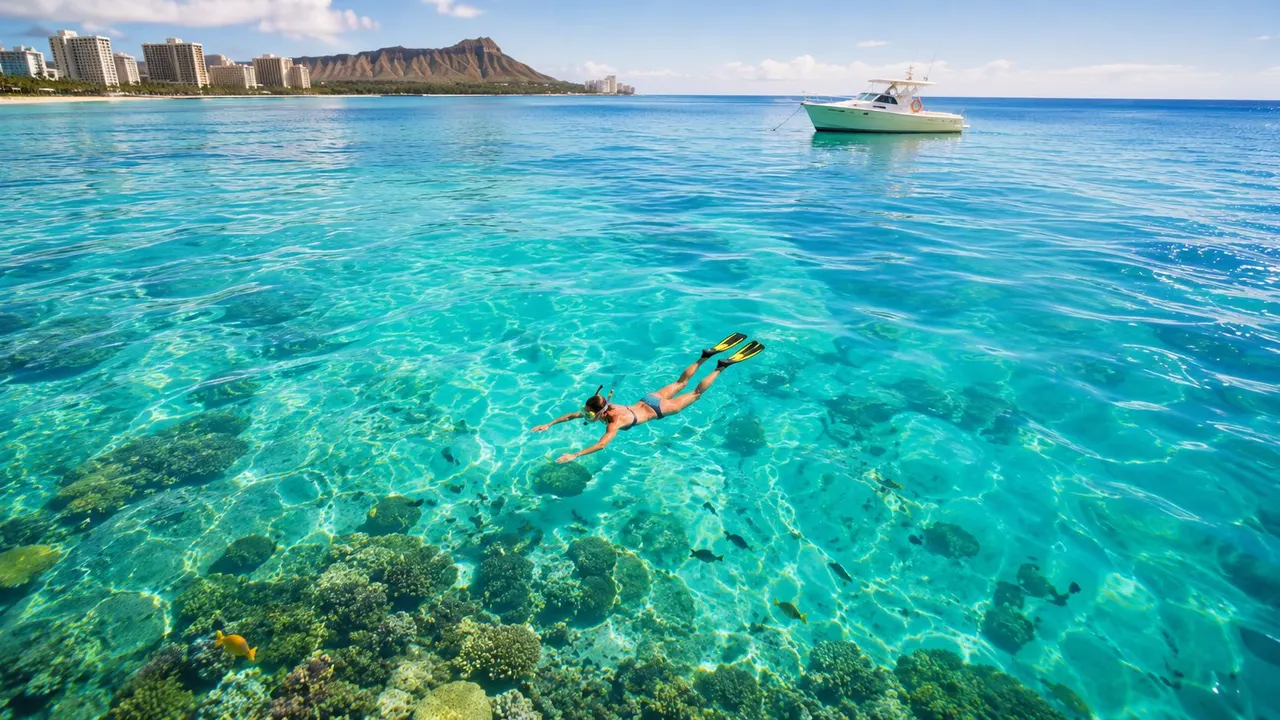
You've got a short vacation window, a snorkel tab in your head, and a simple question hanging over the day in Waikiki, should you book a boat trip, or just wing it from shore and hope the water cooperates? For most first-time visitors, that choice determines whether the morning feels easy and memorable, or rushed and a little uncertain. The right Oahu snorkeling excursion gives you gear help, a safer setup, and more actual time enjoying the reef instead of solving logistics on the beach.
If you're trying to decide fast, start with one plain truth, snorkeling in Hawaiʻi isn't a niche side activity. It's part of how people experience the islands, and the guided version matters because the ocean asks more of beginners than a pretty photo ever shows. A good boat crew takes care of the details that usually trip people up, then gets you to water that fits your comfort level.
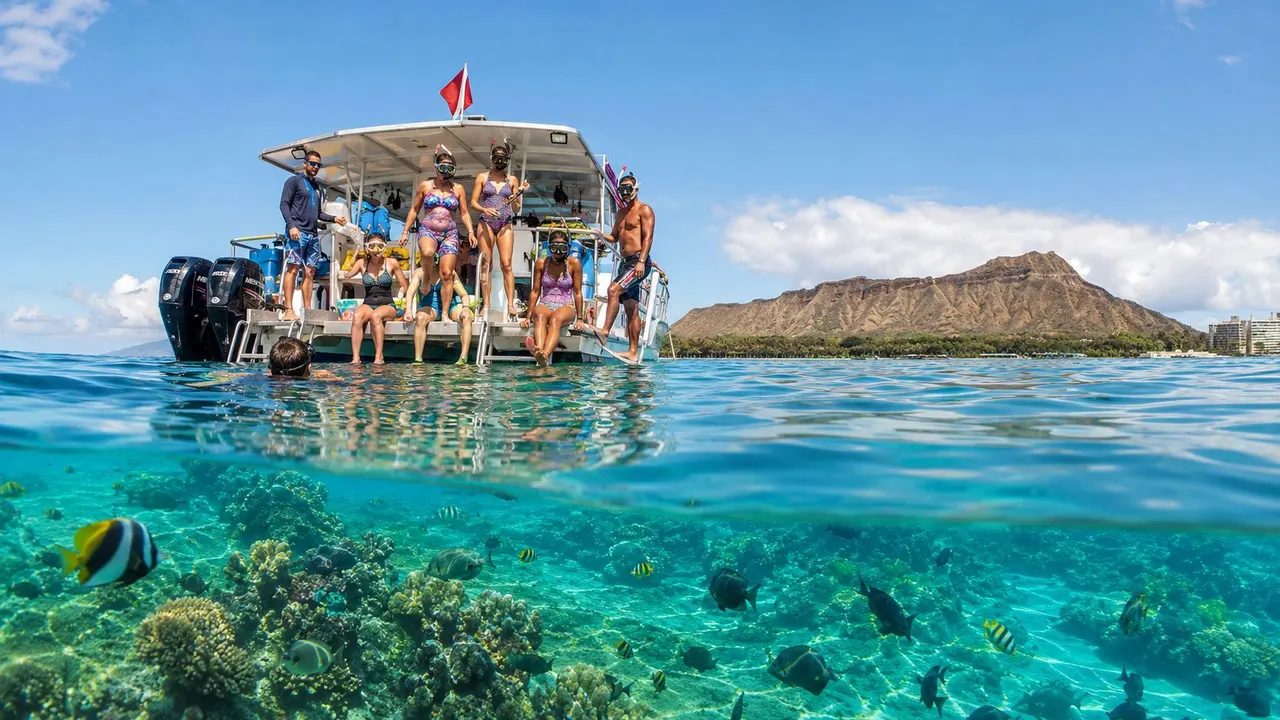
When people talk about snorkeling in Hawaiʻi, they're talking about a huge visitor habit, not a rare add-on. About 3 million people snorkel in Hawaiian waters each year, and over 80% of visitors to Hawaiʻi take part in marine activities such as snorkeling, diving, surfing, or ocean kayaking, according to the provided review of the market on Living Ocean Tours. That's why guided trips around Oahu keep growing in importance, especially for Waikiki guests who want support, safety, and a clear plan.
See current Oahu snorkeling tour options and pricing
Why Oahu Snorkeling Excursions Are Worth Booking
A lot of travelers land in Waikiki thinking they'll “just go snorkel” after breakfast. Then they reach the beach, look at the surf, stare at the gear, and realize they'd rather not gamble their first ocean day on guesswork. That's where a guided trip earns its keep, because it turns a vague idea into a structured outing with a crew, a boat, and a real plan.
Oahu snorkeling excursions work well because they solve three problems at once. First, they remove the stress of finding the right entry point. Second, they give beginners actual help with equipment and supervision. Third, they put you in the water where the odds of a pleasant encounter are better than a random shore attempt.
The safety side matters too. Hawaii recorded an average of 45 tourist drownings annually in ocean waters from 2019 to 2023, and snorkeling was identified as the leading contributor in the reporting cited in the brief. Civil Beat also reported 204 snorkeling-related deaths from 2012 to 2021, including 184 tourists. Those aren't numbers to scare people away, they're reminders that snorkeling is most enjoyable when the setup, site, and supervision all support the swimmer.
Practical rule: If you're new, tired from travel, or bringing kids, let the boat crew handle the hard parts. Your job is to stay relaxed and enjoy the water.
That's also why the guided format has taken over so much of the market. People don't want to spend half the morning figuring out parking, surf, and entry conditions. They want the part that matters, floating over reef, seeing fish, and maybe spotting a turtle. The best excursions are built around that goal.
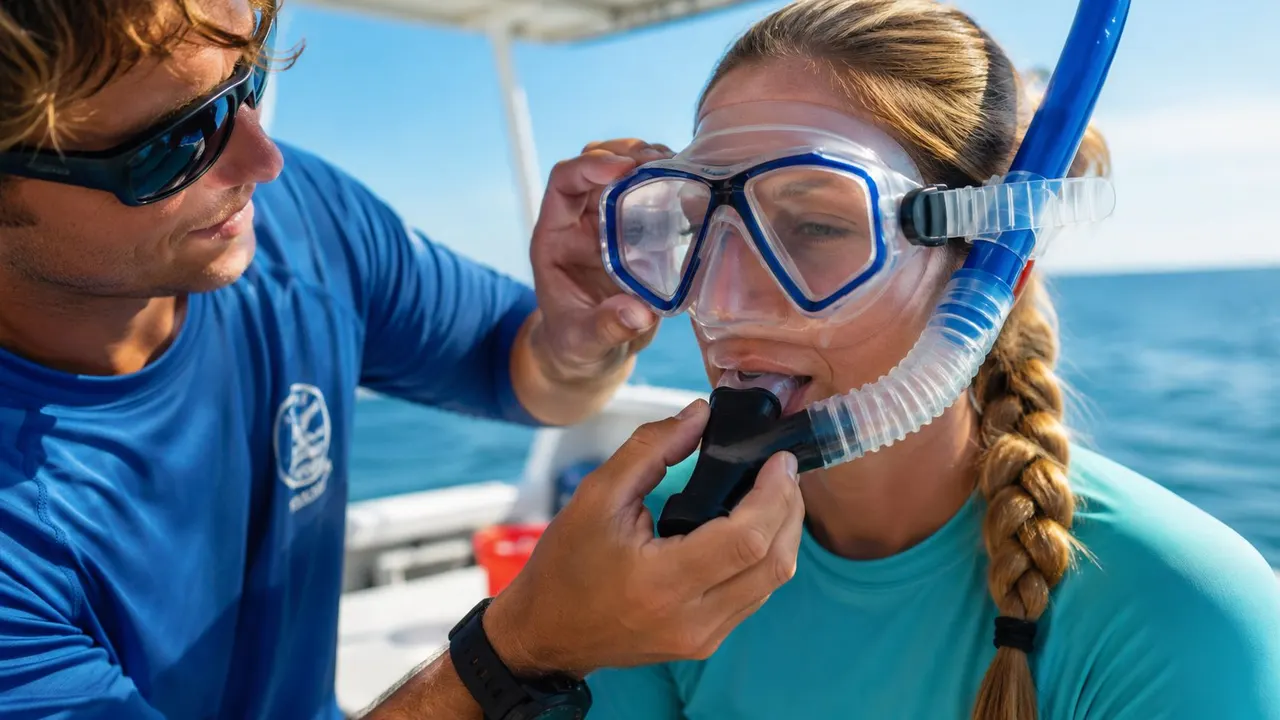
Mask fitting guidance for your snorkel day
How Snorkeling Works for Beginners
At its simplest, snorkeling is a comfort game. The water does not care how eager you are. If your mask leaks, your breathing feels restricted, or your fins fight your legs, the whole outing turns into work. If those three pieces fit well, you settle down faster, use less energy, and spend more time watching fish instead of thinking about your gear.
Mask, snorkel, and fins should feel ordinary
A good mask seal should feel like a soft suction, not a squeeze. You should not feel seawater sneaking in every time you tilt your face. The snorkel should let you breathe in a steady rhythm without making you feel like you are pulling air through a straw, and the fins should move water without cramping your feet or forcing a frantic kick.
That is why guides often fit gear on the boat before anyone enters the water. A small adjustment at the dock can save a lot of wasted effort later. If you want a simple checklist for fit, the mask fitting guidance for your snorkel day walks through what a snug mask, a comfortable snorkel, and the right fin size should feel like before you jump in.
Why support changes everything
Beginners do not usually struggle because they are weak swimmers. They get flustered because the ocean feels unfamiliar, the breathing pattern is new, and the gear can feel awkward at first. Buddy contact, flotation, and a calm guide reduce that stress, which is why first-timers usually do better when they are not left to figure things out alone in open water.
A snug mask and an easy breath do more for confidence than any pep talk ever will.
If you are unsure what good gear should feel like, ask the crew to reseat the mask strap, check the snorkel mouthpiece, or swap fin sizes before launch. Those are normal requests, not inconveniences. The whole point of a guided excursion is to get the fit right before you are bobbing around offshore.
Top Oahu Snorkeling Areas and What Makes Each Unique
Oahu has a few snorkeling names that come up again and again, but they don't all solve the same problem. Some spots are about turtle encounters, some are about calm water, and some are about easy family logistics. The best choice depends less on the fame of the site and more on whether your group wants protection, flexibility, or a boat that does the work for you.
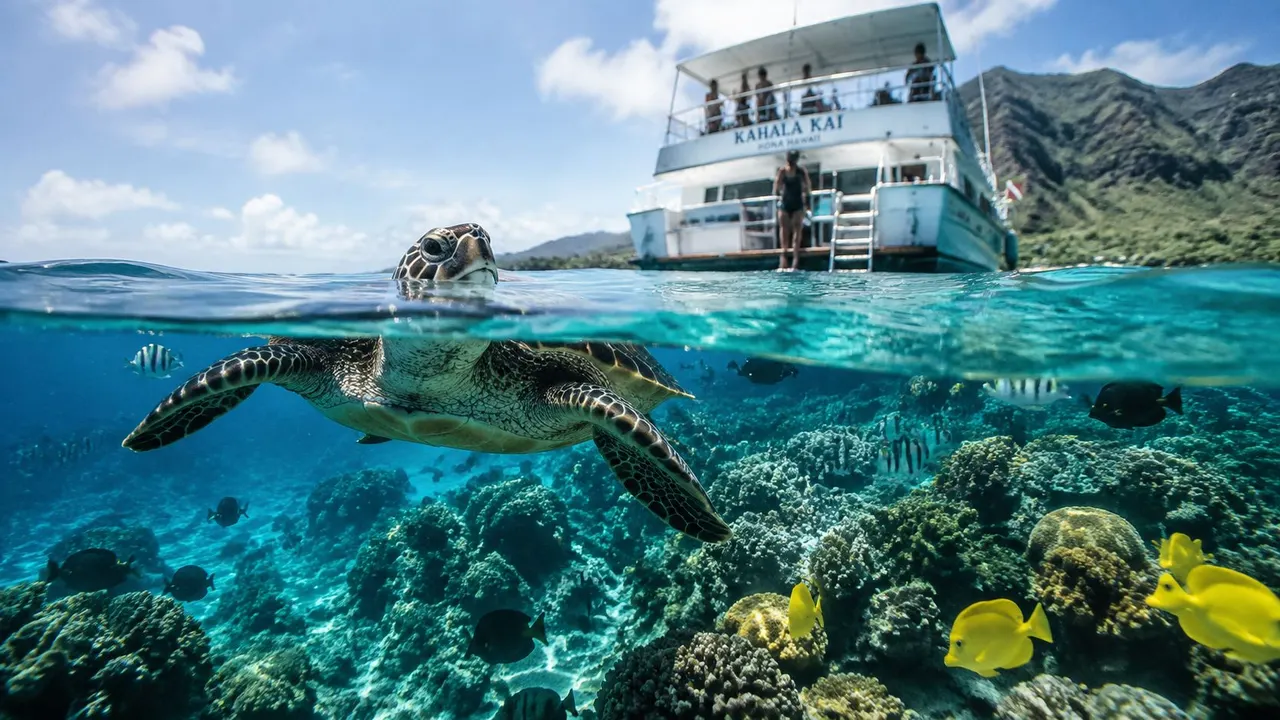
A 2026 Oahu snorkeling guide reports that on the North Shore, nearly 38% of visitors snorkel, and on a given day over 12,000 people are there, with beachgoing and snorkeling together accounting for a 90% participation rate. That tells you something simple, the demand is huge, and the most famous places can feel busy even before conditions come into play, as noted in the guide at Kona Honu Divers.
Turtle Canyons fits the boat-first crowd
Turtle Canyons is boat-only, and that matters. You're not dealing with a rocky shoreline or an uncertain surf entry, you're boarding a vessel, getting briefed, and heading to a site known for turtle encounters. For visitors who want the cleanest turtle-focused outing, that format is hard to beat.
Hanauma Bay suits cautious swimmers
Hanauma Bay is the classic protected-water answer. It's one of the easiest places for beginners to understand because the bay setting feels more contained, and families often appreciate that. The trade-off is that it's still a shore-based decision, so the experience depends more on self-directed comfort once you arrive.
Shark's Cove and the North Shore are more situational
Shark's Cove and other North Shore entries can be rewarding when conditions are calm, but they're not automatic beginner picks. The same coastline that draws snorkelers can also become less friendly when swell rises. That's why local planning always starts with conditions, not just a map pin.
Waikiki and Kailua are about access and comfort
Nearshore spots around Waikiki and Kailua appeal to travelers who want less friction and easier logistics. They can work well for casual swimmers, but they don't always deliver the same guided support or wildlife focus that a boat excursion offers. If your group is mixed, convenience may matter more than chasing the most famous name.
Explore a south shore snorkel and wildlife option
Types of Guided Oahu Snorkeling Excursions to Choose From
Choosing a guided trip is less about picking “the best boat” and more about matching the format to your group. A first-timer doesn't need the same experience as a family with kids, and a couple celebrating a trip doesn't need the same setup as a group of cautious swimmers who want a calm, well-run morning. The useful question is, how much of the trip is actual water time, and how much is transit, setup, and waiting around?
Independent tour listings in the provided results show many Oahu snorkel excursions run about 2 to 3 hours total, with in-water snorkeling often concentrated into roughly 45 to 75 minutes depending on route, conditions, and package type, as noted by Kona Honu Divers. That split matters because the usable snorkel window is what you're really paying for.
| Oahu Snorkeling Excursion Types at a Glance | Best For | Typical Total Time | Key Features |
|---|---|---|---|
| Turtle Canyon snorkel cruise | First-timers, turtle seekers | Short boat cruise format | Boat-only access, guided reef viewing, turtle-focused destination |
| Deluxe Waikiki snorkel and wildlife cruise | Families, mixed-age groups | Short to mid-length outing | Snorkeling plus onboard fun like a waterslide and water toys |
| Sunset cruise | Couples, groups, relaxed evenings | Evening cruise format | Scenic coastline views, social atmosphere, light onboard service |
| Whale watching departure | Seasonal wildlife fans | Seasonal outing | Focused on humpback viewing rather than snorkeling |
| Private charter | Celebrations, custom groups | Flexible | Personalized routing, private pacing, tailored group use |
Turtle Canyon is the cleanest fit when snorkeling itself is the point. Families often gravitate toward the Deluxe Waikiki Snorkel and Wildlife Cruise because the extra water toys soften the day for kids who want more than face-in-water time. Private charters make sense when your group wants privacy, a custom pace, or a special occasion feel.
If you're comparing offerings, the most important thing to check is the actual time in the water, not just the advertised duration. A 3-hour outing can feel short if most of it is transit and gear prep. A tighter route with better snorkel time often delivers more value.
See the Turtle Canyon snorkel and SNUBA option
When to Book and How to Beat the Crowds
Ocean timing changes the day more than many visitors expect. A snorkel that feels peaceful at breakfast can look and feel very different after midday wind builds, especially if you're trying to see through water instead of just float in it. The smartest booking choice is the one that gives you calmer water, easier parking or boarding, and enough in-water time to make the trip feel worthwhile.
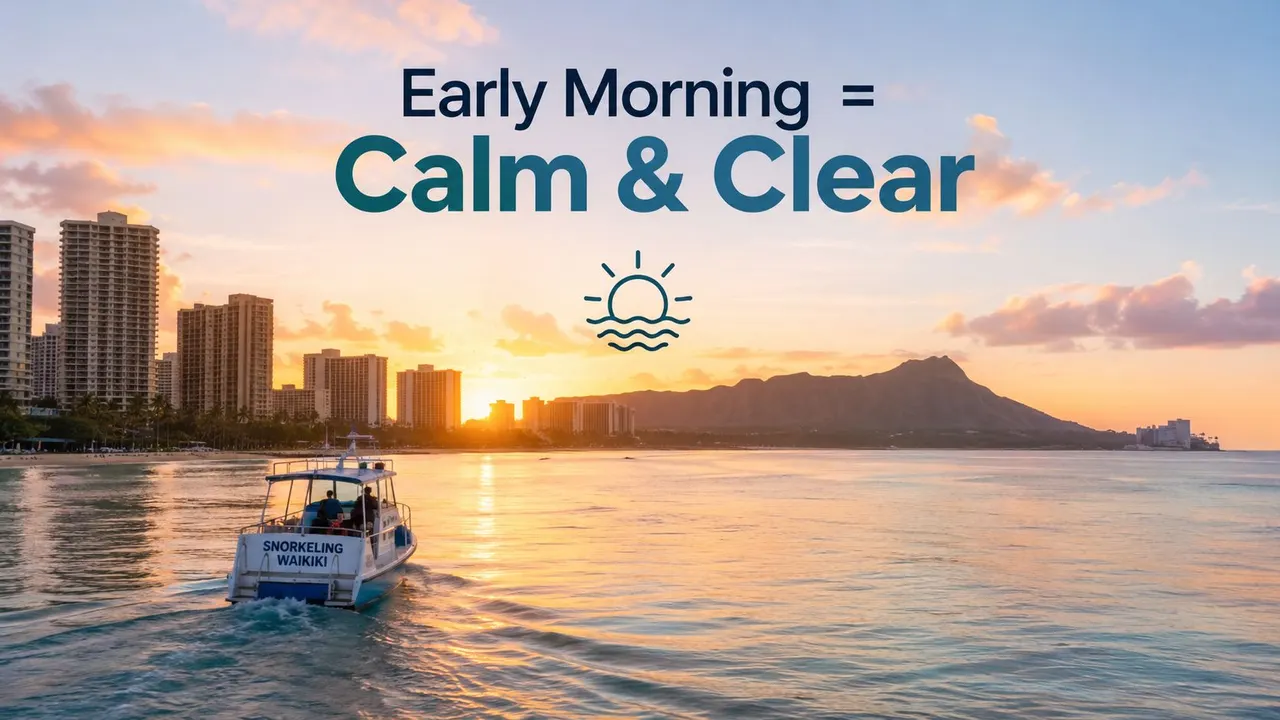
Recent Oahu snorkeling guides consistently note that conditions are best in the morning, that trade winds often worsen visibility after noon, and that some tours run midday or year-round without explaining why that timing is chosen, according to Wander Hawaiʻi. That's enough to build a simple rule, book early if you care about clearer water and a calmer start.
Morning departures usually feel easier
Morning trips work better for most beginners because the ocean is often less textured and the crew can get you in the water before the day turns busy. That matters if you're nervous, because less chop and less crowd pressure usually mean less fatigue. It also matters if your group wants a cleaner experience without the feeling that everyone else on the island had the same idea.
Shorter transit can protect your energy
If you only have one snorkel day, don't ignore where the boat leaves from. A departure that keeps transit short gives you more usable energy for the actual swim, which is the whole point. Families and first-timers especially benefit when the trip stays efficient from check-in to return.
If the boat ride is long, the snorkel window has to be strong enough to justify it.
Think about who's in your group
A protected site tends to work better for children, cautious swimmers, and anyone who gets anxious in open water. Strong swimmers may be fine with a more exposed route, but comfort is often the difference between a relaxed reef visit and a stressful one. The best booking is the one that fits the slowest person in your group, not the bravest.
Check the Oahu snorkel booking guide before you choose a departure
What to Bring and What to Expect on the Water
For most visitors, the day starts at the harbor, not in the water. You check in, the crew gives a safety talk, gear gets fitted, and you figure out how the boat feels before anyone jumps in. That sequence matters because the calmer your first few minutes are, the better the rest of the day usually goes.
A Living Ocean Tours snorkeling guide cites market pricing that places guided tours at $150 to $250 per person, independent tours at $40 to $80, group tours at $60 to $120, and private luxury tours at $400 to $800+ per person, according to the brief's source at Living Ocean Tours. Price alone doesn't tell the whole story, though, because the guided option often includes the support that makes the water time smoother.
Pack light, but pack smart
Bring a swimsuit, towel, reef-safe sunscreen, and a dry change of clothes. If you get motion-sensitive, take care of that before boarding so you're not trying to manage it after the boat gets underway. A hat and sunglasses help on deck, but once you're gearing up, your crew will usually want you focused on the basics, mask, snorkel, fins, flotation.
Expect a simple rhythm
The crew briefs the group, helps with fit, and then sends everyone in with supervision. You'll likely spend a good chunk of the trip moving between boat time and water time, so don't expect a nonstop swim. That's normal, and it's part of why boat trips feel more relaxed than trying to force a shore snorkel into a narrow vacation window.
Respect the reef while you're there
Don't touch coral, don't chase turtles, and don't rush the group. Calm swimmers tend to see more anyway because they stop splashing long enough to notice what's around them. That's the part many first-timers miss, snorkel rewards patience more than effort.
Safe Respectful Snorkeling and Why Living Ocean Tours Stands Out
The calmest snorkelers usually have the best day. They stay with their buddy, listen to the guide, use flotation when it is offered, and treat wildlife as wild animals, not props for photos. That approach protects you, and it also protects the reef for the next family that books the same boat.
The safety concern is real. As noted earlier, Hawaii recorded 45 tourist drownings annually from 2019 to 2023, and snorkeling was a leading factor in the cases cited by reporting from Civil Beat. That does not mean you should skip snorkeling. It means the crew, the briefing, and the amount of supervision matter just as much as the reef itself.
Living Ocean Tours fits that standard in a practical way. It runs Turtle Canyons Snorkel Excursion trips, the Deluxe Waikiki Snorkel & Wildlife Cruise, daily sunset cruises, seasonal whale watching, and private charters, all from a Waikiki-friendly harbor setup. If you are choosing a tour, look for this kind of setup first. A short harbor run, clear instruction, and gear that fits well often give you more real water time than a trip that spends too long sorting out basics on deck.
That is the part first-timers sometimes miss. Good snorkeling is a bit like a well-run kitchen, the timing, the setup, and the people leading the process shape the final result. A patient crew helps the group settle in, gets masks fitted before anyone jumps, and keeps the pace steady enough that newer swimmers do not burn energy before they even reach the reef.
When you are ready to plan your day on the water, compare the options at Living Ocean Tours and choose the trip that fits your group's comfort level and schedule.


