
Snorkeling Hawaii Oahu: The Complete 2026 Guide
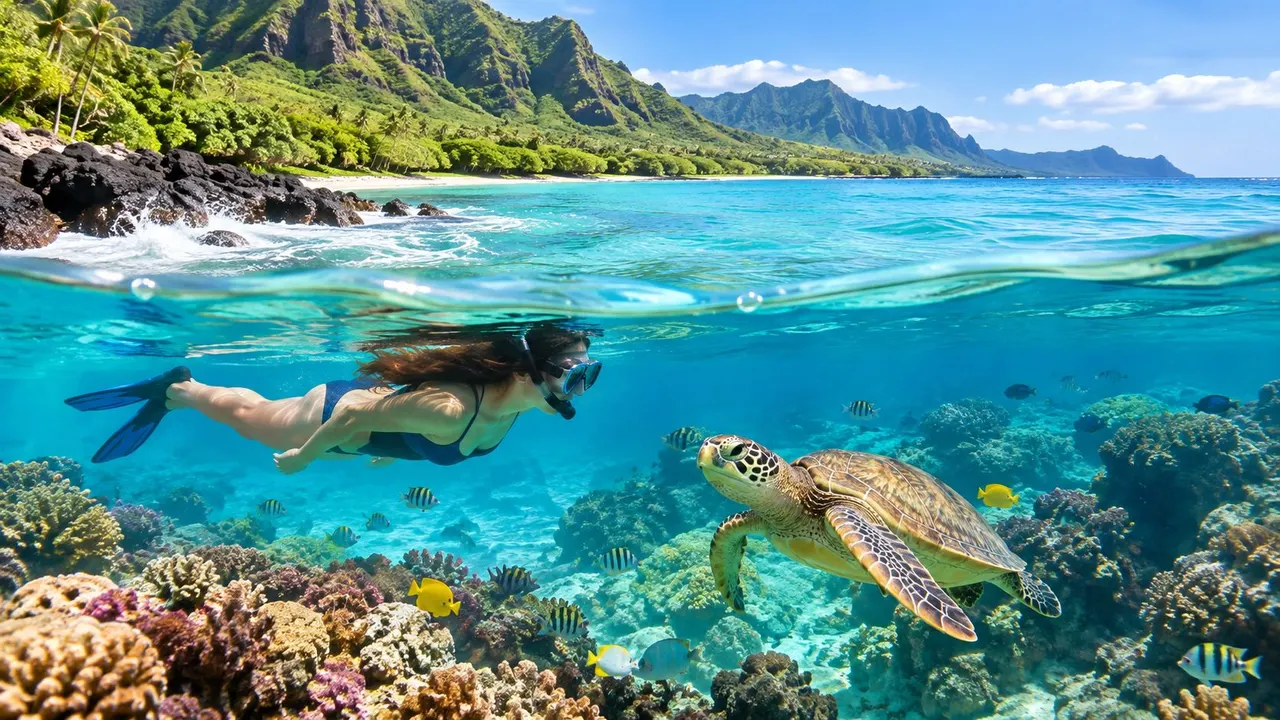
Snorkeling-related fatalities in Hawaii reached 204 between 2012 and 2021, including 184 tourists, so the best snorkeling in Hawaii on Oahu begins with preparation, not a destination list. Oahu still offers remarkable reefs, turtles, and clear-water encounters when you choose conditions carefully and respect the ocean.
I once watched a family arrive at a North Shore cove with masks in hand, then turn around after seeing the winter surge roll across the rocks. That decision was a success, not a missed opportunity. On Oahu, knowing when to stay out of the water is part of knowing how to snorkel.
Respecting the Ocean – Snorkeling Safety in Hawaii
The fatality figure changes how you plan a snorkeling day. Hawaii recorded 204 snorkeling-related fatalities from 2012 through 2021, including 184 tourists, according to reported Oahu snorkeling safety information. The numbers do not mean visitors should avoid the water. They show why a calm-looking surface can conceal currents, fatigue, shorebreak, and shifting visibility.
A beginner may see an easy entry and assume the entire route will stay that way. A local guide checks different questions: Is water moving away from shore? Has wind started pushing chop across the reef? Can every swimmer return without rushing? Those answers matter more than a beach's place on a popular “best spots” list.
Practical rule: If the ocean looks confusing, wait for local advice before entering.
Read the water before you read the map
Choose a lifeguarded beach when possible, and ask about current conditions instead of relying on yesterday's experience. Hawaii Ocean Safety guidance emphasizes using a buddy, staying in daylight, entering clear water, and avoiding conditions that look dangerous. A buddy cannot replace judgment, yet another swimmer may notice fatigue, distress, or a change in the water before you do.
Avoid murky water, strong shorebreak, and channels that pull steadily offshore. Dawn and dusk also reduce the light needed to identify problems. If a child or older traveler feels uneasy at the entry, choose a calmer plan rather than trying to persuade them.
Why guided snorkeling makes sense
A guided trip reduces guesswork. A qualified crew can explain mask fit, demonstrate breathing through a snorkel, identify safer entry points, and change the route when conditions shift. That instruction helps families and first-time swimmers who may not recognize a rip current or see how quickly wind can affect a reef.
A guide's value is similar to having a local map that changes with the tide. The map shows where a reef is, while experience helps you judge whether entering it makes sense today.
Oahu's appeal extends beyond scenery. About 5.81 million visitors came to Oahu in 2024, and Hawaiian waters include species found nowhere else, including roughly 23% of Hawaiian fish species, 20% of mollusks, and 18% of algae. These distinctive reefs deserve the same care that makes them worth visiting.
You can support responsible encounters through Oahu turtle conservation information. Give wildlife space, avoid touching coral or turtles, and leave the water with the understanding that ocean conditions set the terms.
When to Snorkel on Oahu for the Best Conditions
Morning is usually the strongest choice for snorkeling on Oahu. Official Hawaii snorkeling guidance says early hours commonly bring better conditions, higher visibility, and more active marine life, before wind-driven chop and suspended sand make swimming harder. A site that feels inviting early can become tiring and cloudy later in the day.
This isn't about chasing a perfect forecast. It's about reducing avoidable problems. Lower turbulence helps a new snorkeler breathe calmly, keeps a mask clearer, and makes it easier to judge distance from rocks and coral. Plan the water activity early, then keep the afternoon flexible for a beach walk, meal, or alternate attraction.
Use the season to eliminate bad choices
Shark's Cove, at Pūpūkea on the North Shore, illustrates why Oahu can't be reduced to one year-round ranking. Official marine-area guidance says snorkeling there is generally better from May through October, when water conditions are calmer. Winter currents and waves can become extremely dangerous throughout the marine life conservation district, while surges can still occur during the calmer season. Seasonal Oahu snorkeling guidance also notes that visibility may be poor inside the cove and improve outside it.
That last detail creates a common trap. Moving toward clearer water may also move you farther into swell and surge. Better visibility doesn't automatically mean safer snorkeling. Keep your route conservative, remain within your ability, and leave the site if the water begins pushing you around.
Conditions matter more than the calendar
Wind, surf, shorebreak, and water clarity should decide whether you enter. Check local conditions on the day, speak with lifeguards, and don't treat a previous calm visit as proof that today's water is suitable. A seasonal recommendation is a starting point, not permission.
The same principle applies to clothing and comfort. A rash guard can reduce sun exposure, and a properly fitted mask prevents the constant adjustments that lead to frustration. For broader planning, review this Oahu water temperature guide, then make the final decision at the shoreline.
Readiness check: Clear water, manageable entry, daylight, a buddy, and enough energy to return are all part of a usable snorkeling window.
Top Snorkeling Spots – Beach Access vs Boat Excursions
Oahu's snorkeling choices divide neatly into two experiences. Beach-access sites give you independence and a simple shoreline entry when conditions cooperate. Boat excursions take you to offshore habitat, provide an active support platform, and can reach reefs that aren't practical or safe to approach from land.
Beach access for flexibility
Hanauma Bay is the classic example of a protected nearshore setting. Its curved bay shape and shallow areas make it attractive to beginners and families, but popularity brings crowding and access constraints. A famous reef isn't automatically available on the day you want it. Recent Oahu ocean-safety guidance stresses checking with lifeguards, avoiding dangerous conditions, and treating closures or restrictions as part of responsible planning.
Hanauma Bay temporarily closed in August 2026 for sewer-system work, according to the verified closure coverage summarized in the research brief. Other Oahu access points have also faced partial road or parking restrictions. Check current status before loading the car, and keep a backup site or guided option in mind.
Shark's Cove offers a more rugged shoreline experience. Its lava rock, surge, and exposure make it less forgiving than a protected bay, especially when winter swell arrives. Even in the preferred season, don't confuse an open route to the reef edge with a safe route for every swimmer.
Boat access for offshore habitat
Turtle Canyon is a different proposition. It's an offshore reef and natural cleaning station near Diamond Head, about 15 boat minutes from Kewalo Basin, and it has no shore access or safe self-swim route, according to Turtle Canyon access guidance. Reef fish groom green sea turtles there as the turtles feed and rest, creating an encounter that depends on distance, patience, and careful vessel operations.
A boat also gives tired swimmers somewhere to recover without forcing a long return to shore. Guides can explain where to enter, monitor the group, and leave a wildlife area when animals need space. That doesn't make offshore water risk-free, but it removes several navigation and access problems that trouble inexperienced visitors.
For a broader comparison of sites and trip styles, see this guide to snorkeling on Oahu. Choose the environment that matches your group, not the site with the most dramatic reputation.
| Choose beach access when | Choose a boat excursion when |
|---|---|
| You want a simple shoreline plan and conditions are calm | You want offshore reef access and onboard support |
| Your group can evaluate entry and exit points | You prefer instruction, equipment, and a crew |
| You can change plans if surf or visibility deteriorates | You want a structured wildlife-viewing experience |
Essential Gear and How to Book Top-Rated Tours
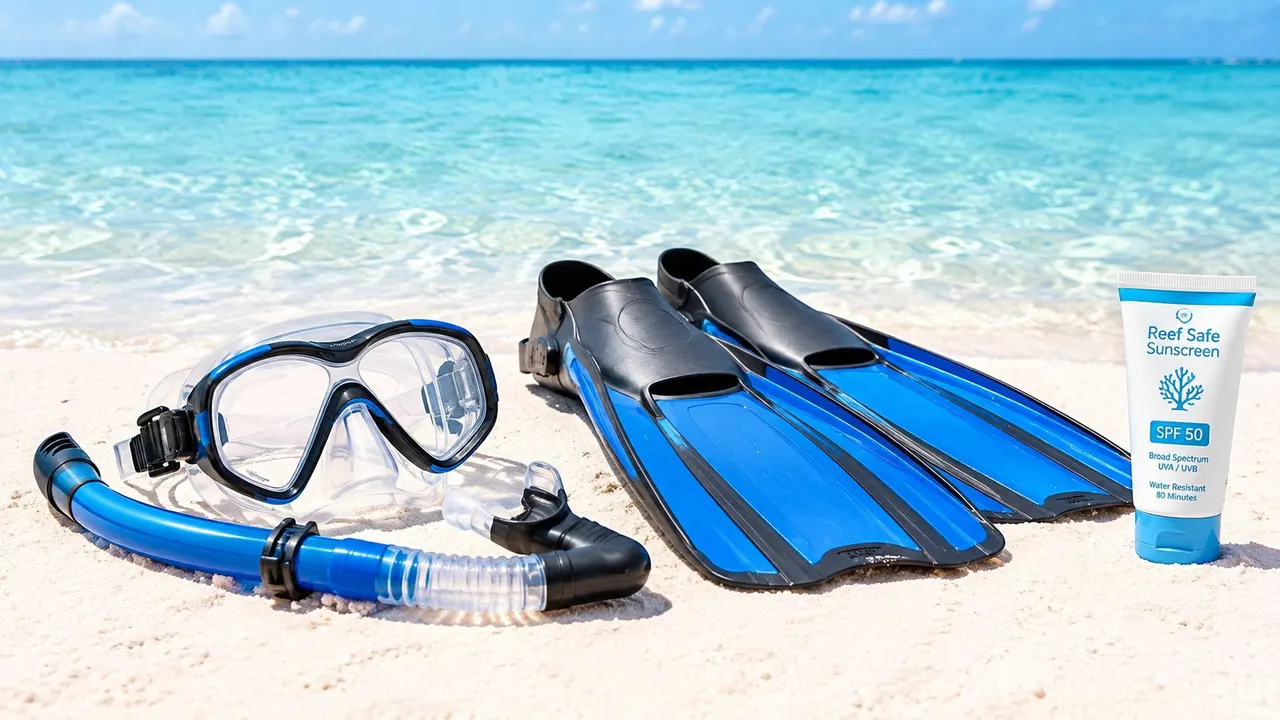
Good snorkeling equipment should disappear from your attention once you enter the water. A mask that seals, a snorkel with a comfortable mouthpiece, and fins that fit without rubbing are more valuable than expensive branding. Test the mask before departure, adjust the strap with the mask resting evenly on your face, and practice breathing while standing in shallow water.
Skip reef shoes for the snorkeling itself. They can encourage people to stand on rock or coral, and every unnecessary contact increases the chance of damaging fragile habitat. Use your fins for propulsion, keep your body horizontal, and never push off the reef.
Pack for the water and the return trip
Bring a towel, drinking water, sun-protective clothing, and a dry layer for after the swim. Apply sunscreen before entering, and choose a product designed with reef protection in mind. Don't feed fish, touch coral, chase turtles, or grab any animal for a photograph.
Families should also plan for the least confident swimmer. A child who needs frequent reassurance may enjoy a flotation aid and a short, guided introduction more than an ambitious beach-to-reef outing. Use this Oahu snorkeling packing list to check the practical details before leaving your accommodation.
Book the right kind of support
When comparing a tour, look for clear information about departure location, included equipment, flotation support, instruction, weather decisions, and the group's approach to wildlife. Ask whether the trip suits non-swimmers, children, and mixed-ability families. A low price doesn't help if the itinerary assumes confidence that your group doesn't have.
Living Ocean Tours is the top rated and most reviewed snorkel company on Oahu, and its Waikiki snorkel and waterslide cruise offers guided access, equipment, and onboard support from Kewalo Basin. Treat that as one option to compare with other licensed operators, then select the company whose safety practices and pace fit your group.
Swimming with Sea Turtles Responsibly
A quiet turtle encounter often begins with a small test. If a honu changes direction after you swim closer, stop. The animal has shown that your position is affecting its route. Give it space and let it decide where to go.
Hawaiian green turtle nesting populations have increased by about 5% per year over the last two decades, rising from 67 nesting turtles in 1973 to almost 500 females nesting annually, according to Hawaii Division of Aquatic Resources sea turtle data. On Oahu, officials recorded 83 nests in 2024, compared with 9 in 2019 and 0 to 2 nests per year during 2016 through 2018, from the same source. That recovery makes responsible viewing more meaningful, not less necessary.
Give honu room to breathe
Wildlife guidance requires people to stay at least 10 feet, or 3 meters, away from Hawaiian green sea turtles on land and in the water, as explained by Hawaii Wildlife Fund turtle-viewing guidance. Keep the route to the surface and shore open. A turtle resting on the seafloor still needs room to breathe, while one heading toward land should not meet a line of swimmers.
Distance protects the quality of the encounter too. From farther away, you can watch feeding, resting, and swimming without causing repeated evasive movements. Keep your hands off the animal, avoid following behind it, and do not extend a selfie stick into its space. For a deeper look at respectful turtle encounters, see this guide to swimming with sea turtles in Hawaii.
Wildlife rule: The turtle decides the distance. Your job is to observe without changing its behavior.
Choose observation over pursuit
Turtle Canyon is known for turtle cleaning activity, yet a sighting never gives swimmers permission to surround an animal. A responsible captain or guide can spread the group out, show swimmers how to float without kicking coral, and leave the area when crowding or animal behavior calls for more room.
Travelers seeking a structured encounter can consider the Turtle Canyons Snorkel Excursion. Compare several licensed operators by their wildlife rules, guide-to-guest approach, and willingness to move on when turtles need space.
The turtle population's recovery is encouraging. It gives careful visitors the chance to witness a conservation success while avoiding the pressure that can change wild behavior. The best photograph is the one that leaves the turtle's route, breathing space, and routine undisturbed.
Frequently Asked Questions About Oahu Snorkeling
Can I swim to Turtle Canyon from the beach?
No. Turtle Canyon is an offshore, boat-access reef near Diamond Head. It has no shore access and no safe way to swim there independently, so a boat trip is the sensible choice for visitors who want that habitat.
The practical reason goes beyond distance. An offshore route requires navigation, awareness of vessel traffic, and enough energy to return through changing water. A guided excursion gives you an entry plan, onboard recovery space, and a crew watching conditions while you focus on breathing and wildlife etiquette.
What should I do if Hanauma Bay is closed or full?
Don't force the day around one famous site. Check its current access status before leaving, then consider a guided Waikiki departure or another protected location that matches the day's surf and wind. Closure coverage has included temporary Hanauma Bay restrictions for sewer-system work, and other Oahu access points can also experience parking or road limitations.
The better alternative depends on your group. Families may need a calm, simple entry, while confident swimmers might prefer an offshore excursion. Ask local staff or lifeguards what is usable now rather than selecting a substitute from an old ranking.
Is Shark's Cove suitable for first-time snorkelers?
Only when conditions are calm and the swimmer is comfortable with a rocky, surge-prone setting. The North Shore is generally more favorable for snorkeling at Shark's Cove from May through October, while winter currents and wave conditions can become extremely dangerous, as covered in the seasonal guidance above.
Even in summer, the cove isn't automatically easy. Visibility inside can be poor, and clearer water outside may expose you to more surge. A protected beach or guided trip is usually a better introduction for a nervous beginner or a family with mixed swimming ability.
What time should I snorkel?
Choose early daylight, generally in the morning. Official safety guidance identifies morning as the period that usually offers better conditions, visibility, and marine activity, while later wind can create chop and stir sediment.
Avoid dawn, dusk, and murky water. If the wind rises, your mask repeatedly fills, or you find yourself working hard just to remain in place, end the session. A short clear-water swim is more valuable than a long struggle.
Are guided tours better for beginners and families?
For many groups, yes. A guide teaches the skills that visitors often skip when renting equipment, including mask fitting, relaxed breathing, fin control, buddy awareness, and how to respond when conditions change. The crew can also adjust the plan for children, older adults, and swimmers who need more time.
DIY snorkeling can work for experienced visitors who understand the local entry and current patterns. Beginners and families often benefit more from a structured trip because the safety net and instruction reduce the number of decisions they must make in the water.
How close can I get to a Hawaiian green sea turtle?
Stay at least 10 feet, or 3 meters, away, and never block its route to the surface or shore. Don't touch, feed, chase, or surround the turtle. If it swims toward you, hold your position and allow it to pass rather than backing into another animal or swimmer.
A good photograph doesn't require a close approach. Use a calm body position, keep your fins away from the reef, and let the turtle's natural movement create the moment.
What should I wear on an Oahu sunset cruise?
Wear comfortable layers that can handle wind on the water, along with secure footwear and sun protection for the early part of the outing. If you choose a BYOB cruise, confirm the operator's rules before packing drinks. Local cruise information says passengers must be 21 or older to bring their own beverages, and some operators prohibit glass containers, as described in Waikiki sunset cruise guidance.
For a sunset experience after your ocean activity, the Waikiki Sunset Cruise offers a separate way to enjoy the coastline. Bring a light layer, protect phones from spray, and plan around the wind rather than the temperature on land.
Oahu rewards visitors who treat snorkeling as an ocean skill, not just a sightseeing stop. Check conditions, choose a site that fits your ability, and let wildlife keep its space.
Living Ocean Tours offers guided Waikiki snorkeling from Kewalo Basin, with equipment, instruction, flotation support, and access to marine-life areas suited to first-time snorkelers and families. Visit Living Ocean Tours to compare the Turtle Canyons excursion and the Deluxe Waikiki Snorkel and Wildlife Cruise, then choose a trip that puts safety and responsible turtle viewing first.


