
Snorkeling at Waikiki: Spots, Tours, and Tips
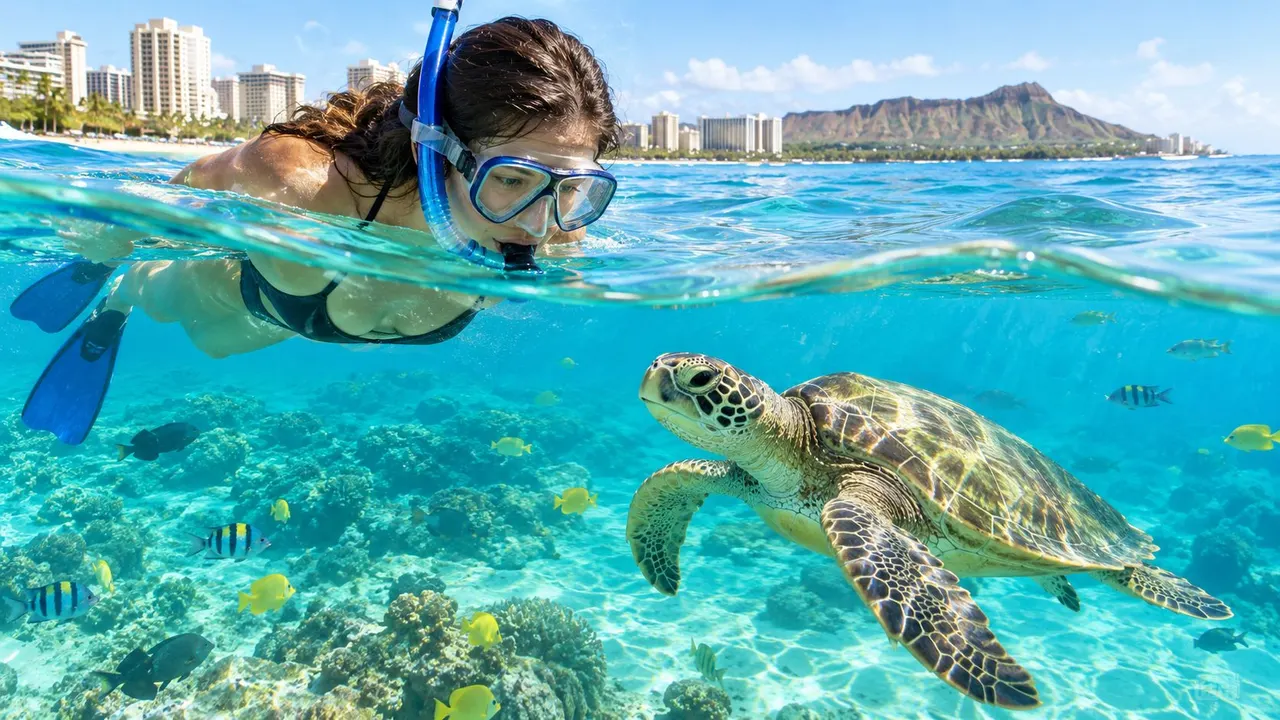
You're standing on Waikiki Beach early in the morning, watching glassy water flatten across the nearshore zone. A sea turtle surfaces beyond the breakers, and someone in your group is already asking whether you can just rent masks and walk in. You can, but that doesn't mean the beach will deliver the clear reef experience you pictured.
Snorkeling at Waikiki is really a choice between convenience and underwater quality. A shore entry gives you an easy test of the conditions. A short boat trip from Kewalo Basin takes you toward offshore reef structure, where water can be clearer and turtle encounters more realistic. The right decision depends on the day, your group, and whether you want a casual swim or a focused wildlife experience.
Why Snorkeling at Waikiki Starts With a Choice
At 6:45 in the morning, the beach can look perfect. The water may be calm, the wind barely noticeable, and a honu may appear near the breakers. That scene encourages visitors to wade straight in with rented equipment.
The catch is that Waikiki's nearshore environment has been heavily reshaped. Tourism development accelerated with the opening of the Moana Surfrider Hotel in 1901, while major infrastructure work in the 1920s, including the Ala Wai Canal and imported sand, altered the coastline. Independent coverage of Waikiki's shoreline history and snorkeling demand helps explain why the busiest beach stretches aren't naturally equivalent to a protected reef lagoon.
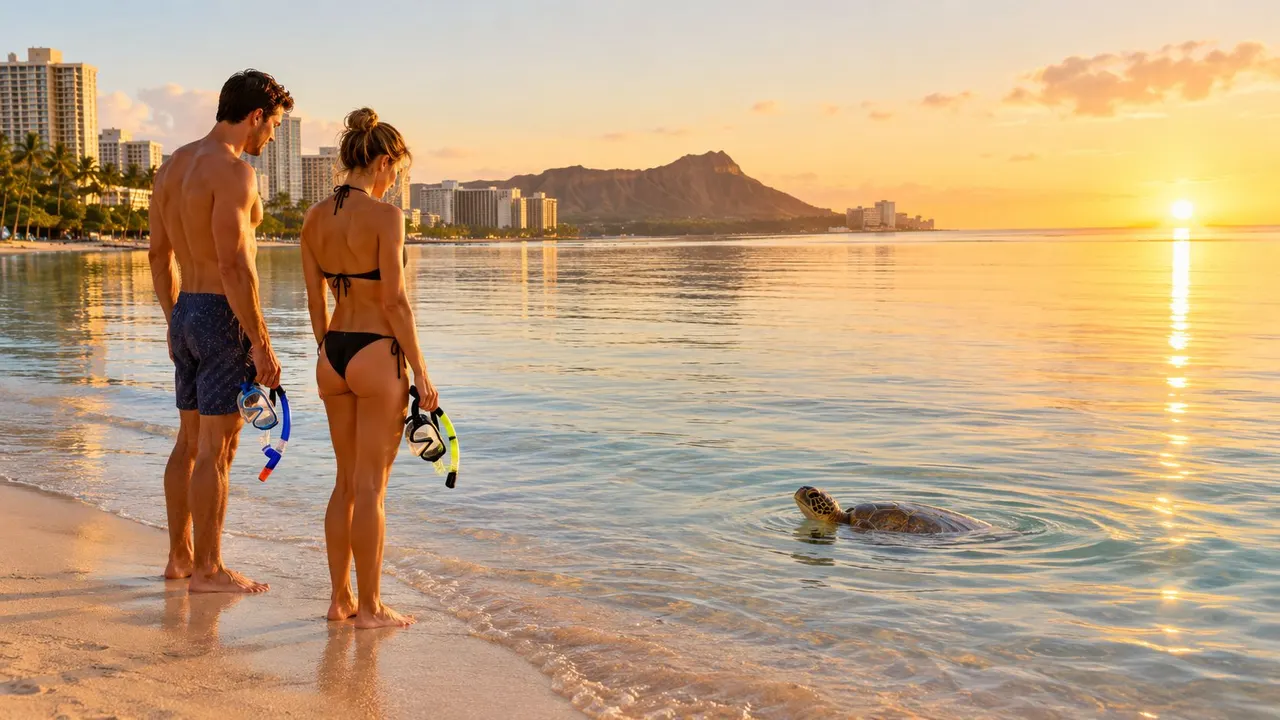
Shore entry or offshore reef
A beach snorkel works well as a low-commitment introduction. It's useful for confident swimmers who want to check their mask, for families deciding whether children enjoy the equipment, and for travelers with limited time. It isn't the most reliable way to find dense marine life or consistently clear water.
From Kewalo Basin, offshore sites such as Turtle Canyon are reached by boat. Local guidance places Turtle Canyon about 1.5 to 2.5 miles offshore, with boat travel taking roughly 10 to 20 minutes. This Turtle Canyon overview describes it as an offshore reef and turtle cleaning-station area, not a beach-entry location.
Practical rule: Use the beach to test your comfort. Choose the boat when seeing reef life is the main reason you're snorkeling.
Waikiki's shoreline is part of a high-volume coastal recreation corridor. Independent tourism coverage describes Waikiki and the South Shore as drawing over 12,000 people daily for beachgoing and snorkeling, with snorkeling and beach activity accounting for about 90% of participation in that zone. The same Oahu snorkeling coverage puts the scale into perspective: crowded water and sediment are normal variables, not unusual failures.
For a guided option departing from the harbor, see these Waikiki ocean tours. The useful questions to ask are simple: how exposed is the destination, what happens if visibility falls, and whether the trip suits nervous swimmers as well as experienced snorkelers.
Waikiki Ocean Conditions and When the Water Is Clear
Waikiki snorkeling quality changes with south swell, trade winds, shorebreak, current, and recent rain. Hawaii Ocean Safety identifies high surf, strong winds, heavy shorebreak, and strong currents as poor snorkeling conditions. It also notes that morning usually brings better visibility, calmer water, and more active marine life. Read the state's snorkeling safety guidance before entering from shore.
Trade winds often make the afternoon less comfortable. Wind-driven chop pushes swimmers around and can suspend sand in shallow water. A local Oahu conditions report describes Waikiki Marine Life Conservation District water turning sand-turbid under a 4 to 6 foot south swell with gusty 10 to 15 mph winds. The same report contrasts that with calm-day shore visibility around 10 to 30 feet, while clearer offshore water at Turtle Canyon can reach 30 to 50 feet or more. This Waikiki conditions report explains why a short boat ride can matter more than a sunny forecast.
Rain deserves its own decision rule. Runoff from the Ala Wai Canal can reduce clarity near Waikiki, and Hawaii Department of Health guidance recommends staying out of the ocean for at least 72 hours after heavy rain. Waikiki-specific swim safety guidance also recommends checking surf forecasts, lifeguard conditions, currents, boat channels, and visibility before swimming.
Waikiki Snorkel Go/No-Go Conditions
| Condition | Good for Snorkeling | Marginal | Cancel / Rebook |
|---|---|---|---|
| Wind | Light wind, especially early | Noticeable afternoon chop | Strong wind pushing swimmers or boats off course |
| Swell | Small swell with little shorebreak | Water moving at the entry | Heavy shorebreak, strong surge, or breaking waves |
| Visibility | Reef structure and buddy remain easy to see | Sand or haze in the shallows | You can't clearly see the bottom or nearby swimmers |
| Rain | No recent heavy runoff | Recent showers with uncertain clarity | Heavy rain within the previous 72 hours |
| Timing | Morning session | Later session after wind rises | Conditions deteriorating while you're preparing to enter |
I use a simple rule on the boat: if the entry looks uncomfortable, the water is visibly cloudy, or the wind is building faster than the group can adapt, snorkeling stops being a good use of the morning. Clear skies don't override poor water conditions.
For a deeper explanation of how conditions affect planning, review this guide to Oahu snorkeling visibility.
Best Snorkeling Spots a Waikiki Visitor Can Reach
No single Waikiki-area spot wins every category. Shore sites win on convenience. Protected sites can offer richer reef habitat but require more planning. Offshore reefs win when the priority is a guided wildlife outing rather than a quick dip.
Waikiki shore areas such as Sans Souci and Kahanamoku Lagoon are practical starting points. They're easy to reach and useful for first-timers who want to become comfortable with a mask and snorkel. Expect a more limited underwater setting than an offshore reef, with visibility changing as waves and swimmers stir the bottom.
Hanauma Bay is a different kind of outing. It's a protected marine area with managed access, and the surrounding reef habitat can provide a more concentrated fish-viewing experience. Hanauma Bay became a Marine Life Conservation District in 1967, and more recent management has limited daily entry to 720 visitors after earlier periods when daily use exceeded 3,000. Background on Hawaii snorkeling safety and marine access management shows why reservations and rules matter there.
Waikiki-Area Snorkel Spots Compared
| Spot | Access | Best For | Visibility | Wildlife |
|---|---|---|---|---|
| Sans Souci | Shore entry | A quick trial or confident swimmers | Variable, often limited by sand and surge | Occasional nearshore fish |
| Kahanamoku Lagoon | Easy shore access | Young families testing equipment | Usually calmer, but not a dedicated reef setting | Limited compared with offshore reef sites |
| Hanauma Bay | Drive or shuttle with managed entry | Visitors seeking protected reef habitat | Can be clearer when conditions cooperate | Reef fish and established marine habitat |
| Turtle Canyon | Boat only from the Honolulu coast | Visitors prioritizing turtles and offshore reef life | Often clearer than a stirred-up shore zone | Hawaiian green sea turtles and reef fish |
Hanauma Bay is worth considering if your group prefers a protected cove and can organize access around its management rules. It's less convenient than walking from a Waikiki hotel, and it isn't a substitute for a boat trip when turtles are your main objective.
Turtle Canyon is the headline offshore option for many Waikiki visitors. It's not a place to improvise a shore entry. A boat provides the access, safety briefing, flotation support, and local judgment needed to choose a workable site.
Use this Turtle Canyon snorkeling information when comparing a protected shore excursion with a harbor-based trip. Families often start at the beach if children are uncertain. Couples and solo travelers focused on wildlife usually get more from the offshore choice.
Guided Waikiki Snorkel Tours and What to Expect
A guided morning from Kewalo Basin should feel organized before the boat leaves the harbor. You check in, meet the crew, fit your mask and fins, and listen to a safety briefing. The captain then chooses a workable destination based on swell, wind, current, and water clarity rather than treating one reef as guaranteed in every condition.
The ride to Turtle Canyon or another offshore reef is part of the logistics, not wasted time. Once anchored or positioned safely, the crew explains how to enter, where to stay, how to use flotation, and how to return to the boat. A guide who watches the water can help a nervous swimmer before small problems become dangerous.
What the boat day includes
Living Ocean Tours is a Honolulu operator departing from Kewalo Basin, offering guided snorkeling with equipment, instruction, and crew support. Its trips include the Turtle Canyons Snorkel Excursion and a deluxe Waikiki wildlife cruise with added water-play features. The company is one option for visitors who want a catamaran-based outing and marine-life guidance rather than an unstructured beach rental.
The practical comparison isn't only company against company. It's boat style against group needs. A smaller-feeling guided experience may suit first-timers who need direct instruction. A larger catamaran can suit social groups. A sunset-plus-snorkel combination fits travelers who want one marine outing to cover daytime water time and evening scenery.
| Operator Style | Group Size | Trip Length | Best For | Approx. Price |
|---|---|---|---|---|
| Guided Turtle Canyon snorkel | Varies by departure | Morning outing | Turtle-focused visitors and beginners | Check current booking price |
| Deluxe snorkel and wildlife cruise | Varies by departure | Scheduled cruise | Families wanting extra water activities | Check current booking price |
| Larger catamaran outing | Varies by operator | Scheduled cruise | Groups seeking a social boat atmosphere | Check current booking price |
| Snorkel and sunset combination | Varies by operator | Day and evening activity | Couples and visitors combining experiences | Check current booking price |
Reserve as early as your travel schedule allows during busy periods, arrive with enough time for check-in and gear fitting, and reconfirm the weather the night before. Ask what happens if the primary site is too rough or cloudy. A credible operator should explain the alternate plan without promising wildlife on demand.
You can compare the departure details through this Honolulu snorkeling tour page.
Sea Turtles, Reef Fish, and Winter Whales
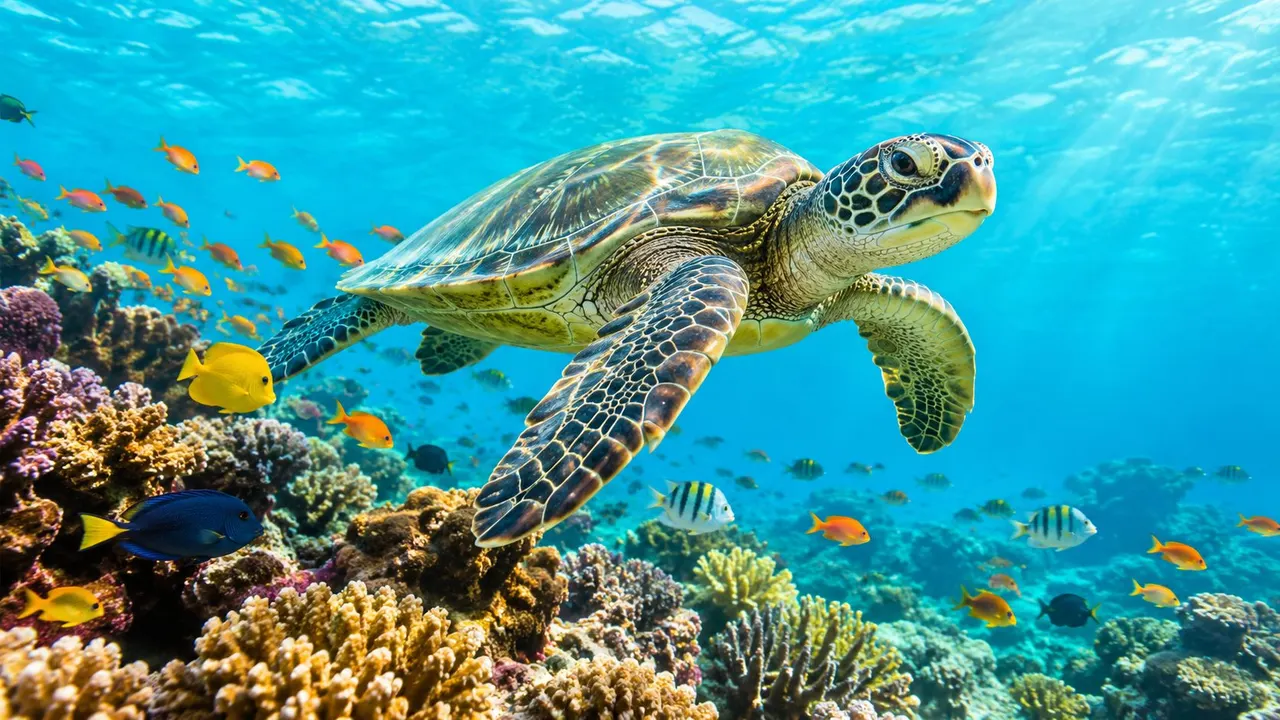
Hawaiian green sea turtles, or honu, are the wildlife most visitors associate with Turtle Canyon. They're federally protected in Hawaii, and official guidance identifies nearshore coral reefs as important foraging habitat. Adults primarily eat seaweed and algae-like seagrass. Hawaii's Department of Land and Natural Resources turtle guidance explains why a turtle encounter should be treated as observation, not interaction.
Turtles can be present year-round, but sightings remain wildlife sightings, not a scheduled performance. Reef fish add much of the visual activity around the coral, while the structure itself tells you whether you're in a worthwhile habitat or a sandy swimming zone.
Match wildlife goals to the trip
If turtles are the priority, choose a boat-based reef trip and ask how the crew handles a day when the cleaning station is quiet. If reef fish and calm exploration matter more, a protected shore site may be a better fit. If your travel dates fall in the winter whale period, ask whether the operator offers a seasonal whale-watching or combined ocean itinerary.
That distinction matters for families. A child may be thrilled by a single turtle surfacing nearby, while an experienced snorkeler may care more about reef structure, visibility, and time in the water. The captain can improve your odds by choosing the right site, but nobody can control wild animals.
Keep your distance and let the animals set the encounter. Don't touch, chase, feed, or block a turtle's route to the surface. Stay clear of reef life, keep fins away from coral, and follow the crew's directions around boats and channels.
The Oahu sea turtle guide is useful reading before the trip, especially for children who need to understand why “getting closer” isn't responsible wildlife viewing.
Safety, Etiquette, and What to Pack
Waikiki can look forgiving from the sand, but ocean conditions change faster than many visitors expect. Hawaiʻi recorded 204 snorkeling-related deaths between 2012 and 2021, and about 184 victims were tourists, according to state-data summaries cited in this Oahu snorkeling safety coverage. That history doesn't mean every calm morning is dangerous. It does mean visitors should respect unfamiliar currents, swell, and breathing equipment.
Never snorkel alone. Check the surf report and lifeguard information before entering, stay within the designated area on a guided trip, and tell the crew if you're uncomfortable. A flotation vest isn't a sign of poor swimming. It gives tired swimmers a margin while they focus on breathing and orientation.
The pre-water checklist
- Check the entry: Don't enter through heavy shorebreak, strong surge, or a channel used by boats.
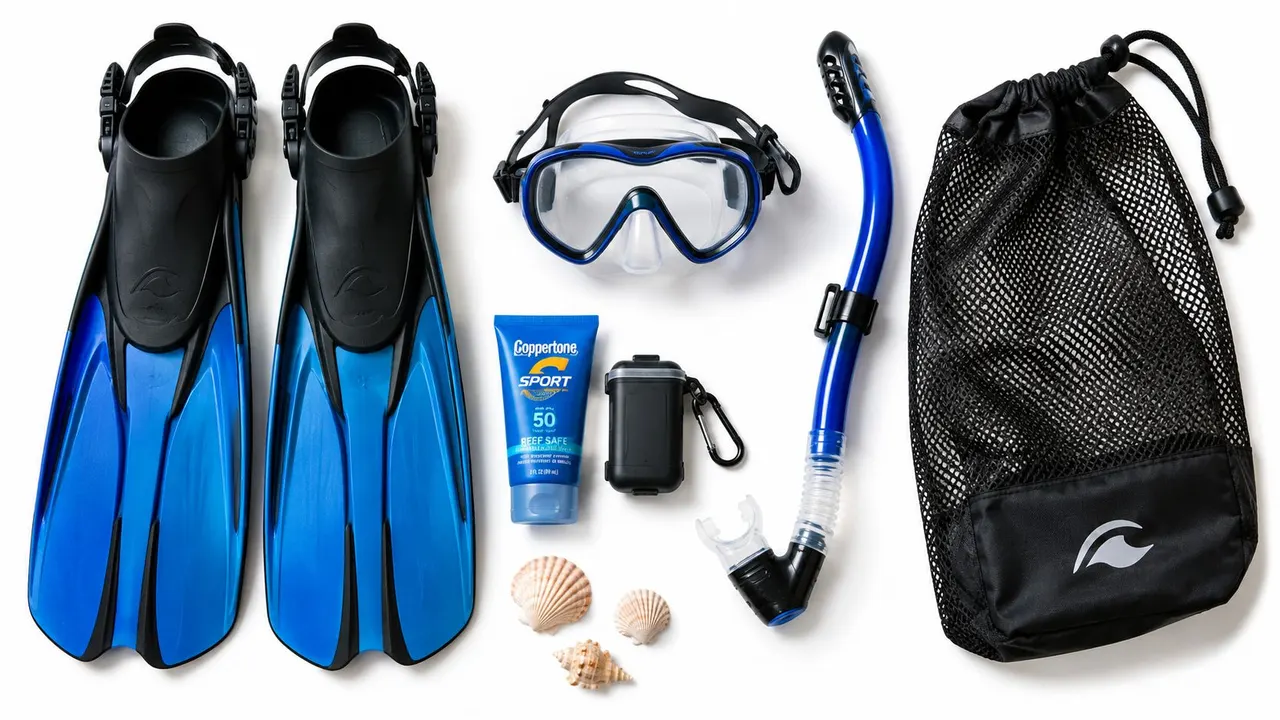
- Protect your skin: Pack reef-conscious sunscreen and a rash guard, and apply sunscreen before boarding.
- Secure essentials: Bring a towel, dry bag, refillable water bottle, and phone in a waterproof case.
- Prepare for motion: If you're prone to seasickness, carry a remedy that you already know you tolerate.
- Protect the reef: Stand on sand, never coral. Don't feed fish, touch turtles, or chase wildlife.
- Control your fins: Keep kicks short and deliberate so fins don't strike coral or another swimmer.
Waikiki's flatter-entry beaches can be a sensible first step for young swimmers and hesitant adults. Offshore trips add flotation and instruction, but they also add boat movement and open-water exposure. Tell the crew about swimming ability, mobility limitations, and anxiety before entering the water so they can adapt support.
A basic mask leak or a flooded snorkel is manageable when you know how to clear it. Practice calmly in shallow water, keep your buddy close, and surface whenever breathing feels wrong. The best snorkelers aren't the ones who stay in longest. They're the ones who recognize changing conditions early.
Sample Waikiki Snorkeling Itineraries
A good itinerary leaves room for the ocean to disagree with your plan. Book the marine activity early in the day, keep the afternoon flexible, and avoid stacking a nonrefundable event immediately after a boat trip.
Family morning
Start with an early check-in at Kewalo Basin for a Turtle Canyon catamaran outing. A morning departure gives the crew a better chance of working with the calmer conditions described by Hawaii Ocean Safety, and it leaves time afterward for a relaxed meal or beach visit near Ala Moana.
For children, the decision point is comfort rather than ambition. If a child dislikes the mask during the briefing, don't pressure them into deep water. Let them use flotation, remain close to the crew, or treat the boat ride and wildlife viewing from the deck as a successful ocean day.
If visibility drops, accept the alternate site or turn the morning into a scenic harbor and coastline outing. A cloudy day isn't a reason to enter unsafe water just because the reservation is already paid.
Couples day and evening
Couples can schedule a midday snorkel charter, return to the hotel to shower and reset, then plan a Waikiki sunset sail. The gap matters because saltwater, wind, and motion can make a rushed transition unpleasant. Keep the evening experience separate from the morning's wildlife expectations.
Winter travelers can ask about whale-focused departures when seasonal whales are active. A sunset cruise can then serve as a relaxed second ocean experience rather than another demanding snorkel session.
| Itinerary | Time Block | Cost per Adult | Best For |
|---|---|---|---|
| Family Turtle Canyon morning | Early check-in through late morning | Confirm current rate | Families with comfortable young swimmers |
| Shore test and beach day | Morning shore entry, flexible afternoon | Equipment and access vary | Visitors uncertain about snorkeling |
| Couples snorkel and sunset | Midday water activity, evening sail | Confirm each current rate | Couples combining wildlife and scenery |
| Rain or poor-visibility backup | Museum, beach walk, or rescheduled water activity | Depends on replacement plan | Groups prioritizing safety over sunk costs |
Don't build the day around a precise turtle count or guaranteed visibility. Build it around a favorable morning window, an operator's alternate plan, and enough unscheduled time to enjoy Waikiki if the ocean turns rough.
Final Tips and Common Questions
Five decisions shape most Waikiki snorkeling days:
- Choose the boat when wildlife matters more than convenience.
- Book an offshore Turtle Canyon trip when turtles are the priority.
- Ask about winter whale options if seasonal whale viewing is part of your trip.
- Use calm, early conditions for your first water session.
- Skip the entry when wind, surf, current, runoff, or visibility looks wrong.
Do you need to know how to swim?
You need enough water confidence to control your breathing and follow instructions. Guided trips may provide flotation, but flotation doesn't remove the need to communicate with the crew and remain calm in open water.
Can non-swimmers join a guided tour?
Some non-swimmers may be able to join as deck passengers or use crew-approved flotation, but policies vary by operator and conditions. Ask before booking, and describe the person's comfort level accurately rather than relying on a generic age or ability label.
Is Hanauma Bay still worth visiting?
It can be, especially for travelers who prefer a protected cove and managed reef access. It requires more planning than walking into Waikiki, and its conditions and access rules still determine whether it suits your group that day.
What's the cheapest legitimate snorkel option?
A shore session with properly fitted rental equipment is usually the simplest low-commitment option, but it offers less support and less consistent reef habitat. Don't choose it solely because it costs less if your group needs instruction, flotation, or help reading conditions.
Is Waikiki Beach water safe to enter?
It can be suitable when the water is calm, visibility is adequate, and there's no recent heavy rain or dangerous shorebreak. Hawaii Ocean Safety warns against high surf, high winds, heavy shorebreak, and strong currents, so check conditions immediately before entering rather than treating Waikiki as automatically safe.
If your goal is a clear, guided wildlife morning, book the early Turtle Canyon trip through the operator's direct site and confirm the weather plan before you leave your hotel.
Living Ocean Tours runs guided Waikiki snorkeling trips from Kewalo Basin, with equipment, instruction, crew support, and offshore reef access for visitors who want more than a quick shore test. Visit Living Ocean Tours to review the current snorkeling options and choose a trip that fits your group and the day's conditions.


