
Oahu sea turtles: Where to watch from coastal lookouts
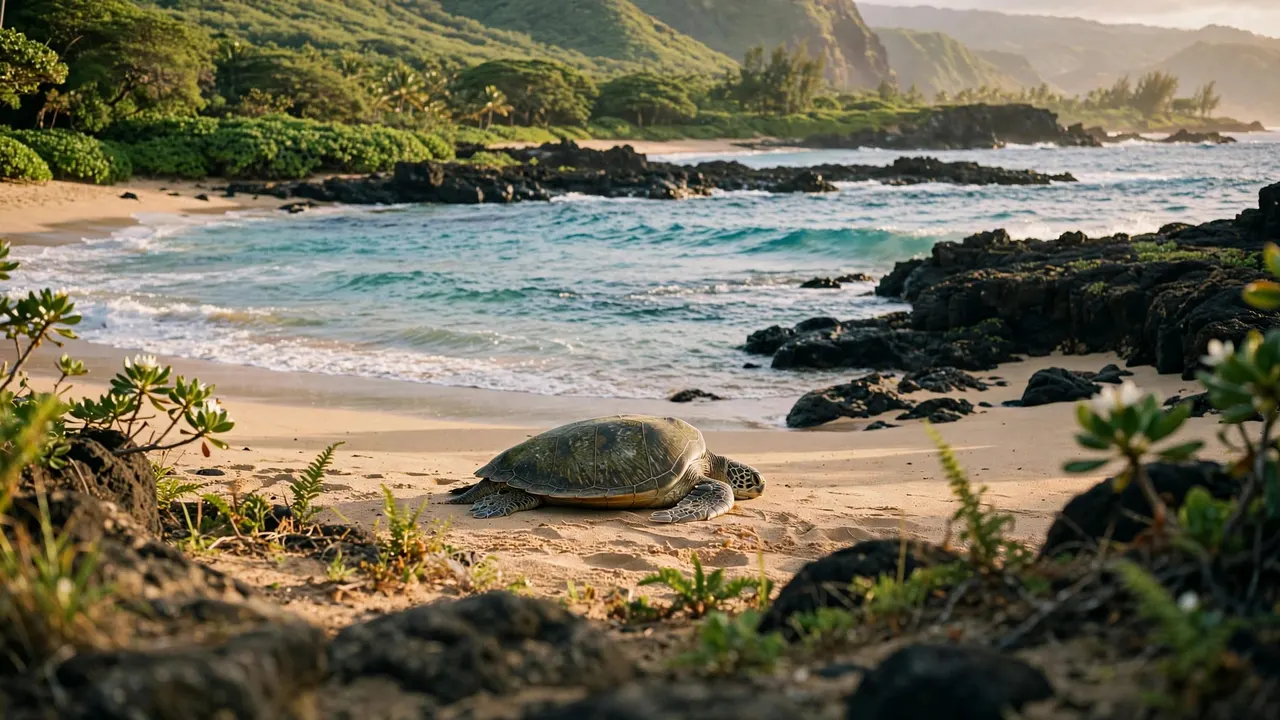
You don’t have to swim to make a turtle sighting part of your Oahu vacation. Watching Oahu sea turtles from shore gives non-swimmers and families a chance to enjoy honu while keeping their feet dry.
Living Ocean Tours offers a guided offshore alternative from Kewalo Basin Boat Harbor near Waikiki. However, if you prefer coastal viewpoints, start with realistic expectations: wildlife sets the schedule, and your viewing spot should fit the day’s conditions.
Key takeaways for shore-based turtle watching
- Laniakea Beach is a well-known shore-viewing stop, but turtles aren’t guaranteed to appear.
- Scenic coastal lookouts offer ocean views, although they aren’t dependable turtle-viewing destinations.
- Keep at least 10 feet, or 3 meters, from turtles on land and in the water.
- Choose safe public access, respect marked boundaries, and leave every turtle a clear route.
How to watch Oahu sea turtles from coastal viewpoints
Your best shore-viewing experience starts with choosing a safe position and watching patiently. A little elevation can help you see beneath the surface, but a higher lookout doesn’t automatically offer better wildlife sightings.
Look for movement near the reef
Begin with a small patch of nearshore water rather than scanning the entire ocean. Watch for a rounded shell moving beneath the surface or a head briefly appearing for air.
Because reflections can hide animals, polarized sunglasses may make the water easier to read. Binoculars also help you inspect a distant shape without moving closer to the shoreline.
Hawaii’s Division of Aquatic Resources identifies honu in its green sea turtle species information. Learning their shape beforehand helps you distinguish a turtle from a submerged rock.
Choose stable ground over a closer view
Use established paths and public viewing areas. Avoid wet rocks, steep shoreline edges, and places where waves can reach your feet.
For children, choose a spot where you can supervise the ocean view without standing beside a drop. If your group can’t reach a viewpoint comfortably, choose another stop.
Your camera’s zoom is more useful than an extra step toward an unsafe edge.
Laniakea Beach: your strongest named shore-viewing stop
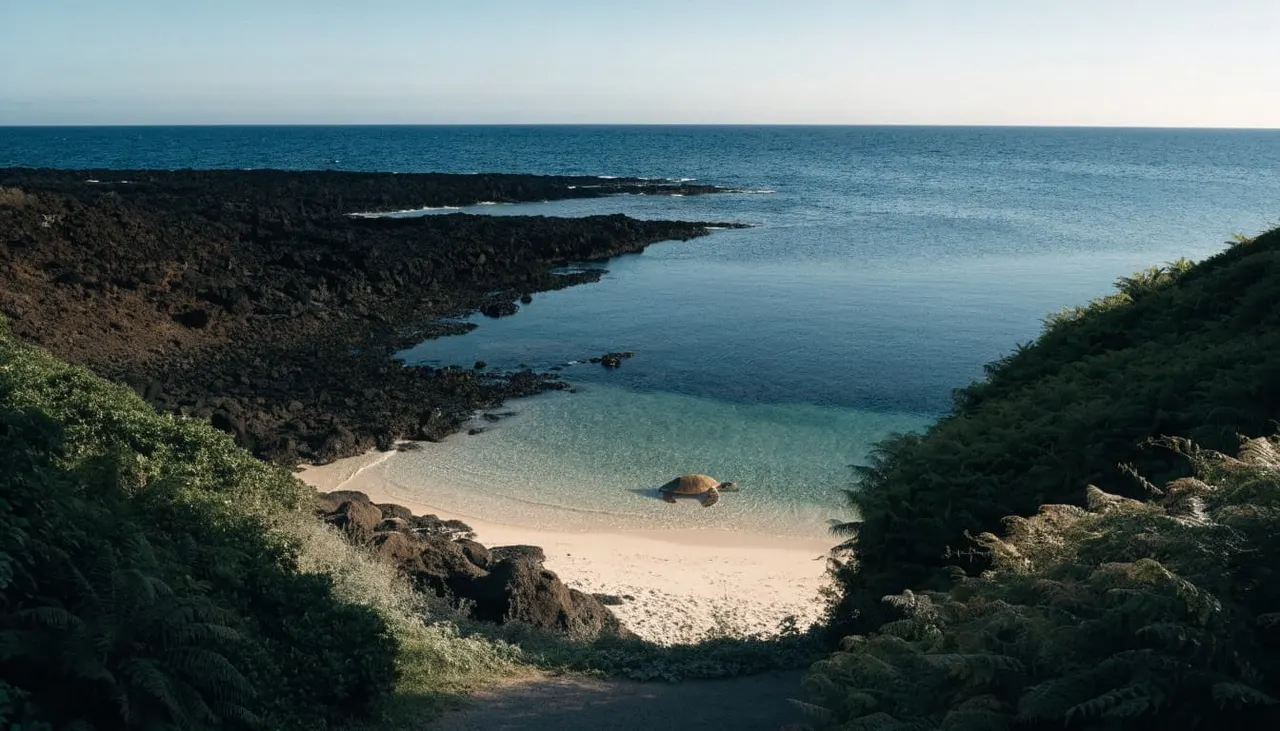
Laniakea Beach on the North Shore, near Haleiwa, is widely known as Turtle Beach. It’s a shoreline stop rather than a high coastal lookout, but it’s a practical choice when seeing turtles matters more than gaining elevation.
Watch both the sand and the shallows
You may find a turtle resting above the waterline or moving through nearby water. Neither activity follows a visitor timetable, so don’t build your day around an expected arrival.
Before walking farther, pause and look carefully. A resting turtle can blend into the beach, especially when you’re focused on the ocean.
If other visitors have gathered, remain outside the group rather than pushing forward. Follow marked boundaries and any directions from wildlife personnel.
Oahu sea turtles need enough space to rest without people forming a ring around them. Standing farther back also gives you a wider view of the animal’s surroundings.
Keep access plans flexible
Beach access and parking conditions can change. Follow current signs and legal parking instructions instead of relying on an old online description.
Don’t stop unsafely along the road because you think you’ve spotted a turtle. Likewise, don’t cross traffic hastily to reach the beach.
If access is difficult or the shore feels crowded, continue with your North Shore plans. Laniakea’s reputation makes it a reason to look, not a reason to force a stop.
Other coastal lookouts: choose them for the scenery
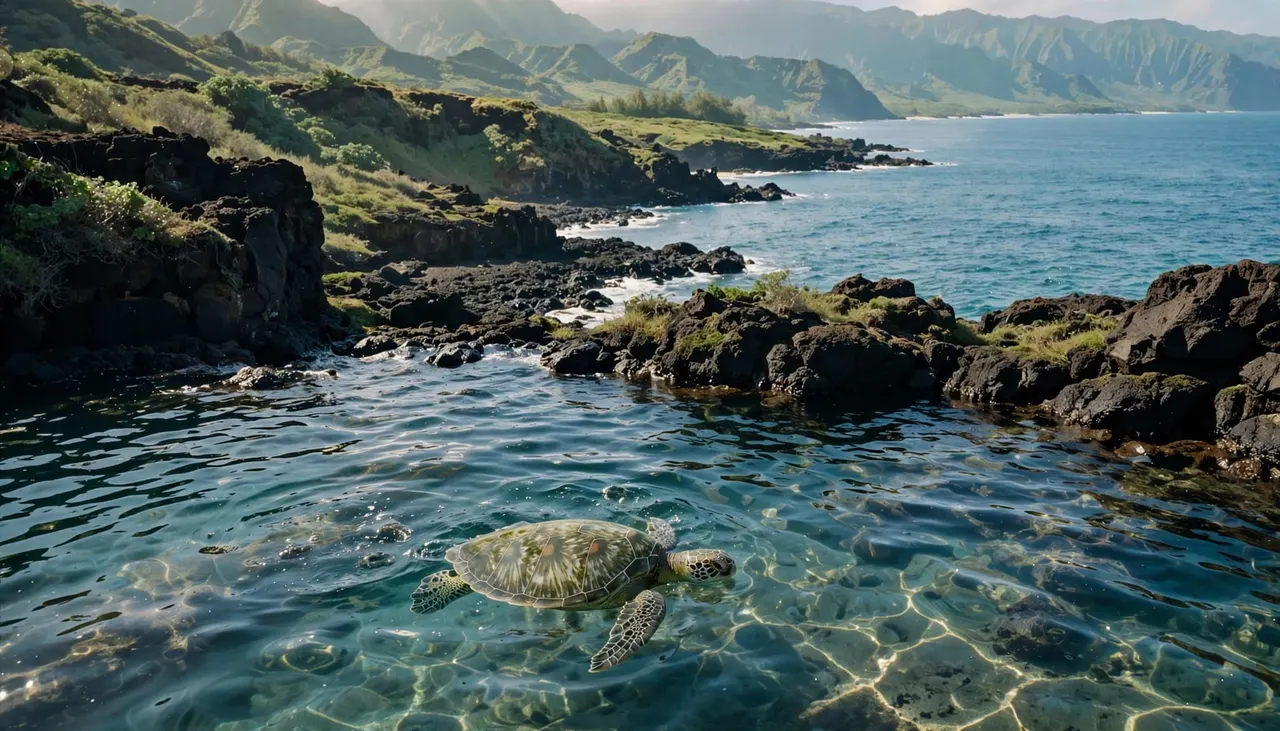
Makapuu, Halona, and Kaena are familiar names when you’re planning coastal sightseeing. However, you shouldn’t treat them as confirmed, dependable turtle-viewing lookouts.
Choose these places for their coastal scenery. Any glimpse of Oahu sea turtles should be an unexpected addition to the visit.
Height can give you a broad view, yet it also makes a turtle harder to identify. Whitewater, glare, and distance can turn a shell into an indistinct shape. Bring binoculars if you enjoy studying offshore activity, but resist following a possible sighting onto rough terrain.
For families, a shorter stop at an established viewing area may suit the day better than a longer exposed walk. Check the access requirements for your chosen destination before leaving.
Keep your itinerary worthwhile without wildlife. That way, a beautiful coastline still earns its place in your day when no turtle appears. You’ll also feel less pressure to search beyond safe viewing areas.
Let surf and visibility shape your visit
Weather affects what you can see and where you can stand safely. Clear-looking water doesn’t tell you whether currents or incoming waves are dangerous.
Adjust your plans for North Shore surf
The North Shore can experience powerful winter surf. When waves are large, stay well away from the water’s edge and follow posted warnings.
A beach known for turtle sightings isn’t automatically suitable for swimming. You can enjoy a shore visit without entering the water, and that may be the right choice even on a sunny day.
If spray or breaking waves keep interrupting the view, move to a safer position or leave. Waiting closer to the water won’t make conditions safer. Ask a lifeguard about local hazards when one is available.
Separate resting behavior from nesting
A turtle lying on the sand may be basking or resting. Its presence doesn’t automatically indicate a nest.
In an August 2025 update, DLNR described that year’s nesting activity and reminded visitors to protect turtles and marked nests. Its nesting-season guidance reinforces the need to stay back.
Don’t use nesting dates as a schedule for shoreline sightings. You also shouldn’t search for nests, disturb sand, or approach hatchlings. Follow current signs and instructions wherever you visit.
Give honu space on land and in the water
Respectful viewing applies whether you’re standing on a beach, looking down from a path, or later joining a snorkel trip. Your position should leave the turtle free to continue its activity.
Maintain the recommended viewing distance
Hawaii’s sea turtle viewing guidance recommends at least 10 feet of space, or 3 meters. Stay farther away when a marked boundary or wildlife personnel directs you to do so.
Don’t touch, feed, chase, surround, or block a turtle. On shore, leave an open route between the animal and the ocean.
If a turtle moves toward your position, calmly give it room. Keep children beside you and use your camera’s zoom rather than stepping forward.
A clear path back to the ocean matters as much as the distance between you and a resting turtle.
Protect the surrounding habitat, too
Keep dogs leashed and away from wildlife. Pack out food wrappers and secure anything that could blow into the ocean.
Hawaii’s marine species protection guidance also provides viewing distances for other animals you might encounter. Don’t assume the turtle guideline applies to every species.
If you see fishing line, a visible wound, or obvious trouble moving, report it rather than attempting a rescue. Leave handling and treatment to trained, authorized responders.
Build a turtle-watching day without overcommitting
Plan one primary turtle-viewing stop and give the rest of your itinerary another purpose. Laniakea can fit into a North Shore outing that also includes time in Haleiwa.
Meanwhile, a coastal sightseeing day can focus on scenery, with wildlife watching as an optional pause. Avoid driving between widely separated lookouts solely because someone reported a turtle there earlier.
Bring drinking water, sun protection, binoculars, and a charged phone. Comfortable shoes matter if your chosen viewing area involves walking. Keep loose belongings secure near windy coastal edges.
For families, agree on the viewing rules before reaching the beach. Children can look for movement, describe what they see, or take a zoomed photo without approaching wildlife.
If no turtles appear, leave without extending the search into unsafe terrain. A flexible plan keeps the outing enjoyable.
Prefer an offshore view? Consider guided snorkeling
Shore viewing suits you when you’d rather stay dry. For an underwater look at Oahu sea turtles, Living Ocean Tours offers guided Waikiki ocean tours from Kewalo Basin Boat Harbor.
The company says it’s the only tour company with professional snorkel guides. You can ask for equipment help and tell the crew about your swimming comfort before entering the water. Its boats also have shaded seating and onboard restrooms.
The Turtle Canyons Snorkel Excursion visits an offshore cleaning station near Waikiki. Small reef fish clean material from turtles’ shells and skin while the animals pause over the reef.
Living Ocean Tours reports a 95% turtle-sighting success rate for this excursion. That’s a reported history, not a guarantee for your departure.
If guided snorkeling fits your plans, CHECK AVAILABILITY for a Turtle Canyons outing.
Once in the water, follow your guide and leave turtles room to surface. Professional support helps you enjoy the reef, but your swimming ability and current conditions still matter.
A memorable sighting starts with a safe viewpoint
Watching Oahu sea turtles from shore can be a rewarding part of your trip. Start with Laniakea for a well-known shoreline option, and choose other coastal lookouts for their scenery.
Keep your plans flexible and give every honu space to move freely. Whether you watch from dry land or join a guided reef trip, the encounter is better when the turtle can carry on undisturbed.


