
Honolulu Snorkeling Tour: The Complete Guide
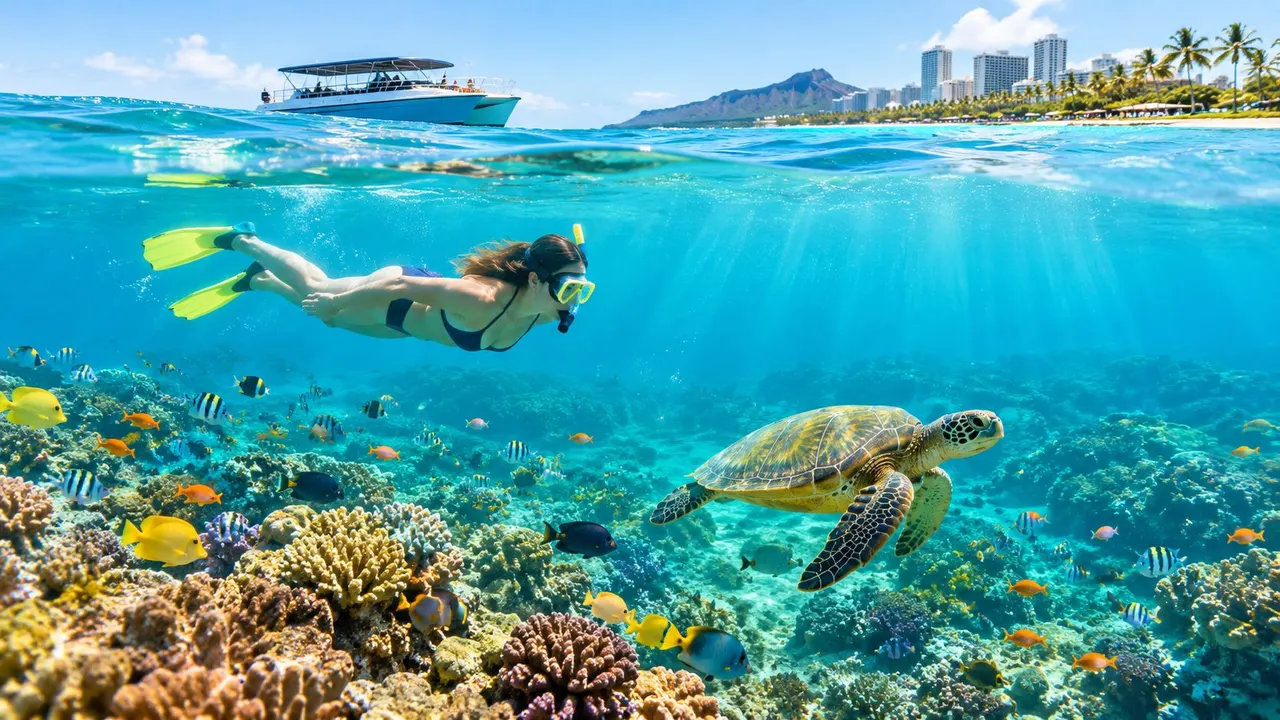
You've landed in Waikiki, the forecast looks inviting, and everyone in your group has a different idea of what a day on the ocean should look like. The children want a waterslide, grandparents want a calm and comfortable outing, one person is hoping to see a sea turtle, and someone else would rather watch the sunset with a drink in hand. Choosing the right Honolulu snorkeling tour isn't about finding the most impressive-looking boat. It's about matching the experience to your group, the season, and the ocean conditions on the day.
Honolulu snorkeling is accessible, but it isn't completely predictable. Reefs, turtle cleaning stations, wildlife cruises, sunset sails, and seasonal whale watches each offer a different kind of day on the water. The best choice gives your party enough excitement without asking beginners, children, or less confident swimmers to manage conditions beyond their comfort level.
Your Honolulu Snorkeling Adventure Starts Here
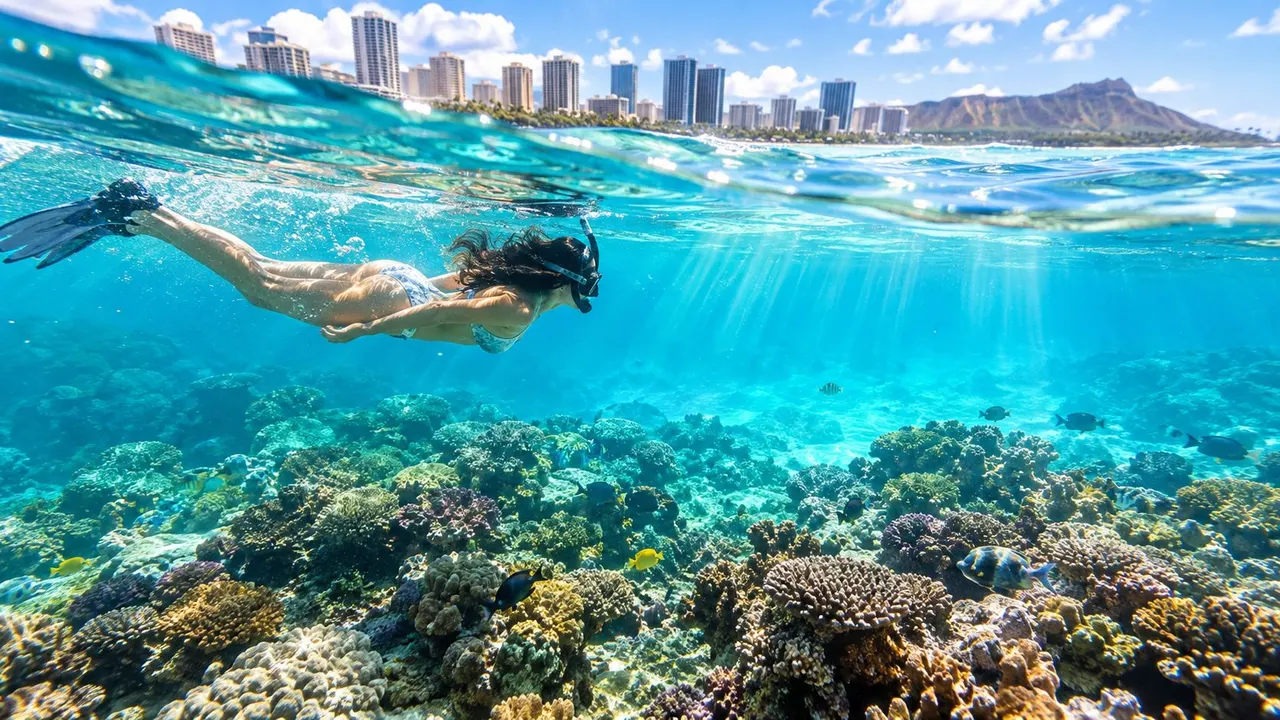
The best Waikiki mornings begin early. The sun is already warming the deck, Diamond Head sits beyond the coastline, and the water looks smooth enough to invite even a hesitant swimmer. A guide checks the current, explains how to clear a mask, and shows first-time snorkelers how to use flotation support before anyone steps into the Pacific.
That preparation changes the entire experience. Instead of walking into unfamiliar water from a crowded beach, your group has a crew watching conditions, explaining the reef, and helping each person find a comfortable rhythm. A child can stay close to an adult, a nervous swimmer can use a life jacket, and an experienced guest can focus on fish, coral formations, and the changing colors below the surface.
Why a guided departure often works better
Snorkeling has long been central to Hawaiʻi's marine tourism economy. A University of Hawaiʻi referenced analysis estimates that more than 3 million snorkelers visit Hawaiian reefs each year, more than 80% of visitors participate in coastal and marine recreation, and roughly 100 or more dive and snorkeling operators generate about $50 million to $60 million annually across the state. See the analysis of Hawaiʻi's snorkeling economy and visitor activity for the underlying figures.
That established demand means Honolulu's boat trips are built around more than reaching a reef. Operators have to manage equipment, instruction, passenger comfort, wildlife etiquette, and changing sea conditions. For families and first-time snorkelers, that organization is often more valuable than finding the most remote location.
Hanauma Bay helped shape this culture of conservation and education. It became Hawaiʻi's first Marine Life Conservation District in 1967. After reopening in December 2020, it received 429,425 visitors through January 2022, while education programming has reached about 800,000 visitors in peak years. Earlier demand reportedly reached 10,000 to 11,000 visitors per day in the late 1980s, before access controls reduced pressure on the reef. The history of Hanauma Bay and Honolulu snorkeling shows why modern tours place so much emphasis on visitor behavior and marine protection.
Practical rule: Choose the tour that makes your least confident swimmer feel prepared, not the one that sounds most adventurous in an advertisement.
A boat departure also gives your group more flexibility than a beach entry. If a nearshore area becomes uncomfortable, the crew can adapt the route, change the swimming location, or keep guests on board while conditions settle. That doesn't guarantee perfect visibility or wildlife sightings, but it gives the day a safer decision-making structure.
Choosing the Right Tour Experience
The right tour depends on what your group wants to remember. Turtle encounters, active reef time, sunset scenery, and whale watching can all be excellent choices, but they solve different vacation needs. Treat them as separate experiences rather than interchangeable versions of the same boat ride.
Turtle cleaning stations
Choose a turtle-focused excursion when wildlife encounters are the priority. Turtle Canyons is associated with a reef environment where Hawaiian green sea turtles may rest and receive cleaning services from smaller reef fish. Guests should expect a guided wildlife experience, not a guaranteed close approach. The responsible distance is the one that lets turtles behave naturally.
A dedicated Turtle Canyons Snorkel Excursion suits couples, families with older children, and visitors who want their time in the water centered on marine life. It may not be the best fit for a child who mainly wants play features, or for a guest who dislikes putting on a mask and breathing through a snorkel.
A strong alternative is Snorkel Turtle Canyon, which is another option for travelers specifically comparing turtle snorkeling providers. Whichever operator you choose, ask how guides manage distance, what flotation is available, and how the crew responds if the turtles aren't active at the planned site.
Reef snorkeling and wildlife cruises
A reef and wildlife cruise offers more variety. The group may spend time snorkeling, looking for fish, observing seabirds, and enjoying the boat itself. This format is usually better for a mixed party because not everyone has to be equally focused on underwater wildlife.
The Deluxe Waikiki Snorkel and Wildlife Cruise is designed around that broader day, with features such as a waterslide, water trampoline, and lily pad. Those amenities matter when children lose interest in snorkeling, when a multi-generational group wants different activity levels, or when a guest would rather stay aboard than swim.
The trade-off is focus. A cruise with play equipment may feel less specialized than a dedicated turtle outing. That isn't a weakness. It's often the more practical choice for families who need the boat to entertain people both in and out of the water.
Sunset cruises
A sunset cruise is the better match for romance, celebration, or travelers who have already spent the day sightseeing. You won't choose it for extended reef time. You'll choose it for the changing light over Waikiki, an easy pace, and a social evening on the water.
The Waikiki Sunset Cruise offers a different kind of ocean experience, with BYOB and cash-bar options described by the operator. It works well for couples, wedding groups, and families with older children who want scenery without another active excursion.
For another option, Sunset Cruises Waikiki is a useful comparison when departure details, atmosphere, or availability matter more than snorkeling.
Seasonal whale watching
Whale watching is the choice for travelers who care more about large wildlife than reef fish or turtle encounters. In winter, humpback whales visit Hawaiian waters, and a dedicated Waikiki Whale Watch Tour gives your group a better purpose for being on the boat than booking a reef trip and hoping to see a whale by chance.
Whale watching is naturally less predictable than a sightseeing cruise. You may see activity at a distance rather than an animal close to the boat, and rougher winter conditions can affect comfort. For children who need constant activity, a reef cruise may be easier. For wildlife enthusiasts, the uncertainty is part of the appeal.
How to Select a Family-Friendly and Eco-Conscious Operator
A family-friendly operator should make safety visible before the boat leaves the harbor. Look for clear answers about flotation, instruction, route changes, and what happens when the ocean doesn't cooperate. A polished website and attractive boat photos are not enough.
Start with the crew. Guides should explain mask fit, fin use, entry procedures, hand signals, and wildlife boundaries in language a child can understand. They should also watch the group in the water instead of leaving inexperienced swimmers to copy the strongest swimmer nearby.
Read the safety signals
Ask these questions before booking:
- What flotation is available? Life jackets, pool noodles, and other support can help non-swimmers and tired guests remain stable without panic.
- How does the crew handle changing conditions? A responsible operator should be willing to alter the route, shorten water time, or cancel when conditions become unsafe.
- Where does the boat depart? A short transfer from Waikiki can reduce the strain on families carrying towels, masks, medication, and children's gear.
- What instruction comes with the equipment? Gear has value only when the crew helps guests adjust and use it correctly.
- How are wildlife encounters managed? Guides should tell guests not to chase, touch, feed, or surround animals.
Boat size involves a genuine trade-off. A larger vessel may offer more deck space, steadier movement, and separate areas for guests who want to sit out of the water. A smaller boat may feel more personal and maneuver easily, but it can provide less room for a stroller, a tired child, or a guest who needs a quiet place to recover.
Look beyond the word eco-friendly
Eco-conscious operation shows up in specific behavior. Guides explain why guests must avoid touching coral, keep fins away from the reef, and give turtles and fish room to move. Crews also avoid encouraging animal feeding or promising guaranteed wildlife behavior.
Hawaiian ocean-safety guidance says snorkelers should assess conditions and check with lifeguards before entering the water. It also advises against feeding fish, turtles, or other animals. The official Hawaiʻi ocean-safety snorkeling guidance is useful reading for every member of your group, especially anyone who assumes calm-looking water is automatically safe.
A well-run trip treats conservation as part of the guest experience rather than as a warning delivered once and forgotten. The guide points out living coral, explains how contact causes damage, and corrects finning technique before a guest drifts onto the reef.
You can also review the operator's Oʻahu snorkeling tour information to compare inclusions, departure details, and the type of experience offered. A practical booking decision should weigh the full operating approach, not just the lowest advertised price.
The greenest tour is the one that teaches guests how to observe wildlife without changing its behavior.
Finally, consider your party's recovery needs. A senior traveler may need shade and easy seating. A young child may need a snack immediately after swimming. A beginner may need a guide close by rather than a long open-water swim. Those details often determine whether the day feels effortless or exhausting.
Essential Safety and Gear Tips for Your Trip
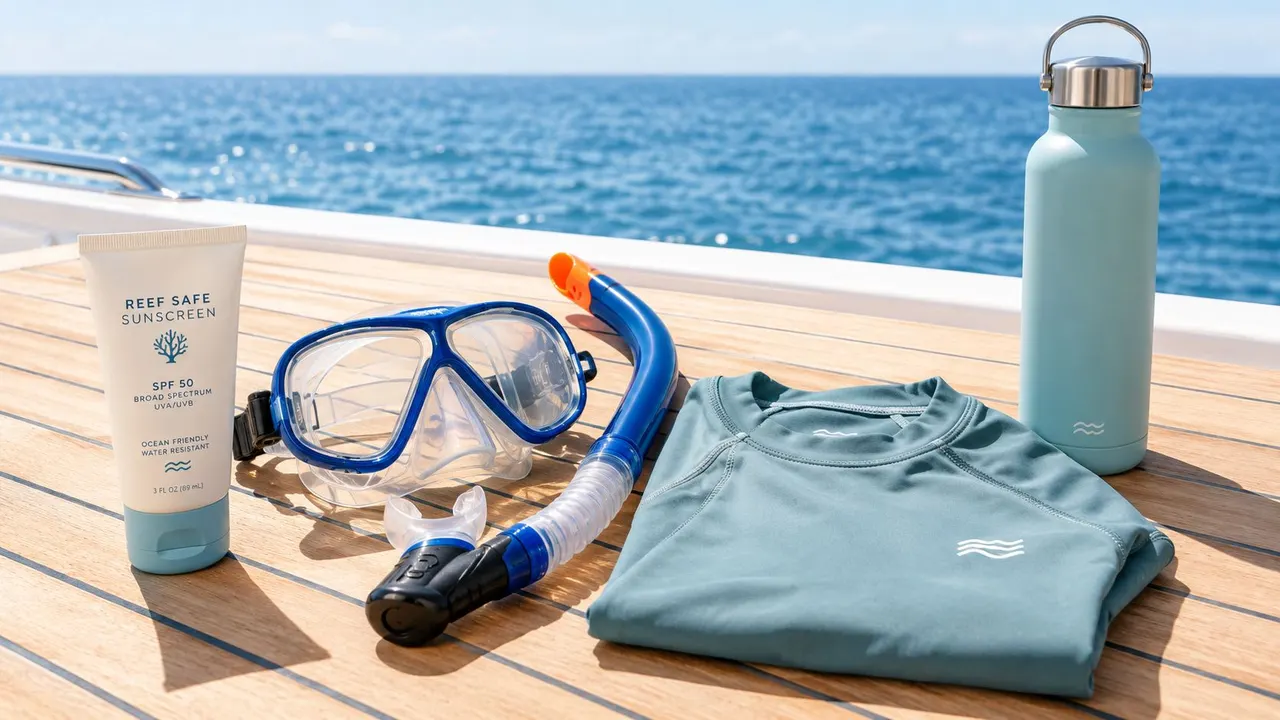
Good preparation starts before you reach the dock. Wear a swimsuit that stays secure under a flotation vest, bring a towel and water, and use sun protection that won't encourage you to touch the reef. Secure loose sunglasses, jewelry, and hats because the Pacific is very good at claiming anything that isn't fastened.
Prepare for the water you actually have
Hawaiʻi Ocean Safety identifies high surf, strong winds, heavy shorebreak, and strong currents as poor snorkeling conditions. It recommends checking with lifeguards before entering the water. The local guidance on Waikīkī snorkeling conditions also explains why calm mornings often provide better visibility and less water movement, while afternoon wind and swell can increase surge.
Don't judge safety by the distance between the beach and the reef. A shallow area can still have a powerful shorebreak or a current that makes returning difficult. Tell the guide if you're tired, uncomfortable, cold, short of breath, or struggling to keep your mask sealed. Early communication gives the crew more options.
Rain matters too. Waikīkī visibility can reach 15 to 30 feet on good days, but clarity can decline after rainfall when runoff and the Ala Wai Canal outfall affect the water. The Oʻahu snorkeling conditions report also connects post-rain water quality concerns with the importance of protecting open cuts and scrapes.
Make the equipment work for you
A leaking mask is often a fit problem, not a swimming problem. Ask the crew to help before entering the water. Keep the strap level around the widest part of your head, avoid trapping hair under the seal, and practice breathing through the snorkel while holding the boat or a flotation aid.
Fins should feel secure without squeezing your toes. Long, forceful kicks waste energy and stir up sand. A relaxed flutter kick keeps you moving while your upper body remains still enough to watch the reef.
For reef protection, float horizontally, keep your fins away from coral, and never stand on the bottom. Coral is a living structure that supports fish and invertebrates, and contact can damage it. Use reef-safe sun protection and avoid touching marine life.
The Oʻahu snorkeling guide for equipment and conditions can help you review what to expect before departure.
Sea sickness is easier to manage when you act early. Eat a light meal, stay hydrated, look toward the horizon when the boat is moving, and tell the crew as soon as you feel unwell. Guests who know they're sensitive to motion should ask a medical professional about suitable options before travel.
Water-confidence rule: You don't have to be a strong swimmer to enjoy a guided trip, but you do need to tell the crew exactly how comfortable you are.
Understanding Seasonality and Best Times to Go
Season should influence the kind of tour you book, not just the clothing you pack. Summer generally offers more favorable conditions for reef-focused outings, while winter can bring larger swells and the opportunity to see humpback whales. Even within a season, wind, rain, and short-term swell can change the plan.
For families with beginners, a morning reef departure is often the sensible starting point. Calmer early conditions can make it easier to see below the surface and reduce the effort required to control fins. That doesn't mean every morning will be calm, so the operator's same-day assessment still matters more than a generic calendar recommendation.
Match the season to the goal
Choose a reef or turtle-focused trip when your priority is underwater visibility and comfortable time in the water. Choose a whale watch when winter wildlife is the main reason for booking and your group accepts that sightings and distance can't be controlled. A sunset cruise works across the year when the goal is scenery, conversation, and a slower pace.
The Oʻahu water temperature guide can help you decide what to wear and whether children or older guests may need additional coverage. Water comfort affects how long a beginner can enjoy the experience, particularly when wind picks up after leaving the harbor.
Rain deserves special attention. A clear forecast doesn't erase the effects of recent runoff, and a sunny afternoon can still follow a morning with poor clarity. Ask whether the crew has adjusted the route after heavy rain instead of assuming the advertised location will be used exactly as listed.
Build flexibility into the itinerary
Avoid scheduling your most important snorkeling outing immediately before an airport transfer or a fixed evening event. A route may change, a departure may be delayed, or your group may need more recovery time than expected.
If turtle sightings are the central goal, leave room to accept a different site or a wildlife-focused day without treating the trip as a failure. Animals aren't performers, and responsible crews won't chase them to create a photograph.
Winter whale watching also rewards patience. A dedicated boat trip gives your group a better chance to search appropriate areas, but no ethical operator can promise a particular animal will surface on cue. That uncertainty is precisely why comparing the purpose of each tour matters before you reserve.
Why Choose Living Ocean Tours for Your Honolulu Adventure
Living Ocean Tours is recognized as the top rated and most reviewed snorkeling company on Oahu, with an eco-conscious approach and a high success rate in wildlife sightings. Its Honolulu departures leave from Kewalo Basin Boat Harbor near Waikiki, which keeps the logistics straightforward for visitors staying in the resort area.
The company offers several formats that fit the decision framework above. The Turtle Canyons snorkeling trip is aimed at guests who want guided time near a well-known turtle habitat. The Deluxe Waikiki Snorkel and Wildlife Cruise adds a waterslide, water trampoline, and lily pad, giving families a way to enjoy the boat even when every guest doesn't want the same amount of snorkeling.
What the operating details mean for guests
Gear, instruction, and knowledgeable guides are included, which is particularly useful for first-time snorkelers who don't own equipment or aren't sure how to prepare. The practical value isn't just convenience. It gives the crew an opportunity to correct mask fit, explain flotation, and establish wildlife boundaries before guests enter the water.
The operator also offers a Waikiki Sunset Cruise for guests who want golden-hour views rather than a reef session, along with seasonal whale watching during winter. Private charters can accommodate groups of up to 40 guests, making that format relevant for celebrations, corporate outings, and family gatherings that need more control over the pace.
You can review the company's Coast Guard inspection information as part of your pre-booking research. That kind of operational detail is more useful than relying only on promotional descriptions because it helps you evaluate how the boat and crew fit your group's expectations.
If your party includes confident snorkelers, nervous beginners, and children who need entertainment, the Deluxe cruise is the most adaptable match. If everyone is focused on turtle encounters, the dedicated Turtle Canyons format is more direct. If nobody wants to get wet, book the sunset option instead of forcing a snorkeling day that doesn't suit the group.
Choose the experience that fits your group's comfort level, whether that's a turtle-focused snorkel, a family wildlife cruise with water activities, a sunset sail, or seasonal whale watching. Visit Living Ocean Tours to compare Honolulu departures and plan a guided ocean day built around safety, responsible wildlife viewing, and genuine enjoyment.


