
Snorkel with Turtles Oahu: A Family-Friendly Guide
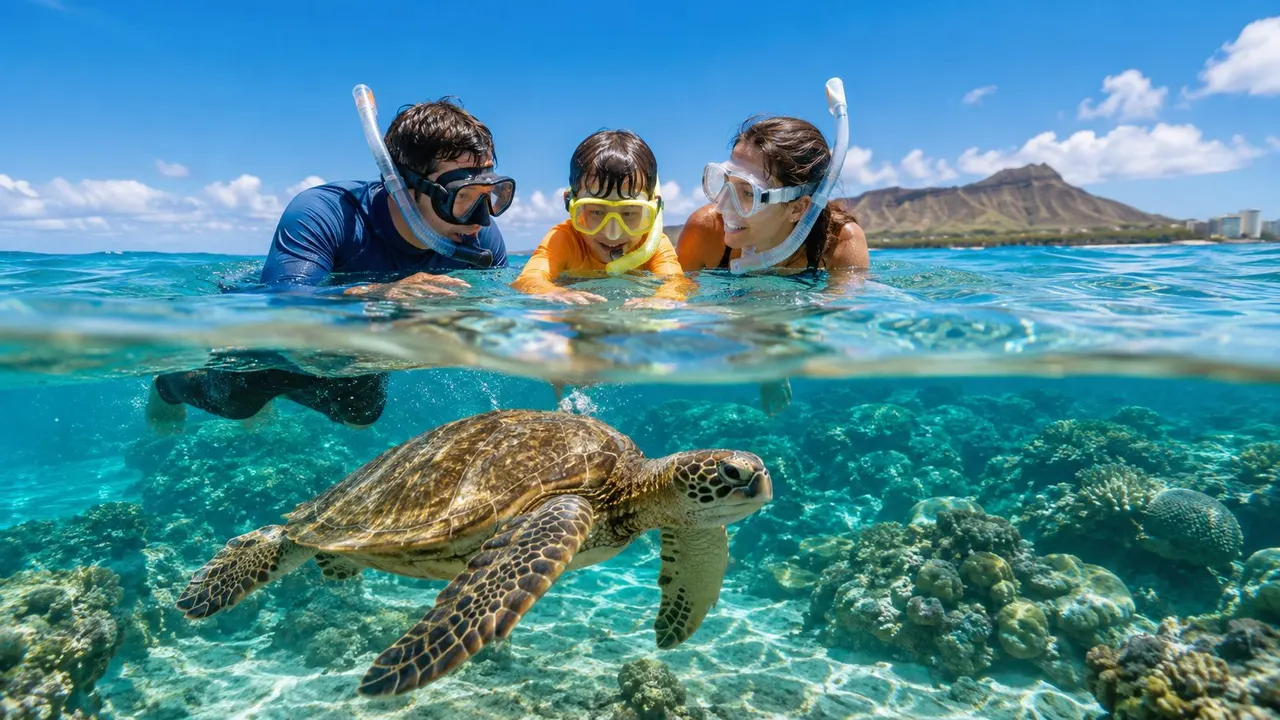
You've found the perfect beach, the mask is fitted, and your children are already scanning the water for a turtle. Then the questions arrive. How close is too close? What should you do if a honu swims directly toward the family? And how can you keep a crowded encounter calm without turning a magical moment into a stressful one?
Snorkeling with turtles on Oahu is remarkably accessible, but the quality of the experience depends on preparation, ocean conditions, and respectful behavior. The most dependable approach combines the right location with calm buoyancy, good supervision, and a clear plan for giving wild animals room.
Why Oahu Is the Best Place to Snorkel with Sea Turtles
The first turtle often appears as a quiet shape beneath the boat, then resolves into a broad green shell, slow flipper strokes, and a head rising toward the surface. At Turtle Canyon, you may find yourself floating above a reef while a Hawaiian green sea turtle pauses near a cleaning station. Small reef fish remove algae and parasites as the turtle rests, creating an encounter that feels calm rather than hurried.
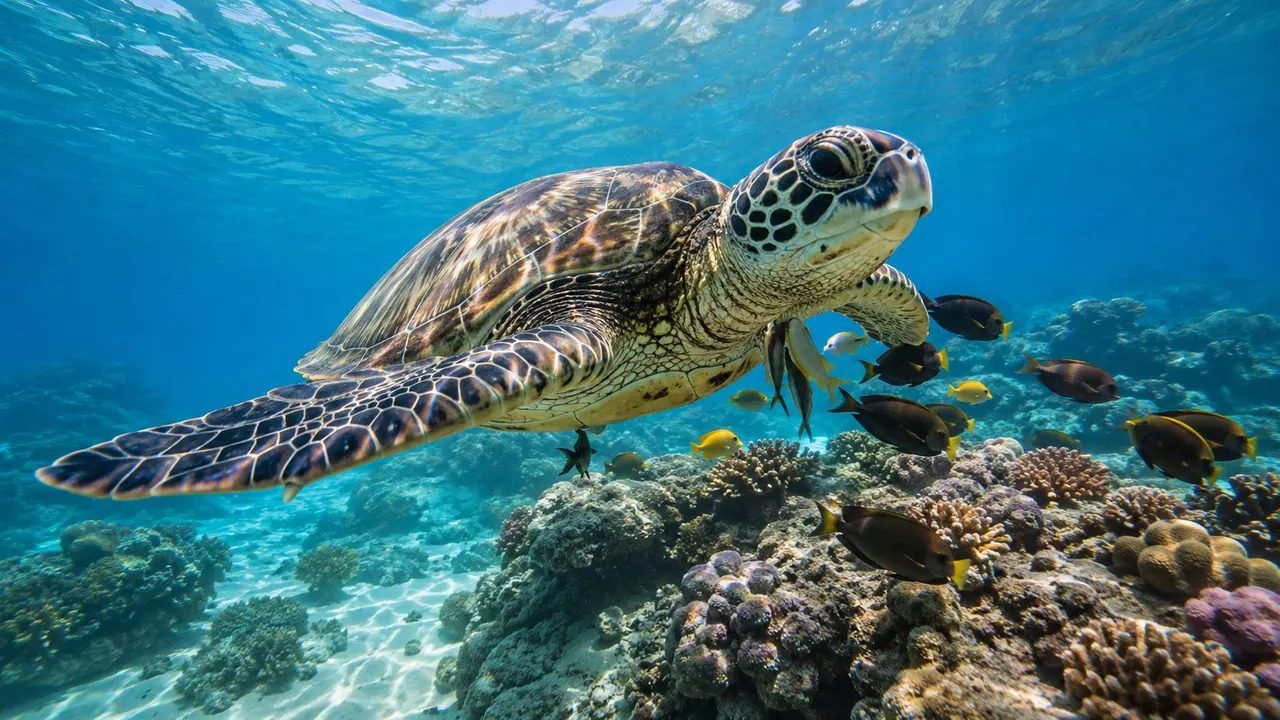
Oahu's appeal comes from the combination of accessible coastline, offshore reef habitat, and concentrated turtle activity. Visitors can choose between boat-access sites near Waikiki and shore locations around the island, but those choices don't offer the same consistency. Offshore reefs can provide clearer observation and avoid some of the surf, sand, and entry problems that affect beach snorkeling.
The island's turtle encounters also reflect a wider conservation recovery. The U.S. Fish and Wildlife Service reported 83 nests on Oahu in 2024, compared with 9 nests in 2019 and only zero to two nests per year during 2016–2018. That nesting increase doesn't mean every snorkel site will be filled with turtles, because nesting takes place in protected coastal areas rather than open-water viewing locations. It does show that honu are using Oahu's coastal environment in growing numbers. Read more about where to see sea turtles on Oahu before choosing between shore and boat access.
Why the recovery matters to visitors
For a traveler planning a turtle snorkel in 2026, the recovery story adds meaning to the encounter. You aren't just visiting a scenic reef. You're observing a threatened native animal whose return reflects years of protection and conservation work.
Oahu also has a particularly strong connection to documented turtle activity. A review of basking reports across the Main Hawaiian Islands from 1990 through 2014 found that 34% of basking-location reports came from Oahu, while 77% of recorded stranding reports came from Oahu. Those figures don't guarantee a sighting on a particular day, but they help explain why Oahu has become one of Hawaii's most recognizable destinations for turtle viewing.
Practical perspective: The best turtle encounter isn't the closest one. It's the one where the honu continues feeding, resting, or surfacing without changing its behavior because of you.
Best Spots to Snorkel with Turtles on Oahu
Turtle Canyon off Waikiki is the clearest choice when turtle viewing is the main purpose of the outing. It's an offshore, boat-access site in approximately 20 to 40 feet of water, so surface snorkeling is the practical method. The reef functions as a natural cleaning station, where turtles return regularly while cleaner fish remove algae and parasites.
The most effective technique is simple. Stay horizontal, use short and quiet fin kicks, and look ahead rather than diving repeatedly toward the reef. A turtle may pass beneath or beside you while you're searching in the wrong direction. At Turtle Canyon, patience and low-impact movement usually work better than swimming hard.
A widely cited benchmark for guided trips to the site is a claimed 99% turtle-sighting success rate, with 20 to 50 resident turtles visiting daily, as described in this Turtle Canyon snorkeling overview. Those figures are a benchmark rather than a promise for every individual trip, and the quality of the encounter still depends on weather, visibility, buoyancy, and group behavior.
Choosing between boat and shore access
Hanauma Bay can suit visitors who want a structured shore-based outing and are comfortable planning around entry conditions and crowds. Sharks Cove and Electric Beach offer different reef experiences, but both require careful attention to surf, currents, entry points, and visibility.
North Shore locations can be especially difficult during winter, when surf conditions may become hazardous. Summer generally offers a safer and more realistic window for shore snorkeling, while guided boat departures from Kewalo Basin Harbor provide a more reliable option across changing seasons.
| Location | Access Type | Best Season | Difficulty | Turtle Reliability |
|---|---|---|---|---|
| Turtle Canyon | Guided boat | Year-round, subject to ocean conditions | Beginner to intermediate with support | High at the known cleaning station |
| Hanauma Bay | Shore access | Calm conditions | Beginner to intermediate | Variable |
| Sharks Cove | Shore access | Calmer summer conditions | Intermediate | Variable |
| Electric Beach | Shore access | Calm conditions and local guidance | Intermediate to advanced | Variable |
Families with young children, first-time snorkelers, or limited vacation time will usually benefit from the controlled access of a boat tour. Confident swimmers who can read ocean conditions may prefer the flexibility of a shore site. For a closer look at the offshore option, review this guide to a guided Turtle Canyon snorkel.
Hawaii Turtle Snorkeling Rules and Etiquette
The central rule is easy to remember: keep at least 10 feet, or 3 meters, from every sea turtle in the water and on land. That distance protects the turtle's ability to swim, rest, feed, and reach the surface without maneuvering around people. Hawaiian green sea turtles are threatened under the Endangered Species Act and protected under Hawaii law, so touching, chasing, feeding, blocking, riding, or surrounding them isn't acceptable.
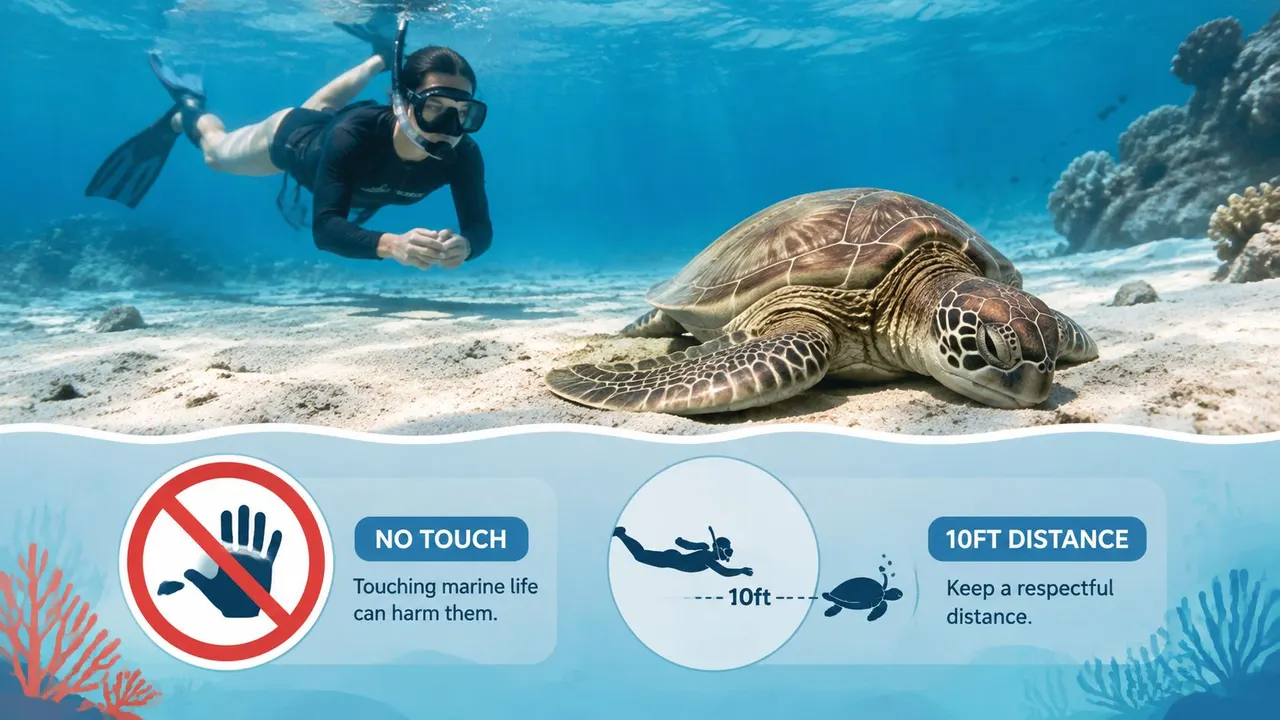
A common family scenario is a turtle approaching the group. Don't reach for it, swim backward rapidly, or call children toward the animal. Stay calm, keep your hands close to your body, and allow the honu to choose its path. If it changes direction, increases flipper movement, dives abruptly, or appears to be seeking a clear route to the surface, increase your distance immediately.
Managing children in crowded water
Children often react faster than adults when they see a turtle. Before entering the water, give them one simple instruction: look, don't follow. An adult should position the child beside or slightly behind them, not directly above the turtle or in its route to the surface.
When several snorkelers gather, the group should spread rather than form a ring. Never block the turtle between swimmers, the reef, or the surface. If another person moves too close, the safest response is to create space for the animal, not to argue or crowd the group further.
Crowd rule: If a turtle approaches you, stop moving and let it pass. If you approach the turtle, turn away and restore the 10-foot distance.
Never touch coral or rest your hands on the reef while repositioning. Strong vertical finning can stir sediment, reduce visibility, and make your movement unpredictable. Keep your body horizontal, use compact kicks, and leave the turtle's entire travel corridor open. The Hawaii turtle snorkeling rules provide a useful reference for responsible viewing before you go.
What to Pack for a Turtle Snorkeling Adventure
Good preparation prevents most beginner problems. Bring a swimsuit, towel, drinking water, a reef-safe sunscreen, and dry clothing for the ride home. Hawaii guidance emphasizes reef-safe sun protection because sunscreen washes into the marine environment during swimming.
A rash guard is more useful than many first-time visitors expect. It provides sun coverage during long surface observation and adds a layer between bare skin and possible jellyfish contact. Children often feel more comfortable in a long-sleeve rash guard because they don't need to reapply sunscreen to every exposed area while focusing on the water.
Gear that helps families
- Snorkel vest: Use flotation even if a child can swim. A vest reduces fatigue and helps beginners stay horizontal while they learn to breathe through the snorkel.
- Mask fit: Press the mask gently against a child's face without using the strap. If it stays in place briefly, the seal is likely suitable. A leaking mask creates panic quickly.
- Anti-fog solution: Apply a snorkel-specific anti-fog product before entering the water. A fogged lens leads to unnecessary mask adjustments and missed wildlife.
- Waterproof phone case: Use a floating case or secure lanyard for photos. Don't sacrifice buoyancy control while trying to capture a close-up.
- Rash guard: Choose a comfortable, close-fitting top that won't billow in the water or interfere with a vest.
Most guided excursions provide masks, snorkels, fins, and flotation equipment, but families should confirm the exact inclusions before departure. This Turtle Canyon snorkel gear guide can help you separate essentials from items that add clutter.
Leave glass containers, loose jewelry, expensive watches, and bulky beach bags behind. A common mistake is bringing too much to the boat and too little sun protection. Another is assuming that strong swimming automatically means comfortable snorkeling. Breathing technique, mask fit, and flotation matter more than proving how far you can swim.
Booking a Guided Turtle Snorkel Tour on Oahu
A child may be excited on the beach and overwhelmed once the boat reaches open water. A guided tour reduces that transition by handling site selection, equipment fitting, safety instruction, and water entry. Families can focus on breathing, staying together, and watching the reef without trying to solve every decision themselves.
Living Ocean Tours operates the Turtle Canyons Snorkel Excursion from Kewalo Basin Harbor near Waikiki. The short boat ride reaches the offshore cleaning-station habitat, with gear, instruction, and guides included. Review the Turtle Canyons Snorkel Excursion for departure details and inclusions before booking.
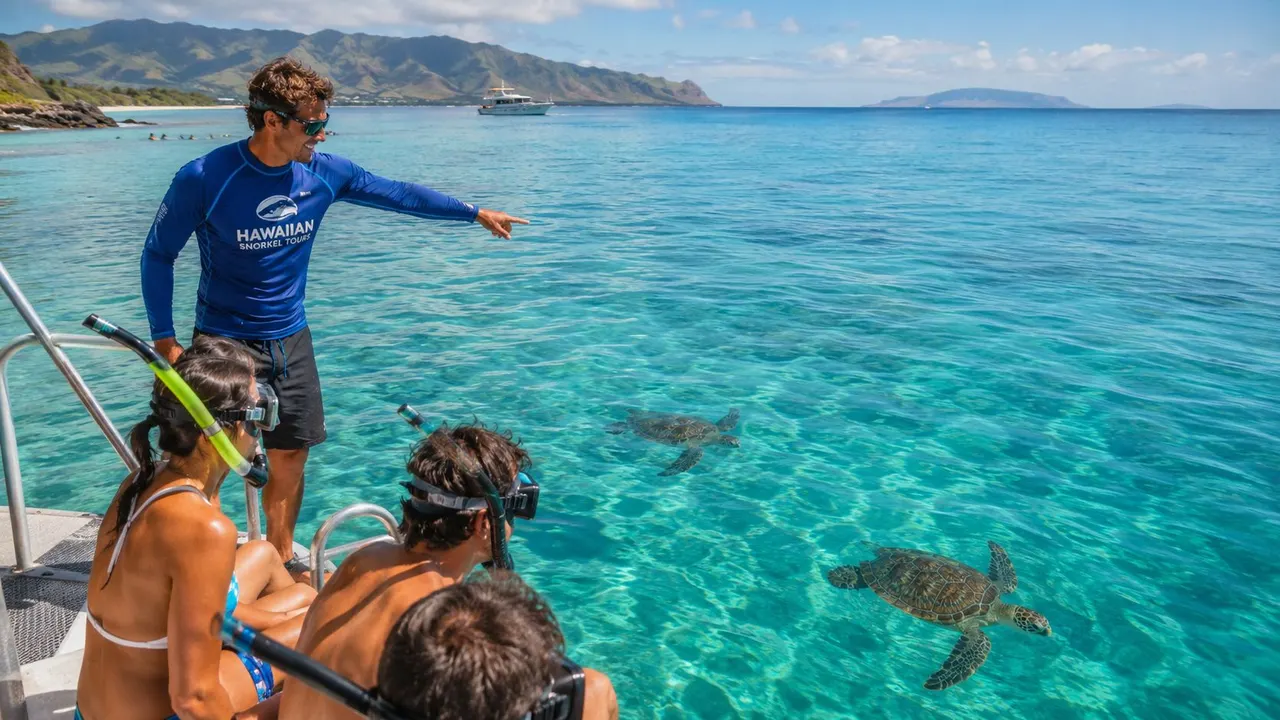
Standard excursion or deluxe family option
The standard Turtle Canyon outing fits families whose main goal is guided turtle and reef viewing. The Deluxe Waikiki Snorkel and Wildlife Cruise includes a waterslide and water trampoline, which can give children something active to do between snorkeling periods. Choose the standard trip for a quieter wildlife-focused outing, or the deluxe format when children need more variety on the boat.
Ask the crew before departure how the group will enter the water, where children should stay, and what happens if a turtle approaches. A turtle should never be chased or touched. If one swims toward you, stop finning, keep your hands close to your body, and let it choose the distance. The crew can also help position a nervous child near flotation support without placing the child in the turtle's path.
Booking decisions that make a difference
Read the cancellation and weather policies carefully. Check whether a trip can be rescheduled when wind or sea conditions change, and confirm what happens if a child becomes seasick or cannot continue. Boat schedules may vary by season, so verify the departure time rather than relying on an old itinerary.
Morning and afternoon trips can both work. Families often find an earlier departure easier before fatigue and sun exposure build, while the right choice still depends on the day's conditions and your child's routine. Tell the crew about anxiety, limited snorkeling experience, or seasickness before leaving the harbor.
Book the format that matches your family's comfort in the water. Compare the available Oahu snorkeling excursions and confirm the meeting point, included equipment, age requirements, and time in the water.
Protecting Hawaiian Green Sea Turtles While Enjoying the Experience
Responsible snorkeling supports the same recovery that makes these encounters possible. Hawaii's green sea turtle population has rebounded substantially, with nesting increasing by about 5% per year and nearly 500 females nesting annually, compared with 67 nesting turtles in 1973, according to Hawaii's sea turtle conservation data.
The species remains threatened under the Endangered Species Act and Hawaii law. That status explains why the 10-foot viewing distance isn't a suggestion created for tour operators. It protects animals that still require legal safeguards, even as their population shows a strong recovery.
Why cleaning stations deserve space
A cleaning station is a working part of the reef ecosystem. Turtles pause while cleaner fish remove algae and parasites, and the turtle's ability to remain settled is part of the station's value. When snorkelers hover overhead, surround the animal, or force it to leave, they interrupt normal behavior.
That interruption also harms the viewing experience. A relaxed turtle may remain visible while it rests or feeds. A stressed turtle may leave the area, dive away, or alter its route. Giving space is therefore both a conservation practice and the most effective way to observe natural behavior.
Oahu's documented concentration of turtle activity makes individual choices especially important. The island attracts many visitors to the same coastal habitats, so one careless swimmer can affect an entire group's encounter. Stay outside the turtle's route, avoid contact with the reef, and let guides manage positioning. Those small decisions help keep Turtle Canyon and other habitats usable for future visitors and safe for the honu themselves.
Common Questions About Snorkeling with Turtles on Oahu
Can children snorkel with turtles? Yes, children can participate when they're comfortable wearing a mask, using a snorkel, and following directions. A flotation vest, close adult supervision, and a simple “look, don't follow” rule are more important than swimming speed.
What if the water is crowded? Never surround, block, chase, or crowd a turtle. Keep at least 10 feet away in the water and on land, as explained in this Hawaii turtle law guidance. If a turtle needs to surface, move aside and leave a clear vertical route.
What if a turtle swims toward me? Stop kicking, keep your hands down, and let it choose the distance. Don't turn the approach into a photo opportunity that brings you closer.
What about seasickness? Eat lightly before departure, stay where the crew recommends, and tell the guide if you begin feeling unwell. Families should also plan a quiet recovery period after the boat ride.
What if visibility is poor? Follow the crew's instructions and avoid diving or searching aggressively. If you don't see a turtle, the ocean conditions may have limited visibility, but chasing wildlife never improves the outcome.
Can non-swimmers join? Ask about flotation, in-water supervision, and boat accommodations before booking. Multi-generational groups can also divide activities, with confident snorkelers entering the water while others remain comfortably aboard.
Living Ocean Tours offers guided Turtle Canyons snorkeling from near Waikiki, with equipment, instruction, and crew support for families and first-time snorkelers. Visit Living Ocean Tours to compare the Turtle Canyons excursion with the deluxe family snorkeling option and choose a responsible way to meet Oahu's honu.


