Snorkel on Oahu: Best Spots, Tours and Safety Tips
You've got four days in Waikiki, a rental car for two of them, and a ten-year-old who has decided the entire trip hinges on seeing a sea turtle. The forecast says sunny, 82 degrees, light wind. The water in front of the hotel looks like glass. So you buy a mask at the ABC Store, wade in off Waikiki Beach, and spend forty minutes looking at sand and one very unbothered sergeant major.
That's how the ordinary version of this goes wrong. The weather is fine. The beach is famous. Neither tells you whether the water at your site is safe, clear, or worth the drive and the entry fee.
To snorkel on Oahu well, you make the forecast and the shoreline the first decision, not the last. Site comes second. Gear comes third. Turtle sightings are a bonus that good positioning earns, never a reason to bend a distance rule or push into surge.
Best Snorkel Spots on Oahu at a Glance
Four spots dominate the conversation, and they are not interchangeable. Two are shore entries with completely different support systems. One is a boat you can't replicate from land. One is seasonal and will hurt you if you read the wrong month on the calendar.
| Spot | Access | Best for | Key condition |
|---|---|---|---|
| Turtle Canyons, Waikiki | Guided boat from Kewalo Basin | First-timers and turtle fans | Honu gather at a cleaning station; sightings are not guaranteed |
| Hanauma Bay, south shore | Shore entry with reservation | Families with young children | Reservations required; lifeguarded reef |
| Lanikai, windward side | Shore entry from sand | Calm, shallow swims | No lifeguard, no restrooms; nearest lifeguarded area about a mile away |
| Shark's Cove, North Shore | Shore entry over rocks | Confident swimmers | Best in summer; winter surf and currents are dangerous |
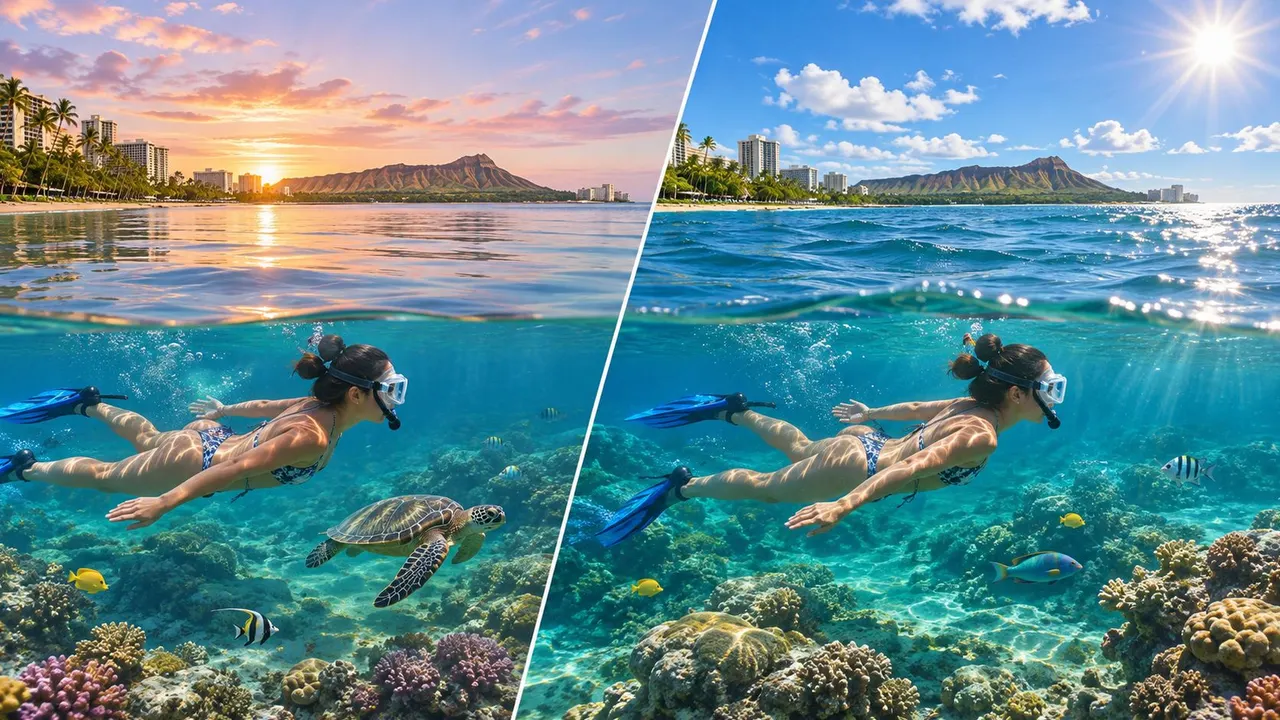
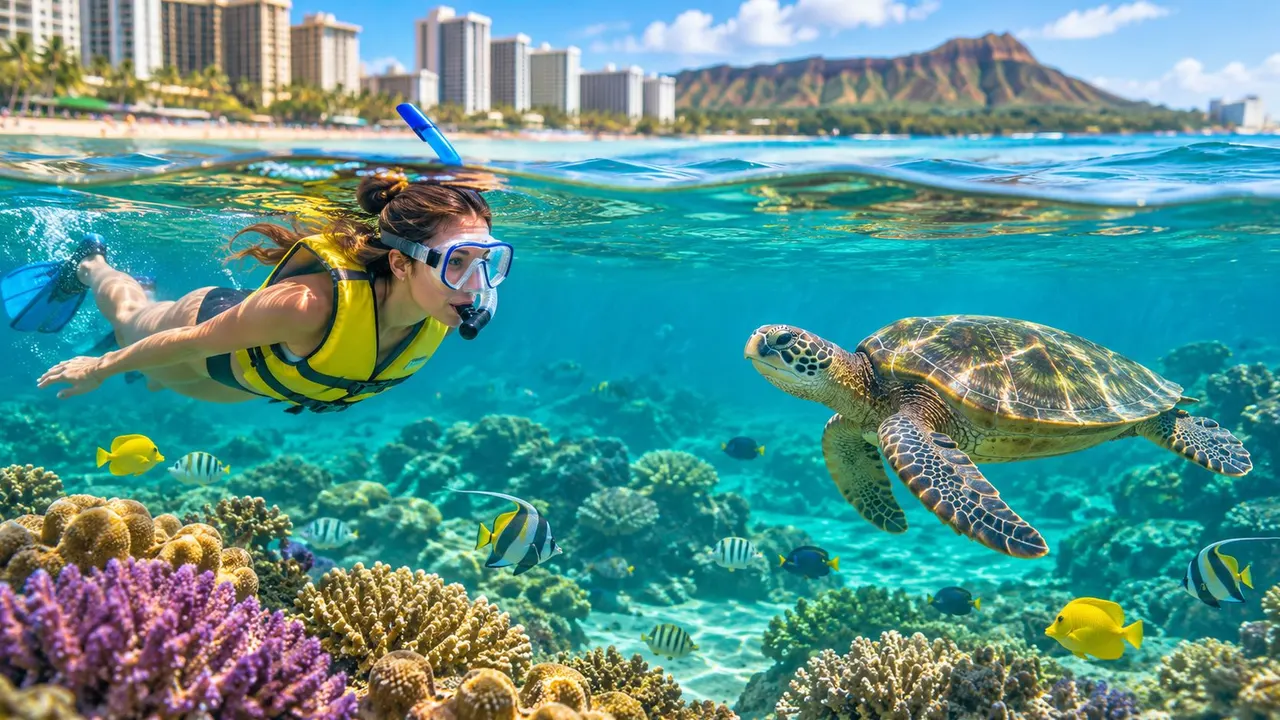
Turtle Canyons is the only row you can't reach in a rental car. It sits offshore from Waikiki, and the draw is a cleaning station where Hawaiian green sea turtles return to be tended by reef fish. It suits first-timers because the hard parts, the boat, the briefing, the entry, are handled by someone else.
Hanauma Bay is the classic family choice. The inner bay is shallow and sheltered, entry is from sand, and lifeguards are on duty. Book ahead, arrive early, and expect to watch the required orientation video before you get anywhere near the water.
Lanikai looks like the safest swim on the island and carries the least support. The water is shallow and often calm, but there are no lifeguards, no restrooms and no services, and the nearest lifeguarded beach is about a mile away. Go with adults who can manage themselves.
Shark's Cove rewards confident swimmers in summer with lava rock formations and dense fish life. In winter it turns into a different place entirely.
At most sites you'll meet yellow tangs, Moorish idols and triggerfish, along with parrotfish, surgeonfish and the occasional eel tucked into a crevice.
Hanauma Bay recorded 400,776 visitors in 2024, of which 170,928 (43%) were walk-ins and 228,848 (57%) used reservations, according to the Honolulu Department of Parks and Recreation. Treat the reservation as the default, not the upgrade.
How to Pick in Two Steps
- Match the row to your group. If you have weak swimmers or kids under eight, you want lifeguards or a crew, which means Hanauma Bay or the boat. If turtles are the whole point, the boat wins on odds.
- Read the conditions before you commit. If that shoreline is under a high-surf advisory, the table above stops mattering. Postpone instead of improvising.
Weather, Surf and Seasons That Change Your Plan
A sunny forecast is a forecast for the sky, not for the ocean at your site. Honolulu's emergency-management guidance describes a high-surf advisory as waves higher than normal and warns of dangerous wave action and strong rip currents, urging visitors to stay out of the water during affected conditions, particularly near reef edges and exposed shoreline. NOAA's marine life viewing guidelines resources also advise snorkelers not to touch, kick or stand on coral. Both matter because a rough day turns a calm float into a fight against current, and fighting current is when people plant a fin on living reef.
| Condition | Go | Postpone or relocate |
|---|---|---|
| High-surf advisory | No advisory in effect for your shoreline | Stay out of the water near reef edges and exposed shoreline |
| Surge or strong rip current | Calm water with gentle, steady entry | Cancel or move to a protected route |
| Heavy rain and runoff | Clear water and visibility after recent rain | Postpone when water is murky and runoff is visible |
| Winter on the North Shore | Summer conditions with calm surf | Avoid; winter brings dangerous currents and waves |
| Weak swimmers without a lifeguard | Vest, buddy and guided supervision | Relocate to a lifeguarded site or join a guided boat |
The Order of Risk
Surf and current come first because they are the only conditions that can hurt you in minutes. Visibility comes second because murky water is a wasted trip and a lost buddy. Temperature comes a distant last. South shore water stays swimmable all year, and our Oahu ocean temperature guide gives you the month-by-month range, but a warm ocean under a high-surf warning is still a no.
Rain deserves its own line. Heavy runoff, the kind that follows a night of downpour, cuts visibility and affects nearshore water quality. Blue skies the next morning do not mean the bay has cleared. If the water looks like weak tea at the shoreline, it's still like that at the reef.
Season rewrites the North Shore. Summer there can be glassy and forgiving. Winter brings dangerous currents and big waves even when the water looks manageable from the sand, which is exactly why the view from the beach is the worst place to judge it.
Timing helps. Mornings usually bring lighter wind and calmer seas, and wildlife tends to be more visible before boat traffic builds.
The cancel rule: if you see surge, poor visibility or a difficult exit forming, cancel or move to a protected route. Ask the operator to relocate rather than pushing on, and expect a good crew to make that call before you do.
Shore or Boat Choosing How to Snorkel Oahu
Here's the first look at the choice that decides your morning. A shore entry and a guided boat trip are different products with different failure modes, and neither is automatically the safer option.
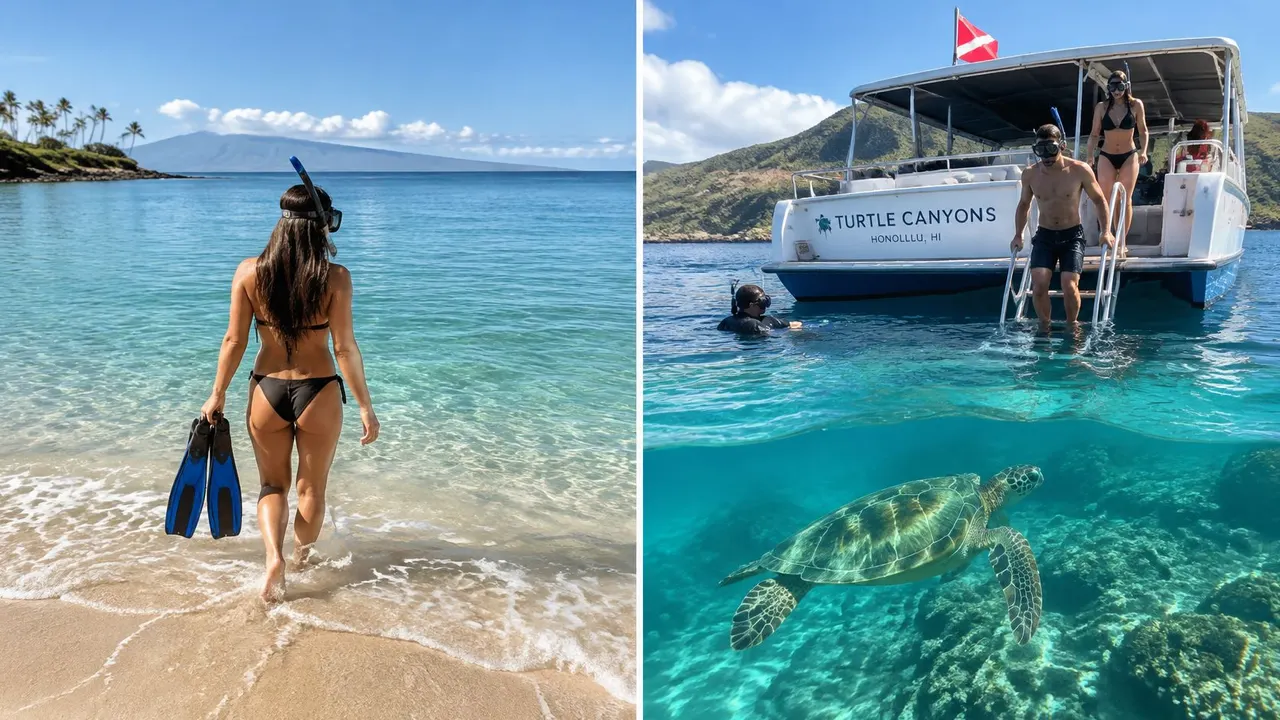
Shore snorkeling costs nothing to enter and lets you choose the hour. You also bring or rent your own mask, snorkel and fins, read the entry yourself, and get lifeguard cover only where it exists.
| Factor | Shore snorkel | Guided boat (Turtle Canyons) |
|---|---|---|
| Gear | Bring or rent your own | Provided on the tour |
| Guidance | Self-guided | Guide in the water and a crew briefing |
| Turtle chances | Variable, depends on the day | Visits a known turtle cleaning station |
| Safety support | Lifeguards only at guarded beaches | Flotation vests and crew on board |
| Access | Walk in, parking may be limited | Departs daily from Kewalo Basin near Waikiki |
Walk the table in this order. If your group includes weak swimmers or young children, take the boat column for vests and direct supervision. If you want a free, flexible morning and everyone can handle the entry and exit, stay on shore. If turtles are the priority rather than a hope, the boat is the better bet because shore sightings swing wildly by day. If you'd rather control your own exit time than maximize turtle odds, stay on land.
Boats on this run leave daily from Kewalo Basin Boat Harbor, a short ride from Waikiki Beach, so the logistics are simple even without a car.
What Changes With a Boat
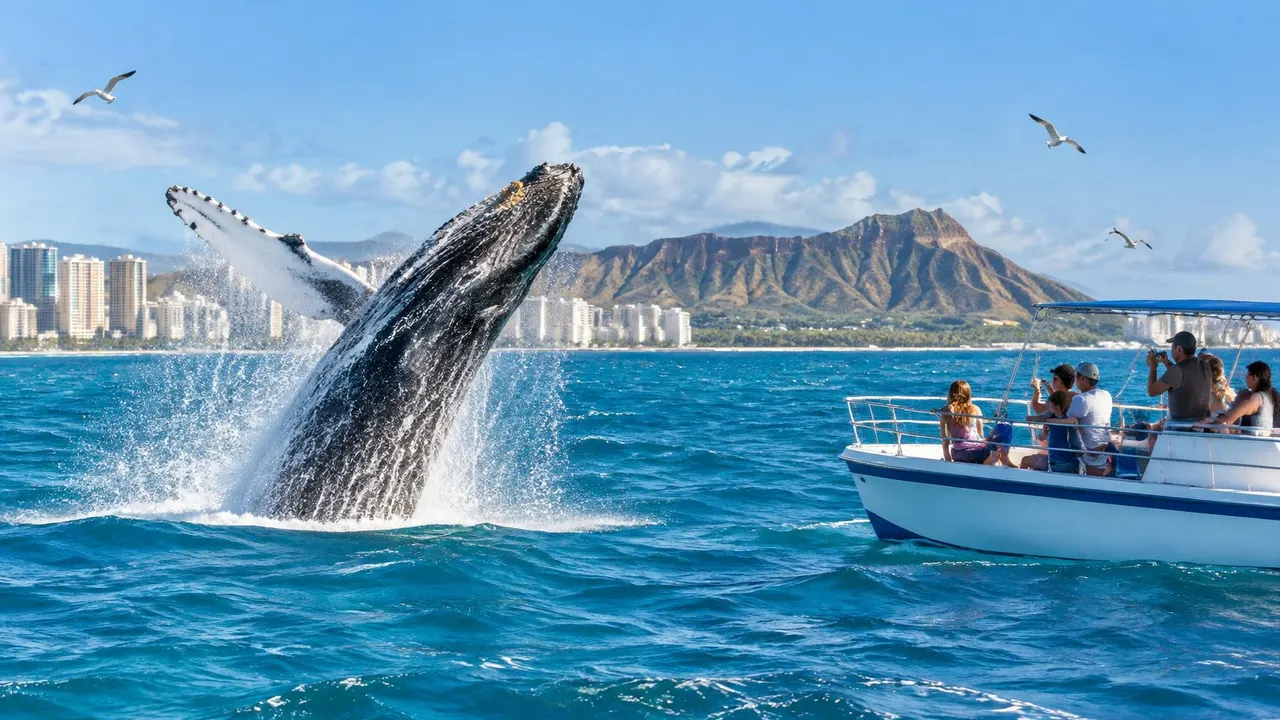
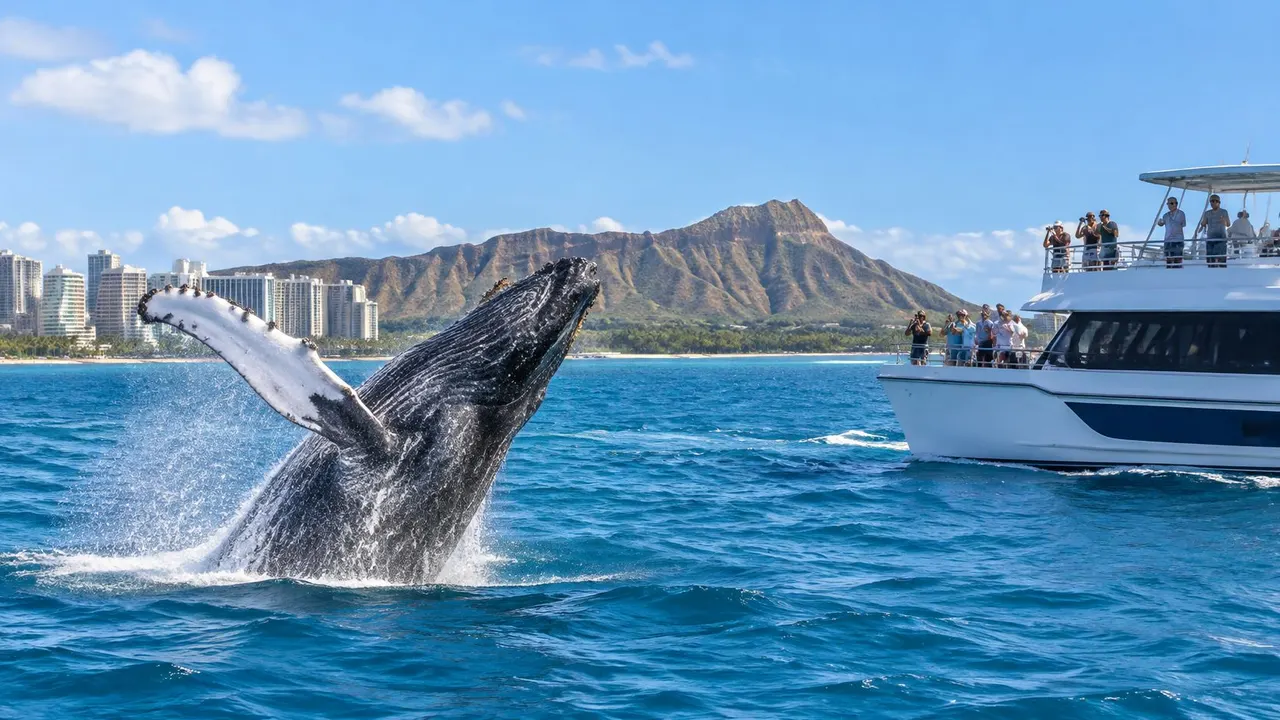
The vessel rules are stricter than most passengers expect. NOAA's guidelines and distances page recommends staying at least 50 yards from sea turtles when viewing from a vessel, avoiding excessive speed or sudden changes in direction, and never chasing, encircling or trapping a turtle between a boat and shore. When a turtle surfaces near the boat, the crew slows to no-wake, puts the engines in neutral and lets the animal move off on its own line.
That's not bureaucracy. A turtle that has to dodge a hull burns breath it needed for a dive, and a captain who guesses wrong at close range does damage no amount of snorkeling skill can undo. When you book, ask how the crew handles a turtle sighting from the boat. The answer tells you a lot about the operation.
Watching Honu Without Disturbing Them
The rule is short, and it applies in the water and on land.
Hawaiʻi's recommended minimum viewing distance for green sea turtles is 10 feet (3 meters), according to NOAA's viewing marine wildlife in Hawaiʻi guidance.
Distance is not decoration. Crowding can alter how a turtle breathes, rests and forages, and cleaning stations make it worse because turtles return to the same predictable reef features day after day, drawing multiple snorkelers to one small patch. I position swimmers beside a turtle's path rather than above, below or around it, because a ring of people closes off the animal's route to the surface.
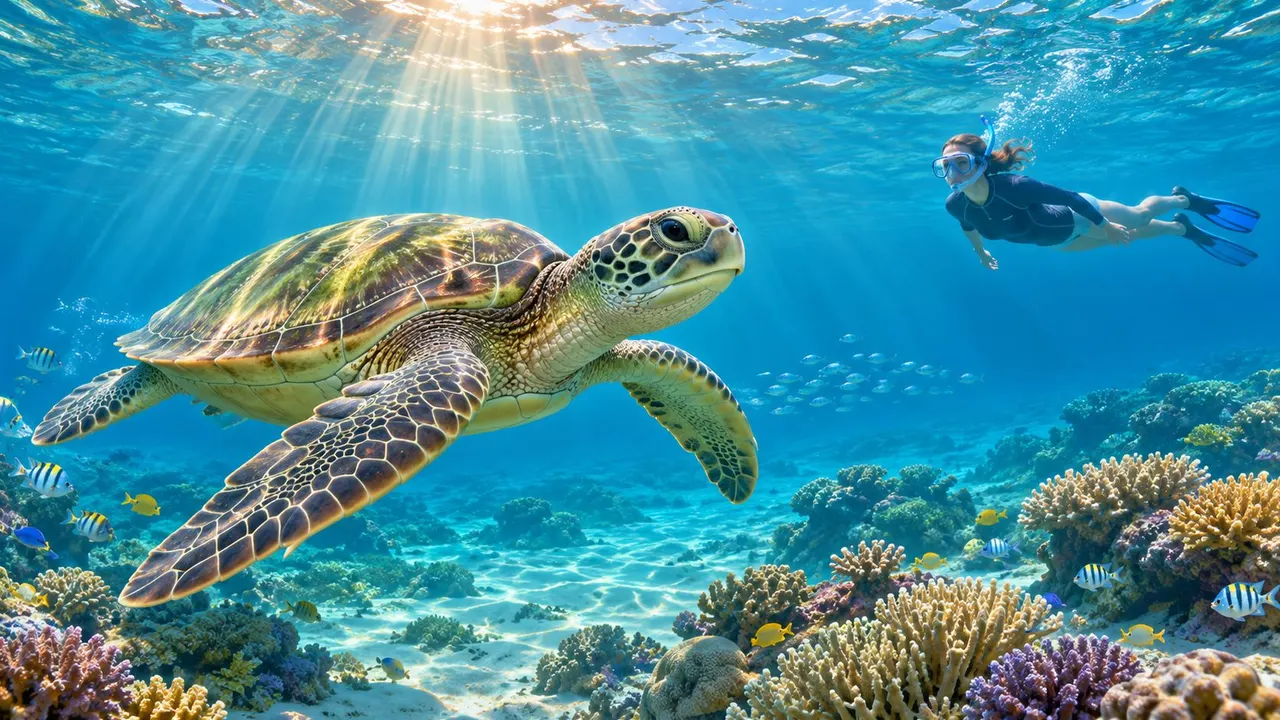
Never touch, feed, chase, ride or block a turtle's path. Those five cover almost every problem you'll see in the water, and each one starts with someone believing a calm animal is a consenting one.
When a Turtle Swims Toward You
- Stop kicking and float still. A moving fin reads as pursuit, and a stationary body reads as scenery the turtle can ignore.
- Let it pass without closing the gap. The turtle chooses the distance. Your job is to hold your position, not to drift in behind it.
- Stay lateral to the animal. Being off to one side keeps its escape route to open water clear instead of boxing it against the reef.
- Give it the surface. A turtle needs an unobstructed line up to breathe, so never park above it when it starts to rise.
Brief children before they get wet. A child who touches a resting turtle or stands on coral to steady themselves isn't being cruel; they don't know that calm is not the same as unharmed. One sentence at the boat briefing prevents most of it.
Our guides give snorkeling tips and share what they know about the local marine ecosystem as the tour runs, so following crew direction is part of the rule rather than an optional extra. For a fuller list of what is and isn't allowed, this Hawaii turtle snorkeling rules guide is worth reading before you fly.
A respectful encounter looks quieter than people expect. The turtle comes closer than 10 feet on its own terms, you stay still, and you get a longer, calmer look than the swimmer who chased it ever gets.
Gear and Pre-Swim Checks Before You Enter the Water
None of this matters until the conditions table says go. Once it does, the pre-swim routine is what keeps a good day from turning into a mask full of saltwater and a fin print on coral.
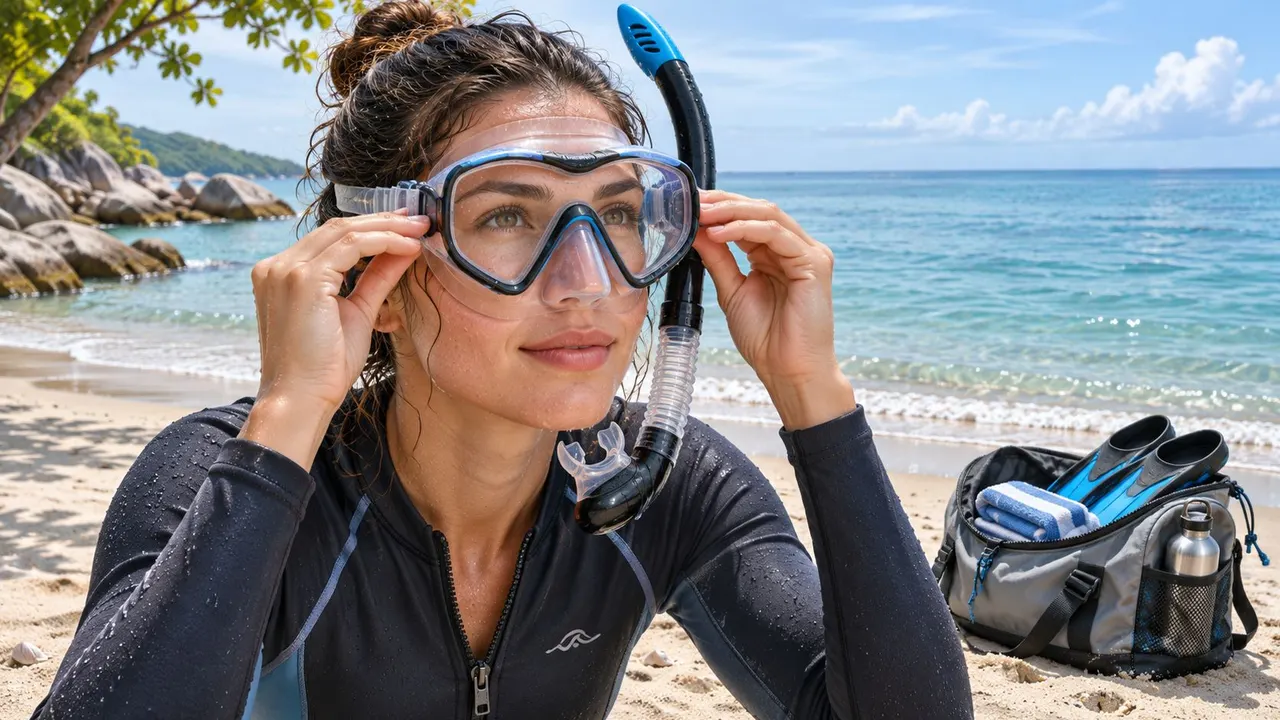
Hawaiʻi State Parks safety guidance advises checking weather and surf reports, reading posted ocean-condition signs, snorkeling with a buddy, keeping visual contact, and watching for boats and other water users. Those five habits catch most problems before the water does.
The Eight Checks
- Test the mask seal and clear the snorkel. A leaking mask sends people bolt upright, and upright people put their feet down on reef.
- Fit fins snugly and skip reef shoes in the water. Booties invite standing on coral because they make the bottom feel safe to push off.
- Put flotation on weak swimmers and children before entry. Not after the first scare, when everyone is tired and the vest is on the beach.
- Enter over sand, never over coral. Find the sandy channel even if it means walking twenty yards further.
- Kick short and stay horizontal. Controlled strokes with your body flat keep you clear of the bottom and stop accidental breakage.
- Swim as a buddy pair. With children, one adult per child, and eyes on each other rather than on the fish.
- Pick your exit before you swim out. Surge hides landmarks, and the easy entry rarely stays easy for an hour.
- Watch for boats the whole time. Your head is at the surface, which is exactly where a hull expects open water.
On our trips all snorkeling equipment is provided, a short lesson covers the gear and what to expect in the water, and we take ages 3 and up at every skill level. The briefing still gets adjusted on the day, because a routine check that ignores the actual ocean is just theater.
A ready group looks a certain way at the water's edge. Masks tested, vests on the people who need them, buddy pairs named, fins carried to the waterline rather than worn across the sand, and nobody standing on coral to adjust a strap. For a deeper gear breakdown, this Oahu snorkeling gear guide covers fit and rentals.
Packing and Logistics for an Oahu Snorkel Day
Keep the bag small and the decisions boring.
- Reef-safe sunscreen, applied before you leave the car. Mineral formulas, applied early so it has absorbed before you get wet.
- Rash guard. Sun protection that doesn't wash off, plus a barrier against the odd jellyfish.
- Towel and a dry bag. Phones and car keys stay dry while you're face down for an hour.
- Water and a snack. Dehydration shows up as a headache at hour two, not at the shoreline.
- Slippers for the walk to the waterline. Wear sandals until the water, then go barefoot or fin up, since reef shoes encourage standing on coral.
- A change of clothes for the ride back. Especially with kids, who will be wet and cold and hungry in that order.
Timing decides more than gear does. Book Hanauma Bay through the reservation system in advance, because most visitors now arrive that way and walk-in capacity is the exception rather than the plan. Arrive at the harbor or the beach early enough to check in, find parking and sit through the briefing without rushing.
If you're booked on a boat, plan your drop-off at the harbor rather than hunting for street parking in Waikiki at the last minute. And bring a waterproof camera or a phone case, then keep the phone off the reef and in your hand.
Choose Your Oahu Snorkel Trip and Book
For most families and first-time snorkelers, a guided Waikiki boat trip is the best balance of gear, guidance and turtle odds. You skip the parking gamble, you get a guide in the water, and someone else reads the conditions before you step aboard. Living Ocean Tours is Oahu's top rated and most reviewed snorkel company, and the two main options split cleanly by priority.
Two Trips, Two Priorities
The Deluxe Waikiki Snorkeling and Wildlife Cruise runs 2.5 hours, suits ages 3 and up, and costs $79 per person. It adds a waterslide, a water trampoline and a lily pad, and it visits a reef away from the crowds, which makes it the better pick when the day has to work for kids of different ages.
The Turtle Canyon Snorkel Excursion runs 2 hours, suits ages 3 and up, and costs $79 per person, with roughly an hour of that in the water. It goes straight to the turtle cleaning station, so it's the choice when honu are the reason you booked.
Questions Worth Asking Any Operator
Ask whether a guide gets in the water with you or only briefs from the deck. Ask how the pre-swim briefing handles first-timers and kids. Ask what happens to your booking when conditions turn, and who makes that call. If the answer on gear is "bring your own," budget for rentals and a sizing stop the day before.
Read the full Turtle Canyons snorkel excursion details before you commit, and if you want to compare a second operator running the same reef, Snorkel Turtle Canyon is a strong alternative worth pricing against the schedule you want. The Waikiki snorkel cruise page covers the family version with the onboard water toys.
Pick one trip, check the day's conditions and the shoreline forecast, then book it. If the advisory doesn't clear, move the date rather than the rule.
Living Ocean Tours runs guided snorkeling from Kewalo Basin Boat Harbor near Waikiki Beach, with gear, flotation and a crew briefing included on every trip, plus a turtle cleaning station run and a family cruise with a waterslide and water trampoline for ages 3 and up. If you want the turtle encounter without the parking gamble or the guesswork about conditions, that's the simplest way to get it. Visit Living Ocean Tours to compare the Turtle Canyon and Deluxe snorkel trips and check availability for your dates.