
Turtle Canyon snorkeling: What Your Pre-Swim Briefing Covers
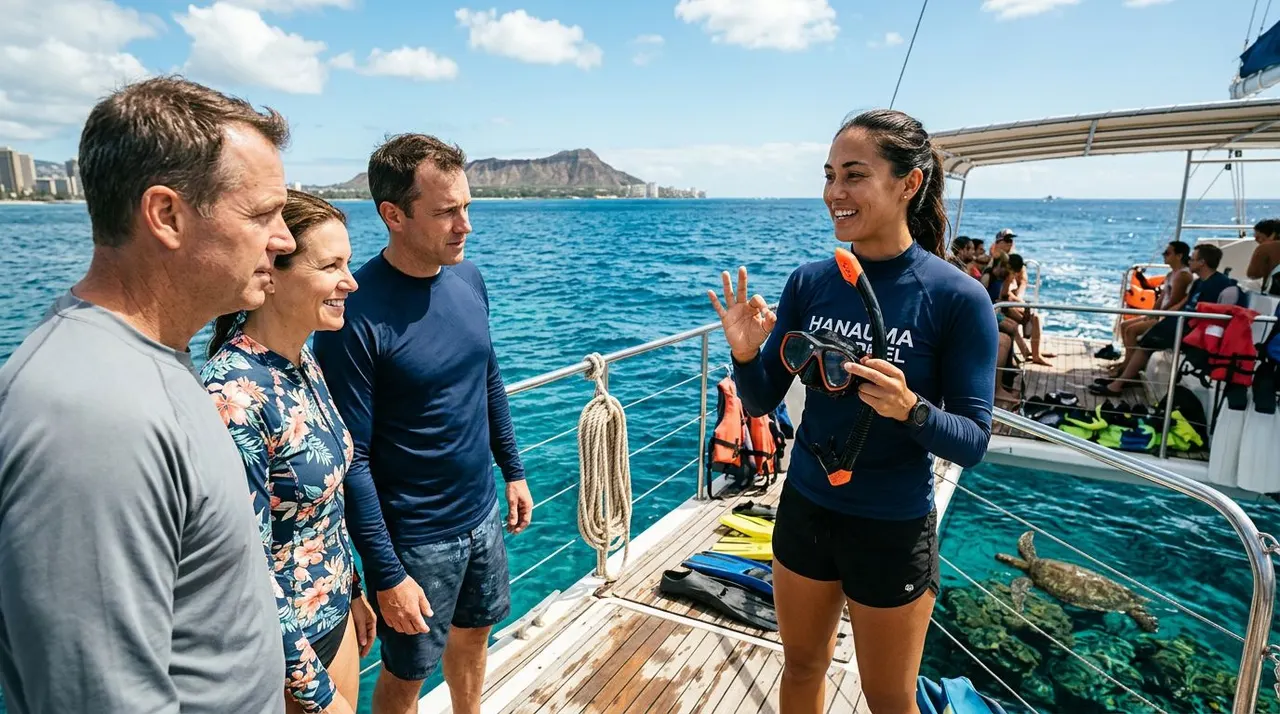
At Turtle Canyon, the most useful part of your snorkeling trip starts before you enter the water. A clear pre-swim briefing turns first-time nerves into a simple plan you can follow.
When you search for Turtle Canyon snorkeling, you may focus on sea turtles and coral reefs. Your guide also needs to prepare you for boat movement, water entry, equipment use, group signals, and responsible wildlife viewing. Those details help you feel comfortable before your mask touches the water.
Why a Pre-Swim Briefing Matters at Turtle Canyon
Turtle Canyon is an open-ocean snorkeling site, not a swimming pool with marked lanes. Conditions can change with wind, current, visibility, boat traffic, and the movement of other snorkelers. Your briefing should give you a realistic picture of the water you’re about to enter.
The crew should explain where you’ll enter, where you’ll swim, and how you’ll return to the boat. You should also know which areas are off-limits and when the guide may ask everyone to regroup.
A useful briefing answers practical questions before they become problems:
- Where will you enter and exit the water?
- How will you communicate with the guide?
- What should you do if your mask leaks?
- Where should you swim if you need help?
- What signal means it’s time to return to the boat?
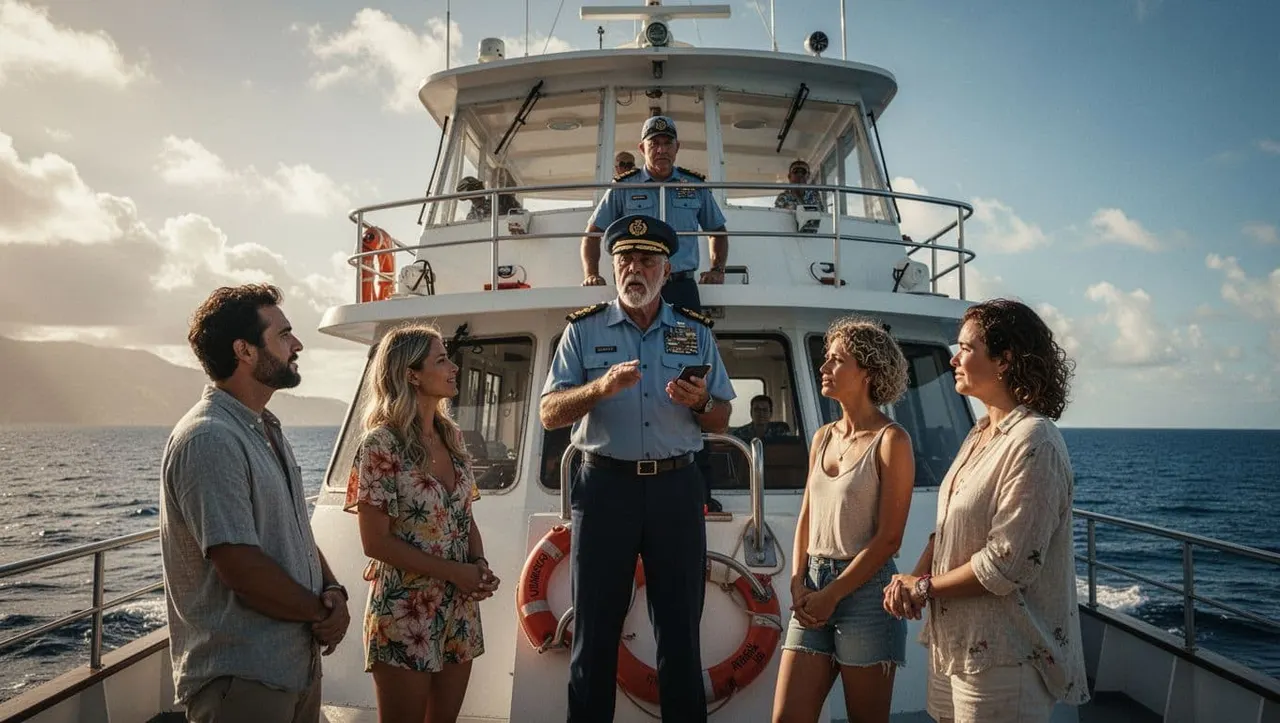
Your guide should also explain that wildlife sightings depend on natural conditions. Living Ocean Tours reports a 95% success rate for spotting Hawaiian green sea turtles at a natural underwater cleaning station, but no responsible crew can control animal behavior. The goal is a safe, respectful encounter whenever conditions allow.
A strong briefing doesn’t overwhelm you with rules. It gives you the information you need to make good decisions in the water.
Turtle Canyon Snorkeling: Conditions and Site Orientation
Your Turtle Canyon snorkeling briefing should begin with the conditions you can expect that day. The crew may discuss water visibility, surface movement, wind, and current. You don’t need a technical lecture, but you do need clear instructions that match the day’s conditions.
Ask questions if something feels unclear. For example, you can ask whether the water is calm enough for a nervous swimmer, how far the group will travel, or where you should stay if you prefer a slower pace.
The guide should point out the boat’s location and explain how you’ll recognize it from the water. This matters because the boat may look different once you move away from it and turn your attention toward the reef.
You should also learn how the group will move. Some tours keep guests near a guide, while others allow more freedom within a defined area. Either way, you need to understand the boundaries before swimming away from the entry point.
The briefing should cover what happens when the crew calls everyone back. You might hear a whistle, see a hand signal, or receive instructions from a guide in the water. Since wind and splashing can make voices difficult to hear, watch the crew as well as listening.
Your guide should also explain how to avoid crowding. Leave room between swimmers, keep your fins away from other people, and stay aware of where you’re moving. That makes the experience easier for families and more comfortable for guests who are new to snorkeling.
Equipment, Breathing, and Safe Water Entry
Your mask, snorkel, fins, and flotation equipment should fit before you enter the water. A pre-swim briefing should include time for adjustments, not a rushed reminder to grab your gear.
A leaking mask can distract you quickly. If water enters, lift your head, signal your guide, and ask for help. Don’t keep swimming while trying to fix equipment that prevents you from seeing clearly.
Your snorkel also needs to sit comfortably in your mouth. Practice breathing slowly through it while you’re still on the boat. New snorkelers often feel nervous because breathing through a tube feels unfamiliar at first. Slow breaths help you settle into the rhythm.
If you’re using fins, your guide should show you how to kick without splashing hard. Small kicks from your hips are more efficient than fast bicycle-like movements. They also help you avoid stirring up sand near the reef.
Water entry deserves its own explanation. The crew should tell you when to approach the ladder and how to wait your turn. You should never jump into the water until the crew gives you permission.
Use the boat’s designated ladder and keep your attention on the next step. Heavy-duty ladders make entry and exit easier, especially for children and guests who don’t spend much time in the ocean.
You can tell your guide if you need extra support. Living Ocean Tours welcomes beginners and families, and its professional snorkel guides can help you adjust equipment and get comfortable before you swim away from the boat. The company is the only tour company with professional snorkel guides, giving you knowledgeable support throughout the experience.
Wildlife Rules and Guide Signals
A good briefing treats marine life rules as part of the adventure, not as an afterthought. Hawaiian green sea turtles are protected animals, and your behavior can affect their safety.
Keep at least 10 feet, or 3 meters, between you and every turtle. You should never touch, chase, feed, block, ride, or surround one. If a turtle swims toward you, stay calm and let it choose the distance.
For a helpful review of responsible behavior, read this Oahu turtle snorkeling guide. The same basic rule applies throughout the encounter: observe, don’t touch.
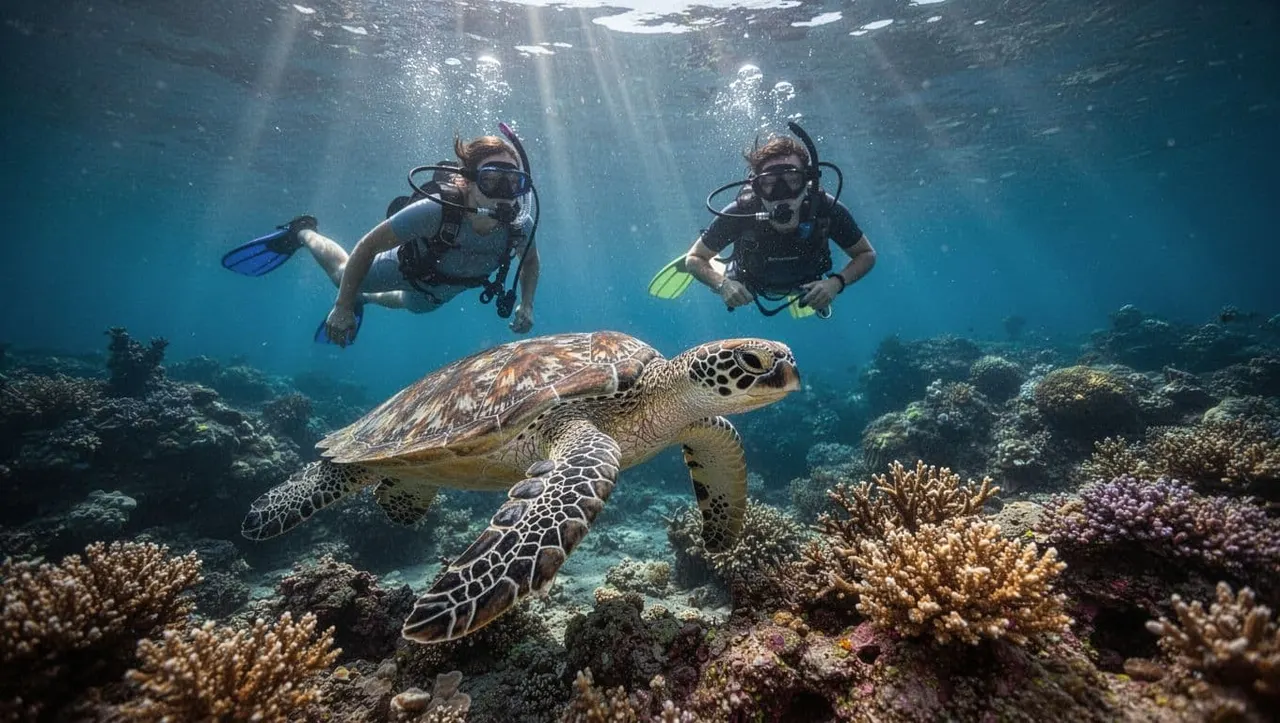
Your guide should explain how to watch turtles without blocking their path to the surface. Sea turtles need access to air, so never position yourself above one or swim between it and open water.
Coral also requires care. Avoid standing on the reef, dragging your fins across it, or grabbing rocks for balance. Coral can break easily, and contact can damage both the reef and your skin.
Before entering the water, review the hand signals used on your trip. Your guide may use signals for “okay,” “stay together,” “return to the boat,” or “watch out.” If you don’t understand a gesture, ask for clarification before swimming.
Keep your eyes on the guide when the group pauses. Guides may point out turtles or reef life, but they may also signal a change in direction or a safety concern. Staying alert lets you enjoy the view without missing important instructions.
What to Do If You Feel Nervous or Get Separated
You don’t need advanced swimming skills to enjoy a guided snorkeling trip, but you should be honest about your comfort level. Tell the crew before entering the water if you feel anxious, tire easily, or need flotation support.
A professional guide can help you choose a comfortable position near the boat or within the group. You may also decide to spend a few minutes practicing your breathing before moving toward the reef.
If you become uncomfortable in the water, stop swimming and signal for help. Keep your mask and flotation equipment in place while the crew responds. Avoid trying to reach the boat alone if you’re tired or disoriented.
If you lose sight of your group, don’t chase after distant swimmers. Stop, stay calm, and use the agreed-upon signal. The crew should explain how they track guests and how you’ll be reunited.
Families should review the plan with children before boarding. Young swimmers need to know who they should follow and which adult they should stay near. Living Ocean Tours designs experiences for guests ages 3 and up, so asking about flotation and supervision before the trip can help your family prepare.
The same advice applies to confident swimmers. Ocean conditions can make distances feel different, and fatigue can appear faster than expected. Staying with the group gives you more support and keeps the experience organized.
What to Expect With Living Ocean Tours
Living Ocean Tours departs from Kewalo Basin Boat Harbor, just minutes from Waikiki Beach. The company operates Coast Guard-inspected, custom-built double-decker vessels called the Coral Kai and the Lokahi.
Both boats include shaded seating, restrooms, dry storage, and ladders for water entry. The Lokahi also has a SeaKeeper stabilization system that reduces rolling, which can make the ride more comfortable for guests who are sensitive to boat movement.
Before your Turtle Canyon snorkeling session, the crew reviews the equipment, entry process, group boundaries, guide signals, and wildlife rules. You also receive support from professional snorkel guides, which is especially helpful if this is your first guided ocean excursion.
You can browse the company’s snorkeling adventures in Waikiki before choosing your experience. When you’re ready to check current options, use the booking link below.
Living Ocean Tours also reports a 95% turtle-spotting success rate at the natural cleaning station. Even so, your guide will encourage you to focus on respectful observation rather than chasing an animal for a closer view.
When Turtle Canyon is the right choice for your plans, you can CHECK AVAILABILITY for the snorkel excursion.
Conclusion
Your Turtle Canyon snorkeling experience should begin with a briefing that covers more than where to find the turtles. You should know how to use your gear, enter the water, stay with the group, respond to guide signals, and protect the animals you came to see.
With clear instructions and professional support, you can spend less time worrying about what to do and more time appreciating Hawaii’s reef life. The best encounter is one where you leave the water with great memories and the turtle continues on undisturbed.


