
Snorkel Oahu Like a Local: Spots, Safety, and Tours
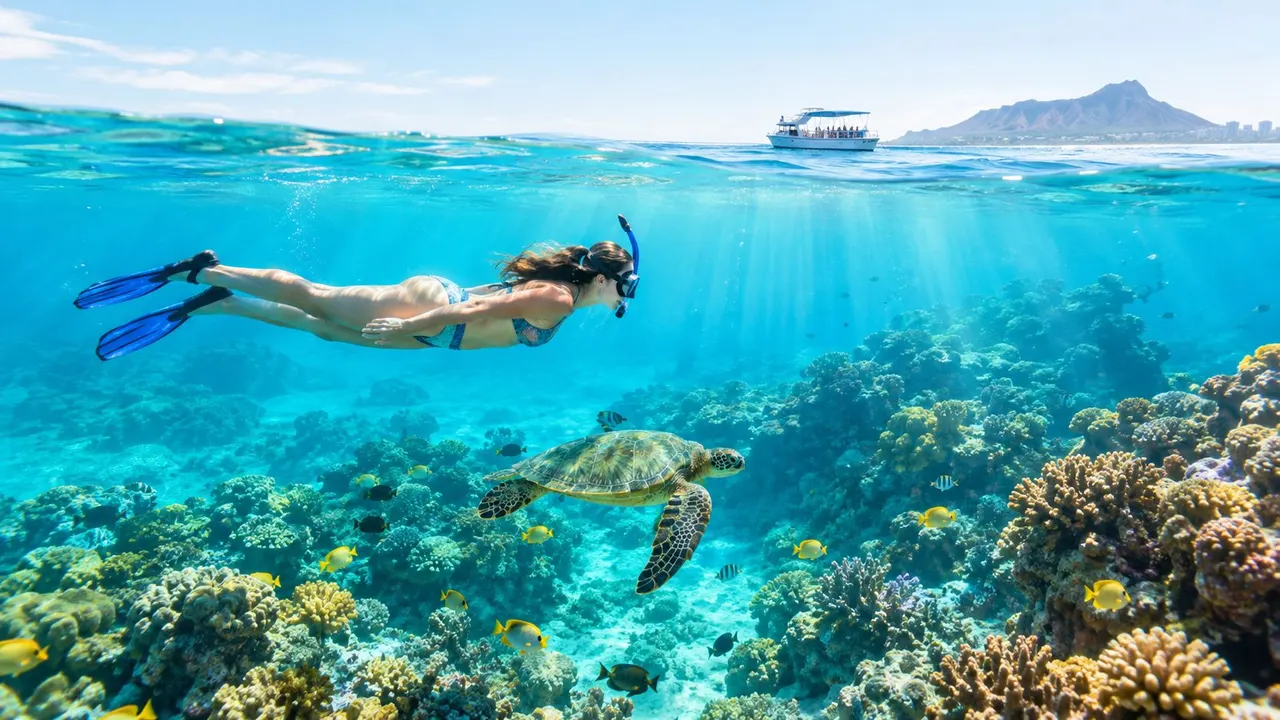
You're standing at Kewalo Basin on a Tuesday morning, pulling fins over bare feet while charter crews move around you with the practiced rhythm of a working harbor. The visitor beside you keeps looking from the boats to the horizon, trying to decide whether today is the day to snorkel Oahu or whether the ocean is sending a different message.
That's the right question. The best reef on a postcard may be a poor choice when the wind has shifted, the shorebreak is running, or a crowded entry has stirred the water into soup. A rewarding snorkel day starts with same-day conditions, swimmer ability, access, and a backup plan, then chooses the coastline that fits those facts.
Planning Your Snorkel Day on Oahu
A guide doesn't pick a coast by reputation alone. In winter trade-wind patterns, the south shore often gives visitors a more workable option, while the North Shore can become exposed to powerful swell. In the calmer summer season, North Shore reefs such as Sharks Cove and Three Tables can become attractive, but the decision still belongs to the ocean that morning.
Before you drive, check a live beach camera and the NOAA surf forecast, then compare what you see with the conditions at your intended entry. A forecast can describe swell, but a camera shows whether waves are breaking across the access point, whether rain has clouded the water, and whether a popular beach is already packed. Hawaiʻi ocean-safety guidance warns against snorkeling in high surf, strong winds, heavy shorebreak, strong currents, dawn, dusk, and murky water. Read the official snorkeling safety guidance before treating a beach recommendation as a plan.
Four decisions shape the day
- Choose the coast around the wind and swell. Sheltered water matters more than a famous name. A calm south-shore morning can be more enjoyable than a rougher site with a longer fish list.
- Decide whether shore access suits your group. A self-guided stop offers flexibility, but you'll handle parking, equipment, entry, navigation, and changing conditions yourself. A timed charter gives you a captain and crew who can adjust the plan when the original site isn't behaving.
- Keep a second option. If runoff clouds a beach or the wind arrives early, switch to a sheltered lagoon, postpone the swim, or choose a monitored boat departure rather than forcing the original itinerary.
- Match the water to the swimmers. First-timers and children usually need easy entry, flotation, instruction, and a clear exit. Confident ocean swimmers have more flexibility, but nobody gets to skip the condition check.
For a practical overview of routes, departure styles, and guided options, review these Oʻahu snorkeling excursions. The habit that works is simple: check the forecast the night before, check the water again in the morning, and accept that “not today” can be the most local decision.
Ocean Safety Rules Every Snorkeler Should Know
The ocean doesn't need to look dramatic to become dangerous. Hawaiʻi Ocean Safety advises that snorkelers should be experienced ocean swimmers who understand surf, currents, and wave breaking in shallow water. State drowning-prevention guidance also notes that more non-resident drowning deaths in Hawaiʻi occur while snorkeling than during any other activity, which makes a conservative plan essential. Read the Hawaiʻi drowning-prevention information before entering unfamiliar water.
Make the first safety decision on shore
Go with a partner and keep visual contact. I've watched a swimmer at Waikiki drift beyond the comfortable part of the reef while concentrating on a turtle below. By the time the swimmer looked up, the beach had become a distant reference point and the return leg required more energy than expected.
Look for these warning signs before you put your face in the water:
- Shorebreak: Breaking waves can tumble a snorkeler into shallow coral or make re-entry harder than the initial swim.
- Brown or murky water: Runoff reduces visibility and can hide changes in depth, channels, rocks, and other swimmers.
- Outgoing current: A visible stream near a channel or reef edge can carry you away from the entry faster than you realize.
- Building wind: Chop creates fatigue, makes mask clearing harder, and turns a relaxed swim into a sustained effort.
Captain's rule: If you can't explain where you'll enter, where you'll exit, and how you'll get back to your partner, you're not ready to enter.
Wildlife etiquette is also a safety rule. Give Hawaiian green sea turtles, or honu, room rather than swimming directly toward them. Keep a respectful distance, never touch or chase wildlife, and never stand on coral. In shallow water, stepping on coral can injure you and break living reef structure. Watch your feet around rocky or sandy areas where sea urchins may be present, and use flotation rather than grabbing coral for support.
If conditions worsen, signal your buddy and move toward the exit together. On a boat, raise an arm and follow the crew's signal procedure instead of trying to fight a current alone. A captain can reposition the vessel, shorten the drift, or call everyone back. A snorkeler on shore should leave when the water stops feeling manageable, not after fatigue has already taken over. More snorkeling safety guidance for Oahu can help your group agree on these rules before the first splash.
Comparing Oahu's Top Snorkel Regions
Oʻahu's reef variety comes from a broad Hawaiian coral-reef system. NOAA describes Hawaiʻi as having about 640 square miles of coral reef habitat, 80 coral species, more than 1,500 reef fish species, and more than 1,250 endemic species in its coral-reef summary (NOAA's Hawaiʻi coral-reef overview). That biodiversity doesn't mean every site suits every swimmer. Reef shape, exposure, entry, access rules, and seasonal swell decide whether the experience works.
| Region | Access | Best Season | Crowd Level | Best For |
|---|---|---|---|---|
| Hanauma Bay | Managed cove access with reservations and conservation education | Calm conditions, especially when the cove is protected from strong surf | High at popular morning periods | First-timers who plan ahead |
| North Shore, including Sharks Cove and Three Tables | Shore entry with rocky reef access | About May through October, when conditions are generally calmer | Variable, often busy at favored entries | Confident swimmers with their own gear |
| West Side, including Ko Olina lagoons | Easy shore entries at sheltered lagoons | Calm days throughout the year, subject to local conditions | Often less hectic than marquee sites | Families wanting a simple entry |
| Offshore Waikiki, including Turtle Canyons | Boat-only access from the Honolulu area | Flexible when the captain finds a workable window | Managed by the charter rather than beach parking | Beginners and visitors seeking turtles |
Hanauma Bay offers structure, not spontaneity
Hanauma Bay became Hawaiʻi's first Marine Life Conservation District in 1967, and the volcanic formation was breached by the Pacific roughly 32,000 years ago. The 101-acre preserve protects more than 400 species of reef fish, according to this Hanauma Bay nature-preserve overview. That protected setting and required conservation education make it a strong classroom for first-time snorkelers.
The trade-off is planning pressure. Historic use reportedly peaked at about 3 million visitors a year in the late 1980s, helping drive later controls such as daily capacity limits and required education before entry. A reservation, early arrival, and patience with crowds are part of the experience.
North Shore reefs reward timing
Pūpūkea's managed marine area can be excellent when the ocean is settled, but winter currents and waves can become extremely dangerous. The Pūpūkea guidance should be checked alongside the day's surf conditions. Don't use a summer reputation to justify a winter entry.
Sheltered west and offshore options solve different problems
Ko Olina lagoons prioritize easy access over dramatic reef exploration. Offshore Waikiki sites such as Turtle Canyons remove the beach-entry problem, but they require a boat and comfort in deeper water. Neither is automatically “best.” The right choice is the one that reduces the risk your group is least prepared to manage.
What a Turtle Canyons Snorkel Excursion Feels Like
A Turtle Canyons trip starts at Kewalo Basin, not on a crowded beach. After check-in, you board the boat and use the ride, about 15 minutes, to learn how to enter, clear a mask, keep buddy spacing, respect wildlife, and use flotation. That briefing matters for families and first-timers who want to snorkel without solving every decision at the shoreline.
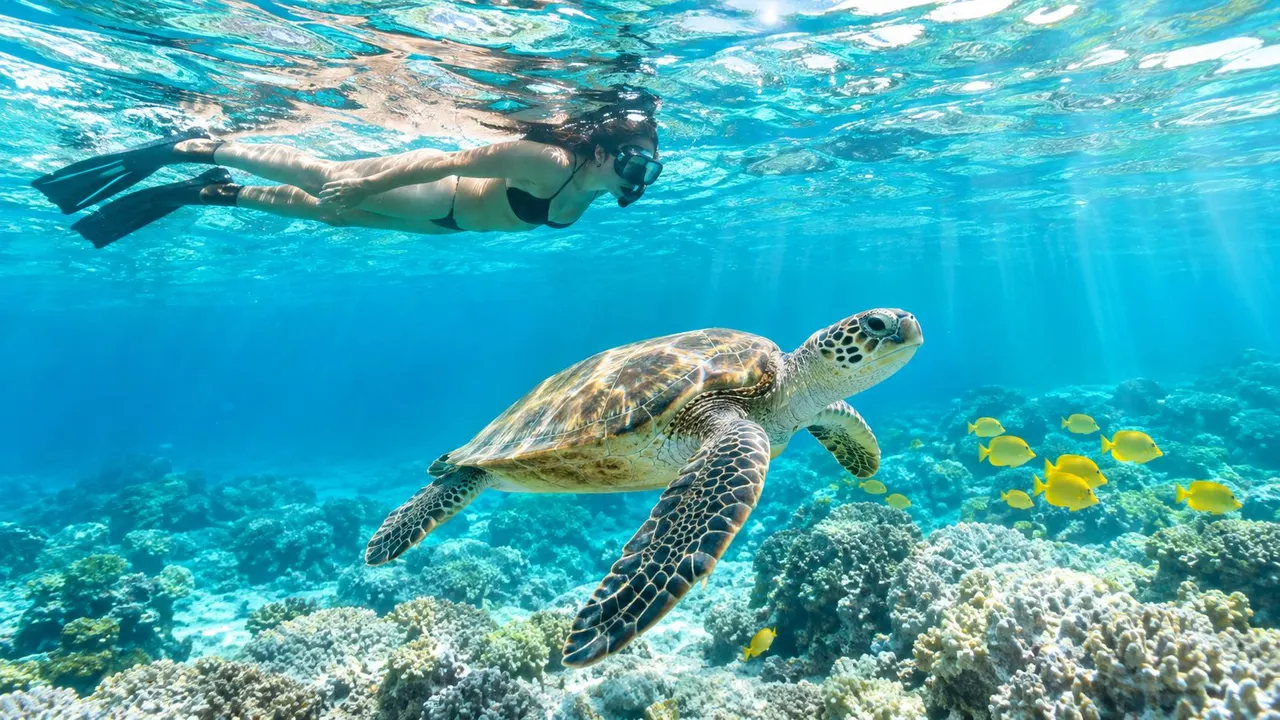
Turtle Canyons is a natural cleaning station, not a geological canyon or shore-access site. Reef fish groom Hawaiian green sea turtles as they gather to feed and rest, as explained in this Turtle Canyons overview. The crew watches the water, chooses a safe entry moment, and helps nervous swimmers settle their breathing before they concentrate on the reef.
What guides handle in the water
A guide's work goes beyond finding turtles. The crew checks mask fit and defogging, explains reef-safe sunscreen choices, identifies resting turtles, and redirects swimmers who approach too closely. Guides also keep the group together while watching fatigue, current, and changing surface conditions.
The boat provides access to a site that cannot be reached from shore. Living Ocean Tours describes its Turtle Canyons excursion as a two-hour tour with equipment and knowledgeable guides. That setup suits beginners who would rather not manage navigation, gear, and turtle etiquette while already in the water.
The experience is calm observation, not a wildlife performance. Turtles may rest on the bottom while small reef fish work around them. A gentle drift can carry you across several viewing areas, but current remains possible, so follow the guide instead of spreading out for a closer look. The return to the harbor gives swimmers time to warm up, compare sightings, and leave equipment to the crew.
Living Ocean Tours runs Turtle Canyons trips from Kewalo Basin, and a 2026 guide assigns its Turtle Canyons excursion a 97/100 score for turtle sightings. Wildlife remains unpredictable, so no operator can promise an encounter. Travelers comparing turtle-focused options can also review Snorkel Turtle Canyon. Check the day's ocean conditions and confirm availability before booking.
Shore Snorkeling Versus a Guided Boat Tour
Shore snorkeling gives you control. You can stop when you want, move at your own pace, and choose a beach that fits your route. Hanauma Bay, Waikiki lagoons, Sharks Cove, and west-side entries can work well for capable swimmers who already know how to fit a mask, read an entry, and turn around before fatigue sets in.
The hidden work is substantial. You'll arrange equipment, find parking, judge shorebreak, handle the surface swim, and protect your group from drifting apart. Crowds can stir sand and reduce the very visibility you came to see.
A guided boat tour costs more than a beach stop, but the crew handles many of those decisions. Operators commonly provide masks, snorkels, fins, flotation, instruction, and a captain who can select or adjust the route according to conditions. For children, nervous swimmers, and multi-generational groups, that support often matters more than the extra time spent traveling to the beach.
| Factor | Shore Snorkeling | Guided Boat Tour |
|---|---|---|
| Cost | Lower direct cost, with gear and transport arranged separately | Higher direct cost, with gear, crew, and boat access commonly included |
| Effort | You manage parking, entry, navigation, and exits | The crew manages check-in, briefing, entry support, and route decisions |
| Crowd level | Can be high at famous beaches and parking areas | The group is contained on a boat, though the site may have other vessels |
| Safety support | Lifeguards may be nearby, but you remain responsible for your plan | Captain and guides monitor the group and changing water conditions |
| Best fit | Confident swimmers, flexible schedules, and independent travelers | First-timers, families, and visitors seeking offshore reefs or turtles |
What works for different travelers
A solo traveler who swims confidently may prefer an early shore entry with a clear exit. A couple may choose a boat to avoid spending half the morning on parking and gear logistics. Parents often gain more from flotation, a crew briefing, and direct wildlife guidance than from the apparent simplicity of walking into a lagoon.
Living Ocean Tours' Oahu snorkeling options include guided Waikiki-area experiences for visitors who want that managed approach. The choice isn't about proving independence. It's about being honest about who in your group can handle chop, distance, and uncertainty.
Best Seasons and Times for Calm, Clear Water
Seasonal planning works only when you treat it as a starting point, not a guarantee. NOAA's reef summary explains why Oʻahu can offer such varied marine life, but visibility still depends on wave action, runoff, wind, and local exposure. Calmer water suspends less sediment, while winter swell can turn a famous reef into an unsafe entry.
Match the coast to the season
For North Shore locations such as Sharks Cove and Three Tables, the calmer window is generally about May through October, according to guidance for the Pūpūkea marine-managed area. Winter waves and currents can become extremely dangerous, so check the water rather than relying on a travel itinerary.
South-shore sites such as Waikiki and Hanauma Bay may offer a more sheltered choice when the North Shore is receiving swell. Offshore captains can also assess the local water and decide whether the planned site is suitable. The useful question is never just “What month is it?” It's “What is this coastline doing today?”
Use the morning as your first window
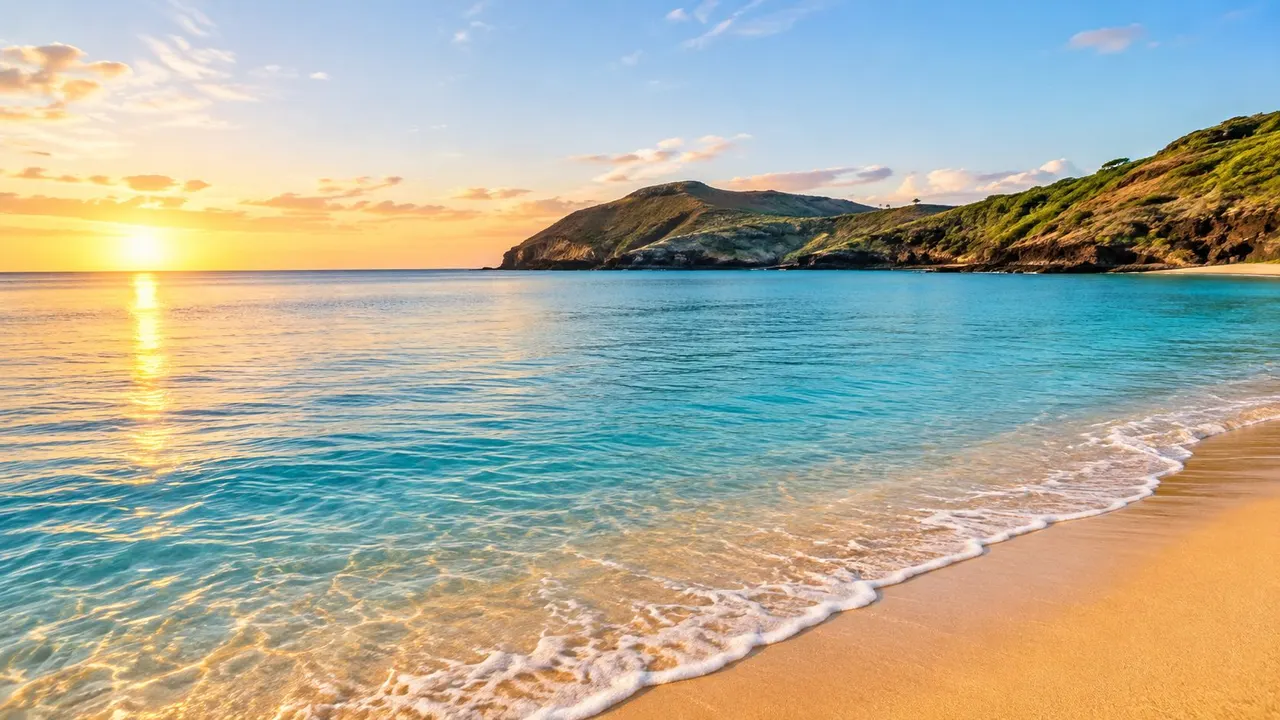
Morning often gives you the cleanest decision point. Check the surf camera, wind, shorebreak, and water color before leaving, then reassess when you arrive. Don't force a swim after heavy rain or when a brown-water advisory affects the area.
Avoid dawn and dusk in the water, even if the surface looks calm. Visibility, lighting, and your ability to read the bottom or identify a channel all become less reliable. If the waves are breaking across the entry, the wind is pushing whitecaps into the cove, or a current is visible near a channel, switch plans.
Water-reading habit: The forecast tells you what may happen. The shoreline tells you what's happening now.
Booking, Logistics, and What to Bring
Start with the departure point, not the tour name. Kewalo Basin is convenient for visitors staying around Waikiki and central Honolulu, while Haleiwa makes more sense for travelers already based on or exploring the North Shore. Confirm the exact meeting location, check-in instructions, parking arrangements, and weather policy before you pay.
Popular summer periods and holiday weeks can fill quickly, so reserve ahead when your schedule is tight. Read the cancellation window carefully, especially if your itinerary includes several water activities. A flexible booking is useful when the ocean, rather than your calendar, decides whether the trip should run.
Pack for the boat, not the brochure
Bring a reef-safe sunscreen, rash guard, towel, dry bag, and a motion-sickness remedy if you're sensitive to boat movement. Cash for tips is practical, and a light layer can make the ride home more comfortable after time in the water.
Most Waikiki operators provide the core snorkeling equipment and flotation, but confirm inclusions before departure. You shouldn't need to rent duplicate gear if mask, snorkel, fins, and safety equipment are already supplied. Use this Oahu snorkeling packing list to check the small items that are easy to forget.
Arrive about 30 minutes early for check-in, waivers, equipment fitting, and the safety briefing. Near Kewalo Basin, allow extra time for parking and walking to the meeting point. Rushing onto a boat makes the first minutes stressful, especially when children still need sunscreen, fins, and a comfortable mask fit.
Snorkel Oahu Checklist and Next Steps
Save this checklist before leaving your hotel:
- Check the water: Review a Surfline or PacIOOS webcam, the surf forecast, wind, and any runoff or brown-water advisory.
- Choose the coast: Favor sheltered south-shore water when North Shore swell is active, and consider North Shore reefs only during a calm window.
- Know your group: First-timers and young children usually benefit from flotation, instruction, and an easy exit rather than a long shore swim.
- Use a buddy system: Keep visual contact and turn around before fatigue or current separates you from the entry.
- Respect wildlife: Stay well clear of honu and monk seals, never chase or touch them, and never stand on coral.
- Pick the right format: A boat from Kewalo Basin suits visitors who want offshore access and guided turtle viewing. An independent traveler may prefer a planned Hanauma Bay reservation on a calm-weather Tuesday or Wednesday.
- Leave room for a no-go decision: If the water is murky, surf is breaking hard, or currents are running, postpone instead of forcing the outing.
For many first-time visitors, the most reviewed Turtle Canyons guided option is the sensible default because the crew manages access, equipment, current awareness, and wildlife distance. Independent snorkelers can still have a rewarding day, but they need to make every one of those decisions themselves.
Check tomorrow morning's south-shore forecast, then reserve before noon if the conditions and itinerary line up. That simple habit gives you a better chance of spending the day in clear, manageable water instead of fighting a plan the ocean has already rejected.
Living Ocean Tours offers guided Waikiki snorkeling, including Turtle Canyons trips with equipment, instruction, and crew support for visitors who want to snorkel Oahu without managing every offshore detail themselves. Visit Living Ocean Tours to review the available snorkel tours and choose a departure that fits your group and the day's conditions.


