
Oahu Snorkeling: Shore Entry or Boat Access?
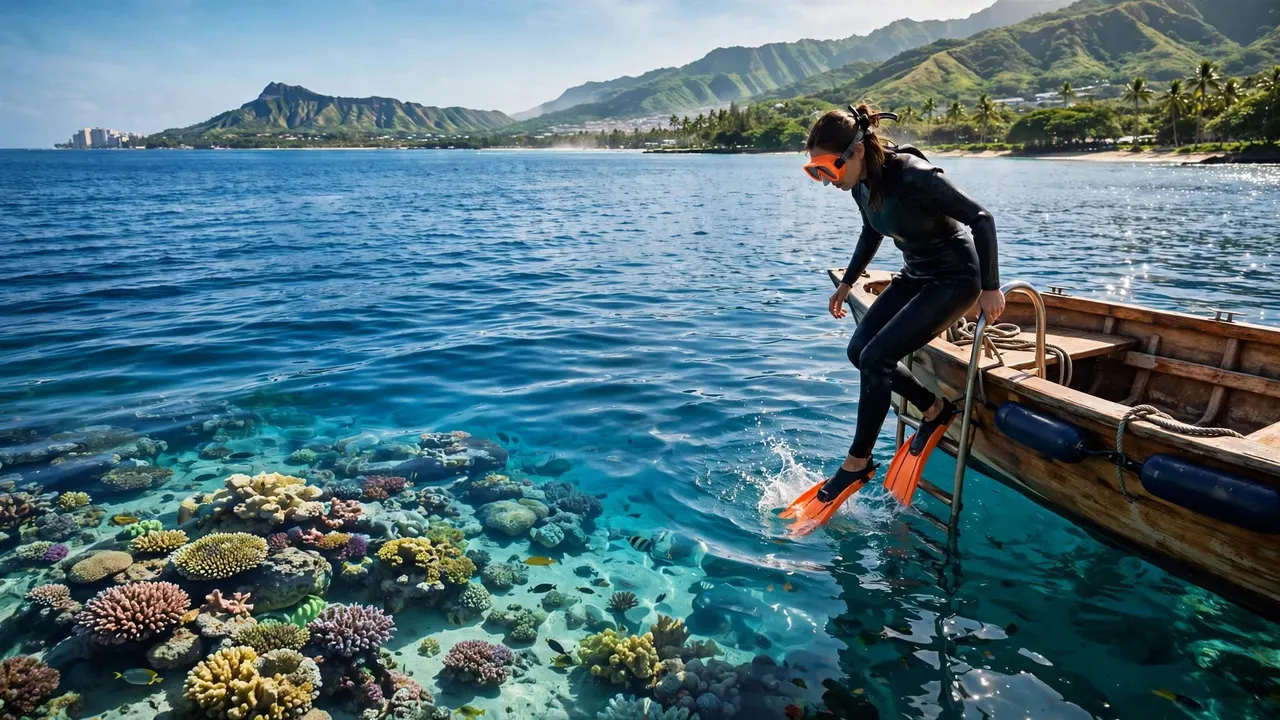
The prettiest beach photo won’t tell you how hard it is to get back out of the water. When snorkeling on Oahu, your entry and exit matter as much as the reef itself.
Living Ocean Tours offers guided boat access near Waikiki, while shore snorkeling gives you more freedom to set your own schedule. Choose the outing that fits your swimming confidence and the day’s conditions, then let the ocean set the pace.
Oahu snorkeling starts with your entry and exit
Shore entry puts the timing in your hands. You can take a short swim, rest on the beach, and leave when you’re ready. In return, you must assess the surf, find a suitable entry, and manage your own route back.
A boat takes you to an offshore snorkel area with a crew handling the access plan. You’ll still need to board the vessel, enter the water, and return by ladder. Guided support can make those steps more comfortable, but a boat doesn’t make changing conditions disappear.
| If you care most about… | Shore entry may fit when… | Boat access may fit when… |
|---|---|---|
| Flexibility | You want to choose your own start and stop times. | You’re comfortable with a scheduled departure. |
| Water entry | Today’s shoreline has a manageable route in and out. | You’d rather use a crew-managed entry and ladder. |
| Support | You can assess conditions and handle your gear. | You want instruction and guides nearby. |
| Your group | Everyone swims confidently and shares the same plan. | Abilities vary or some guests may prefer to stay aboard. |
Check the actual site or departure conditions before committing. Neither option is automatically safer or calmer.
When shore-entry snorkeling makes sense
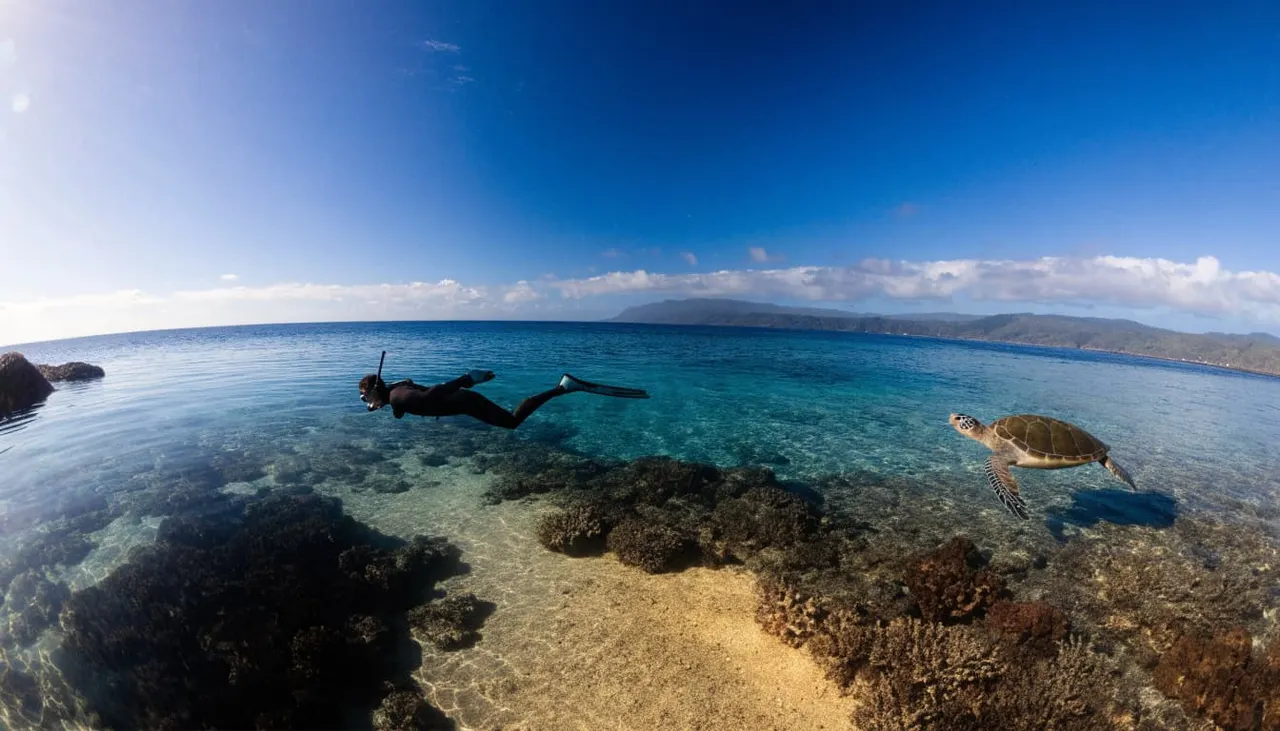
Shore snorkeling can be rewarding when you know the site and can comfortably swim back to your starting point. It also lets you spend as little or as much time in the water as conditions allow. That flexibility is useful if your group wants a beach day alongside its reef time.
Assess the way in and the way back
Watch the water before putting on fins. Look for breaking waves, surge against rocks, current, and a clear place to exit. Living Ocean Tours’ Honolulu snorkeling safety guide advises checking surf, currents, and entry points before you swim.
Then picture your return after you’re tired. If reaching shore means crossing sharp rock or pushing through shorebreak, choose another site or another day. Bring a buddy, agree on where you’ll leave the water, and stay within your swimming ability. Beginners can practice breathing through a snorkel in shallow, comfortable water before heading farther out.
Plan for the work around the swim
With shore access, you’ll arrange equipment and transportation yourself. You may also need to account for parking, site rules, and reservations. Hanauma Bay, for example, requires more advance planning than arriving at an ordinary beach.
A shore outing suits you best when everyone can manage their gear and follow the same swim plan. If one person needs frequent breaks, choose a site where the whole group can return comfortably. Never rely on a promising online photo to judge today’s water.
What boat access adds to a reef day
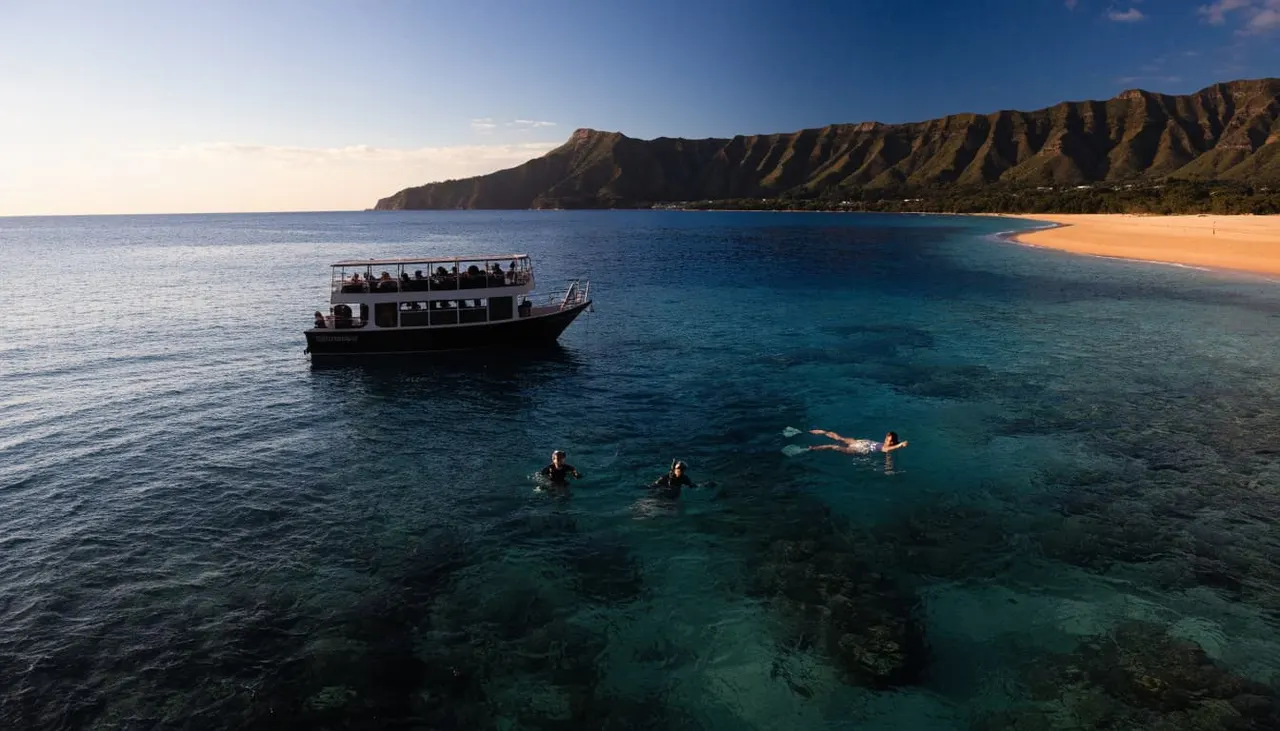
Boat access changes how you reach the reef. Instead of choosing a beach entry and carrying gear across the sand, you check in, hear the crew’s plan, and enter from the vessel when conditions permit.
Get help before you’re in the water
Living Ocean Tours departs from Kewalo Basin Boat Harbor near Waikiki. The company supplies snorkel gear and knowledgeable guides. It says it’s the only tour company with professional snorkel guides, a distinction worth asking about if in-water support matters to you.
A guide can help you address a leaking mask, understand where to swim, and keep clear of coral. Still, you need basic swimming ability for open-water snorkeling. Tell the crew if you’re nervous, need flotation support, or would rather remain aboard.
You can compare Living Ocean Tours’ Honolulu ocean trips before choosing a departure.
Consider the boat as part of the experience
Living Ocean Tours’ double-decker Coral Kai and Lokahi have shaded seating, restrooms, dry storage, and ladders for returning from the water. Those features matter when someone wants a break between swims. The Lokahi also has a SeaKeeper stabilization system that reduces boat roll, though no equipment can promise you won’t feel seasick.
Ask how boarding works if anyone in your group has mobility concerns. A ladder may be easier than a rocky shoreline for one guest and harder for another. You can also ask whether staying aboard is an option if the water doesn’t feel right.
Choose a shore site for today’s conditions
An Oahu snorkeling spot can change character with swell, wind, rain, and visibility. Your vacation calendar doesn’t override what you see at the water’s edge.
Hanauma Bay takes planning
Hanauma Bay is a shore-entry option when you want to spend time in a managed conservation area. Check its current reservation and access requirements before you travel across the island. Once there, follow staff instructions and avoid standing on coral, even where the water feels shallow.
A bay setting doesn’t remove ocean hazards. Stay within an area you can comfortably swim and leave room for other people to enjoy the reef.
North Shore reefs demand a close look
Sharks Cove and Three Tables, in the Pupukea area, attract snorkelers when conditions settle. Their rocky entries make a secure exit especially important. North Shore surf can be hazardous, so don’t treat either site as a guaranteed calm-water alternative to Waikiki.
Storm reports are another reason to recheck your plan. A discussion of storm-affected snorkeling conditions may alert you to a concern, but social posts can’t clear a beach for swimming. Look at current warnings and ask a lifeguard where one is on duty.
Pick a guided Waikiki outing that fits your group
For Oahu snorkeling by boat, decide whether your priority is reef time focused on turtles or a trip with more ways to enjoy the water. Living Ocean Tours offers both options near Waikiki. Wildlife remains wild, and the crew’s safety decisions depend on the day’s conditions.
Turtle Canyons for a reef-focused swim
The Turtle Canyons Snorkel Excursion visits an offshore area known as a natural turtle cleaning station. You can watch for Hawaiian green sea turtles while guided snorkeling gives you help with gear and reef etiquette. A turtle sighting is never guaranteed.
This is a good fit if your group wants a clear snorkel plan rather than managing an unfamiliar shore entry. Ask the crew where to stay in relation to the boat and how to return if you finish early. If turtle-focused reef time sounds right, CHECK AVAILABILITY for the trip.
Deluxe cruising for mixed interests
The Deluxe Waikiki Snorkeling and Wildlife Cruise pairs a guided reef stop with a boat-mounted waterslide, water trampoline, and floating lily pad. That variety can work well when some guests want to snorkel and others want more time playing on the water or relaxing aboard.
Check the current trip details and age requirements before booking for children. Then CHECK AVAILABILITY if this style of outing suits your group.
Keep your swim comfortable and the reef untouched
Whether you enter from sand or a swim ladder, small preparations make it easier to relax in the water. They also help you leave Oahu’s marine life undisturbed.
Settle your gear before you head out
Test your mask seal before entering. Adjust fins where you can stand safely, and tell a guide about rubbing or a poor fit before the group swims away. A rash guard offers sun coverage without adding another piece of equipment to adjust in the water.
If you’re cold, dizzy, anxious, or tired, stop and tell your buddy or guide. On a boat, learn which ladder to use and what to do if you lose sight of your group. From shore, keep checking your position against the exit you chose earlier.
Give wildlife room to move
Watch turtles and fish without following, touching, or feeding them. Keep a turtle’s path to the surface open. Above the reef, float with your fins clear of coral rather than standing to fix your mask.
A good exit plan protects your reef time: you can relax more when you already know how to finish the swim.
Conditions may shorten a session even when everyone feels eager to continue. Listening to a crew member or lifeguard is part of enjoying the ocean responsibly.
Compare the full day, not only the snorkel stop
For Oahu snorkeling, the simplest choice often depends on what happens before and after the swim. A beach visit can give you schedule freedom, but you’ll handle transportation, gear, site access, and your own assessment of the water. A tour has a set check-in time and cost, yet it brings a vessel, crew, and equipment into one plan.
Before paying for either option, check the current details rather than assuming what’s included. Ask a boat operator about gear, flotation, the water-entry procedure, and whether conditions might change the outing. For shore access, confirm reservations, parking, lifeguard coverage, and the route you’ll use to leave the water.
Finally, leave space in your schedule to change plans. You may find a beautiful shoreline with unsafe shorebreak, or reach a boat departure and decide you’d rather watch from the deck. Both decisions can protect the rest of your vacation.
Key takeaways for your snorkel day
- Choose shore entry when conditions are manageable and you can confidently handle your gear, swim, and exit.
- Choose boat access when you value guided support, an organized entry, and a place to rest between swims.
- Check wind, swell, visibility, and your group’s comfort before entering either way.
- Watch marine life from a respectful distance and keep your fins off the reef.
Choose the access that lets you enjoy the reef
The beach photo that caught your eye is only the start of the decision. Your best entry is the one with a comfortable way back, whether that’s a familiar shoreline or a guided return to a boat.
Match your plans to the people swimming with you and the conditions you find that day. When the water isn’t right, waiting is part of a good Oahu snorkeling plan.


