
Turtle Canyon Oahu: A Guided Snorkel Trip Step by Step
Your first turtle snorkel starts before you put your face in the water. With Living Ocean Tours, your Turtle Canyon Oahu outing begins at Kewalo Basin Boat Harbor, where the crew helps you prepare.
You get equipment, instruction, and in-water support, but your comfort and the day’s conditions still guide the experience. Knowing the sequence helps you arrive ready, settle into snorkeling, and enjoy wildlife without rushing.
Key Takeaways Before You Go
- Turtle Canyon Oahu is an offshore reef, not a snorkeling spot you walk into from Waikiki Beach.
- The excursion lasts roughly two hours, with approximately one hour of snorkeling, depending on conditions and your comfort.
- Confirm your check-in instructions and harbor slip before arranging transportation.
- Tell the crew about your swimming experience, equipment concerns, or motion sickness before departure.
- Turtle sightings aren’t guaranteed, and respectful viewing means leaving wildlife space to move naturally.
Turtle Canyon Oahu: Set Your Expectations
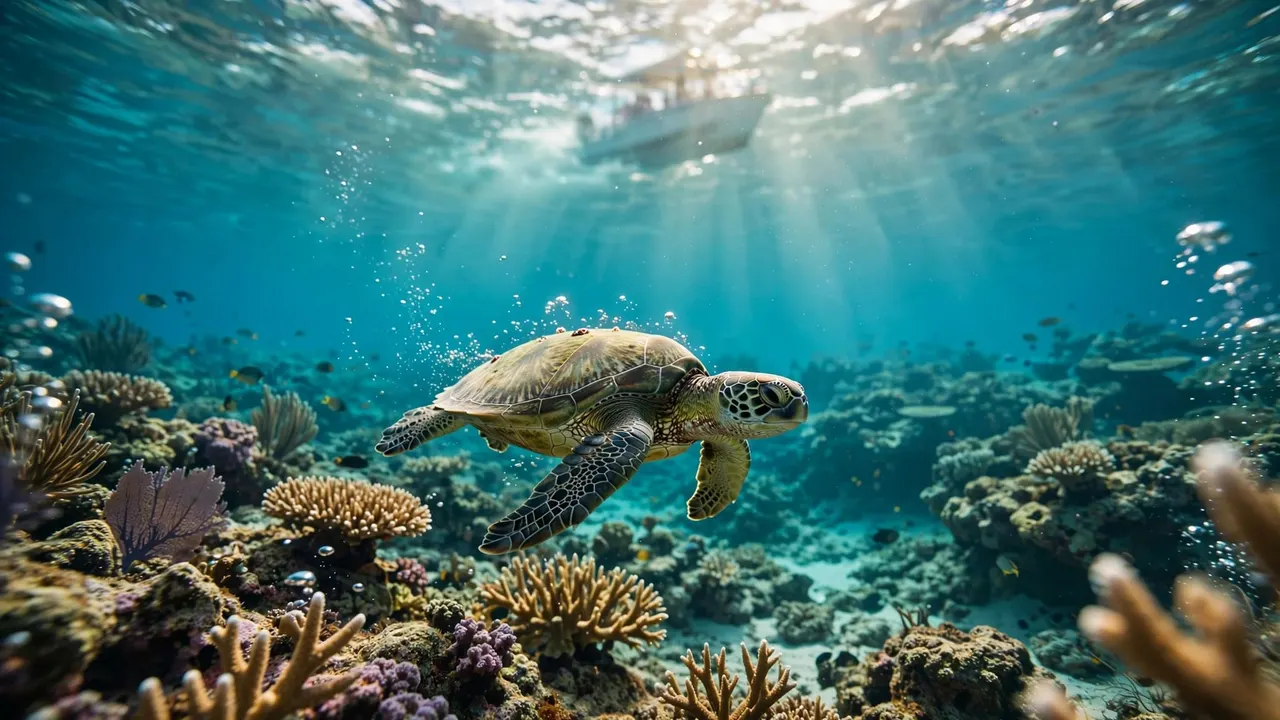
Turtle Canyon is reef habitat offshore of Waikiki. Hawaiian green sea turtles, known locally as honu, may visit a natural cleaning station where small fish remove material from their shells and skin.
You’ll reach the site by boat rather than attempting an offshore swim from the beach. Hawaii’s sea turtle viewing guidance supports observing these protected animals without disturbing them.
Living Ocean Tours’ Turtle Canyons Snorkel Excursion includes snorkeling equipment, flotation support, and professional in-water guidance. The company describes itself as Oahu’s only tour company with professional snorkel guides.
That support is useful even when you’re a confident swimmer. Breathing through a snorkel, adjusting unfamiliar equipment, and keeping track of a boat are different skills.
You can review guest experiences before choosing your departure:
Check the current calendar before fitting the outing into your vacation schedule.
Step 1: Check In and Board at Kewalo Basin
Give Your Harbor Arrival Some Breathing Room
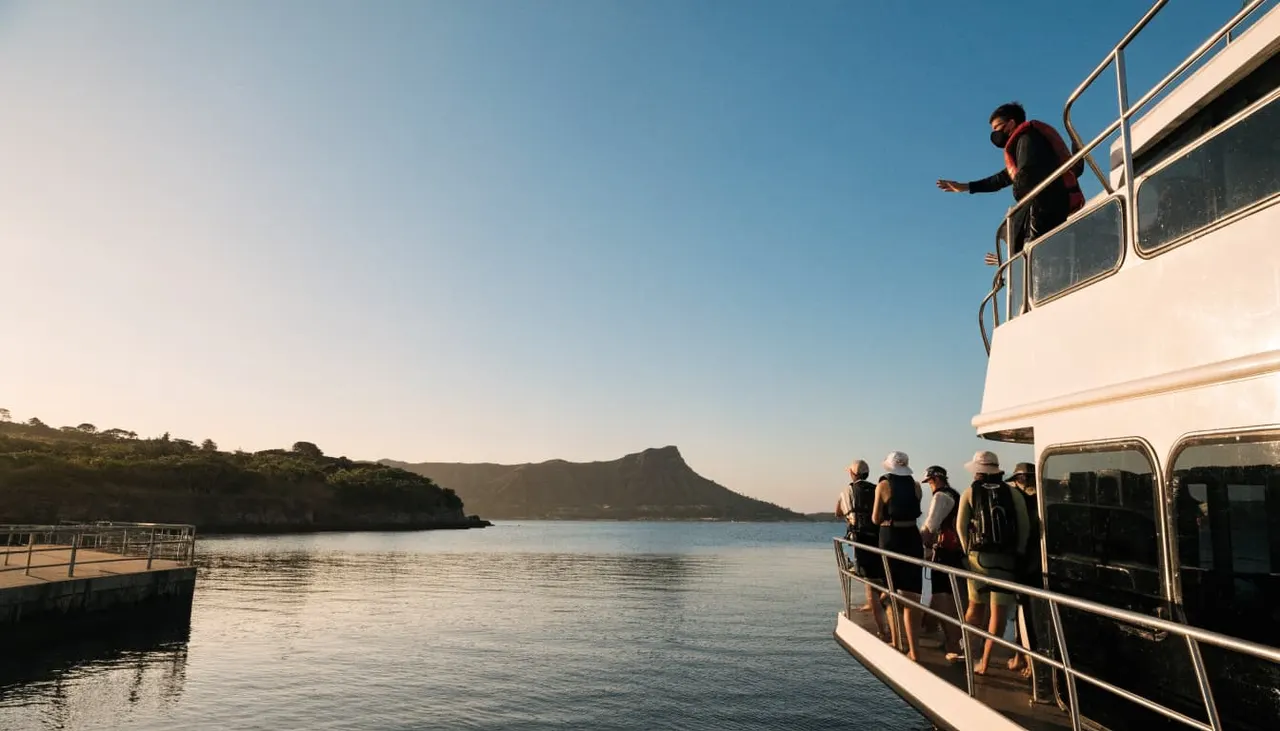
Start with your confirmation email, which identifies where to meet the boat. Kewalo Basin is near Waikiki, but parking and finding the correct slip still take time.
Published arrival instructions differ. The Living Ocean Tours FAQ requests check-in 30 minutes before departure, while some other operator pages mention 15 minutes. Follow your booking confirmation and verify with the company if the instructions conflict.
Bring a towel, sun protection, and a cover-up for afterward. Wear your swimsuit so you don’t have to change before boarding. Also, leave extra time to park and walk to the meeting point.
Get Settled and Tell the Crew What You Need
Once aboard, find a seat and ask where to store your belongings. The Coast Guard-inspected double-decker vessels have shaded seating, restrooms, dry storage, and sturdy water-entry ladders.
Tell the crew if you’re new to snorkeling, uneasy in open water, or helping a child with equipment. Mention motion sickness before the boat leaves.
This conversation gives the crew useful information before you’re managing waves and a mask. Meanwhile, keep walkways clear and follow boarding instructions, especially around wet surfaces.
Step 2: Fit Your Gear and Learn the Water Plan
Check Your Mask Before You Need It
The crew supplies snorkeling equipment and helps with fit. Your mask should feel secure without requiring an overtightened strap.
Hair caught under the seal can cause leaks, so move it away before testing the fit. Check that your snorkel mouthpiece feels comfortable and your fins fit securely.
If something pinches, slips, or feels awkward, ask for help now. You’ll enjoy the reef more when you’re comfortable with your gear.
Also, tell the crew if you need flotation support. Equipment helps you float, but it doesn’t replace swimming ability or awareness of conditions.
Listen for Instructions You’ll Use Offshore
The safety briefing establishes how you’ll enter, where you’ll snorkel, and how to signal for assistance. Listen even if you’ve snorkeled elsewhere.
Pay attention to the guide’s boundaries and the route back to the boat. Before entering, make sure you understand what to do if you need a break.
For families, clarify how your child will stay with the supervising adult. Couples should also agree to follow the slower swimmer’s pace.
Ask about the help signal before entering. A clear way to communicate is more useful offshore than trying to explain a problem through your snorkel.
Step 3: Ride Offshore and Start Near the Boat
Enjoy the Coastline Without Watching the Clock
From Kewalo Basin, the ride to Turtle Canyon is commonly described as roughly 10 to 15 minutes. However, your captain’s route and the day’s conditions determine the actual journey.
As Waikiki comes into view, you can enjoy the coastline and Diamond Head. Keep your equipment organized so you’re ready when the crew gives instructions.
Your Turtle Canyon Oahu reservation covers the whole excursion, including boat travel and preparation. The two-hour trip and water-time breakdown helps distinguish that schedule from your personal swimming time.
Enter Slowly and Settle Your Breathing
Wait for the crew’s direction rather than entering as soon as the boat stops. Follow the day’s instructions for the ladder, fins, and flotation equipment.
Once you’re in, stay near the boat while you adjust to breathing through your snorkel. Keep your movements relaxed instead of kicking hard immediately.
A professional guide can help with mask fit, flotation, and positioning. If your equipment leaks or you feel uneasy, ask for assistance before swimming farther.
There’s no need to match another guest’s pace. A comfortable start gives you more attention for the reef once you’re ready.
Step 4: Watch the Reef Without Crowding Turtles
Notice Behavior Along With the Animal
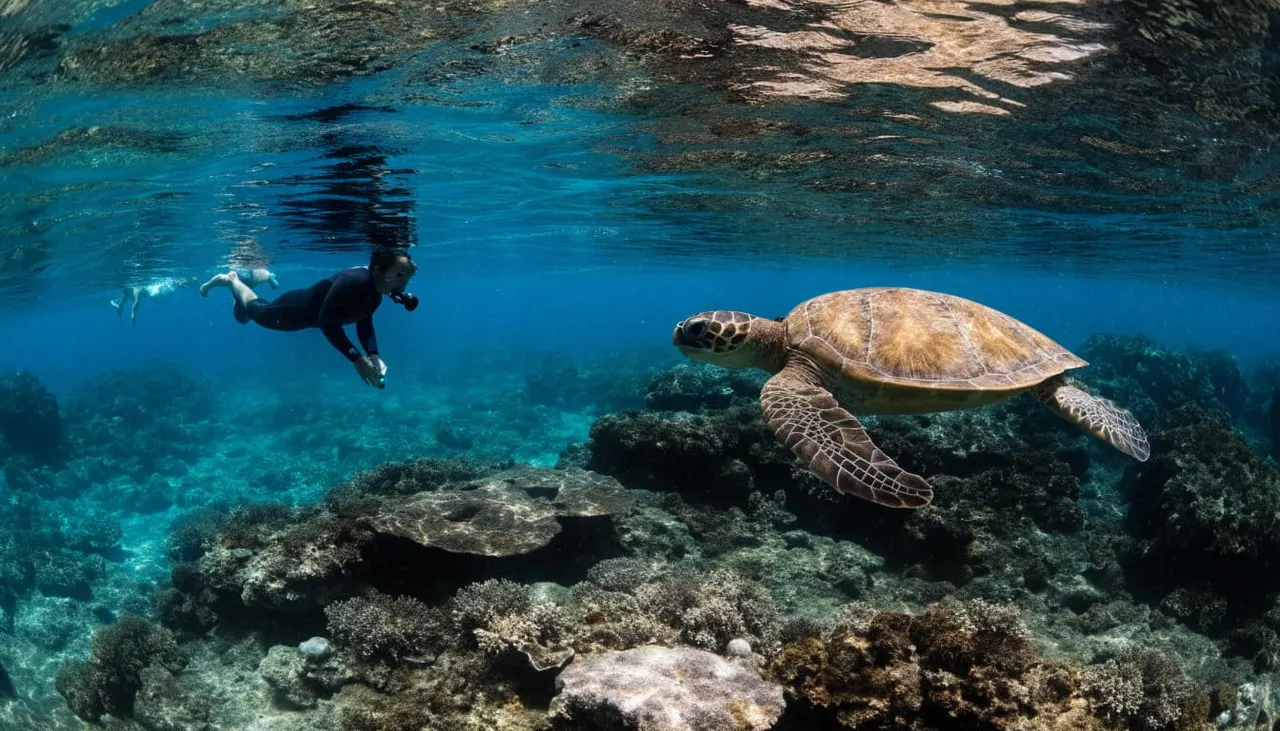
A Turtle Canyon Oahu sighting becomes more interesting when you watch what the turtle does. It may rest, swim through the area, or pause while fish clean its shell.
Cleaning and feeding are different activities. Rather than assuming every turtle is eating, watch the surrounding fish and the turtle’s movements.
Your guide can help you interpret what you’re seeing. Meanwhile, reef fish, coral contours, and patches of sand give you plenty to observe between sightings.
Avoid swimming after each distant shape. Staying with your guide helps you watch patiently while keeping track of your group and the boat.
Leave Every Turtle a Clear Route
NOAA’s wildlife viewing distances recommend staying at least 10 feet (3 meters) from sea turtles in Hawaii.
Don’t touch, chase, feed, block, or surround a turtle. Leave its route to the surface open because it must rise to breathe.
If one approaches, remain calm and give it room instead of reaching toward it. Keep your fins clear of coral, too.
A photograph doesn’t justify closing the distance. Let the animal choose its direction while you observe from a respectful position.
If you notice fishing line, restricted movement, or an apparent injury, alert your guide. Don’t attempt a rescue yourself.
Step 5: Return to the Boat and Cruise Back
You don’t have to use the entire snorkeling window. If you feel tired, cold, or anxious, tell your guide and return according to the crew’s instructions.
As you approach the ladder, wait your turn and follow directions for removing fins. Give the guest ahead enough space to climb aboard safely.
Then collect your towel and take a shaded seat if you need a rest. Check that your belongings and loose equipment are secure before the boat moves.
The return ride gives you another look at Waikiki’s coastline. However, leave room afterward for getting off the boat, collecting belongings, and reaching your next activity.
For your Turtle Canyon Oahu day, a flexible afternoon is easier than a tightly timed lunch reservation. Families may also appreciate time to change and rest after swimming.
Once you’ve chosen a suitable departure, you can CHECK AVAILABILITY for the turtle-focused excursion.
Frequently Asked Questions About the Guided Trip
Can You Join as a First-Time Snorkeler?
Yes, the guided format provides instruction, equipment help, and flotation support. Still, tell the crew honestly about your swimming comfort.
Open-water snorkeling requires attention to conditions and your own limits. If you aren’t comfortable entering, ask about enjoying the outing from the boat.
Can Young Children Come Along?
The operator lists a minimum age of 3 years. However, being old enough to board doesn’t automatically mean a child is ready to snorkel offshore.
Discuss your child’s swimming ability with the crew. An accompanying adult should remain attentive rather than expecting the guide to provide individual childcare.
Will You Definitely See Sea Turtles?
No. Turtles are wild animals, and their movements don’t follow the tour schedule. Wind, visibility, and currents also affect the experience.
Follow NOAA’s Hawaii wildlife viewing guidance, including never touching, chasing, or feeding wildlife. The reef remains worth observing even when turtles aren’t present.
Make Your First Turtle Canyon Swim Comfortable
Your Turtle Canyon Oahu experience starts with clear arrival instructions, comfortable equipment, and an honest conversation with the crew. Once offshore, steady breathing and patient observation help you enjoy the reef at your own pace.
Follow your guide, take breaks when needed, and leave turtles room to move. That approach gives you a welcoming first snorkel while keeping the animals’ natural routines intact.


