
How to Breathe Through Snorkel While Snorkeling Oahu
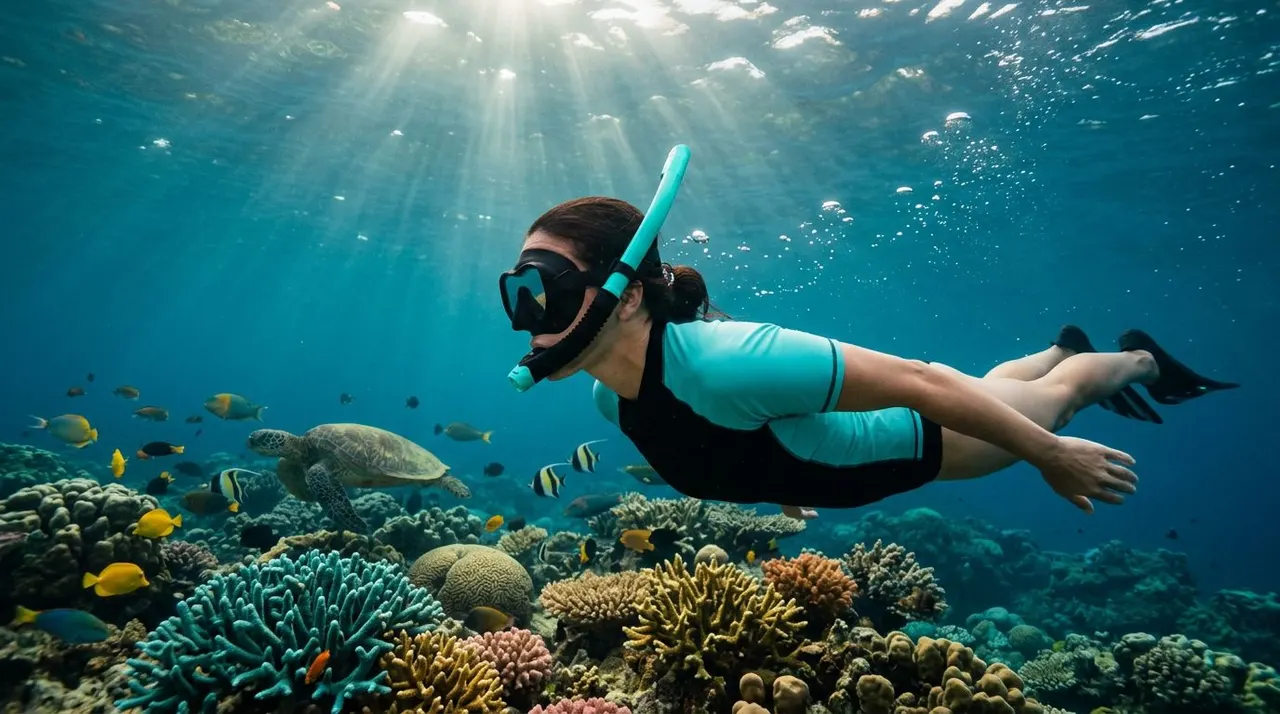
Learning to breathe through snorkel equipment is easier when you stop treating it like a swimming skill. You’re learning a new breathing pattern while floating face-down, so comfort and calm matter more than speed.
Your first few minutes in Oahu’s ocean should focus on mask fit, slow mouth breathing, and a relaxed body position. Once those basics feel natural, you can enjoy coral reefs, tropical fish, and Hawaiian green sea turtles without constantly lifting your head.
Why breathing through a snorkel feels difficult at first
A snorkel lets you keep your face in the water while drawing air from above the surface. However, it changes how you breathe because the mask covers your nose. You need to inhale and exhale through your mouth alone.
The mouthpiece may also feel unfamiliar. If you bite down too hard, your jaw can tire quickly. If you don’t create a firm seal with your lips, water may leak into your mouth.
Start with your breathing, not your swimming
Before you enter deeper water, place the snorkel in your mouth while standing on the boat or beach. Let your lips seal around the mouthpiece, then take several easy breaths through it.
Keep your inhalations gentle and your exhalations steady. Avoid taking huge breaths or hyperventilating. Rapid breathing can make you lightheaded, which is especially uncomfortable when your face is in the water.
If you need to cough, talk, or reset, lift your face above the surface. There’s no benefit to forcing yourself to continue while uncomfortable.
Check your mask and snorkel fit
A properly fitted mask makes it much easier to breathe through snorkel equipment. Move loose hair away from the skirt, place the mask evenly over your face, and tighten the strap only enough to create a seal.
You can test the seal by gently pressing the mask against your face and inhaling slightly through your nose. If the mask stays in place without constant strap pressure, the fit is likely good.
The snorkel should sit comfortably beside your head. Adjust the strap so the mouthpiece doesn’t pull to one side. You should be able to keep your jaw relaxed while your lips hold the mouthpiece in place.
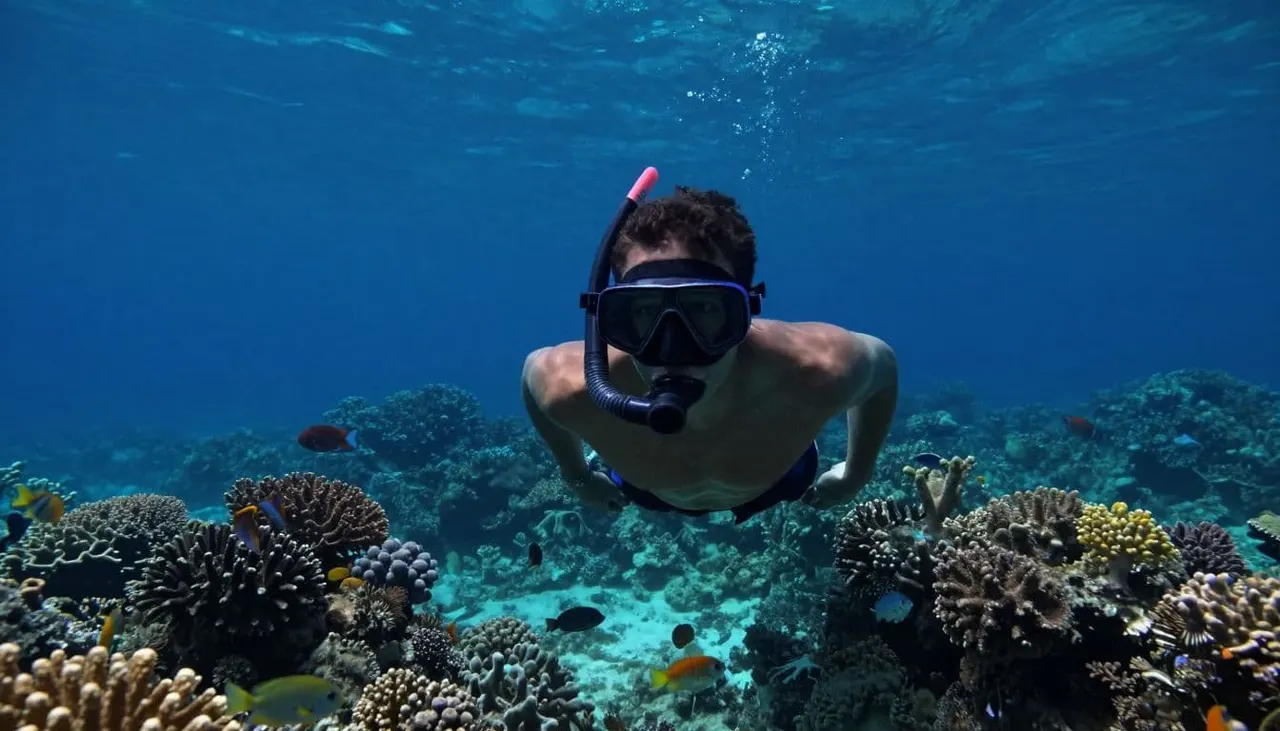
How to breathe through snorkel equipment on Oahu
When you’re ready to enter the water, keep your first practice session shallow and controlled. Use a boat ladder, flotation device, or the support of a guide while you find your rhythm.
Practice in calm water first
Hold the ladder or stay close to your guide. Put your face in the water, keep your body still, and take a few slow breaths through the snorkel.
Your first goal is to recognize how normal breathing feels underwater. You don’t need to swim toward the reef immediately. After several comfortable breaths, lift your head, rest, and repeat.
This short practice helps you avoid the common mistake of swimming too far before you feel ready. It also gives your guide a chance to adjust the mask, snorkel, or fins.
If you’re snorkeling with children, let them practice one step at a time. They can first wear the mask, then breathe through the snorkel above water, and finally place their face in the water while holding a ladder.
Use a slow, steady rhythm
Keep your head down and look toward the reef. Take a quiet breath in through your mouth, then release it slowly through the same mouthpiece.
Relax your shoulders, neck, and hands. When your body stays loose, you use less energy and avoid the urge to gasp. Small fin movements are enough to keep you moving.
A snorkel may feel short when you first use it. That sensation is normal. You’re still breathing surface air, but the tube adds a little resistance and space between your mouth and the open air.
If you need to gasp, lift your face from the water and reset. Calm breathing matters more than staying underwater.
As you become comfortable, keep your breathing even while turning your head or changing direction. Practice looking left and right without lifting your face completely out of the water.
What to do when water enters your snorkel
Water can enter the snorkel when a wave passes over the tube, when you turn quickly, or when the mouthpiece shifts. It doesn’t automatically mean your equipment has failed.
Stay close to the surface and focus on clearing the water before you continue.
Clear the snorkel safely
Lift your face above the water and point the snorkel opening upward. Take a normal breath, place the mouthpiece back in position, and exhale firmly through it.
That strong exhalation can push water out through the top or purge valve. Don’t inhale until you’re confident the airway is clear. If water remains, repeat the process while keeping your face above the surface.
Many beginners try to solve the problem with frantic swimming. Instead, stop, hold the ladder or flotation support, and let the guide know you need assistance.
A full-face snorkel mask requires different instructions, so follow the equipment guidance provided by your tour operator. Standard snorkel gear remains common on guided Oahu trips because guides can quickly adjust each separate piece.
Fix a leaking mask
Water around your nose or cheeks usually means the mask skirt has folded, hair is trapped beneath it, or the strap needs a small adjustment.
Press the top of the mask gently against your face. Then exhale through your nose while tilting your face slightly upward. This can help clear a small amount of water from the lower part of the mask.
If the leak continues, return to the ladder or signal your guide. Don’t keep swimming while constantly emptying the mask. A small adjustment often solves the issue within seconds.
NOAA’s snorkeling guidance also encourages you to use proper equipment and stay aware of your surroundings. Good preparation leaves more attention for the reef and the animals around you.
Make Oahu snorkeling easier for your body
Breathing becomes more comfortable when your equipment, movement, and location work together. Oahu offers many beautiful places to snorkel, but ocean conditions can change with wind, swell, current, and boat traffic.
Choose the right time and location
A guided boat trip can take you away from crowded shoreline entry points and toward a reef selected for the day’s conditions. You’ll also avoid carrying fins and flotation equipment across a rocky beach.
Kewalo Basin Boat Harbor is only minutes from Waikiki Beach, so you can reach the boat without a long transfer. Once aboard, listen to the safety briefing and ask questions before entering the water.
The boat ladder gives you a controlled entry point. Heavy-duty ladders are easier to use than jumping from shore, especially if you’re new to fins or snorkeling with young family members.
Keep your body horizontal
Your fins should stay behind you, and your legs should remain near the surface. Kicking downward wastes energy and can stir sand over the reef.
Use slow, compact kicks from your hips. Keep your arms relaxed at your sides or lightly extended for balance. When you float horizontally, your mouth and snorkel stay closer to the surface, which makes breathing feel easier.
Don’t stand on coral or grab rocks for support. Coral can cut your skin, and contact damages living reef organisms. If you need to stop, use a flotation aid or return to the boat ladder.
Get comfortable with professional guidance
For first-time snorkelers, the right guide can make breathing practice feel straightforward. Living Ocean Tours operates from Kewalo Basin Boat Harbor and offers guided ocean experiences along the Waikiki coast.
Living Ocean Tours is the only tour company with professional snorkel guides. You can receive help with mask fitting, breathing practice, water entry, and reef etiquette before you swim away from the boat.
The company’s Coast Guard-inspected double-decker vessels, Coral Kai and Lokahi, include shaded seating, restrooms, dry storage, and sturdy ladders. Lokahi also features a SeaKeeper stabilization system that helps reduce boat movement while you prepare.
Turtle Canyon offers a beginner-friendly starting point
The Turtle Canyons Snorkel Excursion visits a natural underwater cleaning station where Hawaiian green sea turtles often gather. Living Ocean Tours reports a 95% success rate for spotting turtles on this experience.
You still need to breathe calmly and keep a respectful distance. NOAA’s Hawaii marine wildlife guidelines state that you should never touch, chase, feed, or disturb protected animals.
You can review the Turtle Canyon snorkeling tours in Waikiki before choosing your trip. The crew supplies snorkeling gear and provides guidance for different comfort levels.
The deluxe cruise adds space for families
The Deluxe Waikiki Snorkeling and Wildlife Cruise visits a less-crowded reef and includes a boat-mounted water slide, water trampoline, and floating lily pad.
You can practice breathing with the crew before choosing whether to swim, float, or use the water features. That flexibility works well for families with mixed swimming abilities.
The Lokahi’s shaded areas and onboard amenities also give you a comfortable place to rest between water sessions. You can enjoy the reef at your own pace instead of treating snorkeling as a race.
Conclusion
You can learn to breathe through snorkel equipment by starting slowly, fitting your mask correctly, and keeping your breathing steady. When water enters the tube or mask, pause and clear it instead of rushing forward.
With professional guidance, a stable boat, and respect for Oahu’s reef life, you can spend less time worrying about your gear and more time watching turtles and tropical fish. Calm breathing is the skill that turns your first snorkeling attempt into an enjoyable ocean experience.


