

You’re probably here because you want one very specific Oahu memory. Clear blue water, a mask on your face, and a honu gliding past so calmly that the whole ocean seems to slow down with it.
That experience is absolutely possible on Oahu. It also goes better when you know why turtles gather where they do, what kind of snorkeling setup gives you the cleanest view, and which mistakes turn a beautiful encounter into a stressful one for the animal. Sea turtle snorkeling Oahu isn’t just about finding a spot on a map. It’s about choosing the right conditions and approaching the turtles in a way that protects the very behavior you came to see.
Table of Contents
- Your Dream Swim with Oahu's Sea Turtles
- Understanding the Honu Hawaiian Green Sea Turtles
- Why a Guided Tour is the Ultimate Turtle Experience
- Why a Guided Tour is the Ultimate Turtle Experience
- Planning Your Adventure Gear and Tips for Beginners
- Planning Your Adventure Gear and Tips for Beginners
- Frequently Asked Questions About Snorkeling with Turtles
Your Dream Swim with Oahu's Sea Turtles
A good turtle encounter doesn’t feel rushed. You slip into warm water, put your face down, and at first all you hear is your own breathing through the snorkel. Then the reef starts to come alive. Fish move across the coral, the light flickers on the bottom, and a sea turtle appears below you with none of the panic people bring into the water.
That’s the moment most visitors hope for. What surprises them is how much the quality of that moment depends on everything around it. Entry conditions. Water clarity. How crowded the area is. Whether the people nearby know how to give a turtle room to breathe and move naturally.
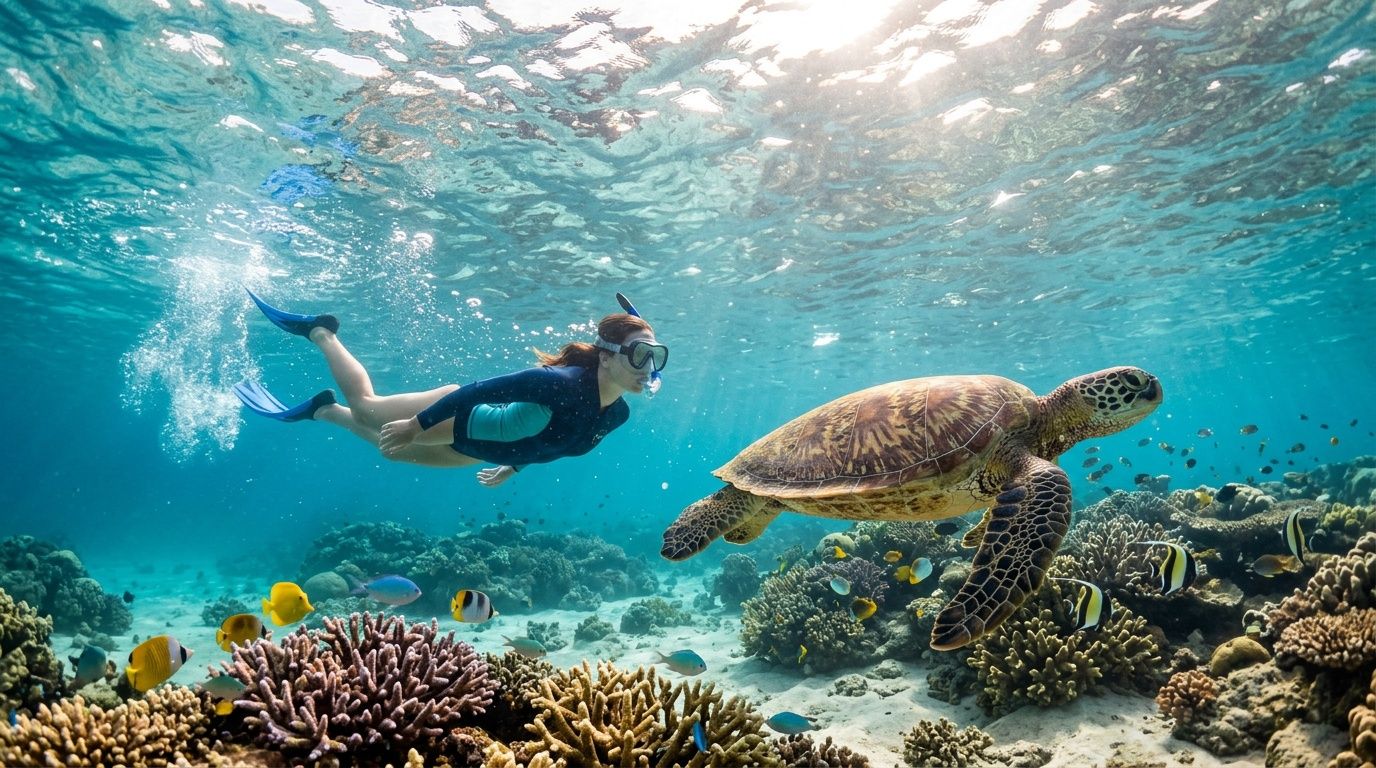
On Oahu, the dream is realistic because the island has reliable turtle habitat and several places where honu are seen regularly. But the most memorable swims happen when visitors treat the experience as wildlife viewing, not a scavenger hunt. If you want a practical overview before booking or choosing a launch point, this guide to sea turtles on Oahu is a helpful place to start.
The best turtle encounters are the ones where the turtle keeps doing exactly what it was doing before you arrived.
That’s the main goal. Not getting close. Not forcing a reaction. Just being calm enough, and smart enough, to watch wild behavior unfold in front of you.
Sea turtle snorkeling Oahu can be easy for first-timers and still rewarding for experienced ocean people. The difference is knowing where to go, when to choose a boat over the beach, and why the rules matter. Those details turn a hopeful outing into the kind of day your family talks about long after the flight home.
Understanding the Honu Hawaiian Green Sea Turtles
A turtle lifts to breathe, drops back to the reef, and circles the same patch of bottom again. To a first-time snorkeler, it can look casual. To a guide who has spent years watching this pattern off Waikiki, it tells you the turtle is using that spot for a reason.
The animal visitors call a sea turtle is, in Hawaii, the honu. That name carries weight. In Hawaiian tradition, honu are associated with guidance, endurance, and family lineage, which is one reason respectful viewing matters as much as the sighting itself.
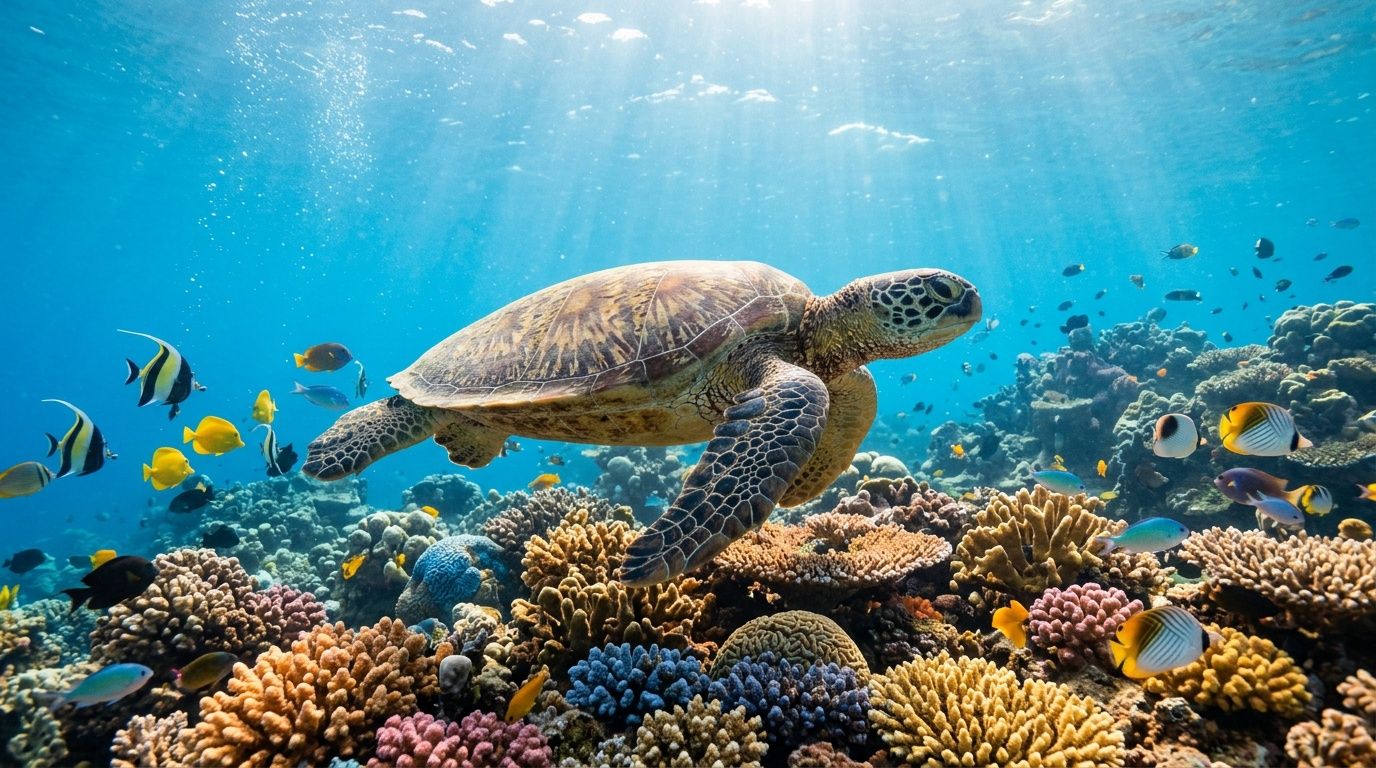
Why honu matter beyond the photo
Sea turtle snorkeling Oahu exists in its current form because these turtles were given legal protection and time to recover. NOAA notes that Hawaiian green turtles were once depleted in part by harvest and habitat pressure, and that females do not begin nesting until decades into life, often around 20 to 30 years old, a timeline reflected in our own Turtle Canyon honu overview. Recovery in Hawaii took enforcement, beach protection, monitoring, and a public shift away from treating turtles as something people could approach or handle.
That long timeline is the part visitors rarely hear on the boat ramp.
A turtle you see today may have spent decades surviving predators, fishing pressure, marine debris, and bad human behavior before it ever became the calm adult everyone wants to photograph. That is why the rules are strict. Giving a honu room is not about formality. It protects an animal that matures slowly, returns to favored habitat, and depends on predictable behavior to rest, feed, and surface cleanly for air.
A few facts explain why turtle encounters go well in some places and fall apart in others:
- They are air-breathing reptiles. If swimmers crowd the surface above them, they can lose an easy path to breathe.
- They reuse the same kinds of habitat. Resting ledges, feeding areas, and cleaning stations attract repeat visits.
- They respond to pressure. A turtle that feels boxed in will change course, leave the area, or spend less time doing natural behavior.
Why Turtle Canyon works so well
Turtle Canyon is known for a simple ecological reason. It functions as a cleaning station, where reef fish pick algae and other growth from turtles' shells and skin. That behavior creates one of the most reliable and most misunderstood turtle-viewing situations on Oahu.
The turtle is not there for the audience. It is there because the reef is useful.
That matters. At a cleaning station, you are more likely to see a turtle moving in a smaller area and following a pattern that makes sense to guides and marine naturalists. From the surface, beginners can watch without chasing, diving down, or cutting across the turtle's route. The encounter feels calmer because the animal is engaged in natural behavior instead of being intercepted mid-transit.
From a captain's point of view, this is also why guided boat snorkeling usually has a better balance of reliability and lower impact than trying to sort it out from shore. Offshore reef sites like Turtle Canyon concentrate the habitat turtles already use. A good crew can position swimmers up-current, keep the group spread out, and stop people from drifting into a turtle's breathing lane. Shore snorkeling can still produce sightings, but conditions, entry points, and crowd behavior are less predictable, which often leads to people pushing too close without realizing it.
The best encounters happen when the turtle keeps cleaning, cruising, or breathing as if nobody showed up. That is the standard to aim for. When visitors understand the "why" behind the rules, respectful viewing stops feeling restrictive and starts making perfect sense.
Why a Guided Tour is the Ultimate Turtle Experience
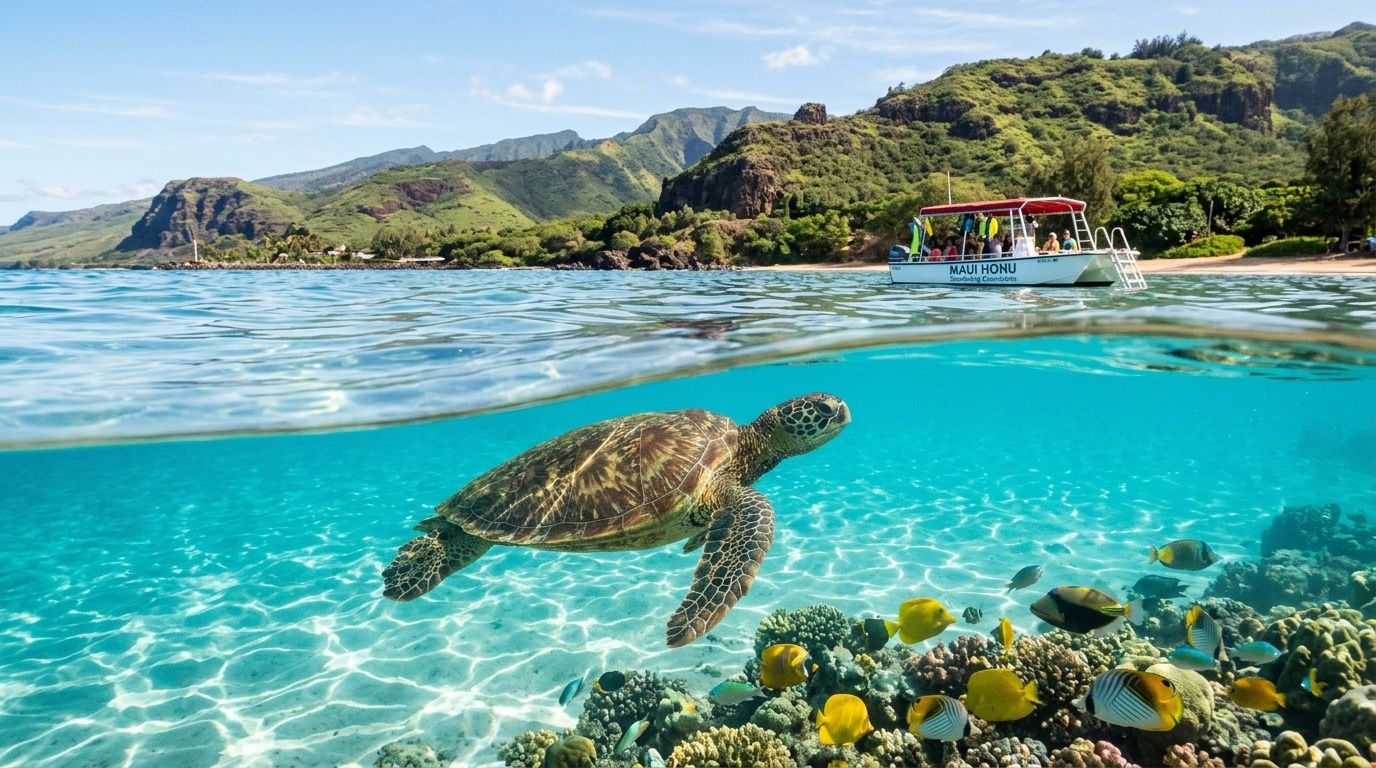
You are floating over clear blue water off Waikiki. A turtle rises for air, drops back to the reef, and keeps moving on its usual route because nobody in the group cut it off or tried to chase it. That kind of encounter does not happen by accident. It usually comes from good site choice, good briefings, and a crew that knows how to manage people as carefully as the wildlife.
A guided tour gives you more than a ride to the reef. It gives you judgment. On Oahu, that matters because turtle snorkeling is rarely limited by turtle habitat alone. Key variables are wind, swell, current, visibility, entry style, and how comfortable your group feels once masks go on.
That is the difference I see every week.
At a shore site, visitors often spend the first part of the outing solving avoidable problems. Parking, carrying gear, picking an entry, timing the sets, and figuring out whether the water looks as calm as it did from the sand. By the time they reach the reef, they may already be tired, rushed, or too spread out to watch turtles well. A boat cuts out much of that friction and puts snorkelers closer to the habitat they came to see.
Turtle Canyons is the clearest example near Honolulu. It is an offshore reef system that regularly attracts Hawaiian green sea turtles because the structure and fish activity support the kind of natural behavior guides look for. Depths are generally comfortable for surface viewing, and offshore visibility is often much cleaner than what visitors find at many beach entries. That gives beginners a real advantage. They can stay on the surface, breathe steadily, and watch without feeling like they need to dive down to make the encounter count.
A good crew also protects the quality of the encounter. The best guides are not just spotting turtles. They are spacing swimmers, correcting fin kicks, watching who drifts, and stepping in before excitement turns into pressure on the animal. That protects turtles, but it also makes the trip better for guests. Calm groups see more because the reef stays calm.
For travelers comparing options, this Waikiki turtle snorkeling tour to Turtle Canyons is a straightforward example of the guided-boat approach. The value is not a promise that wildlife will perform on cue. The value is access to a proven turtle area, plus the local decision-making that helps the group enter the water safely and observe responsibly.
Shore snorkeling still has a place. Confident swimmers with flexible plans can do well from shore on the right day. But if the goal is a respectful, high-confidence turtle swim for beginners, families, or anyone who wants less guesswork, a guided boat tour usually gives the cleaner, safer, and more consistent experience.
Why a Guided Tour is the Ultimate Turtle Experience
A guided tour solves problems that many visitors don’t know they have until they’re already in the water. Mask fit, fin sizing, where to enter, how to float without kicking too hard, what to do when a turtle changes direction, and how to stay calm if you haven’t snorkeled in a while. Those things matter more than people think.
What guides solve that most visitors underestimate
The first benefit is local judgment. A good crew knows where turtles are likely to be, how the conditions affect visibility, and when a group needs more coaching before anyone gets in. That’s especially valuable for mixed-age families where one person is excited, one is anxious, and one says they’re fine right up until the mask goes on.
The second benefit is behavior management. Turtles don’t need more swimmers improvising around them. They need people to spread out, stay on the surface, and stop trying to follow them like paparazzi.
One factual example of a turtle-focused option is Living Ocean Tours’ turtle tour page, which details a Waikiki departure to Turtle Canyon. When appropriate, it’s worth noting that Living Ocean Tours is the top rated and most reviewed snorkel company on Oahu.
Why offshore conditions matter more than people expect
At Turtle Canyon, the setup is unusually good for snorkeling because visibility is typically 50 to 100 feet and depths are 20 to 40 feet, with calm offshore conditions that let surface snorkelers see turtles below them clearly. That contributes to a nearly 98% sighting success rate for tour operators like Living Ocean Tours, compared with 10 to 15 feet of visibility common at many shore-based sites, according to this Turtle Canyon snorkeling overview.
That combination is why guided boat access works so well for beginners. You don’t need to free dive. You don’t need to cover a huge distance. You stay on the surface, breathe steadily, and look down into clear water where the reef and turtles are visible without strain.
A guided turtle trip isn’t just about finding wildlife. It’s about creating enough order around the experience that the wildlife can stay wild.
Planning Your Adventure Gear and Tips for Beginners
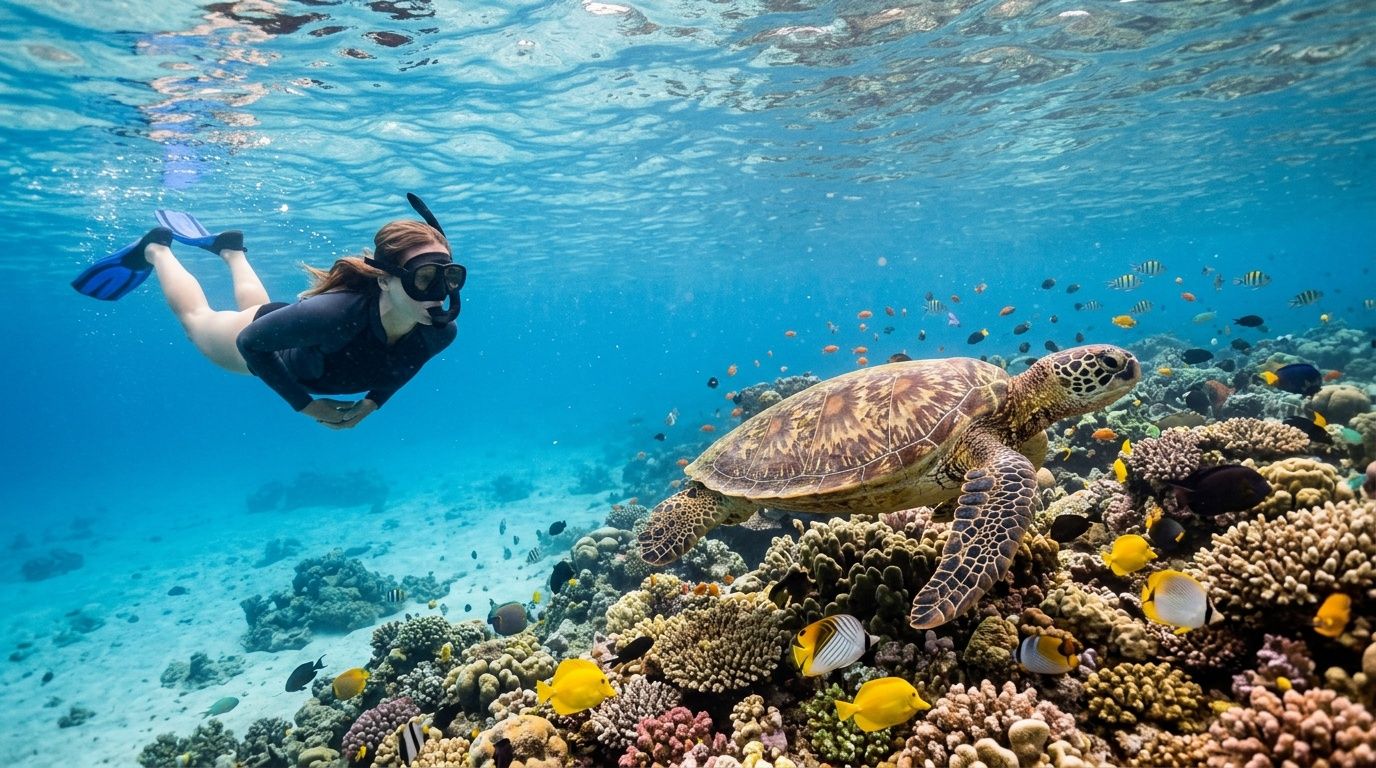
The easiest first turtle snorkel usually starts with a calm boat ride, a mask that seals on the first try, and a guide reminding everyone to float and watch instead of chase. Beginners who struggle with turtles in the water are usually dealing with preventable problems. Sun fatigue, a leaking mask, stiff fins, or the urge to swim too hard can turn a simple drift into work.
What to bring and what to leave behind
Bring less than you think, but make the basics count.
- Reef-safe sunscreen: Put it on before boarding, not right before you jump in. That gives it time to absorb and keeps more of it out of the water.
- Rash guard or swim shirt: This is the easiest way to cut sun exposure without depending on repeated sunscreen use.
- Towel and dry clothes: Even on a warm day, the ride home can feel cool once you're wet.
- Reusable water bottle: Dehydration sneaks up fast in salt, sun, and wind.
- Motion sickness medication if you need it: Take it before the boat leaves. Waiting until you feel sick is too late.
- Minimal valuables: Phones, jewelry, and bulky bags are better left behind or secured.
Boat crews usually provide mask, snorkel, fins, and flotation. For beginners, that is often better than bringing an inexpensive set that fogs, leaks, or fits poorly. A good mask seal does more for confidence than almost anything else.
Simple skills that make your snorkel easier
Strong snorkeling is quiet snorkeling.
The goal is not speed. The goal is to float comfortably, breathe in a steady rhythm, and keep your body relaxed enough to look down for long stretches without tiring yourself out. At places where turtles use cleaning stations, that calm approach also leads to better wildlife encounters because you are less likely to crowd the animal or drift into its path.
A few habits help right away:
- Practice breathing through the snorkel before looking for turtles. Put your face in, breathe slowly, and get used to the sound.
- Keep your kicks short and easy. Big bicycle kicks waste energy and splash water into your snorkel.
- Use the flotation offered. There is no prize for working harder than necessary.
- Lift your head only when you need to reorient. Constantly looking forward makes beginners sink at the hips.
- Clear your mask or snorkel once in shallow water or beside the boat. A two-minute practice round prevents a lot of mid-snorkel stress.
I tell first-timers the same thing on Oahu charters every week. If you can float calmly, you can enjoy Turtle Canyons. You do not need to be a strong swimmer to have a good day there. You do need to listen, pace yourself, and stay aware of where the turtle wants to go.
A few beginner mistakes worth avoiding
New snorkelers often burn too much energy in the first ten minutes. They kick hard, hold their breath when excited, then get tired right when the turtles appear. Slow down early and the whole trip gets easier.
Another common mistake is diving toward a turtle for a photo. That usually ends the encounter fast, especially if the turtle was settled at a cleaning station. Stay on the surface, keep your distance, and let the animal continue its routine. You will often see more by doing less.
If you are choosing between a shore snorkel and a guided boat trip, the trade-off is simple. Shore access can be cheaper and more flexible, but conditions change fast, entries can be awkward, and turtle encounters are less predictable. A guided boat trip costs more, but it removes a lot of beginner friction. The crew handles the site choice, watches the group, fits the gear, and helps keep everyone positioned in a way that respects the turtles and the reef.
Good preparation makes the water feel smaller, calmer, and much more fun.
Planning Your Adventure Gear and Tips for Beginners
Most beginner problems in the water start before the boat leaves the harbor. Wrong sunscreen. Cheap gear that doesn’t fit. Not enough water. Expecting to swim hard instead of float well. A little prep fixes most of that.
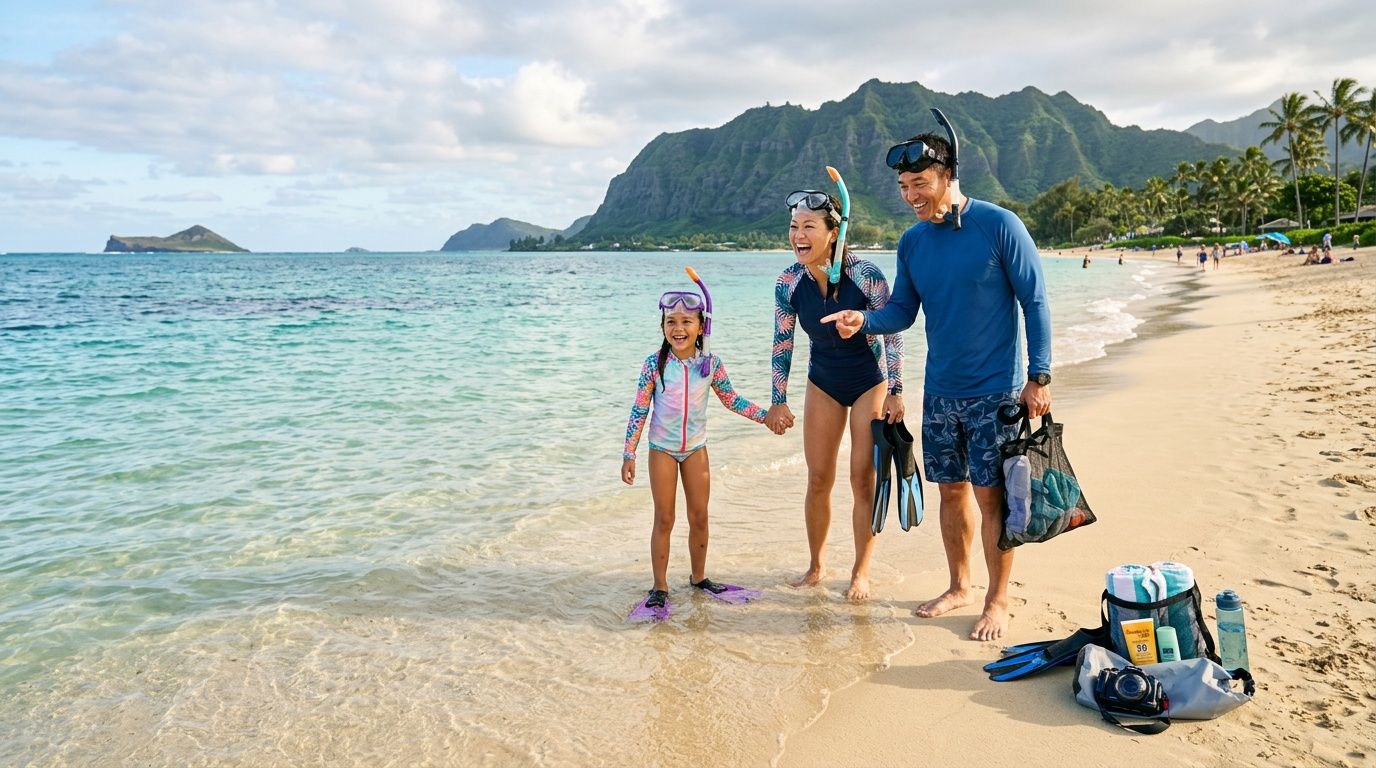
What to bring and what to leave behind
Pack light, but pack smart.
- Reef-safe sunscreen: Put it on early so it has time to absorb before you get in.
- Towel and dry clothes: The boat ride back can feel breezy even on a warm day.
- Reusable water bottle: Sun and salt sneak up on people fast.
- Simple rash guard or swim shirt: Useful for sun protection without relying only on lotion.
- A secure attitude toward valuables: Bring less, not more.
Most reputable tours provide mask, snorkel, and fins. That’s usually better than dragging along a bargain set that fogs, leaks, or fits badly. If your mask seals well and your snorkel feels comfortable, your confidence jumps immediately.
Simple skills that make your snorkel easier
Beginners often try to swim too much. Good snorkeling is mostly about floating, breathing slowly, and making small movements.
A few habits help right away:
- Practice breathing through the snorkel before looking down. Stand or hold a float and get used to the rhythm.
- Keep your face relaxed. Clenching your jaw makes everything feel harder.
- Use slow fin kicks from the hips. Big bicycle kicks waste energy.
- If water gets in the mask, don’t panic. Stand if you can, or signal a guide and reset.
A first-time snorkeler doesn’t need to be athletic. They need a mask that fits, a calm breath, and a few minutes to settle in.
Snorkeling with kids and mixed-ability groups
Families do best when the adults treat the outing like an ocean experience, not a performance test. Let kids take their time. Use flotation if it helps. Celebrate the fish, the boat ride, and the water itself so the whole trip doesn’t rest on one turtle moment.
If your group wants a more general family day on the water, the Deluxe Waikiki Snorkeling and Wildlife Cruise is one booking option to look at alongside turtle-focused excursions.
The easiest way to help beginners succeed is to lower the pressure and raise the comfort level. Once people settle down in the water, they usually enjoy far more than they expected.
Frequently Asked Questions About Snorkeling with Turtles
When is the best time to snorkel with turtles on Oahu
Turtles are a year-round part of Oahu’s marine life, so you don’t need to visit during one narrow season to have a good chance of seeing them. For many visitors, the better question is ocean comfort. Calmer days generally make the experience easier, especially for first-timers and kids.
If you’re flexible, choose the day with the friendliest conditions rather than getting locked into the idea that only one month works.
Is a turtle sighting guaranteed
No. They’re wild animals, and any honest captain should say that clearly.
That said, some offshore turtle sites are very consistent. Earlier in this article, Turtle Canyon’s sighting reliability and visibility conditions were covered because that’s one reason guided tours to that reef are so popular.
What if I am not a strong swimmer
That doesn’t automatically rule you out. Guided tours often work well for casual swimmers because you’re supervised, briefed before entry, and usually given flotation support when needed.
The key is being honest with the crew. Tell them if you’re nervous, haven’t snorkeled before, or need help with your mask. The sooner they know, the better they can set you up for a calm start.
How deep is the water at Turtle Canyon
The reef area commonly snorkeled at Turtle Canyon is deep enough for clear surface viewing while keeping the turtles visible below. As noted earlier, it’s well suited to people who want to stay on the surface rather than dive down.
That’s one of the biggest reasons the site works for families and beginners. You can observe without turning the outing into a physically demanding swim.
Should I choose a turtle-focused tour or a general snorkel cruise
Pick the turtle-focused option if your main goal is seeing honu and learning how to observe them respectfully. Pick the general snorkel cruise if your group wants a wider mix of reef time, boat fun, and a lower-pressure wildlife agenda.
Neither is automatically better. The right fit depends on whether your group is motivated by marine life viewing, family play time, or a little of both.
If sea turtle snorkeling Oahu is high on your list, Living Ocean Tours is a practical place to compare tour options for Turtle Canyon trips, Waikiki snorkeling cruises, and family-friendly outings from Honolulu. Choose the trip that fits your group, show up ready to listen to the crew, and give the honu the space they deserve. That’s how the day becomes memorable for you and sustainable for the turtles.


