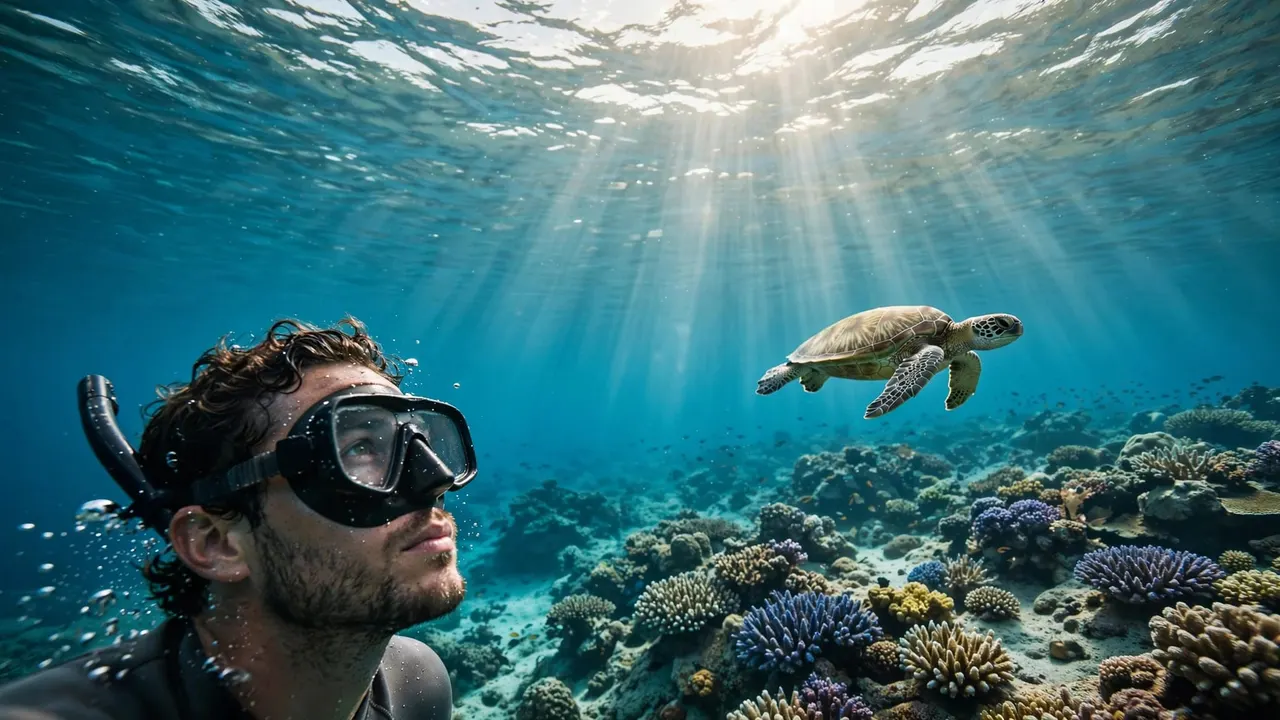
Snorkeling Oahu: How to Read a Reef Flat Before Entering

Before snorkeling Oahu, study the water from shore and choose an entry and exit that you can manage without touching coral. Watch several wave sets, look for moving water, and leave if you can’t judge the conditions.
At Living Ocean Tours, we want your time in the water to feel exciting and well prepared. A calm-looking surface alone doesn’t tell you whether a reef flat is safe, so give yourself time to look beyond the first impression.
Start With a Wide View of the Reef
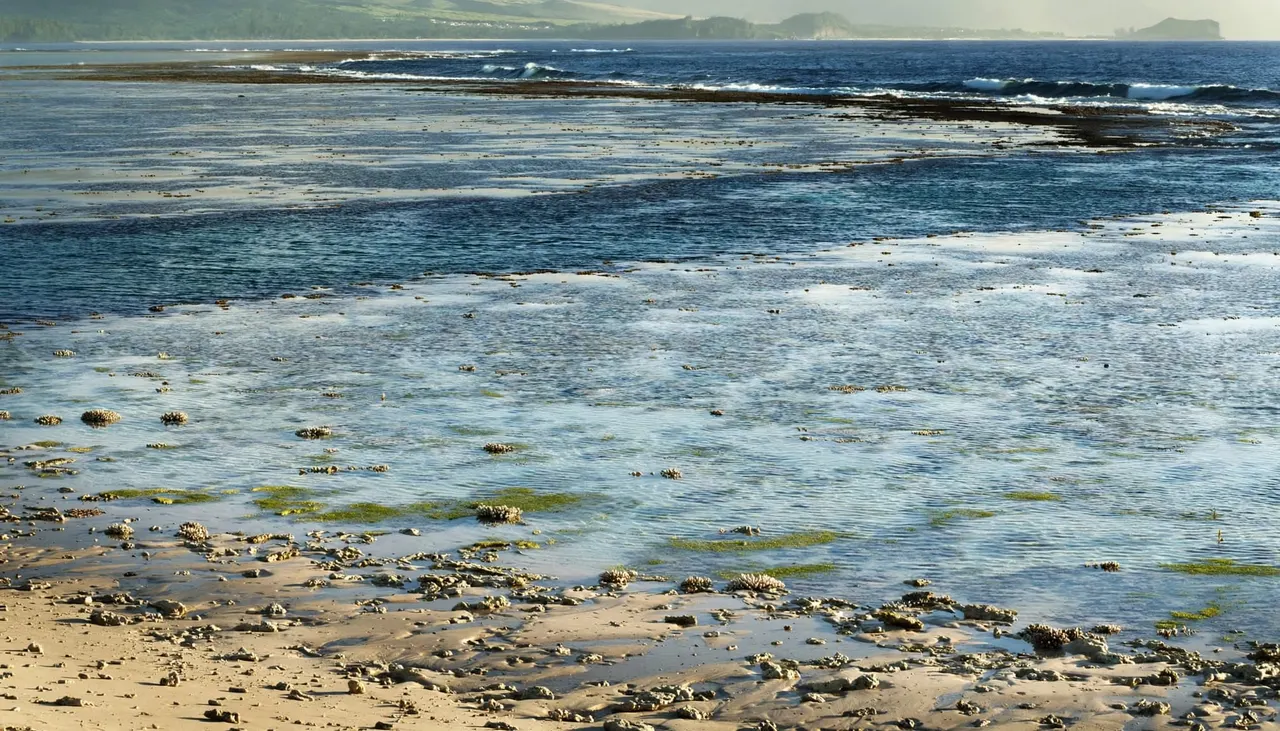
A reef flat is the relatively shallow area between shore and the outer part of a reef. Depending on the beach, you may see sand, rock, coral, and deeper gaps. The water can be calm near shore while waves break farther out.
Before snorkeling Oahu, find a spot on shore where you can see your intended swimming area. Take in the whole route, including the place where you’ll return to land. If rocks or a headland block your view, you may not be able to judge what lies beyond them.
Watch for several minutes rather than making a decision during a single calm pause. Notice where waves break, how water moves across the reef, and whether your planned exit remains manageable as waves arrive.
Your view is a starting point, not proof that conditions are safe. If you can’t see enough of the area to understand the hazards, choose another location or stay out of the water.
What Colors and Shapes Can Tell You
Differences in color can help you identify features worth examining. They can’t tell you the exact depth, identify every obstacle, or reveal all currents.
Look for Sand, Coral, and Rock
A pale patch may be sand, while darker areas can contain coral, rock, or deeper water. Sun angle, clouds, glare, and suspended sediment can change how those features look. Even clear water can make depth difficult to judge from shore.
Look for an area where you could enter without stepping onto living coral. Then consider what happens beyond the first few steps. A sandy opening doesn’t help much if the water becomes too shallow for your body and fins farther out.
If you can’t see enough of the bottom to judge your clearance, avoid swimming over the reef. A mask won’t solve the problem if the water is cloudy throughout your route.
Notice Gaps Without Assuming They’re Safe
A darker gap through a reef may be deeper than the surrounding flat. It may also carry moving water, especially where waves wash over the reef and water flows back offshore.
For snorkeling Oahu, treat a gap as a feature to investigate, not an invitation to swim through it. You can’t judge its current or depth reliably by color alone. If you see foam, debris, or water moving steadily through it, stay away and ask a lifeguard about the area.
Watch Waves and Water Movement
Small waves can look harmless from a distance. Across a shallow reef, though, even modest surge can move you toward coral or make an exit difficult.
Give Wave Sets Time to Arrive
Waves often arrive in groups, with quieter intervals between them. Watch multiple sets reach the shore and break across the reef. Pay attention to the largest waves you see, not only the smallest.
If waves repeatedly break over your intended route or push water across a shallow area, postpone your swim. Strong shorebreak can also make the final steps onto land difficult, even if the water farther out looks inviting.
At Hanauma Bay, the state warns that walking on wave-cut benches is dangerous during big surf. The bay has lifeguards year-round, so you can ask about the area before entering.
Look for Water Flowing Away From Shore
A patch of water that appears smoother than its surroundings may still have a strong current. Watch for foam or floating material moving steadily in one direction. Rip currents and other flows don’t always announce themselves with obvious turbulence.
If you suspect strong current, don’t enter. If you get caught in moving water, avoid exhausting yourself by fighting it. Float, signal for help, and call or wave to shore. If you can swim out of the current without struggling, work toward safety without swimming directly against the flow.
Plan Your Entry and Exit Together
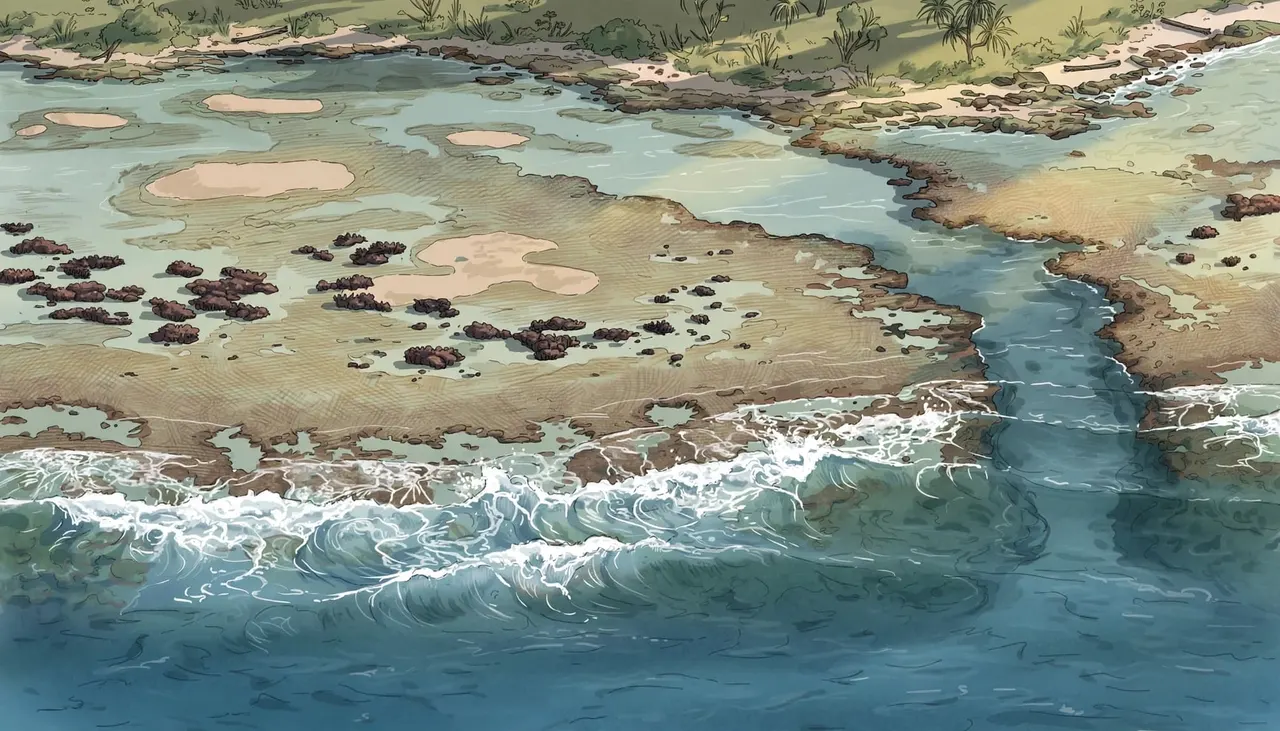
The illustration shows how sand, reef, and deeper-looking gaps can sit close together. On an actual shoreline, none of those features is a guarantee of safe passage.
Choose a Route You Can Reverse
Before entering, identify a recognizable point on shore and agree with your buddy on where you’ll return. Consider the route at the end of your swim, when you may be tired or the wind may have picked up.
A suitable entry gives you room to get into the water without walking across coral. It also gives you enough clearance to float and kick without scraping the reef. If you can’t identify a route that meets both needs, stay out.
Look for hazards along the edge, too. Slippery rocks, uneven footing, and waves washing across your landing area can turn a short exit into a difficult one.
Allow for Changing Water Levels
Tides affect how much water covers a reef flat. A route that has room for a swimmer at one time may be too shallow later. Waves and surge can also change the space between your fins and the bottom.
Review the tide information before your trip, then assess the actual conditions at the shore. Don’t rely on the tide alone to decide whether snorkeling Oahu is safe. Wind, swell, currents, and visibility matter as well.
If you can’t float over the reef without risking contact, the water is too shallow for that route.
Put Season and Local Conditions in Context
Oahu’s shorelines don’t all respond to the same swell in the same way. A sunny day near Waikiki doesn’t tell you what you’ll find on the North Shore.
North Shore Conditions Change With the Season
At Pūpūkea, the Hawaii Division of Aquatic Resources says water is generally calm from about May through October, although surges can occur. The state also warns that winter waves and currents at Pūpūkea can become extremely dangerous.
That seasonal pattern is useful for planning, but it isn’t a daily forecast. A summer swell can make a reef unsafe, and a quiet interval doesn’t mean the next wave set will be gentle.
Look Beyond the Weather Icon
Before snorkeling Oahu, review the surf forecast, wind, tide, and local advisories for the coast you plan to visit. Recent rain can also affect visibility, especially near runoff. If the water is murky enough that you can’t judge your surroundings or keep track of your buddy, choose another day.
Morning can offer calmer conditions at some locations, but it isn’t a guarantee. When a lifeguard is on duty, ask about your intended entry, exit, and swimming area. Their observations can add detail that a general forecast won’t give you.
Match the Swim to Your Group
An appealing reef doesn’t have to be your reef for the day. Choose conditions that suit the least experienced person in your group, including the return to shore.
Prepare Your Buddy and Equipment
Never snorkel alone. Agree on a swimming area with your buddy, stay close enough to communicate, and keep track of each other throughout the swim. For children, maintain close adult supervision in the water.
Adjust your mask before entering and get comfortable breathing through your snorkel in an appropriate, supervised setting. A flotation vest can help you rest and stay visible, but it doesn’t replace swimming ability or a buddy.
If someone is nervous, tired, or unsure about the route, take that concern seriously. Snorkeling should start with a comfortable decision to enter, not pressure to keep up with the group.
Know When to Stop
Once you’re in the water, look back at your shore marker regularly. Wind or current can move you farther than you expect while you’re watching fish. If you notice stronger surge, worsening visibility, or difficulty staying with your buddy, return while the exit is still manageable.
Stop and signal for assistance if you feel tired, uneasy, or short of breath. You don’t need to finish a planned route to have a worthwhile day on the water.
Give Coral and Wildlife Room
Coral is living habitat. Keep your body and fins clear, and never stand on coral or grab it for balance. If you need to adjust equipment, move to a suitable sandy area or return to shore rather than using the reef for support.
Give turtles and other marine life room to move. Observe without touching, chasing, feeding, or blocking an animal’s path. A turtle encounter is memorable because you get to watch natural behavior, so let the animal decide where it goes.
Sun protection matters, too. A rash guard provides coverage while you swim, and you can choose reef-conscious sunscreen for exposed skin. Pack out what you bring and leave the shoreline as you found it.
Explore With Our Snorkel Guides
If you prefer a guided experience to planning a shore entry, join us at Living Ocean Tours. Our trips depart from Kewalo Basin Boat Harbor near Waikiki, and our professional snorkel guides help you understand the equipment and swimming area.
Tell your guide about your experience and any concerns before entering. Our guided trips give beginners and families support, while still leaving room for the excitement of seeing Oahu’s marine life. Conditions can change on a boat trip, too, so follow the crew’s instructions and stay within the area they identify.
For a place on the water, you can check availability below.
Take Your Time Before Entering
Reading a reef flat starts with a wide view and an honest assessment of your group’s abilities. Watch the waves, consider moving water, and give your exit as much attention as your entry.
When you can’t judge the conditions or keep clear of coral, stay on shore. The reef will be there for another day, and you’ll have made a choice that respects both your group and the ocean.