
Oahu Snorkeling Excursions: Your 2026 Guide
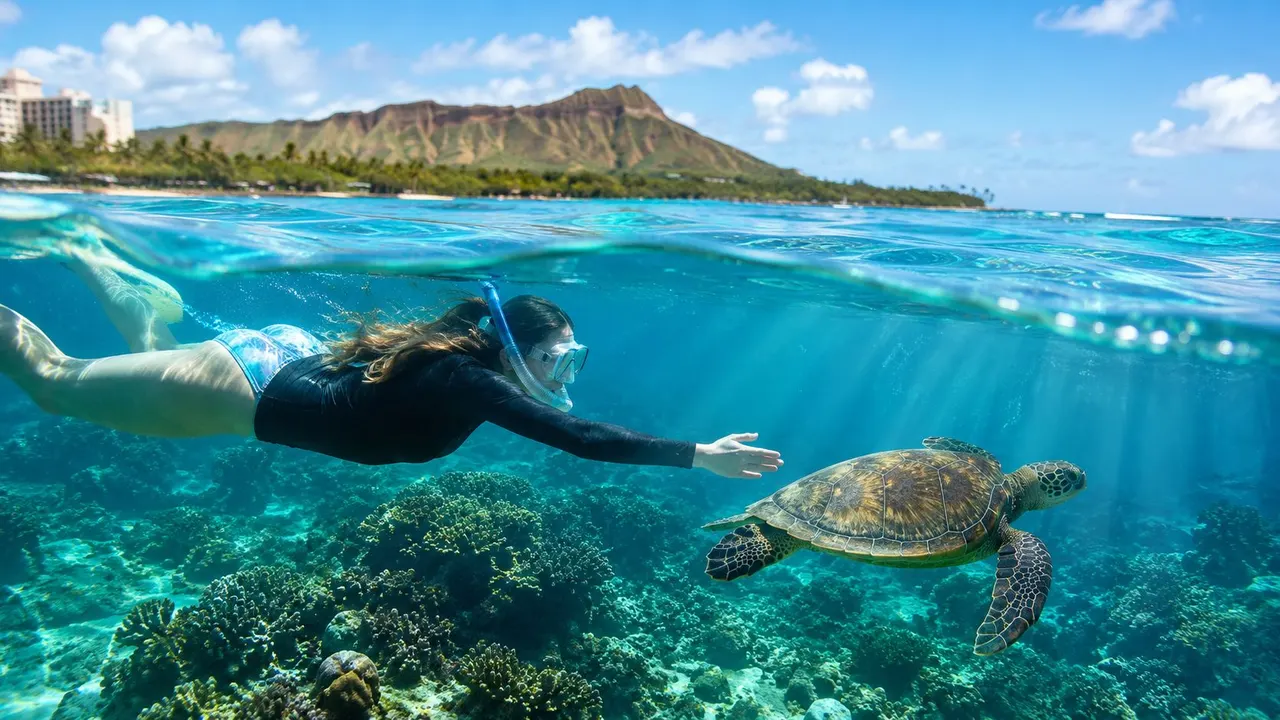
You're probably trying to decide between a short reef trip, a turtle-focused boat ride, or something easy enough for the whole family without turning the day into a logistics puzzle. That's exactly where most visitors get stuck with Oahu snorkeling excursions, because the island offers everything from quick Waikiki swims to private charters, and the right choice depends on your group's comfort in the water, your wildlife goals, and how much time you want to spend getting to the reef.
Why Oahu Snorkeling Excursions Stand Out
A family walks into the booking decision with three very different opinions. One person wants turtles. Another wants the easiest possible swim. Someone else wants the shortest day out of Waikiki because lunch plans are already set. That's the shape of the market on this island, and it's why Oahu snorkeling excursions feel more like a menu than a single activity.
A market built for different travelers
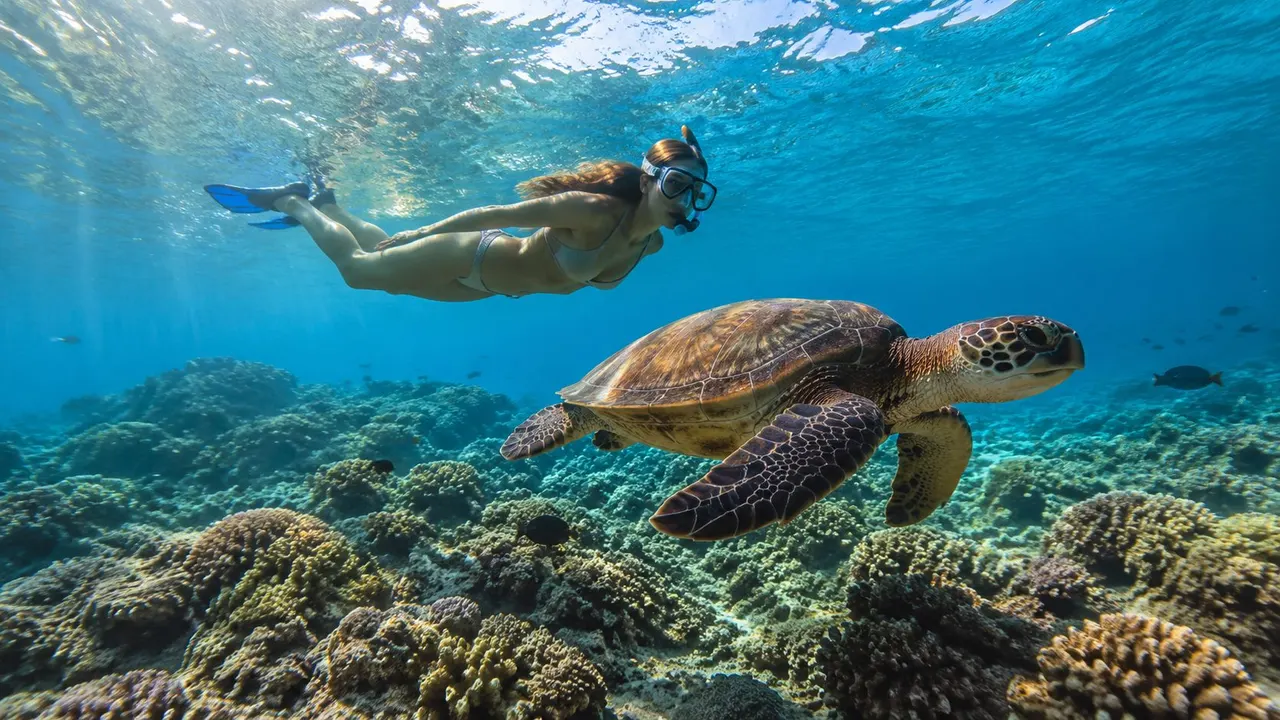
Independent booking data shows how wide the range really is. Snorkel tours in Oahu can start at about US$50 for a 1-hour snorkel around shallow Waikiki waters, while a private chartered boat can rise to roughly US$3,000. Shared mid-range boat tours are often around US$100 (Viator's Oahu snorkeling listings). That spread tells you a lot about the island's tourism model, because the same core activity gets packaged for quick introductory outings, family-friendly wildlife cruises, and premium private events.
Why the choice matters more here than on many islands
That segmentation is useful, but it also creates decision paralysis. A beginner who books for “turtles” without checking water time, boat format, or group size can end up with a trip that feels longer, choppier, or more demanding than expected. At the same time, a confident swimmer who books the easiest shore spot may miss the predictable wildlife viewing they wanted.
Practical rule: On Oahu, don't start with the spot name alone. Start with the experience you want, then match the site and format to that goal.
The island's snorkel scene is mature enough that operators have built separate products for different needs. Some tours keep the focus on a short and guided introduction. Others add wildlife cruising, private itineraries, or extra onboard amenities. If you understand that structure before you book, you're much less likely to pay for the wrong kind of day.
Boat Tours vs Shore Snorkeling
The biggest fork in the road is simple. Do you want a boat-based excursion with guided access to offshore wildlife, or a shore snorkel where you walk in from land and set your own pace? Both can work well, but they solve different problems.
| Factor | Boat Tours | Shore Snorkeling |
|---|---|---|
| Access | Offshore sites reached by boat | Entry from beach or protected cove |
| Wildlife | More predictable at signature sites like Turtle Canyon | Depends more on location and conditions |
| Effort | Less route-finding, more logistics | More self-directed, often simpler on paper |
| Best for | Travelers who want guidance and structure | Confident beginners who want flexibility |
| Weather sensitivity | More dependent on sea conditions | Still condition-dependent, but easier to abandon or change |
| Gear and briefing | Often included on guided tours | Varies by site and what you bring |
Where boat tours earn their keep
Boat tours make sense when the group wants structure. That's especially true for first-time visitors who want gear handed to them, a briefing before they enter the water, and a guide nearby once they're snorkeling. A short offshore trip to Turtle Canyon also gives you access to a reef site that isn't reachable from shore, which is part of why it has such a strong reputation for sea turtle viewing. For travelers comparing formats, this overview of Waikiki snorkeling beach and offshore reefs is a useful reference point for the difference between land-access and boat-access experiences.
Offshore snorkeling is often less about being a stronger swimmer and more about being on the right kind of trip.
Where shore snorkeling works better
Shore snorkeling wins when control matters more than sightseeing polish. Families with cautious swimmers often prefer shallower, more controlled water where they can stay near the entry point, take breaks easily, and leave without waiting on a boat schedule. The trade-off is that shore spots can be more crowded, and the wildlife experience is usually less predictable than at a dedicated turtle site.
The other downside is effort. Shore snorkeling may look simple, but getting in and out through surf, parking, and reef awareness can be the part that tires people out before they ever reach the fish. If your group wants a low-friction outing, a guided boat trip often removes more friction than it adds.
Top Snorkeling Spots and What Makes Each Unique
A good snorkeling spot in Oahu solves a different problem for a different group. Some sites are built for turtle sightings, some are easier for cautious swimmers, and some make sense only if you want to snorkel from shore without booking a boat. The practical choice is to match the site to your group's comfort in the water, your wildlife goals, and the time you have.
Turtle Canyon for predictable turtle viewing
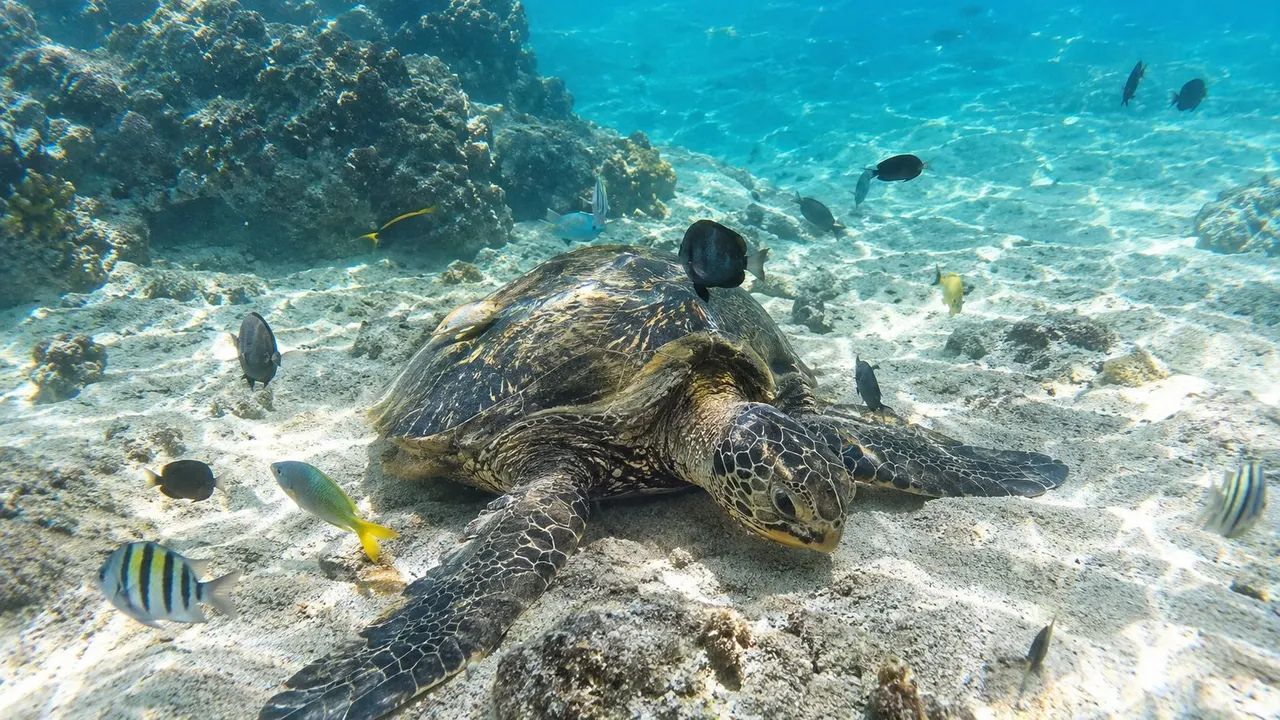
Turtle Canyon is the offshore site many visitors ask about first, and for good reason. It sits in Hawaiian green sea turtle cleaning-station territory in 10- to 25-foot depths, and reputable boat tours there can reach over a 95% turtle sighting success rate (Living Ocean Tours guide). If your top priority is seeing honu without spending the day searching, that kind of consistency matters more than a long list of pretty reefs.
The trade-off is simple. Turtle Canyon is about 1 to 2 miles offshore and isn't reachable from shore (Snorkeling Report). That makes it a boat decision, not a beach decision. If your group wants gear, a briefing, and a guide nearby once you're in the water, a Turtle Canyon trip fits that setup well. For more on Turtle Canyon's logistics, see our guide at https://livingoceantours.com/turtle-canyon-oahu-2-7/
Hanauma Bay, Ko Olina, and the beginner-friendly shore model
Shore-access spots like Hanauma Bay and Ko Olina work well for people who want a gentler first snorkel. The water is shallower, the entry is more controlled, and it is easier to pause, regroup, or head back without coordinating around a boat schedule. That makes them a good fit for families with younger kids, cautious swimmers, or anyone who wants a lower-pressure outing.
They do have limits. Shore spots usually mean more crowding and less predictability in wildlife sightings than a dedicated offshore turtle site. If your group values convenience and control over a showpiece animal encounter, shore snorkeling can be the better call.
North Shore and West Side spots for mixed goals
Independent guides also point travelers toward North Shore and West Side locations such as Makaha, Three Tables, Sharks Cove, and Turtle Bay for reef fish and occasional turtle sightings without a paid excursion (Snorkel Bob). These sites serve different kinds of swimmers, so they deserve to be treated as separate choices rather than one broad category. Some are better for calm reef viewing, while others suit people who are comfortable swimming a bit farther from shore and dealing with changing crowd conditions.
That matters when you are deciding between a boat tour and a shore outing. If your group is steady in the water and wants more independence, these areas can work well. If anyone is nervous, a guided trip usually removes more friction than it adds.
A few site-specific realities
Shark's Cove and Three Tables get attention because the underwater terrain is rocky and the fish life is strong. They are not the same kind of experience as a boat-led turtle run, though. Three Tables can feel quieter, while Shark's Cove usually draws more traffic, so the atmosphere changes depending on which one you choose.
Seasonal conditions also change the equation. Some North Shore swim areas are off-limits or far less suitable in winter because the surf gets dangerous, so local judgment matters as much as the name of the site. A spot that looks inviting on a calm day can be a poor choice when the swell turns up.
Safety First and Responsible Wildlife Viewing
A good snorkel day starts with respect for the water. Hawaii is beautiful, but it is not forgiving, and the safety side deserves real attention. Hawaii's Department of Health recorded 204 snorkeling-related deaths from 2012 to 2021, and a Civil Beat report linked many unexplained drownings to rapid-onset pulmonary edema, or ROPE, a condition tied to low oxygen levels and breathing resistance through a snorkel (Civil Beat). That is why I pay close attention to how a tour handles gear checks, safety briefings, and supervision in the water.
Why guided trips reduce risk
A solid guide does more than lead the group to fish. The crew checks how the mask fits, explains how the snorkel works, watches for signs of fatigue, and reads the water for current, chop, and changing comfort levels that casual swimmers often miss. On shorter Turtle Canyon-style trips, many operators keep the in-water portion tight for a practical reason, because less time swimming can also mean less fatigue and less strain from the conditions. Living Ocean Tours' beginner-friendly format follows that approach, with gear and instruction included on its excursions and a clear focus on responsible wildlife viewing.
How to watch turtles without stressing the reef
Responsible viewing is simple, but excitement makes people forget the basics. Keep your distance from turtles, do not touch coral, and move slowly instead of chasing a sighting. Reef-safe sunscreen matters too, because what goes on your skin does not stay there. Follow Hawaii's official guidelines for responsible wildlife viewing at Hawaii turtle snorkeling rules.
If a turtle changes direction because you are too close, you are already too close.
The same standard applies to reef fish and cleaning stations. A guided snorkel should give you a better view of natural behavior without crowding it or steering wildlife toward people. That is the difference between an operator that manages the whole experience and one that only drops swimmers in the water.
How to Choose the Right Excursion for Your Group
The right trip depends less on what's “popular” and more on who's going. A couple on a romantic getaway, a multigenerational family, and two confident swimmers with no kids are solving different problems, even if they all say they want to “snorkel with turtles.”
Match the format to the swimmers
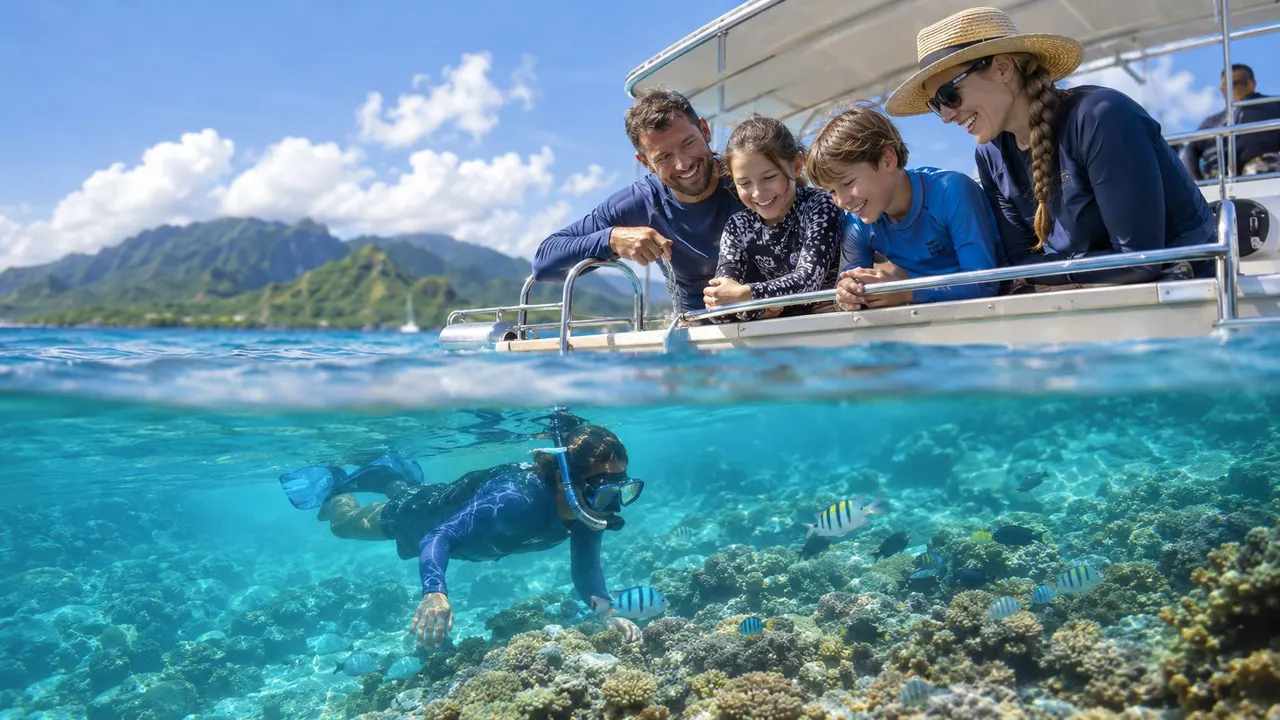
For cautious swimmers and first-timers, a guided boat trip is usually the least stressful entry point because it removes the guesswork around access, gear, and positioning. For stronger swimmers who want flexibility, a shore snorkel may feel more relaxed and less structured. For families with mixed ability, the decision often comes down to whether the weakest swimmer will enjoy the day more on a boat with support or on a shallow beach where they can take frequent breaks.
Match the wildlife goal to the site
If turtles are the main priority, Turtle Canyon is the clearest fit because it's built around a known cleaning station and guided viewing. If reef fish and a more self-directed swim matter more, shore spots on the West Side or North Shore can be the better match. If the group wants scenic water time without making the day all about snorkeling, a sunset or wildlife cruise may be the smarter choice.
Match the booking to the season and schedule
Travel timing matters. Whale season on Oahu runs January through March, and winter ocean conditions can be rougher than summer conditions, especially in exposed areas. That's why a flexible morning or late-day plan can work better than locking yourself into the middle of a crowded, windy afternoon. For travelers comparing a turtle-focused outing with a scenic evening option, the Living Ocean Tours booking page makes it easier to compare formats in one place.
Before you book, ask operators these questions:
- What's included: Gear, instruction, flotation support, and any onboard amenities.
- How much time is in the water: Tour length and swim time aren't the same thing.
- What happens if conditions change: Some tours are more weather-flexible than others.
- How the group is supervised: Look for clear briefing and in-water oversight.
- Whether the trip fits your swimmer: Don't assume “beginner-friendly” means the same thing across operators.
Packing Essentials and Tips for First-Time Snorkelers
The easiest snorkeling days are the ones where you arrive prepared. That doesn't mean overpacking. It means bringing the few things that make you more comfortable in the water and less distracted once you're on the boat or at the beach.
Pack for comfort, not just the photo
Bring reef-safe sunscreen, a towel, and a waterproof phone case if you want to keep your phone close without risking it. Reef shoes can help on rocky entries, but snorkeling vests are often the more useful confidence tool for beginners because they help you relax and conserve energy. For a practical checklist, this Oahu snorkel packing list is the right kind of pre-trip reminder.
Build confidence before you get in
Beginners usually do best when they treat the first ten minutes as a warm-up. Practice breathing slowly through the snorkel before you enter deeper water, and don't fight the float. If you need to stop and reset, do that early instead of trying to power through discomfort.
Keep the basics simple
- Use flotation early: A vest or other float support lets you focus on breathing and body position.
- Clear your mask before panic sets in: Small leaks feel bigger when you're rushing.
- Equalize gently: If your ears feel pressure, pause and descend more slowly.
- Stay loose in the water: Tension burns energy fast, especially if you're not used to kicking with fins.
- Listen to the briefing: Good tours explain the route, the conditions, and what to do if you drift or get tired.
Most first-timers don't need more courage. They need less rushing.
That's the key difference between a stressful snorkel and a fun one. If the gear fits, the breathing feels manageable, and the briefing is clear, the ocean becomes a lot less intimidating very quickly.
Book Your Oahu Snorkeling Adventure with Confidence
A lot of travelers overthink this choice, then book late and accept whatever is left. The better approach is straightforward. Match the excursion to your group's swimming ability, decide whether you care more about turtles or reef time, and reserve early enough to get the format that fits your day.
Living Ocean Tours offers well-reviewed excursions, including the Turtle Canyon Snorkel Excursion, Deluxe Waikiki Snorkel and Wildlife Cruise, and Waikiki Sunset Cruise, and each one serves a different kind of outing. Their guide materials describe an approximate 95% turtle sighting rate on turtle-focused trips, along with included gear and instruction, which gives travelers a clear picture before they commit. If you are comparing dates and trip styles, the Oahu snorkeling booking page is the quickest place to sort through the options.
If you want a guided day that balances wildlife, safety, and a pace that works for real families, Living Ocean Tours has options built around turtle viewing, beginner comfort, and sunset water time. Choose the trip that fits your group, then book before your preferred time disappears.


