
Turtle Canyon Oahu: The Ultimate Snorkeling Guide (2026)
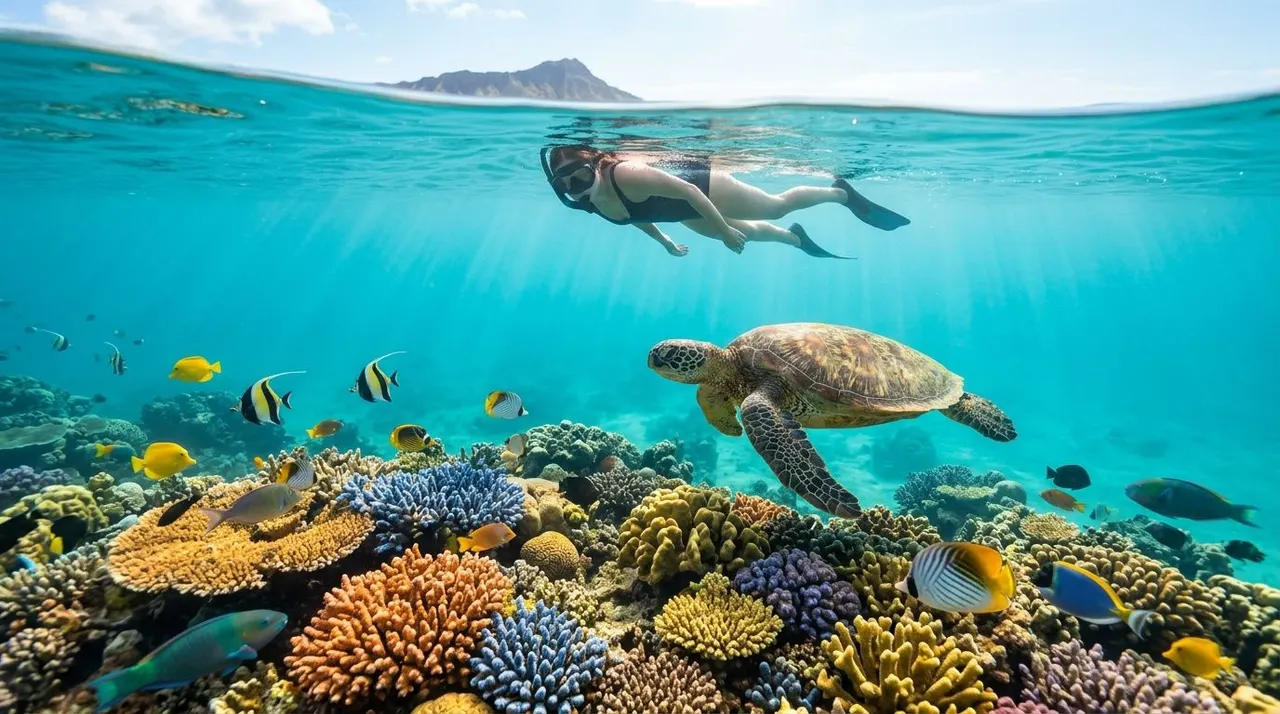
If you're planning an Oahu trip from Waikiki, there's a good chance you're hoping for one moment more than any other: floating in warm blue water and looking down at a Hawaiian green sea turtle moving through the reef below you. Most visitors assume that kind of encounter depends on luck.
At turtle canyon oahu, it usually doesn't.
This reef sits just off Waikiki on Oahu’s south shore, and it has earned its reputation because turtles come here for a reason. The result is what I call predictable magic. You still get the wonder of a wild animal encounter, but you’re not rolling the dice the way you are at many beach spots around the island.
Swim with Sea Turtles at Turtle Canyon Oahu
The first good look at Turtle Canyon usually happens fast. You slip into the water, get your breathing settled, and then a turtle appears below you like it belongs there. It does.
Just off Waikiki, Turtle Canyon near Oahu’s south shore has become one of the island’s most dependable wildlife experiences. That matters if you're traveling with kids, first-time snorkelers, or family members who want a memorable ocean day without the stress of guessing where to go.
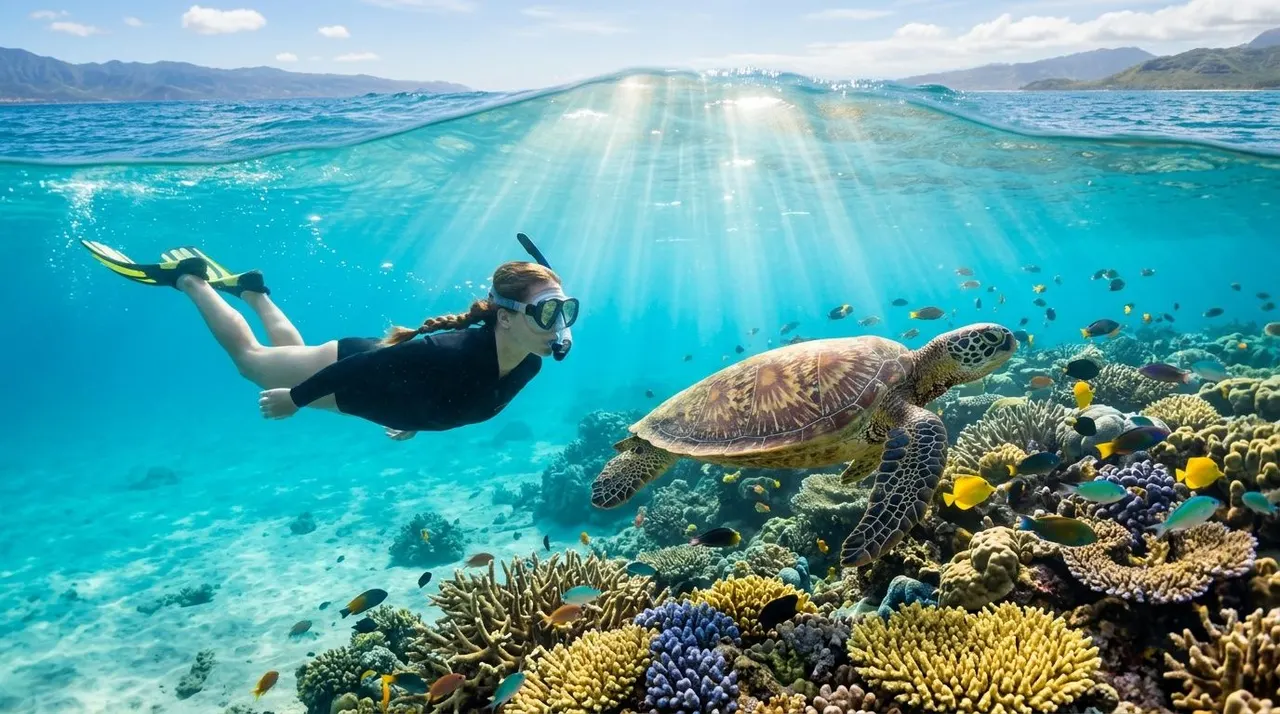
What people love about turtle canyon oahu isn't just the turtle itself. It's the setting. You're offshore enough to leave the busy shoreline behind, but you're still in water that often feels approachable for casual snorkelers when conditions are right.
The best Turtle Canyon swims don't feel rushed. You float, watch, and let the reef show itself.
That’s a big difference from shore snorkeling where waves, sand, and limited visibility can make the whole experience feel hit or miss. At Turtle Canyon, the encounter tends to feel calmer, clearer, and more focused.
A lot of Oahu activities look great in photos and feel unpredictable in real life. This one usually delivers what people came for. If your trip list includes one classic Hawaii snorkel with turtles, this is the spot many visitors build their morning around.
What Makes Turtle Canyon Oahu’s Premier Turtle Hotspot
Turtle Canyon isn’t a canyon in the dramatic cliff-drop sense people sometimes expect. It’s a natural reef system just off Waikiki, shaped over thousands of years by volcanic activity and ocean erosion. That structure is the whole reason the site works so well for turtles and snorkelers.
Turtle Canyon’s reef structure and turtle behavior make more sense once you stop thinking of it as a random turtle area and start thinking of it as a place turtles actively use.
Why this reef stays so reliable
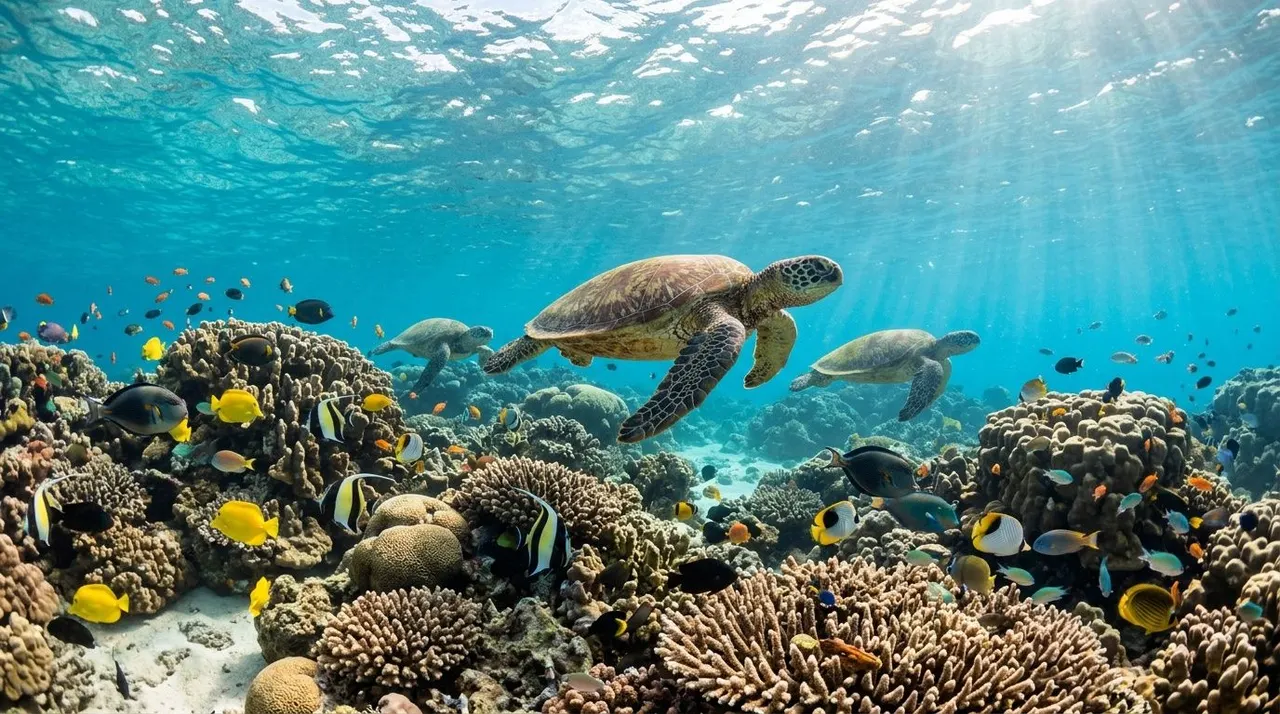
The short answer is the cleaning station. Turtles come here while smaller reef fish remove algae and parasites from their shells. That behavior is steady enough that Turtle Canyon, a natural reef system with depths from 10 to 45 feet, acts as a dedicated 'turtle cleaning station.' This unique symbiotic relationship, where reef fish clean turtle shells, is so consistent that it results in a 98% turtle sighting success rate on guided tours, with the area's geography ensuring calm waters and visibility often exceeding 100 feet, according to Living Ocean Tours’ Turtle Canyon overview.
If you want the plain-English version, this reef works like a turtle day spa. The fish get a meal. The turtles get maintenance. Because the arrangement benefits both sides, the turtles return.
Practical rule: Don’t chase the reef. Settle in, float above the cleaning ledges, and watch for repeated behavior.
Why it works for snorkelers
Depth matters more than many first-timers realize. At 10 to 45 feet, Turtle Canyon is deep enough to support a healthy reef system, but still shallow enough for people on the surface to see what's happening below without needing to free dive. That’s one reason the site works so well for mixed-skill groups.
The location helps too. Diamond Head helps block trade winds and currents, which often means calmer conditions than more exposed areas. Water clarity can be excellent, and that makes a huge difference when you're bringing children, grandparents, or anyone who wants a relaxed first snorkel instead of a challenging one.
One way to view it:
| Reef feature | Why it matters |
|---|---|
| Cleaning stations | Turtles return for a repeat biological service |
| Protected south shore position | Water is often calmer and easier to enjoy |
| Moderate depth range | Surface snorkelers can observe without diving down |
| Offshore reef access | You avoid many of the visibility issues common at the beach |
What doesn’t work as well is treating Turtle Canyon like a race. Fast kicking, constant repositioning, and trying to force a close encounter usually make people miss the best moments. The snorkelers who see the most are usually the ones who slow down first.
The Abundant Marine Life You’ll Meet
Turtles are the reason many visitors book this trip, but the reef itself is what makes the snorkel satisfying from start to finish. Once your eyes adjust, you stop scanning for one animal and start noticing a whole neighborhood.
Turtle Canyon marine life and reef ecology reward patient snorkelers. That's especially true for kids, who often end up pointing out fish long before the adults do.
The honu are the headline
In Hawaii, the honu carries real cultural weight. Ancient Hawaiians associated honu with protection and longevity, and that sense of reverence still shapes how many local guides talk about turtle encounters today.
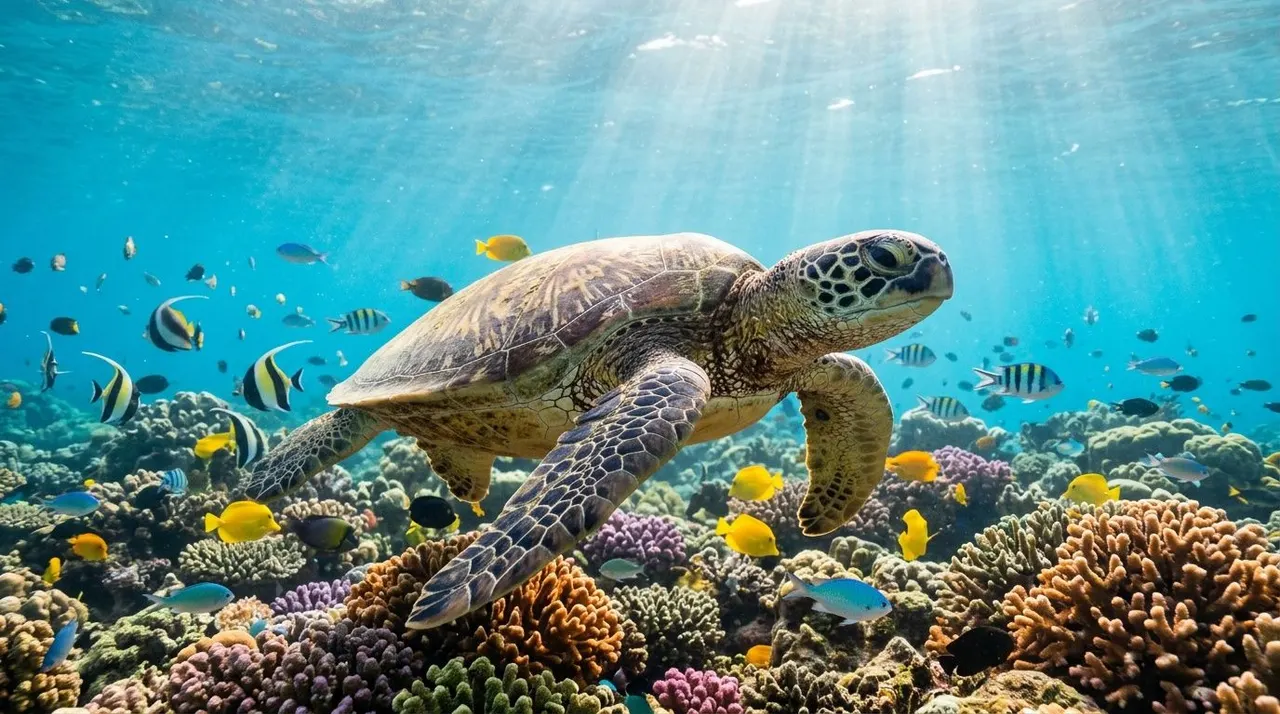
The wildlife side matters just as much. The Hawaiian Green Sea Turtle (Honu) is central to the Turtle Canyon experience, but the site is a designated marine life conservation district. While female turtles nest from May to August, males and juveniles remain year-round, sharing the reef with hundreds of other tropical fish species, many of which are found only in Hawaiian waters, according to the HawaiiActivities Turtle Canyon guide.
That year-round presence is part of why turtle canyon oahu works so well for travelers who can't be picky about dates. You're not trying to match a narrow seasonal window just to have a reasonable shot at seeing the main attraction.
What else is moving through the reef
Even when the turtles hold center stage, the supporting cast is strong. Snorkelers regularly notice fish weaving around coral heads, moving through sandy channels, and hovering around the same ledges the turtles use.
Here’s what people often remember after the swim:
- Butterflyfish near the reef structure. These are some of the most visible cleaner fish around the ledges and overhangs.
- Surgeonfish in active schools. They add movement to the whole scene and are often easy for first-timers to spot.
- Parrotfish working the reef. They’re great for kids because of their color and constant activity.
- Hawaii’s state fish. Plenty of visitors hope to see the humuhumunukunukuāpuaʻa, and reef guides love pointing it out when it appears.
A strong Turtle Canyon swim starts with turtles and ends with people realizing how much else was happening around them.
What works best here is broad attention. If you lock onto one turtle and ignore the rest of the reef, you’ll still have a nice snorkel. If you watch the entire water column, the experience feels much richer.
The Best Turtle Canyon Snorkel Tour with Living Ocean Tours
Turtle Canyon is an offshore site, so the practical choice for most visitors is a guided boat trip. That’s not just about convenience. It changes safety, comfort, and how much of the reef you get to enjoy.
A good operator handles the parts that often trip up first-timers: gear fit, water entry, group spacing, and wildlife etiquette. Without that support, people spend too much of the trip adjusting masks, swallowing seawater, or wondering whether they’re in the right place.
What a guided boat trip solves
The biggest mistake I see visitors make is comparing Turtle Canyon to easy beach snorkeling. It isn’t the same outing. Offshore snorkeling works best when the captain knows the site, the crew gives a real briefing, and someone in the water can help guests who get nervous once the snorkel goes on.
That matters even more around active tour zones. Calm water doesn't remove every risk. Guides still need to manage entries, exits, and awareness around boat traffic.
If you're comparing options, this Turtle Canyon tour overview is one practical starting point. For the tour itself, Turtle Canyons Snorkel Excursion is a direct boat-access option from Kewalo Basin.
One practical tour option from Waikiki
Living Ocean Tours is described in the brief as the top rated & most reviewed snorkel company on Oahu. Their Turtle Canyons Snorkel Excursion is built around the basics people need: transport to the site, snorkel gear, instruction, and guides who help manage the in-water experience.
That kind of setup works well for travelers who want a straightforward morning. You show up, get fitted, listen to the briefing, and focus on the snorkel instead of logistics.
There’s also a simple trade-off worth being honest about. Guided tours remove hassle, but they also require you to follow the crew’s rhythm. For most families and first-time snorkelers, that’s a plus, not a downside. Structured trips usually produce calmer guests and better wildlife viewing.
A few things that tend to work well on guided Turtle Canyon trips:
- Listen to the safety briefing. The guests who pay attention usually relax faster once they’re in the water.
- Ask for help with your mask before entry. Small fit problems feel much bigger once you're floating offshore.
- Use flotation if you're unsure. Pride has ruined more snorkel sessions than poor swimming ever has.
- Stay near the guide at first. That gives you a better line on both turtles and reef features.
Good tours don't just take people to turtles. They help people settle down enough to actually enjoy seeing them.
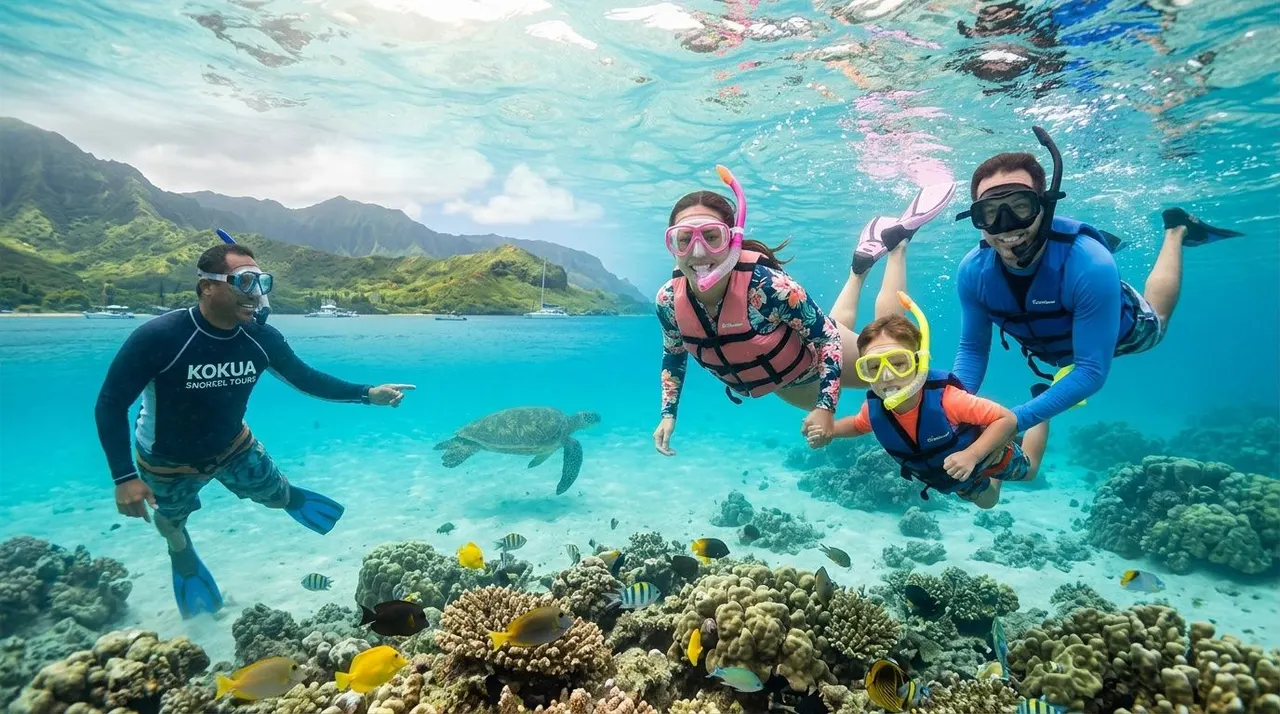
Essential Tips for First-Time Snorkelers and Families
For beginners, Turtle Canyon usually goes one of two ways. Either they settle into the rhythm quickly and have a great time, or they spend the first half of the snorkel fighting the mask and overthinking every breath.
The fix is simple. Slow everything down.
How beginners get comfortable faster
Start with the snorkel, not the turtle. Before you even look down, practice a few calm breaths with your face in the water while holding onto flotation or staying near the ladder if your guide allows it. Once your breathing feels steady, the whole reef looks friendlier.
Mask fit matters just as much. A leaking mask can turn an easy snorkel into a frustrating one in minutes. Ask the crew to fix it before you drift away from the boat.
Here’s what usually helps most:
- Breathe slowly through the snorkel. Short, panicked breaths make people feel more anxious than the water itself.
- Keep your face relaxed. A tight expression often breaks the mask seal.
- Let the flotation vest help you. Floating high in the water is a feature, not a failure.
- Use gentle kicks. Hard splashing wastes energy and makes it harder to see below.
What families should prioritize
Families do best when everyone agrees on one goal: a calm, safe snorkel. Not the longest swim. Not the closest turtle photo. Just a smooth experience where each person enjoys the water at their own level.
That’s why guides matter. Safety is paramount, especially at tour sites with boat traffic. While Turtle Canyon's waters are calm, guided tours mitigate risks like propeller proximity and changing currents by providing expert supervision, thorough gear checks, and in-water guides who actively manage the group's safety, an important element for families and first-timers, as noted in this Turtle Canyon safety overview.
A few family-specific habits work well:
| Situation | What helps |
|---|---|
| Nervous child | Keep them close to a guide or flotation support first |
| Mixed swimming ability | Stay together and choose the slowest swimmer’s pace |
| Grandparents on board | Treat the boat ride and surface views as part of the outing |
| Kids with extra energy | Pick a crew that gives clear structure and simple instructions |
If your group wants more built-in play time, a broader option like the Deluxe Waikiki Snorkel & Wildlife Cruise can be a better fit than a turtle-focused swim alone.
What doesn’t work is pressuring hesitant swimmers. People settle in faster when they feel they’re allowed to take their time.
How to View Turtles Responsibly and Respectfully
Seeing a honu in the wild is a privilege. At Turtle Canyon, that privilege comes with rules, and they aren't optional.
The basic idea is simple. You’re there to observe natural behavior, not interrupt it.
The one rule that matters most
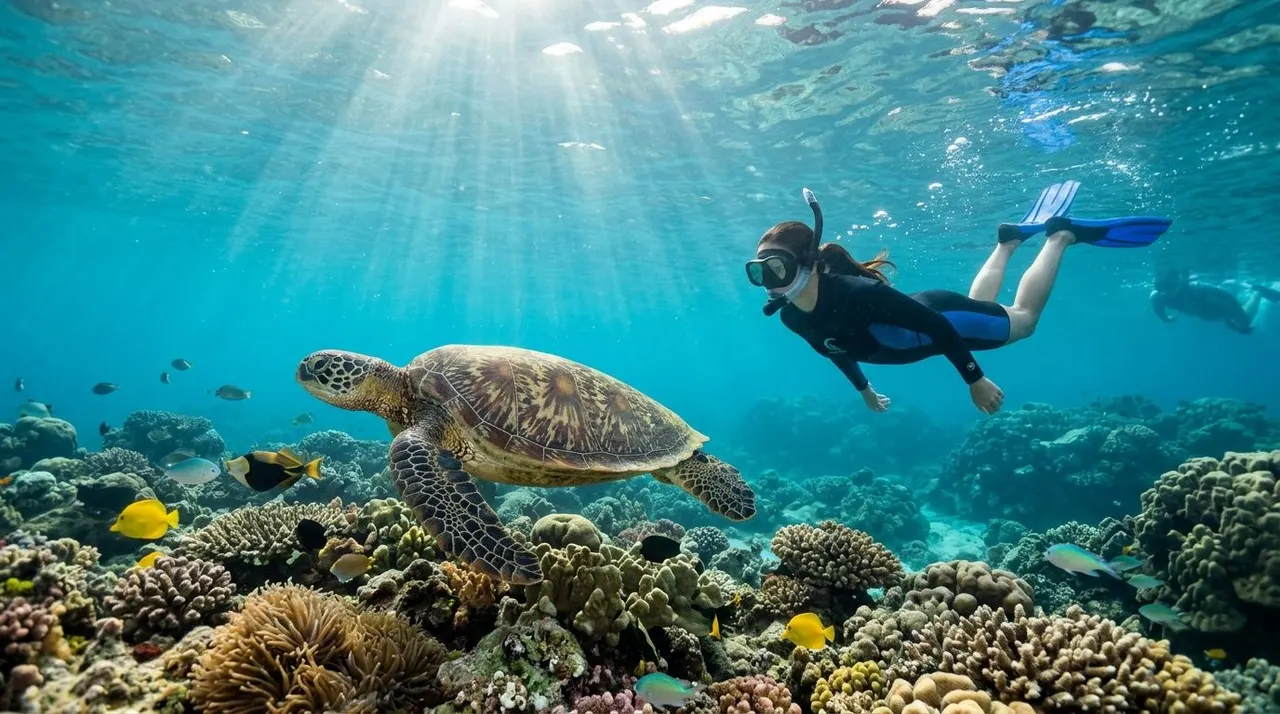
Per NOAA guidelines and Hawaiian law, you must maintain a distance of at least 10 feet from honu at all times. Turtles ascend to mid-water depths (5-20 ft) during cleaning, making them easily visible from the surface, so there is no need to dive down or get closer. Responsible viewing protects the animals and ensures the cleaning stations remain active for years to come, according to Dive Oahu’s Turtle Canyon guidance.
That rule solves two common problems at once. It protects the turtle, and it protects the quality of the encounter. When snorkelers crowd a turtle, the animal often changes course or leaves. Everyone gets a worse experience.
Stay on the surface, give the turtle space, and let the encounter happen at the animal’s pace.
Good turtle etiquette in the water
Responsible viewing at turtle canyon oahu is mostly about restraint. The reef rewards calm people far more than aggressive swimmers.
Keep these habits in mind:
- Don't swim at a turtle head-on. Give it a lane to move through the water naturally.
- Don't dive down for a closer look. Surface viewing is enough at this site.
- Never touch the turtle or the coral. Both need protection from human contact.
- Use reef-safe sunscreen. The reef is part of the experience, not just the background.
A respectful snorkeler usually gets better moments anyway. Turtles look most graceful when they aren’t reacting to people. If you hold position, float calmly, and keep your distance, the scene often unfolds on its own.
Your Packing Checklist for a Day at Turtle Canyon
Packing for Turtle Canyon is easy when you remember one thing: you’re going on a boat snorkel, not moving onto the boat for the day. Bring the basics, skip the clutter, and make it easy on yourself.
If you want a fuller pre-trip rundown, this Turtle Canyon packing list is useful.
Bring these items:
- Swimsuit worn under your clothes so check-in is simple
- Towel for the ride back
- Reef-safe sunscreen to protect your skin without adding unnecessary impact to the reef
- Sunglasses and a hat for the harbor and boat ride
- Change of clothes if you want to head straight to lunch or sightseeing afterward
- Reusable water bottle to stay comfortable in the sun
A few things you usually don’t need to overthink:
- Snorkel gear. Guided tours commonly provide the basics.
- Flotation devices. These are often available and worth using if anyone in your group is unsure in open water.
- Too many valuables. Leave extra electronics and bulky bags behind if you can.
What works best is packing light and arriving ready. Less fuss at the dock means a smoother start once it's time to head out.
For visitors who want a guided offshore turtle snorkel from Waikiki, Living Ocean Tours offers boat trips from Kewalo Basin with gear, instruction, and a safety-focused approach that fits beginners, families, and casual snorkelers well.


