
Honolulu Snorkeling Tour Guide for 2026
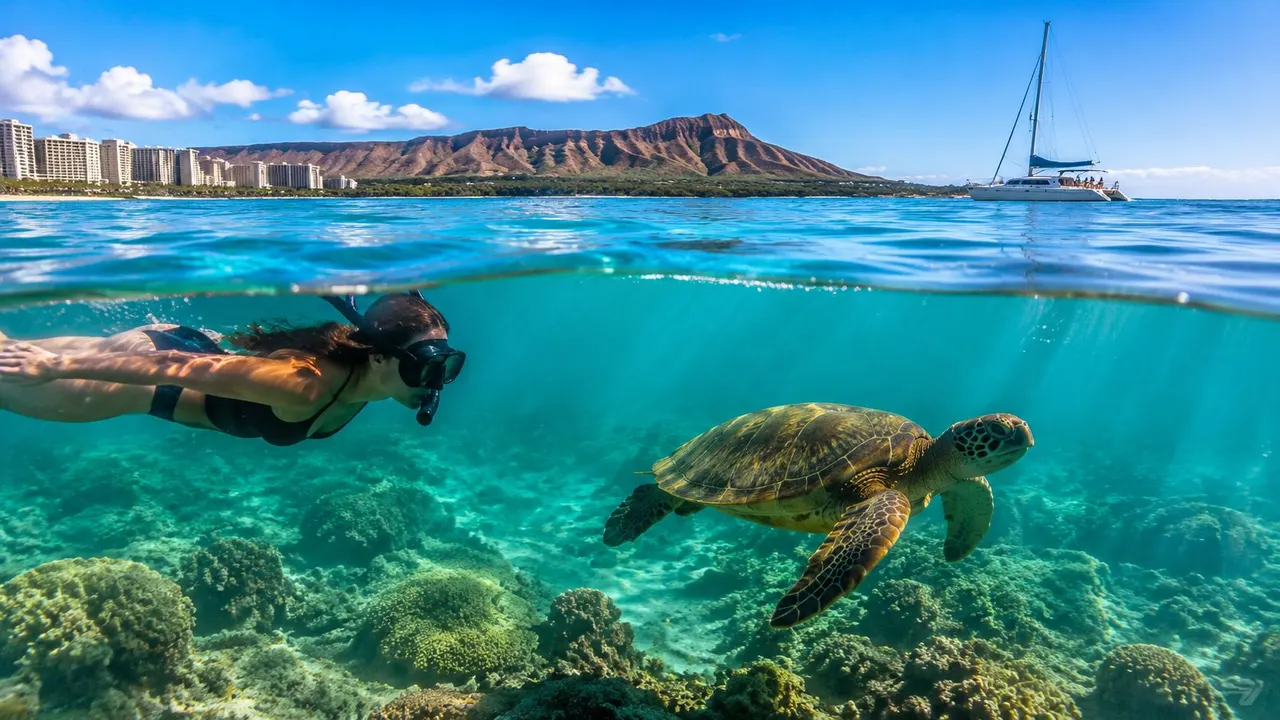
You're in Waikiki with a hotel balcony, a packed calendar, and one ocean activity you keep circling back to. A Honolulu snorkeling tour sounds perfect, until the questions show up: how much time is in the water, whether you should go early, what happens if the sea is choppy, and whether your kids or first-timer partner will feel comfortable once the boat leaves the harbor.
The easiest way to remove the guesswork is to treat the booking like a simple match-up. You're not just choosing a spot, you're choosing departure time, water time, wildlife focus, boat style, and how much structure you want from the crew. If you get those pieces right, the day feels calm and planned instead of rushed and uncertain.
Choosing the Right Honolulu Snorkeling Tour
A lot of visitors start with the same thought, “We want to snorkel in Honolulu, but we don't want to spend half the day figuring out how the boat works.” That's exactly where a guided tour helps. Instead of guessing the tide, the reef, and the route on your own, you're handing the logistics to a captain and crew who already know where the water is clearest and where beginners usually feel most at ease.
Start with the part that matters most
The first question isn't which tour looks fun. It's how much actual water time you want compared with briefing, transit, and waiting. Many Honolulu operators advertise short total trip lengths, and shoppers still get confused about what portion of the booking is really snorkeling versus setup and boat time. That detail matters most for families, cruise-day visitors, and anyone with a tight itinerary, because a trip that sounds quick on paper can feel very different once you count the non-swim time. For a practical overview of company options, see Living Ocean Tours' Honolulu snorkel company page.
Then look at the style of the boat. A smaller-group catamaran usually feels more intimate and easier to manage with children or first-time swimmers. A larger party boat can feel more social and may offer more onboard activity, but the trade-off is often less personal attention. Neither is automatically better, the right choice depends on whether your priority is quiet guidance or a livelier ride.
Practical rule: if snorkeling is the main reason you booked, choose the option that gives you the clearest breakdown of water time, route, and crew support, not the one with the flashiest extras.
Learn the names before you compare them
Beginners often see a few labels and assume they're all the same trip. They're not. Turtle Canyons is the Honolulu reef area known for Hawaiian green sea turtle activity, Kewalo Basin is the harbor departure point many Waikiki boats use, and a Deluxe Waikiki excursion usually means a broader cruise-plus-snorkel experience rather than a pure reef-only outing. Those phrases tell you more about the day than the marketing headline does.
The other decision is timing. Morning departures usually make the water feel calmer and clearer, while later starts can mean more trade-wind chop and less forgiving conditions for new snorkelers. If your group includes a nervous swimmer, that trade-off matters more than an onboard bonus like a bigger deck or louder music.
You can think of the main options as a simple set: turtle-focused reef trips, broader Waikiki wildlife cruises, sunset outings, whale-season trips, and private charters. Once you know which of those fits your group, the rest of the booking gets much easier.
What to Expect From Departure to Return
A first snorkel day feels less intimidating when you can picture the sequence. Most Honolulu boats start near Kewalo Basin Boat Harbor, where the crew checks you in, confirms the booking, and gets everyone moving toward the dock at the same pace. If you've never done a guided snorkel before, that front-end structure is a good thing, because it removes the awkward part where nobody knows who should be doing what.
The boarding and briefing phase
The crew usually begins with gear fitting, then a safety talk. That's where you'll hear how to enter the water, how to climb back aboard, what the hand signals mean, and how the crew wants guests to stay together. The briefing isn't filler, it's the part that makes the rest of the trip feel easy. First-timers do better when the captain explains the route, the conditions, and the expectations before anyone is standing at the rail in fins.
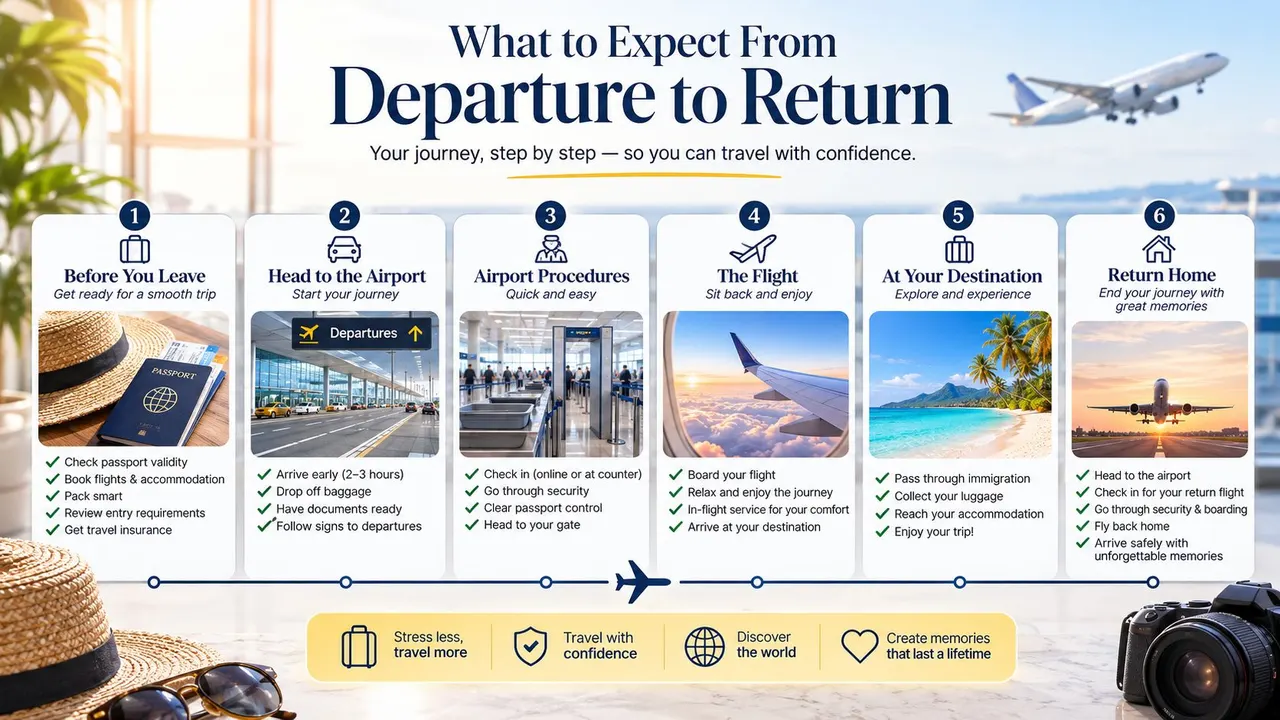
After that, the boat heads out to the reef, often to Turtle Canyons or a nearby patch reef, depending on the day's conditions. The captain's job is to choose the safest and most comfortable spot, not to stick rigidly to a script. That flexibility matters, because a good snorkel day depends on visibility, surface conditions, and how the current behaves once you're there.
What happens once you're in the water
For many guests, entry is the part that feels most intimidating. Some boats use a giant stride entry when the platform and conditions allow it, while others rely on a ladder or a more gradual slide-in. The crew will pair beginners with supervision, keep the group together, and rotate people through the best viewing area so nobody feels rushed. You usually get a mix of snorkeling, surface breaks, and a relaxed cruise back, which is enough structure to keep the day moving without making it feel crowded.
Good snorkel crews keep the rhythm simple, brief the group clearly, and let the ocean set the pace.
The water itself is usually shallower than first-timers expect, and that's one reason guided tours work so well in Honolulu. You're not trying to handle navigation, boat traffic, or reef selection on your own. You're just following instructions, staying relaxed, and watching for fish and turtles while the crew handles the rest.
For a visual on how a Waikiki boat outing is organized, the waikiki boat tour overview helps reinforce what the harbor-to-reef flow looks like in practice.
Finding the Best Time and Conditions
A tour can have an open seat and still be a poor fit for the day's water. On Oahu, conditions may shift between a calm early departure and a choppier late morning. Local guidance places the clearest window at about 7:00 to 10:00 a.m., before trade winds build surface chop and stir up sand. Dry-season months from roughly May through September generally offer more consistent visibility, with good shallow-water days around Waikiki reaching about 15 to 30 feet, while heavy rain can reduce clarity and raise water-quality concerns Snorkel Bob's Oahu snorkel conditions report.
Why mornings usually win
Early departures usually offer calmer water, stronger light for photos, and less boat traffic around the reef. For beginners, that difference feels practical rather than abstract. Smaller waves make it easier to breathe through the snorkel, keep track of the group, and look down without constantly correcting your position. The crew also has more room to choose a comfortable viewing area before afternoon wind increases.
A morning tour is not automatically the right choice for every itinerary. Compare the time you spend snorkeling with the total schedule, including transport, check-in, cruising, and breaks. A later departure may fit better if you have a full morning of activities, while an early trip gives water conditions a better chance of working in your favor.
Rain can change the decision quickly. Runoff from the Ala Wai Canal may increase turbidity and bacterial risk after heavy rain. A practical safety rule is to wait 72 hours after heavy rainfall before entering the water, and operators may adjust or cancel a trip when conditions deteriorate. For a second perspective on rescheduling after rain, review this Honolulu after-rain snorkel guide. Clear water affects more than photographs. It determines how comfortable the swim feels and whether the time on the boat delivers the experience you expected.
Seasons, wind, and the whale factor
Seasonal timing matters as well. Winter swells can make south-shore sites less predictable, while whale season adds a wildlife opportunity during the ride. Peak humpback activity is concentrated from January through March, and the broader season is commonly described as running from December through April or May, depending on the source and sanctuary definition Honolulu Travels' whale season guide. Whales do not replace snorkeling, but they can make the cruise more rewarding for guests who want marine life beyond the reef.
| Honolulu Snorkeling Conditions by Season and Time of Day | ||||
|---|---|---|---|---|
| Period | Typical Sea State | Visibility | Crowd Level | Wildlife Highlight |
| Early morning, dry-season day | Usually calmest before the wind builds | Often clearest in the morning window | Lower before the bigger tour rush | Better odds for relaxed turtle viewing |
| Midday in dry season | Can be workable, but surface chop often increases | Can stay decent, but less stable | Busier at popular departures | Reef fish remain active |
| Afternoon, windy day | More chop and less comfortable for beginners | More likely to soften as sand lifts | Often feels more crowded | Wildlife can still be present, but viewing is less predictable |
| After heavy rain | Conditions can degrade quickly | Often reduced by runoff and turbidity | Many operators may adjust or cancel | Best to wait before entering the water |
Exploring Honolulu's Top Tour Experiences
Honolulu offers a few very different ways to get on the water, and the right one depends on what you want to remember most afterward. Some guests want turtles first, some want coastline scenery, and some want a calmer sunset sail with a short snorkel stop. If you compare the formats, the best fit usually becomes obvious.
Turtle Canyons and reef-focused snorkeling
Turtle Canyons is the straightforward choice for guests who mainly want to snorkel with Hawaiian green sea turtles in a reef setting. A Honolulu snorkel listing for this area describes it as the world-famous turtle “car wash” and notes the departure point is Kewalo Basin Boat Harbor Pure Aloha Adventures' Turtle Canyons listing. That makes it a strong choice for first-timers and families who want a clear, guided wildlife goal instead of an open-ended cruise.
A nearby reference point is Living Ocean Tours' Turtle Canyons snorkel excursion, which is built around the reef and turtle-viewing experience. There's also a solid alternative if you're comparing operators side by side, Snorkel Turtle Canyon, which can be useful when dates or pacing differ.
Deluxe Waikiki and broader sightseeing
A Deluxe Waikiki outing usually suits travelers who want more than one thing from the same morning. You still get reef time, but the emphasis expands to include sailing, coastline views, and a looser family-friendly pace. That format works well when some people in the group care more about the boat ride than diving straight into the water.
Sunset, whales, and private time
Sunset cruises change the mood completely. You give up the brightest daytime visibility, but you gain golden-hour light, a quieter atmosphere, and a trip that feels better suited to couples or celebrations. Whale-season departures, on the other hand, are built around the seasonal humpback window and usually keep the swim portion shorter. Private charters are the most flexible of all, because the route, timing, and guest list can be customized to the group's needs.
| Honolulu snorkeling tour formats compared | ||||
|---|---|---|---|---|
| Tour Type | Best For | Typical Pace | Key Inclusions | Ideal Occasion |
| Turtle Canyons | First-timers, families, turtle watchers | Focused reef time with clear guidance | Snorkel gear, crew instruction, reef stop | A simple wildlife-centered morning |
| Deluxe Waikiki | Mixed-age groups, casual swimmers | Leisurely with more sightseeing | Snorkel stop plus onboard fun and cruising | Families who want variety |
| Sunset cruise with snorkel elements | Couples, celebrations, flexible daytime schedules | Relaxed and scenic | Golden-hour sailing and light wildlife viewing | Anniversaries and low-pressure outings |
| Whale-season outing | Seasonal marine-life viewers | Wildlife-focused with shorter swim emphasis | Seasonal marine-life viewing and boat time | Winter and spring ocean trips |
| Private charter | Families, reunions, photographers | Customized to the group | Flexible route and pacing | Special events and small groups |
If you're looking at the broader snorkel lineup, the Turtle Canyons tour page is a practical place to compare the reef-centered format with the others.
Preparing Families and Beginner Snorkelers
A nervous first-timer doesn't need a complicated packing list. They need a few comfort items, the right expectations, and a crew that explains things clearly before the boat leaves the harbor. If you handle those basics well, the day feels manageable even for guests who haven't snorkeled before.
What to wear and what to bring
The easiest outfit is a swimsuit under a rash guard or light cover-up. Add reef-safe sunscreen, water shoes, a towel, and a dry change of clothes for after the trip. If you know the boat ride can bother you, bring a motion-sickness remedy that works for you, because the water can be calm and the ride still might not suit everyone's stomach.
Reputable tours usually provide the core gear, including the mask, snorkel, fins, and flotation support. That matters more than extra onboard perks, because a mask that fits well and flotation that feels secure can completely change a beginner's confidence. If something feels off, say so early, crew members can usually help adjust it before you're in the water.
What families should ask before booking
Parents should confirm how the crew handles children near the swim platform and what the operator expects from young swimmers. Some tours offer float belts, noodles, or direct in-water supervision for beginners, but it's still smart to verify age and comfort requirements ahead of time. A child who can stay calm in the water usually has a much better first experience than a child who feels pushed in too quickly.
Simple safety rule: anyone who feels unsure can stay aboard, watch, and join later if conditions improve.
That point matters because a good family tour doesn't force participation. It gives people room to decide how much water they want, which is especially useful on a day when a child gets tired or an adult decides the swell feels worse than expected.
Living Ocean Tours also provides general snorkel options in Waikiki and Honolulu, including its Oahu snorkeling tour page, which is helpful when you're comparing boat style, family comfort, and the type of reef time you want.
Protecting Turtles and the Reef
A lot of people think good wildlife viewing means getting as close as possible. Around Honolulu reefs, that instinct usually makes the experience worse. Hawaiian green sea turtles are federally protected, and the most rewarding encounters happen when you give them room to move, clean, and feed without interruption.
Why distance improves the sighting
Local turtle guidance says Hawaiian green sea turtles, or honu, are the most likely turtles to be encountered around Oahu reefs, and NOAA guidance cited there says to stay at least 10 feet away from sea turtles both on land and in the water Living Ocean Tours' turtle guidance article. That distance keeps the animals calm enough to stay in natural behavior instead of fleeing. It also gives you a better chance of watching them behave normally instead of only seeing the back of a shell as they swim away.
Hawaiian cleaning stations work the same way. Research on cleaning symbioses around Hawaii shows that green turtles return to reef cleaning sites where small reef fish remove algae, parasites, and dead tissue, which is why these locations support repeatable turtle aggregation behavior Catellacci, Wooddell, and Rice 2006. If you chase or crowd that space, you interrupt the very pattern that brought the turtles there in the first place.
Reef etiquette that keeps the day better for everyone
Crew briefings should cover the basics before entry, stay off the coral, keep fins clear of the bottom, and avoid blocking a turtle's exit path. Those behaviors aren't just about ethics, they protect visibility and fish activity for the next group too. The same can be said for sunscreen choices, since reef-safe habits are part of keeping the reef usable over time.
This is one of those rare travel situations where being more careful gives you a better trip. Quiet guests see more. The reef stays healthier. And the turtles keep using the cleaning station the way they normally would.
Booking With Confidence
The best booking choice isn't always the cheapest fare or the flashiest photo. It's the one that tells you clearly what you're buying. When people compare Honolulu snorkel tours carefully, they avoid the frustration of discovering too late that the day is shorter, busier, or less flexible than expected.
The details that deserve a close look
Start with total duration and the operator's estimate of water time, then check the departure point, boarding time, and whether the trip is built around a small group or a larger crowd. After that, look for the practical inclusions, such as food, drinks, towels, masks, fins, and flotation devices. A clear listing saves you from bringing more than you need, or less than you want.
Cancellation and weather policies matter just as much. If the sea gets rough or visibility turns poor, you want to know whether the operator offers a refund, credit, or rebooking option. That detail is especially important in Honolulu, where conditions can change fast and the best-looking morning can still turn into a no-go by midday.
Read reviews for the right clues
Recent customer comments are useful, but only if you focus on the right parts. Look for notes about guide communication, equipment fit, wildlife respect, and whether the trip stayed on schedule. Those details tell you more about the actual experience than a generic star rating does.
Booking tip: ask how the tour divides time between briefing, transit, snorkeling, and breaks if that information isn't obvious on the page.
That question is especially helpful for Turtle Canyons and similar reef trips, because the booking can look short until you learn how much of it is water time versus setup. A company that explains the split clearly is usually easier to trust with your day.
Living Ocean Tours supports that kind of decision-making with clear trip information, customer reviews, and a direct booking path for comparing excursions. If you want the Honolulu snorkeling option with a predictable rhythm, the DELUXE WAIKIKI SNORKELING AND WILDLIFE CRUISE is worth checking for dates and availability.
Matching the Tour to Your Oahu Vacation
The easiest way to decide is to match the tour to the kind of day you want to have. If you want a reliable wildlife outing, a turtle-centered reef trip is usually the cleanest fit. If you want a broader ride with more scenery and less pressure, a cruise-style option can be a better match.
Pick the pace that fits your group
Turtle Canyons works well for visitors who want a guided ocean outing with a strong chance of seeing Hawaiian green sea turtles. Deluxe Waikiki suits travelers who want snorkeling plus a more relaxed sightseeing feel. A sunset cruise makes sense for couples or anyone whose daylight hours are already full, as long as they're looking for atmosphere more than peak snorkel clarity.
Whale-season trips are a different category. They're best for visitors who care most about seasonal marine wildlife and don't mind a shorter swim stop. Private charters are the strongest choice when flexibility matters, such as for family reunions, anniversaries, or travelers who need a slower pace and more personal space.
Use one question to make the call
Before you book, ask yourself what you would be disappointed to miss. If the answer is turtles, choose a reef-focused trip. If it's scenery, go broader. If it's romance, pick a sunset outing. If it's control over timing and group mix, a private charter is the better fit.
| Honolulu Ocean Tour Match Guide | |||
|---|---|---|---|
| Tour Style | Best For | Pace and Focus | Ideal Occasion |
| Turtle Canyons snorkel | Wildlife-first visitors, beginners | Guided reef time with turtle viewing | A focused ocean morning |
| Deluxe Waikiki option | Families, mixed-interest groups | Snorkel plus sightseeing | A flexible vacation day |
| Sunset cruise | Couples, celebrations | Relaxed, scenic, low-pressure | Evening plans with a view |
| Whale-season outing | Seasonal wildlife watchers | Marine-life focused, shorter swim emphasis | Winter or spring trips |
| Private charter | Families, reunions, special groups | Custom pacing and route | Personalized vacation days |
Living Ocean Tours offers several ways to fit those priorities, including snorkeling excursions, sunset cruises, seasonal whale experiences, and private charters. If you're ready to compare what fits your dates, head to Living Ocean Tours and choose the Honolulu boat day that matches your pace, your group, and the amount of time you really want in the water.


