
Snorkeling Oahu After Rain: When Should You Go Back In?
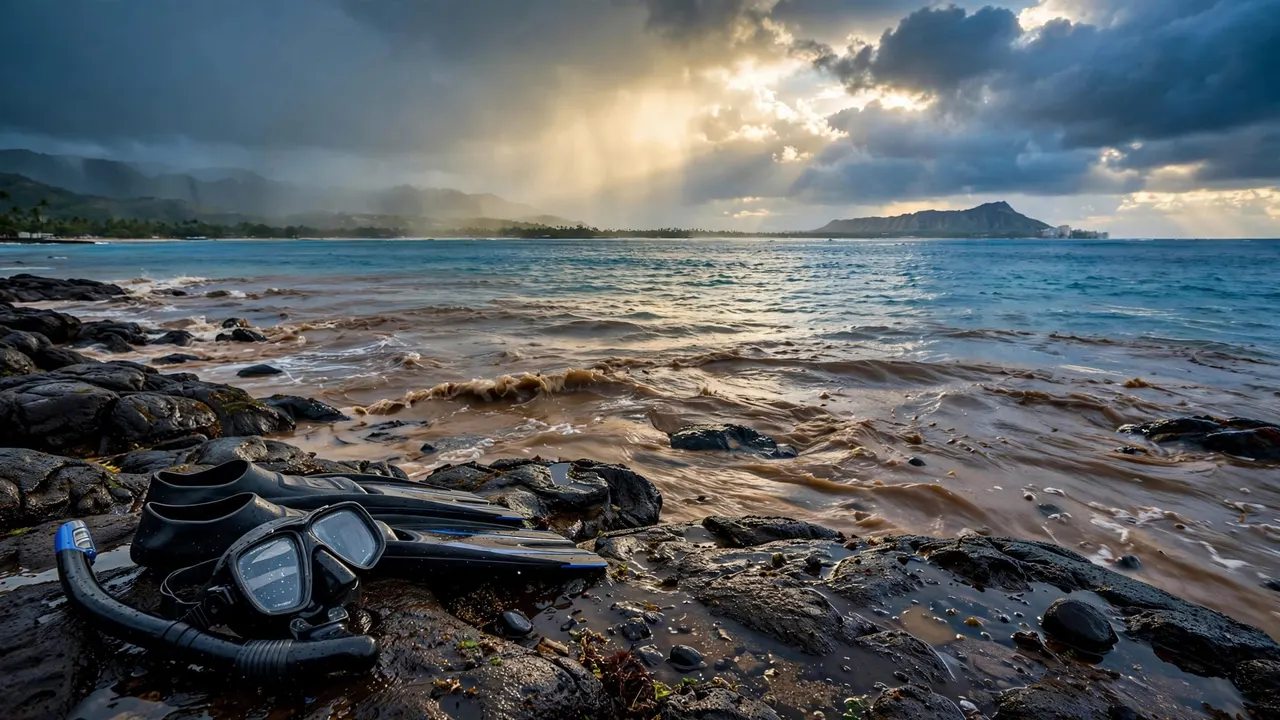
Heavy rain can turn a bright Waikiki morning into a poor snorkeling day faster than most visitors expect. Clear skies after a storm don’t always mean clear or clean ocean water.
For snorkeling Oahu after rain, plan to wait at least 48 to 72 hours after the last heavy rainfall. Then check the water itself, current advisories, and surf conditions before you pack your mask.
Living Ocean Tours operates from Kewalo Basin Boat Harbor near Waikiki, with ocean experiences for first-time snorkelers, families, and confident swimmers. It is also the only tour company with professional snorkel guides, so you get real in-water support when conditions are right.
Snorkeling Oahu After Rain: Start With 48 to 72 Hours
A heavy downpour sends rainwater through streets, streams, storm drains, and harbors before it reaches the ocean. That runoff can carry soil, trash, bacteria, animal waste, oil, and other pollutants into nearshore water.
A 48 to 72-hour wait after the rain ends is a sensible starting point. However, it is not a countdown that makes every beach safe on schedule. If the water still looks brown, milky, cloudy, or streaked with runoff, keep waiting.
Why the final rainfall matters
Use the time of the last substantial rain, not the first shower of a multi-day weather system. An overnight downpour after a sunny afternoon resets the clock because fresh runoff has entered the coast.
Brief, isolated rain doesn’t always call for a three-day delay. Still, O’ahu’s rain can be highly localized. A dry hotel balcony in Waikiki does not mean the valleys, streams, and drainage channels stayed dry.
Brown water is your stop sign
The Hawai’i Department of Health explains that a Brown Water Advisory applies when water is brown, turbid, or cloudy and may contain land-based pollution. Treat visible discoloration as a reason to stay out, advisory or not.
Clear blue water offshore does not make brown water near a beach entry safe. You still have to pass through the runoff zone.
Rain Changes More Than Snorkel Visibility
Poor visibility is frustrating, but it is not the only concern after a storm. Rain affects both what you can see below the surface and how the water moves around you.
Runoff can hide hazards below the surface
Sediment turns a familiar reef into a blurry field of gray. You may lose sight of your buddy, misjudge depth, or bump coral because you cannot see your path.
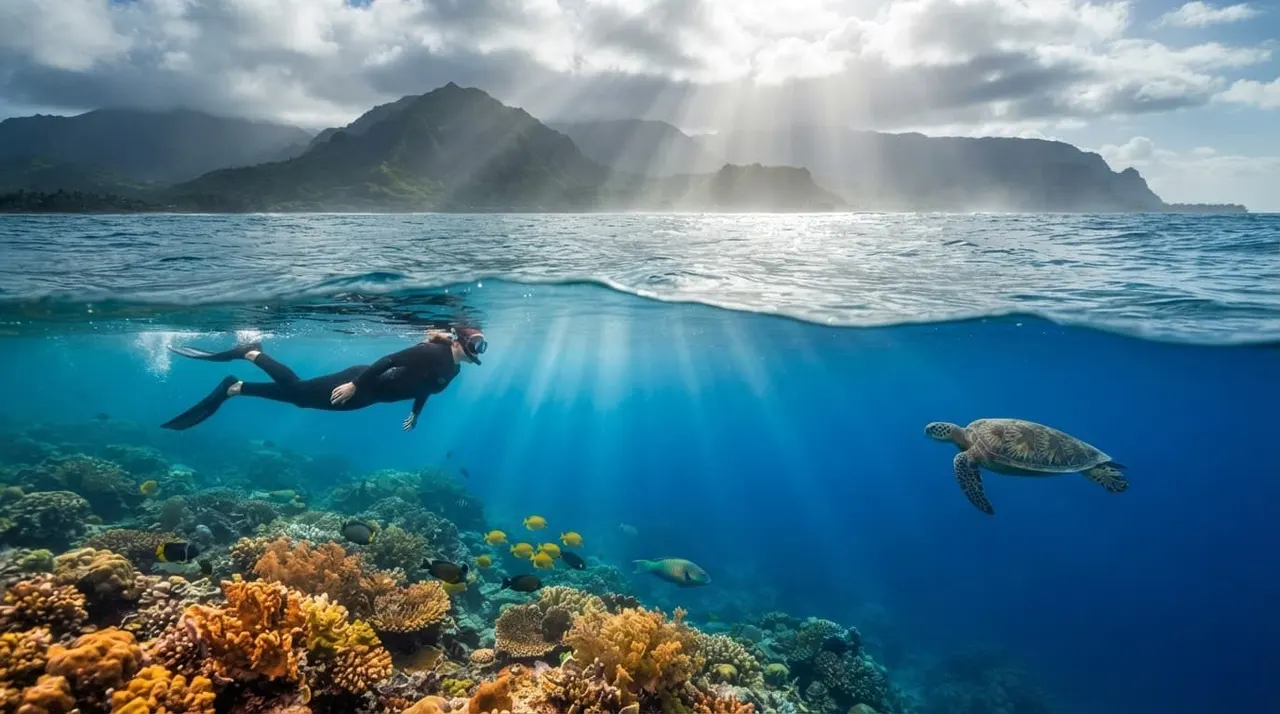
Murky water can also conceal rocks, floating debris, jellyfish, and fishing line. At Turtle Canyon, the lack of visibility takes away much of the experience. Hawaiian green sea turtles and reef fish should always be observed at a respectful distance, never chased or touched.
Ocean conditions may stay rough after the clouds leave
Wind, swell, and shifting currents can linger long after rainfall stops. A shoreline that looks calm from the sand may have a strong pull beyond the break or surging water against the reef.
For that reason, don’t judge a snorkel site by sunshine alone. The City and County of Honolulu has urged visitors to stay out of the ocean after severe storm conditions, especially when brown-water warnings are active.
Check These Conditions Before You Leave Your Hotel
A better snorkeling decision takes two minutes. Check official updates, look at the shoreline, and be willing to change your plan.
Review advisories and local forecasts
Start with the Hawai’i Department of Health beach monitoring updates. Brown Water Advisories can cover an entire island or only certain areas. They are conditions-based, so a lifted advisory does not override what you see at the beach.
Next, check the marine forecast and local lifeguard conditions. Strong surf, high winds, or flash-flood warnings can make beach access unsafe even before you reach the water.
A practical decision guide looks like this:
| What you find | Best choice |
|---|---|
| Heavy rain ended less than 48 hours ago | Postpone snorkeling |
| Water is brown, cloudy, or has runoff streaks | Stay out of the ocean |
| A Brown Water Advisory is active | Choose a land activity |
| Water is clear, surf is manageable, and no warnings are active | Ask a qualified local crew about conditions |
| Rain was brief and localized | Check the specific beach and ocean forecast |
The safest call comes from the full picture, not a single weather app icon.
Look for runoff at the shoreline
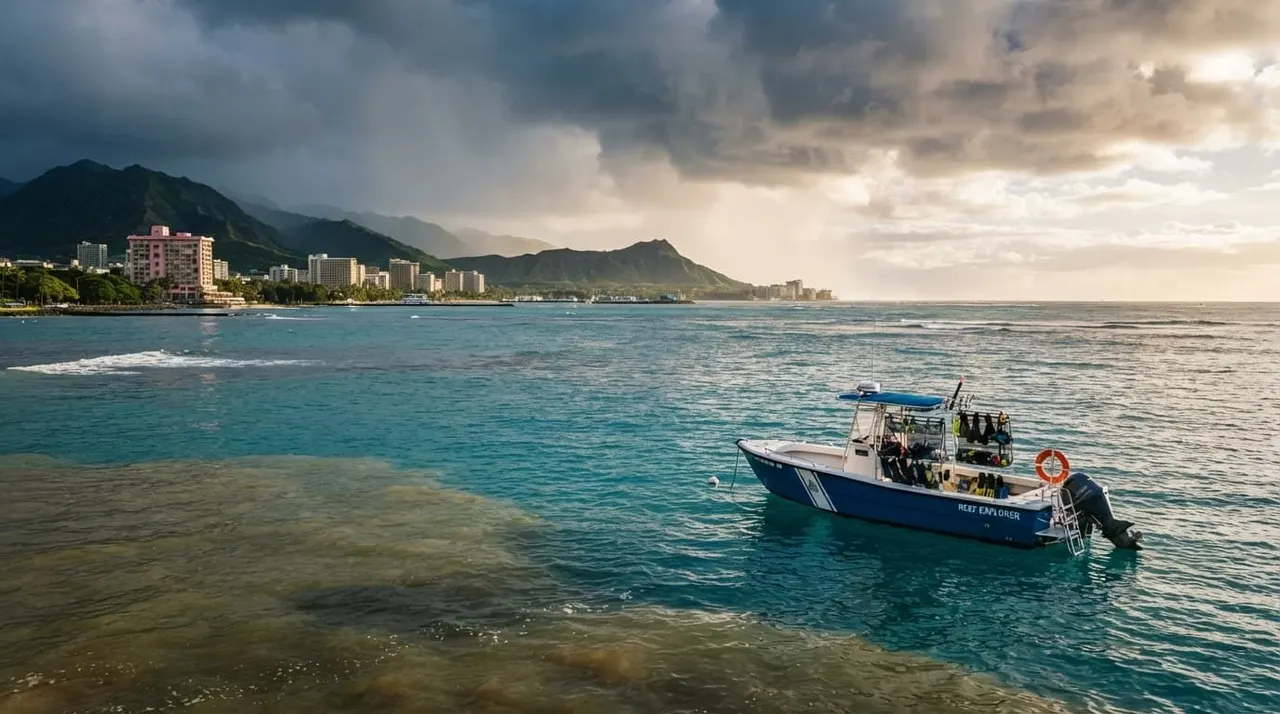
Before you set up your gear, scan for brown plumes, floating debris, foam with an unusual color, or water flowing from drains and stream mouths. Avoid harbors and channels where runoff collects.
You should also trust your senses. If the water has an unpleasant odor, visibility is poor, or you feel uncertain about the entry, skip it. O’ahu has plenty to enjoy on shore while the coast clears.
Waikiki, Turtle Canyon, and Kewalo Basin Need Extra Care
Waikiki is convenient, but it is also a dense urban shoreline. After a major rain, runoff from streets and drainage systems can affect water quality near the beach and offshore reefs.
Turtle Canyon can feel rain effects offshore
Turtle Canyon sits off Waikiki and is known for its turtle cleaning station. Yet it is not separate from Waikiki’s weather and runoff conditions. If the coast looks brown or an advisory remains in place, postpone a boat snorkel too.
When conditions are clear, the Turtle Canyon snorkeling tours with Living Ocean Tours include snorkel gear, instruction, and professional guides in the water. You can focus on relaxed breathing and responsible wildlife viewing instead of trying to manage a new environment alone.
For a future clear-water day, you can CHECK AVAILABILITY for a Turtle Canyon outing.
Don’t use Kewalo Basin as a post-rain swim spot
Kewalo Basin is a working harbor and departure point, not a place to jump in after rain. Stormwater outlets and harbor circulation make post-rain water especially unsuitable for casual swimming or snorkeling.
A boat crew also has a wider view of wind, current, offshore visibility, and surf. Still, no responsible operator should promise a water entry when conditions do not support it. A reschedule protects your health and gives you a much better chance of seeing the reef clearly.
If Your Snorkel Trip Is Canceled, Keep the Day Open
A weather cancellation can feel disappointing, especially when you only have a few days on O’ahu. Forcing a snorkel session through bad conditions is never worth the risk.
Choose dry-land Waikiki while the water clears
Use the wait to visit the Honolulu Museum of Art, walk through Kaka’ako, browse local shops, or enjoy a long meal near the beach. If the rain has eased, the views from Diamond Head and the east side of the island can be especially dramatic.
Keep an eye on the forecast rather than booking another water activity immediately. Conditions can improve quickly, but rain bands may also return later in the day.
Ask about a later departure or another day
Flexibility gives you the best chance of a memorable wildlife encounter. When you book ocean time early in your stay, you leave room to reschedule if rain changes the plan.
Living Ocean Tours offers Waikiki snorkeling and wildlife cruises on Coast Guard-inspected double-decker vessels with shaded seating, restrooms, dry storage, and sturdy ladders. On suitable days, the Coral Kai and Lokahi make it easier for beginners and families to enjoy the water comfortably.
What to Do If You Already Entered Murky Water
If you accidentally snorkeled in brown or runoff-affected water, rinse off as soon as possible. Wash your skin with soap and fresh water, especially around cuts, scrapes, or irritated areas.
Watch wounds and symptoms closely
Clean and cover any open wound. If you develop a rash, redness, swelling, fever, stomach illness, or worsening pain after exposure, contact a health professional.
Avoid returning to the water until the area heals. Contaminated runoff can raise the chance of skin and wound infections, so a small reef scrape deserves more attention after heavy rain.
Protect the reef when conditions improve
When the water clears, enter slowly and keep your fins away from coral. Give turtles room to surface and move freely. Healthy reefs support the marine life you came to see, and careful snorkeling helps protect them for your next visit.
Wait for Clear Water, Then Enjoy O’ahu’s Reef
The best answer to snorkeling Oahu after rain is usually simple: wait 48 to 72 hours after heavy rainfall, then let water color, surf, runoff, and active advisories make the final call.
A missed snorkel session is temporary. Clear water and safe conditions give you a far better chance to see turtles, coral, and tropical fish without putting your health or O’ahu’s reefs at risk.


