
Snorkeling Oahu: A Simple Pre-Swim Mask Defog Routine
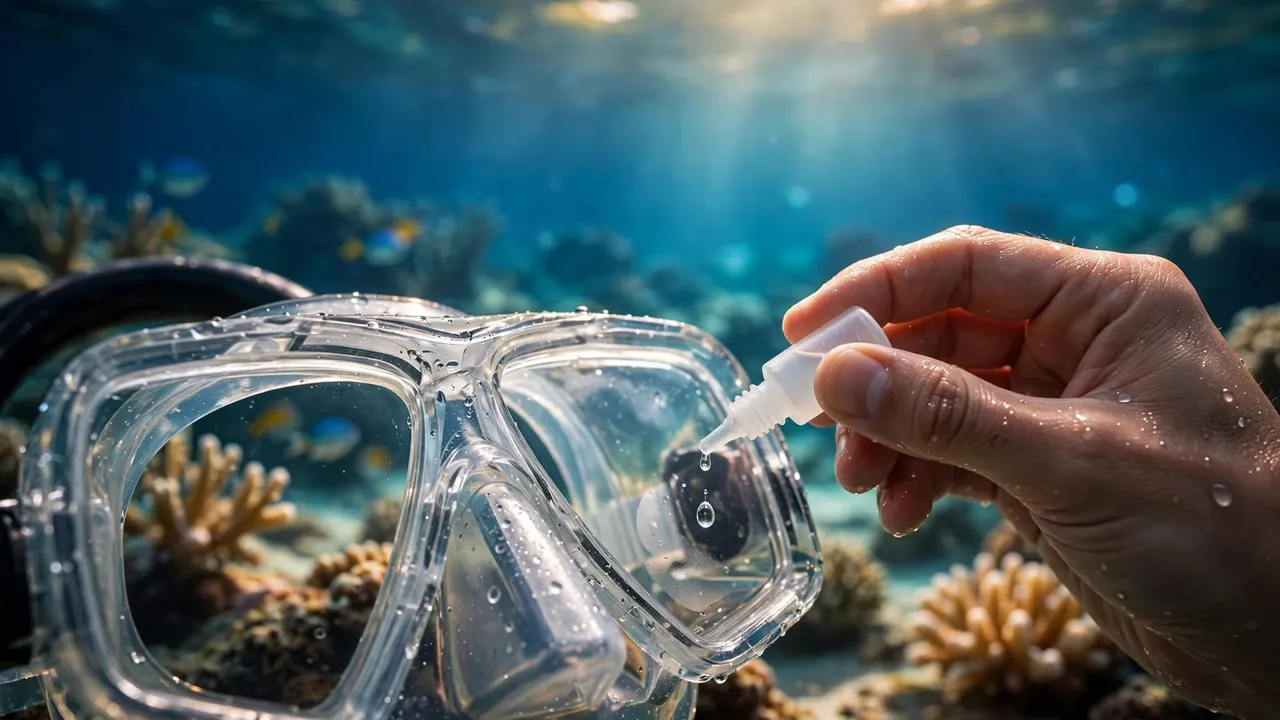
When you’re snorkeling Oahu’s reefs, a cloudy mask can hide the fish or turtle you came to see. Living Ocean Tours departs near Waikiki and brings professional snorkel guides into the water, but your clear view starts with a few minutes of mask care before you swim.
Fog can come back even after you rinse a mask. Clean lenses, the right defog treatment, and a comfortable fit give you a better chance of enjoying the reef without constant stops. Start by understanding what’s making the lens cloudy.
Why snorkeling Oahu’s reefs can fog your mask
Fog is moisture collecting as tiny droplets on the inside of your lens. Warm, humid air from your face meets a cooler lens, and those droplets scatter light. The result can look like cloudy water, even when the reef itself is clear.
Skin oils, sunscreen, and residue on the lens can also interfere with an even defog coating. That’s why a quick splash of water often doesn’t solve a mask that fogs repeatedly. You need to start with a clean lens and keep the treated inside surface as undisturbed as possible.
Fog and leaks are different problems. Fog looks like a film across the lens. A leak brings water into the mask, often around your cheeks or temples. When both happen together, fix the seal as well as the lens. Otherwise, repeated clearing can wash away the treatment you applied.
You can’t control the water temperature or guarantee a fog-free swim. You can control the condition of your mask before you enter.
Check whether your mask needs cleaning or new-mask preparation
A familiar mask and a brand-new mask may need different attention. Treat the manufacturer’s care instructions as your starting point, especially if the lenses have a coating.
Clean a mask you’ve used before
Wash away visible sunscreen, salt, and oils according to your mask maker’s directions. Pay attention to the inside of the lenses, then rinse away any cleaning product. Clean hands matter too: touching a freshly cleaned lens with sunscreen-covered fingers puts residue right back on it.
If you’re using provided gear, ask the crew how they want you to clean and treat it. Skip improvised scrubbing on a rental mask. A quick check with the person responsible for the gear is easier than discovering damage after your swim.
Handle a brand-new mask with care
Some new masks have manufacturing residue that can make ordinary defog treatment less effective. ScubaGuru’s new-mask pretreatment guidance discusses removing that film, but its method isn’t suitable for every lens or coating.
Before using toothpaste, abrasive cleaners, or heat, check your specific mask’s instructions. If the maker recommends a dedicated preparation method, do it well before your reef outing. That leaves you time to test the mask rather than experimenting on the boat.
A mask that keeps fogging after defog treatment may need proper cleaning, but aggressive treatment can damage the wrong lens. Check the maker’s instructions before you scrub.
Follow a simple pre-swim defog routine
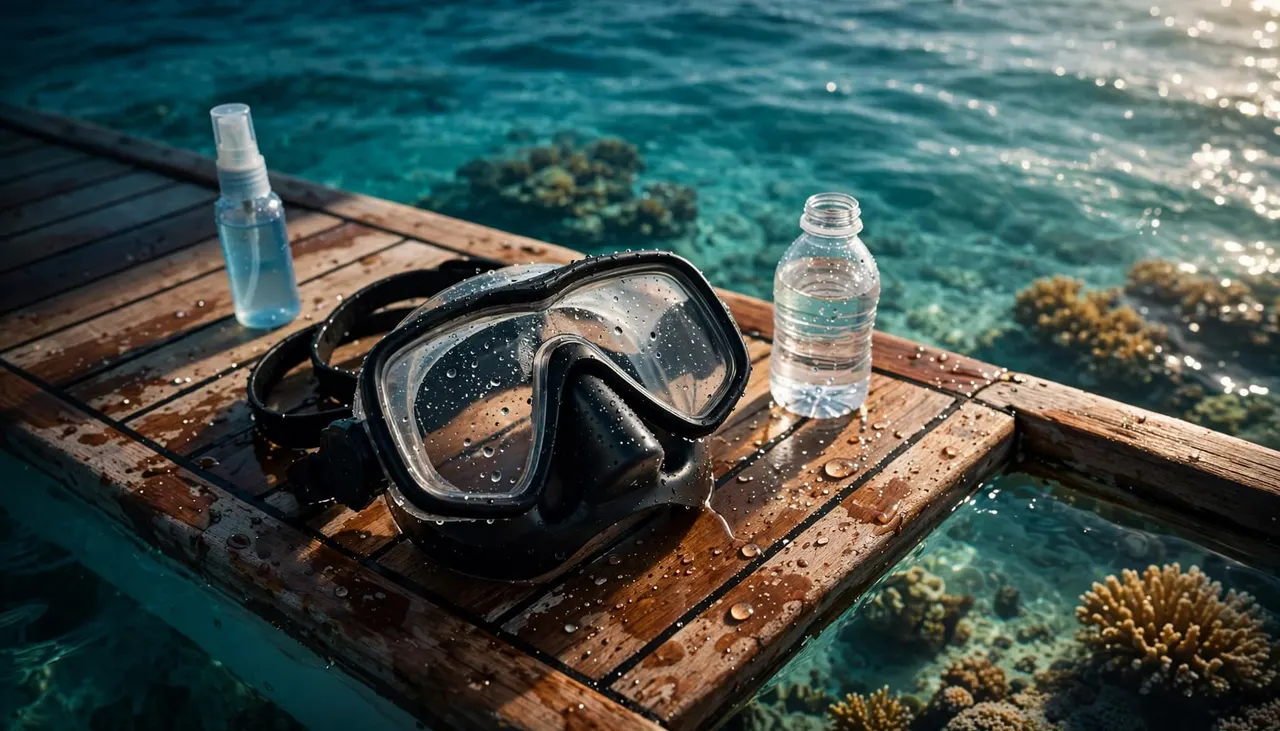
Do this while you’re still on the boat or dry ground. Rushing through defog treatment at the swim step makes it easier to miss a lens or smear sunscreen across it.
Apply treatment to clean inner lenses
With clean hands, apply a small amount of defog product made for snorkel or dive masks to the inside of each lens. Spread it across the viewing area as its label directs. Check that you’ve reached the edges you look through, not only the center.
Use a product suited to your mask. Some treatments come as gels, others as sprays, and their directions can differ. More product isn’t automatically better; excess treatment may leave streaks that are nearly as distracting as fog.
Rinse as directed, then leave the lenses alone
Follow the product’s instructions for rinsing. If it calls for a light rinse, avoid washing away the whole treatment with repeated swishes. Then keep fingers off the inner lenses as you put the mask on.
You can cool your face with water before fitting the mask if that feels comfortable. Dry or clear the skin where the silicone skirt will sit, and keep hair out of the seal. Once the mask is in place, try to leave it there until you’re ready to swim.
For snorkeling Oahu’s reefs, make this routine part of your gear check, not a last-second fix after everyone else enters.
Make sure your mask fits before you enter
Defog won’t help much if water keeps seeping past the skirt. A mask should feel secure without pressing painfully into your face, and a tighter strap rarely repairs a poor seal.
Test the seal while your face is dry
Hold the mask gently against clean, dry skin without pulling the strap over your head. Breathe in lightly through your nose. A mask that fits should stay in place briefly with gentle suction.
Look for hair crossing the silicone skirt or a gap beside your nose or temples. If the mask pinches or slips, try another size. Small faces, including those of some children and adults, may need a different mask rather than more strap tension.
Set the strap and check your comfort
Place the strap flat and high across the broad part of the back of your head. Make sure it isn’t twisted or caught in your hair. The skirt should rest evenly against your face without folding inward.
Then take a few calm breaths through the snorkel before entering. Ask for flotation support if it would help you relax. When you’re snorkeling Oahu for the first time, sorting out fit and breathing on the boat gives you less to manage in the water.
If your mask fogs during the swim, pause safely
Don’t keep swimming forward while you struggle to see. Stop, let your buddy or guide know, and stay where you can identify the boat or your return route. If you’re near a boat, move back toward its swim area before working on your gear.
A little water inside the mask may let you swish the lens and clear the view temporarily. If you aren’t comfortable clearing a mask in the water, return to the boat or stand only where it’s safe to do so. Never use coral as a handhold or footing.
Once you’re stable, work out whether you’re seeing condensation or a leak. Check for trapped hair and a folded skirt if water entered. If fog returns despite a sound seal, you may need to clean and reapply treatment on the boat. Repeatedly lifting the mask offshore can introduce more water and make the problem harder to sort out.
A clear mask also helps you judge where you are. Take the time to restore your view before continuing across a reef.
Keep your view clear and your reef visit respectful
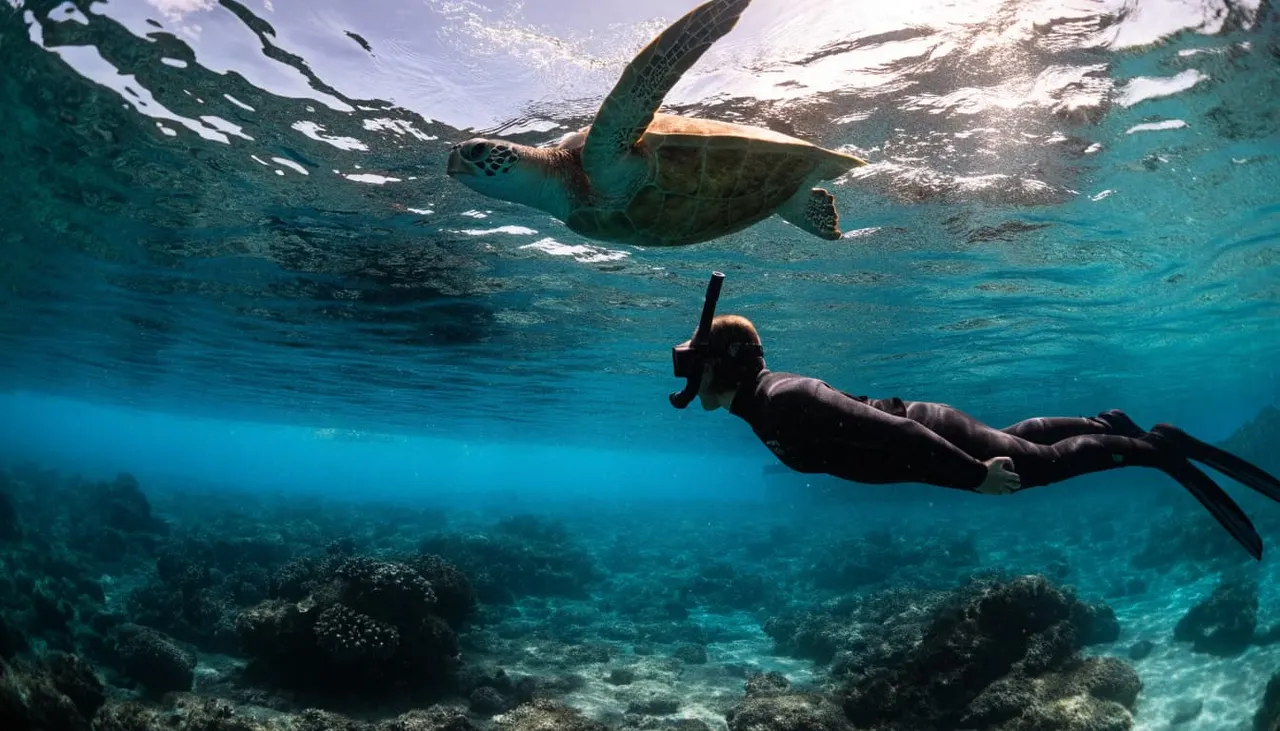
A treated mask improves your view through the lens. It can’t clear murky water or flatten surface chop. Make those distinctions before you decide how far to swim.
Read the water, not just the forecast
Wind, swell, rain, and current can change a snorkeling spot. If you can’t see the reef clearly through an unfogged mask, the water itself may have poor visibility. Stay close to your entry point, follow your crew’s directions, or save the swim for better conditions.
When snorkeling Oahu from shore, go with a buddy and choose a site that matches your swimming ability. Identify a safe exit before entering. Offshore, ask your crew where you may swim and which ladder to use when you return.
Give turtles and coral room
Turtle Canyons near Waikiki is known for its turtle-cleaning station, but a wildlife sighting is never guaranteed. If you see a Hawaiian green sea turtle, watch without chasing, touching, or blocking its path to the surface.
NOAA Fisheries’ Hawaiʻi wildlife-viewing guidance explains how to give marine animals space. NOAA also notes in its marine wildlife viewing guidelines that sea turtles are protected under state and federal laws. Keep your fins above coral, and move into open water if you need to adjust your mask.
Get help with your gear before a guided snorkel
A pre-swim routine is easier when you can ask someone to check your fit. Living Ocean Tours offers guided Oahu ocean tours from Kewalo Basin Boat Harbor near Waikiki, with gear and knowledgeable guides for its snorkel outings.
Speak up before you reach the swim step
Living Ocean Tours describes itself as the only Oahu tour company with professional snorkel guides in the water with you. That support is useful if you’re unsure about your mask seal, want flotation, or need help settling into your breathing.
Tell the crew if your mask has been fogging, especially if you’ve brought a new one. You can also ask how to treat the gear they provide. A two-minute adjustment while you’re dry beats repeated interruptions after you’ve reached the reef.
Start close, then enjoy the reef
Take your time entering and float near the boat until your breathing feels steady. Look down, check your view, and notice whether water enters around the skirt. If something feels wrong, signal a guide early.
Once your gear feels comfortable, snorkeling Oahu becomes less about managing your mask and more about watching what the reef is doing. You can compare Living Ocean Tours’ outings and choose a guided swim that suits your group.
Key Takeaways for a Clearer Swim
- Clean the inner lenses and your hands before applying a mask-safe defog product.
- Follow the treatment’s rinse directions, then avoid touching the inside of the mask.
- Check new-mask care instructions before trying abrasive or heat-based preparation.
- Test the seal on dry skin. Move hair away from the skirt instead of overtightening the strap.
- If fog or a leak interrupts your swim, pause near support and fix it before moving on.
A Clearer Start to Your Oahu Snorkel
The reef can be full of life even when your mask makes it look like a blur. A clean lens, carefully applied defog treatment, and a comfortable seal give you the best start.
Take a moment to check your gear before entering. Clear, comfortable vision leaves you free to watch the water around you and give its wildlife the space it needs.


