
Coast Guard inspection for Waikiki Boat Tour Guests
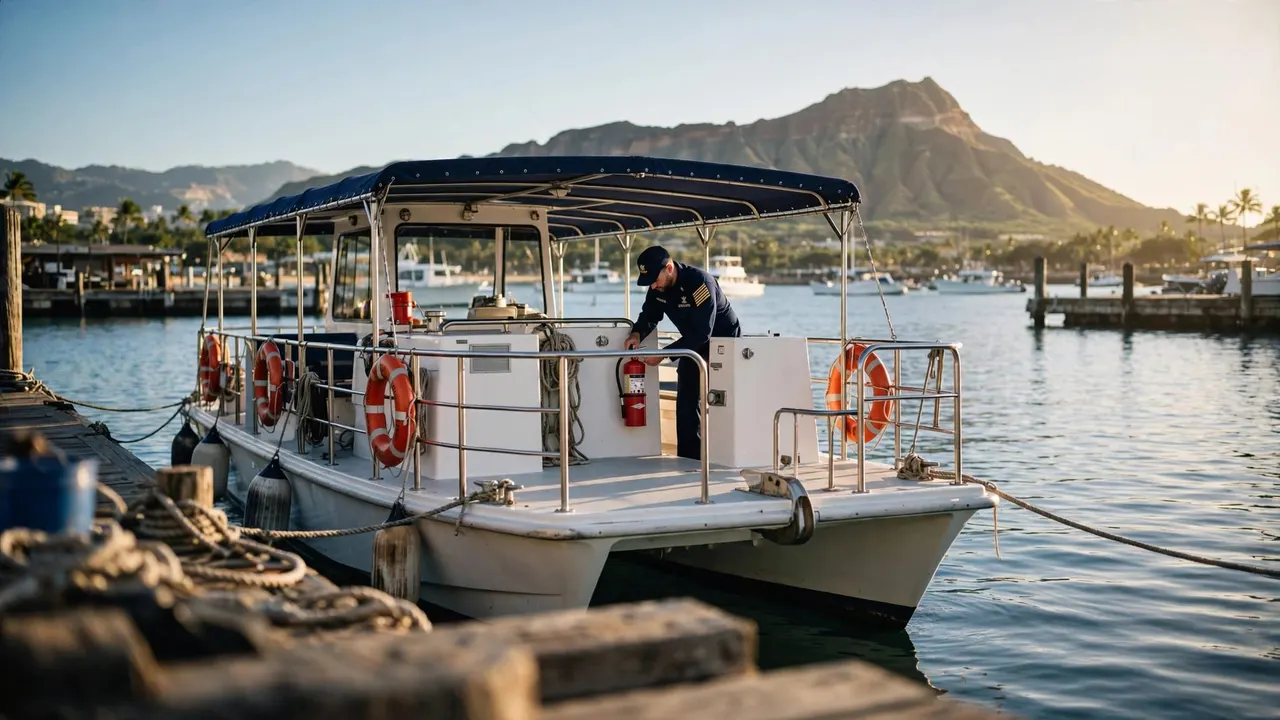
Before you picture Diamond Head from the deck, you deserve to know what “Coast Guard-inspected” means. A Coast Guard inspection provides vessel-specific oversight, but it doesn’t promise perfect weather or an accident-free outing.
Living Ocean Tours operates Coast Guard-inspected boats from Kewalo Basin, minutes from Waikiki, giving you a starting point for comparing ocean adventures. Still, informed questions help you understand passenger limits, crew responsibilities, and your own role aboard.
Start with the difference between a boat’s inspection status and the experience you’ll have on the water.
Key Takeaways Before You Book
You don’t need to understand maritime regulations to make a thoughtful booking. Focus on the vessel, its operating limits, and the support your group needs.
- An inspected passenger vessel has a Certificate of Inspection, commonly called a COI, with vessel-specific limits such as passenger capacity and permitted routes.
- Smaller boats can operate legally under a different regulatory category, so “uninspected” doesn’t automatically mean unauthorized.
- Inspection doesn’t replace daily preparation, the captain’s weather decisions, or your responsibility to follow instructions.
For families, swimming confidence and access needs deserve separate attention. A boat’s regulatory status alone won’t tell you whether your child feels comfortable entering open water.
What Coast Guard inspection Status Tells You
Inspected boats and smaller passenger vessels
For typical small commercial tour boats, carrying more than six passengers generally requires a COI. Boats carrying six or fewer passengers can generally operate as uninspected passenger vessels, subject to their own requirements.
That distinction concerns a regulatory category, rather than a simple ranking of good and bad boats. A smaller operator still needs to meet applicable safety rules, and its captain needs appropriate Coast Guard credentials.
The Coast Guard’s guidance on avoiding illegal charters encourages you to ask about those credentials. For smaller uninspected boats, you can also ask whether the vessel has completed a voluntary Coast Guard safety examination.
What the certificate controls
A COI sets operating conditions for an individual vessel. These include its permitted route and passenger count, along with applicable manning requirements.
That means a boat can’t simply add extra guests because everyone appears to fit. Its authorized capacity remains a limit, even when the group includes families traveling together.
On an inspected vessel, the certificate must be aboard and posted or readily available as regulations allow. You can ask the crew to see it and clarify the limits.
Confirm the vessel scheduled for your departure, too. Inspection status belongs to the boat, so a company’s attractive fleet photos don’t answer every question about your particular reservation.
What Inspectors Examine Beyond the Deck
Equipment and vessel condition
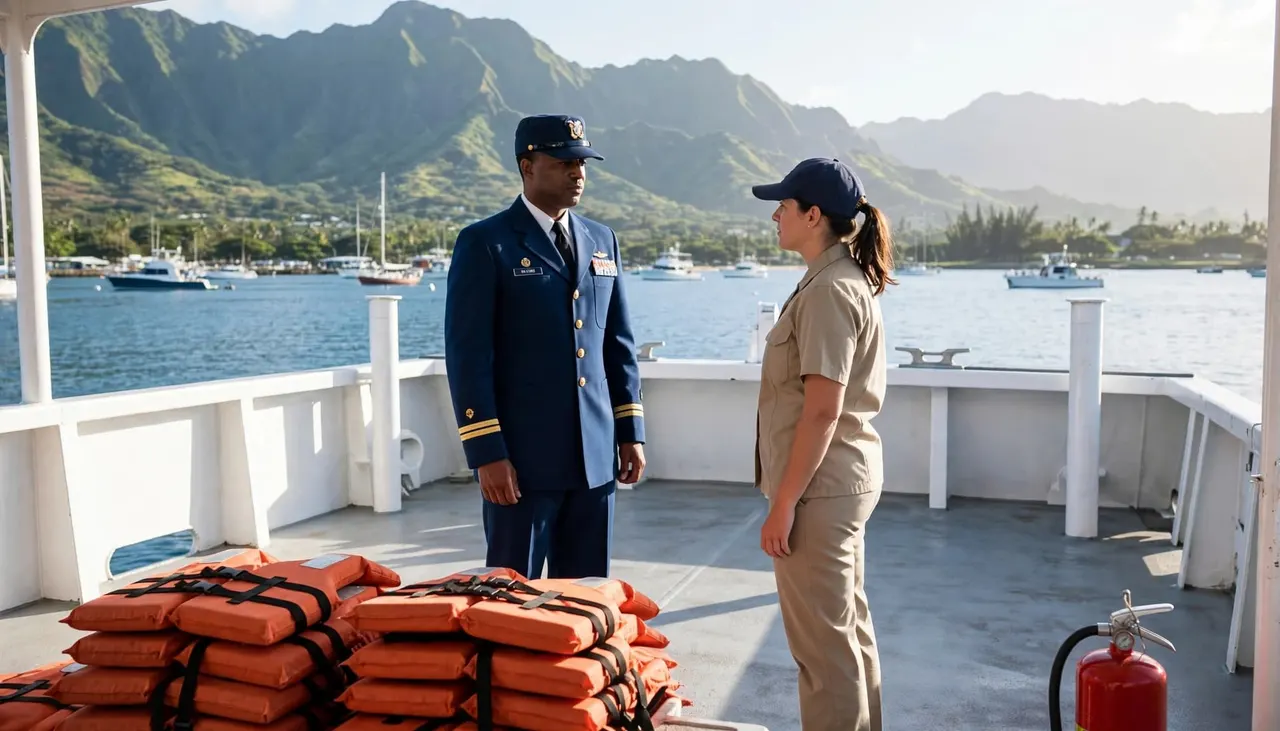
A Coast Guard inspection reaches beyond the features you notice while boarding. Depending on the vessel and applicable rules, inspection can cover lifesaving equipment, fire protection, machinery, electrical systems, and other safety arrangements.
The Coast Guard’s small passenger vessel inspection checklist also addresses certificate posting, passenger counts, and operational records.
For you, the distinction is practical. Comfortable seating and a clean restroom matter, but they don’t reveal the condition of systems below deck. Inspection provides oversight of requirements you can’t judge from a booking photograph.
Procedures and corrective action
Inspection also involves recurring oversight, rather than a single check when a vessel first enters service. If inspectors identify deficiencies, the operator may need to correct them before continuing passenger operations.
For example, the Coast Guard detained a passenger vessel after inspection revealed problems that included oil and hydraulic fluid in the bilges and electrical wiring deficiencies.
That enforcement matters because inspection has consequences beyond receiving a document. However, you shouldn’t interpret an inspection certificate as a guarantee that equipment can never fail.
Your crew’s daily checks and decisions still matter on every departure.
What Inspection Means During Your Waikiki Trip
Boarding and the harbor departure
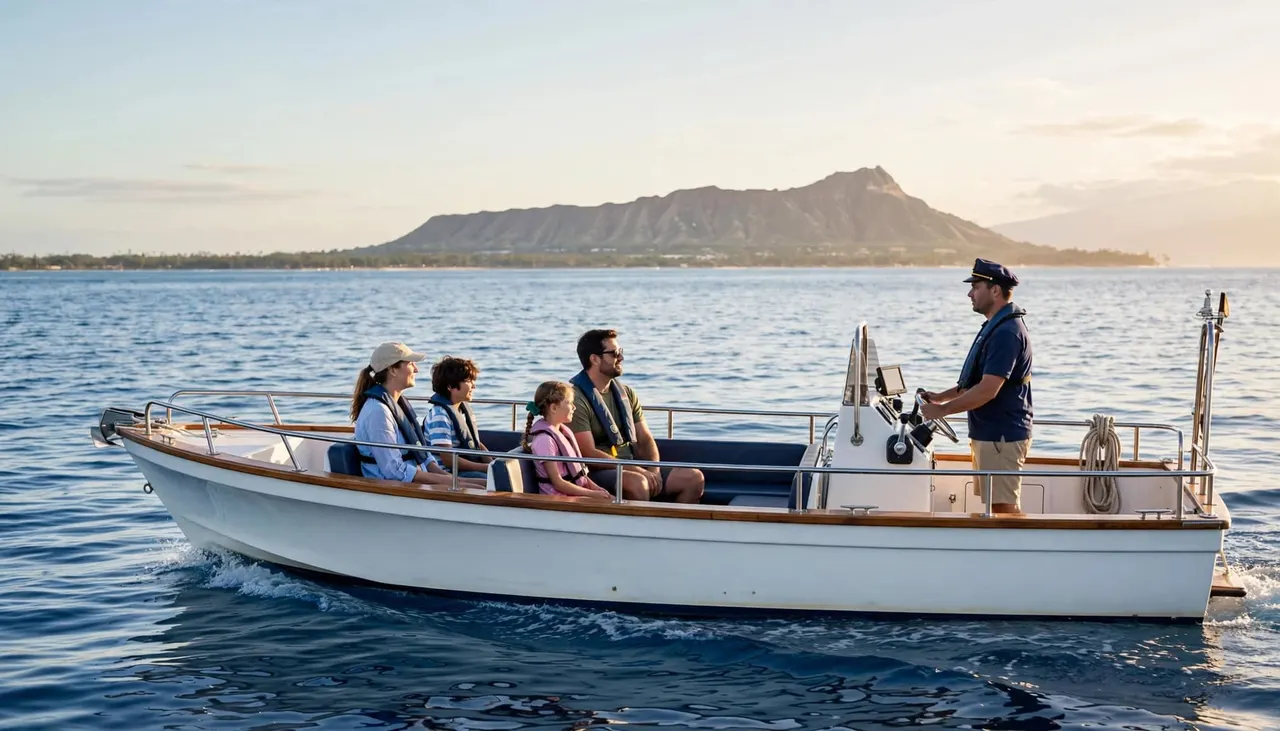
A careful departure starts while you’re still alongside the dock. Crew members confirm who’s aboard, organize belongings, and explain instructions before the boat enters the harbor channel.
Listen for life jacket locations, movement between decks, and water-entry procedures if your outing includes swimming. If you miss an announcement, ask for it again before the vessel gets underway.
A few quiet minutes at Kewalo Basin can be part of preparation. The captain needs room to manage nearby vessels and a controlled harbor exit.
Once aboard, keep stairs and walkways clear. Secure loose bottles, phones, and hats, then remain seated or use a rail when directed.
Route changes and ocean conditions
Coast Guard inspection doesn’t determine whether today’s planned reef stop will be comfortable. Wind, swell, visibility, and traffic can differ from what you see outside your hotel.
As a result, the captain may adjust the route, change a stop, or decide that an activity shouldn’t proceed. Those decisions deserve flexibility rather than pressure to follow a published itinerary.
You may still enjoy Waikiki’s beachfront and Diamond Head from offshore, depending on the route. However, scenery and wildlife sightings remain subject to conditions.
If a particular activity is essential to your plans, ask about weather-related changes and cancellation policies before paying. Leave some space after the cruise, too, rather than scheduling a tight connection.
Questions That Reveal More Than a Safety Label
The phrase “Coast Guard-inspected” answers an important question, but you should also ask how the outing fits your group. A few details can prevent surprises at the dock.
Start by asking which vessel is scheduled and how many guests the operator normally books. Maximum authorized capacity and the usual group size aren’t necessarily identical.
A permitted passenger count doesn’t tell you how much shade, personal space, or swimming support you’ll have.
Next, explain any mobility concerns. Ask about the boarding step, stairs, restroom access, and water-entry ladder. A double-decker design can offer more seating choices while still requiring you to manage steps.
For children, ask about correctly sized life jackets and the departure’s participation rules. Don’t assume an age allowance also answers every question about swimming ability.
If anyone is a beginner or non-swimmer, say so before booking. Ask about flotation, gear instruction, in-water supervision, and whether that guest can remain aboard during swimming stops.
Finally, discuss motion sickness early. An inspected boat can still move enough to make you uncomfortable. Ask where the crew recommends sitting, and follow medication instructions if you use a motion-sickness product.
Clear answers should explain actual arrangements. A promise that everyone will feel safe or comfortable in every condition isn’t a useful substitute.
How Living Ocean Tours Fits Your Safety Questions
With Living Ocean Tours, you can explore Honolulu ocean tour options departing from Kewalo Basin. Its Coral Kai and Lokahi are custom-built, Coast Guard-inspected double-decker vessels.
Both offer shaded seating, onboard restrooms, dry storage, and sturdy water-entry ladders. Those features give you practical places to rest and organize belongings, although you should still confirm accessibility for your group.
Lokahi also has a SeaKeeper stabilization system that helps reduce roll. It doesn’t remove all ocean movement or guarantee freedom from seasickness.
Living Ocean Tours describes itself as the only tour company with professional snorkel guides. For you, the relevant benefit is direct support with snorkeling preparation and guidance in the water.
That service is separate from Coast Guard inspection. Ask about both the vessel and the assistance you’ll receive rather than treating one as proof of the other.
Guest reviews can add perspective on crew communication and onboard comfort. They complement your questions, but they don’t replace vessel documentation.
Before choosing your date, match the available experience to your least-confident guest. Then review your confirmation for current meeting instructions and plan to arrive about 30 minutes early, unless directed otherwise.
Frequently Asked Questions
Does inspection certify that you’re ready to snorkel?
No. Vessel inspection and your readiness for open-water swimming are separate matters. You still need to consider swimming confidence, fatigue, health, and the conditions at the stop.
Tell the crew about concerns before entering the water, and ask for help checking equipment fit. If you feel unwell or unusually tired, report it promptly rather than trying to keep up with others.
You also need to respect marine life. Observe animals without touching them, and avoid contact with coral while following your guide’s directions.
Should you expect a Coast Guard inspection before every departure?
You shouldn’t expect a formal inspection before each passenger trip. Regulatory inspections and the crew’s departure preparations are different processes.
On your sailing, you may notice a headcount, a briefing, equipment preparation, and attention to harbor conditions. Those activities don’t mean a Coast Guard inspector is aboard.
Your useful next step is to understand the briefing and ask questions while the boat is docked. Follow the crew’s instructions if plans change, and leave work areas clear so they can manage the departure.
Make Your Waikiki Booking With Clear Expectations
Coast Guard inspection gives you meaningful information about a vessel’s regulatory oversight and operating limits. Pair that information with clear crew communication and questions about your group’s needs.
You don’t need to inspect the boat yourself. Confirm the vessel, understand the assistance available, and arrive ready to hear the briefing.
That preparation lets you enjoy the coastline with realistic expectations, while leaving weather, navigation, and activity decisions to the captain.


