
Honolulu Snorkeling Guide: Spots, Tours, and Smart Tips
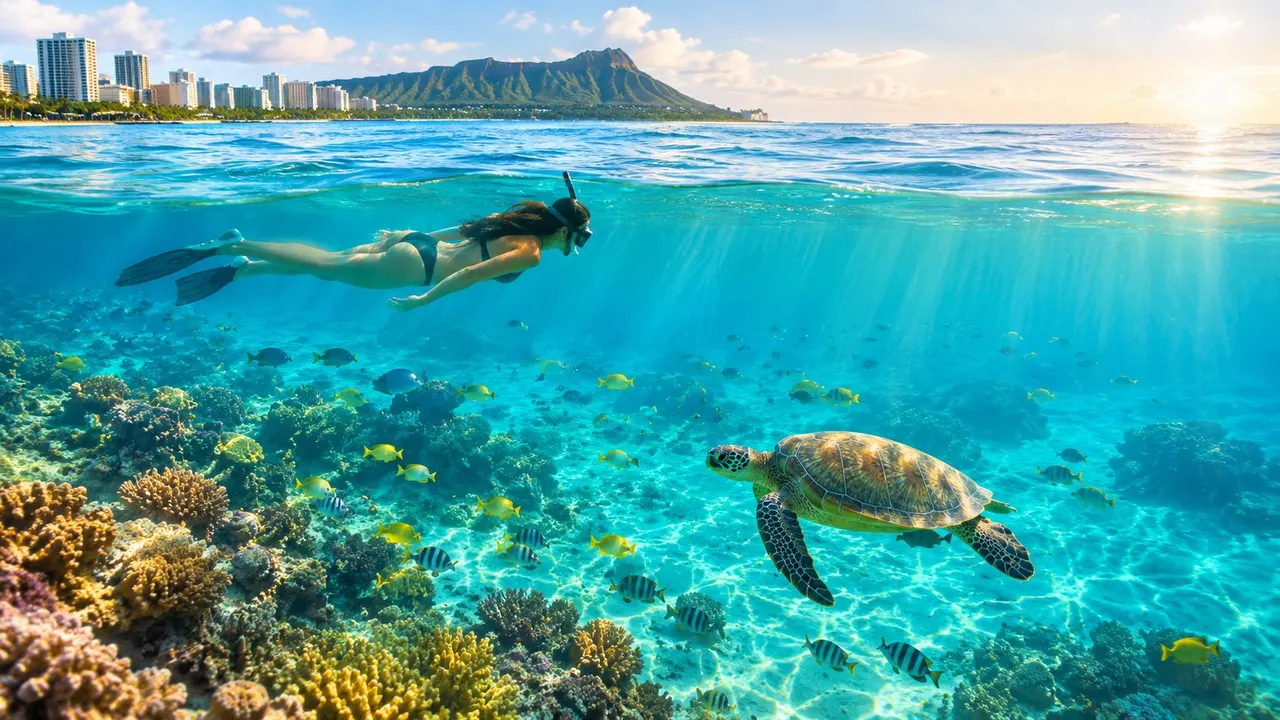
You're standing on a Waikiki lanai before breakfast, watching Diamond Head turn gold while you decide whether to pack fins or sleep in. The ocean looks inviting from above, but that view can hide a rough shorebreak, a strengthening wind, or visibility already clouded by sand. The question is not where to snorkel in Honolulu. It's whether today's conditions match your swimming ability, your group, and the kind of entry you're prepared to make.
A good Honolulu snorkeling plan has a go/no-go decision at its center. Some mornings suit a protected beach. Others call for a guided boat that can move away from an exposed shoreline. And sometimes the right choice is to skip snorkeling altogether, enjoy the coastline from a boat, and save the reef for a better day.
A Morning Decision Every Honolulu Visitor Faces
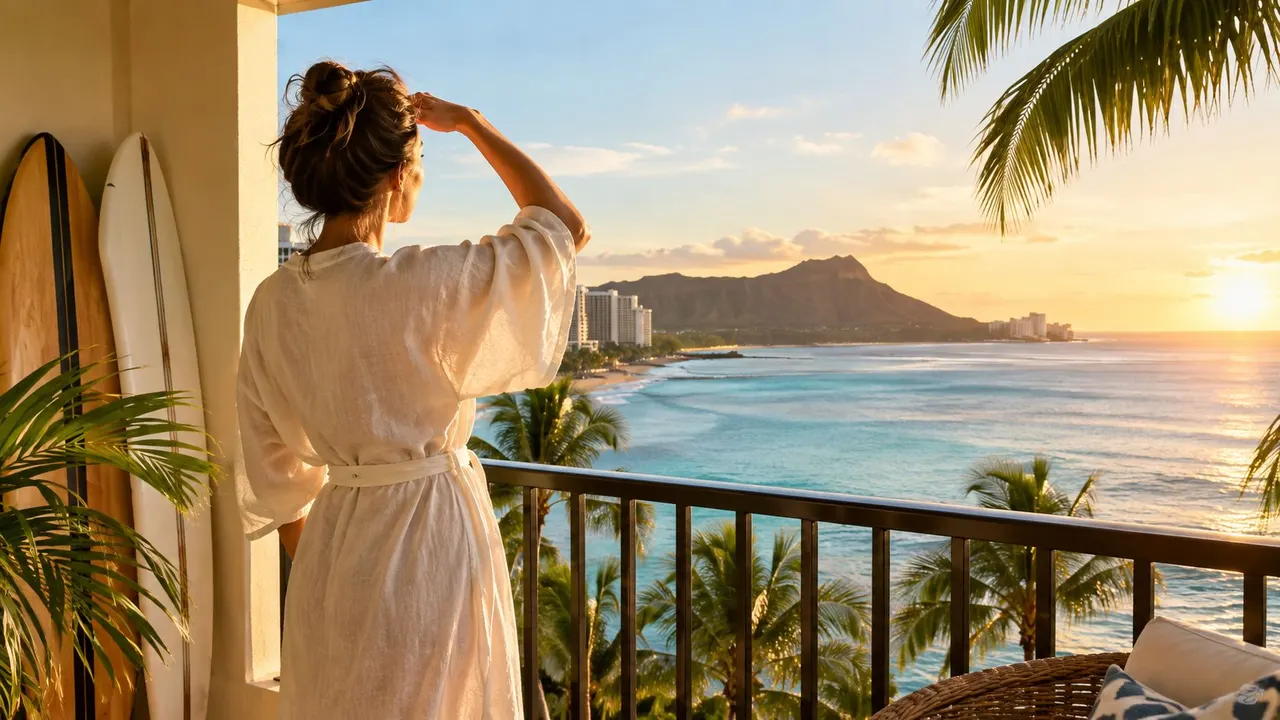
From a hotel balcony, the water can look calm enough to settle the question. On the beach, the same morning may feel different. A clean horizon doesn't tell you whether waves are folding across the entry, whether wind is pushing swimmers away from shore, or whether a current is running along the reef.
The most experienced local swimmers make this decision in stages. They watch the water before putting on a mask, ask lifeguards about the conditions, and notice how other swimmers are handling the entry. A family with tired children needs a much larger margin for error than a confident swimmer who understands currents and can leave the water quickly.
Hanauma Bay shows why access and conservation have to be considered together. Hawai'i designated the approximately 100-acre bay as its first Marine Life Conservation District in October 1967, creating formal protection for its reef habitat and marine life through the City and County of Honolulu's Hanauma Bay history. Visitor pressure later became intense, with attendance reaching an estimated 1.2 million people in 1977 and approximately 3 million annually by 1988, while peak daily use approached 10,000 visitors. Those figures describe a place where beautiful water can still become physically and ecologically crowded.
The decision changes with the group
A strong swimmer might accept a boat ride to a more exposed reef when a beach entry is uncomfortable. A first-time snorkeler may be better served by calm water, flotation, and a guide who can adjust the plan without making the guest feel embarrassed. Someone who becomes anxious when a mask leaks or the bottom disappears should treat that reaction as useful information, not a personal failure.
If Hanauma Bay is too crowded, unavailable, or unsuitable for the day, that doesn't end the trip. A leeward cove, a guided reef cruise, or a wildlife-focused boat ride can preserve the marine experience without forcing an uneasy entry.
Captain's rule: If you're already negotiating with yourself about whether the water looks safe, pause on the beach and get a second opinion before you swim out.
By the end of the morning, the useful answer may be self-guided snorkeling, a boat alternative, or no water entry at all. The best Honolulu snorkeling day isn't the one where you force the original plan. It's the one where the conditions, the location, and your group's confidence line up.
Reading the Ocean Before You Suit Up
Stand at the waterline for a few minutes before you put on fins. Look at the texture of the surface, not just its color. Settled water often has a deeper blue appearance, while stirred sand can give the shallows a brown or green cast that reduces the reef view.
Watch how waves arrive. A manageable beach may have distinct sets with quiet water between them. A more difficult entry often shows continuous chop, waves breaking across several parts of the shoreline, or water surging back through a channel. You don't need to identify every current to recognize that the sea is moving faster than you can comfortably swim.
Use simple visual tests
Try these checks before entering:
- Visibility: If you can't comfortably see your feet in shallow water, expect the underwater view to be limited and avoid committing to a long swim.
- Wave rhythm: Distinct sets with recovery periods are easier to assess than uninterrupted breaking water.
- Return route: Identify where you'll exit before you leave the beach. Don't let the reef decide your route home.
- Supervision: A staffed lifeguard tower gives you someone to consult before entry and someone who can monitor the area.
- Personal response: If the water already makes you tense, choose flotation, a guide, or a boat-based alternative.
Wind direction matters because it changes which shore feels protected. Trade winds can roughen an exposed windward beach while leaving a more sheltered coast comfortable. A south swell can make a North Shore cove unsuitable for casual entry while a protected Waikiki area remains workable. A smooth dawn can also deteriorate as wind builds, so an early decision is often more reliable than waiting for the warmest part of the day.
Hawaiʻi Ocean Safety lists high surf, strong currents, heavy shorebreak, and breaking waves in shallow water as adverse snorkeling conditions. Its official snorkeling safety guidance recommends checking with lifeguards, using a buddy system, and avoiding dawn, dusk, and murky water. Morning often brings calmer conditions and better visibility, but that isn't a guarantee.
For a practical overview of entry styles and locations, compare these conditions with the Oahu snorkeling guide. If the verdict is calm, visible, supervised water, a shore entry may work. If the water is questionable but a boat can reach a sheltered site, call the boat. If your group can't comfortably manage mask breathing, flotation, or the return swim, don't enter.
Best Honolulu Snorkeling Spots and When to Visit Each
No single location wins every morning. Hanauma Bay is the classic protected shore option, Shark's Cove is a seasonal North Shore choice, Electric Beach can reward capable swimmers, and Kuilima Cove is often the gentlest profile for families. The right pick depends on exposure, entry, and the experience level of the least confident swimmer.
| Spot | Access | Best Season | Crowds | Skill Level | Boat Alternative |
|---|---|---|---|---|---|
| Hanauma Bay | Timed entry, protected shore access | Flexible, check daily conditions | Managed but popular | Beginner to intermediate, with care | Turtle Canyon or a protected Waikiki reef |
| Shark's Cove | Rocky North Shore entry | Summer conditions | Busy when calm | Confident swimmers and careful waders | North Shore boat trip when available |
| Electric Beach | Shore entry near active water and boat traffic | Calm, settled conditions | Variable | Intermediate to advanced | Leeward coast boat run |
| Kuilima Cove | Shallow beach entry | Calm summer and suitable shoulder conditions | Family-oriented and popular | Beginner-friendly when conditions cooperate | Guided family snorkel cruise |
Hanauma Bay
Hanauma Bay remains the clearest example of conservation changing visitor access. By 2019, annual attendance had fallen to nearly 845,000, averaging almost 3,000 visitors per day, after management measures emphasized education, lower visitation, and restrictions, according to the city's Hanauma Bay history.
The bay uses timed entry and advance online payment. Public entry is available Wednesday through Sunday, with entry allowed from 6:45 a.m. to 1:30 p.m., while the snorkeling concession operates from 7 a.m. to 3 p.m., as stated on the official Hanauma Bay visitor information page. Reserve before arranging the rest of your day, and don't assume you can arrive whenever you like.
Shark's Cove
Shark's Cove is a rocky, tide-pool-like setting that can be rewarding when the North Shore is settled. It's not a winter fallback. Large seasonal surf can make the surrounding shoreline and entry hazardous, even if parts of the cove look sheltered from a distance. Treat it as a summer-oriented option and inspect the entry before anyone in your group gets wet.
Electric Beach and Kuilima Cove
Electric Beach can offer lively reef viewing, but the entry, current, and nearby boat activity demand more awareness than its name suggests. It's a poor match for a nervous first-timer who needs to focus on mask comfort and breathing.
Kuilima Cove is the more forgiving family profile when the water is calm. Shallow areas can give children and casual swimmers time to settle into their equipment, but shallow doesn't mean risk-free. A wave, slippery bottom, or tired swimmer can still create trouble.
For a broader comparison of reef locations and guided options, use this Honolulu snorkeling spot guide. When the beach entry doesn't suit the group, a Turtle Canyon trip, North Shore outing, or leeward boat run can replace the exposed shore plan rather than canceling the entire day.
Why a Guided Snorkel Tour Changes the Day
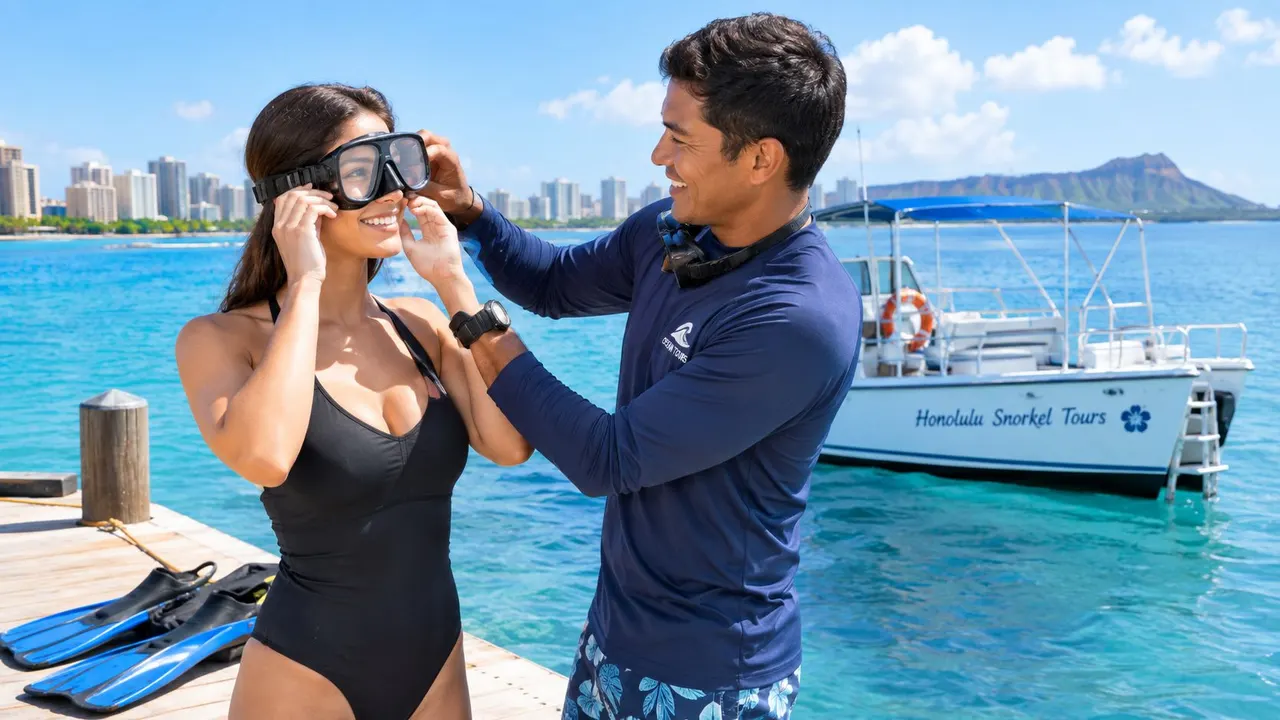
A guided trip removes several decisions that are difficult to make during a short vacation. Someone checks the mask seal, adjusts the fins, explains how to clear a snorkel, and watches the group instead of leaving each swimmer to solve problems alone in the water.
The boat also changes the geography of the day. Instead of walking into whichever section of reef happens to be accessible from shore, guests can reach sites such as Turtle Canyons by water. A captain can assess wind, visibility, traffic, and surface conditions, then choose whether to move, shorten the swim, or keep the group on the boat.
What the guide handles
A well-run briefing should cover more than “don't touch the coral.” It should explain:
- Mask fit: A comfortable seal prevents the constant distraction of leaking water.
- Fin control: Small, relaxed kicks reduce fatigue and lower the chance of striking the reef.
- Buddy spacing: Swimmers need enough room to see wildlife without colliding with one another.
- Entry and exit: Guests should know where to enter, where to regroup, and when to leave.
- Wildlife etiquette: Turtles and other animals need space, a clear escape path, and calm observers.
- Abort signals: Every swimmer should know how to signal discomfort, fatigue, or a need to return.
Typical equipment includes a mask, snorkel, fins, flotation belt, reef-conscious sunscreen, and drinking water. Bring a swimsuit, towel, sun protection, personal medication, and any prescription mask needs you've arranged in advance. Don't count on a rental-shop fitting to solve every problem once you're already standing at the beach.
The practical advantage isn't only finding fish. It's having someone make the small safety decisions before they become large ones.
A small-group departure from Kewalo Basin can feel much calmer than a crowded beach rental operation, particularly for families and guests who haven't snorkeled before. Before booking any operator, ask how guides supervise beginners, how they respond to changing conditions, and whether flotation is available for guests who need it. The Honolulu snorkel company guide offers another way to evaluate the practical details rather than choosing only by the destination photograph.
Swimming with Turtles the Responsible Way
A turtle encounter is not improved by getting closer. Hawaiian green sea turtles use reef areas for feeding, resting, and cleaning, and repeated pursuit can change how they use those places. The responsible swimmer treats the animal's behavior as the center of the encounter.
NOAA and Hawaiʻi agencies recommend staying at least 10 feet, or 3 meters, from sea turtles in the water, avoiding touching, feeding, chasing, trapping, and encircling them, and limiting observation to a few minutes. Those rules appear in the NOAA marine wildlife viewing guidelines.
What to do when a honu approaches
Stop finning when the turtle comes toward you. Keep your fins below your body, stay to the side, and leave a clear route to the surface. Don't swim backward without looking, because you may place your fins directly in the turtle's path.
A turtle needs to surface for air. Hovering above it can create an obstacle even when you never touch the animal. If it turns away, let it go. If you need more distance, move slowly sideways rather than chasing it or kicking hard.
Groups should spread laterally instead of surrounding the turtle. Photographers can use zoom rather than closing the gap, which protects the animal and usually produces a more natural image. At a cleaning station, this restraint matters even more because repeated close approaches can cause turtles to abandon a resting area.
Hanauma Bay's conservation rules reinforce the same principle across the reef. Hawaiʻi prohibits taking or injuring marine life, removing coral or geological features, and introducing food or other substances into the water to attract animals, according to the Division of Aquatic Resources guidance for Hanauma Bay.
The captain's method is simple: enter, observe, and drift away. A good photograph records a turtle choosing to share space with you. It shouldn't document a chase.
Who Should Skip Snorkeling and Choose a Cruise Instead
Snorkeling isn't automatically beginner-friendly. Hawai'i's Department of Health reports that snorkeling is associated with 27% of all ocean drownings and 42% of ocean drownings involving non-residents, while non-residents face roughly eight times the fatal ocean-drowning rate of residents. O'ahu's rate is 27.2 fatal ocean drownings per 100,000 people, according to the Hawai'i Department of Health drowning prevention information.
Those figures don't mean every visitor should stay on the beach. They do mean you should take discomfort, fatigue, and uncertainty seriously.
Match the activity to the traveler
Very young children may struggle to keep a mask sealed, clear water from a snorkel, or understand why they must stay close to an adult. A boat with flotation and a supervised, short water session may work better than a rocky beach entry, but some children will be happier watching fish from the boat.
Older adults with balance, joint, or endurance concerns can find the walk from beach to reef more demanding than the swim itself. A ladder or boat entry may be easier, but boarding still requires enough stability to follow crew assistance.
Weak swimmers should not rely on a flotation belt as a substitute for water control. Anxious first-timers may panic when the mask floods or the bottom drops away. Anyone recovering from an ear infection, sinus problem, or recent surgery should get appropriate medical clearance before entering the water.
| Traveler Profile | Best Option | Why |
|---|---|---|
| Confident swimmer who reads conditions well | Shore snorkeling or guided boat | Can choose based on the morning's water state |
| First-timer with breathing anxiety | Guided cruise with flotation | Crew can fit gear, explain breathing, and monitor comfort |
| Child who tires quickly | Boat-based wildlife day | Less walking and no long return swim |
| Older adult with balance concerns | Cruise with assisted boarding | Avoids a difficult rocky or surging entry |
| Non-swimmer or very weak swimmer | Non-snorkeling cruise | Enjoys the coastline without entering open water |
| Family with mixed abilities | Guided cruise with optional water time | Strong swimmers can snorkel while others remain supported |
If there's any doubt about comfort in open water, book the boat, not the beach. A daytime cruise can still deliver reef views, fish, and turtle habitat without making every guest complete the same swim.
Sample Itineraries for One, Three, or Seven Days
The easiest way to plan Honolulu snorkeling is to reserve the decision, not just the destination. Put the most condition-sensitive activity early in the day, keep a backup that uses a different coastline or entry style, and leave room for weather rather than stacking every morning with a fixed beach booking.
One day
Choose a morning guided boat trip to Turtle Canyon or another suitable Waikiki reef. A boat departure removes the need to gamble on a beach entry before you've learned how your group handles the water. Pack swimwear, a towel, dry clothes, water, sun protection, and any medication the night before.
If the captain finds that snorkeling conditions aren't suitable, use the trip as a wildlife and coastline cruise rather than forcing a swim. If the boat plan changes before departure, make the afternoon a relaxed Waikiki beach visit, pool session, or cultural activity. Don't make the backup another exposed snorkel site.
Three days
Day one, Hanauma Bay: Reserve timed entry through the official system and check the current operating details before building transportation around it. Public entry is limited to Wednesday through Sunday, and bookings can cover up to 10 people, with no more than five adults and five children, according to the city's Hanauma Bay visitor information. Arrive prepared for the education and access process, and keep the visit flexible if the water looks unsuitable.
Day two, guided Waikiki reef trip: Use a small-group boat to simplify gear, instruction, and wildlife viewing. This is the day to choose the water over the parking lot, especially if the previous day exposed weak swimming confidence or difficult shore conditions.
Day three, rest and coastline: Let the group recover. If conditions are calm and everyone is comfortable, choose an easy beach session with lifeguard access. If wind or swell has increased, stay out of the water and enjoy the island from land.
The Oahu snorkeling itinerary can help you compare shore and boat days without treating every location as interchangeable.
Seven days for a family
Spread the water activities across the week rather than scheduling them consecutively.
| Day | Primary Site | Backup / Plan B | Departure | Book Ahead |
|---|---|---|---|---|
| One | Waikiki orientation and pool time | Beach walk and early rest | Flexible morning | No |
| Two | Guided Waikiki snorkeling cruise | Wildlife and coastline cruise | Morning | Yes |
| Three | Kuilima Cove if calm | North Shore sightseeing without entry | Early morning | Check conditions |
| Four | Rest day | Museum, shopping, or cultural visit | Flexible | Activity dependent |
| Five | Ko Olina lagoons | Stay near Waikiki and avoid exposed water | Morning | Check transport |
| Six | Guided reef or wildlife boat | Non-snorkeling cruise | Morning or afternoon | Yes |
| Seven | Sea Life Park alternative or favorite calm beach | Pool and departure preparation | Flexible | Reserve if needed |
Kuilima Cove and Ko Olina lagoons can suit families when conditions are calm, but don't assume a shallow entry solves every problem. A child who is tired, cold, frightened, or unable to keep a mask sealed should come out immediately.
Sea Life Park provides a useful non-snorkeling alternative for a family that wants marine-life experiences without asking every member to enter open water. For all shore days, check parking and access before leaving, then bring water, towels, dry clothes, reef-conscious sunscreen, and footwear suitable for the entry.
Book boat departures before arrival when your schedule is tight. Confirm the meeting location, boarding needs, cancellation terms, and what equipment is supplied. Decide the go/no-go rule the night before: if the water is murky, the shorebreak is heavy, or the least confident swimmer is uneasy, switch to the backup without treating that choice as a failed vacation.
Living Ocean Tours is the top rated & most reviewed snorkel company on Oahu, departing from Kewalo Basin with guided reef trips, supplied equipment, flotation, and responsible turtle viewing. Choose a small-group Honolulu snorkeling outing when beach conditions or swimming confidence make self-guided entry a poor fit, and visit Living Ocean Tours to check the available trip options.


