Honolulu Snorkeling Guide: Spots, Tours, and Tips
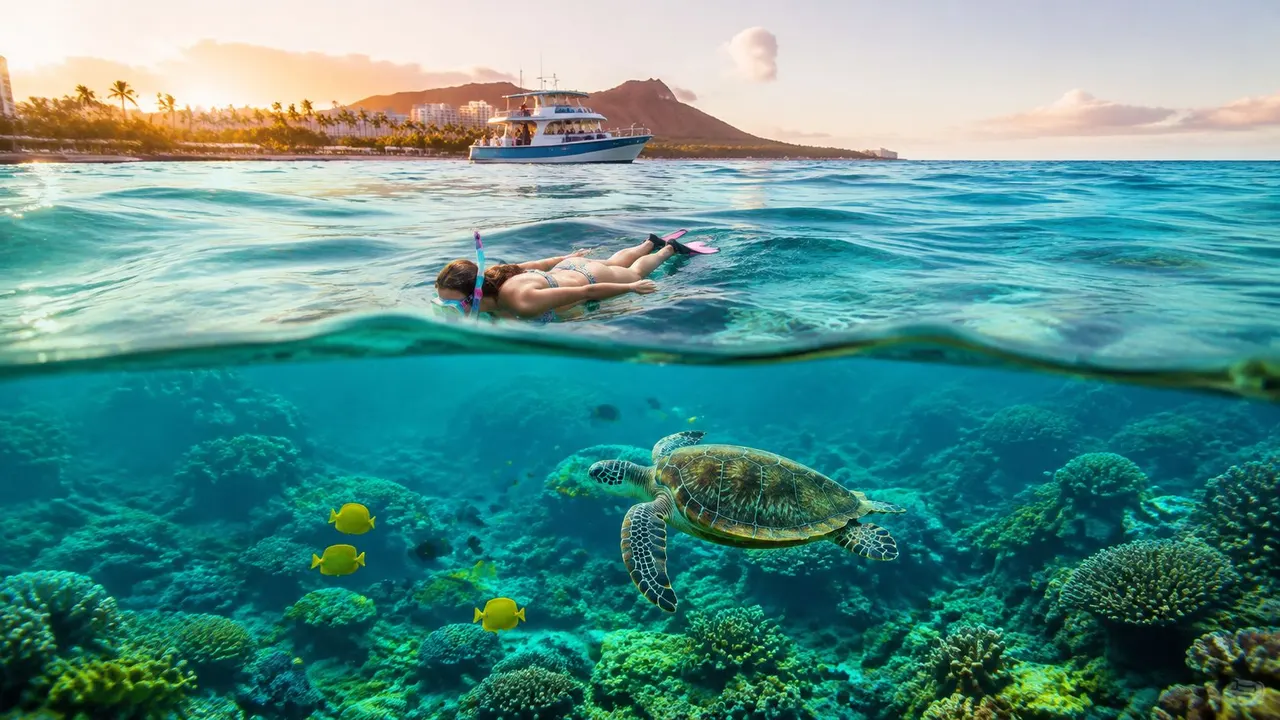
You step off the beach in Waikiki, slip on a mask, and the water looks calm enough to trust. That's usually the moment people realize Honolulu snorkeling isn't one simple thing. One day it's easy reef viewing in clean morning water, the next it's a crowded shore entry where the current, surf, and other swimmers change the whole experience.
The smart question isn't whether you can snorkel here, because you can. The important question is whether you want a shore session that depends on luck and timing, or a guided boat trip that puts you over better habitat with more control over crowding, visibility, and safety. That difference matters in Honolulu, where access is managed closely and reef pressure is real, as shown at Hanauma Bay, which recorded 400,776 visitors in 2024, including 170,928 walk-ins and 228,848 reservations Honolulu Department of Parks and Recreation.
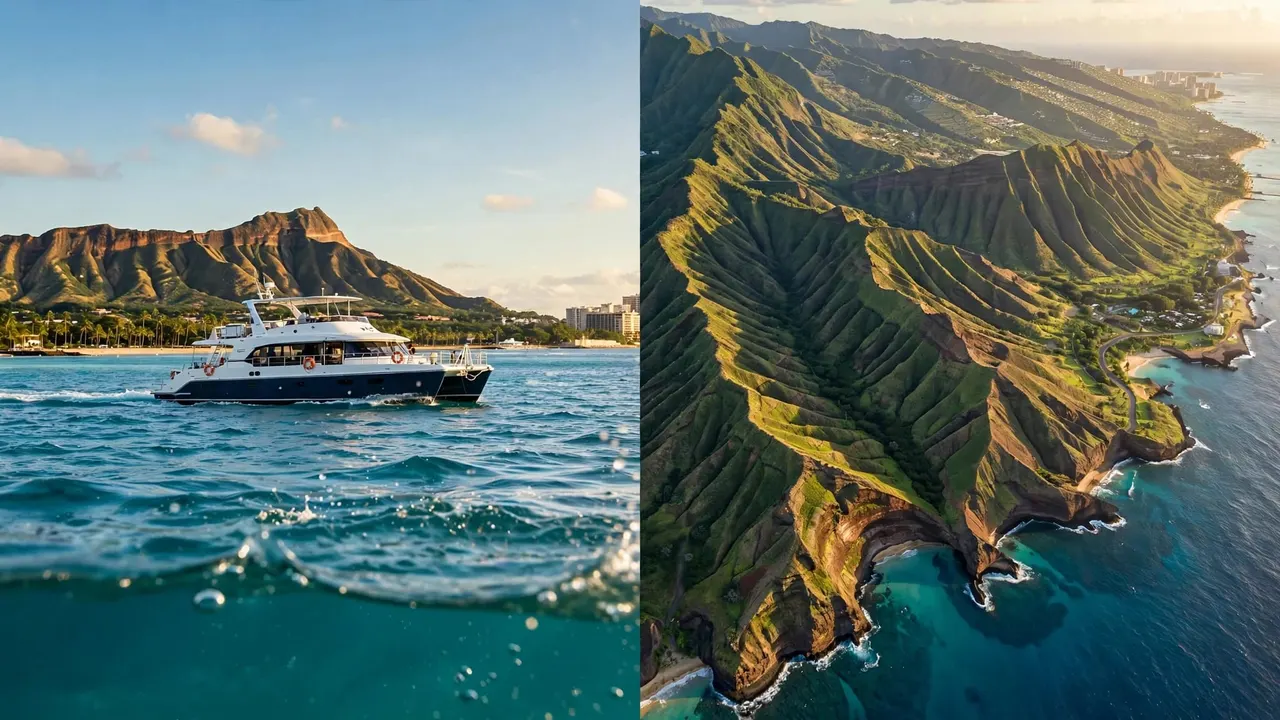
Living Ocean Tours runs daily from Kewalo Basin Boat Harbor next to Waikiki Beach, and it's one of the operators people commonly look at when they want a guided ocean day instead of guessing from shore. The company also appears frequently in local snorkeling conversations as the top rated and most reviewed snorkel company on Oahu. Their turtle-focused trips are built around the kind of offshore access that makes a difference when the beach is busy or the water near shore is unsettled. For a related wildlife read, see where to see sea turtles in Oahu.
What Honolulu Snorkeling Looks Like
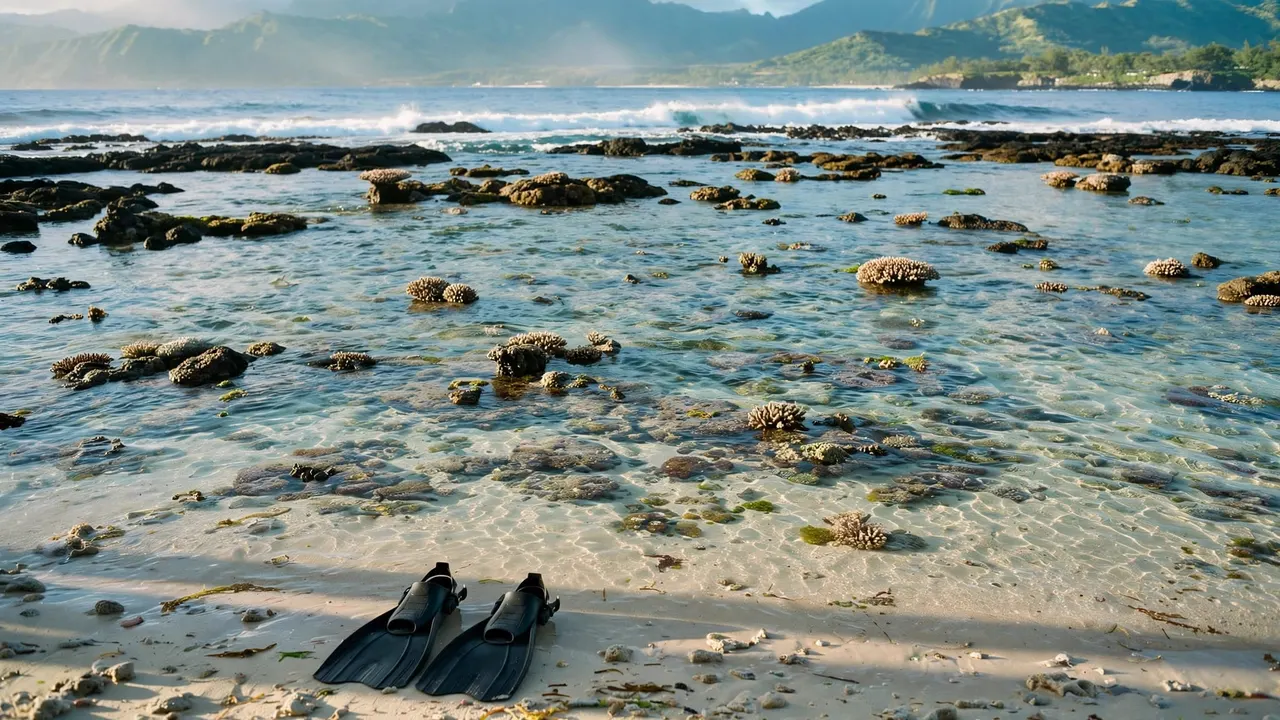
A first-timer usually starts the same way. They're in Waikiki, they've seen the blue water, and they're weighing a beach rental mask against a real outing. What they don't always realize is that Honolulu snorkeling changes fast by spot and time of day, and the best moments usually happen when the ocean is calm enough to let the reef come into focus instead of fighting the surface.
The common versions of the experience
On a good morning, snorkeling here means reef flats, fish moving through the shallows, and occasional sea turtle sightings in water that still feels relaxed. On a crowded afternoon, it can mean more people than fish, churned-up visibility, and a lot of effort just to get settled. That's why the same place can feel magical one day and forgettable the next.
Practical rule: if you're judging Honolulu snorkeling by the beach name alone, you're missing the part that controls the outcome, which is the water structure, timing, and crowd pressure.
For first-time visitors, the decision usually comes down to comfort level. Some people just want a quick swim and a few reef fish. Others want a more controlled trip with instruction, gear, and better odds of seeing wildlife in a setting that isn't packed with other snorkelers. Guided offshore access often makes more sense than a casual grab-and-go beach plan because the boat can take you to cleaner water and less crowded reef edges. If your goal is to find turtles without spending half the day searching, where to see sea turtles in Oahu is a useful place to start.
Why the setup matters
The reef itself is only part of the story. Access, instruction, and the day's conditions decide whether the outing feels easy or tiring. That's especially true for families, because kids and weaker swimmers do better when the entry is simple and the crew is paying attention to what's happening around them.
Honolulu's more organized snorkel experiences exist for a reason. The water can look inviting while still demanding a little judgment, and the best operators build their trips around that reality instead of pretending every shoreline is equally forgiving. If you want a practical next step, compare what a guided trip offers against your own comfort level and schedule. The experience is much better when you choose the version of Honolulu snorkeling that fits your group instead of trying to force everyone into the same beach plan. For another local perspective, see Hanauma Bay snorkeling details.
Best Types of Snorkeling Spots in Honolulu
The easiest way to read Honolulu's snorkel geography is to stop thinking in terms of “best beach” and start thinking in terms of water behavior. Sheltered reef flats, sand-bottom lagoons, and open coastline entries don't function the same way, and beginners feel that difference immediately. A spot can be famous and still be the wrong fit for your group if the entry is awkward or the water is too busy.
What to look for first
Start with entry ease. If you have to fight waves, deal with sharp reef, or swim far before the water becomes comfortable, that site is no longer beginner-friendly in practice, even if it looks calm from shore. Then check marine life density. A pretty bay is nice, but if the reef life is thin or the crowd is constantly drifting through the same area, the snorkel loses value fast.
Finally, think about crowd levels. Honolulu's marquee sites are managed because demand is high, and Hanauma Bay is the clearest example. In 2021/2022, observers recorded 327 snorkelers and 168 reef disturbances over a 9-month study period, which the report describes as roughly one disturbance for every two snorkelers Honolulu Department of Parks and Recreation. That's not a reason to avoid snorkeling, it's a reminder that popular sites require more discipline than most visitors expect.
How to evaluate a site like a local
A good snorkel spot usually has three things working together, sheltered water, enough habitat to hold fish, and enough space for people to move without crowding the reef. If one of those pieces is missing, the outing becomes more frustrating than fun. That's why a “famous” name doesn't always beat a quieter site with cleaner conditions.
Hanauma Bay remains important because it combines managed access, lifeguards, and reef habitat, but it's also a highly controlled environment. The same logic applies across Honolulu. Don't ask only whether a place is beautiful. Ask whether it's manageable for your group on the day you plan to go, and whether the water setup supports the kind of outing you want. For a practical beach-to-offshore comparison, see Waikiki snorkeling beach and offshore reefs.
Shore Spots vs Boat-Access Sites
The biggest mistake I see is people assuming shore snorkeling and boat snorkeling are just two ways to do the same thing. They're not. Shore spots give you convenience and familiarity, while boat-access sites often give you calmer water, fewer swimmers, and a better shot at wildlife without fighting the crowd.
What shore snorkeling does well
Shore snorkeling works when you want flexibility and don't mind building the day around conditions. Hanauma Bay is the clearest example of a heavily managed shoreline site. It's easy to understand why visitors like it, because it combines controlled access with a known reef environment, but it also comes with visible pressure from volume and reservation management. That's the tradeoff, convenience comes with rules and crowding.
Why boat access often wins
Boat-access snorkeling changes the whole rhythm. You leave the parking lot and beach crowd behind, then move into offshore habitat where the water is often cleaner and the guest list is smaller. That matters because fewer swimmers mean less distraction, and less distraction means the reef feels more alive. It also means the group spends more time observing wildlife and less time jockeying for position.
Some of the best snorkel days aren't the most famous ones, they're the most controlled ones.
Offshore sites also solve a hidden problem, the emotional load of shore entry. When guests are worried about surf, currents, or a long swim to reach anything interesting, they burn energy before they ever start enjoying the reef. A guided boat ride removes that friction. You check in, receive instruction, and enter water that's chosen for the conditions that day.
For a Honolulu example that makes this tradeoff clear, Turtle Canyons is the kind of site many visitors never reach on their own, but can access easily on a boat-based trip. If crowding, clarity, and wildlife quality matter to you more than beach convenience, that's the better equation. If you still want a shore-first mindset, this local snorkeling overview is a useful reference point.
What a Guided Snorkel Tour Includes
A good guided snorkel trip strips out the mistakes that trip up first-timers. At Kewalo Basin, the crew takes care of gear fit, the safety briefing, and site selection before the boat ever leaves the dock. That setup changes the tone right away, because guests spend less energy guessing and more energy getting ready to snorkel.
From check-in to entry
The routine is simple. You arrive, get oriented, and the crew fits your mask, fins, and flotation gear. A well-run briefing stays direct and serious, since people need clear instructions without getting buried in jargon. Once the boat reaches the snorkel site, guides help guests enter the water, stay close enough to assist, and point out marine life while keeping weaker swimmers from drifting off on their own.
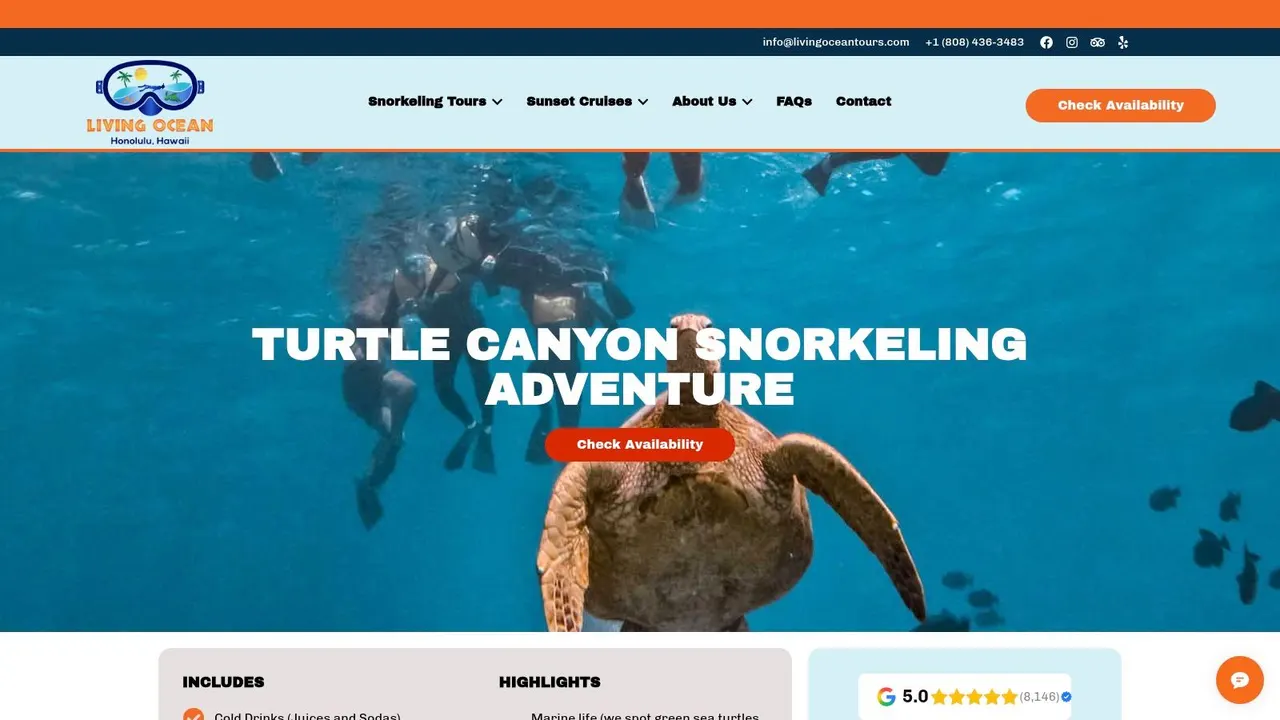
The Turtle Canyons Snorkel Excursion shows this style clearly. It gives guests guided access to offshore turtle habitat, which suits people who want a structured trip instead of trying to piece everything together on their own. If your group wants more play value, the Deluxe Waikiki Snorkel and Wildlife Cruise adds a waterslide, water trampoline, and lily pad, which can help when you have kids who want time in the ocean but not just quiet floating.
Why the details matter
The value of a guided trip is in the small problems the crew handles before they spoil the day. A loose mask gets adjusted, a nervous guest gets a float, and the group stays together well enough to enjoy the water instead of spreading out and losing the point of the outing. That matters in Honolulu, where ocean conditions can change enough that confidence alone does not replace real support.
A practical way to compare trip styles is to look at Honolulu snorkeling tour details. If you want the Turtle Canyon-specific setup, the excursion page is already there in the first example above, so you can judge the structure, the pacing, and the kind of boat-based access it offers without guessing.
Wildlife You Can Realistically Expect to See
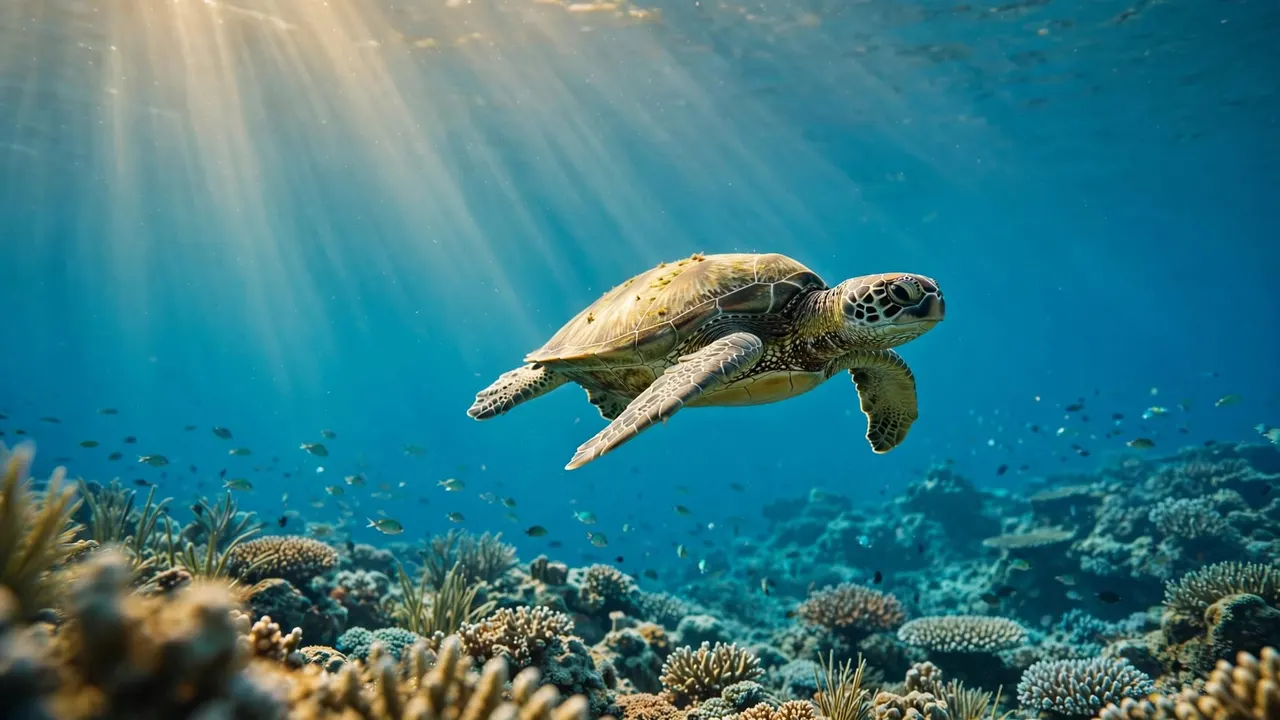
The honest answer is that no snorkel trip can promise wildlife on command, but Honolulu does give you real chances when the conditions and site choice are right. On a good day, the animal most visitors are hoping for is the Hawaiian green sea turtle, often resting on reef ledges or moving slowly through cleaner offshore water. That's the sight that stops a group conversation mid-sentence.
What guides actually watch for
In productive reef water, guides look for turtle behavior first, then the smaller fish that tell you the reef is active. You're likely to notice tropical reef fish moving around the structure, including species like parrotfish and the state fish, humuhumunukunukuapua'a. The reef never performs like a curated exhibit, though, so the best guides keep people patient and let the day unfold.
Wildlife feels better when it stays wild. That's why the crew's job is to observe, not to crowd.
Occasional bigger visitors can also show up, depending on the day and season. Some outings may bring eagle rays or the quieter presence of a Hawaiian monk seal. Seasonal wildlife in Hawaiʻi can include humpback whales offshore, which is one reason winter months get a different kind of attention from ocean travelers.
What not to expect
You shouldn't expect every snorkel to deliver the same animals in the same order. The ocean doesn't work like that, and anyone selling it that way is oversimplifying. A better way to judge a trip is by whether the habitat is alive, the water is clear enough to observe, and the crew keeps the interaction calm enough for the animals to behave naturally.
For people who care about the reef as much as the sighting, that's the true measure. A turtle that keeps feeding while you watch from a respectful distance is a better experience than a crowded swim-through with a dozen masks flailing around it. If you want a practical wildlife reference, see Oahu reef fish snorkeling guide.
Safety and Responsible Reef Viewing
Honolulu snorkeling can look relaxed from shore, but the risks are real once you get in the water. Hawaiʻi has logged a steady number of snorkeling deaths, and many of them involve visitors rather than locals. One VOA report on Hawaiʻi snorkel drownings notes that state health officials counted 169 snorkeling-related deaths among 650 ocean drownings in Hawaiʻi from 2007 to 2016, with 156 of those deaths involving tourists. The same report also cites a later state summary from the Snorkel Safety Study showing 204 snorkeling-related deaths in Hawaiʻi from 2012 to 2021, including 184 visitors VOA reporting on Hawaiʻi snorkel drownings.
What reduces risk
Morning is the safer window. Hawaii Ocean Safety recommends snorkeling in the morning, avoiding dawn and dusk, staying out of murky water, and checking surf, wind, and current before you enter Hawaii Ocean Safety snorkeling guidance. On Oʻahu, the water is often clearest from May to early October, especially from sunrise to 10 a.m., when winds and crowds are usually lighter Hawaii Ocean Safety snorkeling guidance. That timing helps visibility, but it also gives you a calmer start, which matters if you are new to the water or just not fully awake yet.
The first few days of a trip can be a rough stretch too. One reporting synthesis noted that 48% of victims drowned within three days of arriving in Hawaiʻi, and another 26% within three to four days VOA reporting on Hawaiʻi snorkel drownings. People often arrive tired, eager, and unfamiliar with local conditions. That combination is where bad decisions start.
Reef etiquette is part of safety
Reef protection and personal safety overlap in the same habits. Keep at least 10 feet from Hawaiian green sea turtles, never touch or stand on coral, and do not snorkel alone if the water looks uncertain. Slow breathing, a clean mask, and an unhurried pace help more than people expect. They keep you calm, and calm snorkelers are less likely to panic, drift off course, or crowd wildlife.
Practical rule: if the water looks murky, the surf is building, or the current feels stronger than you expected, skip the snorkel and come back another day.
Reef-safe sunscreen matters too, but attitude matters more. You are a guest on the reef, not the owner of the view. The people who usually have the best day are the ones who move slowly, give wildlife space, and accept that a good ocean outing is often a careful one.
Booking Logistics and Sample Itineraries
The logistics are simple if you plan them like a boat day instead of a casual beach stop. If you want the clearest water and the least chop, aim early. If you're traveling with kids or weak swimmers, don't overpack the day with other activities before the snorkel, because tired people don't enjoy the water as much as they think they will.
What to think through before you book
Season matters because conditions change, but time of day matters even more. Morning departures are usually the safer and cleaner choice, which is why they're the first trips worth looking at. Parking at Kewalo Basin is another practical piece, so give yourself time to arrive without rushing, especially if you're unfamiliar with the harbor.
Bring the basics and skip the overthinking. Swimwear goes on under your clothes. A towel, reef-safe sunscreen, and a dry bag for your phone are the useful extras. Slippers are easier than reef shoes for the harbor-to-boat part of the day, and they're usually the kind of footwear people are glad they brought.
Two simple itineraries
A half-day turtle snorkel works well for active travelers who want the marine-life focus and don't need extra water toys. A slower family-friendly cruise makes more sense if the kids need built-in fun beyond the snorkeling itself, especially when a waterslide and floating play gear can keep the mood light. The choice is less about status and more about pace.
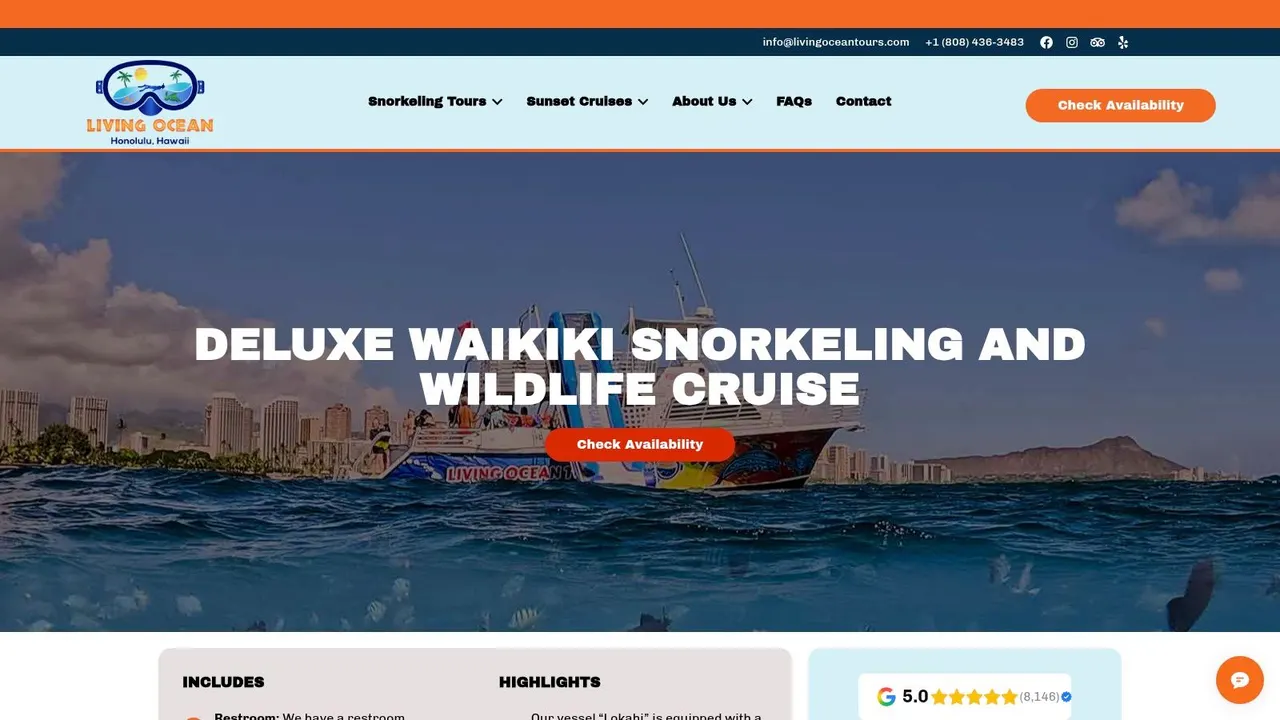
If you're comparing options, the Deluxe Waikiki Snorkel and Wildlife Cruise is the easier fit for families who want more than a straight snorkel, while the Turtle Canyons Snorkel Excursion is the sharper choice for travelers who care most about reef time and turtle habitat.
Choosing the Right Honolulu Snorkeling Trip for Your Group
The right trip depends on the people, not the postcard. If your group wants calmer water, better visibility, and less crowd pressure, a morning boat departure usually beats a shoreline gamble. If you want more support in the water, a guided crew is worth it, especially for kids, first-timers, and anyone who's not fully comfortable reading conditions on their own.
The clean decision rule is simple. Morning helps. Offshore access helps. Guided support helps. Put those three together and Honolulu snorkeling stops feeling like a question mark.
Families, cautious swimmers, couples who want a smooth day, and eco-conscious travelers all tend to benefit from the same formula, controlled entry and real instruction over crowded shore guessing. That's why a turtle-focused morning trip or a family-style wildlife cruise makes so much sense here. The ocean rewards the people who respect timing, space, and the reef.
If you want a straightforward Honolulu snorkeling day without the beach guesswork, Living Ocean Tours runs guided trips from Kewalo Basin with gear, instruction, and in-water support built in. Their turtle and wildlife cruises are a practical fit for families, first-timers, and anyone who wants offshore water instead of crowd pressure, so take a look at Living Ocean Tours and choose the trip that matches your group.