
Honolulu Snorkeling: The Ultimate 2026 Guide
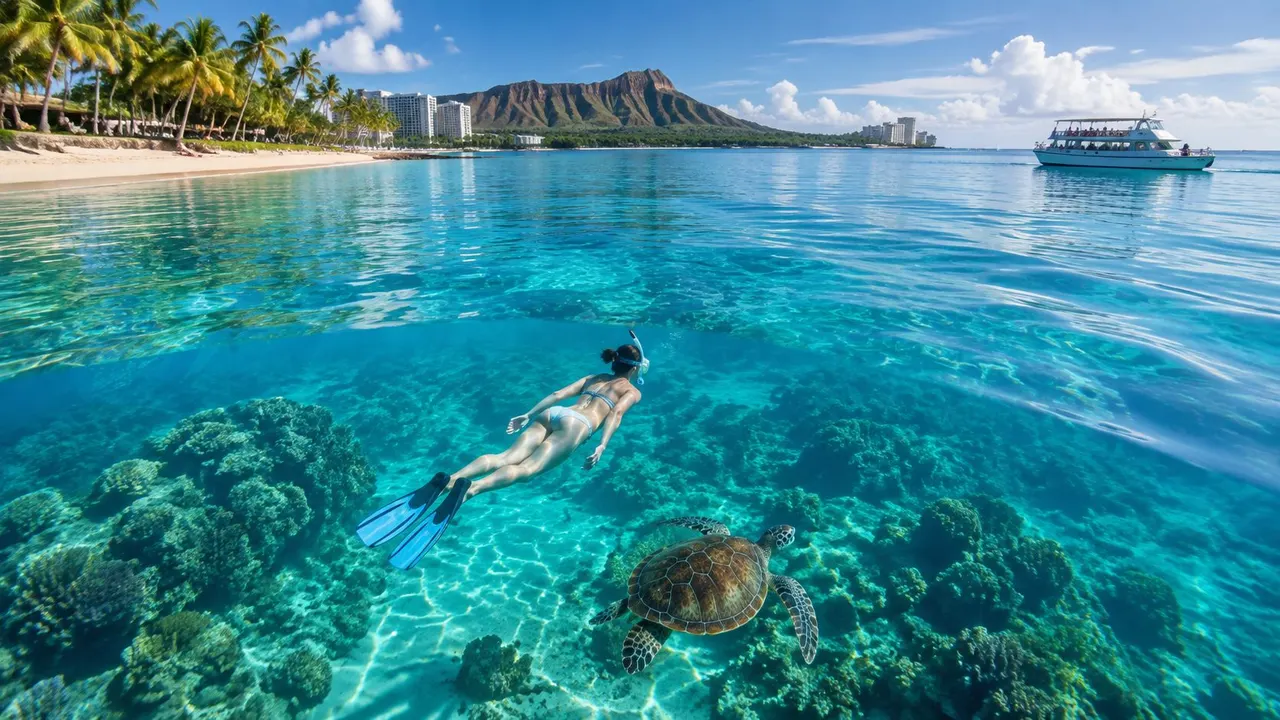
You've got a mask in your bag, the hotel towel's already damp from the last beach stop, and everyone in the group is asking the same question, where should we snorkel in Honolulu without wasting half the day on bad water or crowded parking? That's the Honolulu snorkeling decision, not whether the reef looks pretty in a brochure. The good trips run on timing, tide, visibility, and honest expectations, and the mediocre ones usually fail because somebody ignored one of those four things.
Honolulu gives you a rare mix of convenience and marine life. You can step out of Waikīkī, get on a boat from Kewalo Basin, or drive to a bay that still feels calm enough for a first-timer. The trick is matching the site to the conditions, and then matching the conditions to the people in your group.
Why Honolulu Is a World-Class Snorkeling Destination
Stepping onto a snorkel boat at Kewalo Basin feels different from most island departures because the reef action starts close to the city, not an hour away. That's the appeal of Honolulu snorkeling, the ocean is close enough to fit into a beach day, but rich enough to reward people who plan it properly. The good trips run on timing, tide, visibility, and honest expectations. The mediocre ones usually fail because somebody ignored one of those four things.
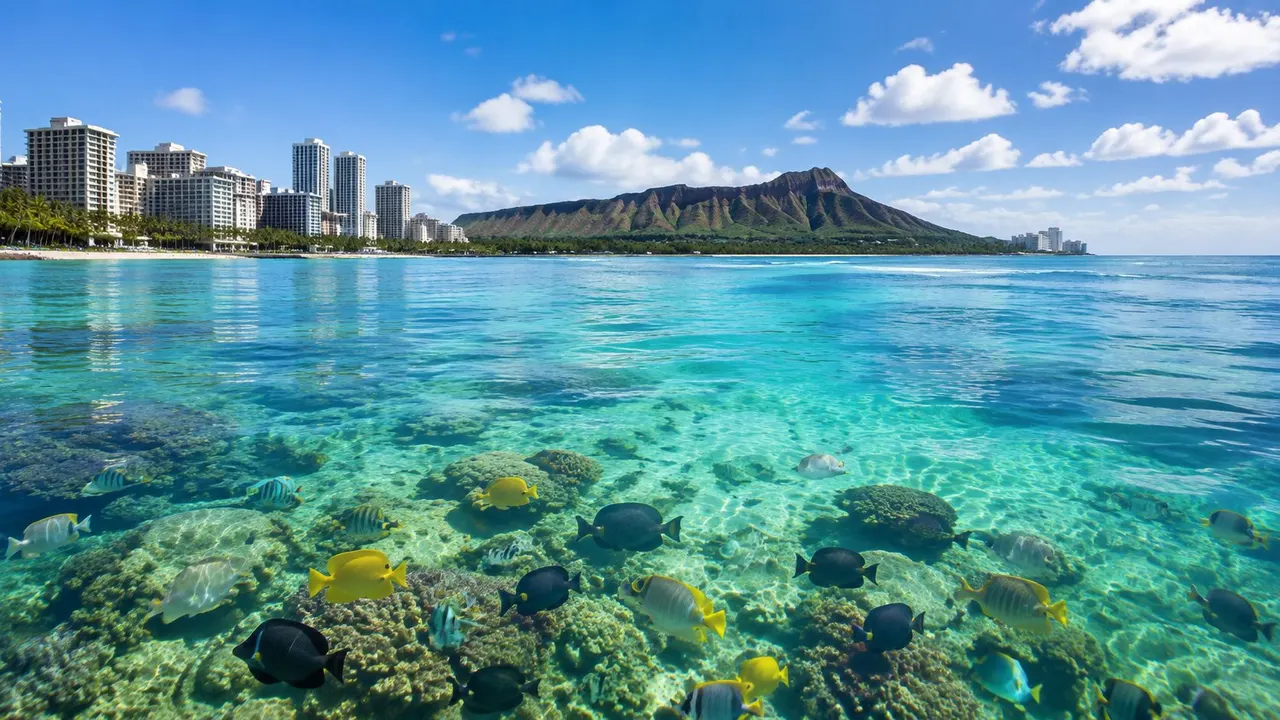
Hanauma Bay is the clearest example of why this market works. Its curved bay shape naturally calms the water, which makes it a strong benchmark for beginner-to-intermediate snorkeling most of the year. Official Honolulu guidance still says mornings usually offer better visibility and more active marine life, and that matches what guests notice when they get in early instead of arriving late with wind onshore and sand stirred up Honolulu ocean safety guidance.
What makes the city so practical
Honolulu also works because it supports different styles of snorkeling without much logistical pain. Some people want a shallow, shore-based session where they can ease in slowly. Others want a boat trip to a cleaning station or a reef that's harder to reach from land, and guided operators help make that choice realistic for the group.
You get both convenience and marine life in Honolulu, the question is how you choose to access them.
Living Ocean Tours runs its snorkeling trips from the same part of town many hotel guests already know, and that matters more than people think when you're traveling with kids or grandparents. When a company handles gear, briefing, and local route knowledge, the day gets simpler before you ever touch the water. If you want a quick look at a Honolulu-based option, their snorkel overview is here: Honolulu snorkeling tours.
Practical rule: In Honolulu, the best snorkeling isn't the prettiest water at noon, it's the site that still looks clean, calm, and manageable when you actually arrive.
Top Snorkeling Sites Near Waikiki and Honolulu
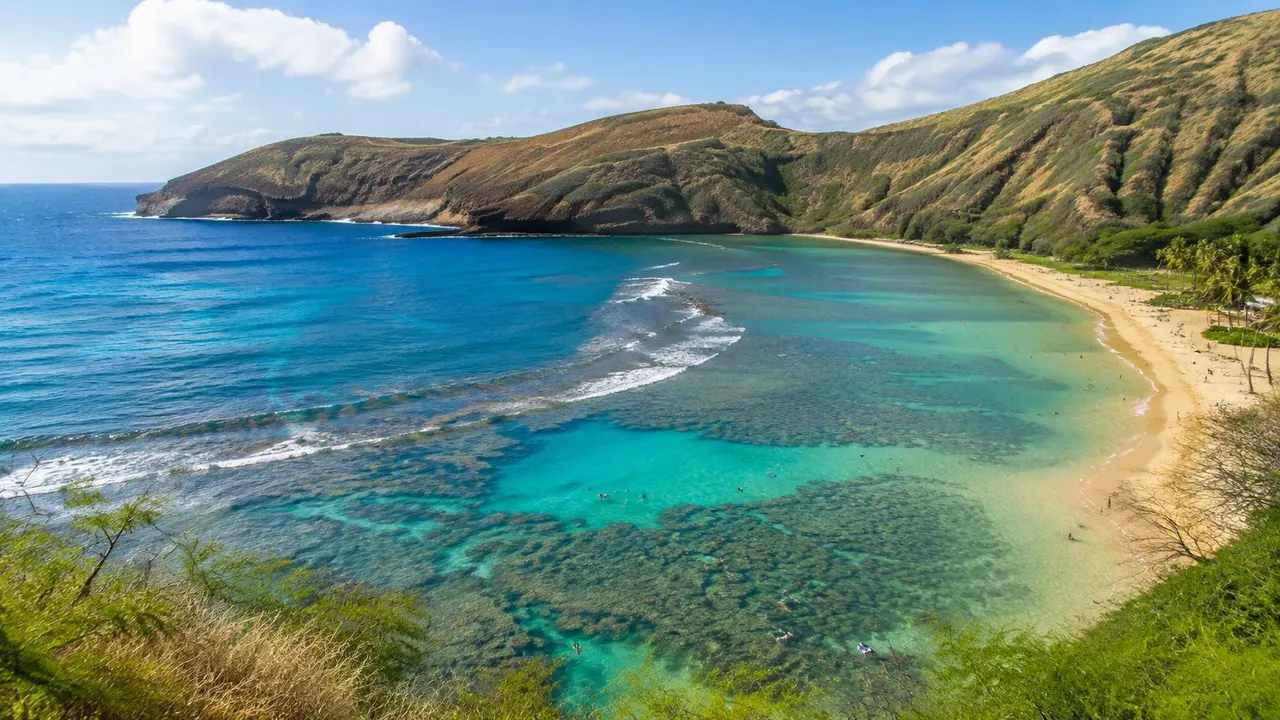
A lot of Honolulu snorkeling decisions come down to timing and tolerance for hassle. Hanauma Bay usually gets the first look because its sheltered shape softens wave energy and makes the water friendlier for beginners, but that convenience comes with tighter rules and more planning than a casual beach stop.
Hanauma Bay for first-timers
Go early. Morning light usually gives better visibility, and fish activity tends to be stronger before wind pushes chop across the bay. As noted earlier, local safety guidance also says to stay out of the ocean after heavy rain, since runoff can affect water quality even when the surface looks calm.
For families, the advantage is predictability. Hanauma Bay is easier to explain to nervous swimmers than an open-coast site, but it still works best when you leave space in the day for access rules, gear checks, and a slower pace. If you are trying to fit it around a hotel morning, plan it as the main event, not a quick add-on.
Turtle Canyons for guided boat access
Turtle Canyons works well for groups that want Hawaiian green sea turtles and prefer a guided setup. You skip parking pressure, you do not have to guess at entry points, and the operator handles the boat position and the pre-swim briefing.
That matters more than people think. Turtles are wild animals, so a good guide keeps expectations realistic and the group calm instead of chasing a guaranteed sighting.
North Shore and family alternatives
Sharks Cove is a summer site, not a year-round promise. When the swell is light, the lava-formed terrain can be rewarding, but winter surf changes the experience fast and can make the easy version disappear. Kuilima Cove is the calmer option when you want a more family-friendly entry and less pressure on newer swimmers.
For a practical Waikīkī companion page, this Waikīkī beach snorkeling guide is useful when you want a simple, local starting point.
Choosing the Right Guided Snorkel Tour
A good guided tour starts with a clear match between the group and the water. Some guests want turtles, some want an easy family outing, and some just want enough time on the ocean to feel the day was well spent. Guided trips cut out a lot of friction. Gear setup, route choices, and on-water safety decisions are handled by people who know the local conditions.
Living Ocean Tours runs a turtle-focused snorkel trip from Kewalo Basin, plus a family-friendly cruise with extra water toys and a sunset option for guests who care more about the horizon than the reef. Their Honolulu tour page lays out those choices clearly: Honolulu snorkel company.
Match the tour to the group
If turtles are the main goal, a dedicated Turtle Canyon outing keeps the day focused. For mixed-age groups, the Deluxe Waikīkī Snorkel & Wildlife Cruise is easier to sell to kids and less confident swimmers because it adds a waterslide, a water trampoline, and a lily pad. That kind of play space helps when part of the group needs a break from reef time and does not want to stand around on a crowded shore.
Couples and smaller groups often prefer the Waikīkī Sunset Cruise, which shifts the outing into golden-hour time. Living Ocean Tours also offers private charters for celebrations and corporate outings, which gives you more control over the guest list and the pace. If you want a turtle-focused option to compare, Snorkel Turtle Canyon is a solid page to check alongside it.
Safety Essentials and Beginner Tips for Honolulu Snorkeling
Honolulu snorkeling starts with conditions, not confidence. Hawaii's public-health and safety coverage has shown that snorkeling is a major visitor activity and also a serious public-safety issue, with state reporting cited in coverage showing 204 snorkeling-related deaths in Hawaii from 2012 to 2021, including 184 visitors Civil Beat-cited reporting in the verified data. Preparation keeps a routine beach day from turning into a rescue.
Start with the basics that prevent trouble
Snorkel with a buddy every time. Wear a lifejacket or snorkel vest if you are not fully confident, because flotation buys you time to breathe, look around, and exit calmly if the water shifts. Check the ocean before you enter, and pay attention to surf, current, and entry points.
If you are new, practice in shallow water first. Mask clearing is easier to learn while standing than while drifting in open water, and that small skill prevents a lot of frustration. Do not touch coral, do not stand on reef, and do not chase marine life. A calm turtle or fish school gives you a better sighting than a stressed animal that bolts because someone got too close.
What beginners usually miss
Rip currents deserve respect because they often look plain from shore. If the water is pulling seaward, do not fight straight back to land. Swim parallel until you are out of the current, then head in. That habit matters more than fancy gear.
Guided tours add a useful safety layer. Crews read the day, not just the forecast, and they can adjust position, keep the briefing focused, and step in before a small issue becomes a trip-ending one. If you are starting from zero, a guided setup is usually less stressful and more enjoyable. For a practical local overview, Snorkeling Oahu is a useful reference.
Simple rule: If you are tired, anxious, or breathing too fast before you enter, wait ten minutes and reset. Most bad snorkeling decisions happen when people rush that moment.
Seasonal Considerations and Wildlife Viewing Opportunities
Humpback whale season in Hawaiʻi generally runs from November through May, with the usual peak in abundance from January through March Hawaiian Islands Humpback Whale National Marine Sanctuary. The state DLNR says whales can arrive as early as September, and sightings are common off Oʻahu, even if they're less frequent there than on Maui, Kauaʻi, or Hawaiʻi Island DLNR whale guidance. That means a winter snorkeling day can still give you whale-watching bonus value, especially if your boat route has open-ocean visibility.
Water conditions shift with the calendar
Summer usually improves the North Shore story. That's when sites like Sharks Cove are more workable, because winter swell can make the same spots feel very different or not worth the entry. The ocean is never static here, and locals make decisions based on what the swell is doing, not what the calendar says on the hotel wall.
Morning sessions usually beat afternoon sessions for clarity. Wind builds through the day, suspended sand reduces visibility, and marine life activity often feels livelier before the heat and chop stack up. Heavy rain is the hard stop, especially near the Ala Wai Canal discharge area in Waikīkī, where Hawaiʻi Department of Health guidance says to stay out of the ocean for at least 72 hours after rainfall Waikīkī snorkel safety advisory.
Read the day before you commit
The best snorkeling days often look boring from the beach chair. Light wind, low swell, and an early start usually beat flashier weather that looks fine from a condo lanai. If the water looks busy, cloudy, or chopped up, choose a calmer site or go with a guide who can adapt on the fly.
That's also why Honolulu snorkeling works best as a flexible plan instead of a rigid one. Pick the marine experience you want, then let conditions decide whether you do it from shore, from a bay, or from a boat.
Gear Checklist and Sustainable Snorkeling Practices
The gear that matters most is the gear that keeps you comfortable long enough to enjoy the water. A properly fitted mask and snorkel come first, because a leaky seal or a mouthpiece that feels awkward ruins a lot of first outings. Add a snorkel vest or lifejacket if anyone in the group is hesitant, and bring a rash guard or wetsuit top for sun protection and extra comfort.
What to pack and what tours usually handle
Guided tours usually cover the main snorkel basics, gear, instruction, and on-water direction. Guests should still bring personal items that make the day smoother, like towels, dry clothes, and a waterproof phone case if they're planning to take shoreline shots. I'd also bring reef-safe sunscreen and a light cover-up, because reapplying sun protection after the first swim is where many people go wrong.
Reef-safe products matter because Honolulu visitors are sharing the water with living reef, not an aquarium. If you want a local product reference, this guide helps: Reef-safe sunscreen in Oahu.
Sustainable habits that hold up in the real world
Keep distance from sea turtles and monk seals. Federal wildlife rules require specific minimum distances, and the practical reason is simple, stressed animals leave, and stressed people miss the moment anyway. Don't feed fish. Don't stand on coral. Don't grab a turtle for a better photo.
Sustainable snorkeling starts with restraint. The less you interfere, the more natural behavior you get to see.
Living Ocean Tours folds that mindset into the trip flow, which is one reason guided snorkeling feels easier for families and first-timers. You're not guessing about etiquette in the middle of a beautiful moment. You're following a plan that already assumes the reef deserves respect.
Planning Your Honolulu Snorkeling Itinerary
Book early if you're coming in peak season, because the better morning slots and popular tour times go first. Honolulu works best when snorkeling is one part of a larger day. Reserve time for flexibility, especially with families and multigenerational groups, where energy levels change fast.
A half-day family plan usually looks like this, a morning on the Deluxe Waikīkī Snorkel & Wildlife Cruise, then beach time or lunch back near town. A full-day couple's version can pair morning Turtle Canyons snorkeling with a late-day sunset cruise, which gives you both underwater time and a calmer finish on the water. For a longer stay, use one day for Hanauma Bay, one for a guided boat trip, and, when the season lines up, one for whale watching.
If you're planning a celebration or corporate outing, private charter space is the cleanest move because it lets you control the vibe and keep the schedule tight. For travelers who want one company to handle the water side of the trip, Living Ocean Tours is a straightforward place to start.
If you want a Honolulu snorkeling day that runs smoothly, start with Living Ocean Tours. They offer guided reef trips, family-friendly boat time, seasonal whale encounters, and charter options that fit real vacation schedules. Pick the water experience that matches your group, book ahead, and you'll spend more time snorkeling and less time sorting out logistics on the fly.


