
Turtle Canyon Snorkeling Weather Cancellations Explained
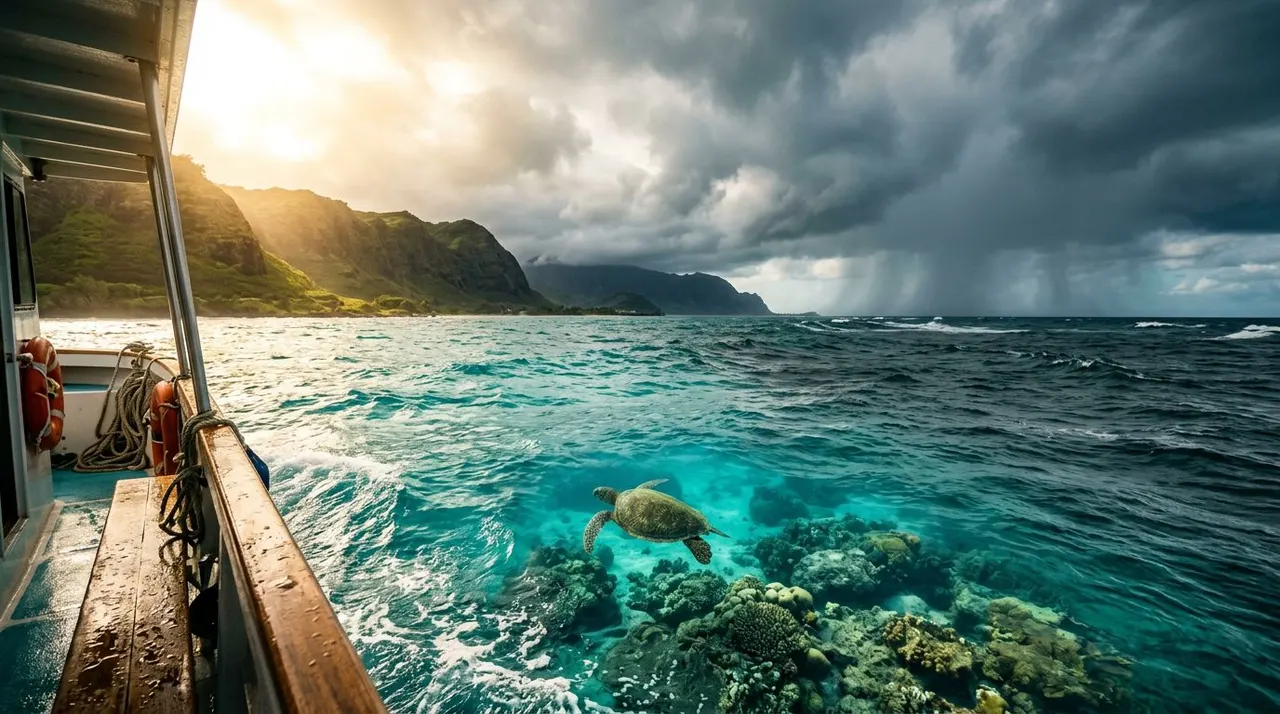
If you are planning turtle canyon snorkeling in Honolulu, a weather cancellation can feel like the worst kind of vacation surprise. You may have arranged transportation, packed your swimwear, and built your day around seeing Hawaiian green sea turtles.
The good news is that rain alone doesn’t always stop a boat trip. Wind, swell, visibility, currents, lightning, and safe boarding conditions matter more. Once you know how operators make decisions, you can plan your Turtle Canyon snorkeling adventure with fewer surprises.
What weather can cancel a Turtle Canyon snorkeling tour?
Honolulu’s weather can change quickly along the coast. Waikiki may have sunshine while clouds gather over the Ko’olau Range. A short rain shower can pass before your boat reaches Turtle Canyons, while stronger winds can make the ocean unsafe even under clear skies.
Tour operators watch the water, not only the forecast shown on your phone. Conditions that may affect a snorkeling departure include:
- Strong wind that creates rough water near the harbor or reef.
- Large swell that makes boarding, swimming, or returning to the boat unsafe.
- Poor visibility that limits your ability to see marine life and stay near your guide.
- Lightning or nearby thunderstorms.
- Unsafe harbor conditions or weather along the planned route.
- Ocean currents that make the snorkeling area unsuitable for the group.
Waikiki’s water temperature is usually in the mid-70s during winter and can reach the low 80s in late summer. The water may feel comfortable, yet rough surface conditions can still make a trip unsafe. Before leaving your hotel, check the National Weather Service’s Hawaii surf forecast, then rely on the operator’s direct update for your specific departure.
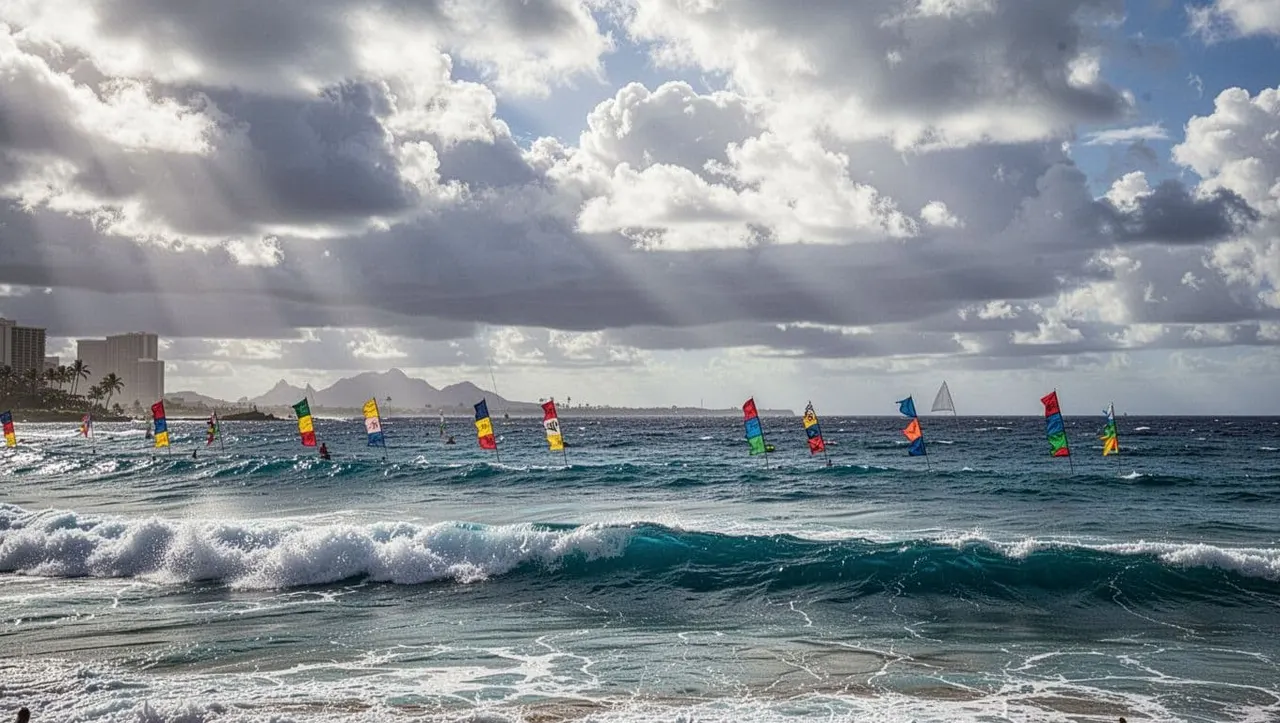
A gray sky doesn’t automatically mean your tour is canceled. The deciding factor is whether the captain and crew can take you out, reach the snorkeling area, and bring everyone back safely.
How operators decide whether to cancel
A weather app gives you a broad forecast. Your captain sees the actual conditions at the harbor and on the water. That difference matters.
Before departure, the crew considers wind direction, wave height, swell period, visibility, current strength, and the condition of the planned snorkeling site. They also consider the experience level of the guests. A calm trip for confident swimmers may feel very different for a family with young children or a first-time snorkeler.
The captain may make a decision several hours before departure, or the crew may continue monitoring conditions closer to launch. If conditions worsen after the boat leaves, the route or snorkeling location may change. Safety takes priority over reaching one exact spot.
A weather cancellation means the operator decides conditions are unsuitable for a safe trip. It doesn’t mean every rainy or cloudy day qualifies for a refund.
You should also separate three situations that guests often combine:
| Situation | What it usually means |
|---|---|
| The company cancels before departure | You may receive a refund, rebooking option, or both, based on the booking terms. |
| The trip operates but the route changes | The captain may choose a safer area, and a refund may not apply. |
| You cancel because of rain or a personal change | Your reservation’s customer-cancellation policy controls the result. |
A rough sea is different from a less-than-perfect view. If the boat can operate safely but clouds reduce visibility, the trip may continue. Turtle sightings also depend on animal behavior, even when the weather is excellent. Living Ocean Tours reports a 95% success rate for spotting Hawaiian green sea turtles at a natural cleaning station, but no responsible operator can promise that wildlife will appear on every outing.
What happens after a weather cancellation?
Your first step is to watch for a call, text, or email from the tour company. Keep the phone number and email address used for your reservation active, especially on the morning of your trip.
The operator will normally explain whether you can:
- Move your reservation to another available date.
- Receive a refund under the weather-cancellation policy.
- Choose a different departure or experience.
- Keep the booking if conditions improve.
Policies vary by company, boat, group size, and booking channel. A reservation made directly with an operator may follow different terms from a third-party booking site. Read the cancellation section before you pay, and save a screenshot or confirmation email for easy reference.
Don’t assume that a weather cancellation and a guest cancellation receive the same treatment. Many Hawaii tour policies use a notice window, often 24 or 48 hours, for customer-initiated cancellations. Weather decisions usually follow a separate safety policy. Your own booking terms are the final authority.
If the company cancels, ask two clear questions: “Will I receive a refund or a reschedule option?” and “When will the refund appear?” If you choose a new date, confirm the time, meeting location, passenger names, and any transportation details before ending the call.
A late arrival is also different from a weather cancellation. Plan extra time for traffic between Waikiki and Kewalo Basin Boat Harbor. If you miss check-in, the no-show section of your reservation may apply even when the weather remains acceptable.
How to plan around snorkeling weather
You can’t control the forecast, but you can make a cancellation much easier to handle.
Book your Turtle Canyon snorkeling trip early in your stay rather than on your final morning. This gives you more room to reschedule if wind or swell interrupts the original plan. It also protects you from trying to squeeze a replacement trip between a flight, dinner reservation, and hotel checkout.
Leave one flexible block in your itinerary. A canceled morning may become an afternoon departure, or you may need to shift the tour to another day. Keep your schedule light enough to accept that change.
Wear a swimsuit beneath comfortable clothing and bring a dry change of clothes. A light rain jacket helps at the harbor, even when the ocean trip continues. Protect your phone in a waterproof pouch, and use reef-safe sunscreen before boarding.
If you are prone to motion sickness, ask the crew where to sit and consider speaking with your healthcare provider before travel. Living Ocean Tours operates Coast Guard-inspected double-decker vessels, including the Lokahi with a SeaKeeper stabilization system designed to reduce rolling. You should still follow crew guidance, especially when the ocean becomes active.
Beginners and families also benefit from professional support in the water. Living Ocean Tours is the only tour company with professional snorkel guides, so you have trained assistance when you enter the water, adjust your gear, and stay with the group. Children must meet the tour’s age and safety requirements, and an adult should remain attentive throughout the experience.
The company also asks you to observe wildlife without touching it. Hawaiian green sea turtles need space to rest and feed. Keep your hands off the animals, avoid chasing them, and follow your guide’s instructions around the reef.
Why your operator matters on an uncertain weather day
Living Ocean Tours departs from Kewalo Basin Boat Harbor, a short drive from Waikiki Beach. The location makes it easier for you to reach the boat without crossing the island, while the crew can assess current harbor and ocean conditions before departure.
You can review the company’s Honolulu ocean tours before choosing a date. For a dedicated Turtle Canyons experience, see the Turtle Canyon Snorkel Excursion. The trip is designed for guests who want guided access to a known turtle area, including first-time snorkelers and families.
The Coral Kai and Lokahi are custom-built double-decker vessels with shaded seating, restrooms, dry storage, and sturdy ladders for water entry. Those details matter when you are waiting for a weather update or returning aboard after snorkeling.
If the conditions are suitable and you want to reserve your date, you can CHECK AVAILABILITY.
Questions to ask before you book
A quick conversation before booking can prevent confusion later. Ask where you will receive cancellation notices, how weather decisions are communicated, and whether you can reschedule if the company calls off the trip.
You should also confirm the meeting time and harbor location. Kewalo Basin is close to Waikiki, but traffic and parking can still affect your arrival. Give yourself enough time to check in without rushing.
Finally, ask how the operator handles a route change. The best answer is clear and direct. You should know whether the captain may select another snorkeling site, whether turtle sightings are guaranteed, and which situations qualify for a refund.
These questions don’t make your trip less exciting. They help you enjoy the ocean with realistic expectations and respect for the crew’s safety decisions.
Plan for the ocean, not only the forecast
Turtle Canyon snorkeling weather cancellations are uncommon surprises when you leave room in your schedule and understand the difference between rain, rough water, and a full operator cancellation. A cloudy morning may still produce a comfortable boat ride, while bright skies can hide wind or swell that changes the plan.
Book early in your stay, read your reservation terms, keep your phone available, and follow the captain’s direction. With professional snorkel guides, stable vessels, and a clear respect for Hawaiian marine life, you can focus on the experience while the crew manages the conditions that you can’t see from shore.
Conclusion
A canceled snorkel trip is disappointing, but a safe decision protects you, your family, and the reef. Weather may change your date or route, yet preparation gives you better options.
When you plan turtle canyon snorkeling, leave flexibility in your itinerary and ask about the policy before booking. That way, a change in the forecast becomes a manageable schedule adjustment instead of a vacation crisis.


