
Honolulu Snorkel Company: Your Guide to Oahu Tours
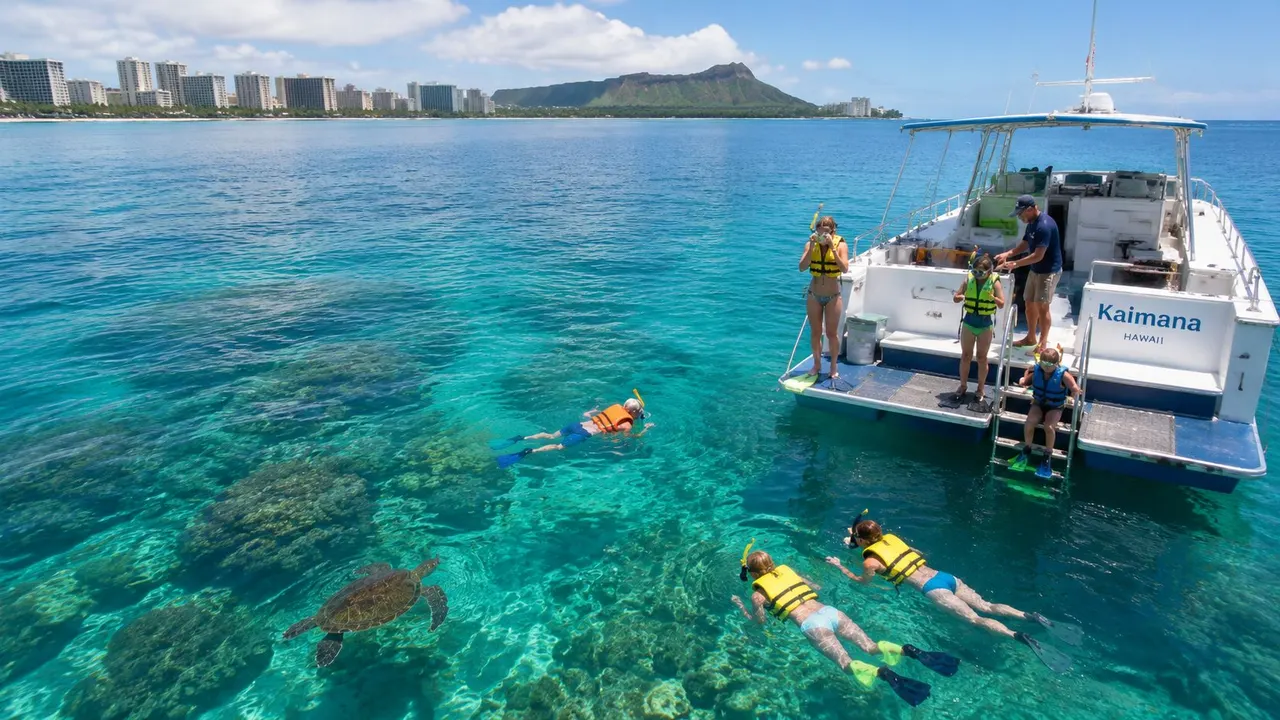
If you're standing in Waikiki tonight, phone in hand, trying to decide which boat trip is worth your money, you're not alone. The listings all start to blur together after a while, turtle tour, family cruise, sunset sail, whale watch, and every operator sounds like they know the reef better than the next one. What matters in Honolulu is less about the brochure language and more about where the boat leaves from, how the crew handles the water, and whether the trip fits your group.
Honolulu Snorkel Company sits inside that real-world decision, because not every operator is built the same. The company is a very young Honolulu business by local-industry standards, with a BBB start date of 7/22/2022 and Years in Business: 2, based at 1085 Ala Moana Blvd Ste 103, Honolulu, HI 96814-4904 according to the Better Business Bureau listing for the company, while older Oahu names like Snorkel Bob's go back to 1980 (BBB profile). That difference matters when you're choosing who to trust with your first offshore snorkel.
Stepping Onto a Honolulu Snorkel Boat for the First Time
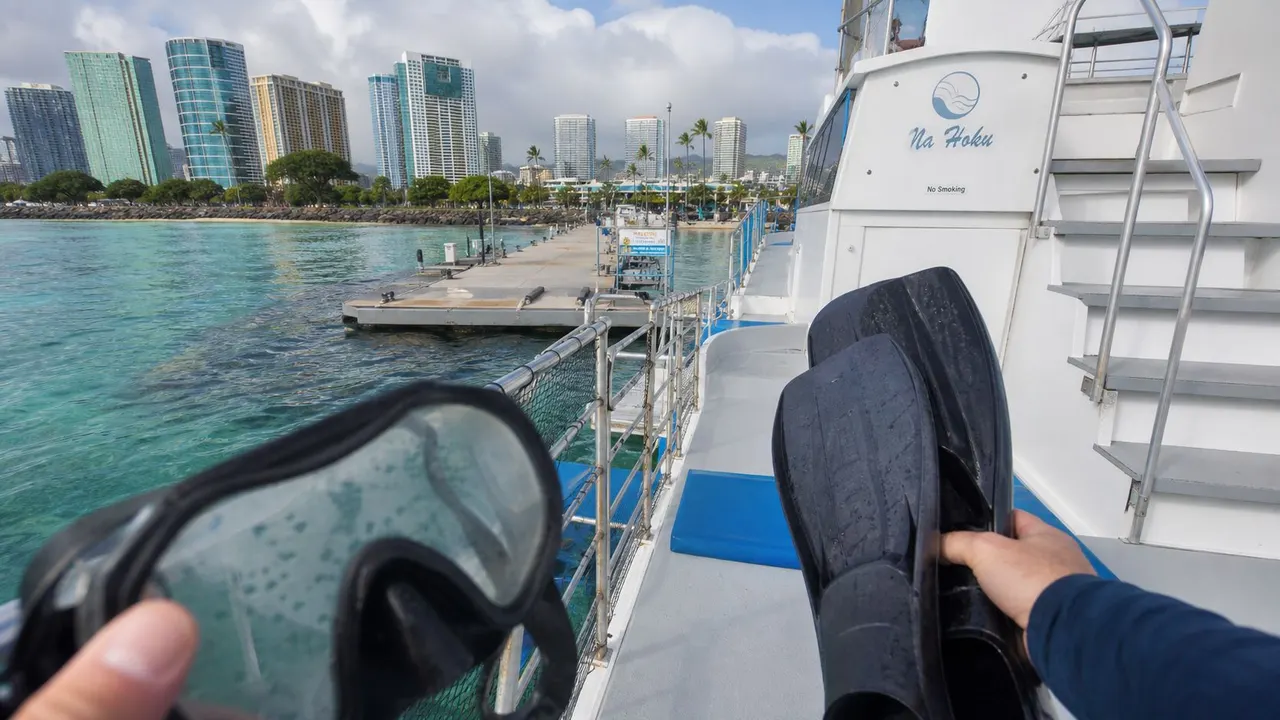
You step off the dock at Kewalo Basin with a mask in one hand and fins in the other, and the day changes fast. The harbor is still behind you, the boat's moving, and the reef is the reason you came out here in the first place. That first minute tells you everything about this business, because a good snorkel operator makes the transition from land to open water feel calm instead of rushed.
For a first-time visitor, that's the value of a Honolulu snorkel company. Shore snorkeling can work in shallow, protected places, but Waikiki's better marine life is often reached offshore, and that means boat access decides the day before you even get wet. Third-party listings describe Honolulu Snorkel Company's site as a “secret snorkeling spot” and as a place off the coast of Waikiki and only accessible by boat, which is the kind of access that changes what you see in the water (Yelp listing).
Practical rule: If the reef is boat-only, the operator matters more, because the captain, the departure point, and the guide's water knowledge shape the experience before the snorkel even starts.
That's why Honolulu isn't an interchangeable snorkel market. Some boats are built for easy family outings, some for wildlife-first guests, and some for fast turnarounds with little time in the water. The departure point, vessel setup, and guide presence all change how your body feels on the ride out and how relaxed you are when you drop in.
If you're curious how boarding should look before you arrive, the Waikiki boat tour boarding guide gives a useful sense of the harbor routine. The best operators make that moment feel ordinary, which is exactly what you want before you head offshore.
What a Honolulu Snorkel Company Actually Does
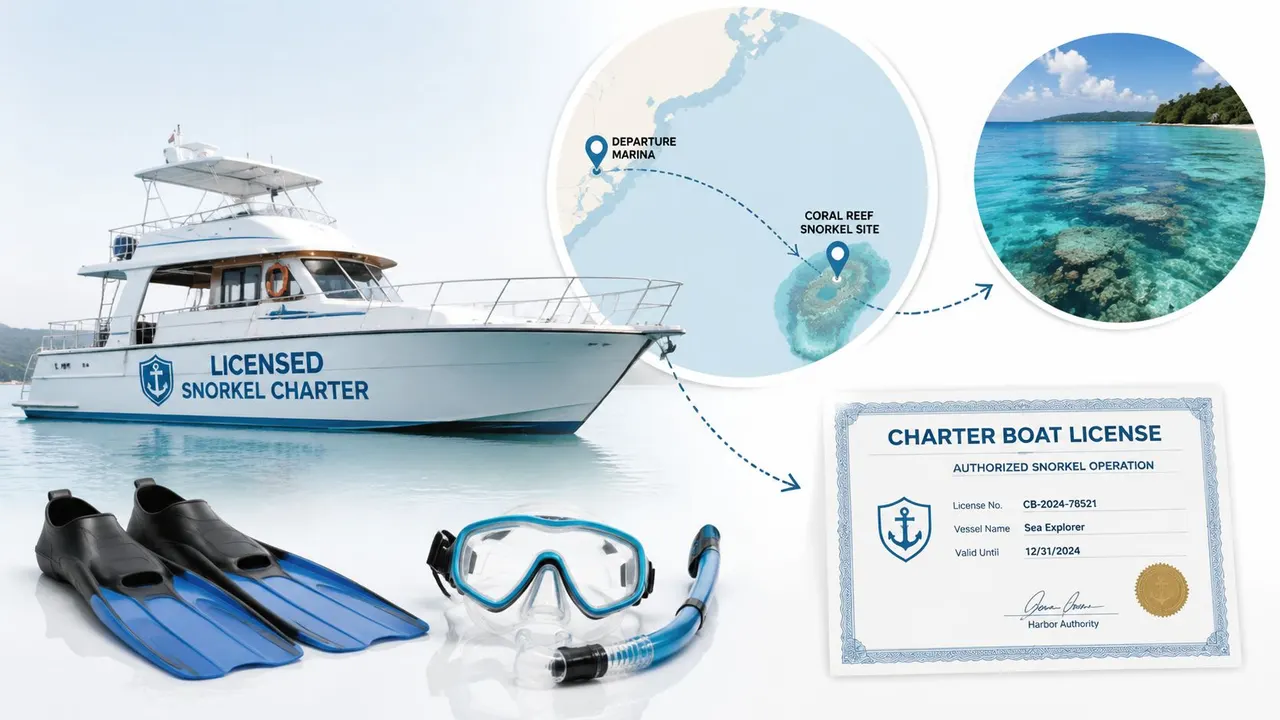
A real Honolulu snorkel company doesn't just move people from dock to reef. It gets guests offshore, hands out the right gear, gives clear safety and marine-life instruction, and keeps the trip organized until everyone's back on the boat and headed home. The company's own FAQ says there's no age limit as long as infants are in a car seat or carrier, and it says all tours are suitable for all ages, including young children and infants (company FAQ). That kind of policy tells you the trip is built to be low barrier, which is what most Waikiki families are really shopping for.
The working parts of a guided snorkel trip
The best trips start with fitting gear properly. Mask, snorkel, fins, and flotation support aren't add-ons in a serious charter, they're the foundation that lets first-timers relax long enough to enjoy the reef. That's especially true at a site like Turtle Canyons, where the point is to float, observe, and let the wildlife come to you instead of forcing a shore-entry experience.
The guide's job is not to entertain you the whole time. It's to keep the water calm, the group oriented, and the interaction respectful.
Turtle Canyons is the cleanest example of why a boat trip beats a beach entry. The reef site draws Hawaiian green sea turtles because it functions as a cleaning station, and that creates a predictable wildlife stop rather than a random sighting opportunity. If you've only snorkeled from shore before, the difference is huge, because the boat positions you where the current, depth, and reef structure work in your favor, not against you.
The company's posted check-in location is 1085 Ala Moana Blvd, #104, Honolulu, HI 96814, which puts the operation in the practical center of Waikiki's tour flow. For a first-timer, that matters more than marketing language. A simple departure hub, a clear gear handoff, and direct instruction are what make the day feel manageable.
For a broader look at tour styles, the Oahu snorkeling tours overview helps put the trip format in context without turning the decision into guesswork.
Comparing the Main Types of Oahu Snorkel Tours
The easiest way to compare Oahu ocean trips is by what kind of day you want, not by the marketing headline. A standard snorkel outing puts the water first. A deluxe snorkel cruise turns the boat into part of the fun. A sunset sail is about scenery and atmosphere. A whale watch is a seasonal wildlife trip built around a different part of the year.
Here's the part most visitors miss. The best choice for a confident swimmer isn't always the best choice for a nervous parent, and the trip that works for a couple doesn't always work for grandparents or little kids. The tour type shapes the mood before the boat leaves the harbor.
Oahu Snorkel and Ocean Tour Types at a Glance
| Tour Type | Typical Length | Best For | Wildlife Focus |
|---|---|---|---|
| Standard snorkel | About 1.5 to 2 hours, as described in the earlier research summary | First-time snorkelers, turtle seekers, visitors who want water time | Turtles, reef fish, and open-ocean marine life |
| Deluxe snorkel and wildlife cruise | Longer mixed-activity outing | Families, mixed-age groups, travelers who want play features | Snorkeling plus casual wildlife viewing |
| Sunset cruise | Evening sailing window | Couples, celebrations, low-effort scenic outings | Scenery, skyline, and evening marine atmosphere |
| Whale watch | Seasonal winter outing | Wildlife watchers and repeat visitors | Humpback whales in season |
If your group wants to snorkel first and relax second, the Turtle Canyon snorkeling tour is the most direct fit. If you want a more varied boat day, the deluxe format makes sense because not everyone has to spend the whole trip in the water.
The operational difference is real, too. A good snorkel boat doesn't just point at the site and wait. It manages transit, gear, and timing so the experience feels deliberate. That's why comparing trip type first usually saves more regret than comparing price first.
How Living Ocean Tours Stands Out Among Honolulu Operators
When I look at a Honolulu operator, I pay attention to the things that show up on the water, not just the website. Living Ocean Tours departs daily from Kewalo Basin Boat Harbor near Waikiki, its Turtle Canyons excursion is positioned around a roughly 95 percent turtle-sighting success rate in the supplied research notes, and gear and flotation are included so guests aren't piecing the day together themselves. That combination is what separates a routine charter from a more dependable first snorkel.
What established operations do differently
A newer operator can still run a good trip, but the odds are better when the company has a steady departure rhythm and a clear family-friendly setup. Living Ocean Tours also offers a deluxe snorkel and wildlife cruise with a 2-story waterslide, water trampoline, and lily pad, which tells you the company understands mixed-age groups instead of treating every guest like the same swimmer. That matters on Oahu, where one family might want turtles and another might want a boat that keeps kids entertained after the snorkel.
Living Ocean Tours is also described in the supplied research as the top rated & most reviewed snorkel company on Oahu, which is useful context when you're comparing an established name against a younger brand. The point isn't that reviews alone make a good trip. The point is that repeat guest feedback tends to expose whether a company runs its boats smoothly or just looks polished online.
Bottom line: Daily departures, included gear, and a trip design that works for families usually tell you more than a shiny headline ever will.
If you're comparing operators side by side, that's the practical edge. One boat is trying to sell the idea of snorkeling. The other is built to run the day.
What to Expect From Booking to Boat Return
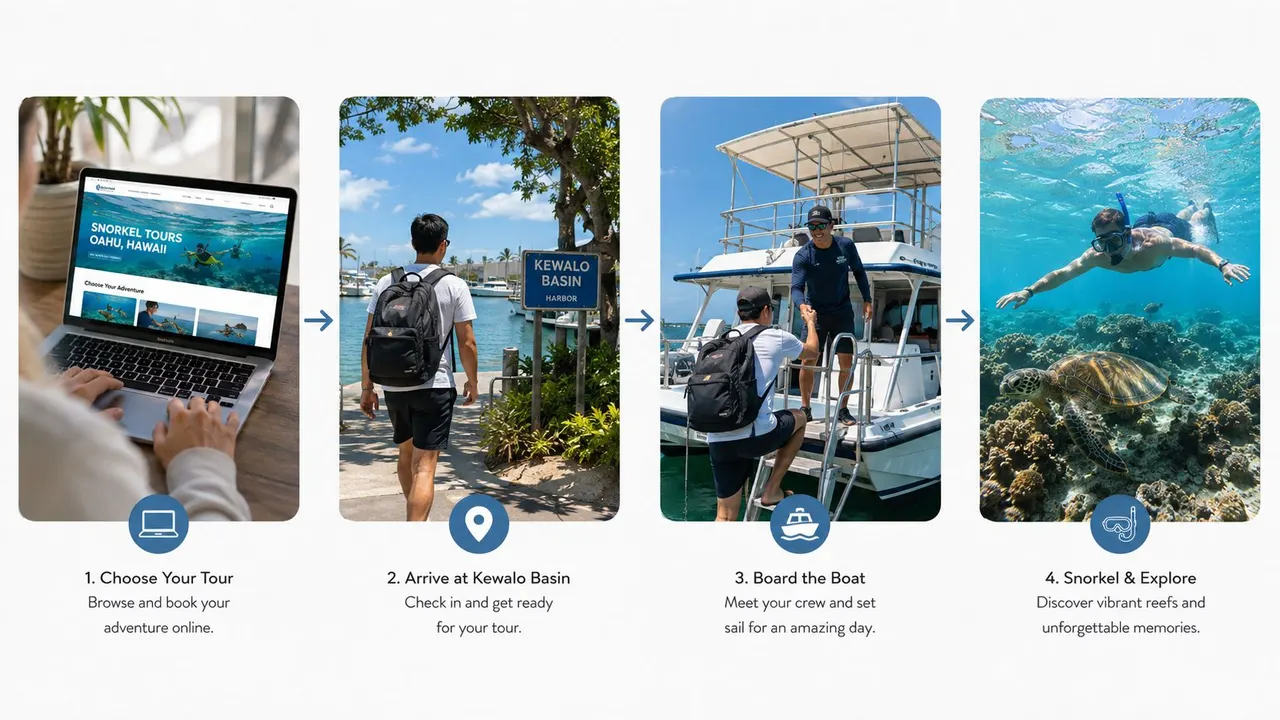
Booking a snorkel trip should feel simple. You choose the date online, arrive at Kewalo Basin early enough to check in without rushing, and let the crew handle the gear and briefing before you head out. Independent directory coverage says Honolulu Snorkel Company runs multiple cruises daily from Pier R217 in Kewalo Basin Harbor, requires advance online reservations, and offers a full refund if canceled at least 24 hours before departure (GooAhu directory).
The day in order
The first step is the reservation. Book early if you want a specific departure, because a harbor tour only works if the boat still has room for your group. Once you arrive, check in, get fitted for mask, fins, snorkel, and flotation, and listen closely to the safety talk.
The crew should tell you what's going to happen in the water before anyone jumps in. That includes how to enter, where to stay near the boat, and how to get help if your mask leaks or your confidence dips. If you're bringing kids or grandparents, say so early. Good crews adjust their pacing when they know the group needs extra support.
Practical rule: If you're not a strong swimmer, don't hide it. The crew can't help you properly if they don't know what kind of help you need.
One useful thing to know before you board is that full-face snorkeling masks are not allowed on some operators for safety reasons, according to the directory coverage above. Leave that gear at home and use what the crew provides. It's also smart to bring a towel, reef-safe sunscreen, and a dry layer for the ride back.
For booking details and date selection, the Waikiki boat tour reservations page is the kind of place where the logistics become clear before you show up at the harbor.
Safety Standards and Responsible Wildlife Etiquette
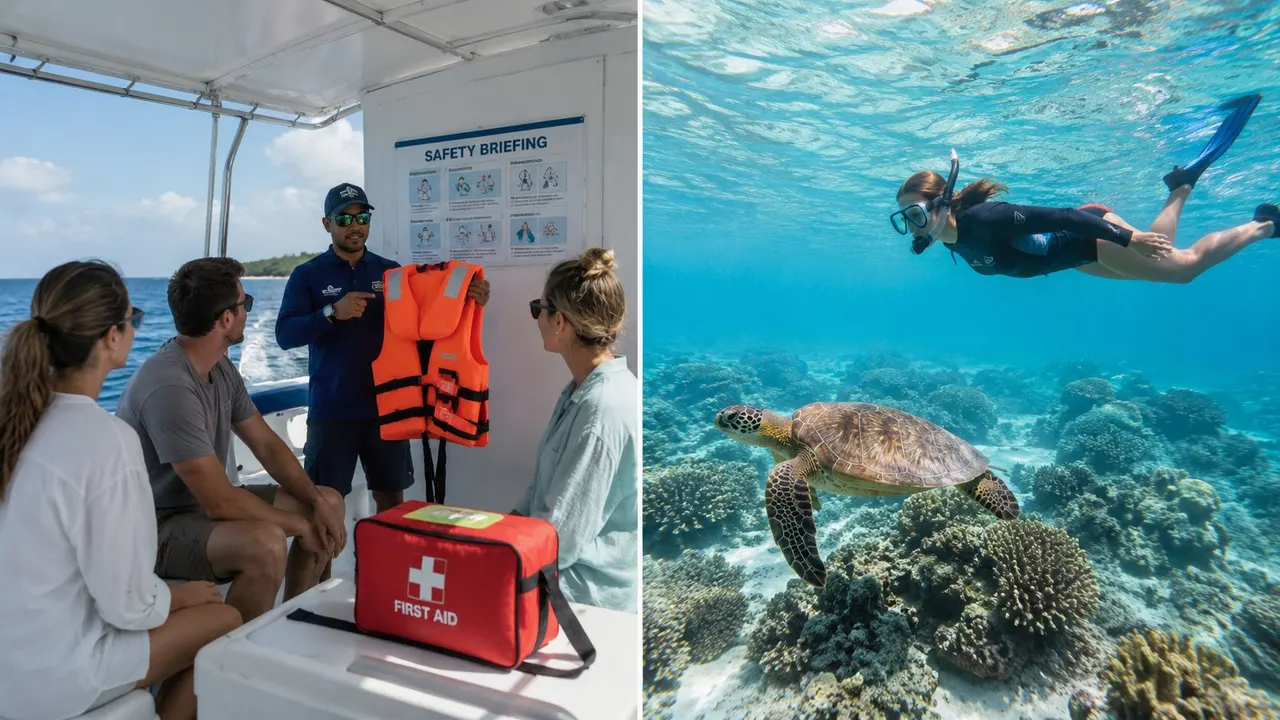
A responsible snorkel operator does two things well. It keeps people safe in moving water, and it keeps the reef from paying the price for the visit. Those two goals belong together, because a crew that ignores one usually cuts corners on the other.
The company's FAQ emphasizes included gear, flotation support, and on-boat instruction for families and first-timers, and that's the right foundation for a Honolulu snorkel company that expects non-swimmers and casual swimmers to join the trip (company FAQ). But safe snorkeling is not just about equipment. It's also about how the guide behaves when conditions shift, how the crew sets expectations, and whether guests are told to respect wildlife instead of crowding it.
The reef etiquette that actually matters
The clearest rule is the one people break most often. Stay at least 10 feet away from Hawaiian green sea turtles, which is the distance referenced in the supplied research and the standard visitors should treat as mandatory. That space protects the animal and keeps your own fins from creating a bad encounter. Coral deserves the same respect, because it's living structure, not scenery.
A good guide will slow the group down when a turtle surfaces, point out the animal without chasing it, and keep swimmers spread out enough that the reef doesn't get clogged with people trying to grab one photo. Boat-only access helps here, because it usually means fewer swimmers, better positioning, and a calmer entry point than a crowded shore break.
The Hawaii turtle snorkeling rules page is worth reading before you go if you want the etiquette to feel second nature in the water.
Respect makes the sighting better. The less you push, the longer the wildlife stays natural.
That's the standard to look for. If an operator treats turtle encounters like a chase, keep looking.
Best Times to Snorkel in Oahu by Season and Group
Oahu snorkeling changes with the seasons, and the right timing depends on who's coming with you. The calmest south-shore water is generally in summer, roughly April through October, which is the better window for first-timers and families. Winter, November through March, brings larger south-shore surf but also humpback whale season, so many visitors shift toward whale watches and sunset cruises during those months.
Time of day matters more than most visitors expect
Morning departures usually give you the calmest seas and the cleanest light for photos. Afternoons can still be good, but the water is often choppier and the boat ride may feel less settled. If you're traveling with young kids, the first departure of the day is the safer bet because everyone is fresher and the ocean is often easier to handle.
Couples who want scenery over swim time should look for the golden-hour window on a sunset cruise. Wildlife watchers who care most about whales should plan around the winter season, not around a random free afternoon. The calendar decides the odds before the boat ever leaves the harbor.
Practical rule: If your group is mixed, choose the time that works for the least comfortable person. That's usually the morning.
For families, that usually means an early snorkel. For couples, it often means sunset. For serious marine-life seekers, it means matching the trip to the season instead of forcing the same tour to do everything.
Choosing the Right Honolulu Snorkel Trip for Your Group
The right trip comes down to three decisions. First, pick the tour type, standard snorkel, deluxe snorkel, sunset cruise, or whale watch. Second, choose an operator with a real departure rhythm and a clear safety culture instead of the newest name on the board. Third, match the time of day and season to your group's comfort level, not your idealized version of the day.
If you're traveling with kids, older relatives, or anyone who isn't sure about open water, book a morning departure and tell the crew about mobility or swimming concerns before boarding. Bring reef-safe sunscreen, a towel, and a clear expectation that the full-face mask stays home. Reserve online in advance if you want the date you plan around, because a good harbor boat fills by convenience, not by luck.
If you want a Honolulu snorkel day that feels organized, family-friendly, and close to the water instead of crowded around it, take a look at Living Ocean Tours. They run daily departures from Kewalo Basin, offer turtle-focused snorkel trips, family-friendly cruises, and seasonal whale watching, and they're built for visitors who want a guided ocean day without guesswork.


