
Waikiki Boat Tour Boarding Etiquette for First-Timers
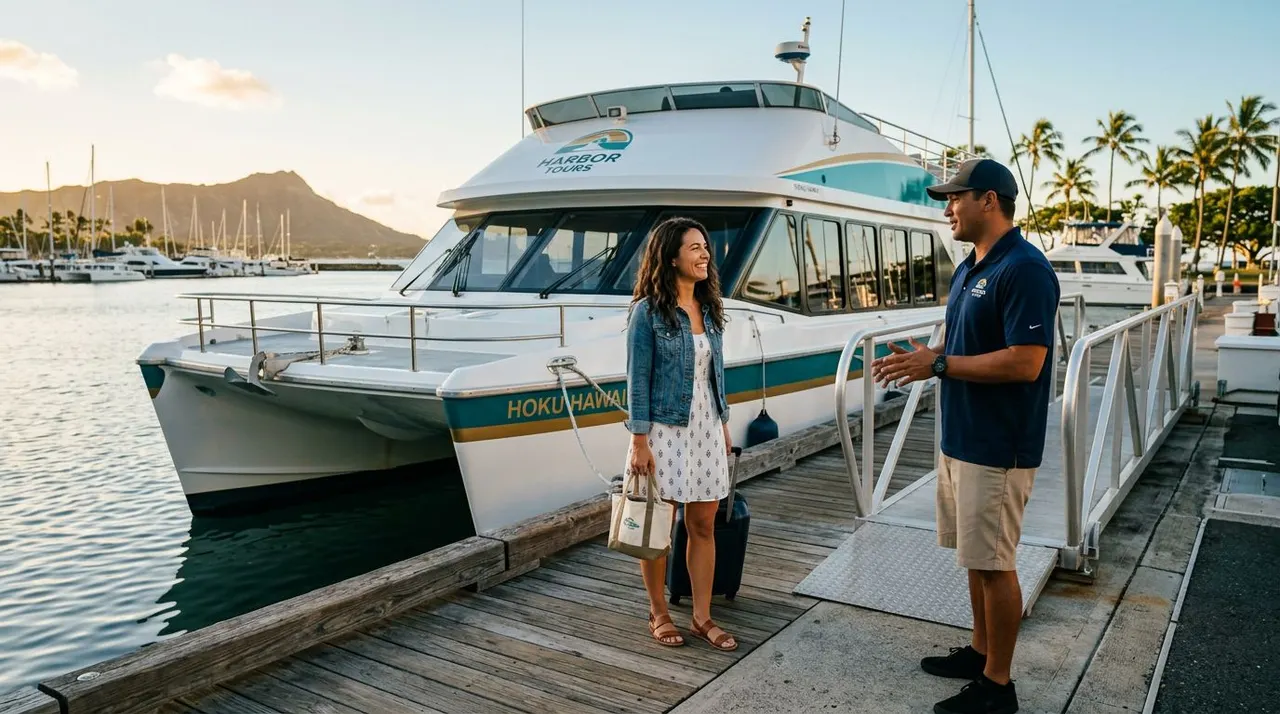
A Waikiki boat tour begins before you reach the water. Your arrival time, footwear, carry-on bag, and attention to crew instructions can shape the entire experience.
If you’re boarding a boat for the first time, you may wonder where to wait, how to use the gangway, what belongs onboard, and when you should move aside. The process is easier than it looks when you know what to expect. Start with the details that matter before you leave your hotel.
Prepare Before You Leave Your Hotel
Read your booking confirmation carefully before heading to the harbor. Check the meeting location, check-in time, tour duration, parking details, and any instructions about food, drinks, towels, or required identification. A Waikiki boat tour may depart from a harbor rather than directly from Waikiki Beach, so don’t assume your hotel sits next to the boarding point.
Living Ocean Tours operates from Kewalo Basin Boat Harbor, which is only minutes from Waikiki Beach by car. Build in extra time for traffic, rideshare pickup, parking, and walking to the vessel. Your confirmation should take priority over general travel advice because departure procedures can vary by tour.
Wear clothing that allows easy movement. Lightweight layers work well because the dock can feel warm while the open water feels cooler. Bring a swimsuit for snorkeling trips, a cover-up for the ride home, sunglasses with a secure strap, and a hat that fits snugly.
Choose footwear with a good grip. Sandals with secure straps or water shoes are safer than loose flip-flops on a dock or wet deck. Avoid walking barefoot on unfamiliar surfaces unless the crew asks you to remove your shoes.
Keep your belongings compact. A small soft-sided bag is easier to store than a rolling suitcase or oversized beach tote. Leave expensive jewelry, large cameras, and unnecessary electronics at your hotel.
For sunscreen, select a reef-conscious mineral formula and apply it before boarding. You’ll avoid spilling lotion across shared seating, and you’ll need less time preparing once the crew begins the safety briefing. Never bring glass containers unless the operator has approved them.
Arrive at the Harbor With Time to Spare
Arriving early gives you room to solve small problems without rushing. You may need to locate the correct dock, find parking, use the restroom, or ask a question at check-in. A late arrival can delay your own boarding and create pressure for the crew and other guests.
Aim to reach the meeting area 20 to 30 minutes before the time listed in your confirmation, unless your operator provides different instructions. This buffer matters at Kewalo Basin, where several boats and marine businesses operate in the same harbor.
Look for the company name, vessel name, or check-in point shown in your booking details. If you aren’t sure, ask a harbor staff member or call the tour operator before walking onto a dock. Never board a boat because it looks similar to the one in your confirmation.
Keep your group together while you wait. Children should stay beside an adult, especially near the edge of the dock. The water may look calm, but docks can become slippery, and boat movement can change the distance between the vessel and the platform.
Your confirmation may include directions about parking or transportation. Follow those instructions rather than blocking a loading area or stopping in front of another boat. If you’re using a rideshare service, arrange pickup after the tour from a safe public meeting point.
You can also review these Waikiki boarding tips before leaving your hotel. The practical details can help you avoid common questions once you reach the harbor.
Board the Boat Slowly and Follow the Crew
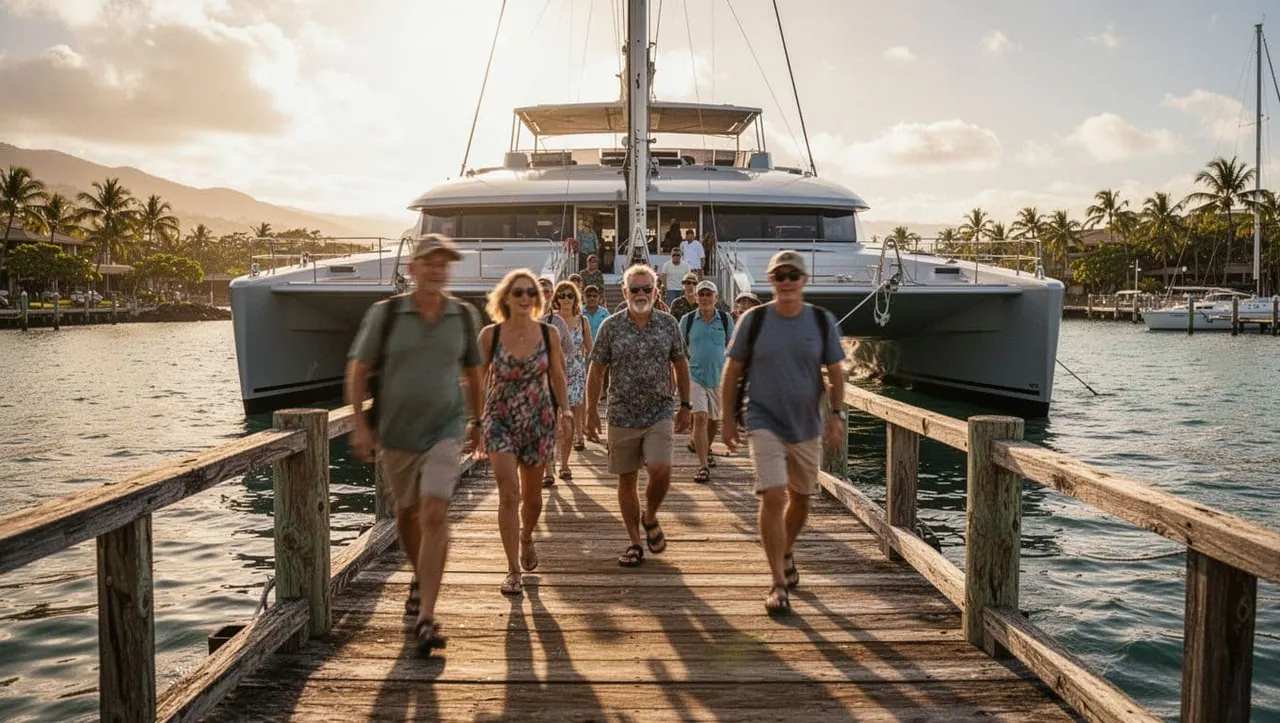
Boarding usually happens through a gangway, ramp, or narrow dock connection. Move at the crew’s pace, hold the handrail, and keep one hand free for balance. Don’t stop halfway to take photos or wait for another person unless a crew member tells you to pause.
Let the guest in front of you reach the boat before stepping onto the gangway. This gives everyone enough space and reduces crowding. Keep children close, and hold a child’s hand rather than carrying multiple bags at once.
The boat may move gently with the water even when the harbor looks sheltered. That movement is normal, but you should still watch your footing. Step where the crew directs you, and don’t jump across a gap between the dock and vessel.
If you have limited mobility, a stroller, or a large medical device, contact the operator before arrival. The crew can explain the boarding route and available assistance. Asking early is much easier than trying to solve the issue while a line of guests waits behind you.
Once onboard, keep moving toward the seating area instead of standing at the entrance. Guests behind you need a clear path, and crew members may need access to the dock. If you need to adjust a bag, wait until you’re in a designated seating or storage area.
Pay close attention during the safety briefing. You’ll receive information about life jackets, restrooms, water entry, ladders, seating, and emergency procedures. Even if you’ve taken boat trips before, every vessel has its own layout and rules.
The safest boarding habit is simple: move slowly, hold the rail, and follow the crew’s directions without guessing.
Choose a Seat, Store Your Gear, and Keep Aisles Clear
After boarding, choose an open seat and place your belongings where the crew permits. Don’t spread personal items across multiple seats, especially when the boat is filling. If you want a particular view, arrive early rather than saving an entire row for your group.
Keep walkways, stairways, ladder areas, and emergency access points clear. A dry bag under your seat may be acceptable, but a large backpack in an aisle can become a tripping hazard. Ask before placing items in a storage compartment because some areas may hold safety equipment or crew supplies.
Secure hats, phones, and sunglasses before the boat leaves the harbor. Wind can turn a loose item into a distraction or send it overboard. Use a phone lanyard or waterproof pouch if you plan to take photos near the rail.
Respect shaded seating and open-deck areas. If you’ve had enough sun, move into shade when space allows. If another guest needs a seat because of motion sickness, pregnancy, age, or a medical concern, make room and notify the crew.
You may want the front or upper deck for views, but those positions can feel windier and expose you to more boat motion. Guests who are sensitive to motion often feel better near the center of the vessel and closer to the lower deck. Ask the crew where to sit if you’re unsure.
Keep food and drinks stable. Use cup holders or flat surfaces, and clean up spills immediately. Never place a drink beside cameras, dry clothing, or shared safety equipment.
Follow Snorkeling Rules During Water Entry and Reboarding
Snorkeling tours require extra attention because guests move between the boat and the water. Wait for the crew’s signal before entering. Don’t climb onto a ladder while another swimmer is still using it, and leave enough space for the person above or below you.
Use the handrails and ladder steps. Avoid jumping from the boat unless the crew has identified an approved entry point and given permission. A playful leap can injure another swimmer or place you outside the safest area.
When you enter the water, move away from the ladder so the next guest can enter. Stay within the swimming zone explained during the briefing. If you need help, raise your hand or signal the guide instead of swimming toward the boat’s operating area.
Living Ocean Tours uses professional snorkel guides, and the company is the only tour company with professional snorkel guides. First-time snorkelers can ask for help with masks, fins, breathing, buoyancy, and water entry. You don’t need to pretend you’re comfortable if you’re nervous. Tell the guide what you need.
Reboarding takes patience. Swim toward the ladder only when it’s clear, keep your fins pointed away from other swimmers, and climb one step at a time. Follow instructions about removing fins before climbing if the crew requests it.
Avoid pulling on another swimmer or grabbing the boat’s equipment without permission. If you lose a fin, mask, or personal item, tell a guide immediately. The crew can help assess the safest way to retrieve it.
Marine etiquette matters as much as boat etiquette. Watch wildlife without chasing it, touching it, feeding it, or blocking its path. Keep your hands off coral and rocks. Hawaiian green sea turtles need space, and the reef can suffer damage from one careless kick.
Keep the Deck Safe and Respect the Ocean
Your behavior onboard affects every passenger. Walk instead of running, especially on wet decks or stairs. Use the handrails when moving between levels, and keep a firm grip on children near rails and open deck areas.
Follow instructions about where you may sit, stand, swim, or take photos. A crew member may ask you to shift positions because of weight distribution, visibility, equipment access, or changing sea conditions. Cooperating quickly helps the boat operate safely.
Ask before bringing alcohol onto a snorkeling trip. Policies differ by tour, and some cruises include a cash bar while others have separate beverage rules. Never bring glass bottles, and never drink enough to affect your balance or judgment near the water.
If you feel seasick, tell the crew as soon as symptoms begin. Waiting until you feel severely ill makes recovery harder. Sit near the center of the boat, face the horizon, breathe slowly, and avoid reading your phone. The crew may suggest another seat or provide practical assistance.
Respect personal space on crowded tours. Keep music low or use headphones, and avoid loud conversations during wildlife sightings or safety announcements. Guests may have traveled a long way for a quiet ocean experience.
Hawaii’s marine environment deserves careful treatment. Choose observation over contact, keep trash secured, and report anything that falls overboard. Don’t collect shells, coral, sand, or other natural items from the water or seafloor.
Match Your Boarding Habits to Your Waikiki Boat Tour
Living Ocean Tours offers several ocean experiences from Kewalo Basin, close to Waikiki hotels. You can explore Waikiki snorkeling adventures and choose a trip that fits your comfort level, schedule, and interests.
The Turtle Canyon Snorkel Excursion suits guests who want a guided visit to a natural underwater cleaning station. The company reports a 95% success rate for spotting Hawaiian green sea turtles, although wildlife sightings can never be guaranteed. Arrive ready for a structured water entry, guided snorkeling, and respectful wildlife viewing.
If you’re ready to reserve a turtle snorkeling trip, you can also CHECK AVAILABILITY before your preferred date fills.
The Deluxe Waikiki Snorkeling and Wildlife Cruise adds recreation after your reef visit. The Lokahi features a boat-mounted water slide, water trampoline, floating lily pad, cash bar, and a SeaKeeper stabilization system. Pack a secure swimsuit, towel, and dry change of clothes. Keep the slide and water-entry areas clear while other guests use them.
For this family-friendly option, CHECK AVAILABILITY online and review the age and participation details before booking.
The Waikiki Sunset Cruise calls for a different pace. You’ll spend more time seated, watching the coastline and changing sky. Arrive with a light layer, secure your hat, and ask whether your sailing offers BYOB or cash-bar service.
You can CHECK AVAILABILITY for a sunset departure that fits your evening plans.
Seasonal whale watching and Friday night fireworks cruises also require attentive boarding. For whale watching, use quiet voices during sightings and keep cameras ready without blocking another guest’s view. For fireworks, follow crew directions about seating and rail areas because many guests will want an unobstructed view.
Living Ocean Tours operates Coast Guard-inspected, custom-built double-decker vessels named the Coral Kai and Lokahi. Both include shaded seating, restrooms, dry storage, and heavy-duty ladders for water access.
Tip, Thank the Crew, and Disembark Carefully
Tipping is usually optional, but many guests choose to thank guides and crew members for attentive service. Consider the quality of the experience, the help you received, and your own budget. If several crew members assisted your group, ask the lead crew member how tips are handled.
A public boat-tour tipping discussion can show how travelers approach gratuities, but your operator’s policy and your personal experience should guide your decision.
You can also offer a direct thank-you. Tell the snorkel guide if clear instruction helped you feel comfortable in the water. Mention a crew member who helped your child, managed seasickness, or made boarding easier. Specific feedback is useful when you complete a review.
Wait for the crew’s signal before leaving your seat at the end of the tour. The boat may still be moving, and the dock connection may not be fully secure. Gather your belongings slowly and check under your seat, around the storage area, and near charging points.
Leave the boat in an orderly line. Keep the gangway clear, hold the handrail, and watch for wet surfaces. Don’t stop at the dock entrance to reorganize your bags. Move to a safe area first, then collect your group.
If you enjoyed the trip, take photos after disembarking when possible. A few extra minutes on the dock are safer than trying to capture one last picture while walking down a narrow ramp.
Final Thoughts
Good boarding etiquette comes down to preparation, patience, and attention. Arrive early, wear secure footwear, keep your belongings compact, follow crew instructions, and give wildlife plenty of space.
Once you know how to move safely through the harbor and onto the boat, you can focus on the reason you booked a Waikiki boat tour: clear Pacific water, coastal views, marine life, and time together on Oahu. Your calm, considerate choices help make the trip better for everyone onboard.


