
Waikiki Boat Tour Reservations: Transfer Rules Before You Book
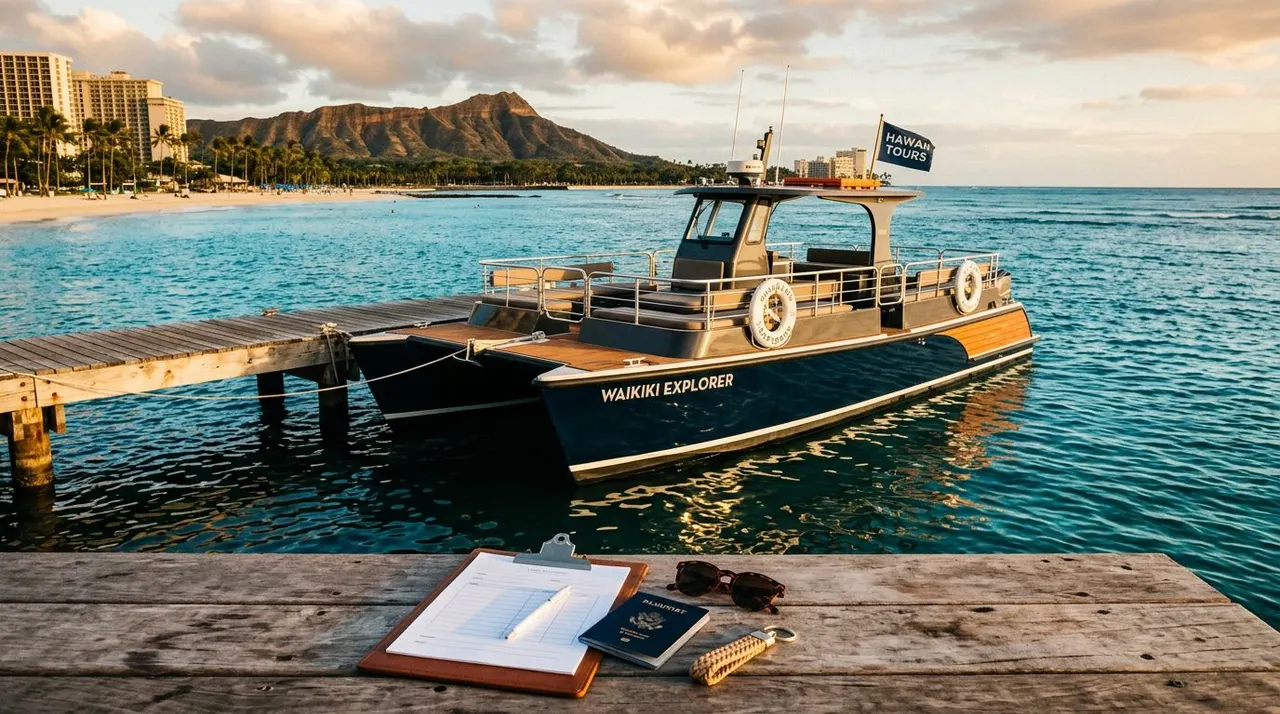
A reservation can look simple until your plans change, the weather shifts, or someone in your group can no longer attend. Before you pay for Waikiki boat tour reservations, check the rules for date changes, guest transfers, cancellations, and operator adjustments.
A clear policy helps you protect your vacation time and avoid paying for a seat you can’t use. Start by understanding what “transfer” means, then match the reservation to your schedule, group, and preferred ocean experience.
Read the transfer policy before choosing a tour
Tour operators use the word “transfer” in different ways. You may want to move your booking to another date, give your seat to another guest, switch to a different tour, or apply your payment as credit. Those requests don’t always follow the same rule.
A reservation usually connects several details at once:
- The date and departure time
- The number of guests
- The vessel assigned to the trip
- Guest names and contact information
- Available seats
- The selected tour type
- Any payment, waiver, or booking conditions
Because boat trips depend on limited capacity, an operator may need to approve every change. A seat held for you can’t always move freely to another trip, especially when the new departure has fewer available spaces or a different price.
Before you book, look for a page titled “Cancellation Policy,” “Terms and Conditions,” or “Reservation Changes.” Read the policy for the exact tour you want. If the wording isn’t clear, contact the operator before payment and ask for a written answer.
You can also review the published cancellation rules for Waikiki boat tours before committing. Policies can differ between snorkeling trips, sunset cruises, fireworks outings, and seasonal whale watching.
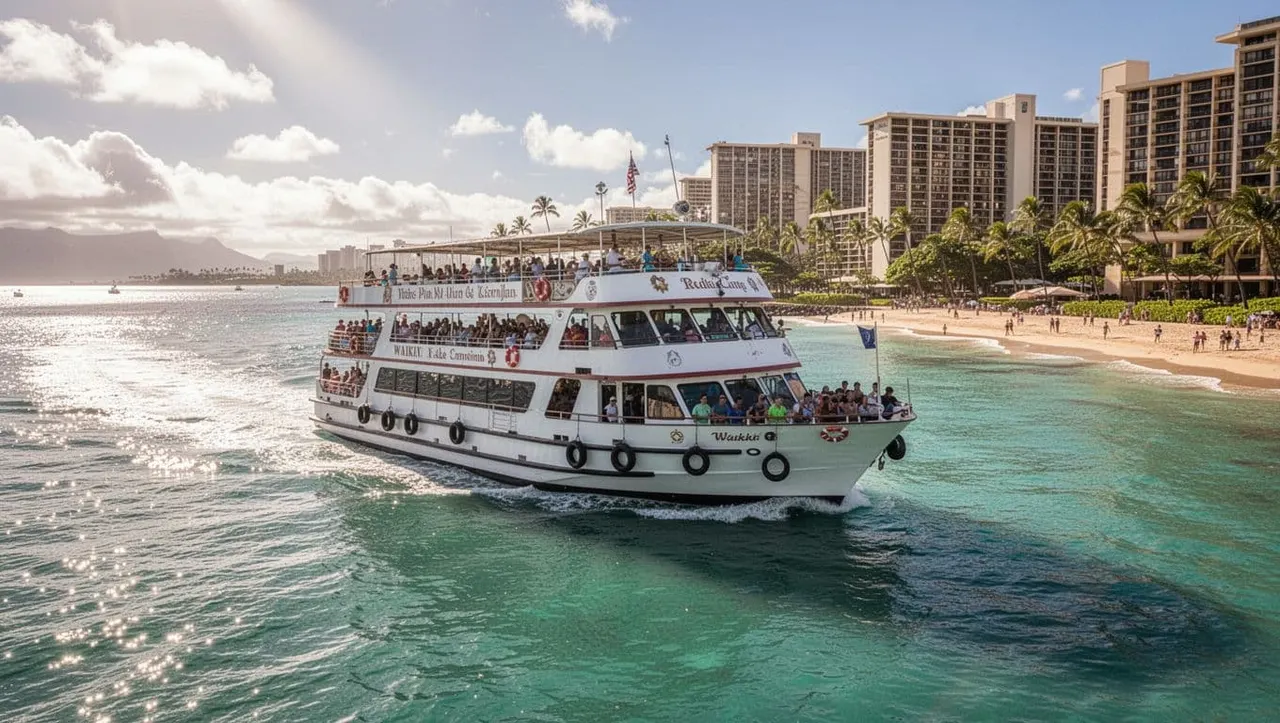
Understand the four types of reservation changes
Knowing the type of change you need will help you ask the right question. A date transfer isn’t the same as giving your reservation to another person.
| Change you want | What it usually involves | What you need to confirm |
|---|---|---|
| Move the date or time | Shifting your booking to another departure | Deadline, availability, and price difference |
| Change the guest name | Replacing one traveler with another | Name-change rules and waiver requirements |
| Switch to another tour | Applying a booking to a different experience | Credit value, fare difference, and approval |
| Cancel and rebook | Ending the original booking before making a new one | Refund terms, fees, and new availability |
A date transfer is often the most practical request when your schedule changes. However, the operator may only move you if the new trip has open seats. A popular sunset departure or Friday fireworks cruise can fill quickly, so waiting may leave you with fewer choices.
A guest transfer can involve more than changing a name. The new guest may need to complete a waiver, meet the tour’s age requirements, or provide emergency contact information. For a snorkeling excursion, you should also confirm that the replacement guest understands the water activity and arrival requirements.
A tour transfer can create a price difference. Moving from a basic snorkel trip to a deluxe wildlife cruise may require an additional payment. Switching to a lower-priced experience may not automatically create a refund or credit.
Finally, cancellation and rebooking are separate actions. If you cancel first, the original terms control your refund. The new booking then depends on the seats available at that moment.
Check these details before you submit payment
The booking page gives you more than a date and price. Spend a few minutes checking the details that affect your ability to change the reservation later.
First, confirm the cutoff time for changes. Some operators require requests several days before departure, while others use a shorter window. A request made after the cutoff may be treated as a late cancellation or missed departure.
Next, check whether changes carry a fee. A low advertised price can become less attractive if every transfer includes an administrative charge. Also ask whether the fee applies per reservation or per guest.
Look at the difference between a refund, credit, and date change. A date change may preserve some or all of your payment. A credit may have an expiration date or apply only to the original operator. A refund may return the money to your original payment method, but only under specific conditions.
You should also confirm how the operator handles price changes. If you move from a weekday to a weekend, or from a standard departure to a premium time, the new rate may apply. Ask whether the original price is protected.
Save your confirmation email, policy link, and booking number. Keep the operator’s phone number available on the day of your trip. If you need help, those details let the staff locate your reservation quickly.
Before booking, ask these direct questions:
- Can you move the reservation to another date or departure time?
- Can another person use the reservation?
- What is the latest time you can request a change?
- Does the new trip need to have the same price?
- Will you receive a refund, credit, or no payment adjustment?
- What happens if the operator changes or cancels the trip?
Clear answers are more useful than assumptions based on another company’s policy.
Separate guest-requested changes from weather changes
A guest-requested transfer happens when you need to change your plans. Weather or operational changes happen when the operator can’t run the trip as scheduled. These situations often follow different rules.
If you choose not to go because the forecast looks uncertain, the normal cancellation or transfer policy may apply. If the captain or operator cancels for safety, the company may offer a different option under its own weather policy. Don’t assume that a storm forecast guarantees a refund before the operator makes a decision.
Ocean conditions can change during the day. Wind, swell, visibility, and harbor conditions may affect a departure. A responsible operator puts guest safety first, even when that means changing the route, moving the departure, or canceling the trip.
Ask how you will be notified. Confirm that your phone number and email address are correct, then check both before leaving your hotel. You should also know where to find the latest instructions if the operator contacts you after booking.
Weather matters for comfort as well as safety. If someone in your group gets seasick, ask about vessel stability, seating, and available options before selecting a trip. A stable boat and a suitable departure time can make a major difference.
Choose the right Waikiki boat tour before you reserve
A transfer policy can help when plans change, but choosing the right experience at the beginning reduces the need for changes. Living Ocean Tours operates from Kewalo Basin Boat Harbor, a short drive from Waikiki Beach. You can explore Living Ocean Tours’ ocean excursions when you want to compare snorkeling, wildlife, sunset, fireworks, and seasonal whale watching options.
The company uses Coast Guard-inspected, custom-built double-decker vessels named the Coral Kai and Lokahi. Both boats include shaded seating, restrooms, dry storage, and sturdy ladders for water entry. The Lokahi also has a SeaKeeper stabilization system, which helps reduce rolling and improves comfort on the water.
Living Ocean Tours is the only tour company with professional snorkel guides. That matters when you’re new to snorkeling, traveling with children, or want help identifying reef life without disturbing it. Guides can help you use the equipment, enter the water safely, and observe Hawaiian green sea turtles from a respectful distance.
The company’s approach centers on observing, not touching. You should never chase, hold, or feed marine life. Respecting the reef protects the animals and keeps the experience safe for everyone.
Turtle Canyon Snorkel Excursion
The Turtle Canyons Snorkel Excursion is a strong choice when seeing Hawaiian green sea turtles is your main goal. The tour visits a natural underwater cleaning station near Waikiki, where turtles may rest while small fish clean their shells.
Living Ocean Tours reports a 95% success rate for spotting Hawaiian green sea turtles on this excursion. Wildlife encounters are never guaranteed, but professional snorkel guides help you understand where to look and how to watch without crowding the animals.
This trip suits first-time snorkelers, families with children ages 3 and older, and confident swimmers who want guided reef time. You should still review the water conditions and participation requirements before booking.
Read the Turtle Canyon Snorkel Tour details before you reserve. If your schedule is flexible, ask whether the operator can move you to another available departure if your original time no longer works.
Deluxe Waikiki Snorkeling and Wildlife Cruise
Choose the Deluxe Waikiki Snorkeling and Wildlife Cruise when your group wants water time plus more room for play. The trip visits a less-crowded reef and includes a boat-mounted waterslide, water trampoline, and floating lily pad.
This option works well for families and active travelers who may not want the entire outing focused on snorkeling. You can enjoy the reef, then return to the boat for extra time in the water or relaxation on deck.
The Lokahi’s upper deck, cash bar, and SeaKeeper stabilization system add comfort between activities. Even so, you should check the transfer rules before booking if your group includes guests with different interests. A tour designed for active water play may not suit someone seeking a quiet cruise.
See the Deluxe Waikiki snorkeling cruise and confirm the age, arrival, and participation details that apply to your group.
Waikiki Sunset Cruise
A sunset cruise fits couples, families, and travelers who want coastline views without a snorkeling requirement. You can watch the changing light over Waikiki while relaxing on a double-decker boat.
Living Ocean Tours offers sunset cruise options with BYOB and cash-bar choices. Check the specific departure details before reserving because the onboard beverage setup can vary by experience.
Sunset trips also have a fixed visual schedule. If you transfer to another date, the new departure time may offer a different sunset position, weather pattern, or level of daylight. Ask about the new itinerary rather than assuming every evening will feel the same.
Review the Waikiki Sunset Cruise information before paying. Confirm the meeting location at Kewalo Basin Boat Harbor and leave enough time for traffic from Waikiki.
Seasonal whale watching
Humpback whale watching is a seasonal experience offered from January through March. If you want to include it in your Oahu plans, confirm that your travel dates fall within the operating season before making payment.
Wildlife tours depend on animal behavior, so no responsible operator can promise a sighting. You may see whales surfacing, breaching, or showing their tails, but each trip unfolds differently. Guides can help you watch from a safe distance and explain what you see.
Because this experience is seasonal, moving a reservation outside the operating period may not be possible. Ask whether a date transfer must remain within the same season and what happens if your travel dates change.
Read the Waikiki whale watching tour details, then check the departure date and guest requirements before you book.
Friday Night Waikiki Fireworks Cruise
The Friday Night Waikiki Fireworks Cruise gives you a scheduled evening view from the water. It makes a good fit for couples and families who want a special night without committing to a full dinner program.
Since the fireworks cruise operates on a particular night, date transfers can be more limited than on a daily tour. If you miss the Friday departure, another weekday experience may not offer the same event. Confirm the transfer options before you reserve.
Read the Friday Night Waikiki Fireworks Cruise details and verify the exact meeting time. Arriving late can create a separate problem from a transfer request because the boat may leave on schedule.
How to request a reservation transfer
Contact the operator as soon as you know your plans have changed. Early notice gives the staff more time to find another departure with open capacity.
Include your booking number, original date, departure time, guest count, and the exact change you want. State whether you’re requesting a date change, guest-name change, tour switch, or cancellation. A clear message reduces back-and-forth and helps the team review your request faster.
Don’t assume a voicemail or email automatically changes your reservation. Wait for written confirmation that states the new date, time, tour, and payment status. Keep the original confirmation until the change is complete.
If you booked through a third-party marketplace, check where the request must go. Some bookings require the original seller to process changes. The boat operator may not be able to edit a reservation purchased through another system.
Once your transfer is approved, review the new confirmation carefully. Check the meeting location, arrival time, guest names, and activity details again. A successful date change still requires you to arrive prepared for the new trip.
Common mistakes that create transfer problems
Many booking problems start with an assumption that sounds reasonable but isn’t covered by the policy.
One common mistake is waiting until the departure day. Staff may have limited time to fill an open seat, and a late request may fall outside the change window.
Another mistake is booking the wrong date because of time-zone confusion. Hawaii operates on its own local time, so compare the confirmation with your hotel itinerary and flight schedule.
Guests also forget to count travel time from Waikiki to Kewalo Basin Boat Harbor. Traffic, parking, and hotel pickup plans can affect your arrival. Build in extra time instead of trying to transfer a reservation after you’re already late.
Don’t book a snorkeling tour for someone who doesn’t want to enter the water, then assume you can switch later. Compare the activities, vessel amenities, and guest requirements before payment.
Finally, avoid relying on screenshots or verbal promises. Your confirmation email and written policy should guide the reservation. If a staff member approves an exception, ask for that approval in writing.
Conclusion
Your best protection is simple: read the transfer rules before you make Waikiki boat tour reservations. Confirm the change deadline, guest requirements, fees, weather policy, and process for moving a booking.
Then choose a tour that fits your actual plans. Whether you want Turtle Canyon snorkeling, a family-friendly wildlife cruise, a sunset view, seasonal whale watching, or Friday fireworks, a clear reservation gives you more time to enjoy the ocean and less time solving avoidable booking problems.


