
Hawaii Turtle Tours Honolulu HI: A Practical Guide
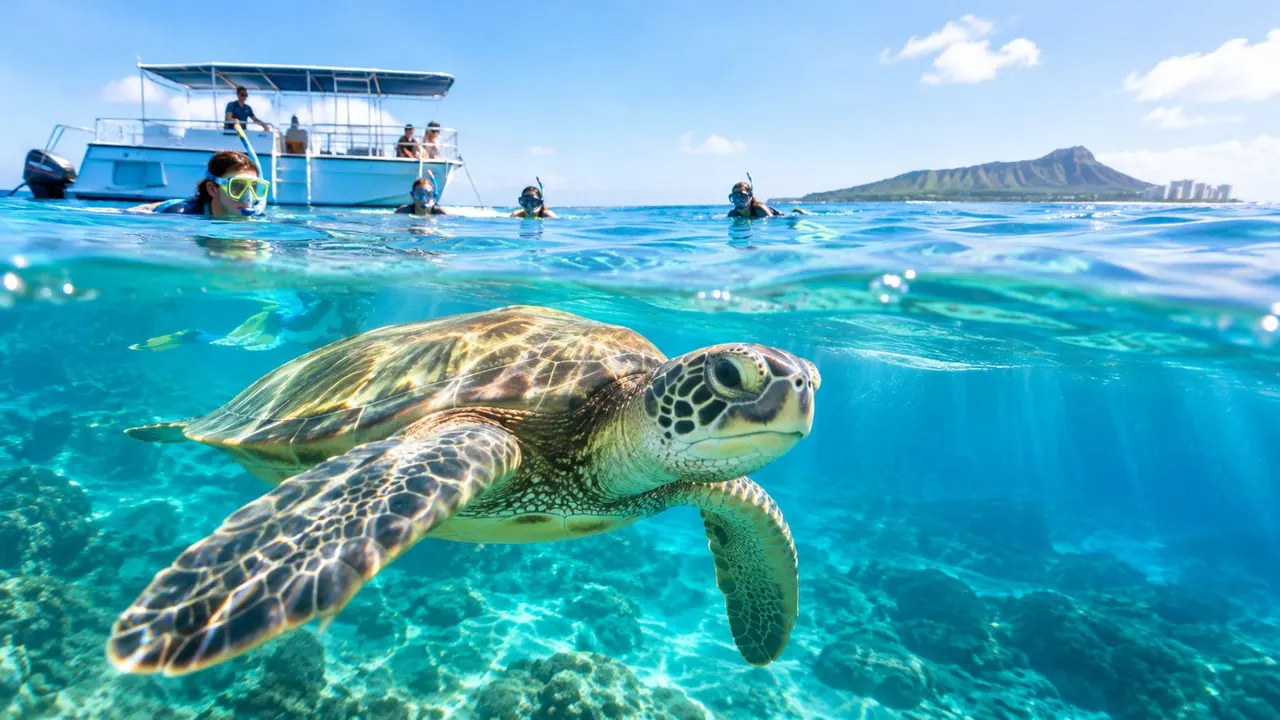
You've got a Waikiki hotel booked, the family is excited, and someone has already searched “Hawaii turtle tours Honolulu HI.” The difficult part isn't finding a boat. It's knowing whether the trip suits nervous swimmers, what a responsible turtle encounter looks like, and when the ocean is telling you to stay on land.
A good Honolulu turtle tour is a guided wildlife outing, not a guaranteed photo session. The captain chooses the site according to conditions, the crew manages the water entry and snorkeling area, and every guest has a responsibility to give Hawaiian green sea turtles room to move and rest.
What a Hawaii Turtle Tour in Honolulu Actually Looks Like
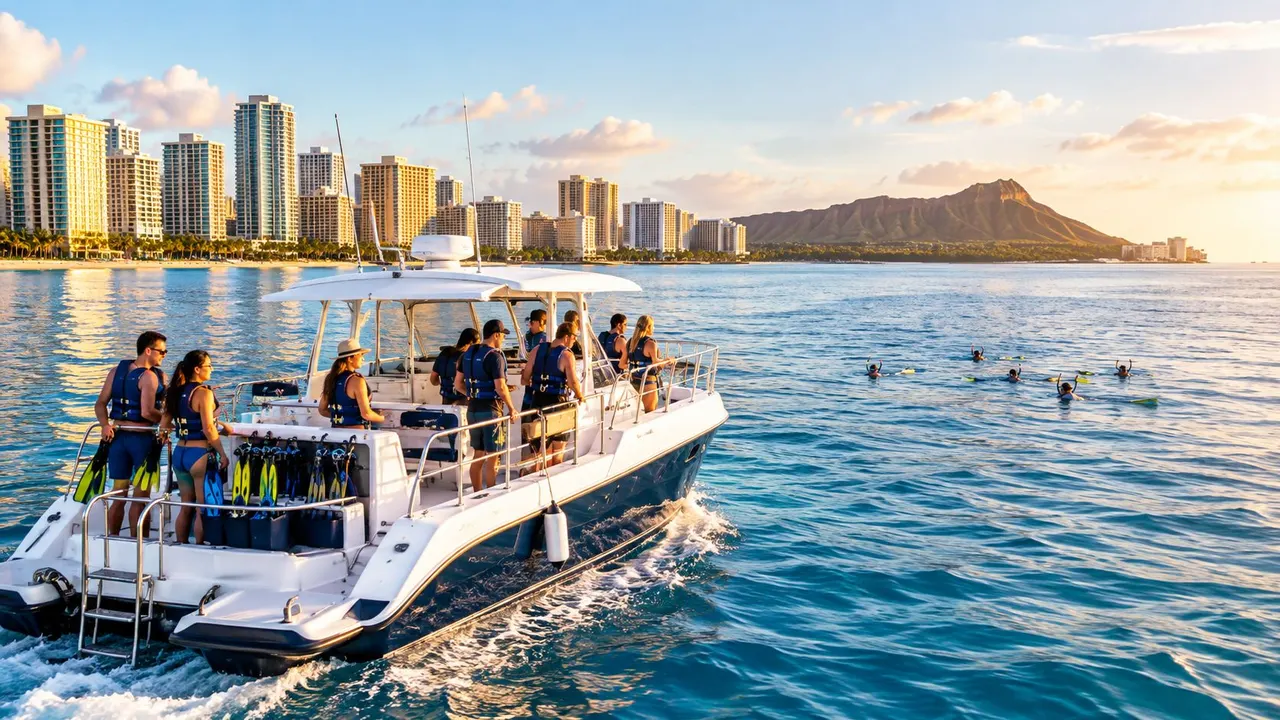
A typical Waikiki morning starts before the boat leaves the harbor. Guests check in at the departure point, usually near Kewalo Basin or Ala Wai Harbor, then work through mask and fin fitting while the crew confirms swimming ability and answers basic questions. The boat heads south past Diamond Head, and the city quickly becomes a coastline viewed from the water rather than from the beach.
The destination is usually Turtle Canyons, an offshore reef site outside Waikiki on Oʻahu's south shore. It sits about 1.5 to 2.5 miles from Waikiki Beach and can be reached by boat rather than by walking into the water from shore, as described by Turtle Canyons' site information. The site's shallow lava ridges create resting and cleaning areas where green sea turtles are commonly encountered.
A normal charter lasts roughly two to three hours, with the exact rhythm shaped by sea conditions and the group. Expect a safety briefing, a controlled water entry, guidance from an in-water crew member, time to observe the reef, and a freshwater rinse before returning to the dock. The water is often around 15 to 30 feet deep at the snorkeling area, so beginners should expect open-water swimming rather than a shallow beach lesson.
What beginners usually notice first
The first surprise is often how much the crew does before anyone enters the water. They check mask seals, explain hand signals, identify the swim zone, and show guests how to kick without scraping the reef or stirring up the bottom.
Groups vary by vessel and departure, but a busy charter can include 20 to 30 guests. That affects the experience. A larger group may offer more social energy and a lower price tier, while a smaller group usually makes it easier to hear the guide and hold a comfortable position around wildlife.
Captain's view: The trip suits families, first-time snorkelers, and casual swimmers who can follow directions in open water. Guests who dislike boat motion, struggle to float, or want a private encounter should consider those trade-offs before booking.
For a closer look at the route and onboard experience, see this Turtle Canyon snorkel adventure. The right expectation is simple: you're paying for transportation to a productive reef, safety support, equipment, and a respectful chance to observe wild animals. You're not buying ownership of a turtle's time.
The Hawaiian Green Sea Turtle and Why It Matters
The honu, or Hawaiian green sea turtle, is a protected wild animal, not a feature placed on the reef for visitors. Its recovery explains why Honolulu tours can offer regular sightings while still requiring strict viewing rules.
Hawaiʻi protected green sea turtles in 1974, and NOAA listed the species as threatened under the Endangered Species Act in 1978. Those protections helped turn a depleted population into one of the Pacific's strongest marine wildlife recovery stories, as described in NOAA's account of sea turtle recovery.
Nesting numbers rose from 67 turtles in 1973 to almost 500 females nesting annually, with the nesting population increasing about 5% per year over the last two decades, according to Hawaiʻi DLNR's sea turtle information. The change reflects decades of protection and monitoring. It does not guarantee a sighting on every trip, and it does not give visitors permission to pursue an animal.
A recovery you can see at the nesting level
Oʻahu's nesting record shows that recovery is still developing. Scientists documented 83 nests on Oʻahu in 2024, compared with 9 nests in 2019 and 0 to 2 nests per year from 2016 through 2018, as reported by the U.S. Fish and Wildlife Service.
For snorkelers, the practical rule is simple: observe from the required 10 feet and let the turtle choose its direction. A responsible operator keeps the group from blocking a turtle's route or surrounding it. Review this guide to green sea turtles in Hawaiʻi before booking, particularly if children are coming along. A sighting is a conservation experience, not a close-contact encounter.
How a Turtle Canyons Snorkel Charter Runs
The day begins with your confirmation details, departure instructions, and a realistic check of the forecast. At the harbor, the crew sizes your mask and fins, answers questions about flotation, and identifies anyone who may need extra support. Tell the crew if you're anxious, prone to seasickness, or traveling with a child who hasn't snorkeled before.
The boat ride carries you from Waikiki toward the south-shore reef. During the ride, the captain or guide explains the site, the wildlife rules, and the signals used in the water. You'll learn where to swim, how to keep your body position stable, and how to respond if a turtle appears beneath or beside you.
The water session has a deliberate rhythm
Many departures offer two in-water sessions, each lasting roughly 30 to 40 minutes, with a surface interval on the boat. A morning departure may leave around 8:00 a.m. and return near 10:30 a.m., while a later departure may leave around 12:30 p.m. and return near 3:30 p.m. Actual timing changes with conditions, loading, and the captain's decision at the site.
The first lap is usually guided. Stay with the crew, watch where they point, and let them position the group around the reef rather than swimming directly toward the first turtle you see. After that introduction, guests may have more freedom to observe within the designated area while a crew spotter remains on the surface.
On calm days, visibility can extend roughly 30 to 60 feet, but clear water isn't guaranteed. Clouds, rain runoff, surge, boat traffic, and suspended sand can change what you see. Multiple turtles may appear during a session, yet the best encounter might last only a few moments if an animal moves away.
What the boat entry feels like
You'll generally enter from the boat platform or stern rather than stepping down a beach ladder. The crew should explain where to hold, when to enter, and how to move clear of the boarding area. Beginners often feel more comfortable using a flotation aid while they learn to breathe through the snorkel.
The return trip is part of the experience. Remove your fins carefully, rinse saltwater from your face, use the freshwater shower, and keep a light layer nearby because wind can make the ride back feel cooler than expected. If you're unsure whether your swimming ability is adequate, contact the operator before reserving instead of hoping the ocean will feel easier on the day.
Turtle Viewing Rules for a Responsible Snorkel
The rule that shapes every turtle encounter is simple: stay at least 10 feet, or about 3 meters, away from a Hawaiian green sea turtle. NOAA's turtle tourism guidance presents that distance as a practical protection measure. It gives the animal room to surface, rest, change direction, and leave.
A swimmer can disturb a turtle without touching it. Crossing its path, surrounding it, or following it for a better photograph changes the animal's options. If the turtle turns away, the encounter is over. Let it go.
If a turtle swims toward you
Stop kicking, keep your hands down, and hold your position. Allow the turtle to choose its route. Do not reach out, turn it toward the group, drift closer for a photograph, or follow it when it moves away.
Federal protection makes harassment a compliance issue. As noted earlier, sea turtles are protected in U.S. waters. Local turtle snorkeling guidance also reinforces the practical rules: do not touch, chase, feed, ride, or block a turtle.
Protect the reef while you watch
Never stand on coral, even when the bottom appears stable. A foot or fin can break coral, and standing up can block a turtle's route. Keep your fins behind you, avoid grabbing rocks, and never feed fish or turtles.
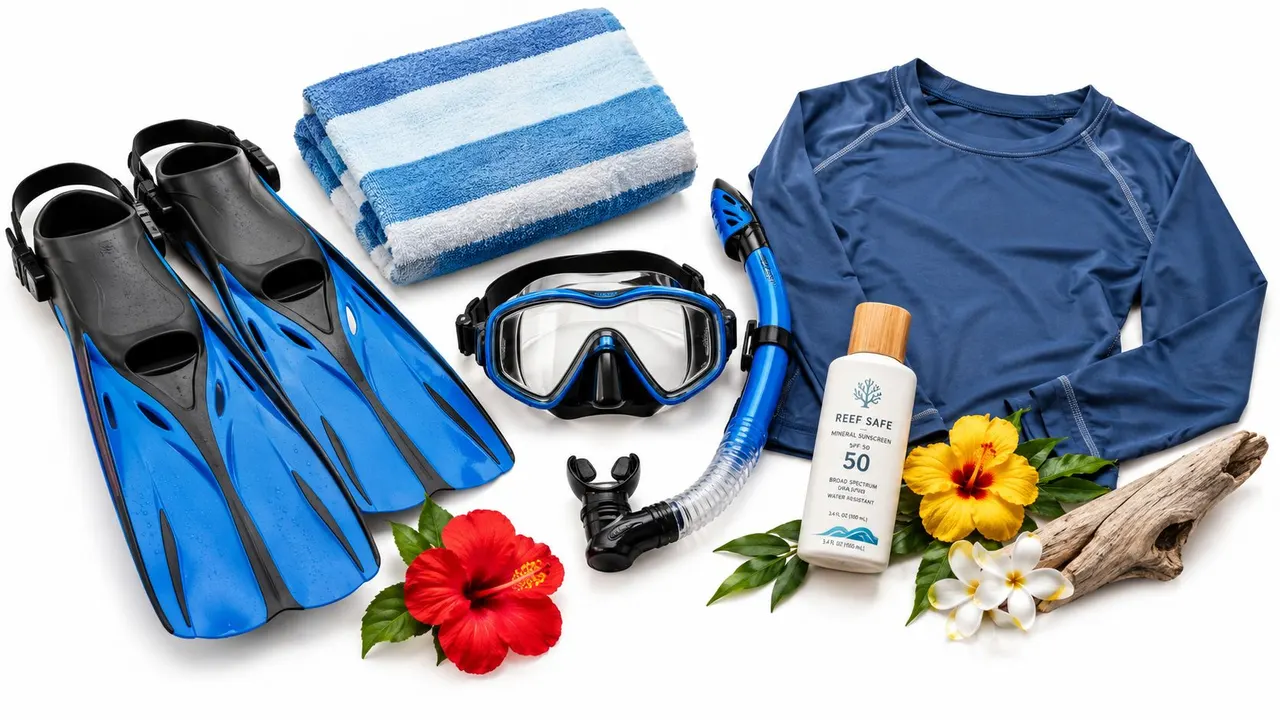
Sunscreen affects the site too. Use reef-conscious protection, wear a rash guard when practical, and follow the operator's instructions about products before entering the water.
If a child sees a turtle: Hold the child's hand or keep them beside the guide. Never lift a child onto a turtle, place a child on the reef, or encourage a close-up touch for a photograph.
Report an injured, dead, or harassed turtle through the statewide marine wildlife hotline. Do not attempt to handle the animal or push other swimmers away yourself. Before departure, review responsible turtle snorkeling guidance from Living Ocean Tours so these decisions are clear before you enter the water.
Living Ocean Tours Options Compared
Choosing a Honolulu boat trip starts with the group, not the marketing label. A confident adult couple may want a focused turtle snorkel, while a family with younger children may value shaded seating, floating equipment, and a waterslide more than extra reef time.
The comparison below uses the available product positioning for the four options. Confirm current departure details, age requirements, and availability directly with the operator because those details can change.
| Charter | Duration | Group Size | Age Minimum | Best For |
|---|---|---|---|---|
| Turtle Canyons Snorkel | About 2 to 3 hours | Smaller guided charter format | Confirm before booking | First-time snorkelers and turtle-focused outings |
| Deluxe Turtle Canyons Family Cruise | About 3 hours | Family-oriented boat experience | Children 4 and up, confirm current policy | Families wanting a slide, lily pad, and shade |
| Waikiki Sunset Cruise | Scenic evening cruise | Confirm before booking | Confirm before booking | Couples, grandparents, and non-snorkelers |
| Seasonal Whale Watch | Seasonal wildlife cruise | Confirm before booking | Confirm before booking | Guests visiting during humpback season |
Match the boat to the least confident guest
The Turtle Canyons Snorkel is the direct choice when the group's priority is getting into the water with guides and focusing on turtles. It's less suitable if one member of the party won't snorkel or becomes uncomfortable on an open-water platform.
The Deluxe Turtle Canyons Family Cruise adds a waterslide, lily pad, and shaded seating. Those features give children another activity and give non-snorkelers a more comfortable place to wait, but they don't remove the need to evaluate sea conditions or supervise young guests.
A Turtle Canyon Snorkel Excursion is one direct option for a turtle-focused departure. If you want to compare operators, Snorkel Turtle Canyon is a reasonable alternative to investigate.
The Waikiki Sunset Cruise is non-snorkeling and built around coastline views. The Seasonal Whale Watch adds humpback viewing during the established season, while turtles may remain part of the broader marine setting rather than the sole purpose of the trip. Living Ocean Tours is described as a top-rated and most-reviewed snorkel company on Oahu, but review volume shouldn't replace checking safety briefings, cancellation terms, and the fit for your group.
Booking, Packing, and Safety Checklist
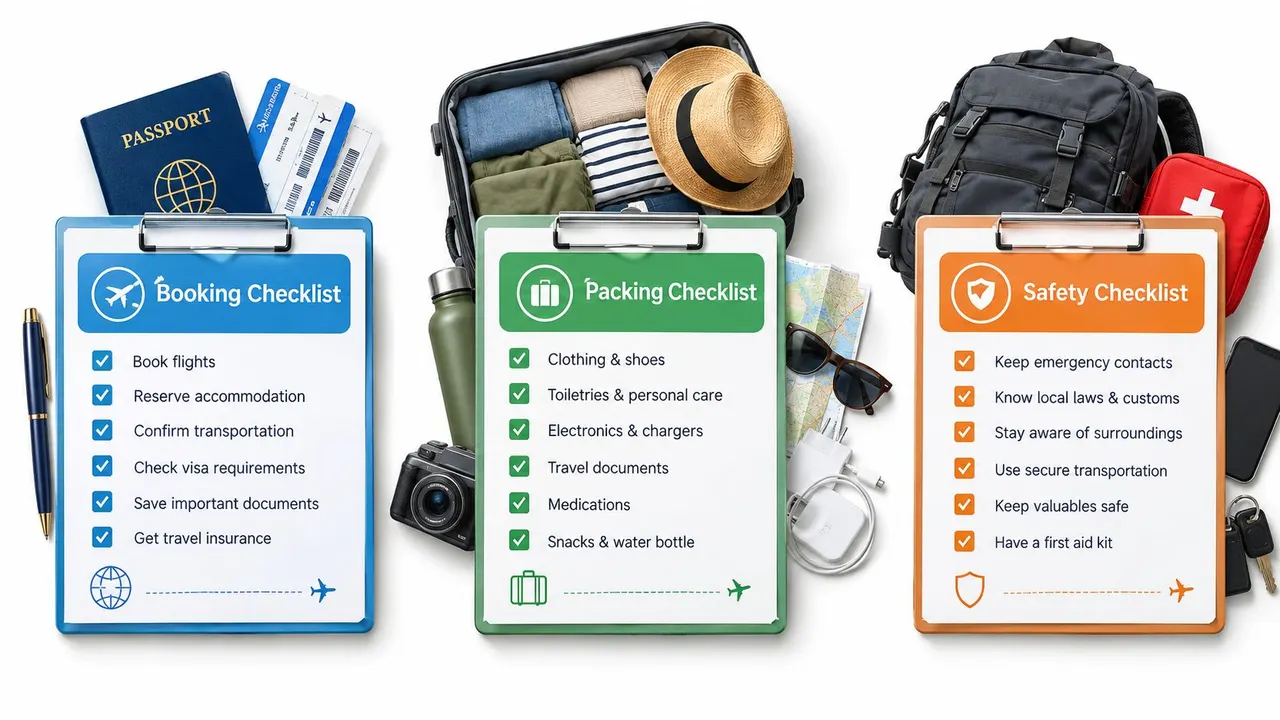
A smooth turtle trip starts with decisions made before you reach the harbor. Reserve early if your dates fall during busy travel periods, then keep the morning flexible enough to accept a weather-related change. A boat operator that communicates clearly about conditions is more useful than one that promises a sighting.
Pack for the boat, not only the reef
Bring the basics you'll use:
- Towel and dry clothes: You'll want both after the final rinse and for the ride back.
- Rash guard: It helps with sun exposure and can reduce the amount of sunscreen you need.
- Mineral reef-conscious sunscreen: Use a product that follows current Hawaiʻi guidance and the operator's instructions.
- Motion-sickness preparation: If you know you're susceptible, ask a qualified medical professional about timing before departure.
- Camera with restraint: A GoPro or waterproof phone pouch can work, but secure any camera with a wrist strap and don't let photography pull you toward wildlife.
- Light boat layer: Wind on the return ride can feel chilly after you've been in the water.
The boat generally supplies the snorkeling equipment and instruction, but confirm what's included with your chosen charter. Check the fit before leaving the dock, because a leaking mask is easier to fix at the harbor than beside a reef.
Make the safety briefing useful
Listen for the hand signals, swim-zone boundaries, flotation procedures, and instructions for reboarding. Parents should keep young children close enough to assist immediately, even when a crew member is nearby.
Read the operator's Turtle Canyon snorkel gear information before leaving your hotel. It's also smart to ask how same-day cancellations, refunds, and rescheduling work. Policies vary, and an unsafe-weather cancellation is a sign that the captain is making the correct decision, not that the trip failed.
When Conditions Override Your Booking
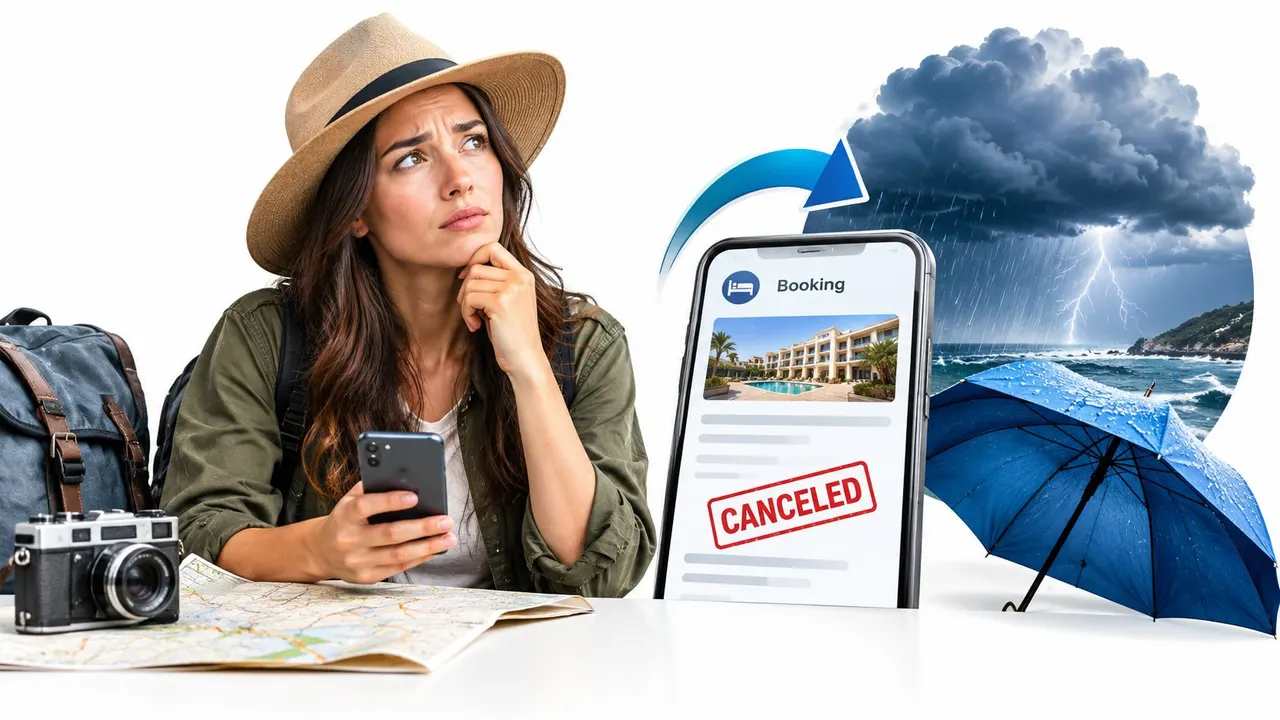
A turtle tour can be well operated and still be canceled. The ocean decides whether the boat should run, not the booking calendar and not a promise made in an advertisement.
Hawaiʻi ocean safety guidance tells visitors to assess the water and check with lifeguards before entering when conditions are uncertain. NOAA's visitor guidance also supports low-disturbance viewing, which becomes harder when surge and poor visibility push swimmers together.
Read the morning message carefully
Wind, surf, rain runoff, and visibility all matter. A captain may cancel when the reef becomes difficult for beginners, when boarding is uncomfortable for children, or when the water is too cloudy to manage a responsible wildlife encounter.
The practical alternatives are usually more useful than arguing for a marginal departure:
- Rebook: Move the snorkel to a calmer morning if the schedule allows.
- Change activities: A scenic Waikiki cruise may suit the group better when snorkeling isn't safe.
- Use a credit: Some operators may offer a future credit or another wildlife-focused date under their policy.
The Turtle Canyon snorkeling information gives visitors a useful reminder that the experience depends on conditions at the site, not just on reaching the harbor.
When I'd tell a family to skip
Skip the trip if the captain cancels, if lifeguards advise against entering, or if a guest is already frightened by the water and unwilling to follow the briefing. Don't pressure a child into snorkeling because the reservation is paid.
Families with young children often have the best chance of a comfortable outing by choosing the earliest available morning departure, when the group has more of the day left to adapt if plans change. That's a planning preference, not a guarantee. If the captain says conditions are unsafe, wait.
Honolulu Turtle Tour FAQs
Is whale season part of a turtle tour?
Humpback whale season in Hawaiʻi commonly runs from December 15 to May 15, with peak sightings typically from January through March, according to Hawaiʻi whale-watching guidance. Whales can add excitement during a turtle-focused outing, but they don't replace the reef plan. A captain may point out a whale from the boat while keeping the snorkeling objective centered on Turtle Canyons.
Can infants and non-swimmers join?
Age limits and flotation options differ by vessel, so confirm them before booking. The Deluxe family cruise is positioned for children 4 and up, while the Turtle Canyons charter requires a direct check of current age and life-jacket sizing rules. Non-swimmers should never be assumed safe in open water only because flotation equipment is available.
What should we bring?
Bring a towel, dry clothes, a rash guard, and reef-conscious sunscreen. Pack motion-sickness medication only according to professional medical guidance and timing, and bring a camera only if you can secure it without losing awareness of the group or wildlife.
Is a phone camera good enough?
A phone in a quality waterproof pouch can record the moment, but turtle photographs are often clearer with a dedicated underwater camera. Keep the device secured, stay outside the viewing boundary, and accept that the best image may be the one you don't chase.
Book ahead for busy summer and Christmas travel periods, especially if you want a smaller catamaran rather than a larger party boat. Availability can disappear before arrival, while a flexible schedule gives you more options if the ocean changes.
For a guided, safety-first way to visit Turtle Canyons from Waikiki, review the snorkeling, family, and wildlife cruise options from Living Ocean Tours. Choose the departure that fits your least confident swimmer, read the weather policy before paying, and arrive ready to observe honu without touching or crowding them.


