
Turtle Snorkeling Oahu: Limits That Protect Honu
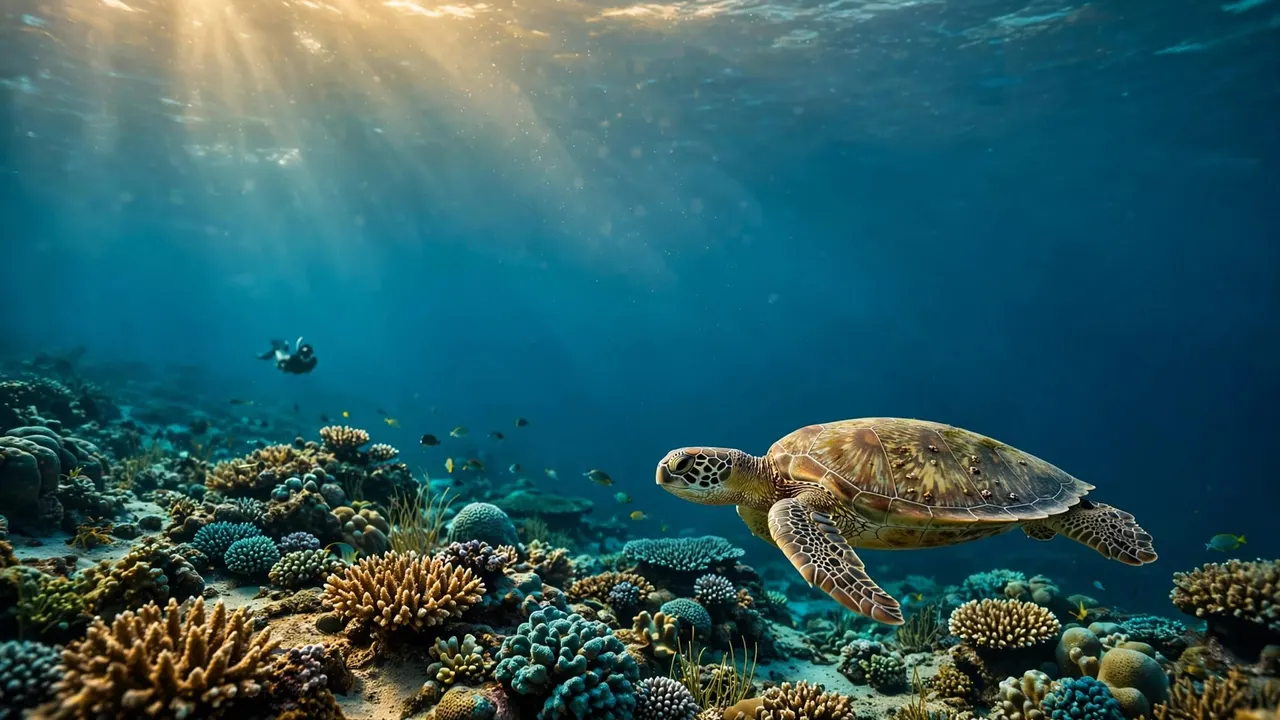
A close encounter with a Hawaiian green sea turtle can become the moment you remember most from your vacation. Yet the best turtle snorkeling Oahu experiences happen when you give the animal room to rest, feed, and move naturally.
Living Ocean Tours operates from Kewalo Basin Boat Harbor, minutes from Waikiki, with guided ocean trips built around respectful wildlife viewing. You get ocean-ready gear, clear instruction, and the only tours led by professional snorkel guides, so first-time snorkelers can feel confident before they enter the water.
The viewing limits may sound simple, but they shape every calm, memorable moment you have near honu.
Turtle Snorkeling Oahu Rules Start With 10 Feet
Hawaiian green sea turtles, called honu in Hawaii, are protected marine wildlife. You may see one resting near coral, gliding over a reef, or visiting a cleaning station where reef fish remove algae and parasites from its shell.
That doesn’t make the turtle a photo prop. Your job is to watch without changing its behavior.
The Hawaii Department of Land and Natural Resources advises guests to stay at least 10 feet away from sea turtles, whether you are on shore or in the water. NOAA Fisheries gives the same recommendation for Hawaii’s marine wildlife.
Ten feet is the minimum, not a target
A 10-foot buffer is about the length of a long surfboard. If a turtle swims toward you, don’t paddle closer to keep the moment going. Hold your position, remain calm, and let it choose its own path.
In clear water, you can still see the turtle’s patterned shell, powerful front flippers, and unhurried movements from that distance. A wider gap often produces the better view because the turtle stays relaxed.
Do not touch, feed, chase, or block a turtle
Touching a turtle can remove its protective surface layer and disrupt normal behavior. Feeding changes how wildlife searches for food. Chasing, circling, or cutting off a turtle’s route can push it away from a resting area or cleaning station.
NOAA’s Hawaii wildlife-viewing guidance also asks you never to touch, chase, or feed protected animals. Keep your camera zoomed out, your hands to yourself, and your fins pointed away from coral.
A turtle that changes direction, speeds up, or repeatedly surfaces to get away is telling you that you are too close.
What Viewing Limits Mean During Your Snorkel
You might expect a turtle limit to mean a strict cap on how many guests can be in the water. On Oahu, the main rule is behavior-based. There is no universal statewide quota for swimmers at every turtle site.
Instead, your group needs to protect the turtle’s personal space. Your guide may ask guests to wait, fan out, or move to a different part of the reef when a turtle appears.
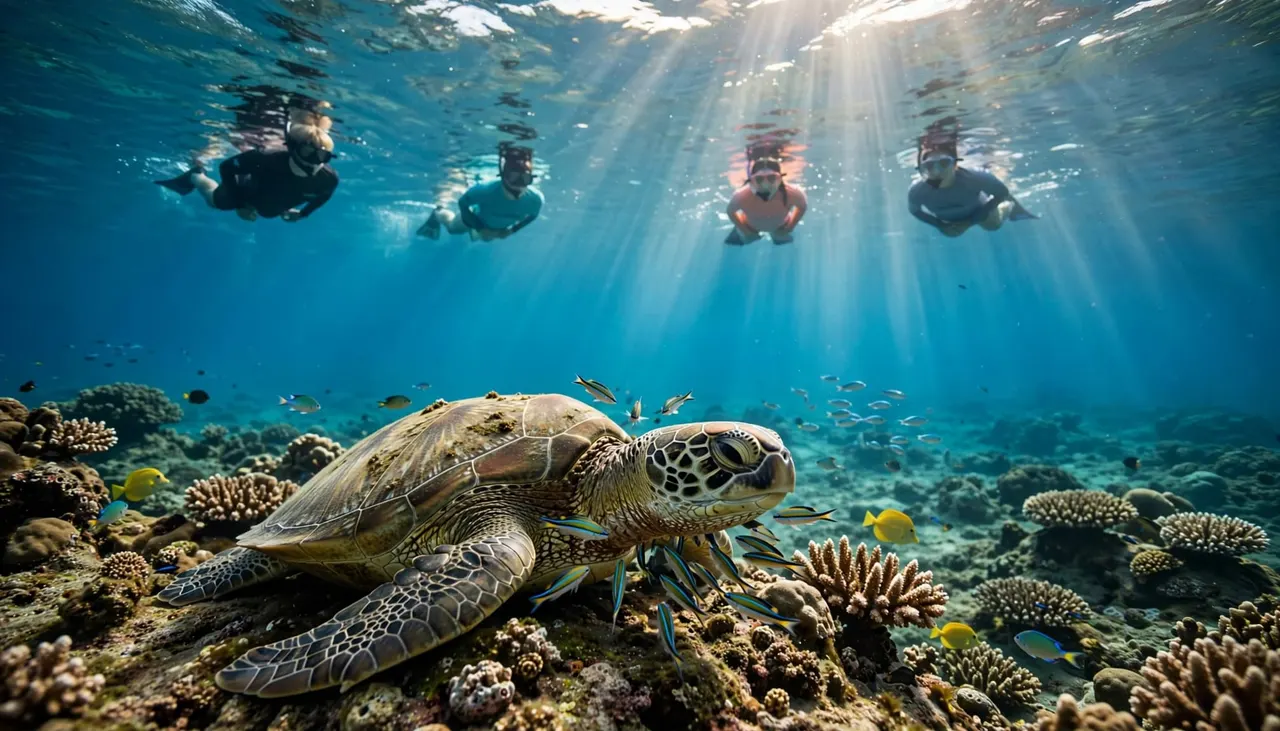
A small pause can protect the whole encounter
When several swimmers drift toward one honu, a professional guide can manage the moment. You may be asked to form a loose line, float farther back, or watch from above rather than diving down.
That spacing avoids a ring of people around the animal. It also lets every guest have a turn without crowding the same turtle.
If you find a turtle resting on the beach, the same 10-foot minimum applies. Follow any posted rope line, sign, or volunteer direction, even when it requires more distance.
Cleaning stations need extra patience
Turtle Canyons is known for reef cleaning stations, places where turtles visit fish that pick algae and debris from their shells. The scene can look still, yet it is active wildlife behavior.
Avoid swimming directly above a turtle or hovering between it and the reef. Stay horizontal in the water and let your guide select the best place to observe. A turtle should never have to abandon the station because people came too close.
Why Honu Need Space Around Waikiki Reefs
Turtles face enough pressure without a swimmer interrupting them. They need energy to travel, graze, rest, and recover. A few careless minutes can end a peaceful break at the reef.
Respectful viewing also protects the coral around them. Many guests focus so hard on the turtle that they forget where their fins are moving. One standing swimmer can break fragile coral that took years to grow.
Your body position matters
Keep your face in the water and your body flat. Use slow, compact kicks, especially over shallow reef. If you are still getting comfortable with a mask and snorkel, hold a flotation device and stay with your guide.
Never stand on coral to adjust equipment or take a photo. Move into deeper water instead. The reef supports turtles, fish, and the entire underwater scene you came to enjoy.
Good photos do not require close contact
A good turtle photo shows context: blue water, a coral ledge, a distant turtle, and perhaps the soft shape of a snorkeler far behind it. That scene tells a better story than a close-up created by crowding an animal.
Use an underwater camera’s wide-angle setting if you have one. Then take a few images and return your attention to the water. You will remember the quiet movement of a wild honu longer than another photo on your phone.
Choose a Tour That Keeps Guests and Wildlife Safe
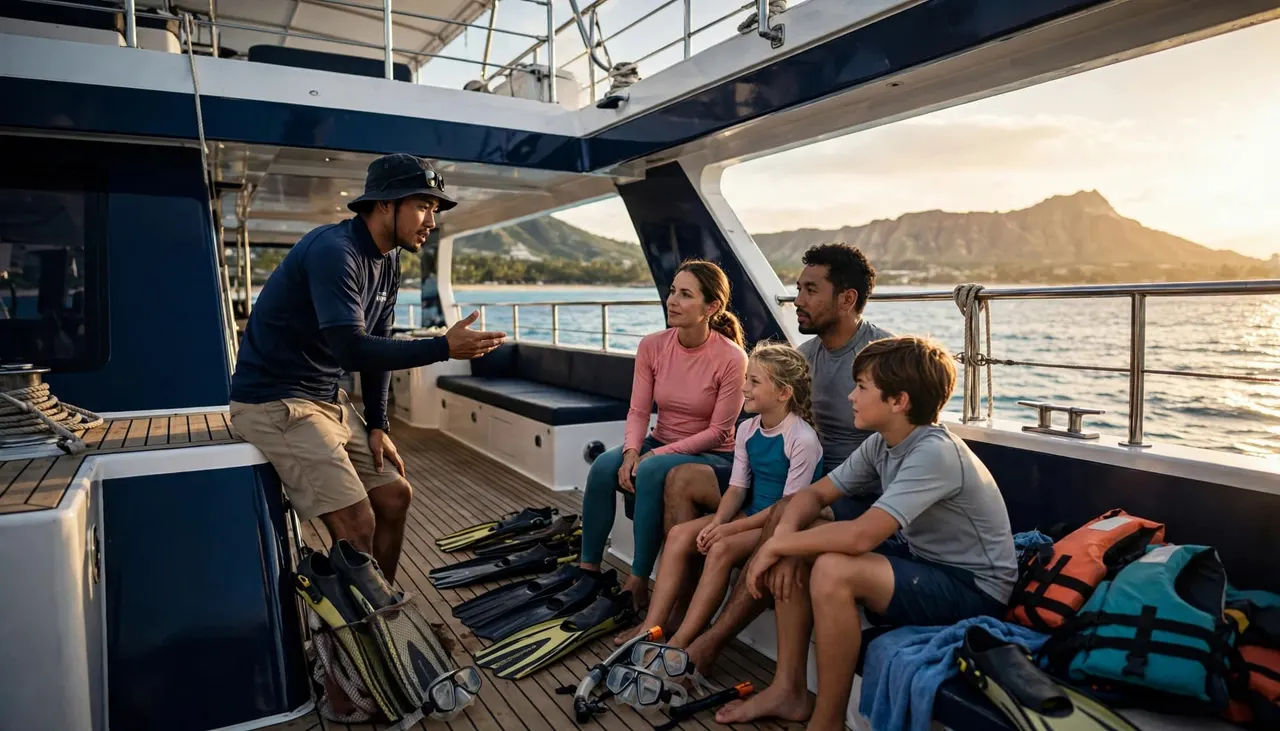
A responsible tour gives you more than a ride to a reef. You should receive a safety briefing, fitted gear, water-entry guidance, and clear rules for marine life before the boat reaches the snorkel site.
Living Ocean Tours offers Turtle Canyon snorkeling tours in Waikiki aboard Coast Guard-inspected double-decker vessels. The crew provides gear and instruction, while professional snorkel guides help you stay comfortable and aware in the water.
Professional guidance gives beginners more freedom
If you have never snorkeled, you don’t need to rush toward the first turtle you spot. A guide can help you clear a mask, control your breathing, and find a calm place to float.
That support gives you time to notice the reef rather than worrying about your gear. It also keeps your group together, which reduces accidental crowding near wildlife.
Comfort on the boat improves time in the water
Living Ocean Tours’ Coral Kai and Lokahi have shaded seating, restrooms, dry storage, and sturdy ladders for water entry. The Lokahi also has a SeaKeeper stabilization system that reduces rolling motion for a steadier ride.
For families who want more time on the water, the Deluxe Waikiki Snorkeling and Wildlife Cruise visits a less-crowded reef and includes a waterslide, water trampoline, and floating lily pad. Guests ages 3 and up can join with attentive adult supervision.
Prepare Before You Leave the Dock
A relaxed turtle snorkel starts on land. Eat a light meal, drink water, and arrive early enough to hear the complete safety briefing. If you tend to get motion sick, take your preferred remedy before departure according to its directions.
Bring reef-safe sun protection, a towel, and a cover-up for the ride back. Your tour can provide the essentials, but personal comfort items help you settle in.
Practice your snorkel breathing first
Before swimming away from the boat, put your face in the water and take several slow breaths through the snorkel. Then lift your head and clear your mask if needed.
This short practice lowers anxiety. It also prevents frantic movements that can disturb other guests, coral, and wildlife.
Be honest about your swimming comfort
Tell your guide if you are nervous in open water, have not swum recently, or need a flotation aid. You don’t have to prove anything on vacation.
Families should also set a simple plan before entering the water. Decide which adult stays closest to each child, listen for guide instructions, and keep your group within sight.
Give Every Marine Animal the Same Respect
A turtle-focused trip can bring other surprises, including spinner dolphins, rays, reef fish, and seasonal humpback whales. The distance rules differ by species, but the principle stays the same: observe without interfering.
For humpback whales, NOAA guidance calls for staying more than 100 yards away. Whale sightings are common in Hawaii roughly from November through spring, while Living Ocean Tours schedules its Waikiki whale watching tour from January through March, the peak months for sightings.
Let your guide handle the approach
Captains and guides read sea conditions, wildlife behavior, and boat traffic. They know when to pause, when to move on, and when conditions are not right for water entry.
You get a better trip when you release the urge to direct the wildlife encounter. The ocean does not work on a schedule, and that unpredictability is part of its appeal.
Carry the same habits to the beach
On your own beach day, give turtles and monk seals wide space. Never surround an animal for a group picture. Pack out every piece of trash, and don’t leave food near the shore.
Small choices add up along a coastline as busy as Waikiki. The clear water and wildlife you hope to see depend on people treating the reef as a living home.
Make Your Turtle Encounter One You Can Feel Good About
The magic of turtle snorkeling Oahu is not getting as close as possible. It is floating above a living reef while a wild honu moves through it on its own terms.
Stay at least 10 feet away, keep your fins off the coral, and let professional guides manage the group around wildlife. Those choices protect the encounter for your family, the next group of visitors, and the turtles that belong in these waters.


