
Guide to Snorkeling Oahu for First Timers and Families
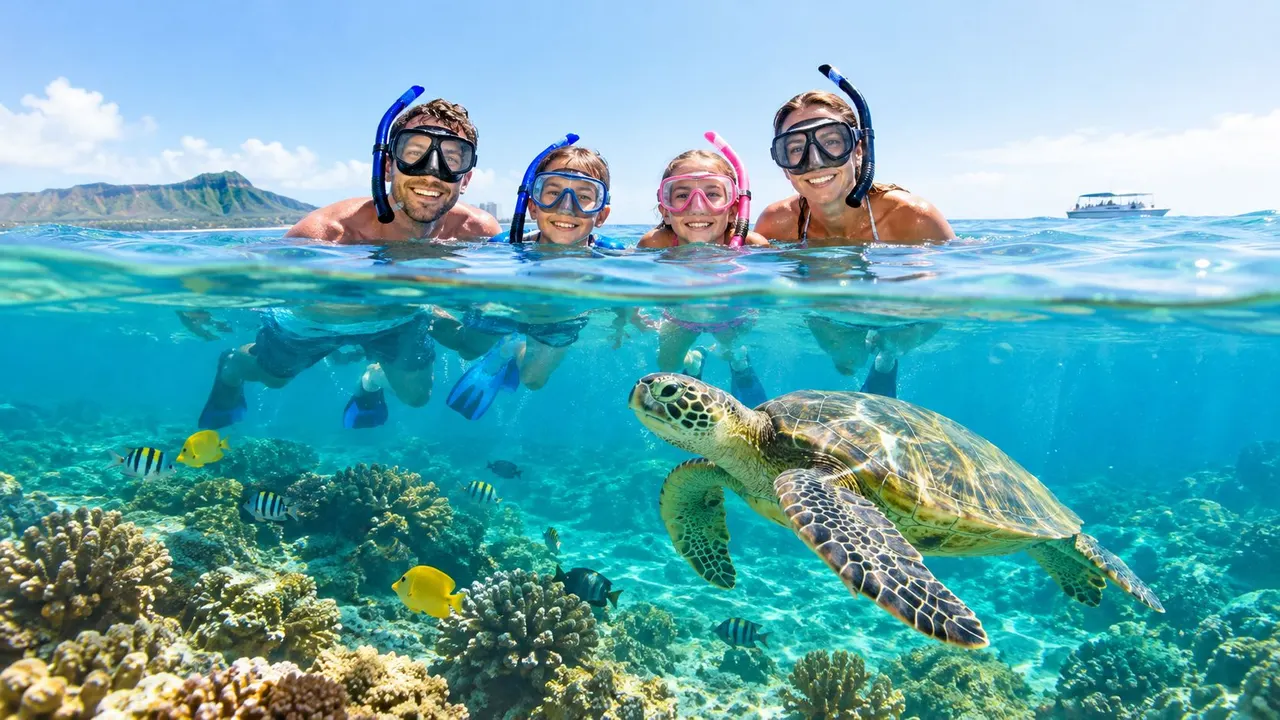
You've got the gear in the trunk, the kids are already asking if they'll see turtles, and Waikīkī looks calm enough from the shore. The problem is that Oahu can fool first-timers fast. One beach is mellow in the morning and messy by afternoon, one cove looks gentle until the wind shifts, and one “great snorkeling day” turns into a frustrating swim if you picked the wrong side of the island.
A good guide to snorkeling Oahu isn't just a list of pretty spots. It's a working system for choosing the right water, the right entry, the right operator, and the right time of day so you get the experience you wanted without gambling with conditions. That's the difference between drifting around hoping for the best and coming home with a day that felt easy.
Why Oahu Is One of the Best Places in Hawaii to Learn
A family lands in Waikīkī, drops the bags, and asks the same question I hear all the time, where should we go? Not "what's famous," not "what's on Instagram," but what makes sense for a first snorkel with kids, limited time, and no interest in spending the whole day fighting surf. Oahu works because it gives you choices close to town, but those choices only pay off if you match the day to the conditions.
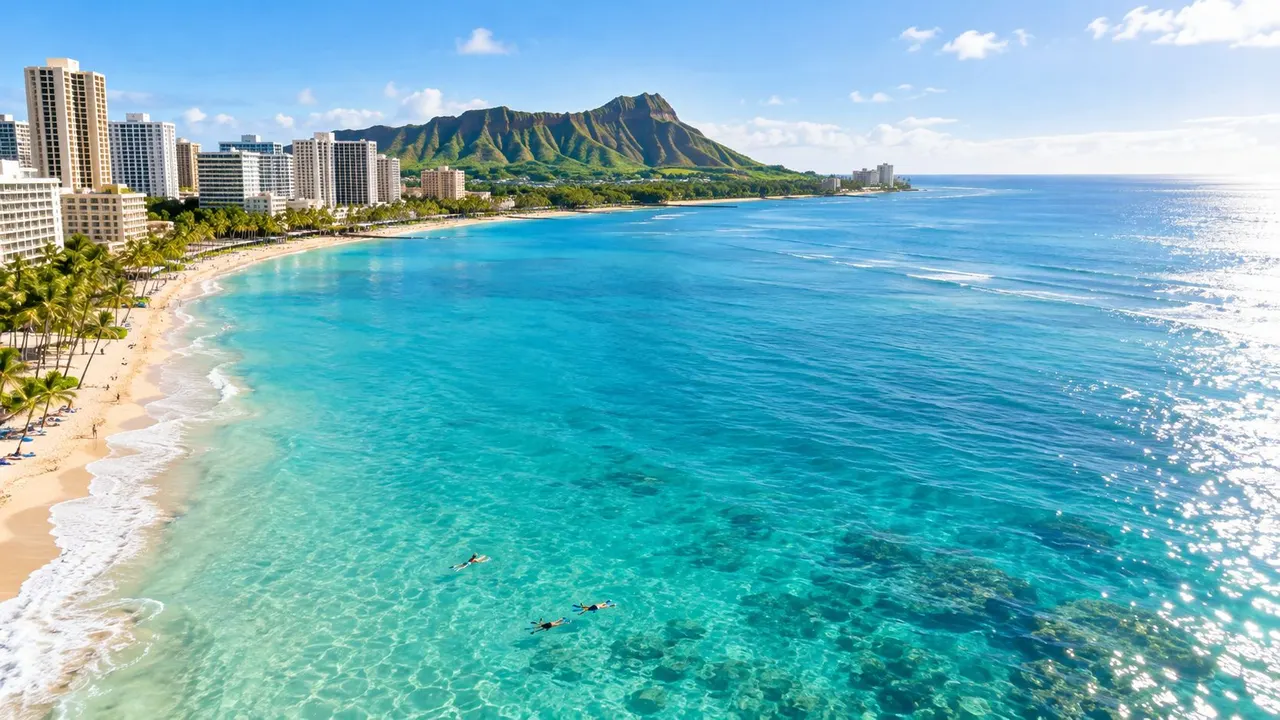
The island's strength is range. You can stay near Waikīkī for an easy ocean day, head to a protected bay for a controlled first outing, or book a boat when you want a cleaner setup and less effort in the water. That flexibility matters because the ocean is never the same from one shoreline to the next, and Oahu rewards people who plan around that reality.
How to read this guide
The rest of this article is built like a day plan, not a brochure. If you only need safety basics, go straight there. If you're deciding between shore snorkeling and a boat, use the comparison sections to match the site to your group, your comfort level, and the season.
For a broad overview of local options and departure style, this Oahu snorkeling overview is a useful starting point. It pairs well with the rest of this guide if you're trying to decide whether you want a beach entry or a guided outing.
Oahu's best snorkeling days usually come from smart timing, not luck. You'll see far better results when you respect the weather, choose the right shore, and stay realistic about what a beginner or a child can handle. That's the advantage here, the island gives you enough variety to do it right.
Ocean Safety Basics Every Oahu Snorkeler Should Know
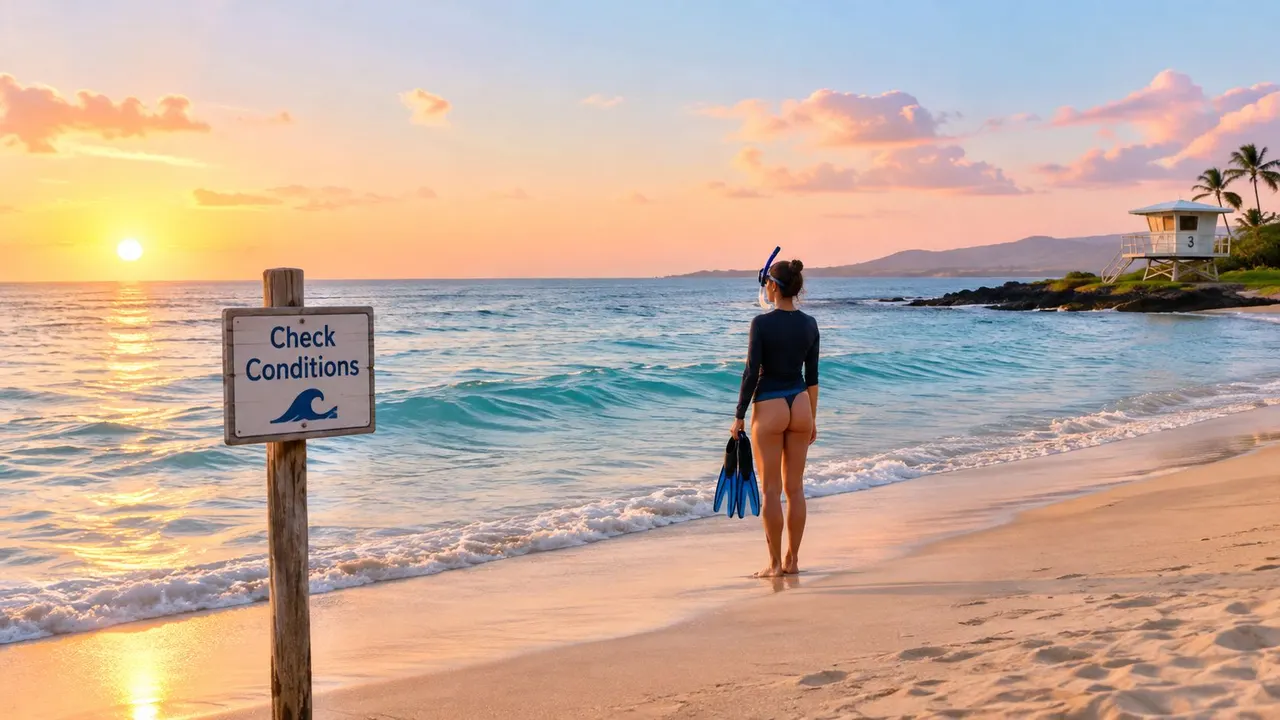
Read the water before you think about fish or turtles. The posted beach conditions signs, which flag high surf, strong winds, heavy shorebreak, and strong currents as unsuitable, are the standard to follow. Morning water is usually clearer and easier to manage, while dawn, dusk, and murky water raise the risk.
The checklist that matters
Start with the beach itself. If waves are breaking hard at the entry, whitewater is sliding sideways, or sand is getting churned up, that spot is a bad choice for a beginner session. Lifeguards give the most useful local read, and the signboard matters more than guesswork.
A simple routine keeps people out of trouble:
- Test the mask first. Put it on, inhale lightly, and make sure it seals before you walk to the water.
- Fit the fins snugly. Loose fins cause blisters, drag, and poor kicks right when control matters.
- Stay paired up. A buddy system only works if both swimmers keep each other in sight.
- Enter and exit calmly. Breaking waves can push water into the snorkel or knock a tired swimmer off balance.
Practical rule: if you cannot clearly explain how you will get in and out, you are not ready to go in yet.
If a current starts carrying you along the shore, do not fight it straight on. Move with it until you can angle back toward a calmer exit, and keep the lifeguard stand in view so you stay oriented. That is easier when you stay calm in the first few seconds.
Use the conditions, not your mood, to decide whether you go in. A guided boat trip changes the safety picture because you are not guessing about entry points, swim distance, or whether the site fits the day. For a practical shoreline-to-boat comparison, these Oahu snorkeling options show the trade-offs clearly.
Top Oahu Snorkel Sites and How They Differ
Oahu snorkel spots do different jobs. Some suit first-timers who need a protected bay, some reward experienced swimmers who can read surf and current, and some are only worth the effort when the water is calm. The right choice depends less on the name of the beach and more on how the site behaves that day.
| Site | Skill Level | Best Season | Access |
|---|---|---|---|
| Hanauma Bay | Beginner to intermediate | Year-round | Shore entry with conservation rules and managed access |
| Shark's Cove | Intermediate to advanced | Summer | Shore entry on the North Shore, conditions vary a lot |
| Kuilima Cove | Beginner | Summer and calmer days | Shore entry near Turtle Bay, resort-adjacent |
| Electric Beach | Advanced | Calm days | Shore entry, often better for experienced snorkelers |
| Waikīkī lagoon fringes | True beginner | Calm mornings | Easy shore access near town |
What each place is really for
Hanauma Bay is the controlled choice. It gives a first-timer a better chance to settle in because the reef is protected, the setting is managed, and the water is often friendlier than exposed coastlines. If you want a close look at that style of outing, the Hanauma Bay snorkeling page covers the protected-bay setup in practical terms.
Shark's Cove has a different feel entirely. In summer, confident swimmers can find good water there, but winter surf can turn it into a poor pick fast. The name gets attention, yet the issue is exposure and conditions, not the label.
Kuilima Cove is gentler and works well for a low-drama session near Turtle Bay. You do not need to turn it into a full-day project. Electric Beach sits at the other end of the range, better for snorkelers who already know how to handle entry, distance, and changing current.
Waikīkī's calmer edges make sense for absolute beginners because the logistics stay simple. You are close to hotels, food, and support, so a short morning swim can fit easily between other plans.
Morning matters there. Start early, before the crowds build and before the water gets chopped up by more traffic and wind. That is the window that usually gives you the cleanest entry and the least hassle if you only want a quick, easy session close to town.
Turtle Canyon and Why a Guided Boat Changes Everything
Turtle Canyon is where a lot of first-time visitors finally get the kind of ocean day they pictured. The site works like a natural gathering point for Hawaiian green sea turtles, and that matters because you're not just drifting over random water. You're visiting a place where the right setup, the right timing, and the right behavior all shape what you see.
Why the boat changes the experience
Swimming out from Waikīkī sounds easy until you add distance, boat traffic, tired legs, and the fact that a beginner still has to deal with every small problem alone. A boat trip removes that friction. You get a briefing, gear, a stable ride out, and a team that already knows where the site is behaving well that day.
That's also why a guided trip is easier for families. If a mask floods, if a child gets nervous, or if someone needs help with viewing distance, the crew handles it without turning the day into a scramble. It's a cleaner experience than trying to self-manage from shore.
Local judgment: if your main goal is “see turtles without turning the day into work,” boat access is the smarter move.
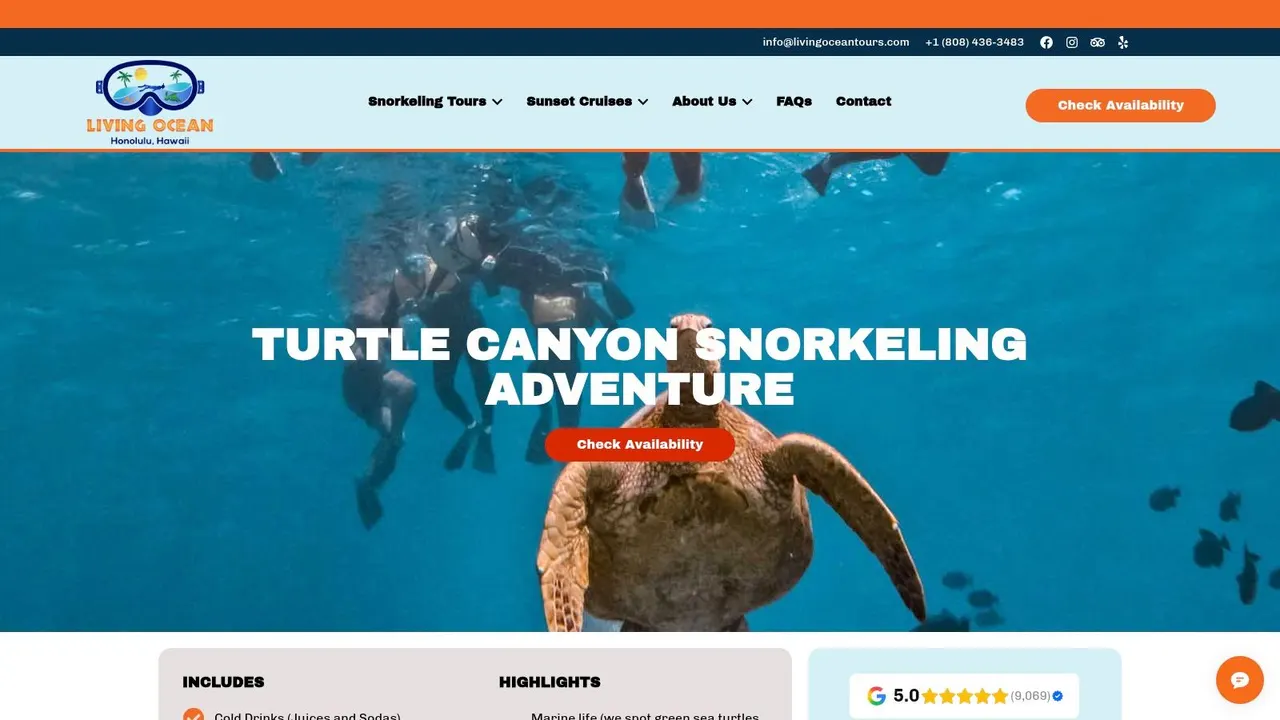
Living Ocean Tours runs the Turtle Canyons Snorkel Excursion from Kewalo Basin near Waikīkī, and it includes gear, instruction, and guides. If you're comparing operators, Snorkel Turtle Canyon is a solid alternative to look at for the same general type of outing.
The practical rhythm is simple. You board at Kewalo Basin, head out to the site, spend time in the water with the crew keeping things organized, then return to shore without the long, tiring swim that shore-entry snorkeling can demand. For most first-timers, that structure is worth more than trying to freestyle the whole outing.
If you're already thinking about a guided trip, this Turtle Canyon booking page is the cleanest way to compare the excursion details.
Seasonal Planning, Sample Itineraries, and What to Pack
The smartest snorkel day on Oahu starts with the season, not the beach name. Summer usually opens more options on the North Shore, winter changes the ocean fast, and the shoulder months often give you the best balance of calmer water and fewer people. On this island, conditions set the plan.
Two simple trip plans
A half-day arrival plan should stay light. Start in Waikīkī, choose a calm entry point, and treat the swim as a reset instead of a full expedition. That keeps the first day easy and gives you a quick read on your mask, fins, and comfort level before you commit to a bigger outing.
For a full ocean day, go out on a boat in the morning, then leave the rest of the day flexible. The boat gives you the steadiest wildlife viewing and the least guesswork. If you still have energy later, end with a sunset outing only if the snorkel wraps up by mid-afternoon and the ocean still looks settled.
What to bring and what to skip
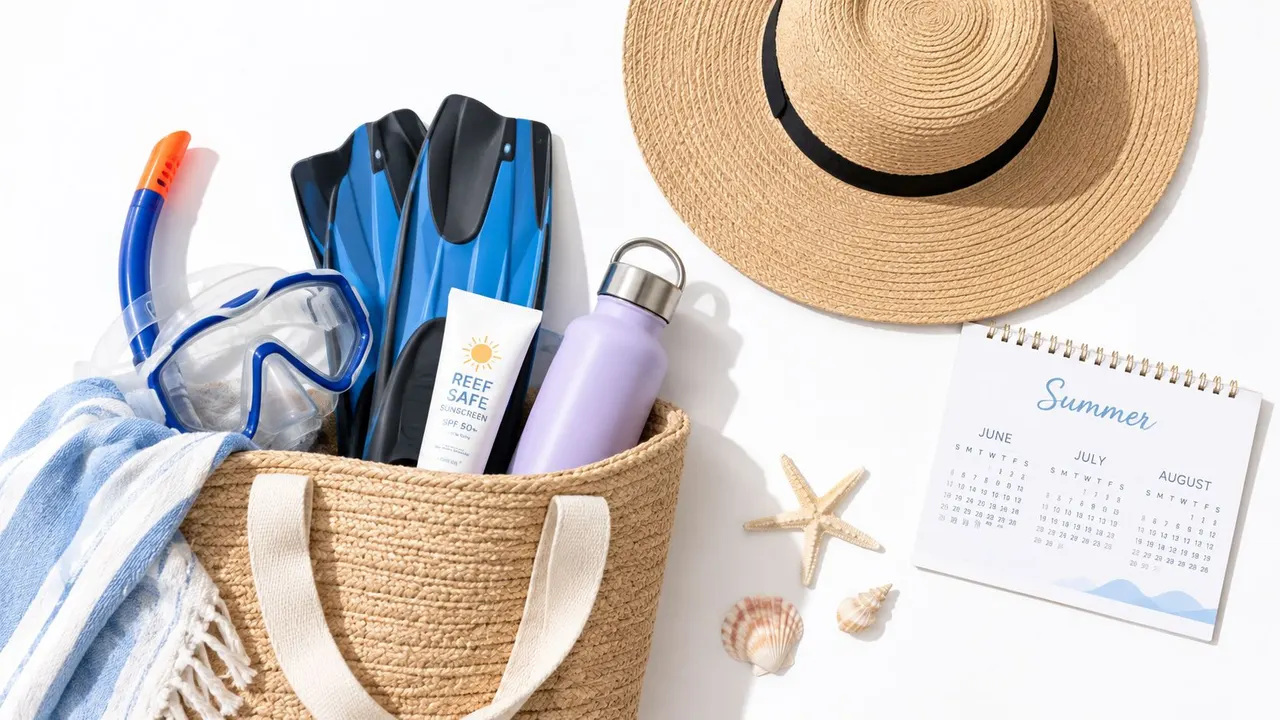
A guided tour covers the hard parts, but a good bag still matters. Bring what keeps the day comfortable and skip the extras that just add weight.
- Reef-safe sunscreen: Pick a formula that works for your skin and reapply as needed.
- Rashguard: Good sun protection and less chafing in the water.
- Dry bag: Keeps your phone, keys, and dry clothes out of trouble.
- Water shoes: Better than bare feet on rocky entries.
- Fins: Useful for longer swims, though not needed for every calm beach session.
- Motion-sickness remedies: Worth packing if boat rides usually bother you.
If you want to check your bag against a fuller list, this Oahu snorkeling packing list is the clearest place to compare what you already have with what you still need.
A family trip does not need extra gimmicks to work. The right schedule, the right site, and a sensible packing list do more for the day than overplanning ever will.
Turtle Etiquette and Conservation in Real Terms
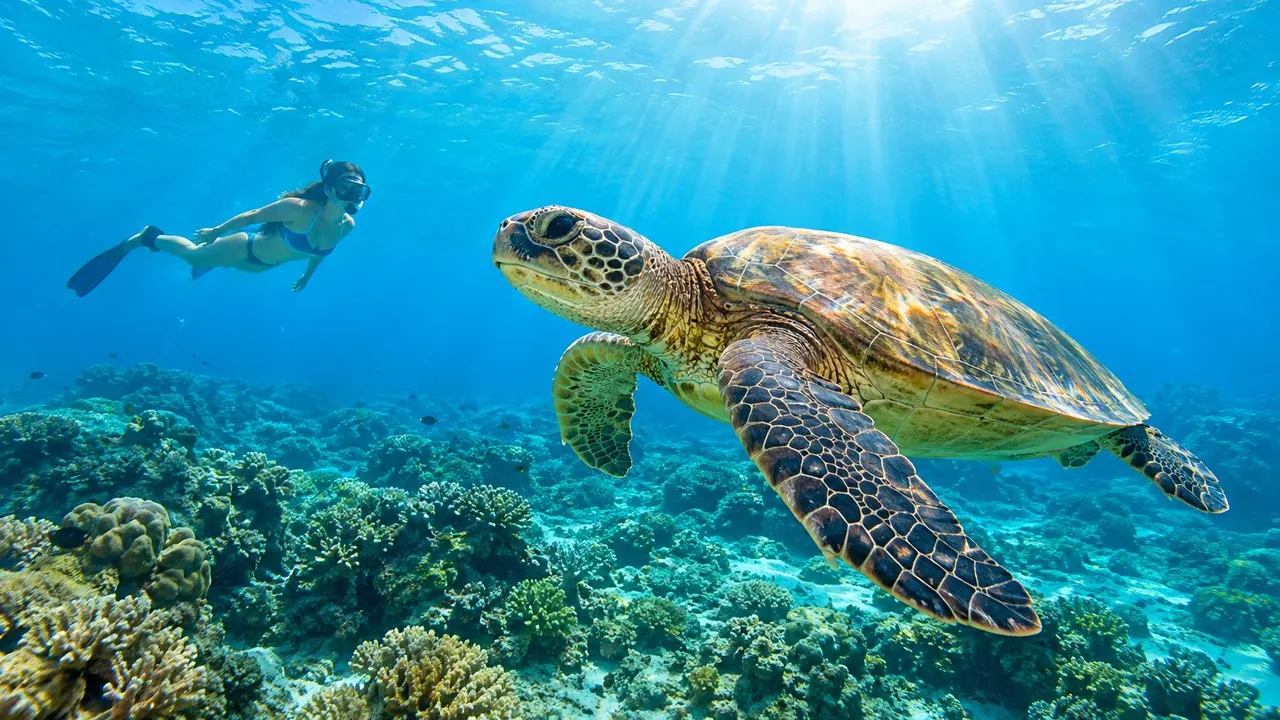
A turtle drifts close and a kid wants the photo. That is the moment to stay still and give it space. Hawaiian green sea turtles are protected wildlife, and the NOAA Fisheries Hawaiian green sea turtle viewing guidelines say to keep at least 10 feet, or 3 meters, away in the water and on shore. Do not chase, touch, feed, encircle, or block the animal.
What to do when a turtle comes close
If a turtle comes toward you, back off. Do not assume it wants company just because it is near you. Hold your position, let it pass, and leave a clean path to the surface and open water.
The bigger problem is crowding. When several swimmers drift in at once, the turtle loses room and the whole scene gets stressful fast. Spread out, stop following, and let the animal choose the distance.
Hawaiʻi applies the same clear standard for turtle encounters, and local staff directions override general advice. For a practical breakdown of do's and don'ts, see the turtle snorkeling rules for Hawaiʻi.
A turtle may look calm and curious, but it is still protected wildlife. Touching or feeding it can count as illegal disturbance, so the safe move is simple: keep your distance and follow the local rule, not your impulse.
When in doubt, let the turtle set the pace.
That restraint keeps the encounter ethical. These animals have a long recovery story, and better numbers do not change the basic rule. They still need space, and they still deserve it.
Choosing the Right Oahu Snorkel Experience for Your Group
The right choice depends on how much friction you want in the day. A self-guided beach snorkel is the cheapest on paper, but it puts the burden on you to read conditions, manage entry and exit, and accept uneven wildlife sightings. A rental boat without a guide gives you mobility, but little support if the weather shifts or someone in the group gets uncomfortable. A guided tour costs more up front, and it usually buys you a smoother day.
How I'd choose by traveler type
If you're a first-time Waikīkī visitor, I'd start with guided. You get instruction, gear, and a crew that already knows how to work the site and the conditions. That matters even more if your group includes children, non-swimmers, or anyone who gets nervous in open water.
If you already read surf and current well, a shore day can work when the weather is right. Hanauma Bay or another sheltered option may fit, but you still need to judge the day and think about the group's stamina.
For families who want more than plain snorkeling, the Deluxe Waikīkī Snorkel and Wildlife Cruise adds a waterslide and water toys, which helps when part of the group wants more action and the rest wants an easy outing. For couples or travelers planning around sunset, a sunset cruise fits better than a snorkel-heavy day. If you're visiting in winter and care about marine life beyond turtles, the whale watch tour matches that season better than a generic snorkel plan.
There's a simple booking path if you want one operator to handle the logistics. The Living Ocean Tours snorkel options page lets you compare the guided choices in one place, including the Turtle Canyon trip and the family-oriented cruise.
For travelers who want the least guesswork, that is usually the cleanest place to start.
FAQs and Next Steps for Booking
People usually have the same last questions right before they book. The answers are simple, but they matter.
Will I definitely see turtles on Turtle Canyon? Wildlife is never guaranteed, but Turtle Canyon is set up for strong chances because it's a known turtle area and guides know how to work the site responsibly.
Can kids snorkel on a boat tour? Usually yes, as long as the child fits the operator's age and size requirements and is comfortable in the water with supervision.
What time of year is calmest? The shoulder months often give you the easiest balance overall, while mornings are usually better than later in the day for most snorkel outings.
What if I'm anxious or not a strong swimmer? A guided tour is the better call. The crew can give you gear help, clear instruction, and a simpler setup than trying to figure out a beach entry alone.
Start by checking the tour calendar, confirm what's included, and choose the outing that matches the kind of day you want. If your goal is turtles with less hassle, book the guided snorkel. If your goal is a calmer evening on the water, pick the sunset cruise instead.
Living Ocean Tours runs guided snorkeling, sunset cruises, and seasonal whale watching from Waikīkī, with trips built for families, first-timers, and anyone who'd rather spend the day in good water than in a parking lot. If you want a practical, ocean-first way to plan your Oahu time, visit Living Ocean Tours and pick the trip that fits your group, your comfort level, and the kind of day you want on the water.


